
Used 2016 Kenworth Conventional Sleeper Trucks For Sale
Shop the 2016 Kenworth conventional sleeper category. Compare T680 specs, engine options, sleeper sizes, and long-haul operating considerations.
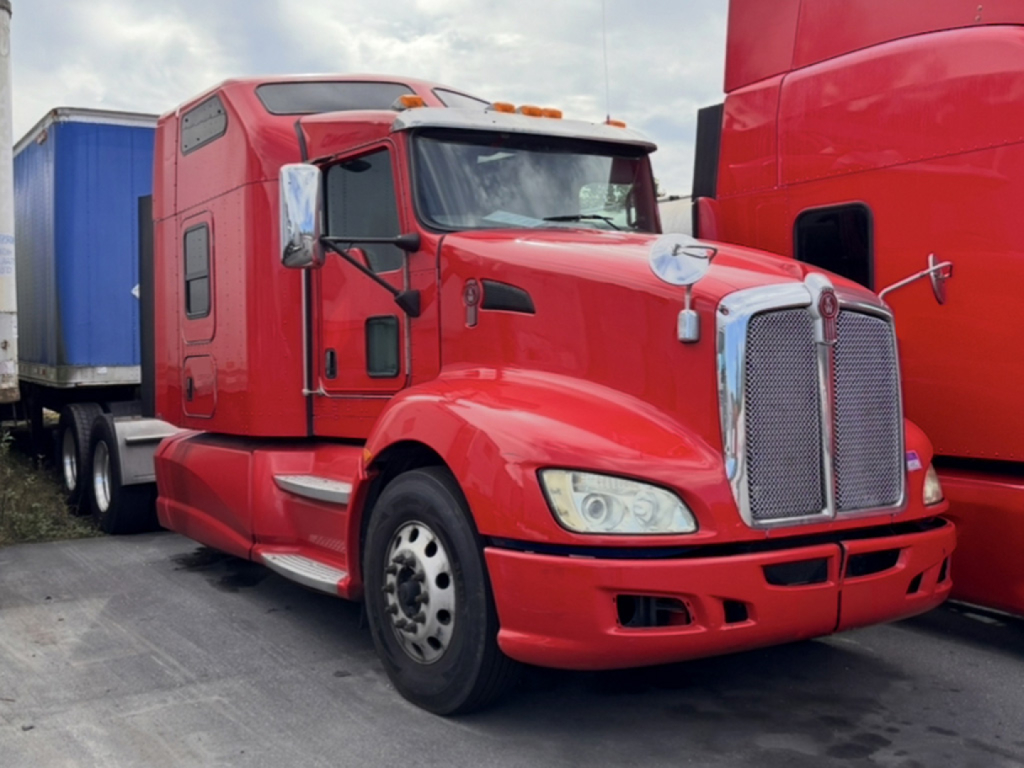
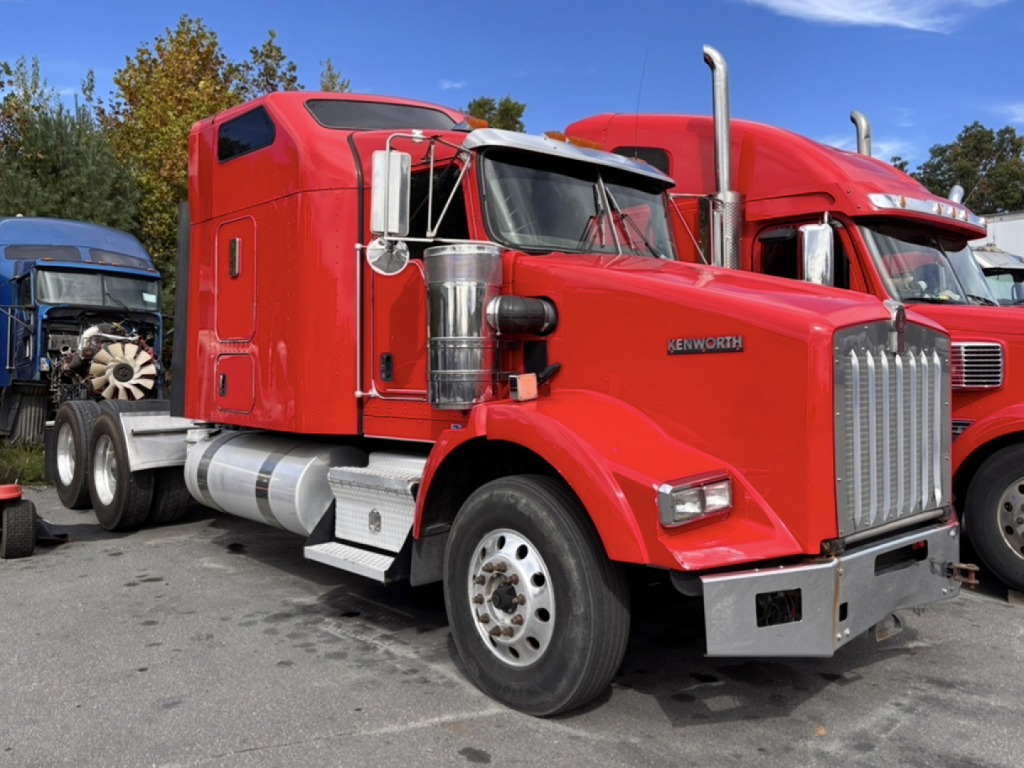
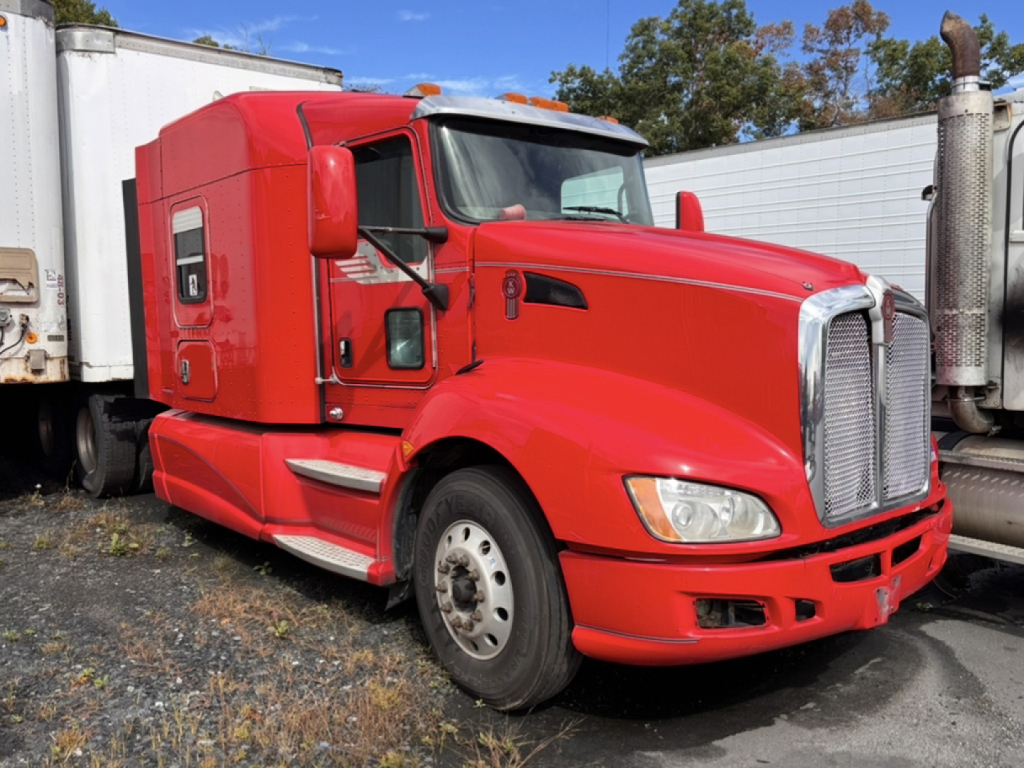
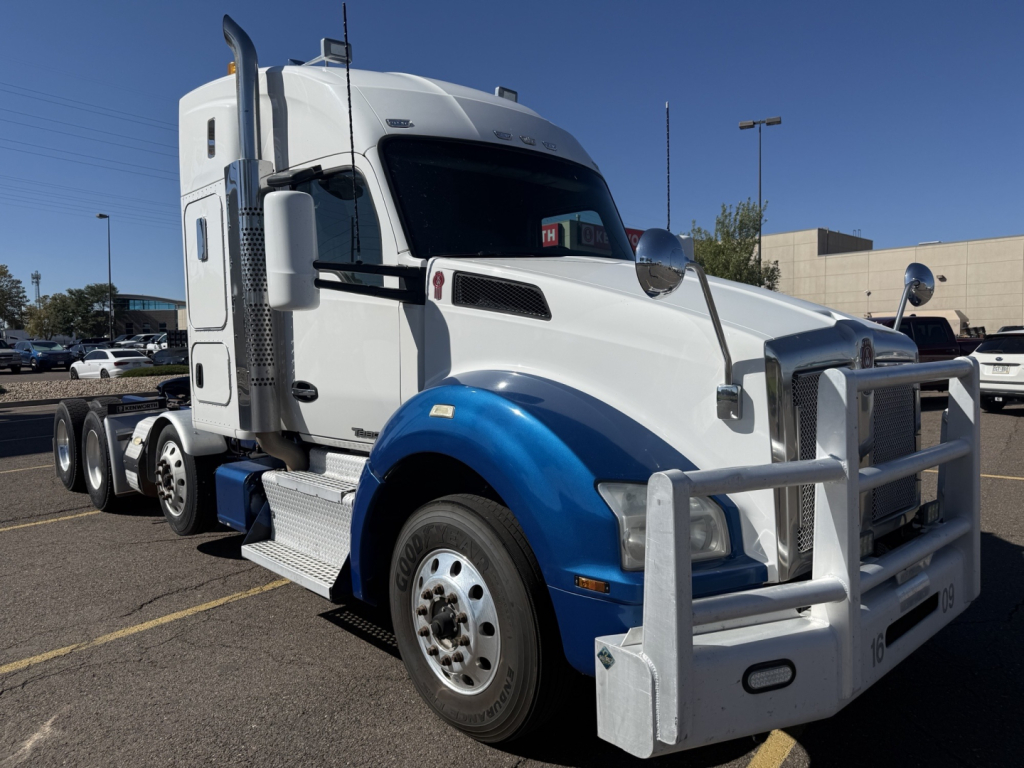
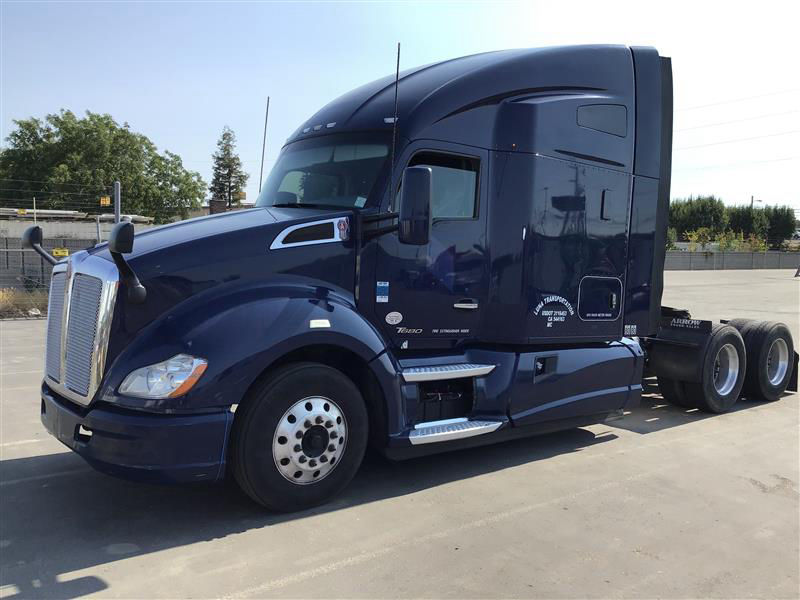

Selling a used 2016 kenworth conventional sleeper truck? List your used 2016 kenworth conventional sleeper truck for sale and reach thousands of commercial buyers.
Used 2016 Kenworth Conventional Sleeper Trucks
Frequently Asked Questions about Used 2016 Kenworth Conventional Sleeper Trucks
What engine options are common in a used 2016 Kenworth conventional sleeper?
The most common engines in a 2016 Kenworth conventional sleeper are the PACCAR MX-13 and, in some configurations, a Cummins heavy-duty diesel depending on how the truck was originally ordered. The MX-13 is popular for linehaul work because it balances horsepower, torque, fuel economy, and a quieter cab experience. Buyers should look beyond advertised horsepower and confirm emissions history, aftertreatment service records, engine hours, and any major repairs such as injectors, turbocharger, EGR components, or DPF and SCR work.
What sleeper sizes and cab configurations are typical on a 2016 Kenworth T680?
A 2016 Kenworth T680 conventional sleeper can be found with several sleeper layouts, including mid-roof and high-roof configurations, and single-bunk or double-bunk interiors. Sleeper choice matters because it affects driver comfort, storage, and overall tractor weight. A high-roof sleeper with double bunk, cabinet space, and provisions for an APU or inverter is generally better suited for long-haul operations, while a shorter sleeper may fit dedicated or regional applications where reducing weight and cost is more important than living space.
What should buyers inspect on a used 2016 Kenworth sleeper truck before purchase?
The priority items are emissions system condition, maintenance documentation, transmission performance, suspension wear, and cab electrical function. On a 2016 truck, it is important to inspect DPF service intervals, DEF system operation, fault code history, and signs of repeated derates. Buyers should also check front-end wear, steering play, air ride suspension components, fifth wheel movement, brake condition, and interior sleeper equipment such as HVAC, bunk heater, inverter wiring, and APU integration if equipped. A full ECM download and oil sample can add useful insight on mileage accuracy and engine health.
Is a 2016 Kenworth conventional sleeper a good fit for long-haul operations?
Yes, this category is generally well suited for long-haul freight when the truck has been properly maintained and spec'd for the intended lanes. The 2016 Kenworth T680 in particular is known for an aerodynamic design, quieter cab, and driver-focused interior that supports extended time on the road. Buyers should match the truck to the operation by looking at sleeper height, fuel capacity, horsepower, transmission type, and axle ratio. A truck built for dry van and reefer work may not be ideal for heavier specialized freight without the right drivetrain and axle specification.
How do axle ratio and transmission choice affect a 2016 Kenworth sleeper truck?
Axle ratio and transmission choice have a direct impact on fuel economy, gradeability, cruise RPM, and driver preference. A faster rear ratio paired with an overdrive transmission is common in fuel-focused highway applications, while a deeper ratio may be preferred for heavier loads or more demanding terrain. Manual 13-speed transmissions still appeal to some fleets and owner-operators for control and versatility, while automated manuals can improve consistency and reduce driver fatigue. The right combination depends on typical gross weight, route profile, and desired cruising speed.