
2023 Kenworth Conventional Sleeper Trucks For Sale in South Carolina
2023 Kenworth conventional sleeper trucks for sale in South Carolina: compare T680 powertrains, sleeper layouts, emissions history, and axle gearing.
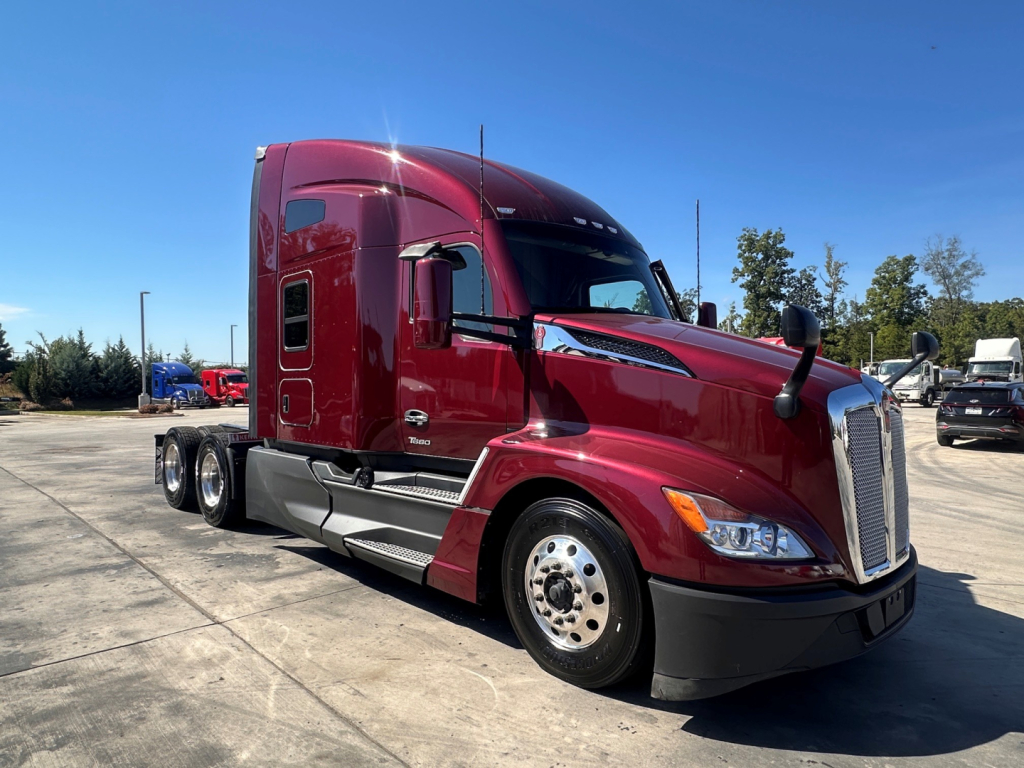
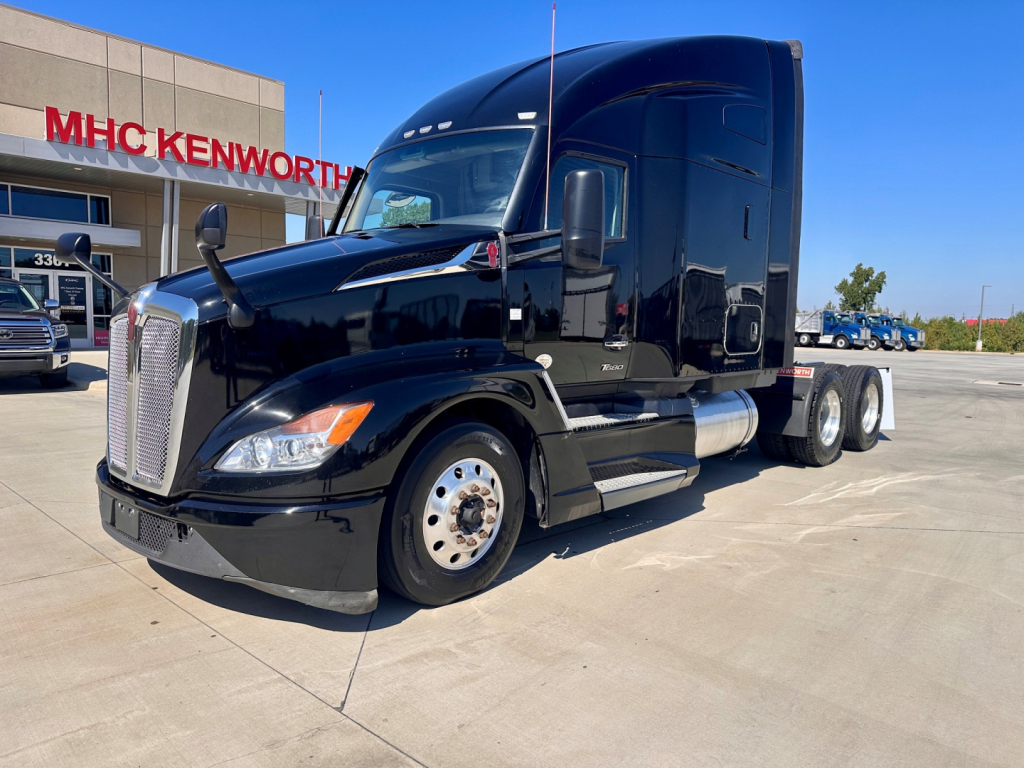
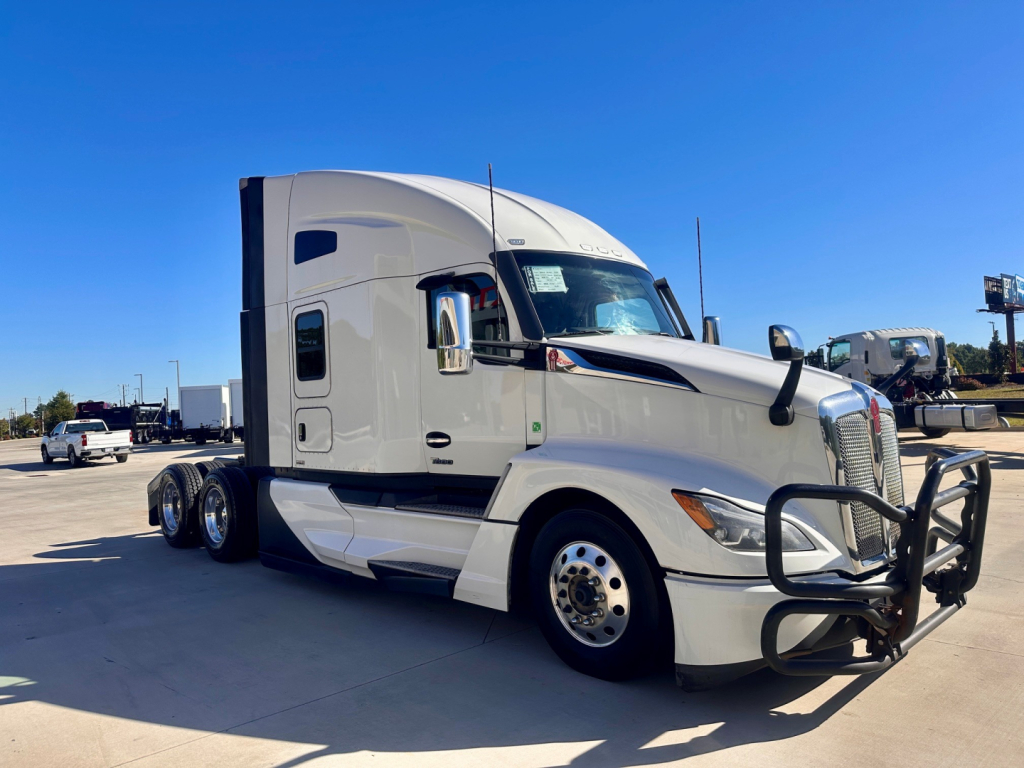
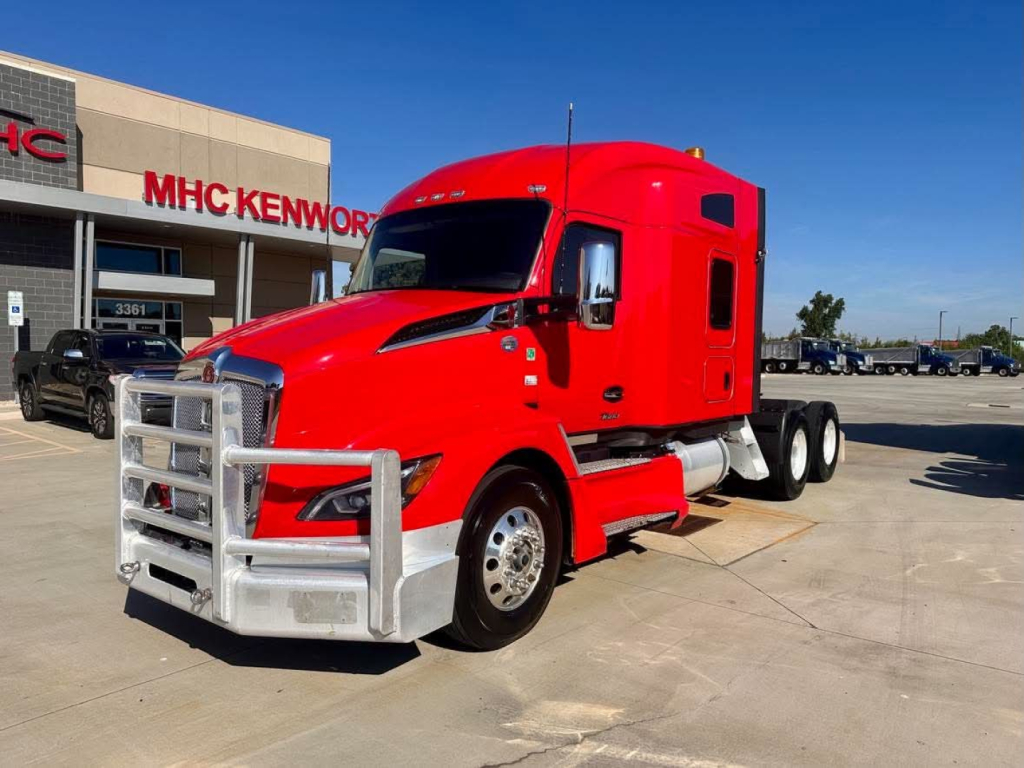
Selling a 2023 kenworth conventional sleeper truck? List your 2023 kenworth conventional sleeper truck for sale and reach thousands of commercial buyers.
2023 Kenworth Conventional Sleeper Trucks in South Carolina
For a 2023 T680, common powertrain choices include the PACCAR MX-13 with a PACCAR 12-speed automated transmission and the Cummins X15 with an Eaton automated transmission. Confirm the actual engine, transmission model, axle ratio, and tire size from the build sheet. Highway gearing selected for I-95 linehaul may sacrifice startability or grade performance on heavier Upstate assignments. Match sleeper roof height to trailer type, and compare single-bunk versus double-bunk layouts, fuel capacity, fifth-wheel travel, and tandem ratings against payload and driver needs.
The 2023 T680 belongs to Kenworth's Next Generation design era; diesel powertrains across this model year use DPF and SCR aftertreatment with DEF. On used tractors, compare ECM mileage and engine hours with service records, then review regeneration frequency, fault history, DPF cleaning, and documented emissions-system repairs. A low odometer reading does not rule out heavy idle time. Request a cold start and loaded road test, checking coolant condition, crankcase pressure, transmission behavior, and driveline vibration. Inspect air suspension bushings, fifth-wheel jaws, brakes, and steer-tire wear before accepting a recent inspection sticker as proof of condition.
South Carolina heat and humidity make parked sleeper cooling, door seals, and water leaks practical ownership issues. Coastal service adds reason to inspect electrical connectors, frame hardware, and air tanks for corrosion, while a truck's previous operating territory matters more than its current location. Check cab mounts and suspension components for wear from industrial yards and uneven approaches. Verify tractor and trailer axle weights together, especially with large fuel tanks or a heavy sleeper specification.
New 2023 equipment requires different paperwork, not less scrutiny. Factory specifications are already fixed, so compare the completed build against the intended trailer and route rather than assuming an older model year can still be factory ordered. Verify the in-service date, storage maintenance, tire age, and written warranty terms; used-truck coverage also needs confirmation of transferability and remaining mileage or time. The 12% federal excise tax generally applies to the first retail sale of qualifying new heavy highway tractors, so establish tax status separately from model year.
Frequently Asked Questions about 2023 Kenworth Conventional Sleeper Trucks in South Carolina
Is a 2.47 rear axle ratio a good choice for a 2023 Kenworth sleeper in South Carolina?
A 2.47 rear axle ratio is a highway-oriented choice, not automatically the best specification for heavy South Carolina runs. On a 2023 Kenworth sleeper, transmission gearing and tire revolutions per mile determine how that ratio behaves. Compare engine rpm at cruising speed and loaded startability using the actual drivetrain specifications. Frequent heavy starts, yard maneuvering, and rolling terrain deserve more attention than the axle ratio alone.
Can a 2023 Kenworth sleeper legally gross 80,000 pounds in South Carolina?
A five-axle Kenworth sleeper tractor-trailer can operate at up to 80,000 pounds on South Carolina Interstate highways when axle weights, bridge spacing, and equipment ratings comply. Federal Interstate limits ordinarily include 20,000 pounds on a single axle and 34,000 pounds on a tandem. A heavy sleeper, APU, and full fuel tanks reduce payload, while short container chassis combinations can reach a bridge-formula limit before gross weight.
Can I use a Kenworth sleeper tractor for Charleston port drayage?
A Kenworth sleeper tractor can handle Charleston port drayage if its wheelbase and fifth-wheel position provide adequate container-chassis clearance. Check landing-gear clearance through tight turns and confirm chassis coupling height before committing the truck to port work. Drivers needing unescorted access to secure marine terminal areas generally need a TWIC, while individual terminals may require additional registration or credentials.
What should I check after a windshield replacement on a 2023 Kenworth T680?
Documented camera calibration is the priority after windshield replacement on a 2023 Kenworth T680 equipped with a windshield-mounted driver-assistance camera. Confirm the installed safety system from the build sheet because equipment varies. Scan for active and stored faults, verify any required radar alignment after front-end repairs, and test cruise and warning functions according to manufacturer procedures rather than accepting a cleared dashboard as proof.
Does a 2023 Kenworth sleeper need an APU for South Carolina routes?
A diesel APU is not required to operate a 2023 Kenworth sleeper in South Carolina, but parked cooling capacity matters during humid summer layovers. Compare diesel APU runtime and service needs with battery HVAC capacity for the intended stop duration. Inspect APU hours, maintenance records, compressor operation, and any shore-power connection; a comfortable sleeper with the main engine running does not prove the parked HVAC system works.