
2016 Kenworth Conventional Sleeper Trucks For Sale
Browse 2016 Kenworth conventional sleeper trucks with specs, sleeper options, engine choices, wheelbase, drivetrain, and long-haul features.
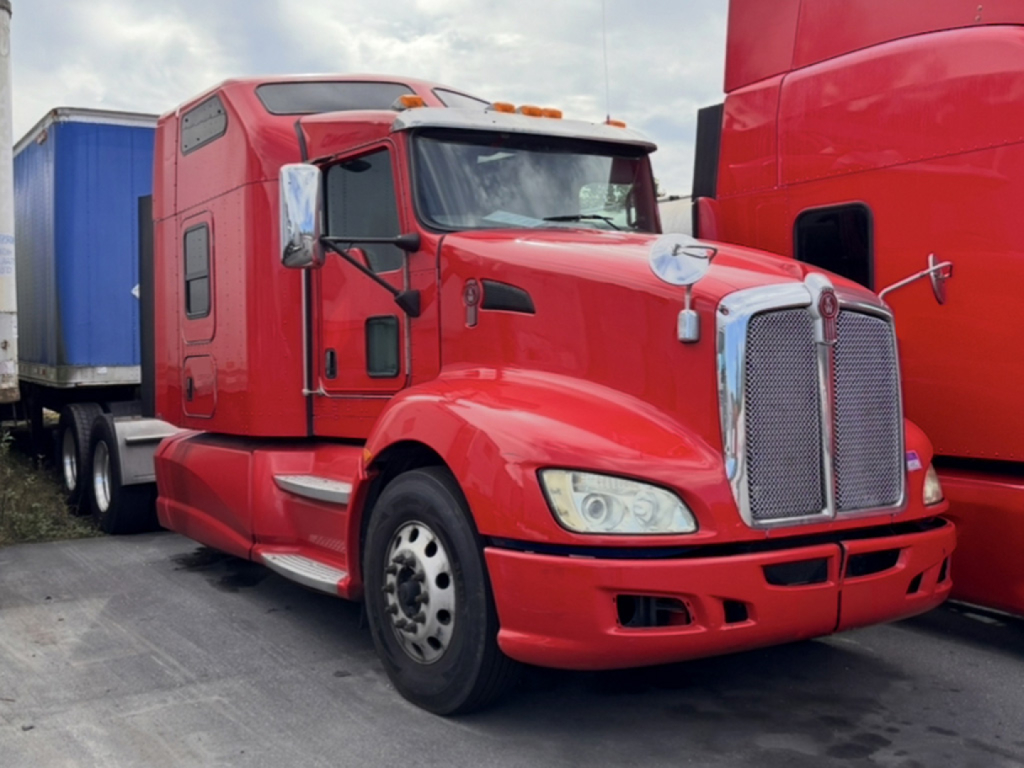
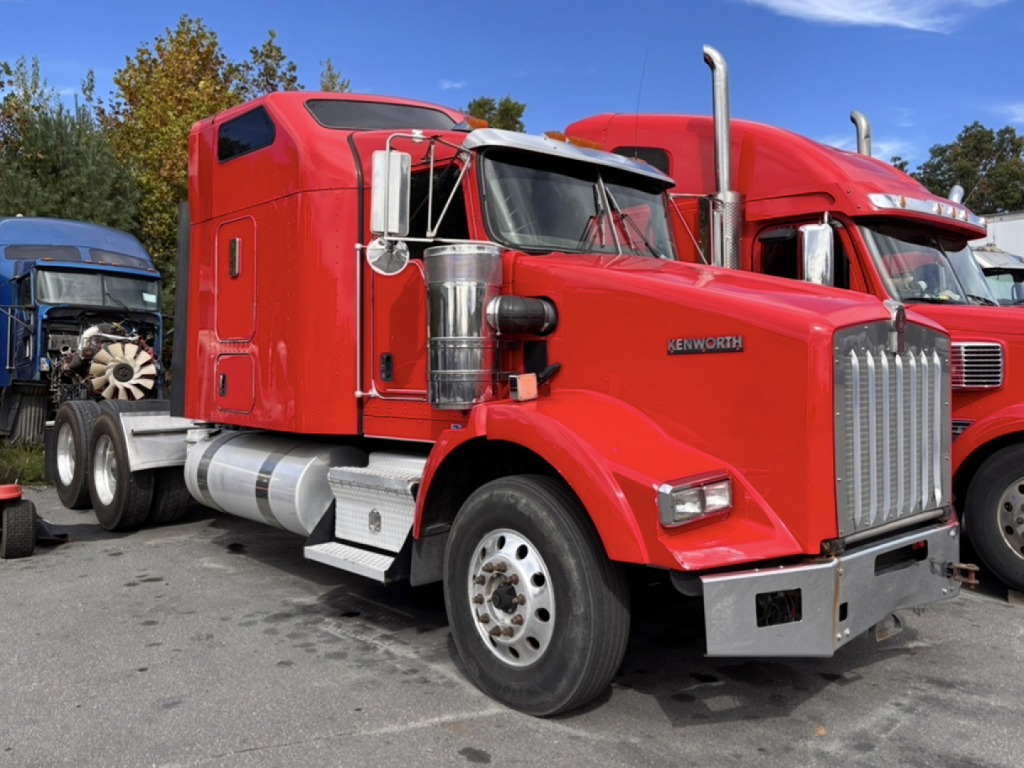
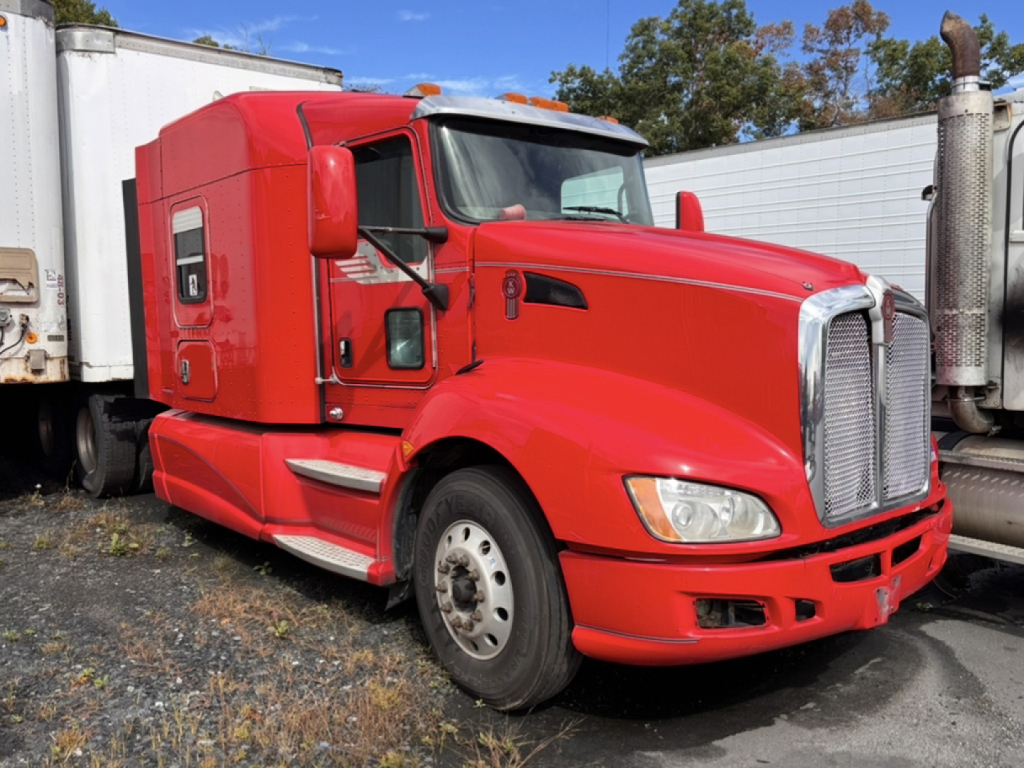
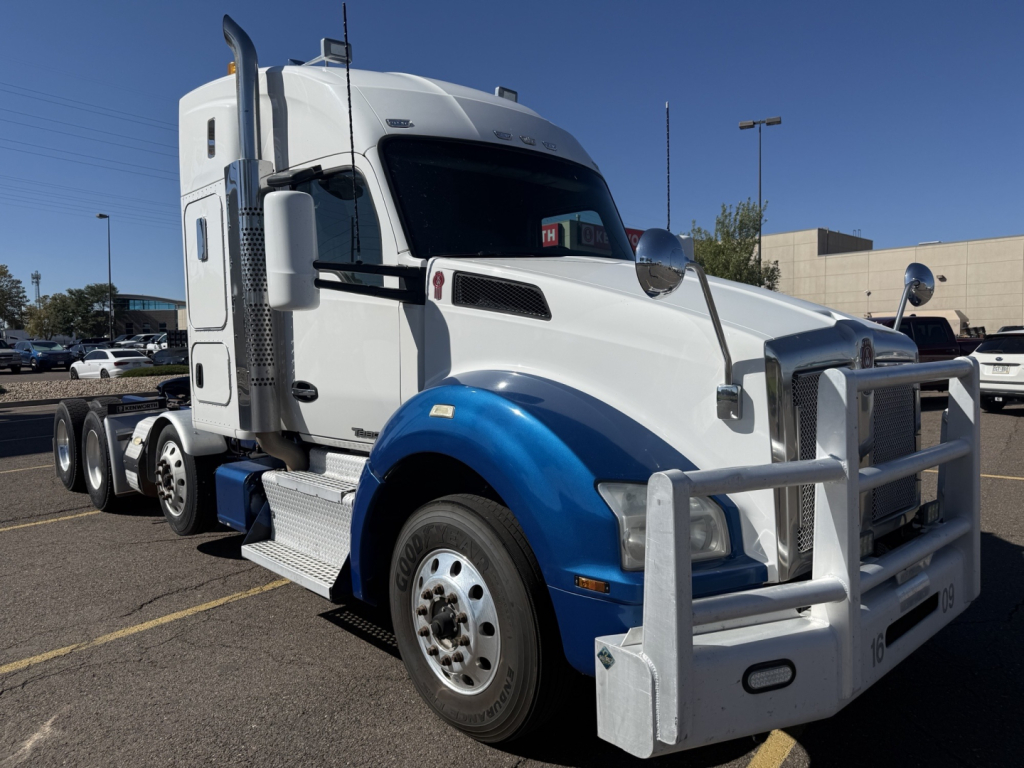
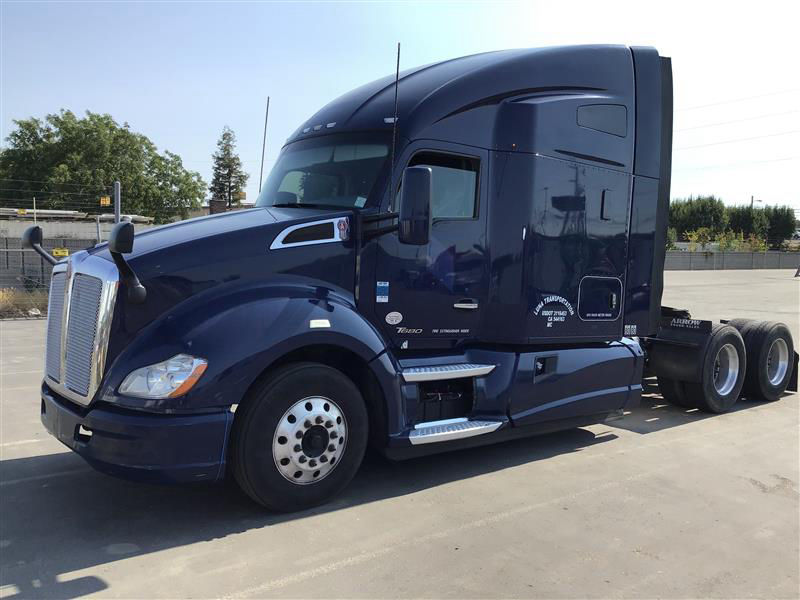

Selling a 2016 kenworth conventional sleeper truck? List your 2016 kenworth conventional sleeper truck for sale and reach thousands of commercial buyers.
2016 Kenworth Conventional Sleeper Trucks
The biggest buying decision is usually the powertrain. A 2016 Kenworth sleeper may be equipped with a PACCAR MX-13, Cummins ISX15, or in some cases other regional or vocational specs depending on prior service. Horsepower often falls in the 400 to 500 hp range, with torque and rear axle ratio determining how well the truck fits van, reefer, flatbed, or heavy freight work. Buyers should compare automated and manual transmissions carefully, especially if the truck will be reassigned to a different duty cycle than its original application. Common highway ratios such as 2.64, 2.79, 3.08, 3.25, or 3.55 can change cruise RPM, gradeability, and fuel burn significantly.
Sleeper configuration and chassis layout deserve just as much attention as the engine badge. In 2016 Kenworth conventional sleepers, you will commonly see 62-inch, 72-inch, and 76-inch sleepers, including mid-roof, flat-top, and high-roof designs. A high-roof T680 usually appeals to long-haul carriers and team drivers looking for stand-up room and better living space, while a flat-top or smaller sleeper can make sense for regional operations that still require overnight capability. Wheelbase, fifth wheel placement, fuel tank capacity, and fairing condition all affect payload flexibility and operating cost. Inside the cab, buyers often look for double bunks, Espar or bunk heaters, APUs, inverter prep, premium seats, navigation, and the VIT or Vantage interior packages depending on model.
Condition matters more than badge loyalty on a used 2016 sleeper. Service records, DPF and aftertreatment history, clutch life on manual trucks, automated transmission calibration, suspension wear, and signs of frame or sleeper damage should all be reviewed before comparing price alone. Kenworth buyers also tend to pay close attention to cab insulation, steering feel, air ride quality, and how well doors, fairings, and sleeper seals have held up over time. A well-spec'd 2016 Kenworth conventional sleeper can still be a productive highway truck if the emissions system, cooling system, and drivetrain have been maintained to match the miles and application.
Frequently Asked Questions about 2016 Kenworth Conventional Sleeper Trucks
What engines are common in a 2016 Kenworth conventional sleeper truck?
The most common engines in a 2016 Kenworth conventional sleeper are the PACCAR MX-13 and Cummins ISX15, depending on model and original fleet spec. The MX-13 is often chosen for fuel economy and integration with Kenworth highway platforms, while the ISX15 remains popular for broad service support, strong torque, and familiarity among independent operators. The right choice depends on your shop support, route profile, weight, and how much value you place on emissions history and engine parts availability.
Which 2016 Kenworth sleeper model is best for long-haul freight?
For most long-haul freight applications, the 2016 Kenworth T680 is the most common fit because it combines aerodynamic bodywork, driver-friendly cab design, and a wide range of sleeper sizes and highway drivetrain specs. A W900 sleeper can also be a strong long-haul truck, but it is typically chosen for styling, owner-operator preference, and custom spec flexibility rather than maximum aerodynamic efficiency. The best model depends on your freight, fuel strategy, and how much living space the driver needs.
What should I check first on a used 2016 Kenworth sleeper?
Start with maintenance history, engine hours, aftertreatment service records, and any major repairs to the engine, transmission, or differential. Then inspect the DPF system, SCR components, coolant system, suspension, steer axle wear, and sleeper condition. On highway tractors, fairings, cab mounts, bunk HVAC, and fifth wheel operation also deserve close attention because those items affect both daily usability and long-term operating cost.
Are 2016 Kenworth conventional sleepers good for regional work as well as over-the-road use?
Yes. A 2016 Kenworth conventional sleeper can work well in regional service if the truck has the right wheelbase, sleeper size, and axle ratio for frequent turns and mixed highway use. Smaller sleepers and shorter wheelbase specs are often more practical for regional lanes, while larger high-roof sleepers are usually better suited to extended over-the-road runs. The key is matching the existing spec to the actual duty cycle instead of paying for a sleeper setup you do not need.
How important are axle ratio and transmission choice on a 2016 Kenworth sleeper?
Axle ratio and transmission choice have a major effect on fuel economy, startability, cruise RPM, and driver acceptance. A truck with a tall highway ratio may perform well on dry van or reefer lanes but feel undergeared for heavy flatbed or mountain work. Automated manuals can improve consistency and reduce driver fatigue, while manual transmissions still appeal to some fleets and owner-operators for control and simplicity. These specs should be reviewed together, not separately, because they determine how the truck actually works on the road.