
2016 Kenworth Conventional Sleeper Trucks For Sale in North Carolina
Compare 2016 Kenworth conventional sleeper trucks for sale in North Carolina by engine history, sleeper layout, mountain gearing and emissions equipment.
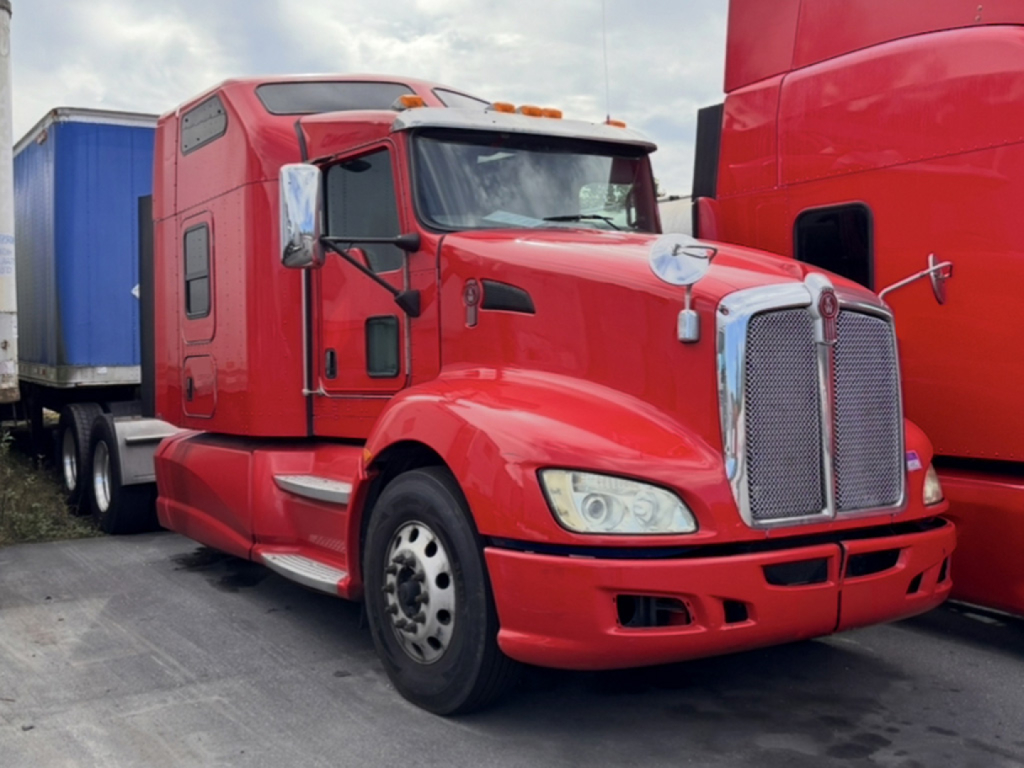
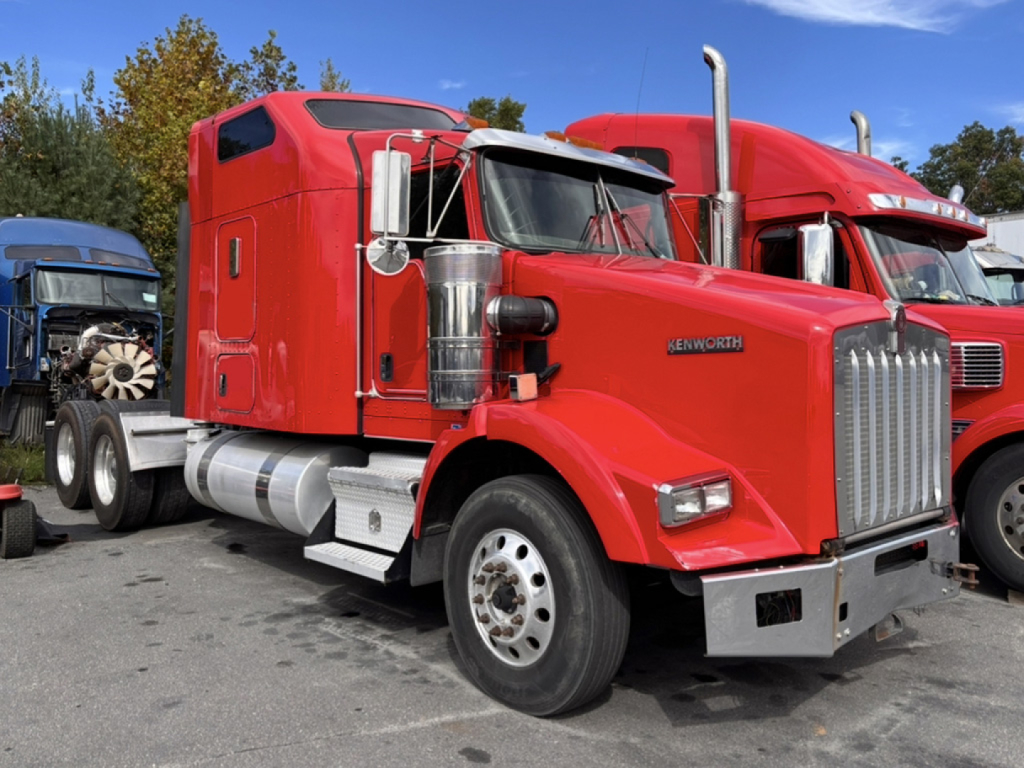
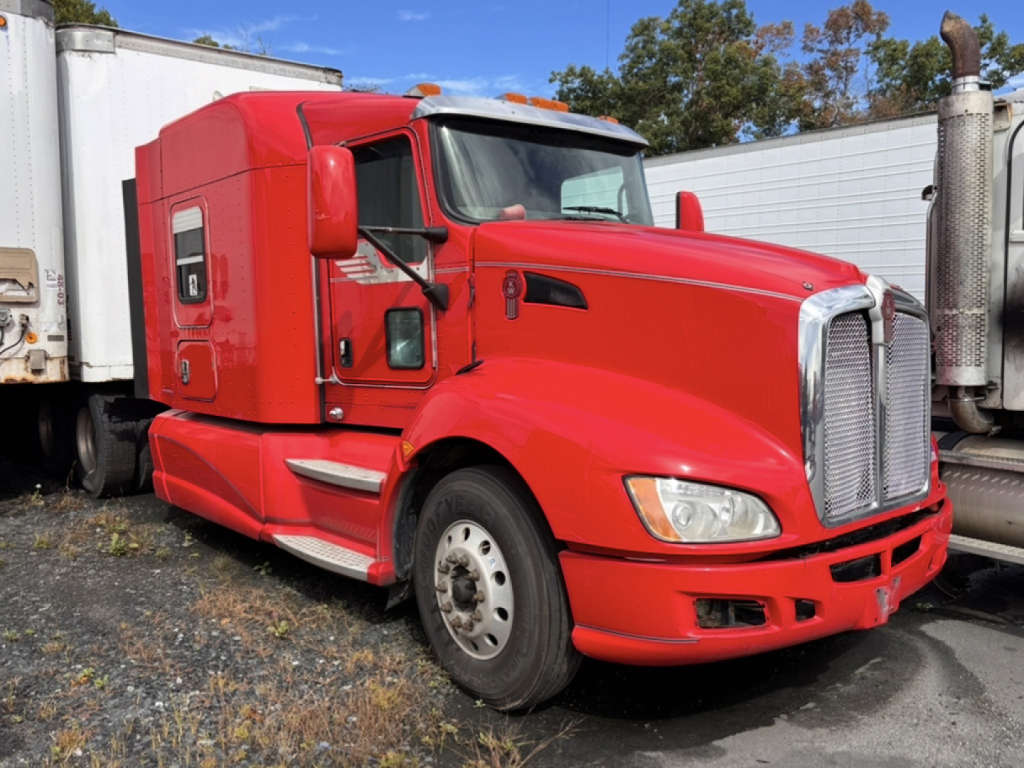

Selling a 2016 kenworth conventional sleeper truck? List your 2016 kenworth conventional sleeper truck for sale and reach thousands of commercial buyers.
2016 Kenworth Conventional Sleeper Trucks in North Carolina
A 2016 chassis does not establish the engine's emissions generation. Factory-emissions diesel engines from this period normally use a diesel particulate filter, selective catalytic reduction and DEF, while glider-built tractors may carry older engines such as the Detroit Series 60. Verify the engine serial number, emissions label, installation documentation and ECM identity before judging either configuration. On an emissions-equipped tractor, inspect regeneration history, aftertreatment fault codes and documented DPF cleaning. An older engine installation warrants equally careful checks of overhaul records, wiring integration, cooling capacity and compliance for the intended operating territory.
North Carolina's I-85 and I-40 freight lanes favor efficient highway gearing, but western mountain routes place greater demands on gradeability, engine braking and cooling. A numerically low axle ratio can work well on flatter routes, yet axle ratio alone cannot establish suitability without transmission ratios, tire size and loaded weight. Match wheelbase and fifth-wheel travel to trailer clearance and axle loading. Coastal exposure can corrode electrical connections and chassis hardware, while trucks working the mountains may show winter road-treatment damage regardless of where they are currently titled.
On used examples, reconcile ECM mileage and engine hours with service records, then inspect the fifth-wheel plate, mounting rails, suspension bushings, steering linkage and driveline for accumulated wear. High idle hours can explain substantial engine and accessory wear on a truck with moderate road mileage. Check sleeper roof seams, cab mounts, bunk HVAC and evidence of water intrusion behind interior trim. Clutch condition and shift quality deserve attention on both manual and automated manual gearboxes. Documented engine work is most useful when invoices identify components replaced and measurements taken, rather than merely describing an overhaul.
For a 2016 tractor represented as new or unused, verify storage history, original build specifications and warranty status in writing. Unused tires, seals, batteries and fluids still age. Confirm whether any manufacturer coverage remains and when it began. A qualifying first retail sale of a heavy tractor can carry 12% federal excise tax; an older model year alone does not establish that the tax has already been paid.
Frequently Asked Questions about 2016 Kenworth Conventional Sleeper Trucks in North Carolina
Does a 2016 Kenworth glider with a Detroit Series 60 need an ELD?
A pre-2000 engine can qualify a 2016 Kenworth glider for the federal ELD exception, but the chassis year and Series 60 name do not establish eligibility. Verify the engine's manufacture date and retain supporting records as required by FMCSA. Drivers using this exception must still follow applicable hours-of-service rules and maintain the required records of duty status.
Can a 2016 Kenworth sleeper with 40,000-pound rear axles legally carry that much on the tandem in North Carolina?
A 40,000-pound tandem rating does not authorize a 40,000-pound tandem load on North Carolina highways. Standard Interstate limits are generally 34,000 pounds on a tandem and 80,000 pounds gross, subject to axle spacing and bridge requirements. A 2016 Kenworth sleeper must also comply with component ratings, registered weight and any route-specific restrictions; permitted operations require separate review.
Is an automatic transmission in a 2016 Kenworth sleeper the same as an Allison automatic?
An automated manual transmission is not the same as an Allison torque-converter automatic. A 2016 Kenworth highway sleeper described as automatic may have an automated manual that uses a clutch and electronically controlled shifts. Confirm the transmission model from its identification tag, then evaluate clutch wear, engagement behavior, diagnostic faults and compatibility with the engine rather than relying on the advertisement's terminology.
How should I test the APU on a 2016 Kenworth sleeper?
Test an APU-equipped 2016 Kenworth sleeper with the main engine off and the bunk cooling system operating. Verify charging output, heater operation and sustained performance under the intended electrical load. Diesel APUs need their own service history, while battery-based systems require a battery-capacity assessment. Inspect auxiliary fuel lines, exhaust routing and mounting brackets for leaks, damage and loose hardware.
What engine tests should I request before buying a used 2016 Kenworth sleeper?
A cold start and a fully warmed, loaded road test reveal problems that an idle-only inspection can miss on a used 2016 Kenworth sleeper. Have a qualified technician assess crankcase pressure against engine specifications, cooling-system pressure and operating temperatures. Oil and coolant analysis can provide supporting evidence, but fresh fluids or a single clean sample cannot establish engine condition.