
Freightliner Conventional Sleeper Trucks For Sale in Florida
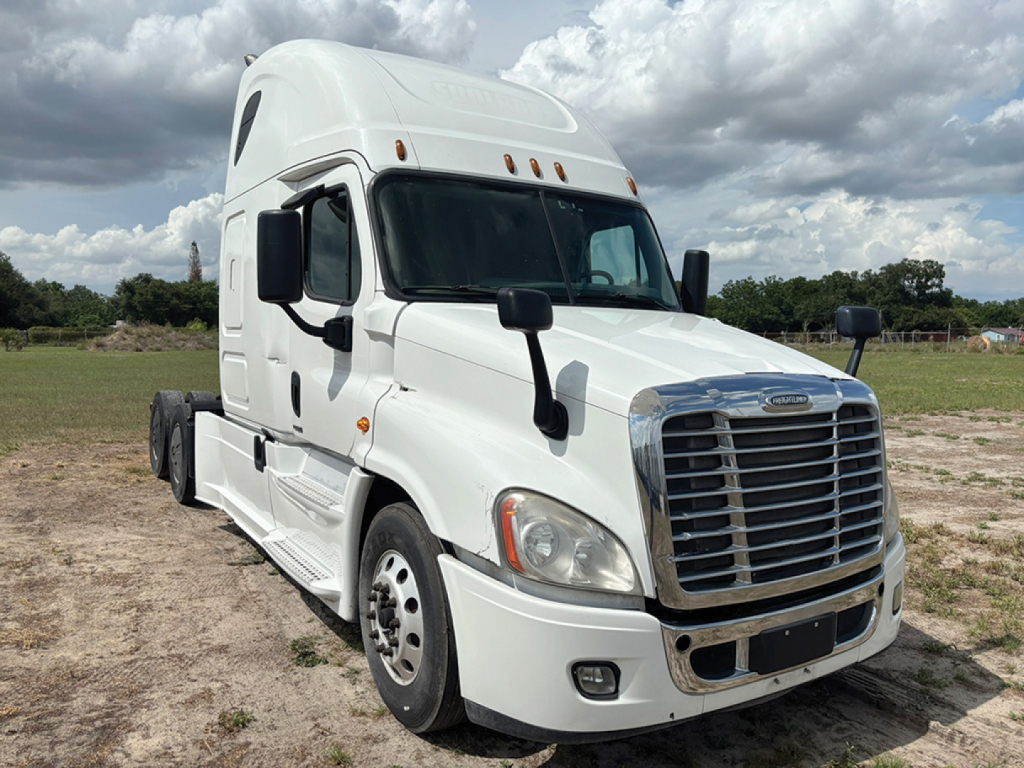
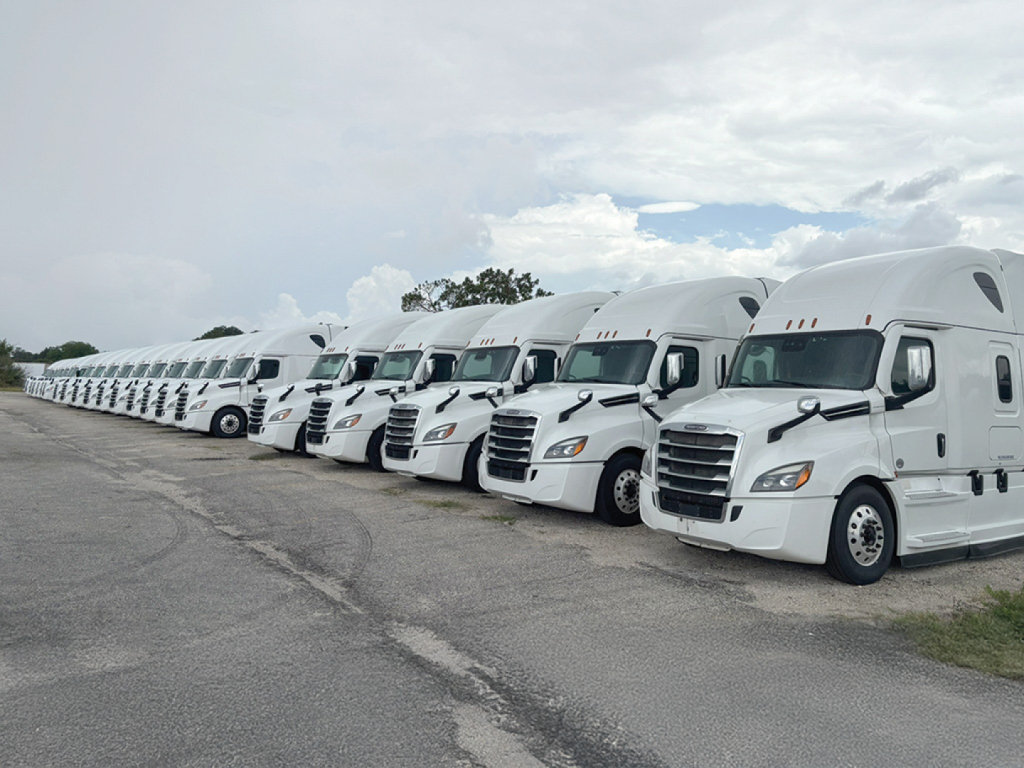
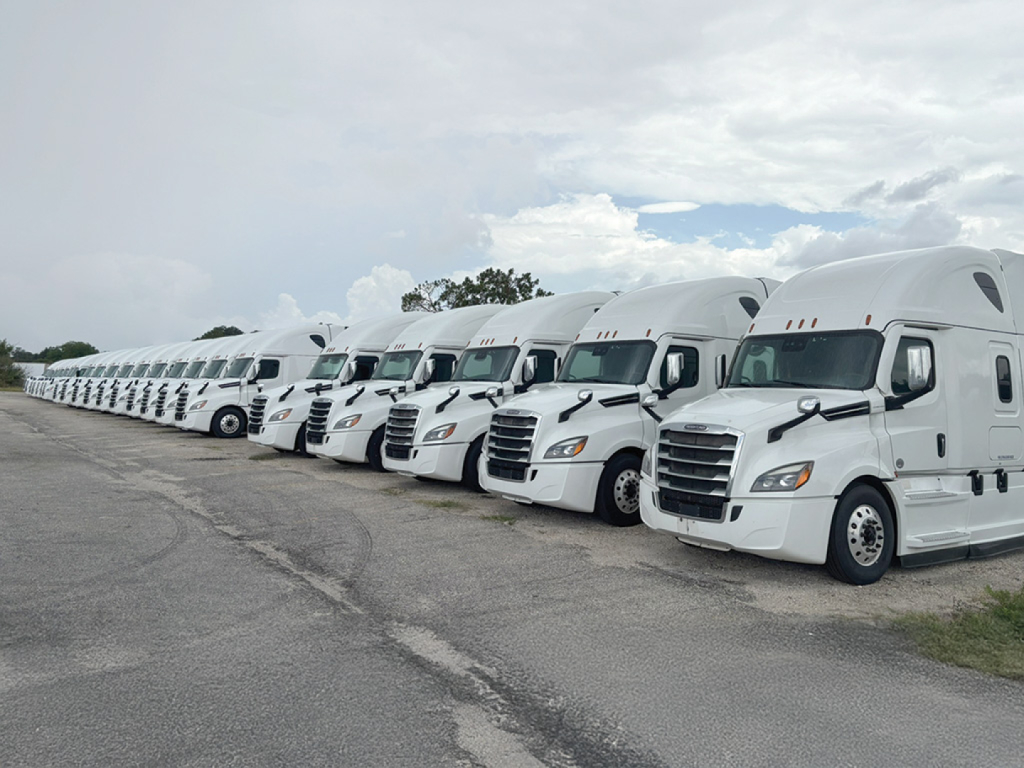

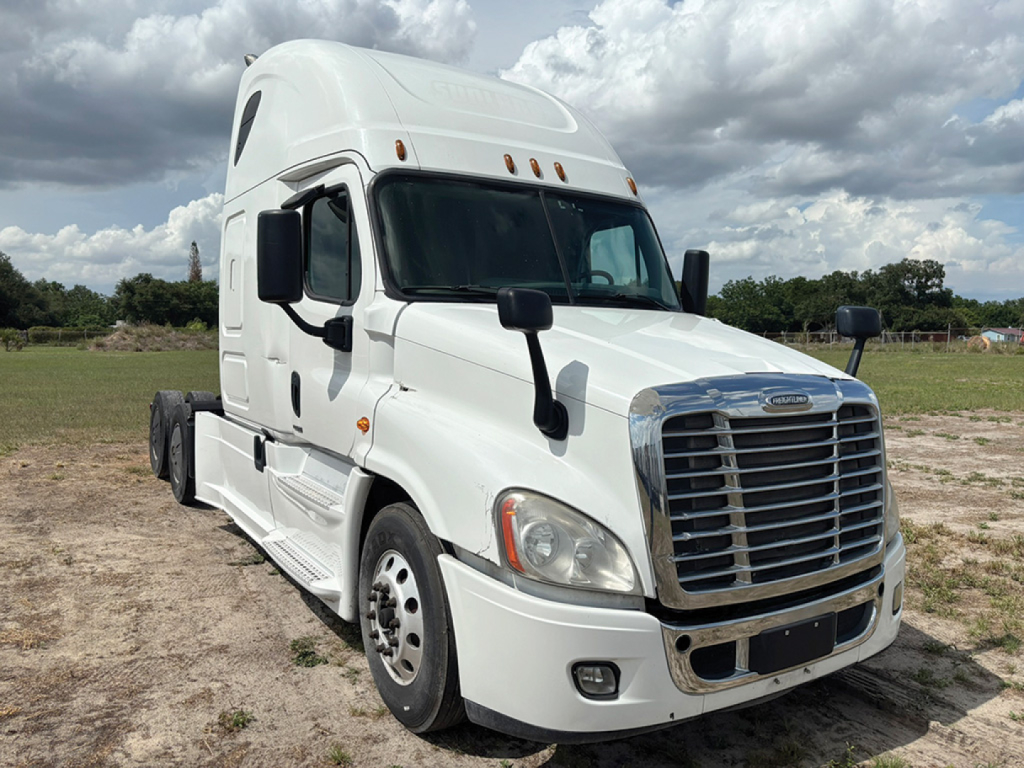
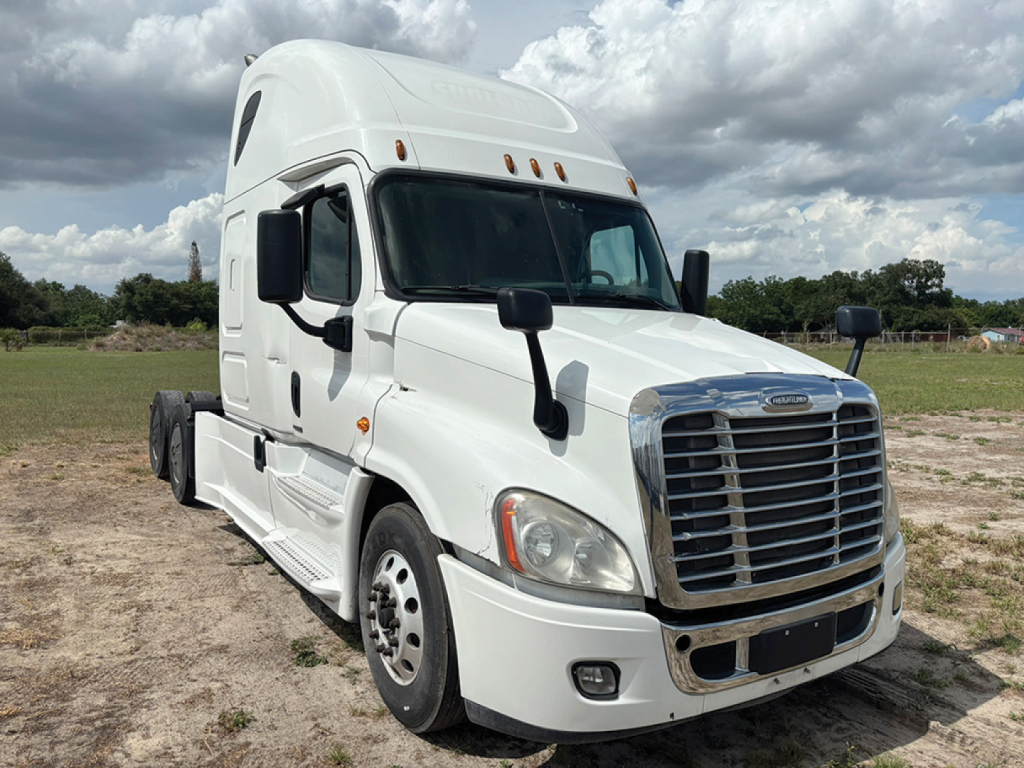
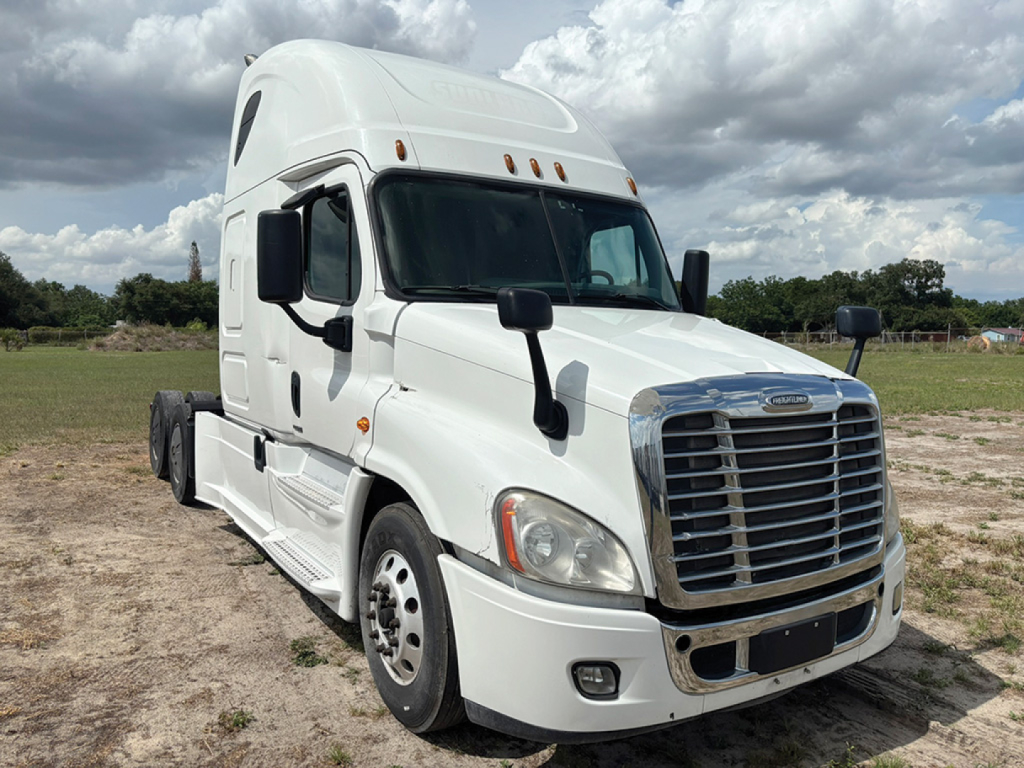
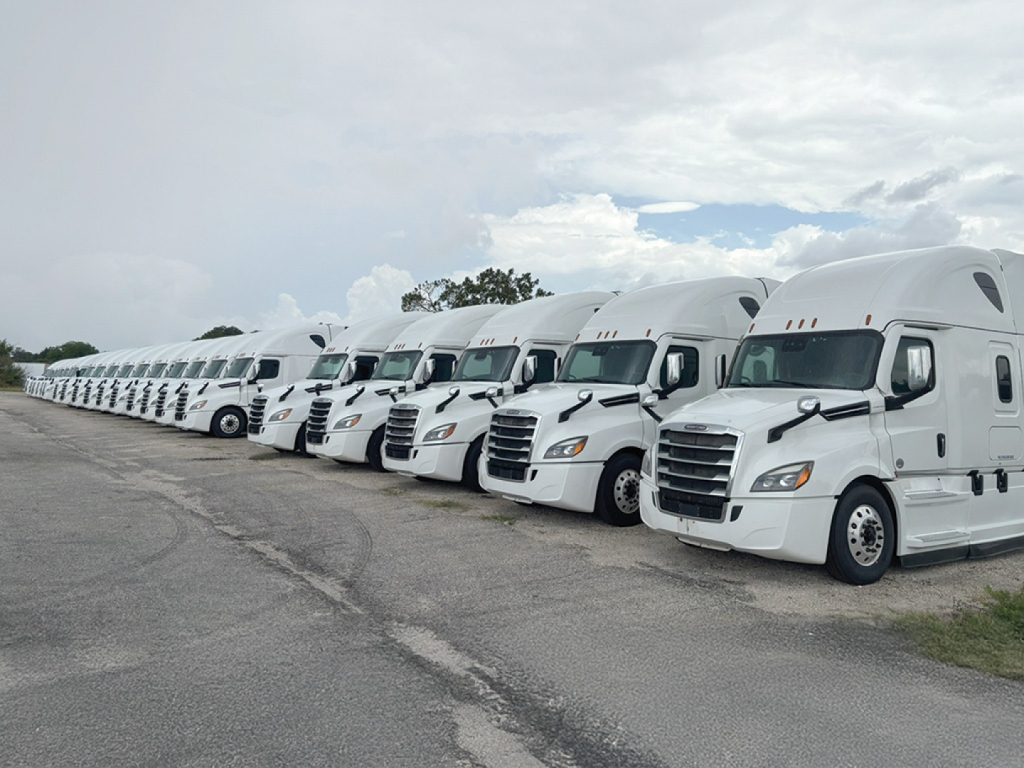
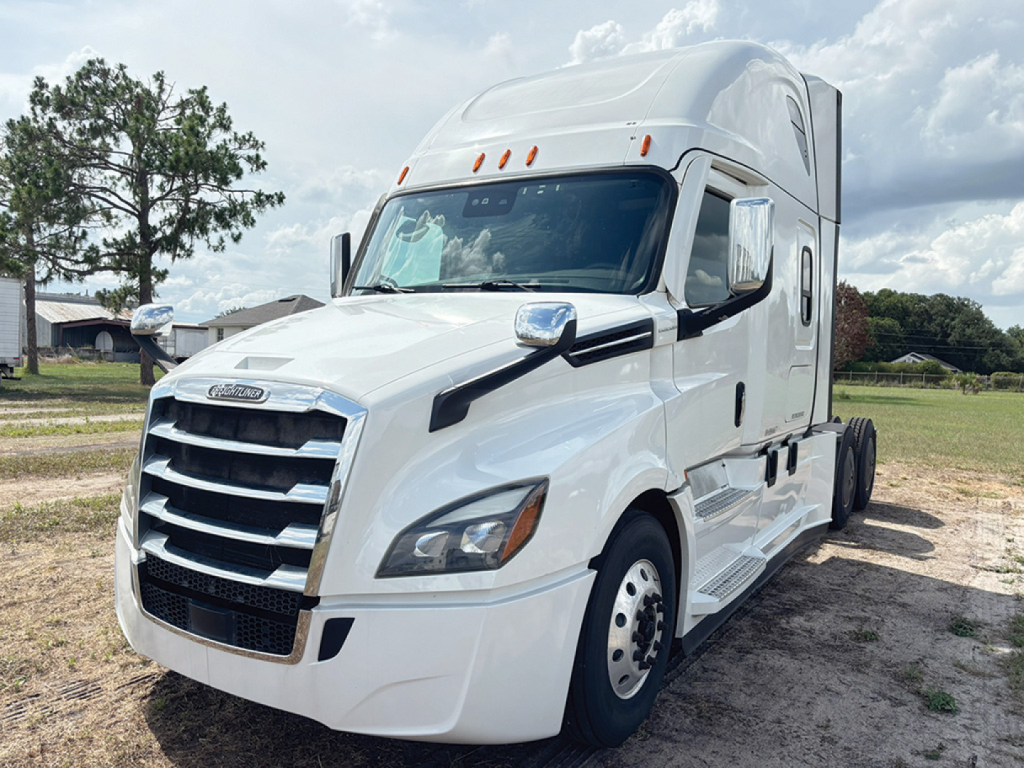
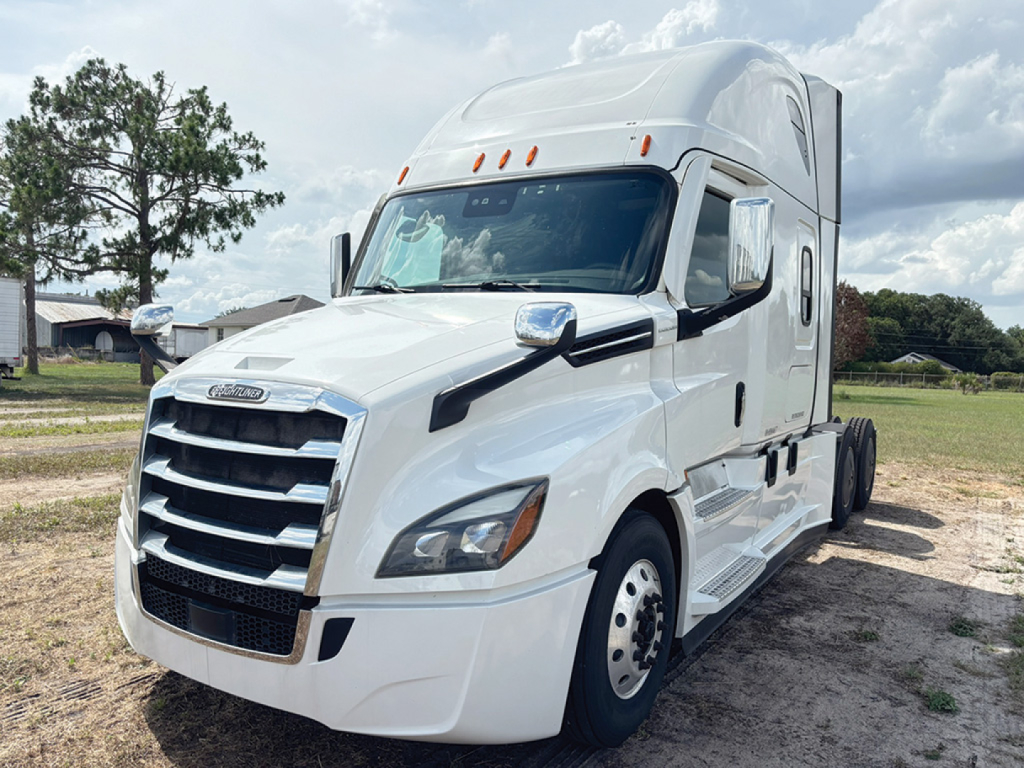
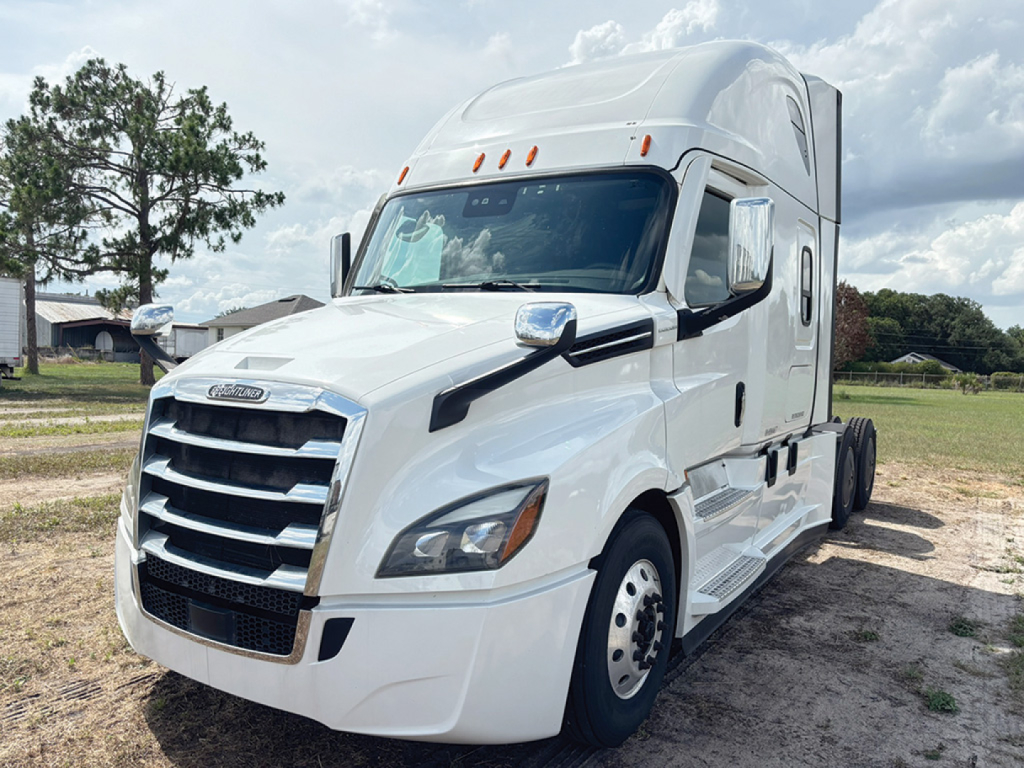
Showing 1 to 24 of 39 results
Have freightliner conventional sleeper truck to sell? List it here to reach thousands of buyers.
Freightliner Conventional Sleeper Trucks in Florida
A smart comparison starts with the sleeper configuration and powertrain. Conventional sleeper trucks are available in day-to-day fleet specs as well as owner-operator trims with larger bunks, more storage, and upgraded interior layouts. Common sleeper sizes on Freightliner models include mid-roof and raised-roof configurations, often paired with Detroit DD13 or DD15 engines and automated manual transmissions such as the DT12. Rear axle ratios, wheelbase, fuel capacity, and gross combination weight rating all affect how the truck performs in linehaul service. Buyers should also look closely at emissions system history, idle hours, APU installation, and whether the truck has collision mitigation, adaptive cruise, or lane departure systems, since those features can affect both driver acceptance and long-term maintenance planning.
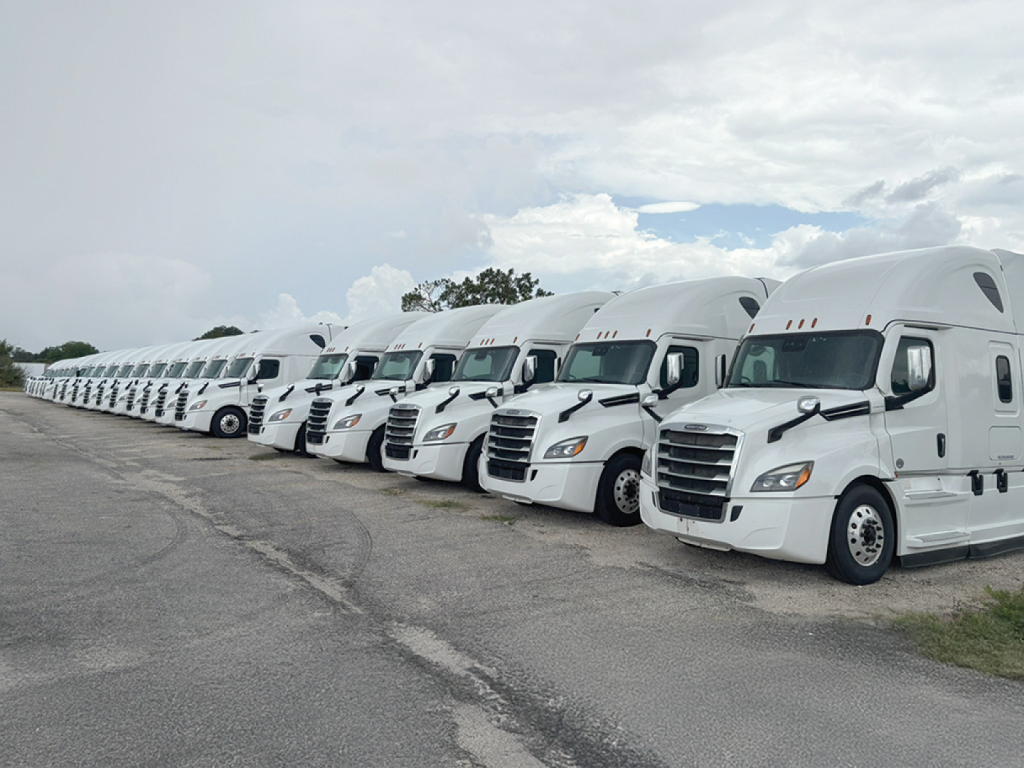
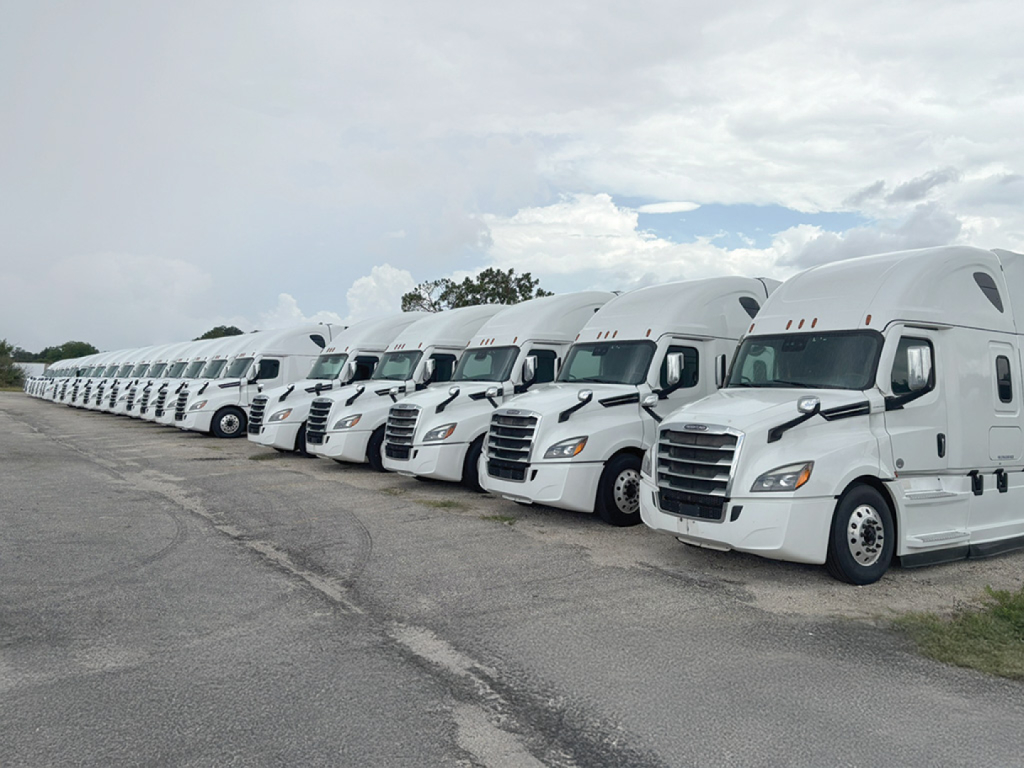
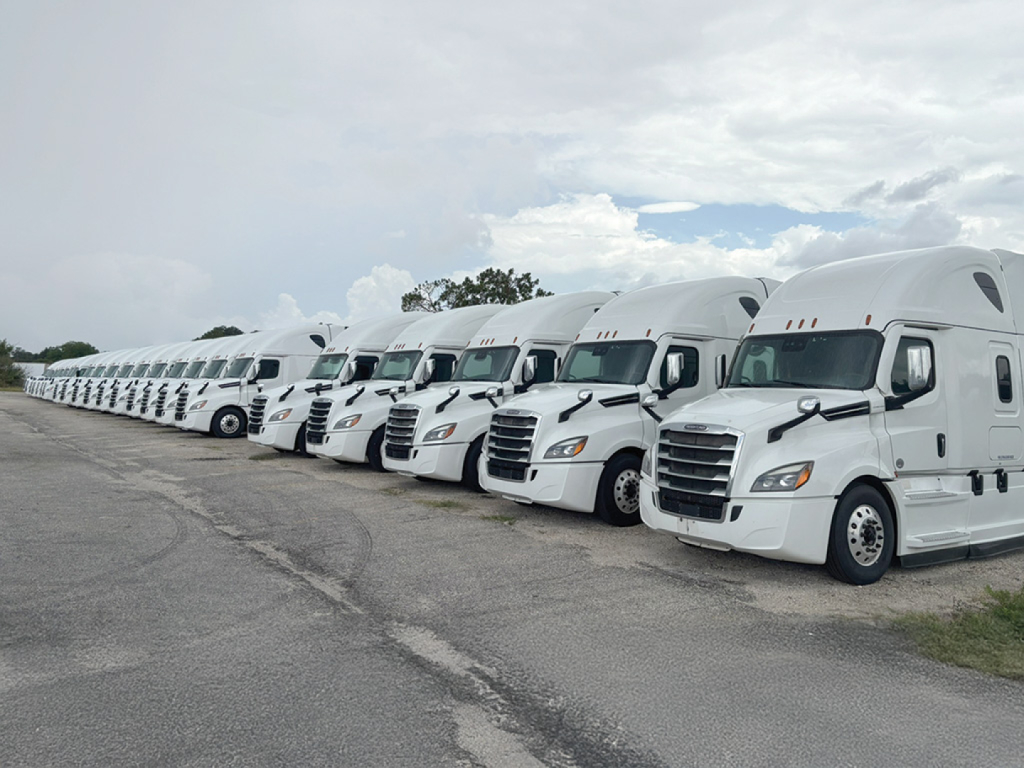
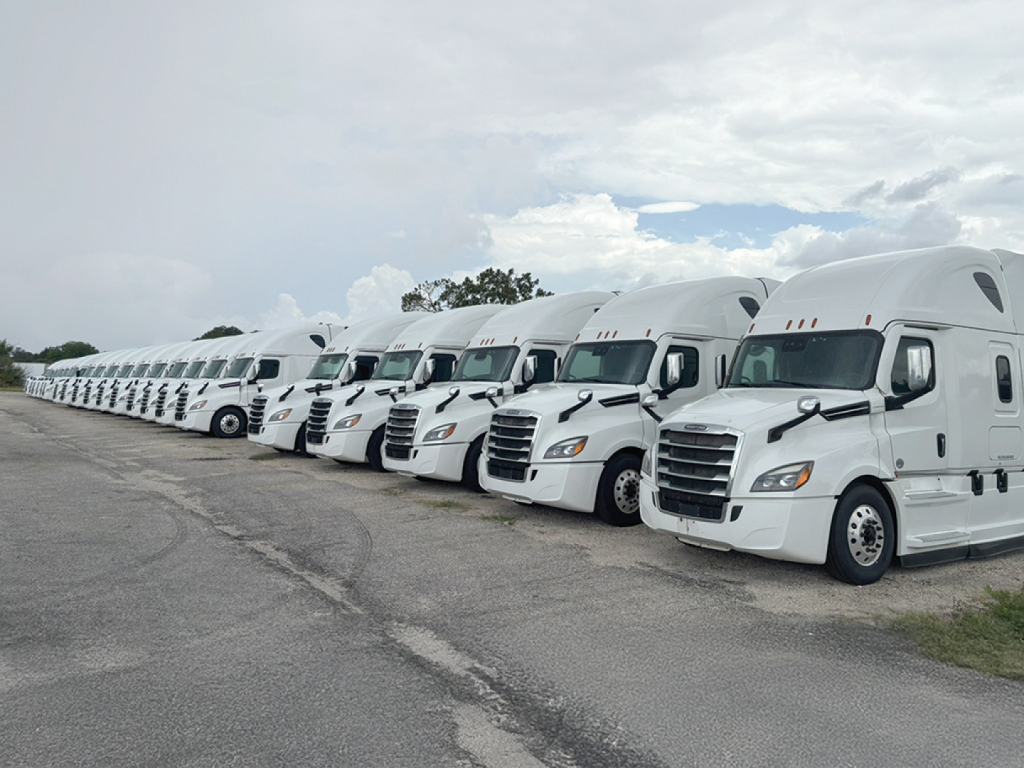
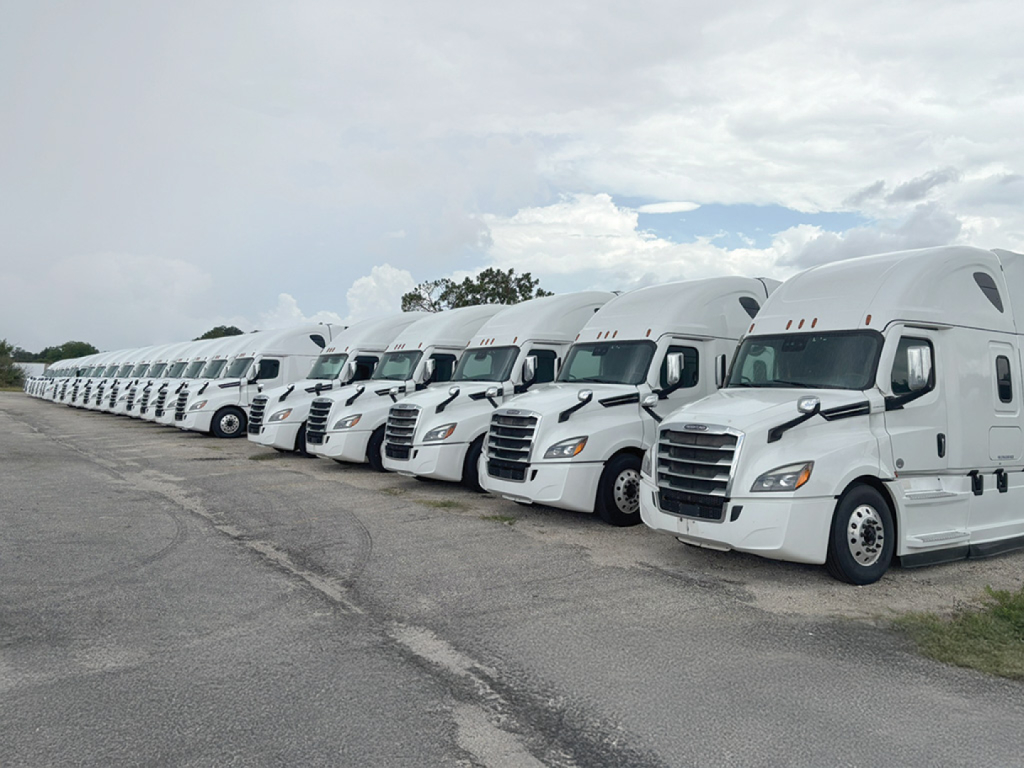
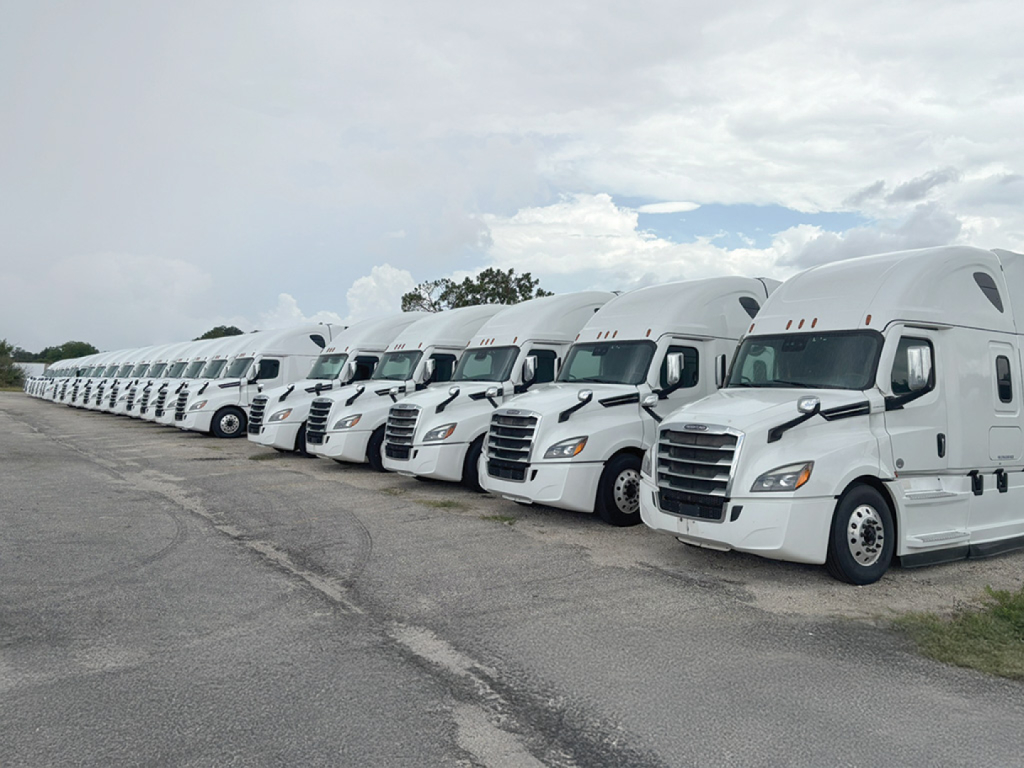
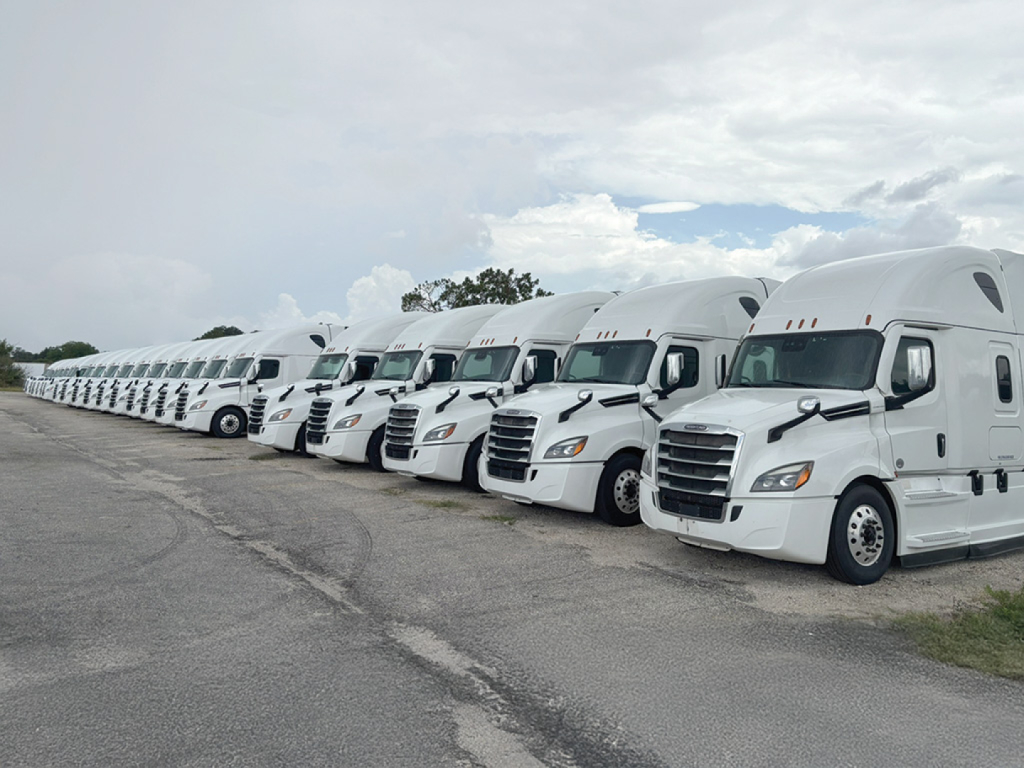
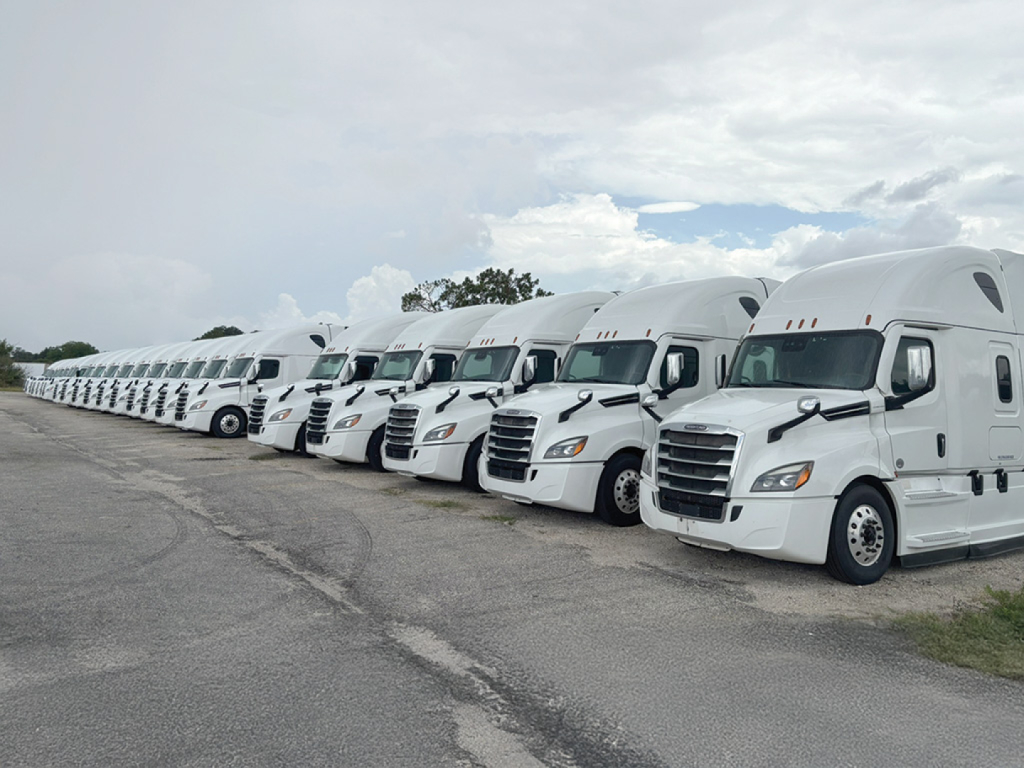
Used Freightliner sleeper tractors are often selected because they balance acquisition cost with predictable operating characteristics. Aluminum wheels, fairings, roof extenders, integrated powertrain packages, and aerodynamic mirrors are common on Cascadia sleepers intended for highway freight. Inside the cab, practical details matter: bunk layout, refrigerator prep, inverter setup, cabinet space, and HVAC performance all affect how well the truck fits team operations or solo long-haul use. If the truck will spend time in the Southeast, pay attention to air conditioning output, insulation, and sleeper ventilation, especially in high-heat and high-humidity conditions.
For buyers comparing multiple listings, the key differences are usually mileage, maintenance records, engine rating, sleeper height, and axle setup. A tandem axle 6x4 remains the standard choice for general freight, but some operations may prefer lighter or more specialized specs depending on trailer type and payload. Freightliner conventional sleepers hold broad appeal because they are familiar to drivers, easy to place into fleet service, and widely supported across the country. The best unit is not simply the newest one. It is the one with the right sleeper package, documented service history, and drivetrain spec for the lanes it will actually run.
Frequently Asked Questions about Freightliner Conventional Sleeper Trucks in Florida
What is a Freightliner conventional sleeper truck best suited for?
A Freightliner conventional sleeper truck is best suited for over-the-road freight, regional routes with overnight stays, expedited hauling, and other applications where the driver needs a bunk and living space behind the cab. The conventional layout places the engine ahead of the cab, which improves service access and remains the standard configuration for highway tractors. Freightliner sleeper models, especially the Cascadia, are commonly used in dry van, reefer, flatbed, and general freight operations because they combine aerodynamic design, driver comfort, and broad service support.
What engines are commonly found in Freightliner Cascadia sleeper trucks?
Freightliner Cascadia sleeper trucks are most commonly equipped with Detroit DD13 or DD15 engines, often paired with a Detroit DT12 automated manual transmission. Some older units may have other engine options depending on model year and original fleet specification. The right engine depends on route profile, gross weight, and fuel economy goals. A DD13 can be a good fit for lighter or regional applications, while a DD15 is more common in long-haul and heavier general freight service where higher horsepower and torque ratings are needed.
What should I check first when buying a used Freightliner sleeper tractor?
Start with maintenance history, engine hours, idle hours, mileage, and emissions system records. On a used sleeper tractor, documented service matters as much as the odometer because these trucks often spend long periods idling for cab comfort or hotel loads. Review DPF and SCR service history, inspect the cooling system, check transmission operation, and verify any fault codes. It is also important to inspect the sleeper interior, bunk HVAC performance, fairings, and collision mitigation components if equipped, since those items affect both driver usability and repair cost.
Are Freightliner conventional sleepers a good choice for Florida fleets?
Freightliner conventional sleepers are a strong fit for Florida fleets because they are widely supported, fuel efficient in highway service, and commonly spec'd for regional and long-haul freight moving in and out of the Southeast. In Florida, buyers should pay close attention to air conditioning performance, cooling system condition, and sleeper ventilation because heat and humidity place extra demand on cab comfort systems. Corrosion is usually less severe than in heavy road-salt regions, but coastal exposure and year-round use still make a careful chassis and electrical inspection worthwhile.
What sleeper size or roof height should I choose on a Freightliner truck?
The best sleeper size depends on how the truck will be used. A mid-roof sleeper can work well for regional haul and shorter overnight runs where weight and simplicity matter. A raised-roof sleeper usually provides more standing room, storage, and driver comfort for longer over-the-road service. Buyers should compare bunk layout, cabinet space, fuel tank capacity, wheelbase, and total tractor weight, since a larger sleeper can improve livability but may also affect payload flexibility and maneuverability.