
2021 Freightliner Conventional Sleeper Trucks For Sale in Florida
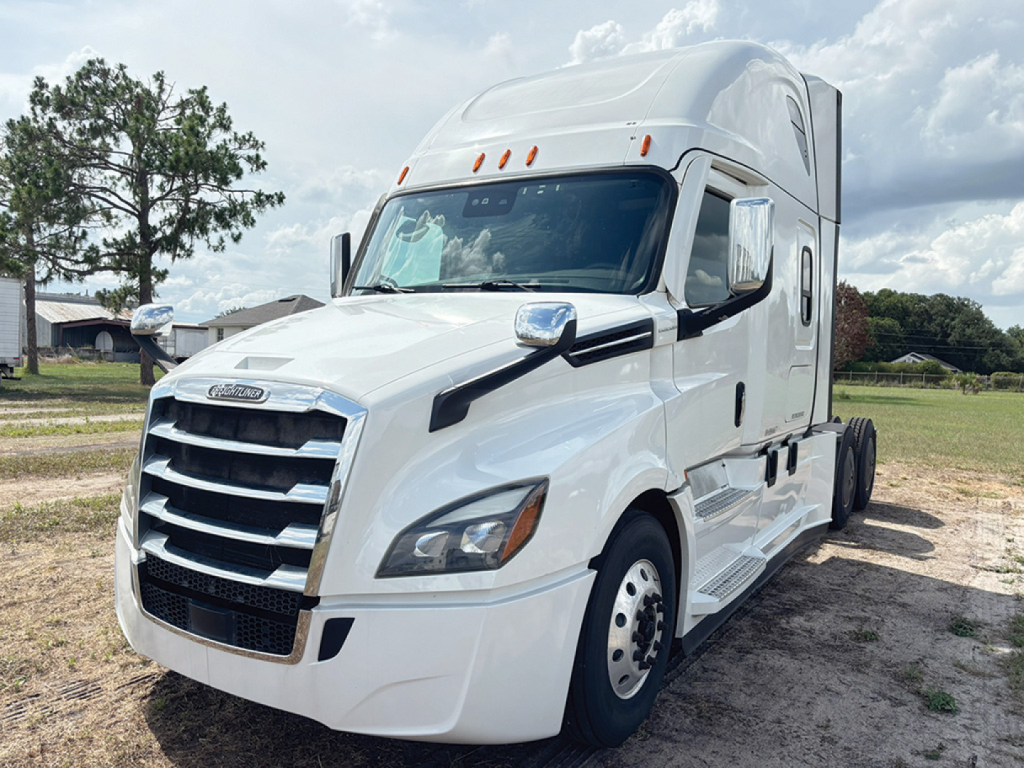
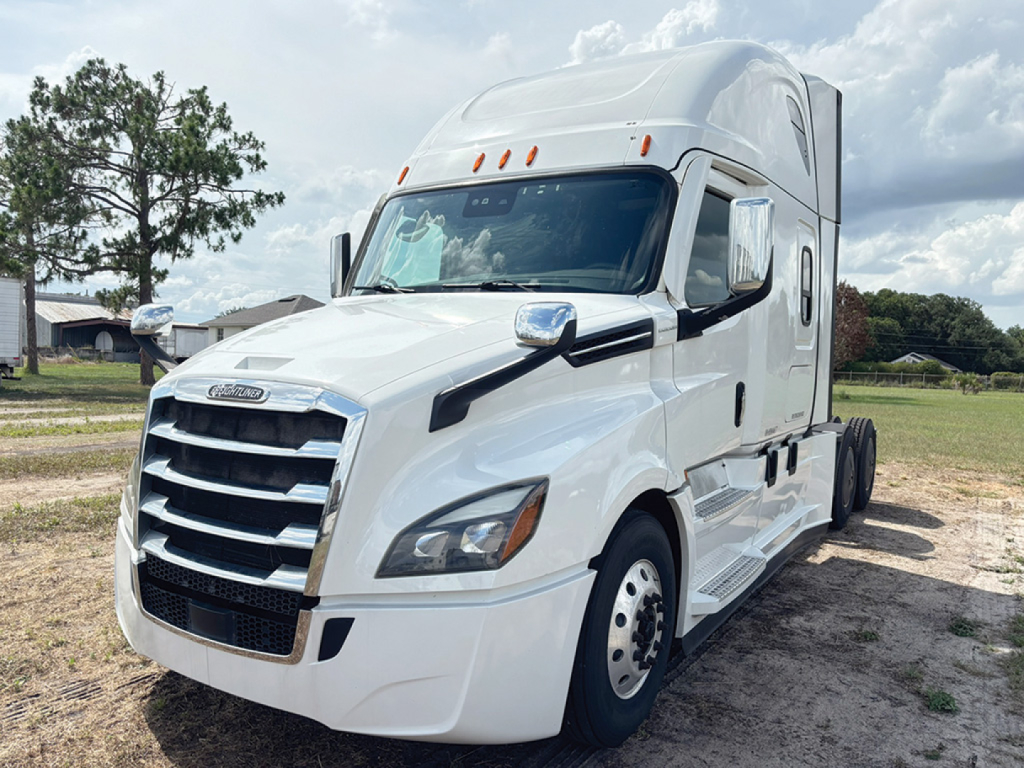
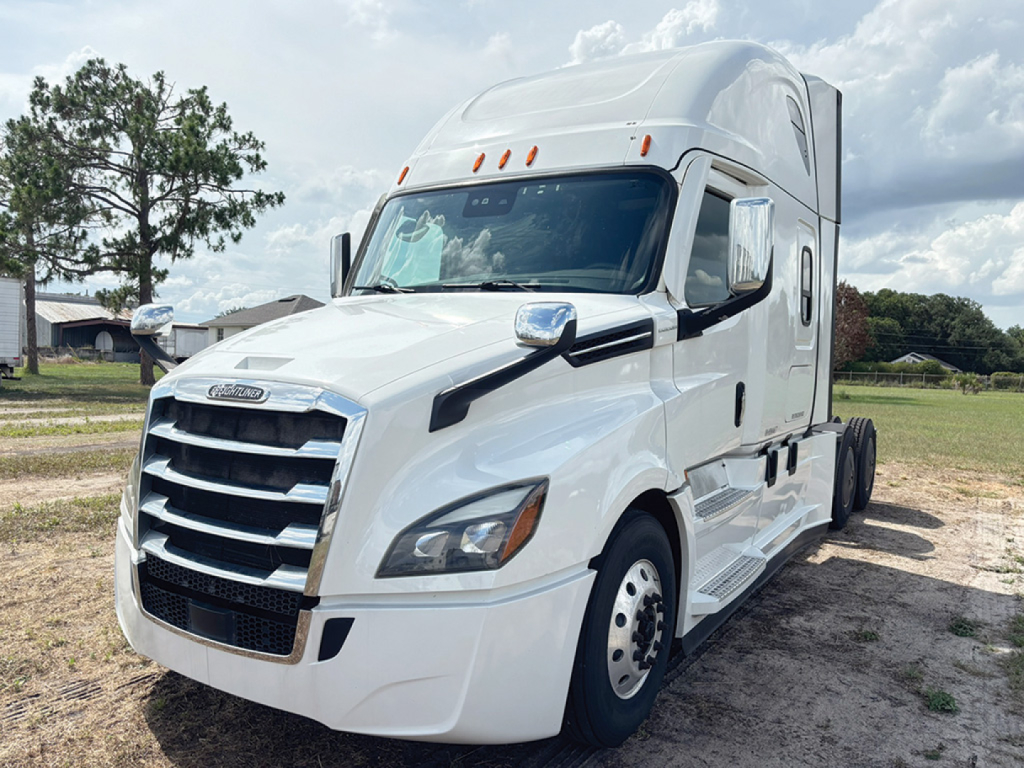
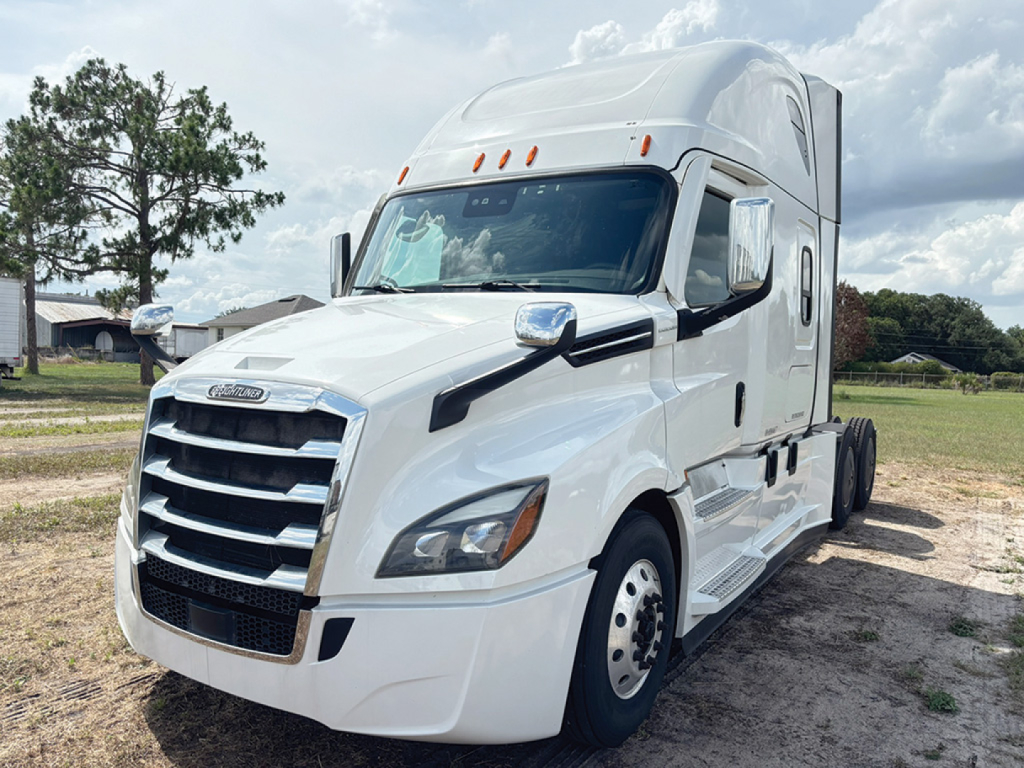
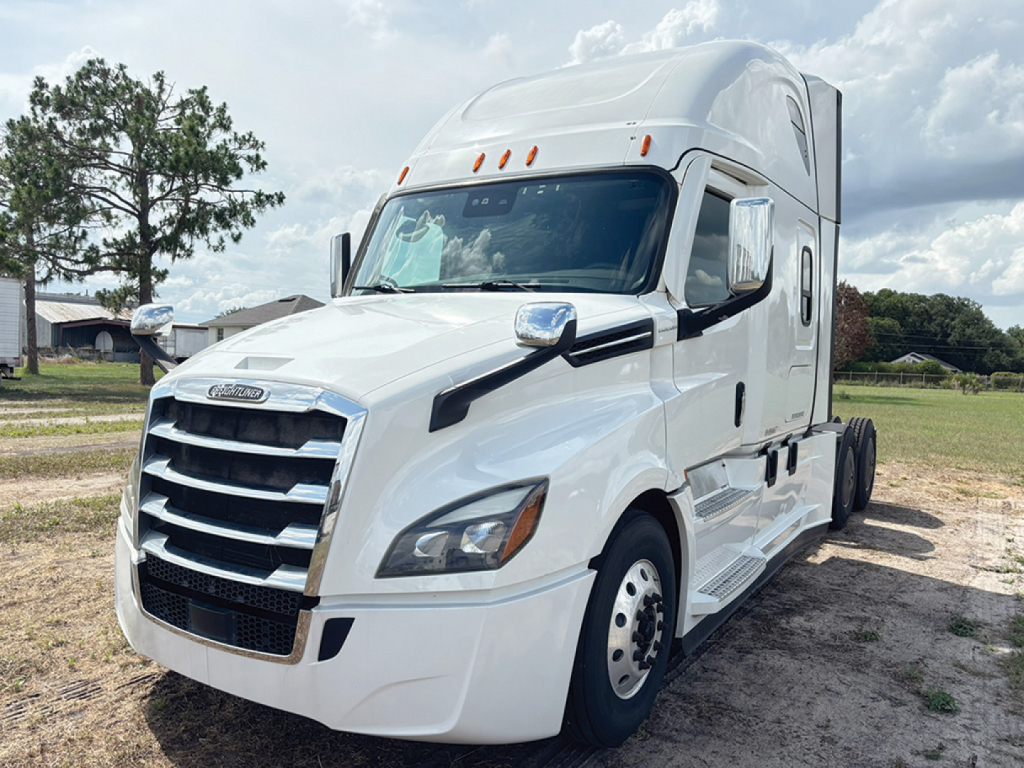
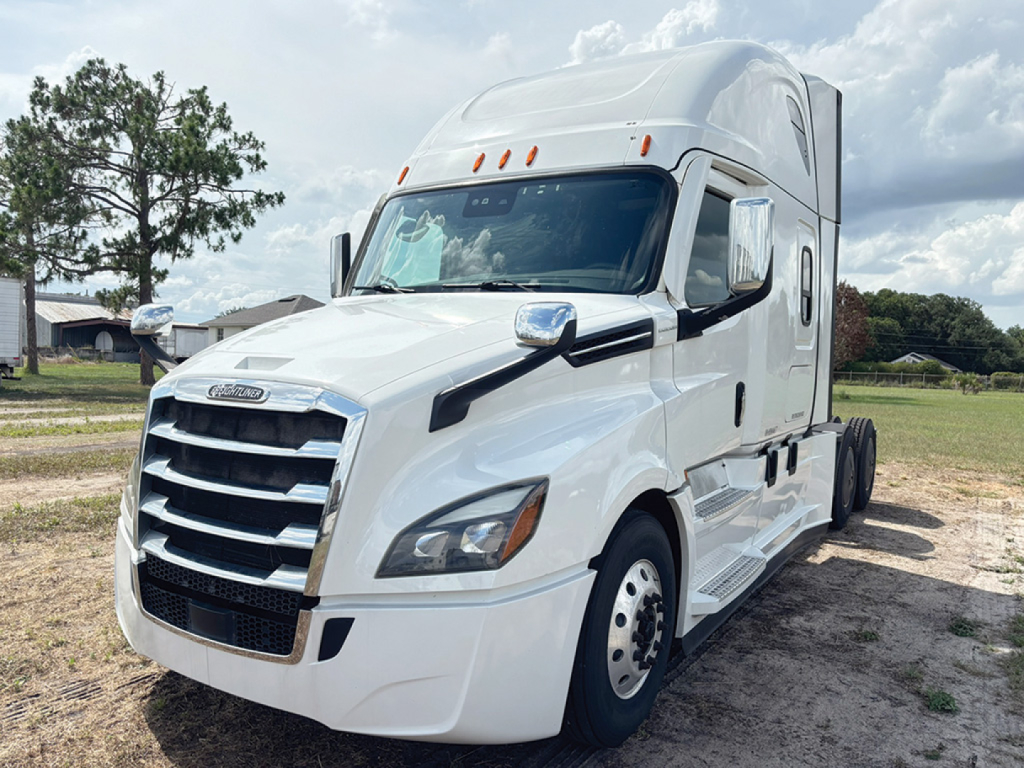
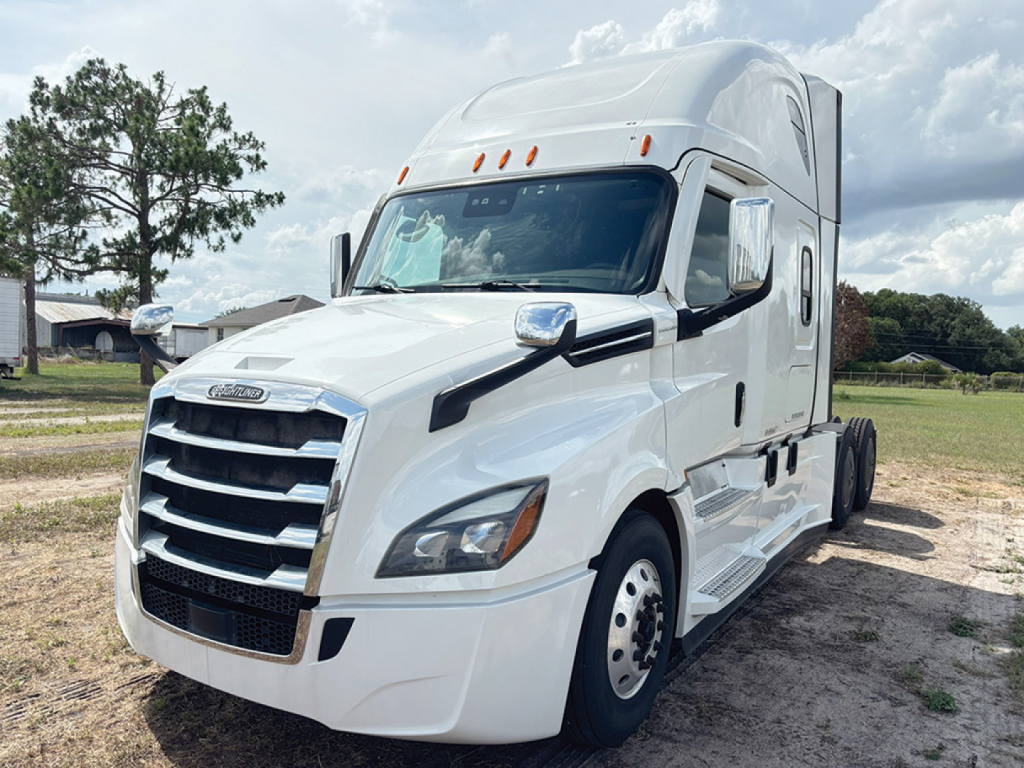
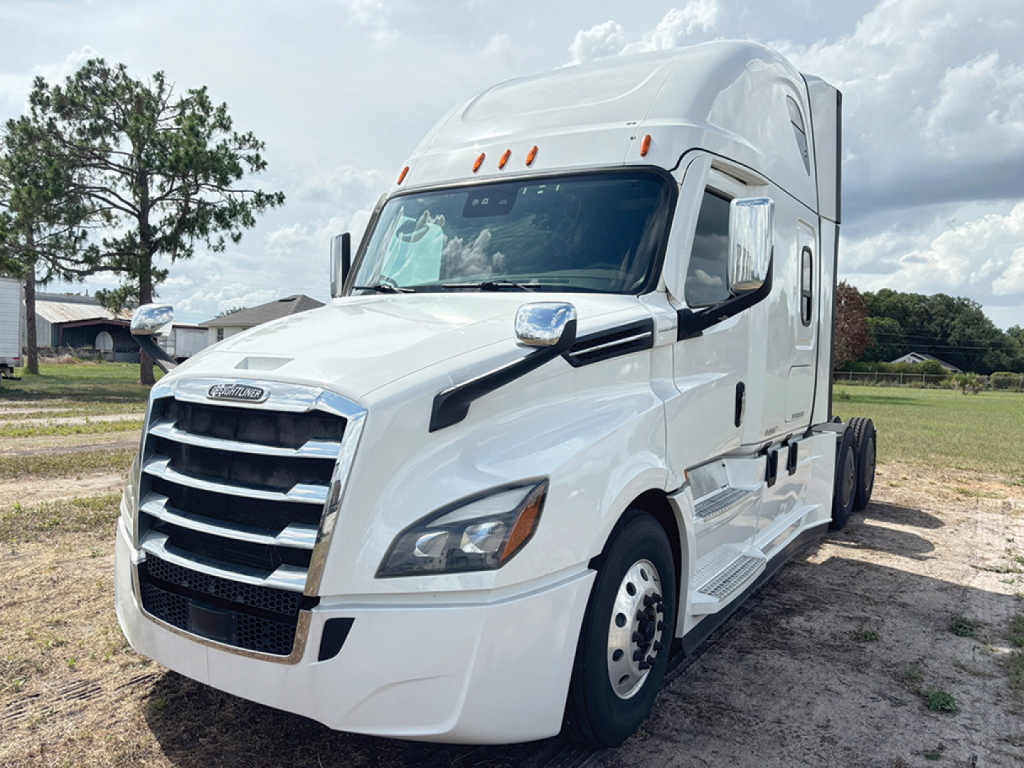
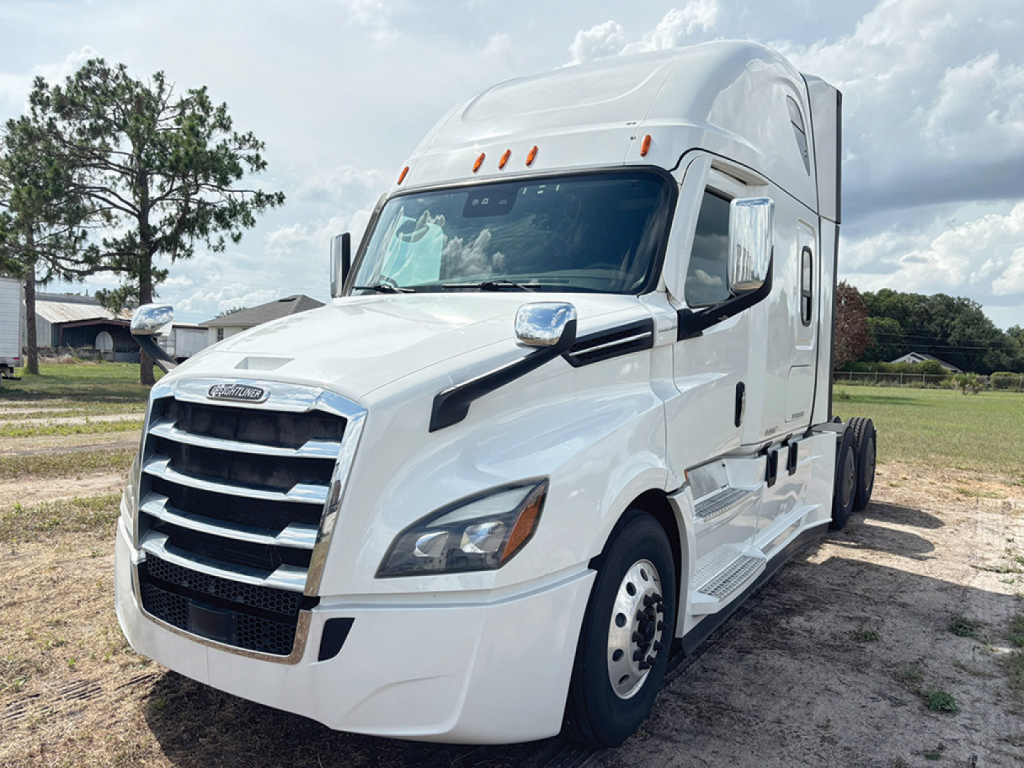
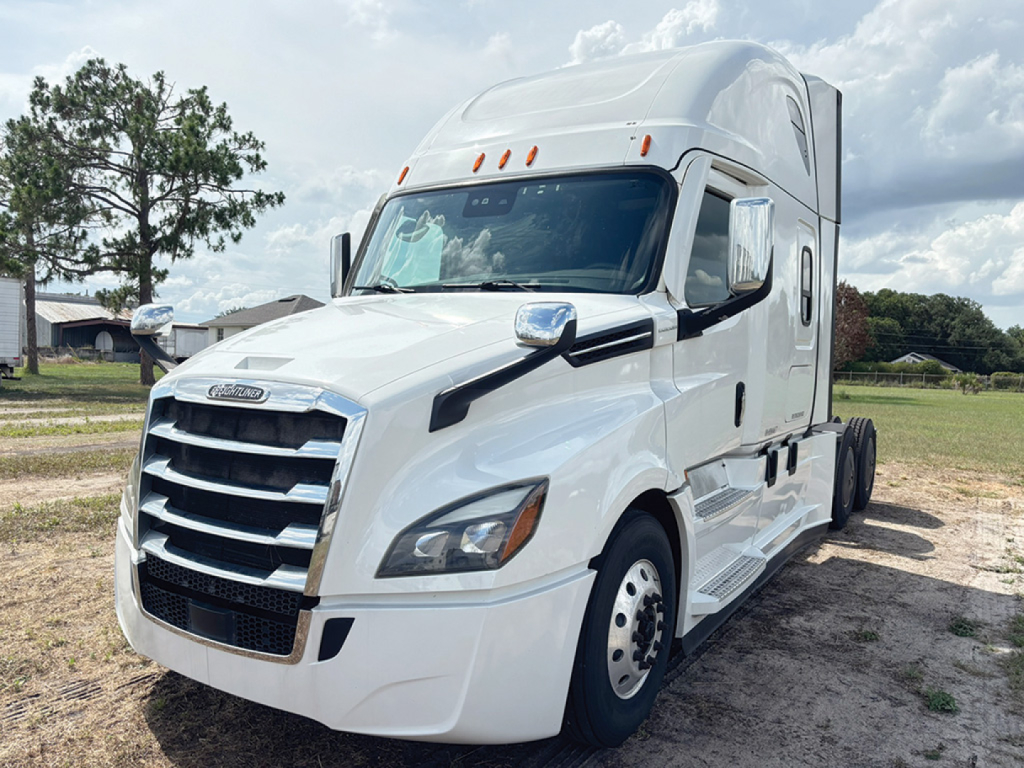
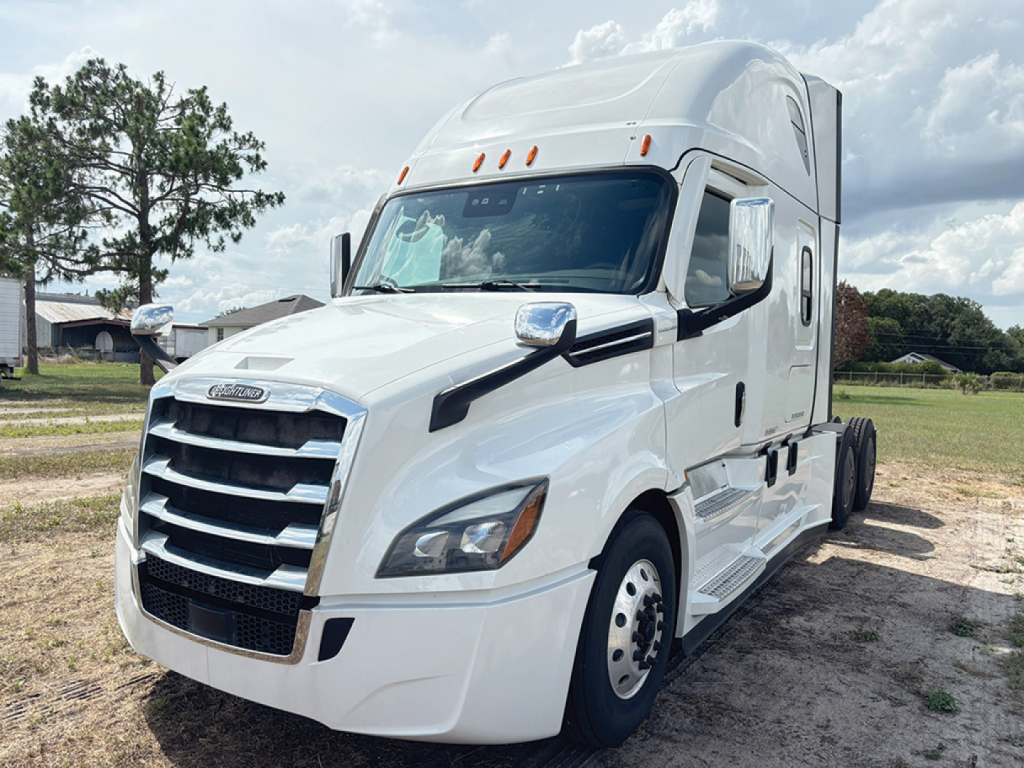
Have 2021 freightliner conventional sleeper truck to sell? List it here to reach thousands of buyers.
2021 Freightliner Conventional Sleeper Trucks in Florida
The sleeper configuration matters as much as the engine spec. Many 2021 Freightliner sleepers are equipped with a 72-inch raised roof, often with an upper bunk, bunk heater, and enough cab space for multi-day runs. For teams or carriers trying to reduce hotel nights and idle time, features like an APU, insulation, and climate control equipment can make a meaningful difference in operating cost and driver comfort. On the chassis side, a 227-inch wheelbase, 40,000-pound rears, air ride suspension, and an air-slide fifth wheel are common linehaul specifications that give the truck flexibility across standard van and refrigerated trailer work.
A buyer comparing 2021 Freightliner conventional sleepers should pay close attention to rear axle ratio, safety electronics, and aero equipment. A 2.85 ratio is typical on fuel-conscious highway trucks and pairs well with direct-drive automated transmissions for lower cruise RPM. Collision mitigation systems, engine brakes, side fairings, cab extenders, and quarter fenders are all valuable indicators that the truck was ordered for highway efficiency and fleet service. Aluminum wheels, low-profile 22.5 tires, and dual aluminum fuel tanks are also common specs that support lighter weight and longer range between fills.
For Florida buyers, sleeper tractors in this class are often attractive for regional-to-national freight because they can handle long-haul work while still fitting the resale profile that many carriers want later. The Cascadia platform is well known for parts support, service network access, and strong familiarity among drivers and technicians. The smartest comparison is not just year and mileage. It is the full operating package: engine rating, transmission, wheelbase, axle ratio, sleeper size, idle-reduction equipment, and safety systems. Those details determine how well a 2021 Freightliner sleeper will fit your lanes, your fuel targets, and your maintenance plan.
Frequently Asked Questions about 2021 Freightliner Conventional Sleeper Trucks in Florida
What engine and transmission are most common in a 2021 Freightliner conventional sleeper?
The most common setup is a Detroit DD15 engine paired with a Detroit DT12 automated manual transmission. Many trucks in this year range are rated around 455 horsepower and spec'd for linehaul fuel economy rather than heavy vocational work. This combination is popular because it delivers strong highway performance, integrated powertrain controls, and broad service support through Freightliner and Detroit service networks.
Is a 72-inch raised roof sleeper a good choice for long-haul freight?
Yes. A 72-inch raised roof sleeper is one of the most practical configurations for over-the-road service because it gives the driver enough living space for multi-day trips without pushing the tractor into an oversized specialty configuration. Upper bunks, bunk heaters, storage, and room to stand up improve comfort and can matter for team operations, driver retention, and reducing unnecessary downtime on the road.
Why does rear axle ratio matter on a 2021 Freightliner sleeper truck?
Rear axle ratio directly affects cruise RPM, fuel economy, startability, and how the truck feels under load. A 2.85 ratio is common on highway-spec Cascadias because it keeps engine speed down at interstate cruising speeds when matched with the right transmission and tire size. That usually helps fuel burn on flat to rolling routes, but buyers should still confirm the ratio fits their freight weight, terrain, and average road speed.
What features should buyers prioritize on a used 2021 Freightliner Cascadia sleeper?
The most important items are powertrain history, emissions system condition, sleeper configuration, and safety equipment. Buyers should also look for collision mitigation, engine brake, APU or other idle-reduction equipment, air-slide fifth wheel, wheelbase, suspension type, and fuel tank capacity. Service records, fault code history, and evidence of consistent preventive maintenance are often more important than cosmetic appearance alone.
Are 2021 Freightliner conventional sleepers a good fit for Florida-based carriers?
They are a strong fit for many Florida operations, especially carriers running long interstate lanes, dry van, refrigerated freight, and dedicated contract freight. The aerodynamic Cascadia design, common DD15 and DT12 spec, and widespread dealer support make these trucks practical for operations that need efficiency, uptime, and easy access to parts and service. Buyers hauling heavier loads or running steeper terrain outside the Southeast should simply verify the horsepower and axle ratio are appropriate for their routes.