
2024 Conventional Sleeper Trucks For Sale in Arkansas
Compare 2024 conventional sleeper trucks for sale in Arkansas by gearing, sleeper layout, emissions history, and cooling performance for Ozark routes.
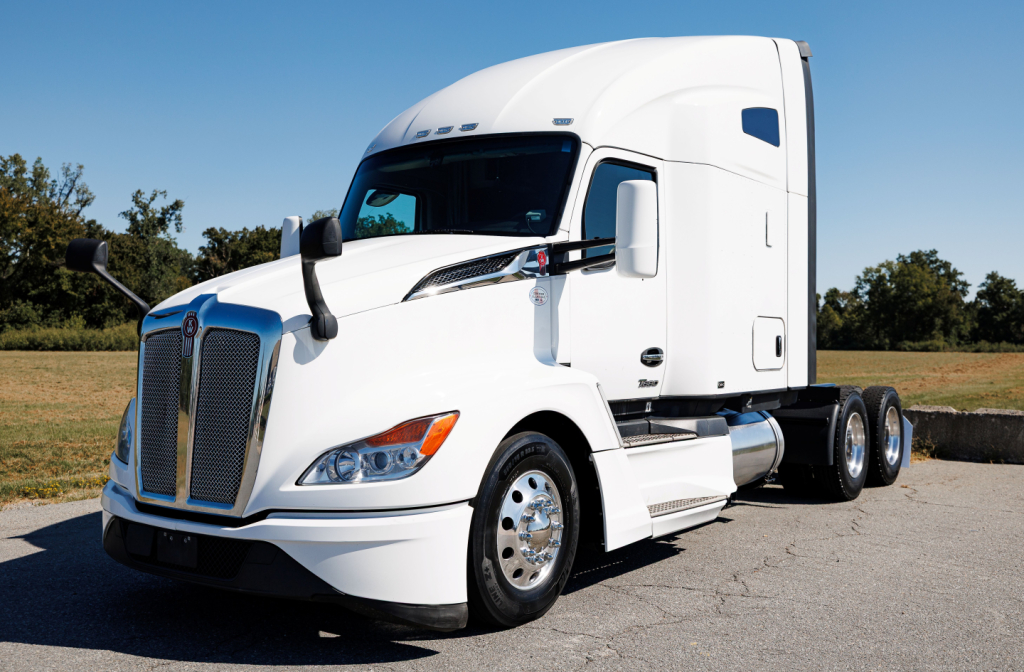
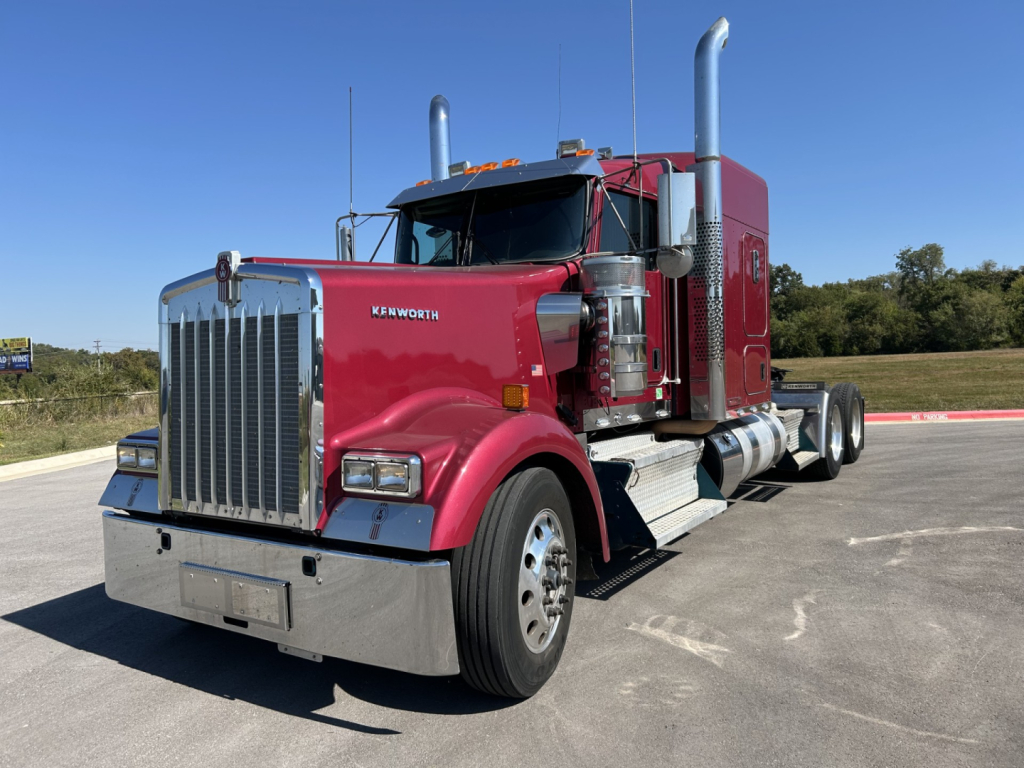
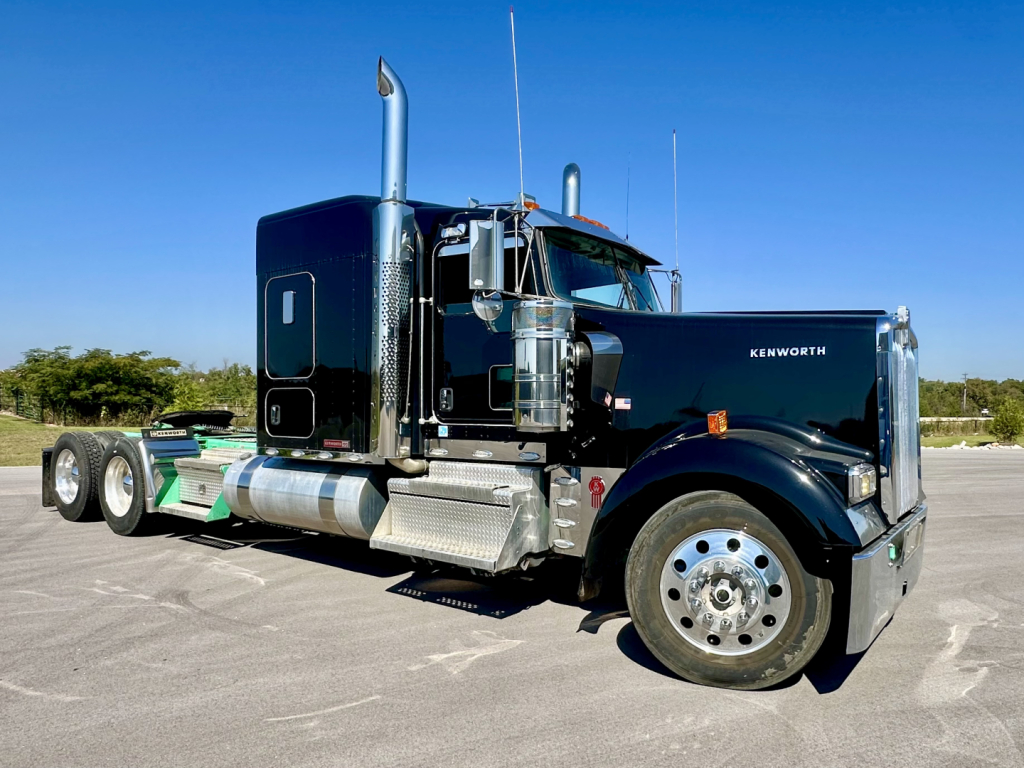
Selling a 2024 conventional sleeper truck? List your 2024 conventional sleeper truck for sale and reach thousands of commercial buyers.
2024 Conventional Sleeper Trucks in Arkansas
Used tractors need ECM mileage and idle-hour checks against service records, plus inspection of fault codes, regeneration history, fifth-wheel wear, suspension bushings, and sleeper leaks. Arkansas summer heat makes a loaded cooling-system check and parked sleeper air-conditioning test worthwhile, even on a relatively young truck. For new purchases, confirm warranty start dates and coverage limits, and account for the 12% federal excise tax on qualifying new heavy trucks.
Frequently Asked Questions about 2024 Conventional Sleeper Trucks in Arkansas
Should I choose an automated transmission or an 18-speed manual for Arkansas routes?
A properly geared automated manual transmission suits most Arkansas interstate van and reefer work; an 18-speed manual provides finer ratio selection for demanding heavy-haul or off-highway duty. On a 2024 sleeper tractor, compare starting gear, rear axle ratio, tire diameter, and engine-brake performance as a package. Test low-speed backing and hill starts rather than choosing by gear count alone.
How much can a tandem-axle sleeper tractor legally gross in Arkansas?
An ordinary five-axle tractor-semitrailer combination on Arkansas Interstate highways is generally limited to 80,000 pounds gross, with 20,000 pounds on a single axle and 34,000 pounds on a tandem. Federal Bridge Formula spacing can reduce the permitted total. A 2024 sleeper tractor’s axle ratings do not override legal limits; check posted bridges, non-Interstate routes, and Arkansas permit requirements separately.
Which sleeper roof works best for Arkansas poultry reefer loads?
A high-roof sleeper is usually the better aerodynamic match for a full-height refrigerated trailer. For Arkansas poultry-hauling work, a 2024 conventional sleeper tractor also needs adequate cab-to-trailer clearance for the refrigeration unit, especially during tight backing. Measure the actual combination with the fifth wheel positioned for legal axle loading. Mid-roof sleepers can make more sense for lower-profile flatbed or tank trailers.
Can I remove the DPF and DEF system from a 2024 sleeper truck?
No. Removing or disabling emissions equipment on a highway-operated 2024 diesel sleeper tractor violates federal anti-tampering law, even if the truck is registered in Arkansas. Do not treat a deleted truck as a repair shortcut. Confirm that the DPF, SCR system, sensors, and engine software remain in their certified configuration, and investigate missing components or repeated fault clearing before purchase.
What should I inspect on a new 2024 sleeper that has been stored?
Tire age, battery condition, and evidence of moisture intrusion deserve inspection on an unused 2024 sleeper tractor. Check tire date codes, flat spotting, brake corrosion, fluid condition, rodent damage, and operation of any APU or battery HVAC system. Ask for documented storage maintenance and a complete pre-delivery inspection; new status does not prove that storage-related deterioration is absent.