
2023 Conventional Sleeper Trucks For Sale in Kansas
Browse 2023 conventional sleeper trucks in Kansas. Compare stand-up sleepers, engine ratings, wheelbases, axle ratios, and driver comfort specs.
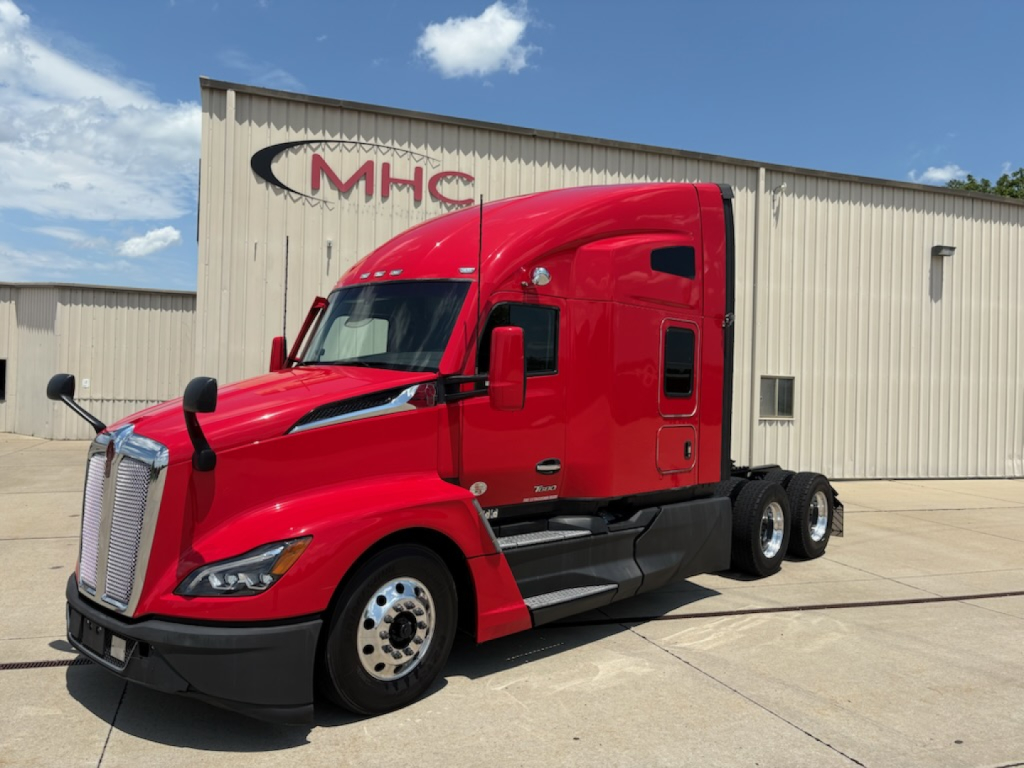
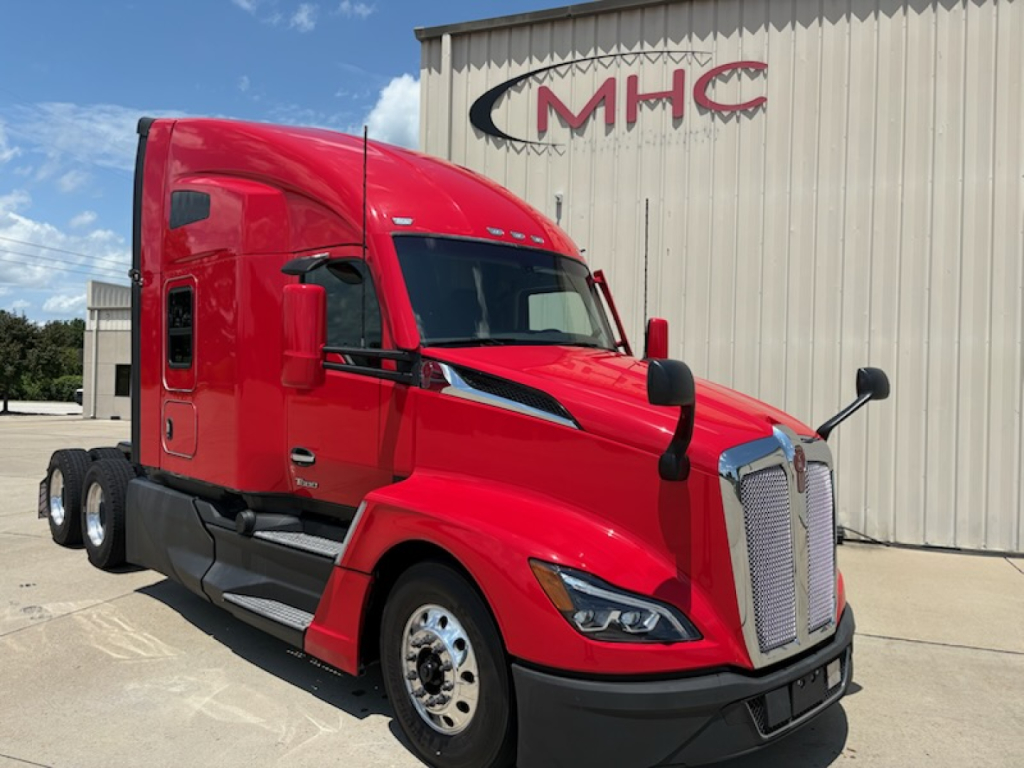
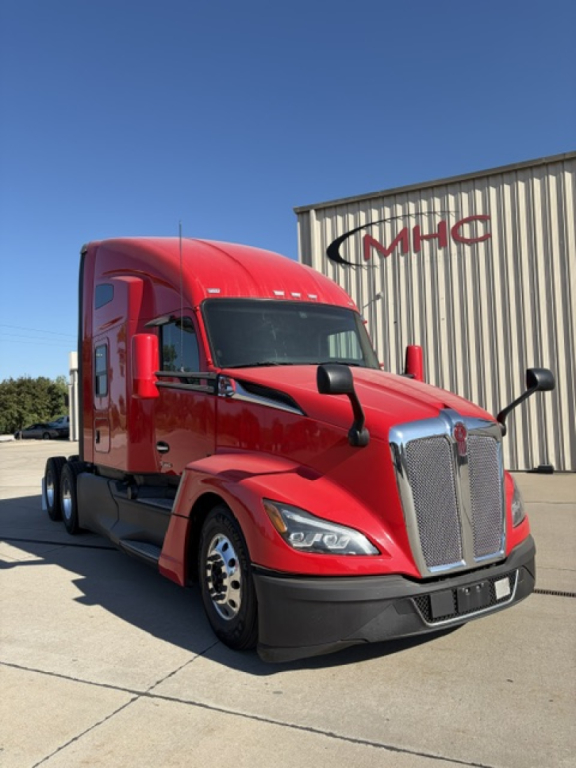
Have 2023 conventional sleeper truck to sell? List it here to reach thousands of buyers.
2023 Conventional Sleeper Trucks in Kansas
Sleeper configuration deserves close attention because it affects both payload flexibility and life on the road. Stand-up sleepers with upper bunks, bunk heaters, refrigerators, storage cabinets, and APU setups are common in late-model highway tractors. Buyers running team freight or extended routes across Kansas and the Plains often prioritize interior space, HVAC performance, and hotel load reduction. Wheelbase, fifth wheel travel, and fairing package also matter. A wheelbase in the mid-230-inch to low-240-inch range is typical for many sleeper tractors, but the right length depends on trailer mix, bridge law considerations, and how often the truck needs to maneuver into tight docks or yards.
Spec choices on a 2023 conventional sleeper also tell you a lot about intended application. Air ride suspension, disc brakes, low-profile 22.5 rubber, aerodynamic mirrors, cab extenders, and dual aluminum fuel tanks point to highway efficiency. Super singles may improve fuel economy and reduce tare weight, but some fleets still prefer duals for service familiarity and roadside flexibility. Automated transmissions such as Mack mDrive, Volvo I-Shift, Detroit DT12, and PACCAR automated boxes remain the standard in this segment because they help with fuel consistency, driver onboarding, and clutch-life savings. Look closely at axle ratio, tire size, and direct-drive versus overdrive transmission pairing, since that combination has a major impact on cruise RPM and real-world fuel burn.
For Kansas buyers, conventional sleeper trucks are often expected to handle long interstate miles, crosswinds, wide seasonal temperature swings, and a mix of flat terrain and heavier regional pulls. That makes cooling system condition, bunk HVAC operation, APU function, fairing integrity, and tire wear patterns especially important on used units. A good 2023 sleeper should be evaluated beyond mileage alone. Review emissions warranty status, service history, idle hours, brake life, kingpin and fifth wheel wear, suspension condition, and signs of collision repair around the hood, cab corners, and sleeper. In this category, the best truck is usually the one with a spec that matches your freight lane, trailer type, maintenance network, and driver needs, not simply the newest badge or highest horsepower rating.
Frequently Asked Questions about 2023 Conventional Sleeper Trucks in Kansas
What is a conventional sleeper truck?
A conventional sleeper truck is a highway tractor with a forward engine compartment and an integrated sleeper berth behind the cab. It is also commonly called a sleeper semi truck, road tractor, or over-the-road sleeper. This design gives the driver a resting area for long trips while maintaining the service access, cooling capacity, and aerodynamic profile expected in modern Class 8 linehaul service.
What engine and horsepower range is common in a 2023 conventional sleeper?
Most 2023 conventional sleepers are equipped with 11-liter to 15-liter diesel engines rated roughly from 400 to 500 horsepower, with torque levels suited for van, reefer, flatbed, and general freight work. A mid-400 horsepower rating is common for fuel-conscious fleets, while heavier or more demanding applications may call for higher horsepower and torque. The right engine spec depends on gross combination weight, terrain, cruise speed expectations, and the rear axle ratio paired with the transmission.
What sleeper size is best for long-haul trucking?
For solo long-haul work, a 70-inch to 80-inch stand-up sleeper is one of the most common and practical choices because it balances driver comfort with manageable wheelbase and weight. Larger sleepers provide more storage, a bigger bunk area, and room for amenities like refrigerators and auxiliary power units. Buyers running team operations or staying out for extended periods usually place more value on interior space and hotel-load capability than buyers in shorter regional operations.
Are automated manual transmissions standard in 2023 sleeper trucks?
Yes, automated manual transmissions are the dominant spec in 2023 conventional sleeper trucks. Systems such as mDrive, I-Shift, DT12, and similar automated boxes are popular because they improve shift consistency, support fuel economy targets, and simplify driver training compared with traditional manual transmissions. Buyers should still confirm software calibration, clutch health where applicable, and whether the gearing matches the truck's intended lane speed and load profile.
What should I inspect first on a used 2023 conventional sleeper truck?
Start with service records, engine hours, idle hours, aftertreatment history, and any active diagnostic faults. Then inspect tire wear, brake condition, suspension components, fifth wheel wear, frame condition, and signs of previous body repair around the hood and sleeper. On a sleeper tractor, it is also important to verify bunk HVAC, APU operation, refrigerator function, and general sleeper condition because these items affect driver comfort and can add significant repair cost after purchase.