
2019 Conventional Sleeper Trucks For Sale in Illinois
Shop 2019 conventional sleeper trucks in Illinois. Compare aero sleepers, powertrain specs, wheelbase, bunk layout, and highway-ready features.
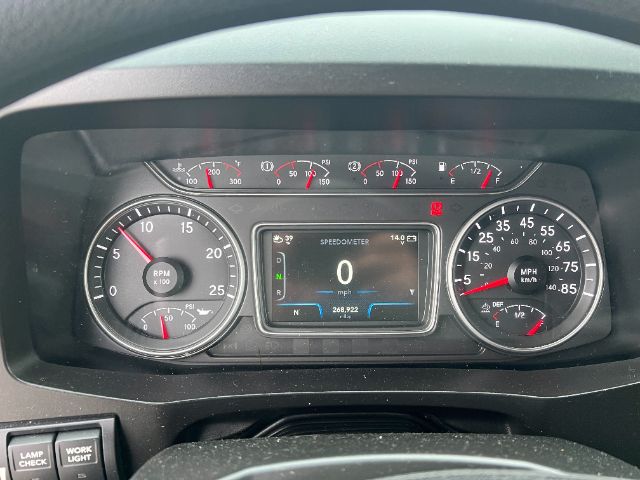
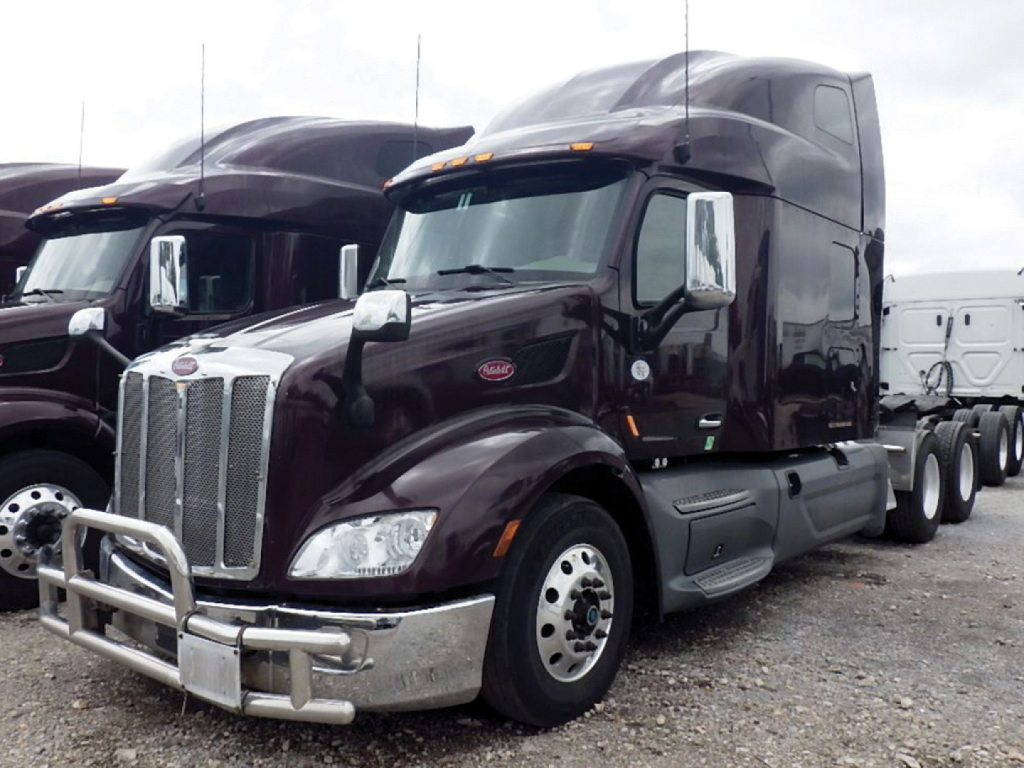
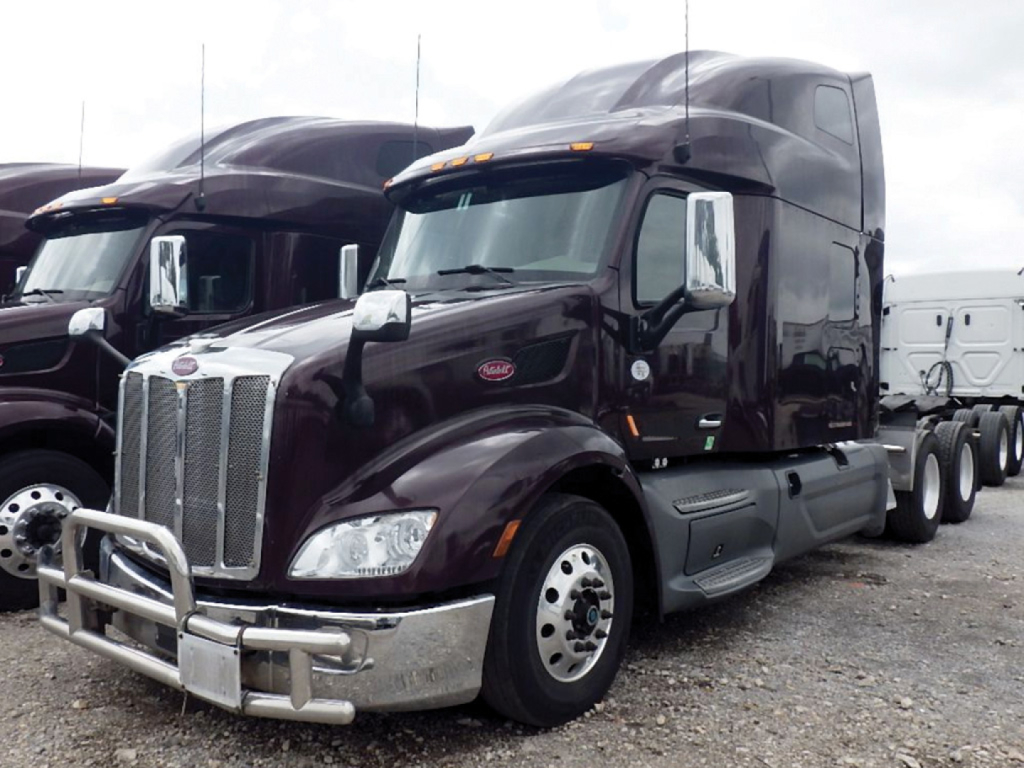

Showing 1 to 28 of 33 results
Selling a 2019 conventional sleeper truck? List your 2019 conventional sleeper truck for sale and reach thousands of commercial buyers.
2019 Conventional Sleeper Trucks in Illinois
For a 2019 model year, common powertrains include the Volvo D13, Detroit DD15, Cummins X15, and PACCAR MX-13, typically in the 400 to 455 horsepower range for fleet specs, with higher ratings available for heavier applications. Automated manuals such as Volvo I-Shift, Detroit DT12, and Eaton Endurant became standard choices in this segment, while manual transmissions were still available in some specs. Most conventional sleepers in this year range carry 40,000-pound rears on air ride suspension, 22.5 low-profile rubber, and highway gearing in ratios like 2.47, 2.64, or 2.85, though some are set up deeper for regional hauling or heavier gross weights. A buyer comparing listings should pay attention to wheelbase, fuel capacity, fifth wheel type, and brake spec, especially drum versus disc, because those details change trailer compatibility, turning radius, and maintenance cost.
The sleeper itself is more than a comfort item. A raised-roof or mid-roof layout, upper bunk, bunk heater, inverter prep, refrigerator space, and storage design all affect retention and real-world productivity. Late-model 2019 sleepers also commonly include collision mitigation, adaptive cruise functions, lane departure warnings, and telematics-ready electrical architecture. On aerodynamic tractors, details like side fairings, cab extenders, quarter fenders, and horizontal exhaust routing are not just cosmetic. They support fuel economy, reduce road spray, and help the truck stay practical for van, reefer, and general freight operations. If the truck will run heavily in Chicago-area traffic or tight customer yards, visibility, steering feel, and bumper-to-back-of-cab dimensions deserve as much attention as sleeper amenities.
A good 2019 conventional sleeper buyer should balance mileage and condition against original application. A fleet-maintained highway tractor with a modest horsepower rating and fast rear ratio may be ideal for dry van or reefer lanes, while a higher-horsepower unit with a longer wheelbase and larger fuel capacity may fit team service or longer western runs better. Service records, emissions history, idle hours, tire wear pattern, and signs of fairing or cab damage can tell more than the badge on the hood. This model year sits in a useful spot for many buyers because it offers modern safety and driver features without moving all the way into the price structure of the newest late-model sleepers.
Frequently Asked Questions about 2019 Conventional Sleeper Trucks in Illinois
What should I look for first when buying a 2019 conventional sleeper truck?
Start with the powertrain and the original duty cycle. Engine model, horsepower, transmission type, rear axle ratio, and wheelbase will tell you how the truck was intended to run. A 2019 sleeper spec'd for fuel-efficient linehaul will drive differently from one built for heavier freight or more regional work. After that, review sleeper layout, maintenance records, emissions repairs, brake type, and tire condition because those items affect both operating cost and driver satisfaction.
Are 2019 conventional sleeper trucks mostly automatic?
Yes. By 2019, most conventional sleeper tractors in fleet service were spec'd with automated manual transmissions such as Volvo I-Shift, Detroit DT12, or Eaton automated gearboxes. These transmissions helped standardize driver performance, improve fuel economy, and reduce clutch-related wear. Manual transmissions still existed, but they were less common in mainstream highway sleeper specs by that point.
What engine size is common in a 2019 sleeper tractor?
The most common engines in this category are 13-liter to 15-liter diesel platforms, including the Volvo D13, Detroit DD15, Cummins X15, and PACCAR MX-13. Many 2019 fleet sleepers were ordered in the 400 to 455 horsepower range with engine brakes and fuel-economy-oriented calibrations. Higher horsepower ratings are available, but many over-the-road buyers prioritize torque curve, cruise RPM, and maintenance history over peak horsepower alone.
Is a 2019 conventional sleeper truck a good fit for Illinois freight?
Yes, especially for carriers running van, reefer, and dedicated interstate freight through Illinois. The conventional sleeper configuration is well suited to long interstate miles, but it can also handle regional distribution and drop-and-hook work when the wheelbase and fifth wheel position are right. Illinois buyers often benefit from aero specs, collision mitigation features, and practical sleeper amenities because trucks in this market commonly move between dense urban traffic and longer highway runs.
How important is axle ratio on a 2019 sleeper tractor?
Axle ratio is one of the most important spec points because it directly affects launch performance, cruising RPM, gradeability, and fuel economy. A faster ratio such as 2.47 or 2.64 is common on fuel-efficient highway trucks paired with automated transmissions and downsped engines. A deeper ratio may be better for heavier loads, more frequent starts, or demanding terrain. The right choice depends on average gross weight, trailer type, and the speed profile of the lanes the truck will run.