
2016 Conventional Sleeper Trucks For Sale in North Carolina
Browse 2016 conventional sleeper trucks in North Carolina. Compare specs, sleeper sizes, engines, wheelbases, and drivetrain setups.
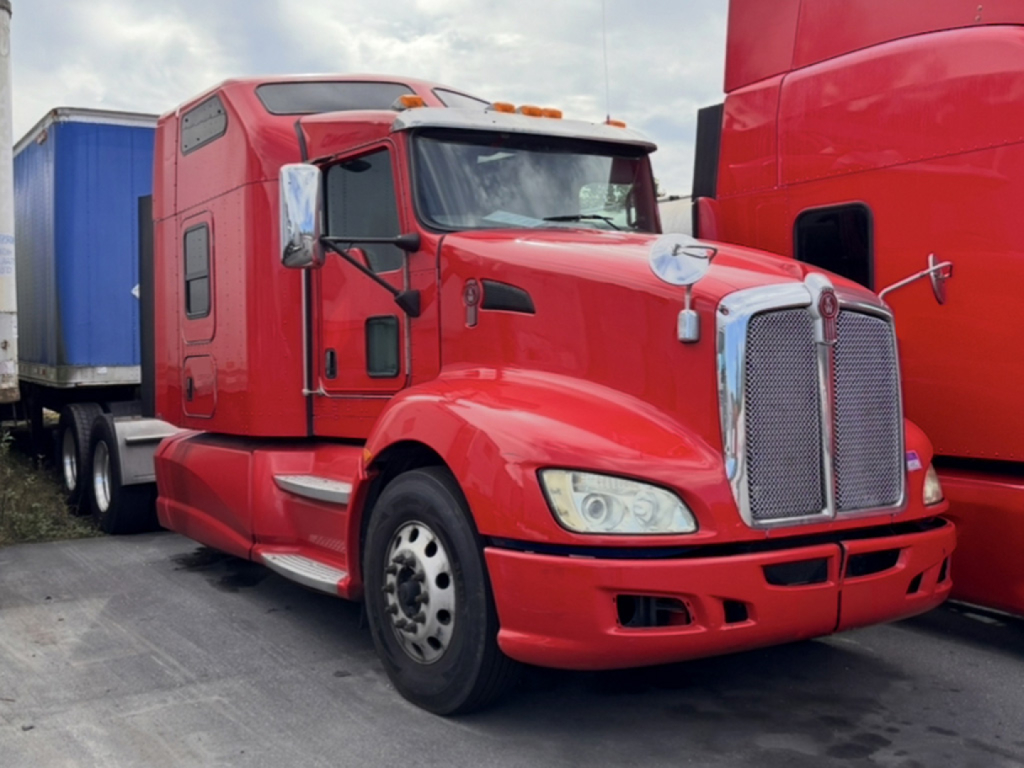
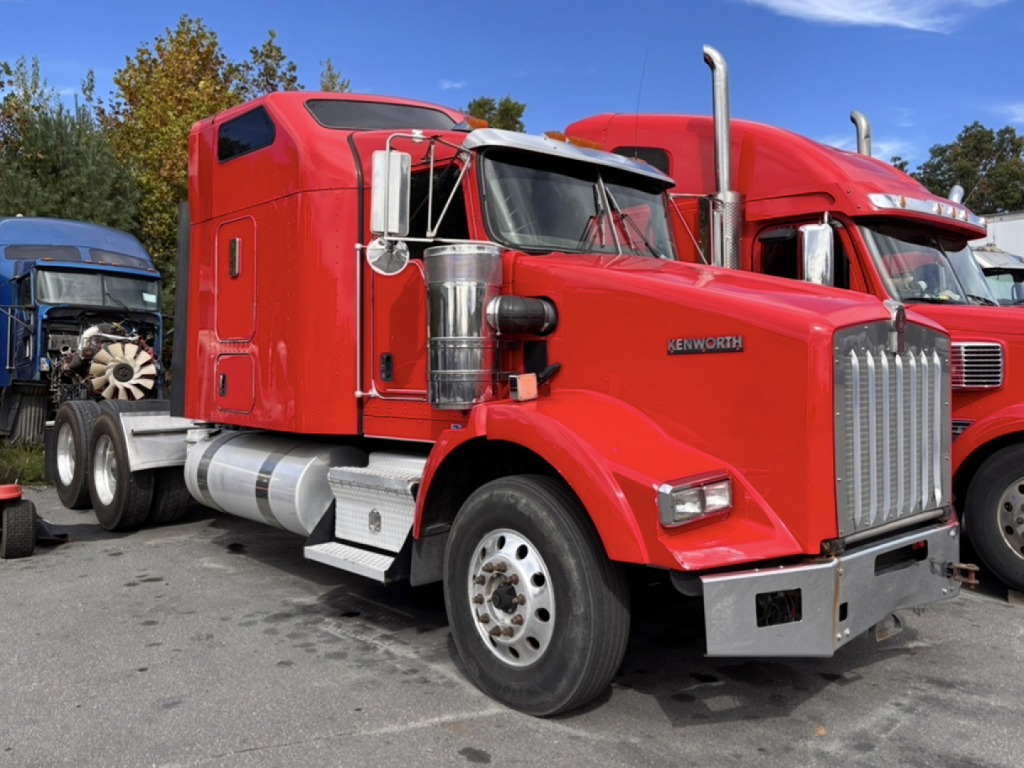
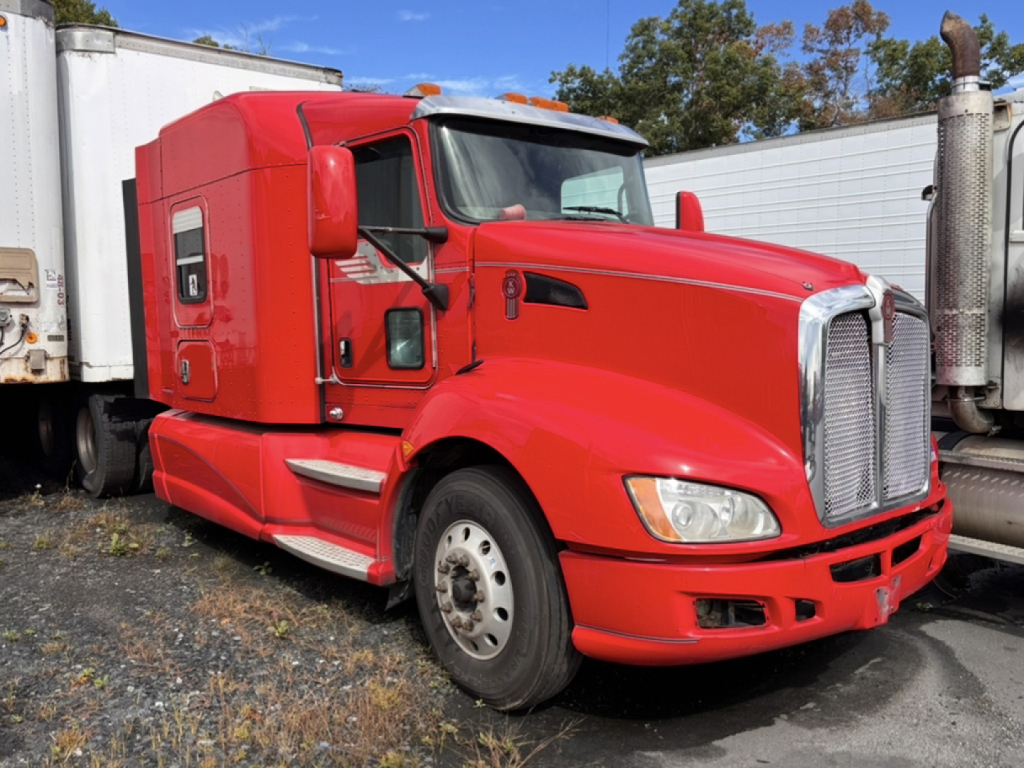

Selling a 2016 conventional sleeper truck? List your 2016 conventional sleeper truck for sale and reach thousands of commercial buyers.
2016 Conventional Sleeper Trucks in North Carolina
Most 2016 conventional sleepers were built around 12 to 15 liter diesel engines from Cummins, Detroit, PACCAR, Volvo, or Mack, commonly in the 400 to 500 horsepower range with engine brakes and 1,450 to 1,850 lb-ft of torque. Transmission choices typically include 10, 13, and 18-speed manuals along with automated manuals that became much more common by this model year. Rear axle ratings of 38,000 to 40,000 pounds are standard, and axle ratios such as 2.64, 3.08, 3.25, or 3.55 tell you a lot about intended use. A lower numerical ratio usually points to fuel-conscious highway service, while a deeper ratio better suits heavier loads, hill country, or buyers who still want flexibility with a manual gearbox. Wheelbase, fifth wheel travel, and tank capacity also deserve close attention because they directly affect bridge law compliance, trailer gap, turning radius, and range between fuel stops.
Sleeper configuration changes the truck more than many buyers expect. A 60 to 72 inch flat-top or mid-roof sleeper is common for regional and irregular route work where weight and overall height matter. A raised-roof or stand-up sleeper with upper bunk, cabinets, refrigerator space, and auxiliary power unit support is a better fit for multi-day runs and team applications. Fairings, cab extenders, side skirts, and horizontal exhaust generally favor fuel economy and fleet-style highway use. Long-hood conventionals with dual stacks, longer wheelbases, and premium trim often appeal to owner-operators who prioritize service access, ride quality, and appearance along with pulling power. In this category, conventional sleeper trucks are also commonly referred to as highway sleepers, road tractors, or sleeper tractors.
A careful buyer should look past cosmetics and focus on emissions history, engine hours, maintenance records, and how the original spec aligns with current work. On a 2016 truck, verify aftertreatment condition, including DPF, DEF, EGR, sensors, and regeneration history. Check for clutch life on manual units, shift calibration on automated manuals, suspension wear, frame condition, bunk HVAC performance, and tire wear patterns that may point to alignment or suspension issues. If the truck will run North Carolina to the Southeast, an aero sleeper with a moderate wheelbase and highway ratio can make sense. If it will handle specialized freight, heavy haul support, or a more image-driven owner-operator application, a longer wheelbase conventional with higher horsepower and a manual transmission may be the better tool.
Frequently Asked Questions about 2016 Conventional Sleeper Trucks in North Carolina
What should I look for first when comparing a 2016 conventional sleeper truck?
Start with the original operating spec, not the paint or badge. Engine make and horsepower, transmission type, rear axle ratio, wheelbase, sleeper size, and fuel capacity will tell you what the truck was built to do. A 2016 conventional sleeper set up for fuel-efficient highway freight can feel very different from one built for heavier loads or owner-operator use, even if both have similar mileage.
Are 2016 conventional sleeper trucks good for long-haul use?
Yes, many 2016 conventional sleeper trucks were built specifically for over-the-road service. This model year commonly includes aerodynamic cabs, larger sleepers, improved driver comfort features, and both manual and automated transmission options suited to highway miles. The key is confirming that the sleeper layout, axle ratio, and wheelbase match the length of haul and trailer type you plan to run.
What engine and transmission combinations are common in a 2016 conventional sleeper?
Common engines include 12 to 15 liter platforms from Cummins, Detroit, PACCAR, Volvo, and Mack, usually rated around 400 to 500 horsepower. Buyers will find manual 10, 13, and 18-speed transmissions along with a growing number of automated manuals in 2016 models. The best combination depends on terrain, gross weight, driver preference, and whether fuel economy or versatility is the higher priority.
Do I need to worry about emissions systems on a 2016 sleeper tractor?
Yes. A 2016 conventional sleeper truck uses modern emissions equipment, so aftertreatment condition is a major part of the purchase decision. Review DPF service history, DEF system operation, EGR condition, fault codes, parked and rolling regeneration history, and any records showing sensor or dosing component replacement. A truck with complete maintenance documentation is usually a safer buy than one with limited history.
What sleeper size is best for a 2016 conventional truck?
The best sleeper size depends on route length and how the truck earns. A 60 to 72 inch sleeper is often a practical fit for regional and short OTR work because it balances comfort, weight, and maneuverability. A raised-roof or larger stand-up sleeper is a better choice for multi-day trips, team driving, or drivers who need more storage, bunk space, and off-duty comfort.