
Used 2022 Conventional Daycab Trucks For Sale in Texas
Shop used 2022 conventional daycab trucks in Texas. Compare specs, wheelbase, axle ratios, engine options, and regional hauling fit.
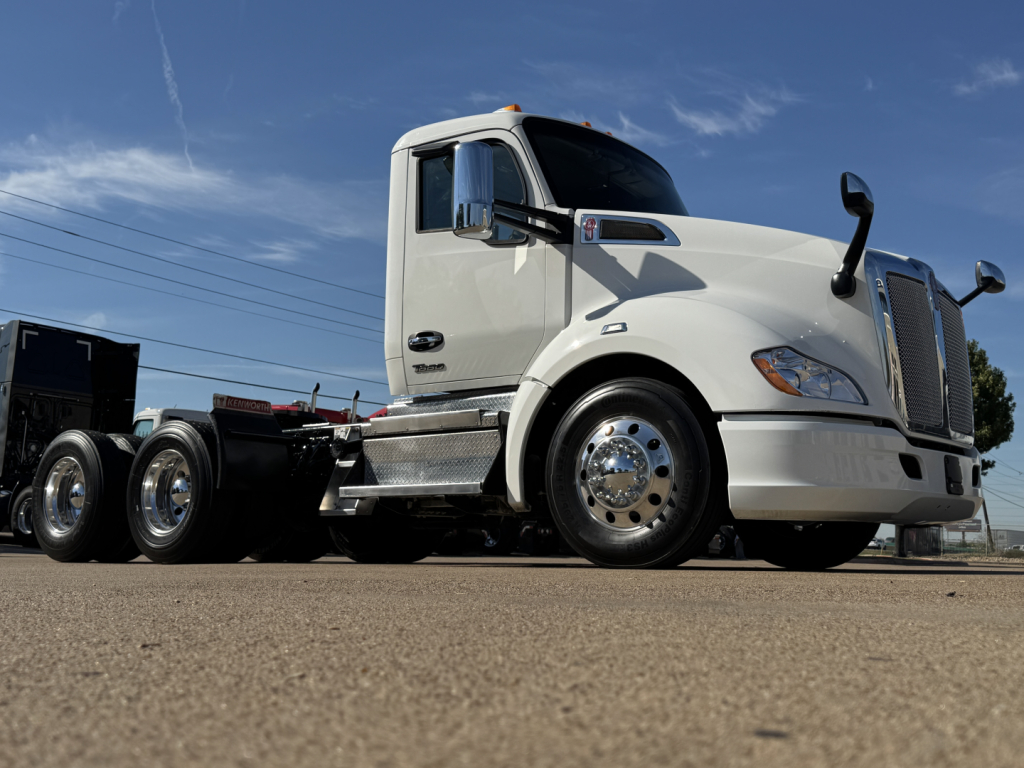
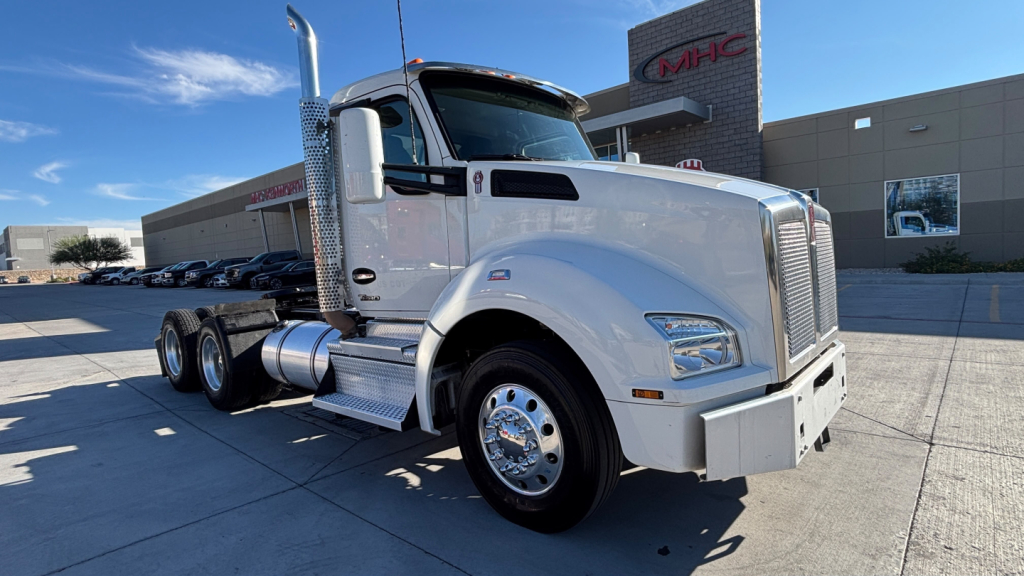
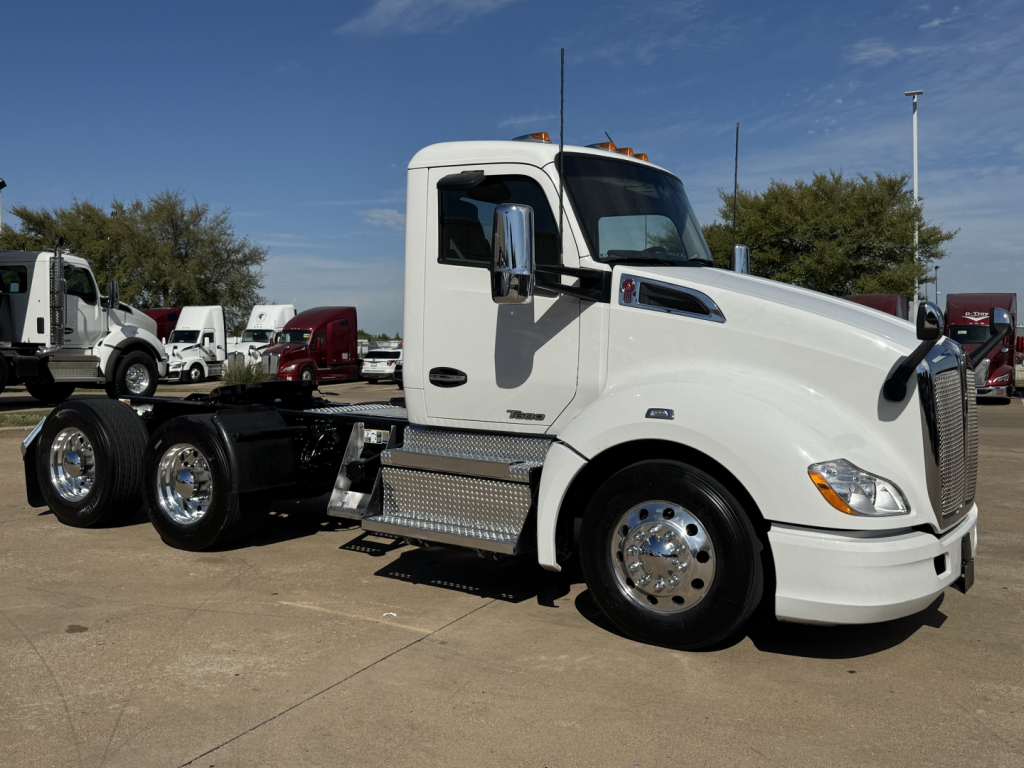
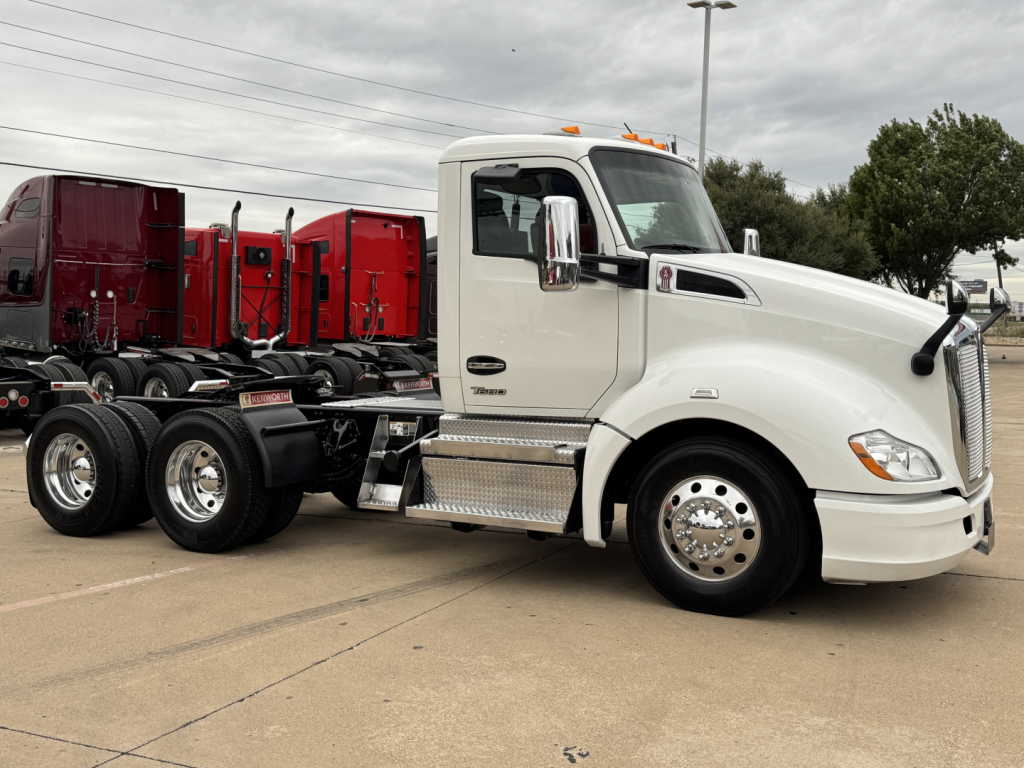
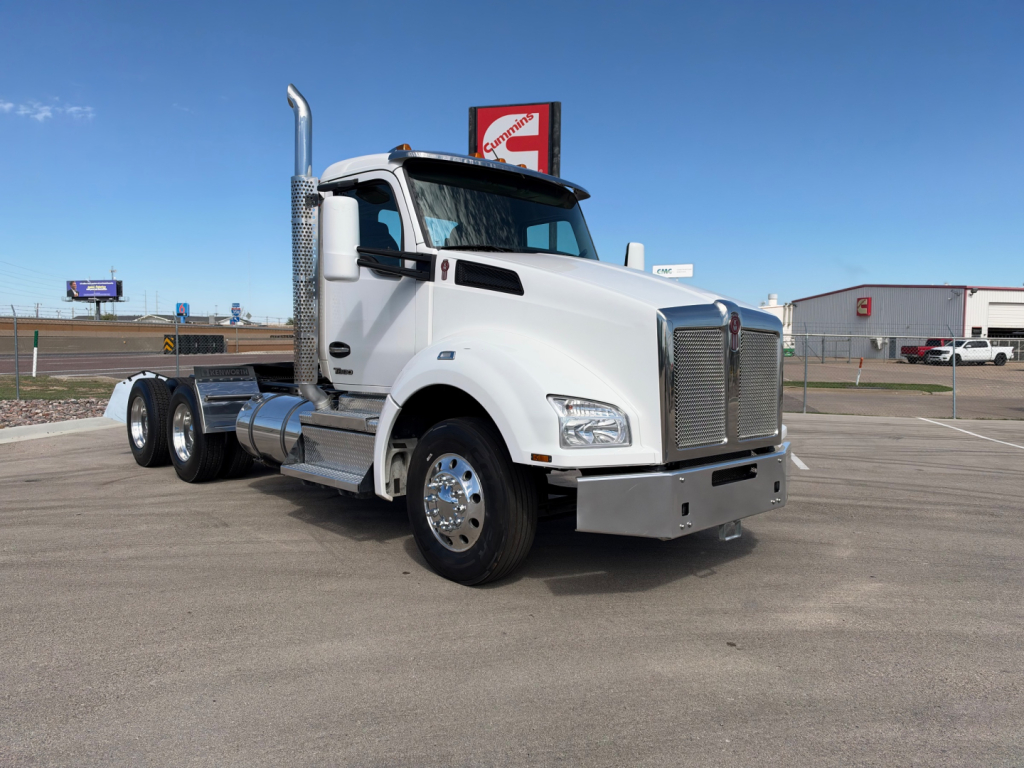
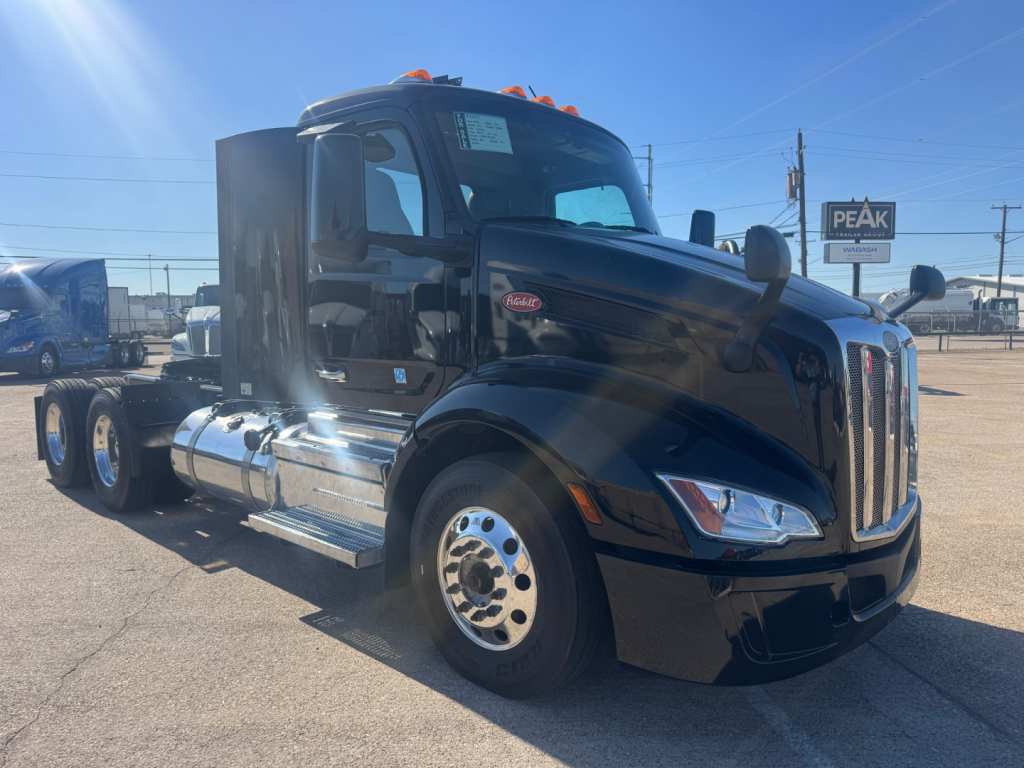
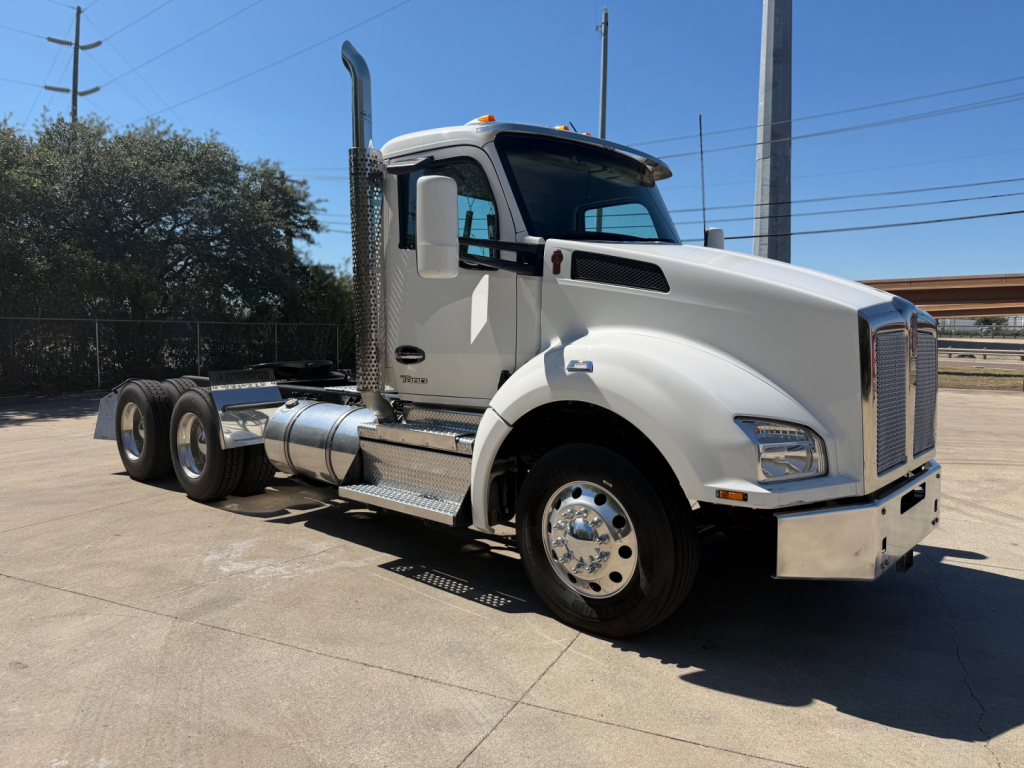
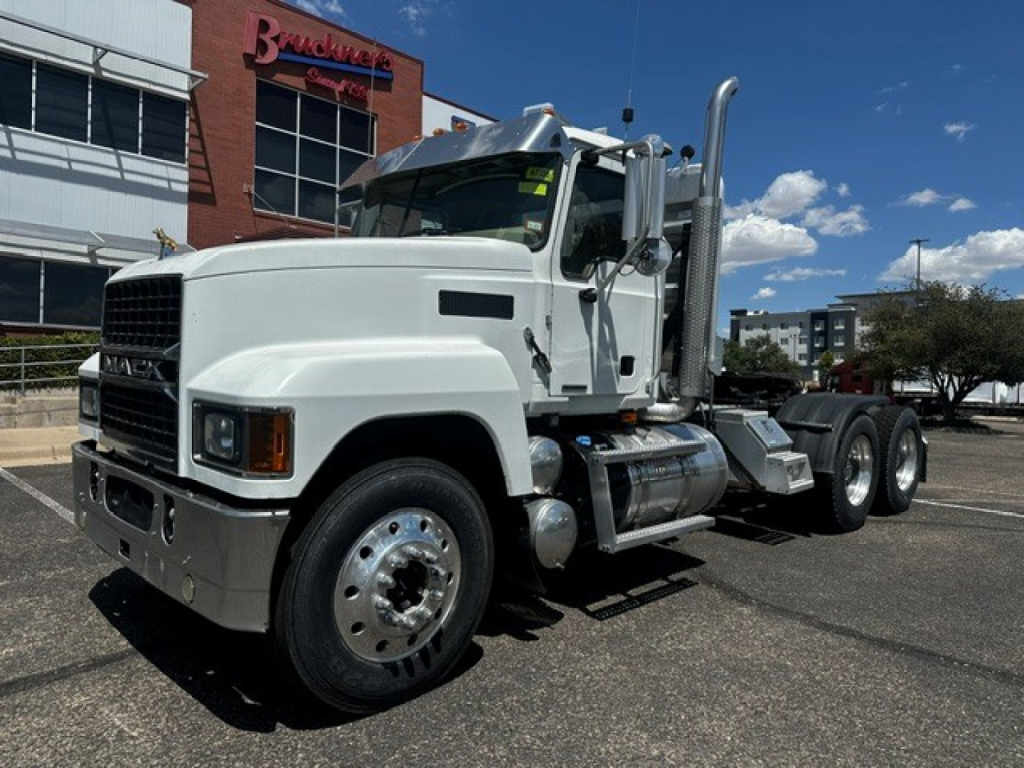
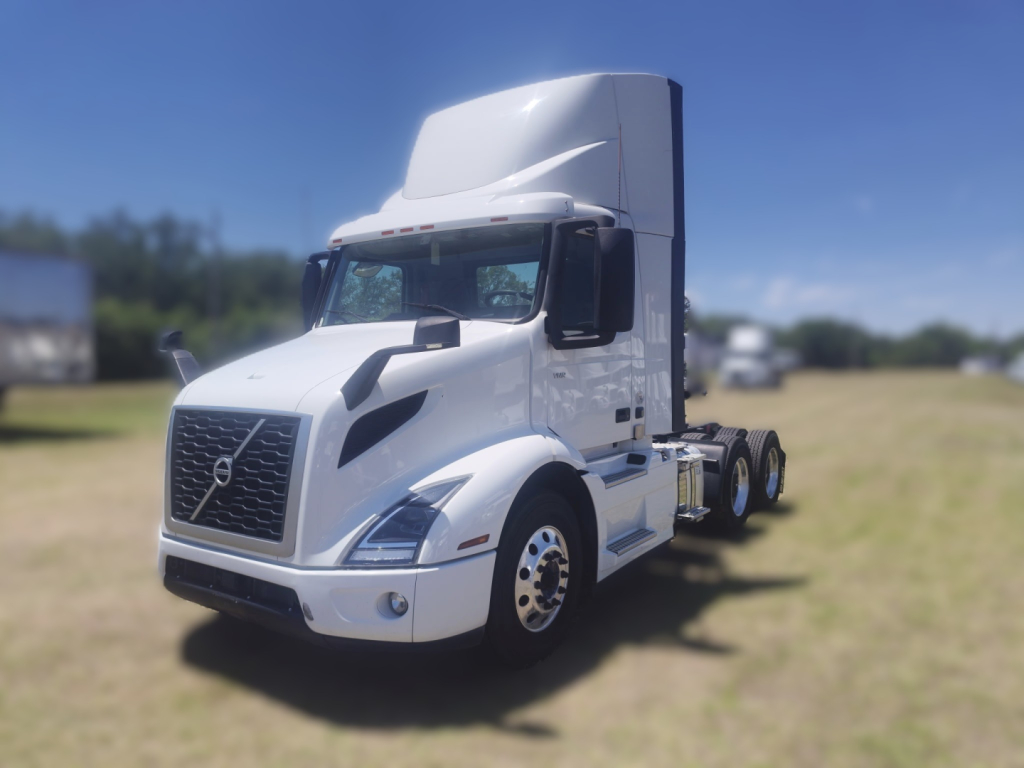
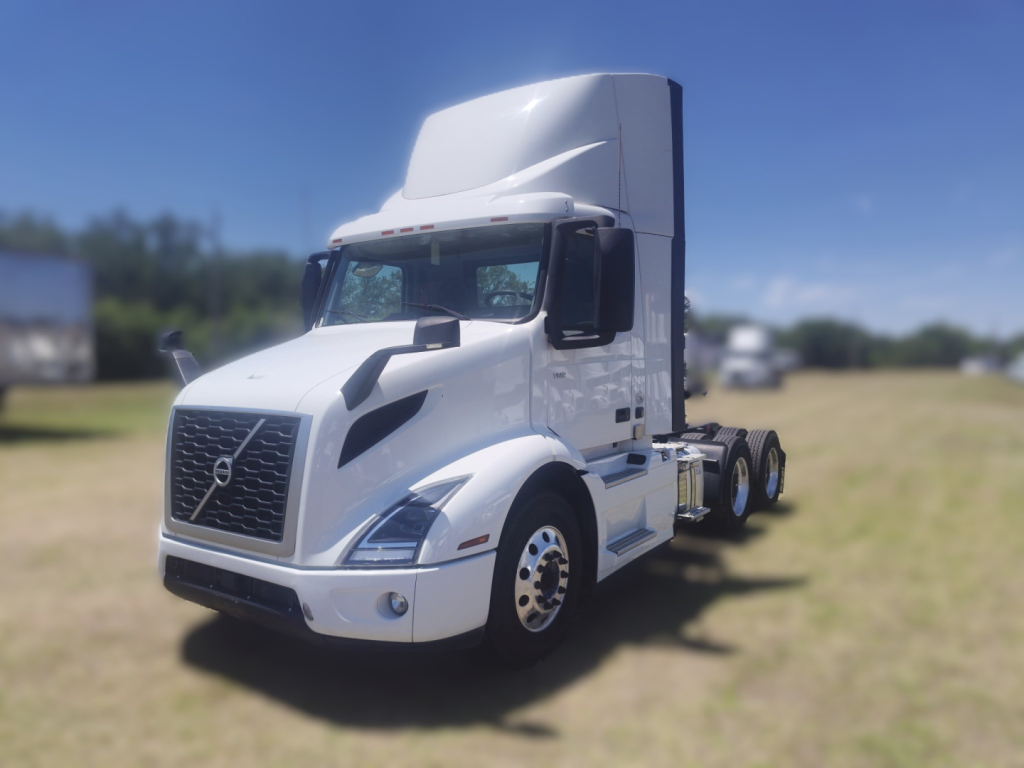
2022 Volvo VNR64T300
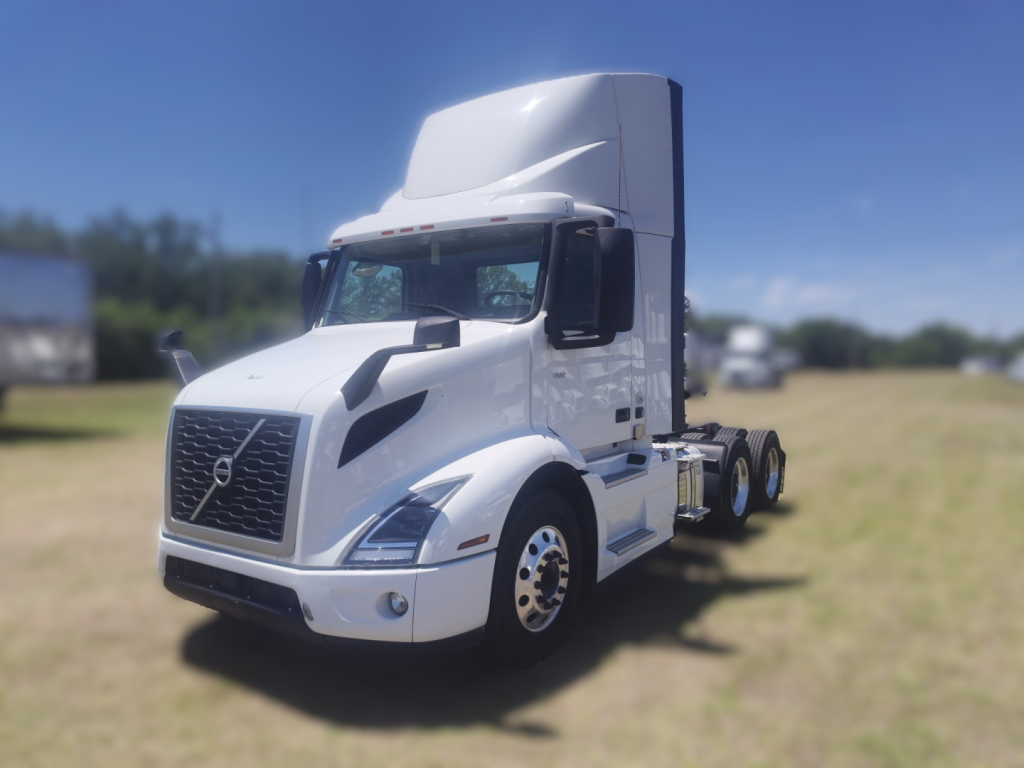
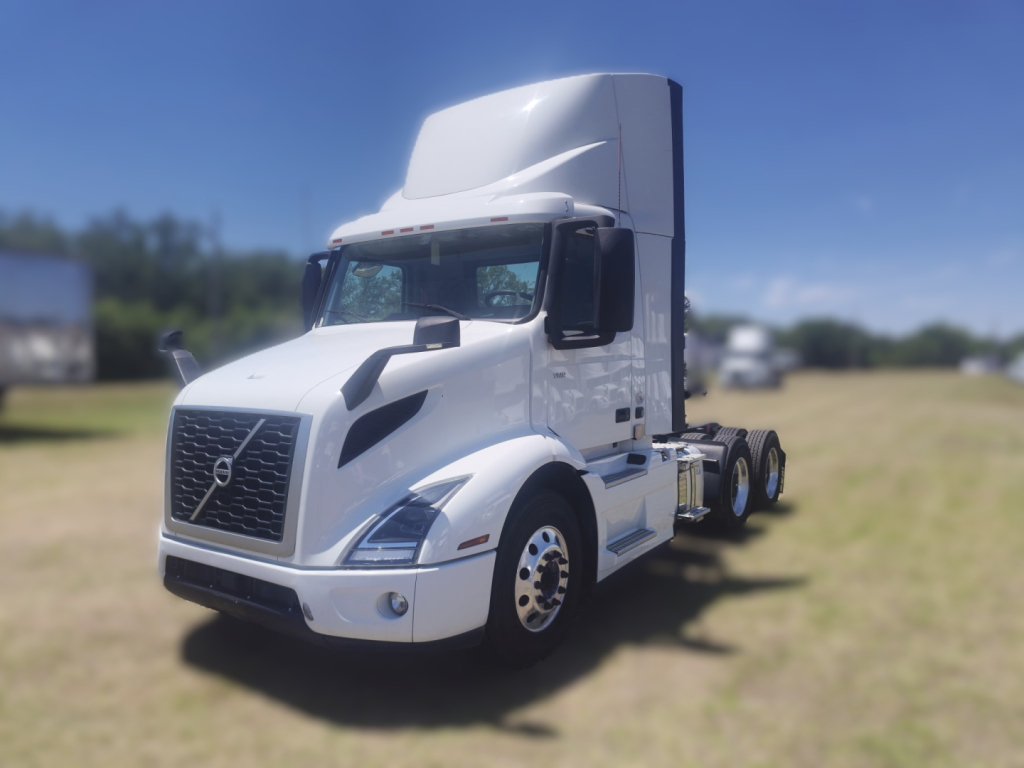
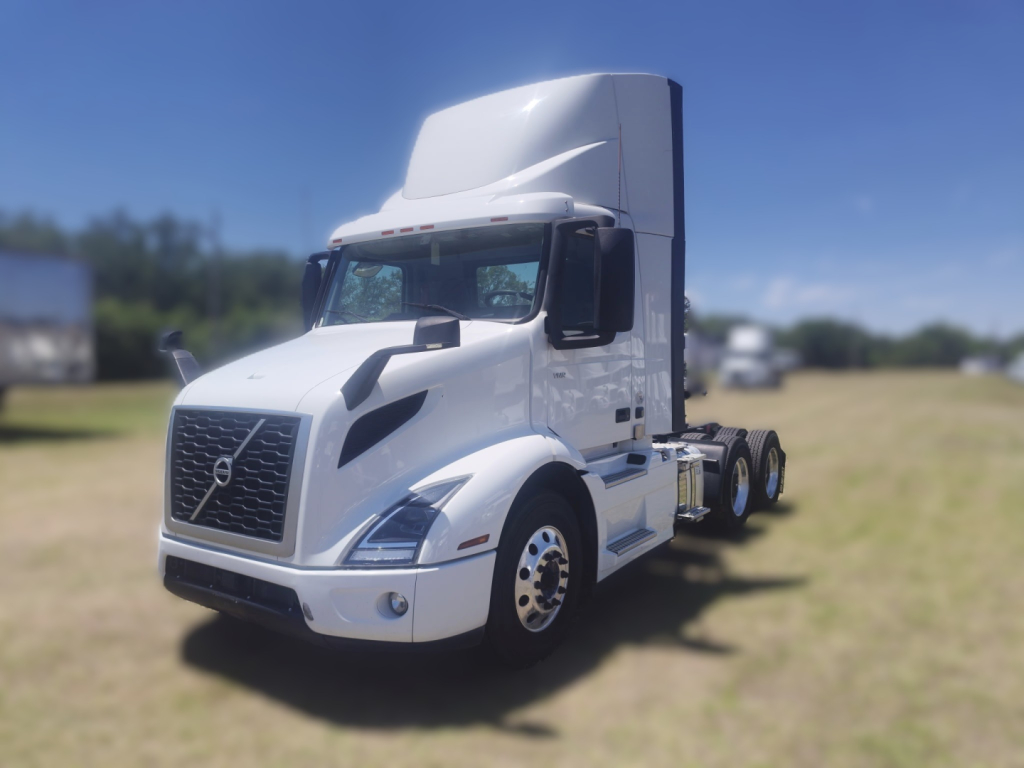
2022 Volvo VNR64T300
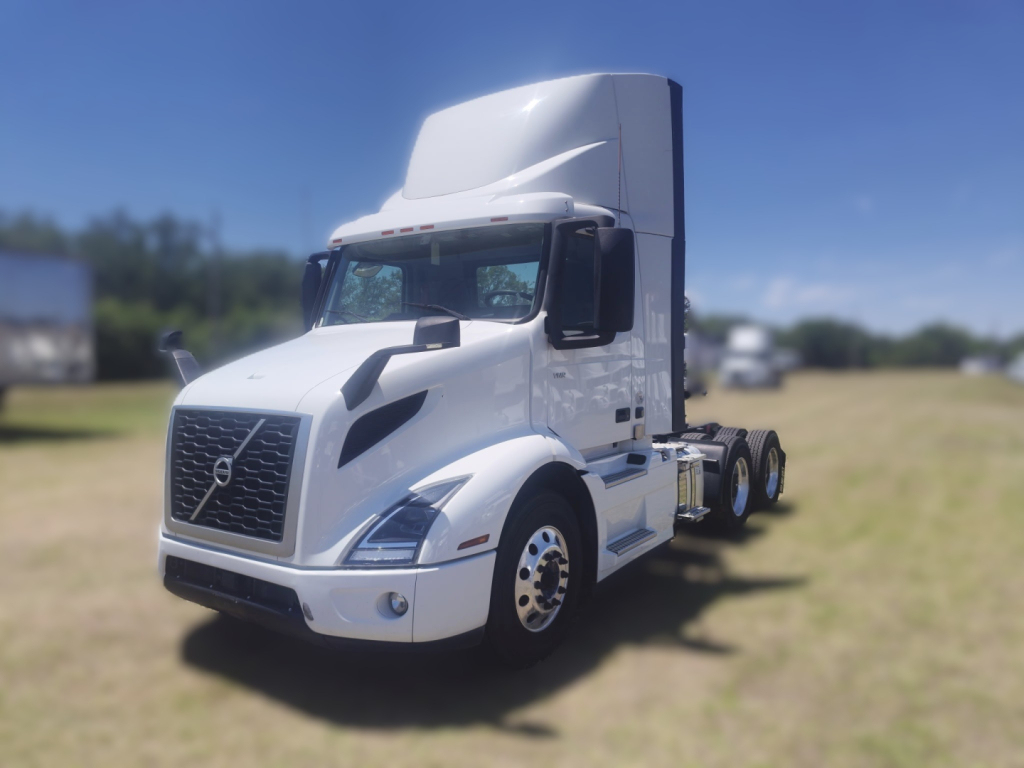
2022 Volvo VNR64T300
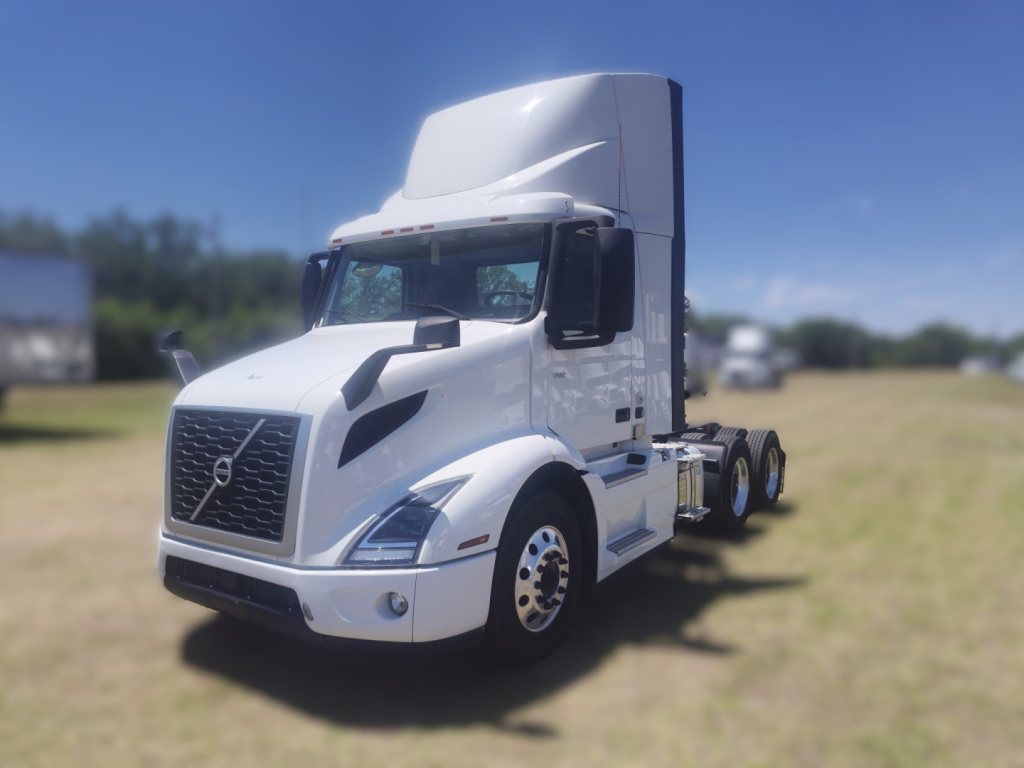
2022 Volvo VNR64T300
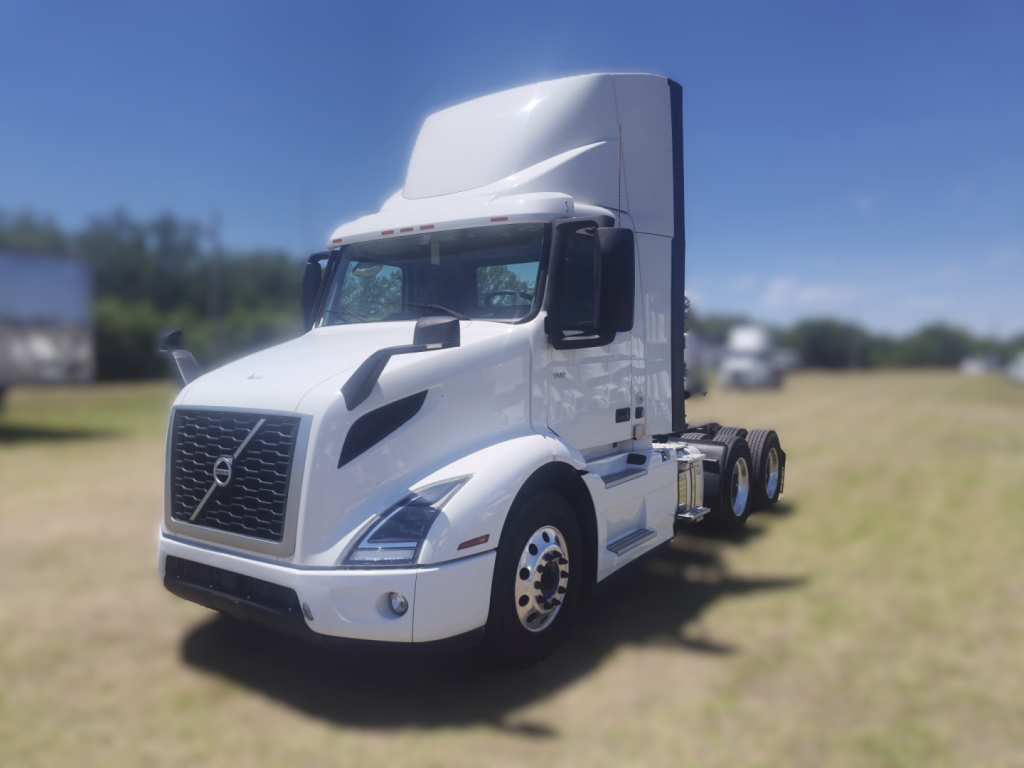
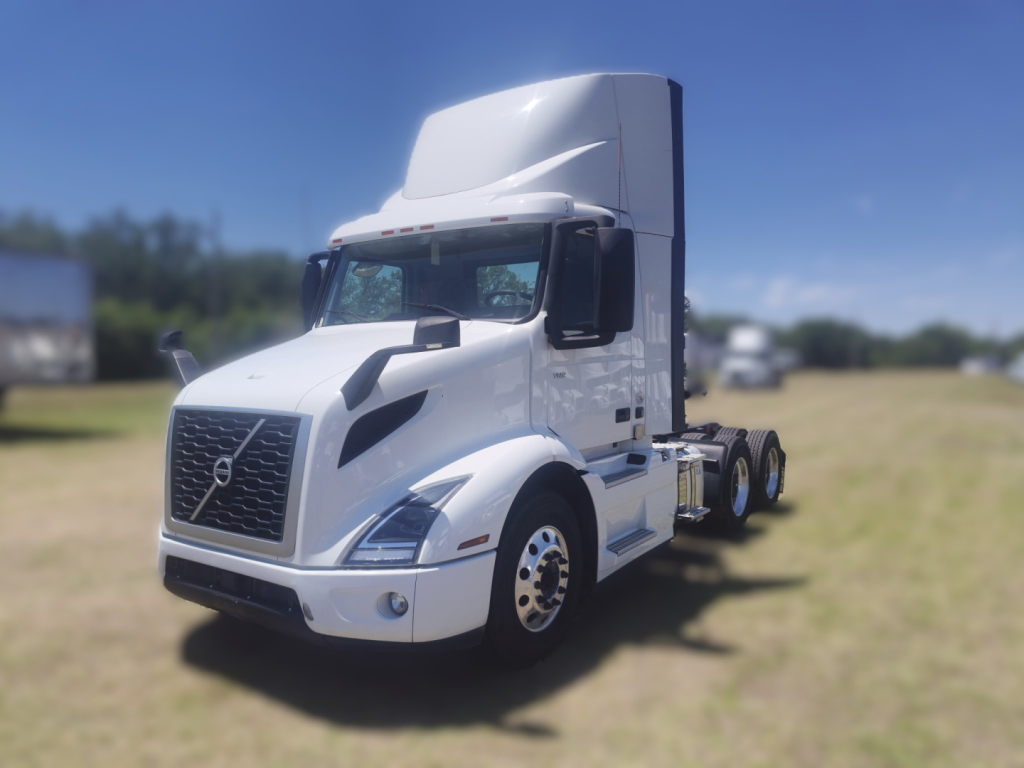
2022 Volvo VNR64T300
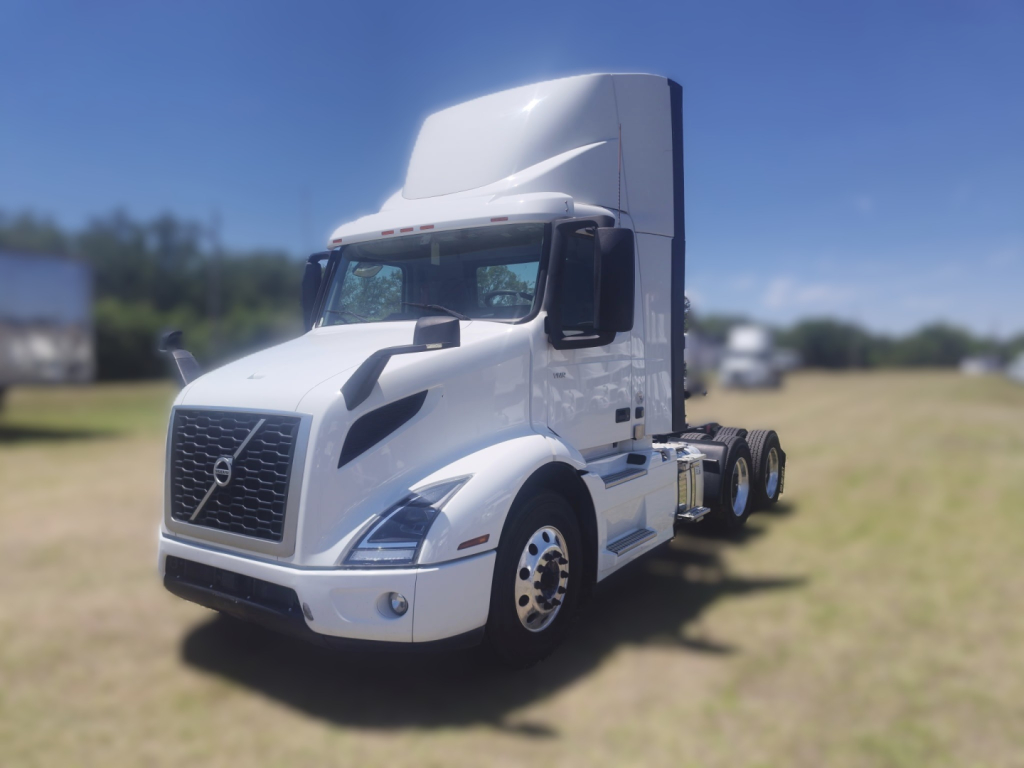
2022 Volvo VNR64T300
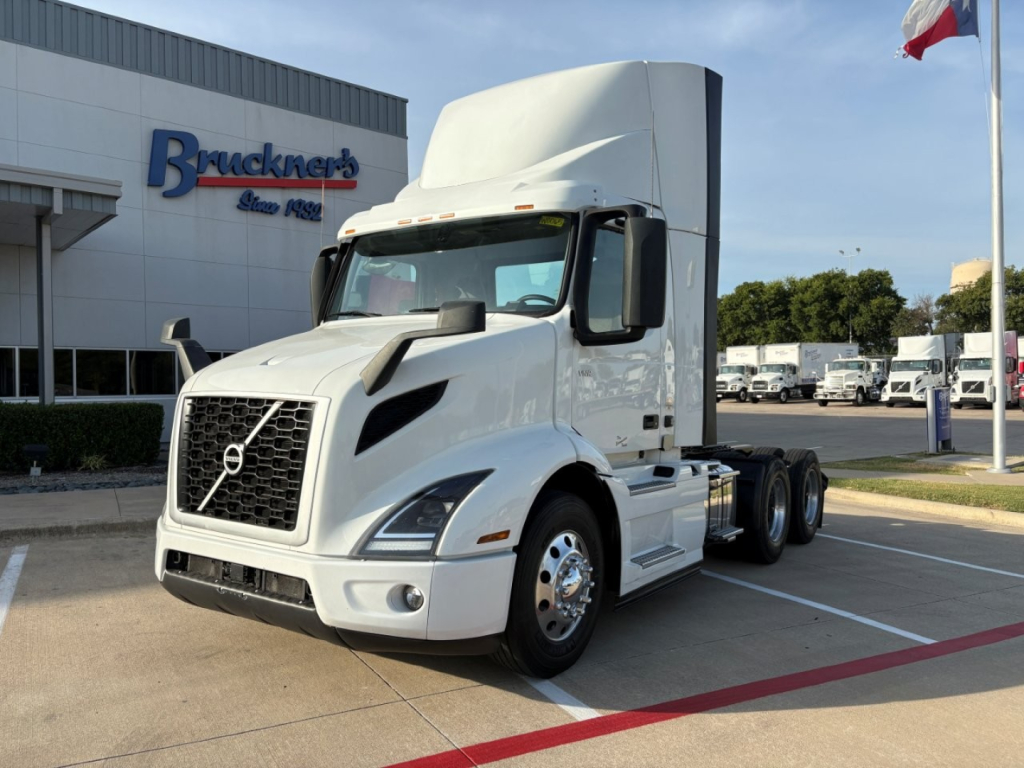
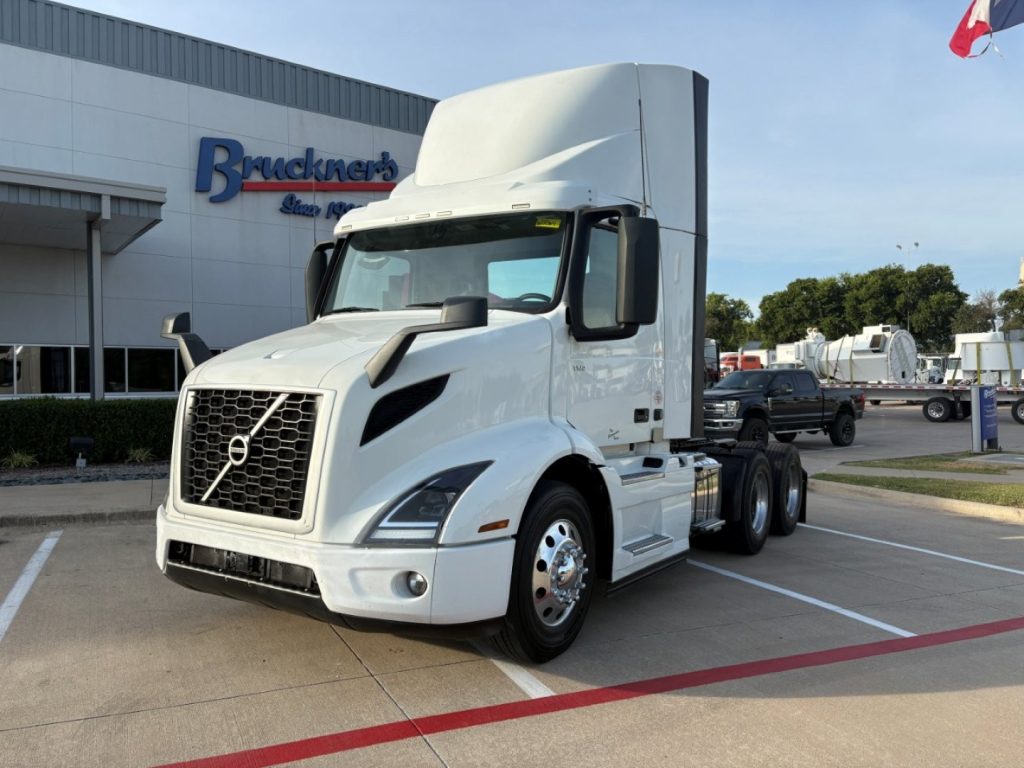
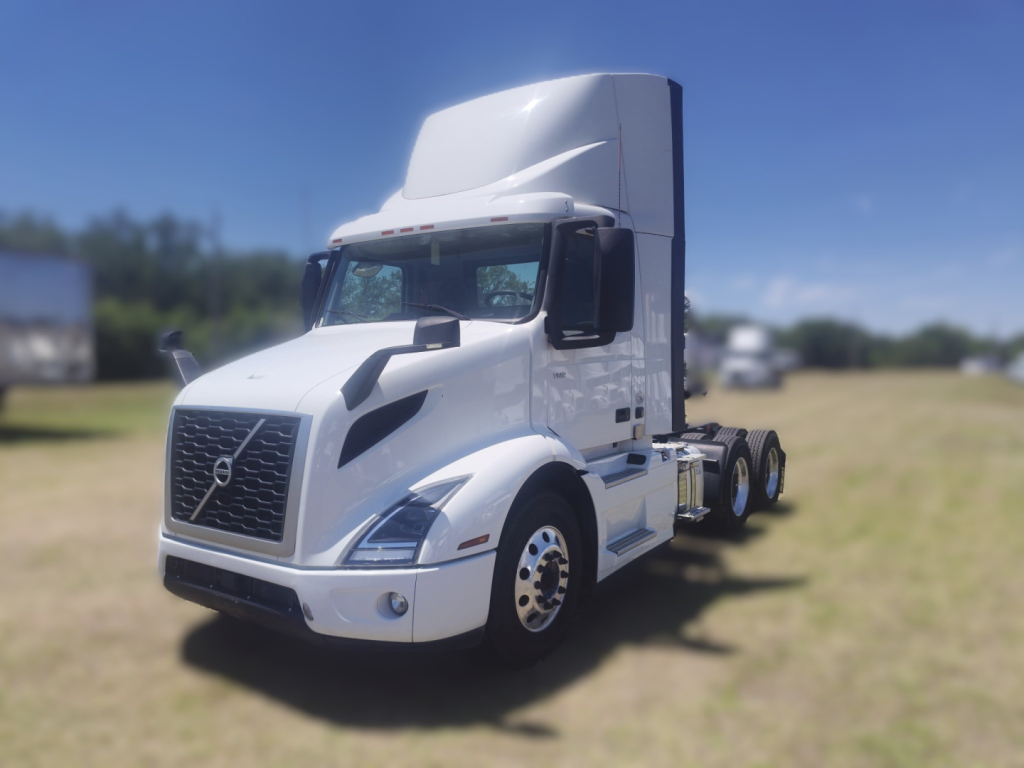
2022 Volvo VNR64T300
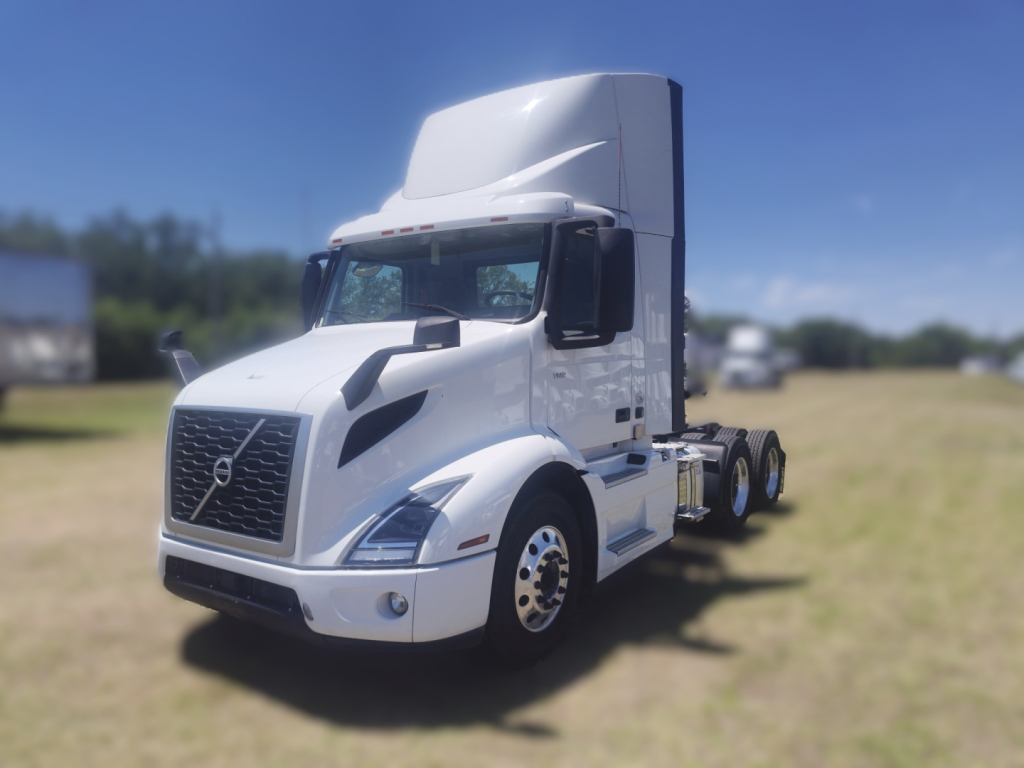
2022 Volvo VNR64T300
Selling a used 2022 conventional daycab truck? List your used 2022 conventional daycab truck for sale and reach thousands of commercial buyers.
Used 2022 Conventional Daycab Trucks in Texas
Most 2022 daycabs in this category are Class 8 highway tractors with tandem drive axles, aerodynamic hoods, and diesel engines commonly rated from the low 400s up to around 500 horsepower. Automated manual transmissions are common, including 12-speed setups, though some fleets still prefer manual gearboxes for certain applications. Wheelbase matters more than many buyers expect. A shorter wheelbase improves maneuverability in tight yards and urban docks, while a longer wheelbase can help with ride quality, frame space, and compatibility with wet kits, headache racks, or other vocational additions. Axle ratios such as 3.25 or 3.36 are typical on regional-spec trucks and can make a noticeable difference in fuel economy, launch performance, and cruising RPM.
For Texas operations, cooling system health, APU delete history, idle management strategy, and tire condition deserve close attention because heat, long distances, and stop-and-go freight can expose weak maintenance practices quickly. A 2022 model year truck may also carry emissions and powertrain updates that benefit fuel efficiency and driver comfort, but buyers should still review aftertreatment service records, fault history, and software campaign completion. If the truck has a wet kit, confirm whether it is set up for the hydraulic demands of your trailer. If it is intended for dry van or reefer work, inspect fifth wheel position, suspension type, and fairing condition to see how well the spec matches linehaul or regional service.
The strongest used 2022 conventional daycab trucks are the ones with a clear vocational purpose and a maintenance record that supports it. Look at engine hours alongside miles, verify brake and suspension wear, and check for signs of heavy PTO or severe-service use that may not show up in the odometer alone. A well-matched daycab can lower total operating cost, improve route efficiency, and give a fleet a simpler, lighter tractor for jobs that do not require overnight accommodations.
Frequently Asked Questions about Used 2022 Conventional Daycab Trucks in Texas
What is a conventional daycab truck best used for?
A conventional daycab truck is best suited for regional and local hauling where the driver returns home or to a terminal without needing a sleeper. Common applications include dry van, reefer, tanker, flatbed, drayage, dedicated distribution, and some vocational tractor work. The daycab configuration reduces weight and overall length compared with a sleeper tractor, which can improve maneuverability and simplify operations on shorter routes.
What specs matter most when buying a used 2022 conventional daycab in Texas?
The most important specs are engine horsepower and torque, transmission type, wheelbase, rear axle ratio, suspension, and fifth wheel setup. In Texas, buyers should also pay close attention to cooling system condition, tire health, and service records because long highway runs and high ambient temperatures put extra demand on the truck. If the truck will run PTO-driven equipment or hydraulic trailers, wet kit configuration is also a major buying point.
Is an automated manual transmission a good choice in a daycab truck?
An automated manual transmission is a strong choice for many daycab operations because it can improve driver consistency, reduce clutch wear, and help with fuel economy. It is especially common in fleet regional service and stop-and-go work where driver turnover or route density make ease of operation important. Buyers should still confirm the transmission calibration, clutch life data if available, and service history to make sure the system has been maintained correctly.
How do wheelbase and axle ratio affect daycab performance?
Wheelbase affects turning radius, ride quality, and how the truck can be equipped for specific work. Shorter wheelbases are easier to handle in tight spaces, while longer wheelbases can offer more stability and equipment room. Axle ratio affects low-speed pulling power, cruise RPM, and fuel economy. A lower numerical ratio may favor highway efficiency, while a higher numerical ratio can better support heavier starts, frequent stops, or demanding trailer combinations.
What should buyers inspect on a used 2022 daycab besides mileage?
Mileage only tells part of the story. Buyers should review engine hours, idle hours, aftertreatment history, fault codes, brake condition, suspension wear, tire age and tread, driveline condition, and signs of frame or fifth wheel stress. Maintenance records are especially important because they show whether the truck was serviced on schedule and whether major systems such as the DPF, SCR, cooling package, and transmission received proper attention.