
Used 2019 Conventional Daycab Trucks For Sale in Pennsylvania
Shop used 2019 conventional daycab trucks in Pennsylvania. Compare specs, wheelbase, axle setup, engine, transmission, and regional haul features.
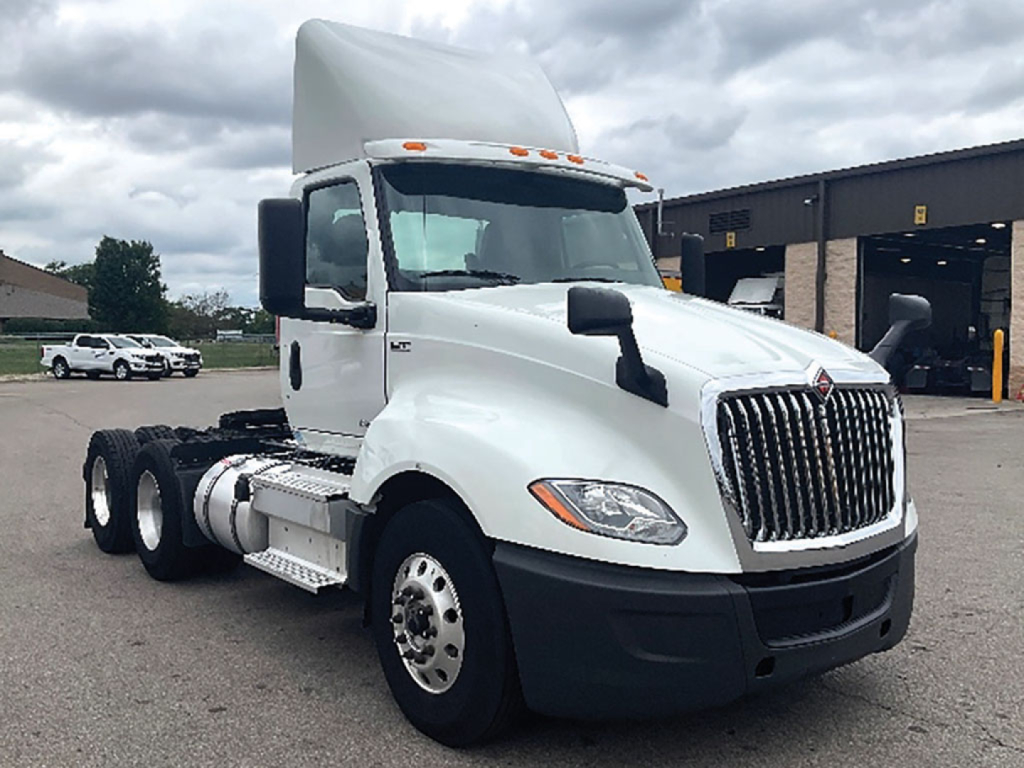
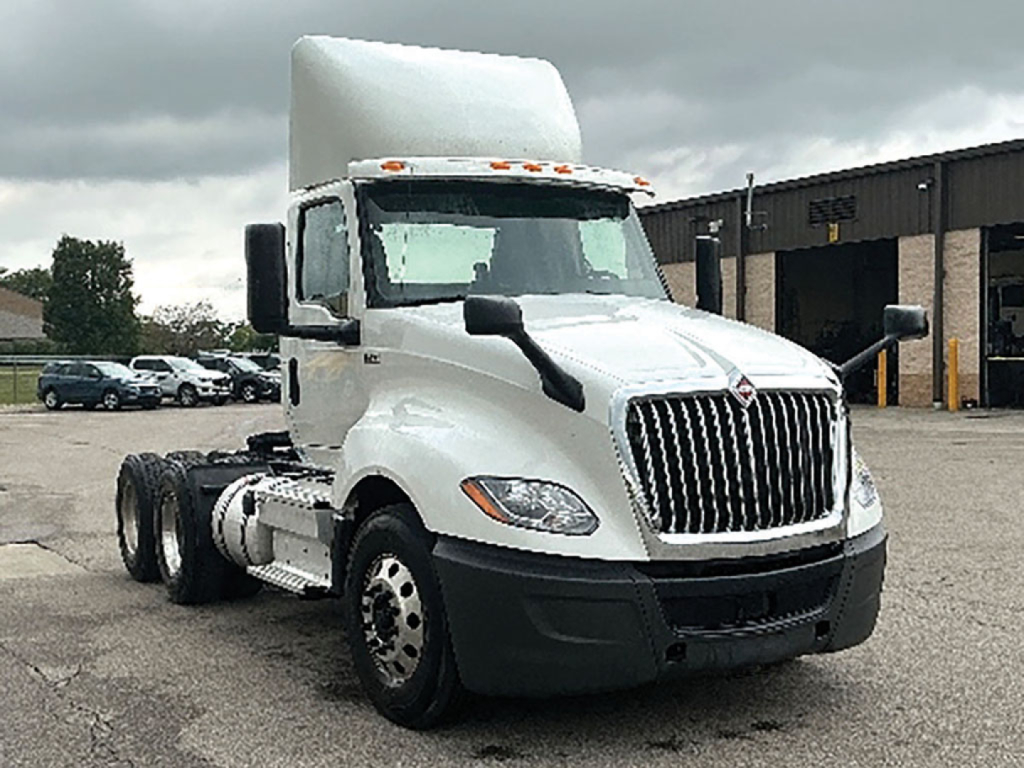
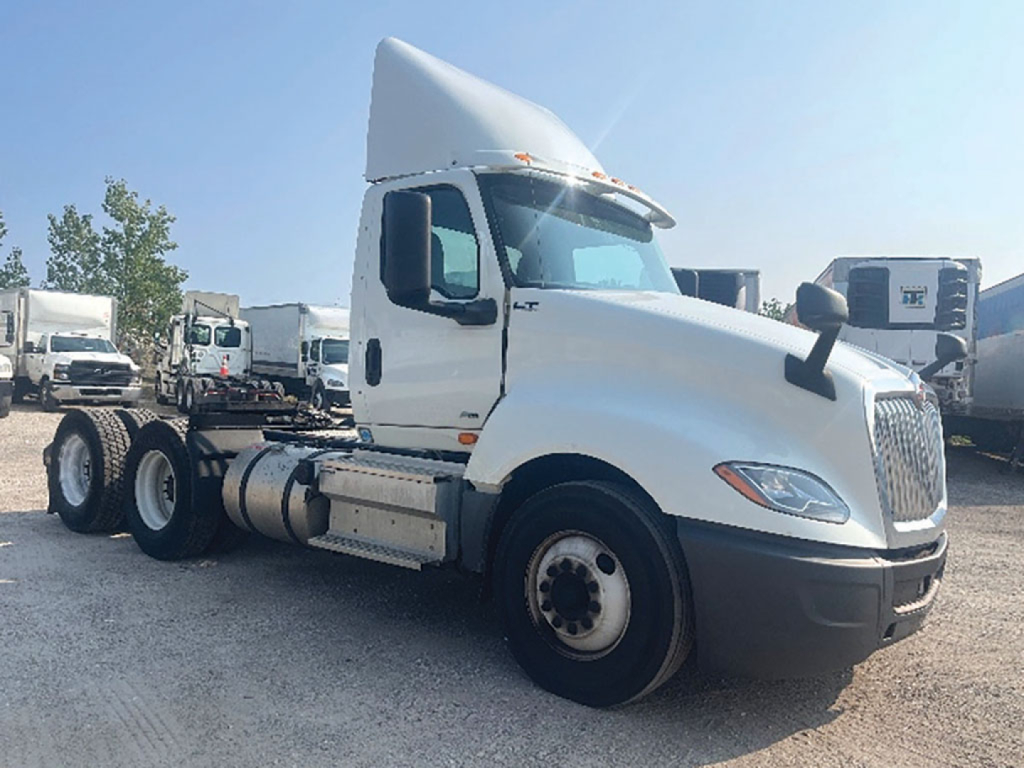
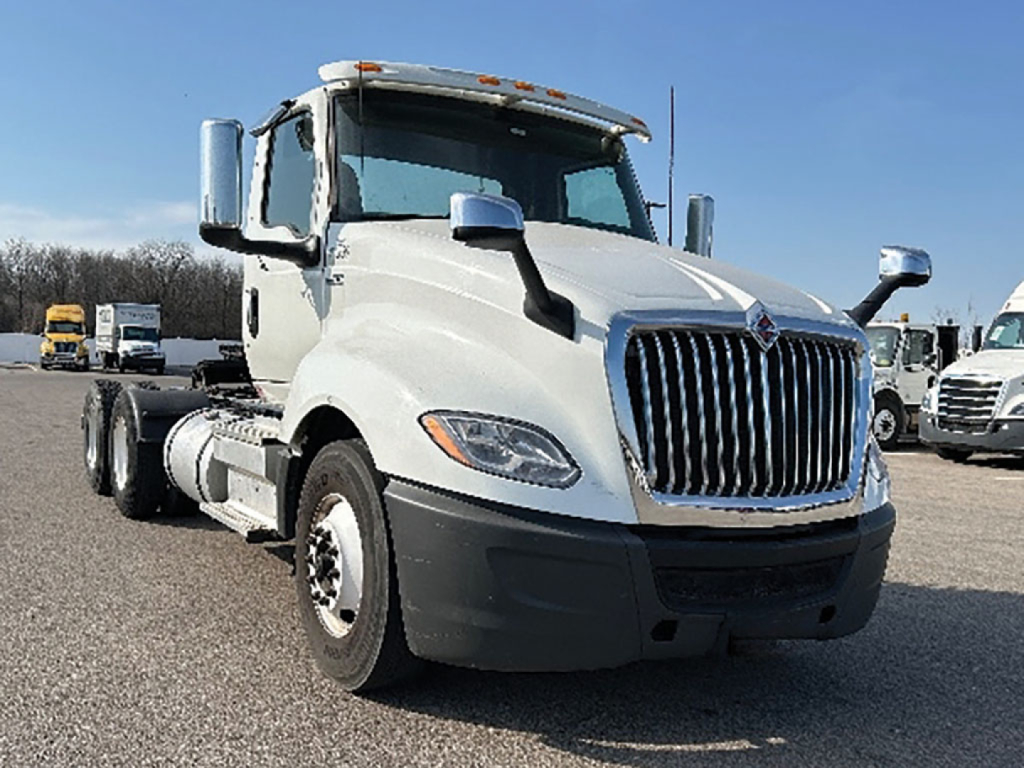
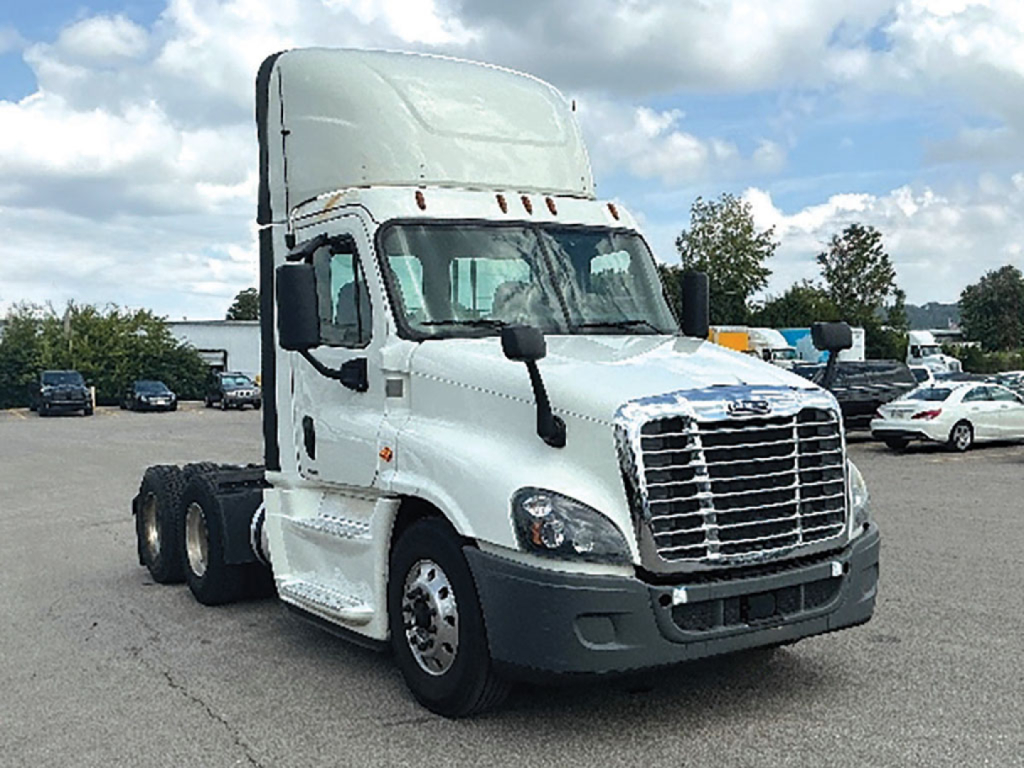
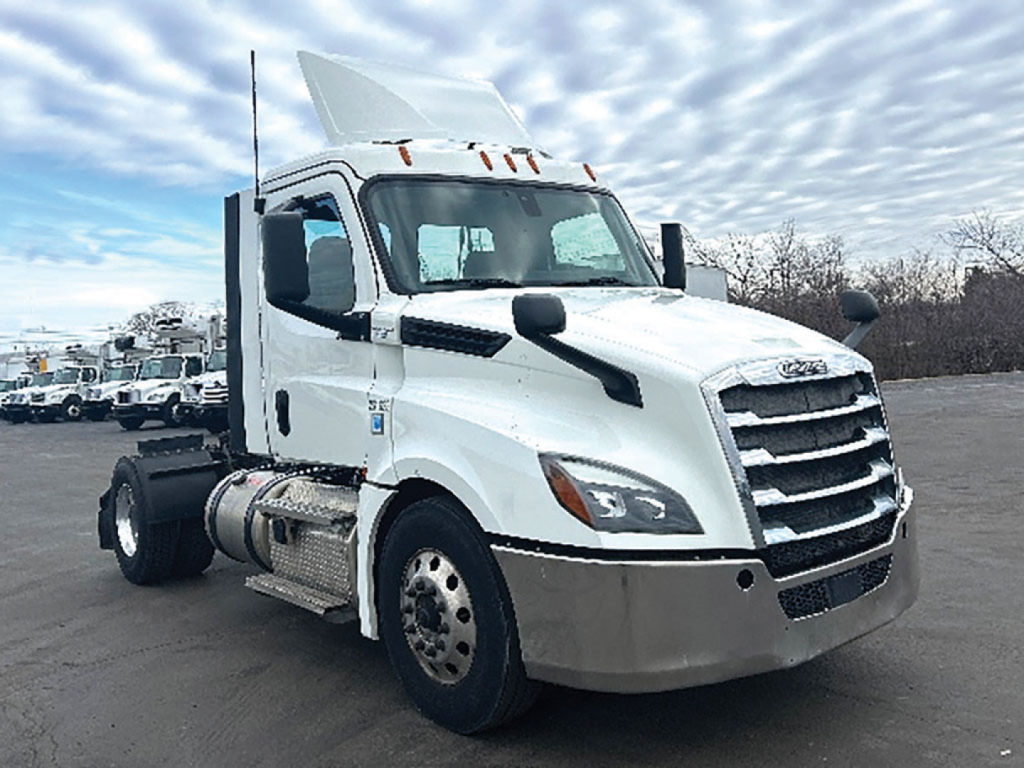
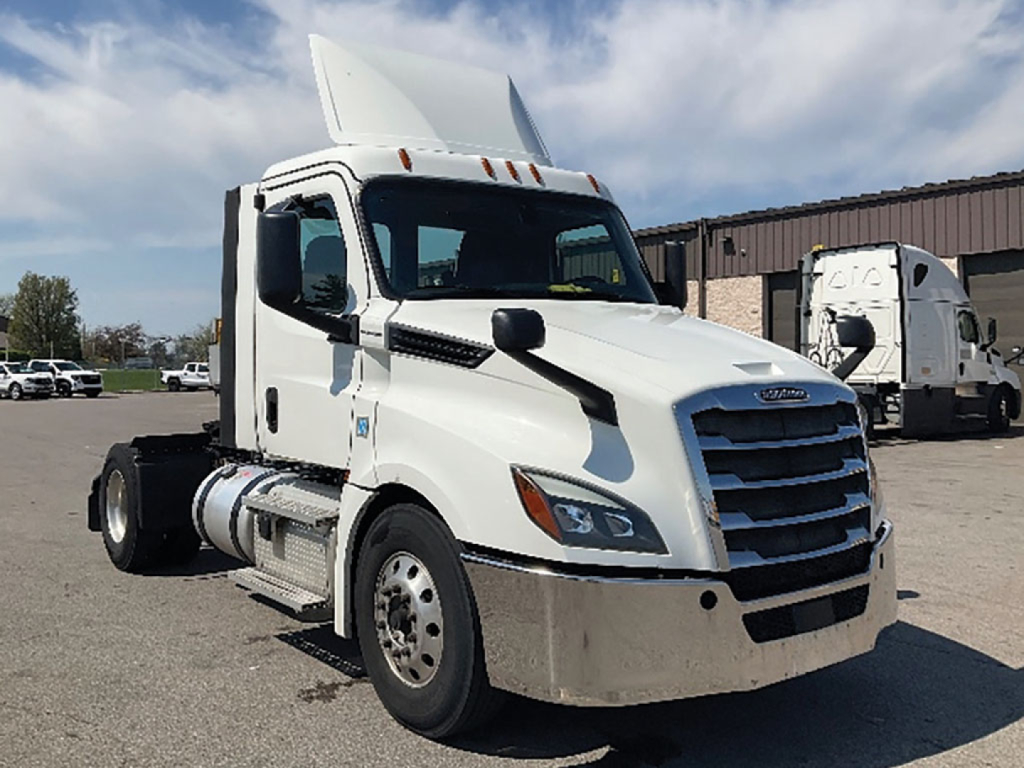
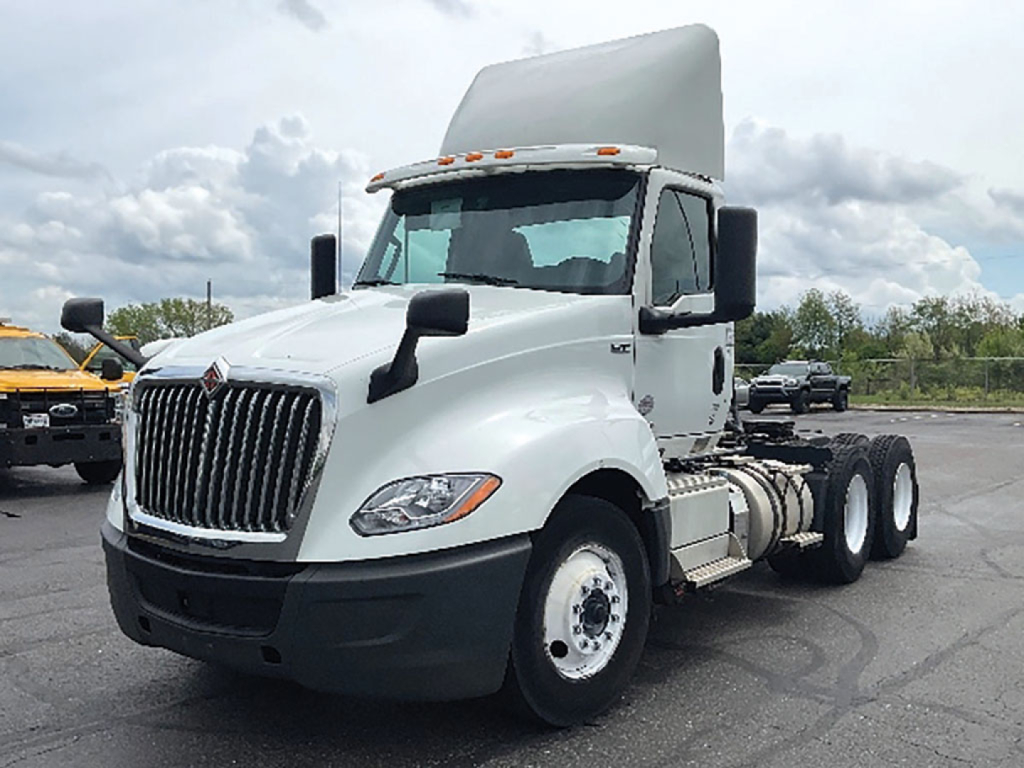
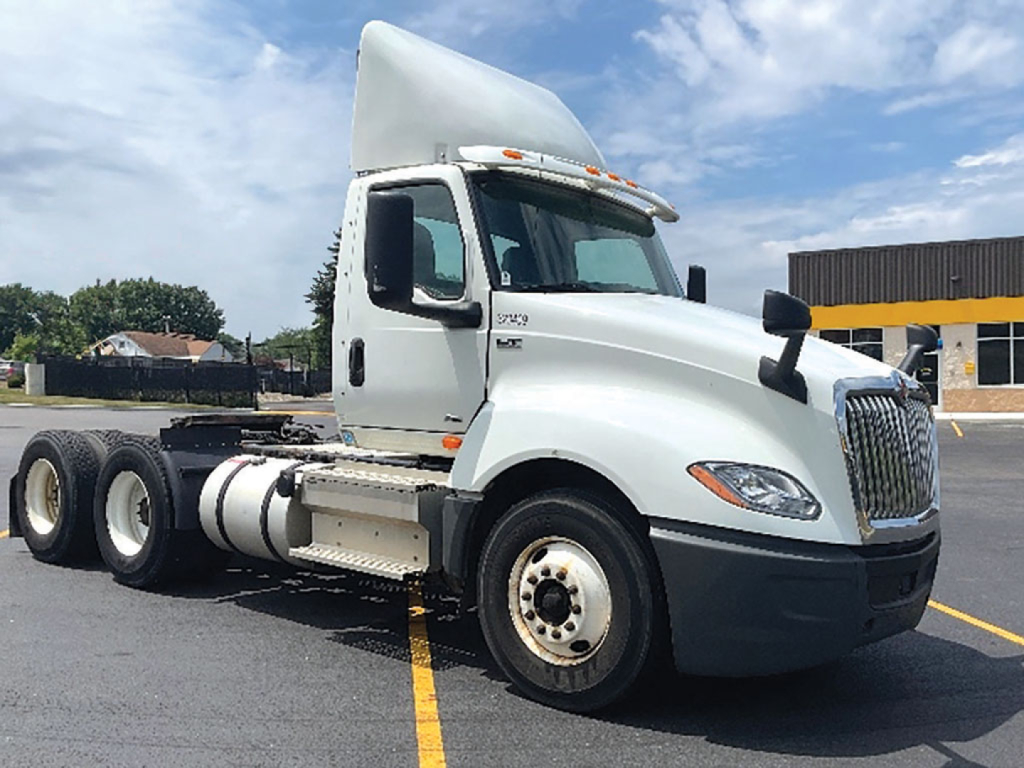
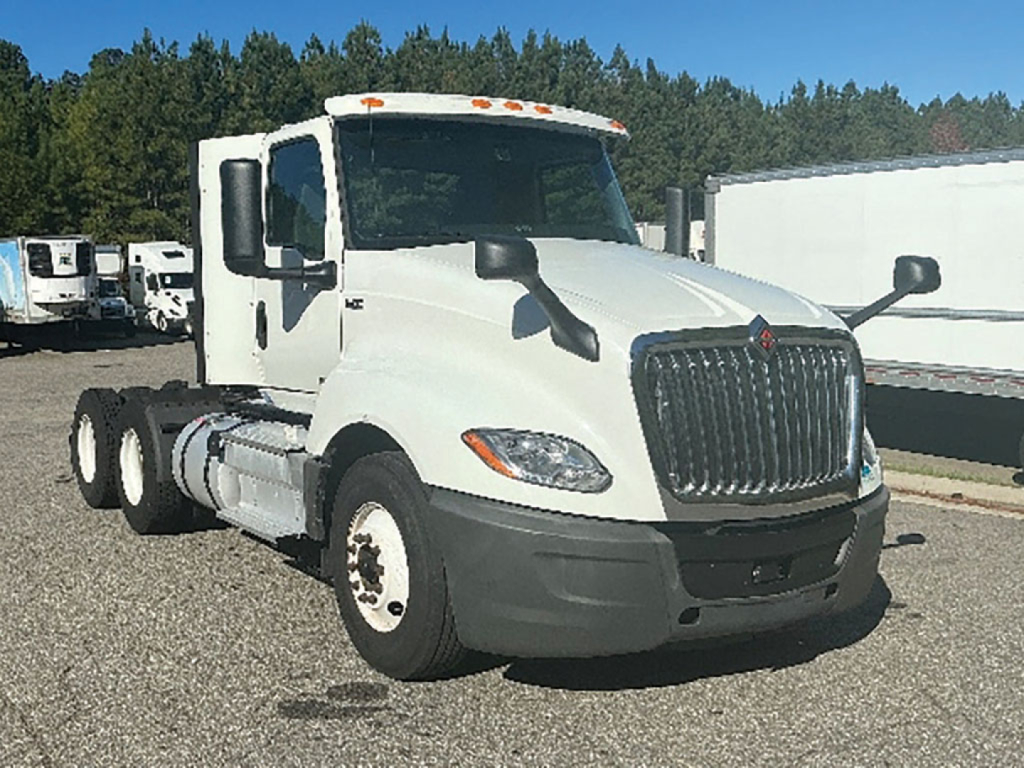
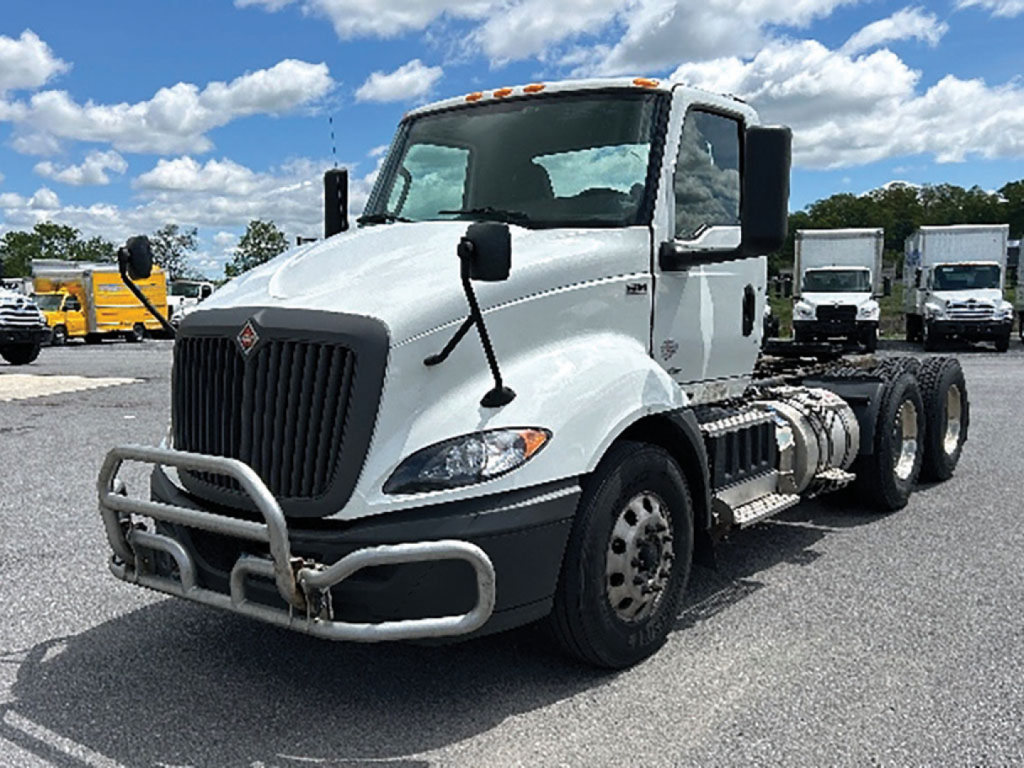
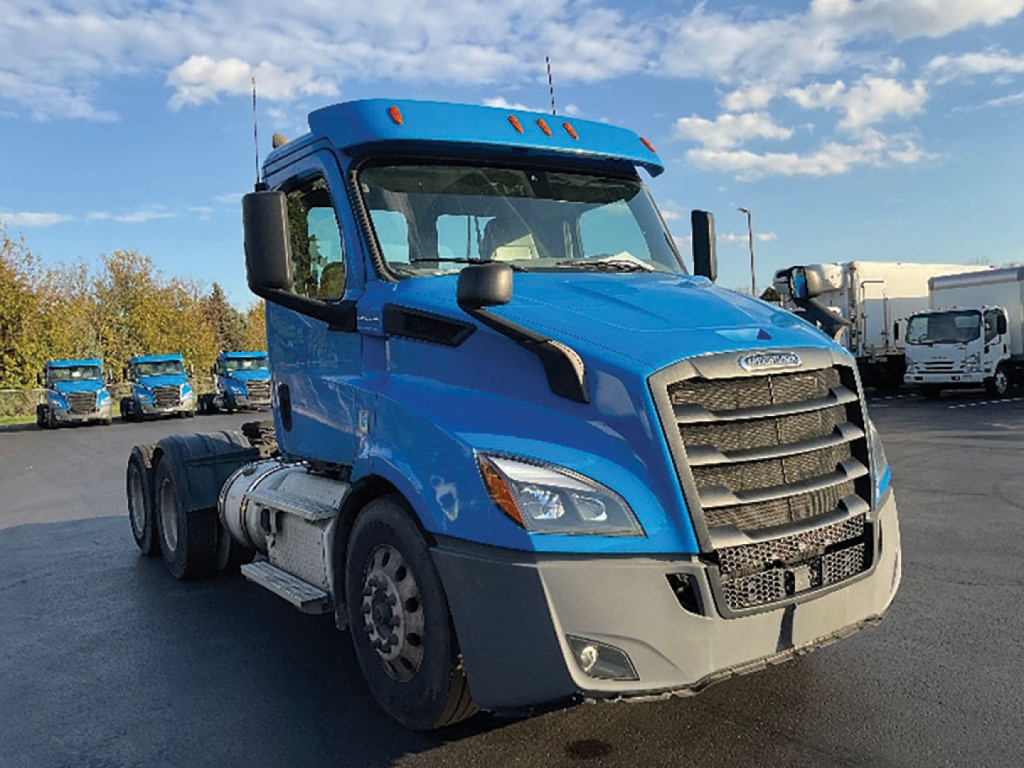
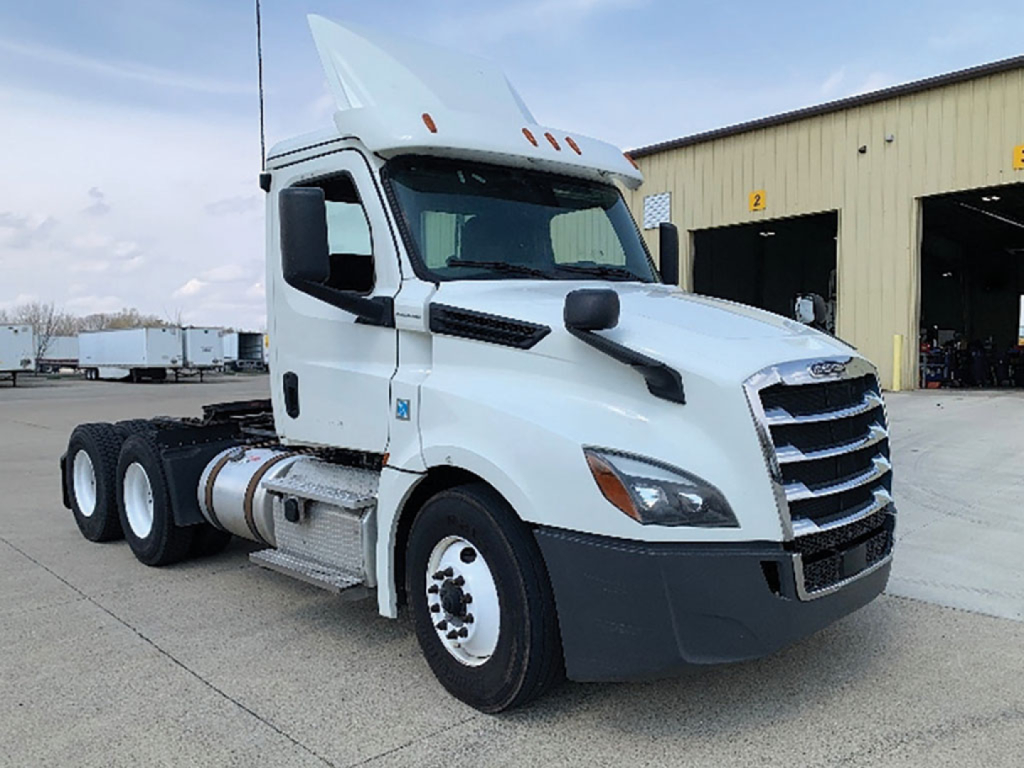
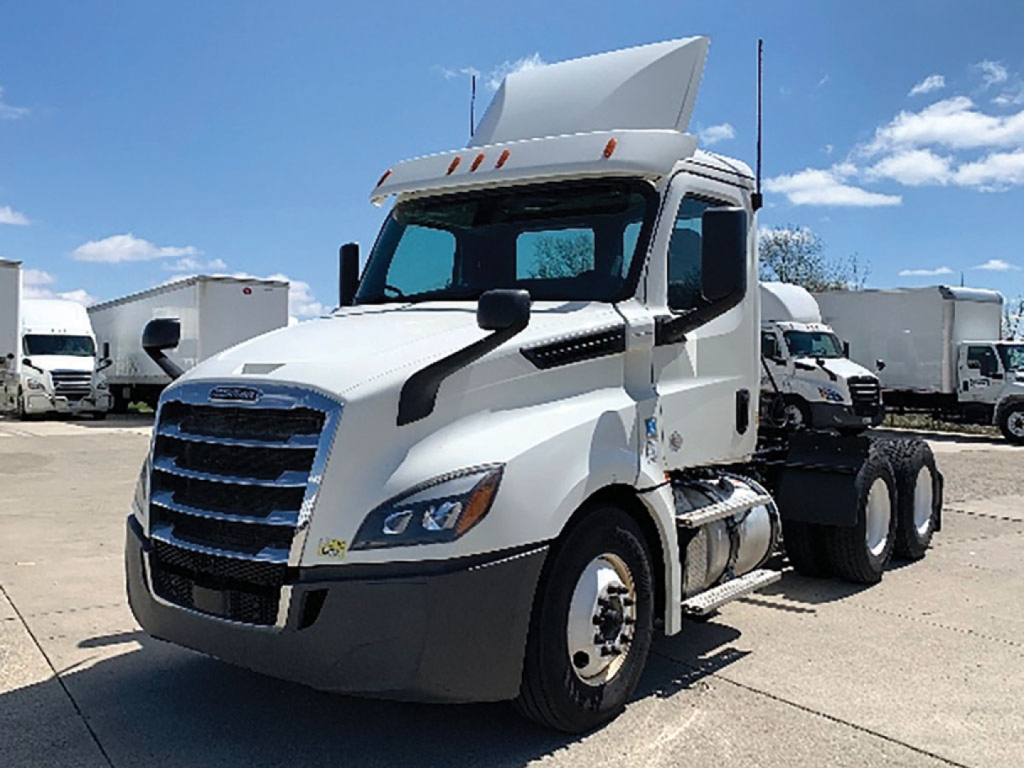
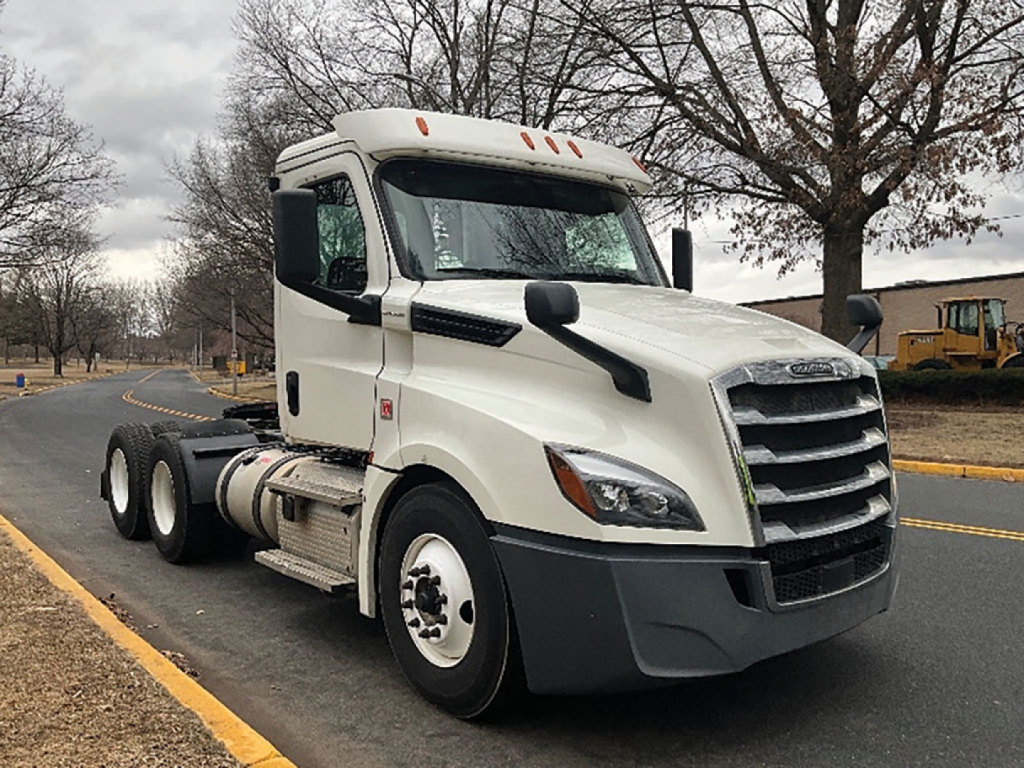
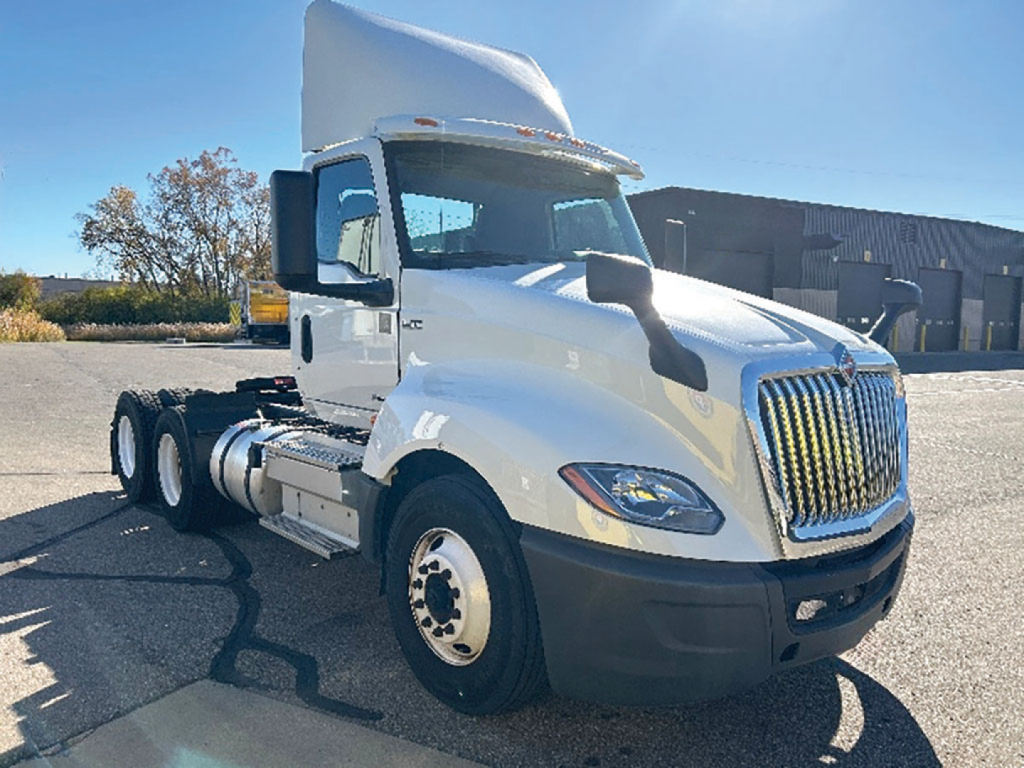
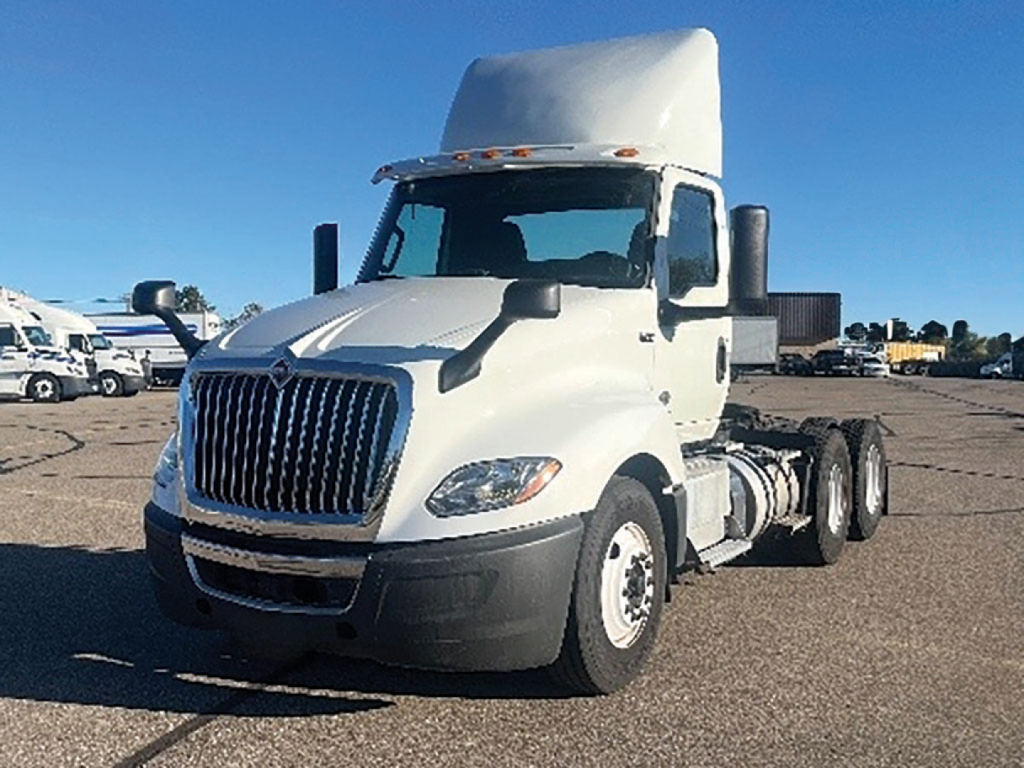
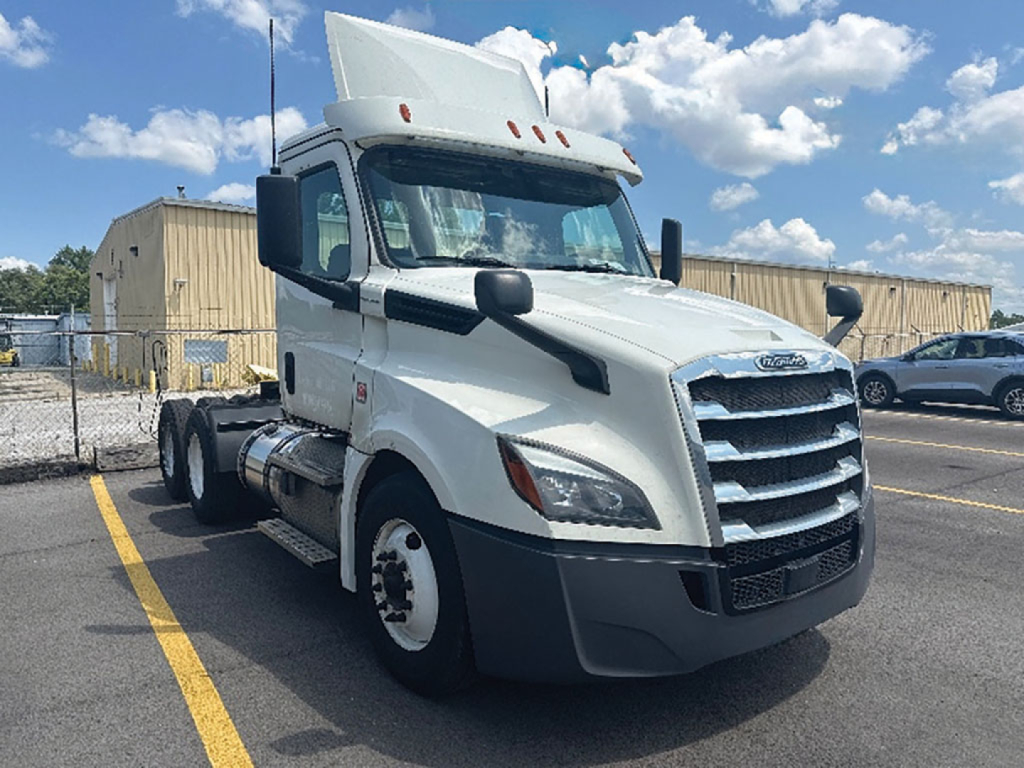
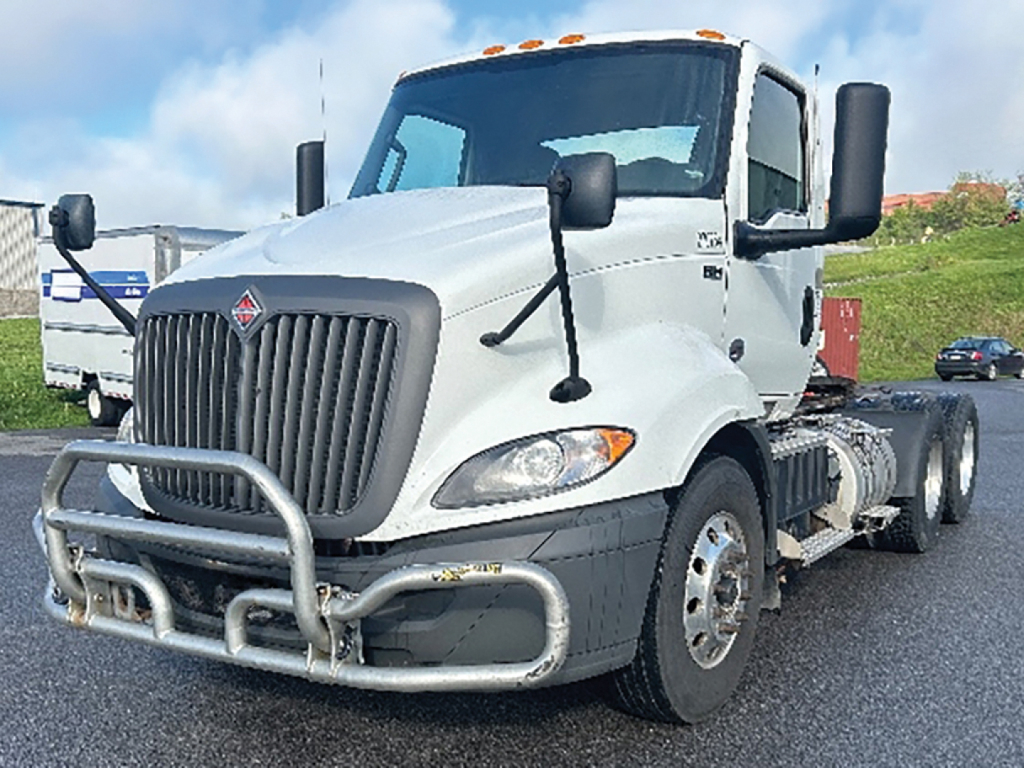
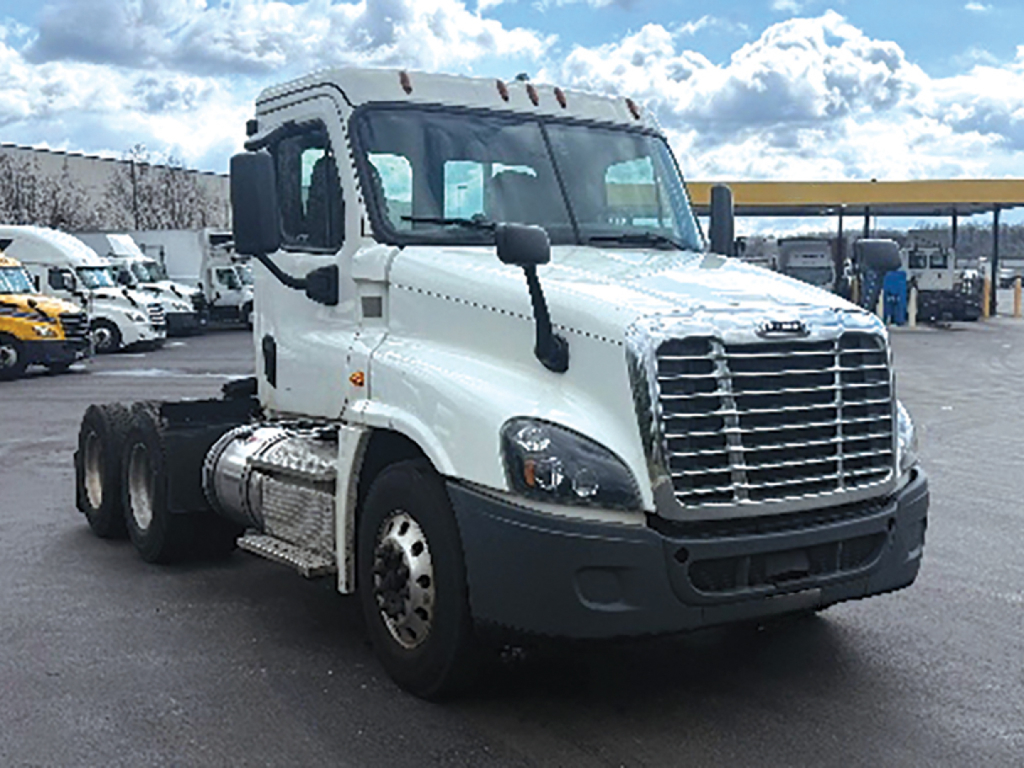
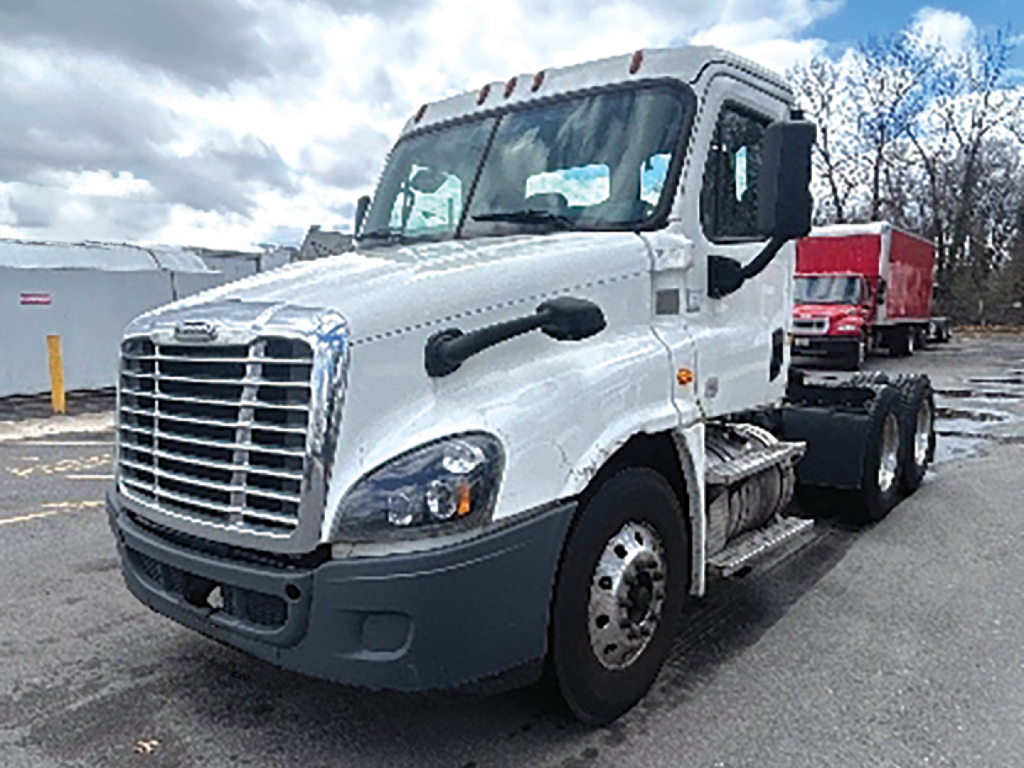

Showing 1 to 28 of 33 results
Have used 2019 conventional daycab truck to sell? List it here to reach thousands of buyers.
Used 2019 Conventional Daycab Trucks in Pennsylvania
For most buyers, the first decision is axle configuration and wheelbase. A tandem-axle 2019 daycab with 40,000 lb rears is the common choice for general freight and heavier trailer work, while a single-axle setup can make sense for lighter regional applications that prioritize fuel economy, lower maintenance, and easier maneuvering. Wheelbases in this category often fall in the mid-160 to mid-180 inch range, which affects trailer swing clearance, bridge law flexibility, and turning radius. Fifth wheel type also matters. An air-slide fifth wheel adds versatility if trailer lengths and kingpin settings vary across your operation, while a fixed or manually adjustable setup can be simpler for dedicated service.
Powertrain specs on 2019 conventional daycab trucks typically land in the 400 to 450 horsepower range, with popular engines including the Detroit DD13, Navistar A26, Cummins X15, and similar fleet-spec diesel platforms. Rear axle ratios such as 2.79, 3.08, 3.25, 3.42, or 3.55 can materially change how the truck performs. Lower numerical ratios usually favor fuel-efficient highway cruising, while deeper ratios improve launch, gradeability, and stop-and-go performance with heavier loads. Buyers should also compare automated manual transmissions versus manuals based on driver pool, duty cycle, and maintenance preferences. In Pennsylvania service, engine brakes, air ride suspension, disc brakes, collision mitigation systems, and good tire spec are especially worth attention because they affect control, downtime, and driver comfort in all-season operation.
A well-matched 2019 daycab is less about the badge and more about how the spec lines up with the work. Check horsepower against GCWR needs, confirm rear ratio against average speed and terrain, and verify fuel capacity for the route structure. Look closely at cab condition, steering and suspension wear, brake type, telematics or safety equipment, and whether the truck has fleet-friendly features like cruise control, power windows, tilt-telescoping steering, and aerodynamic fairings. Buyers comparing used 2019 conventional daycab trucks in Pennsylvania should focus on maintenance history, idle hours, emissions system service records, and evidence of consistent regional use, because those factors usually tell more about remaining value than appearance alone.
Frequently Asked Questions about Used 2019 Conventional Daycab Trucks in Pennsylvania
What is a conventional daycab truck?
A conventional daycab truck is a highway tractor with a standard hooded front end and no sleeper compartment behind the seats. It is designed for runs where the driver returns the same day or does not need overnight accommodations. Compared with a sleeper tractor, a daycab is typically lighter, shorter, and easier to maneuver, which makes it a common choice for regional hauling, local freight, drayage, and dedicated route work.
What should I look for on a used 2019 conventional daycab truck in Pennsylvania?
Focus first on axle configuration, wheelbase, engine, transmission, rear axle ratio, and brake type. Then review maintenance records, emissions system history, tire condition, suspension wear, and any fault code or aftertreatment issues. In Pennsylvania, it is smart to pay extra attention to engine brake performance, corrosion exposure, frame condition, and steering or suspension components because many trucks see a mix of highway miles, steep grades, industrial sites, and winter road treatment.
Is a single-axle or tandem-axle daycab better?
The better choice depends on the trailers and weights you plan to pull. A tandem-axle daycab is more versatile for general freight and heavier applications because it offers higher carrying capacity and better traction under load. A single-axle daycab can reduce weight, improve maneuverability, and lower some operating costs, but it is best suited to lighter routes and operations with predictable trailer and payload requirements.
What rear axle ratio is best for a 2019 daycab?
There is no single best ratio because it depends on terrain, cruising speed, transmission spec, and gross combination weight. Ratios like 2.79 or 3.08 are commonly used for fuel-focused highway work, while 3.25, 3.42, or 3.55 can be better for hills, heavier freight, and more frequent starts and stops. The right ratio should keep the engine operating in an efficient RPM range while still giving the truck enough launch and grade-climbing ability for the job.
Are automated manual transmissions a good choice in used daycab trucks?
Automated manual transmissions are a strong fit for many fleets because they can improve shift consistency, reduce driver fatigue, and simplify hiring in a tighter labor market. They are especially common in regional and dedicated service. A manual transmission may still appeal to buyers who want a simpler setup or who run heavier vocational-style routes, but the better choice depends on driver preference, service support, and how the truck will be used day to day.