
Used 2019 International Conventional Daycab Trucks For Sale in Pennsylvania
Shop used 2019 International conventional daycab trucks in Pennsylvania. Compare LT625 and RH613 specs, engines, wheelbases, axles, and gearing.
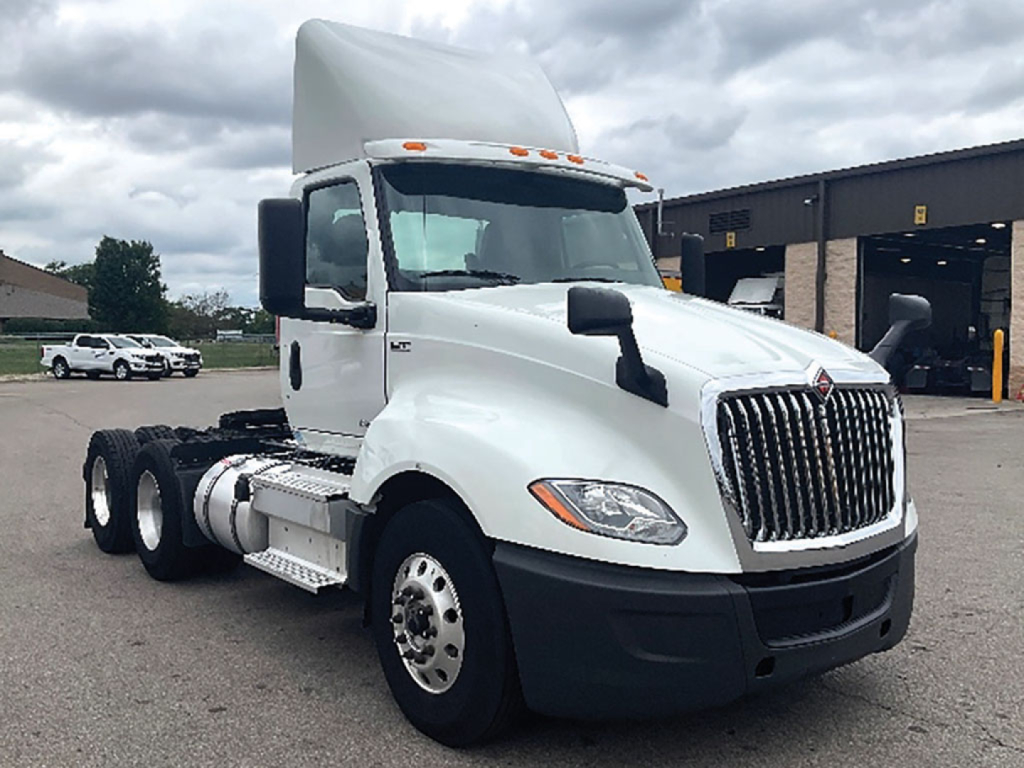
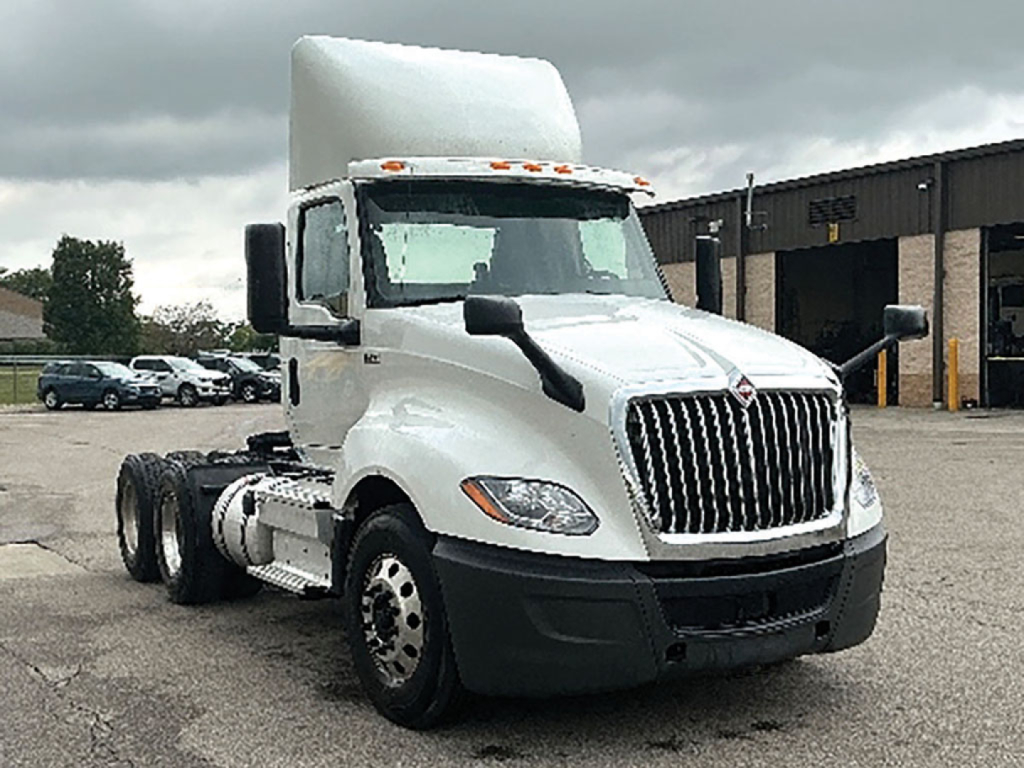
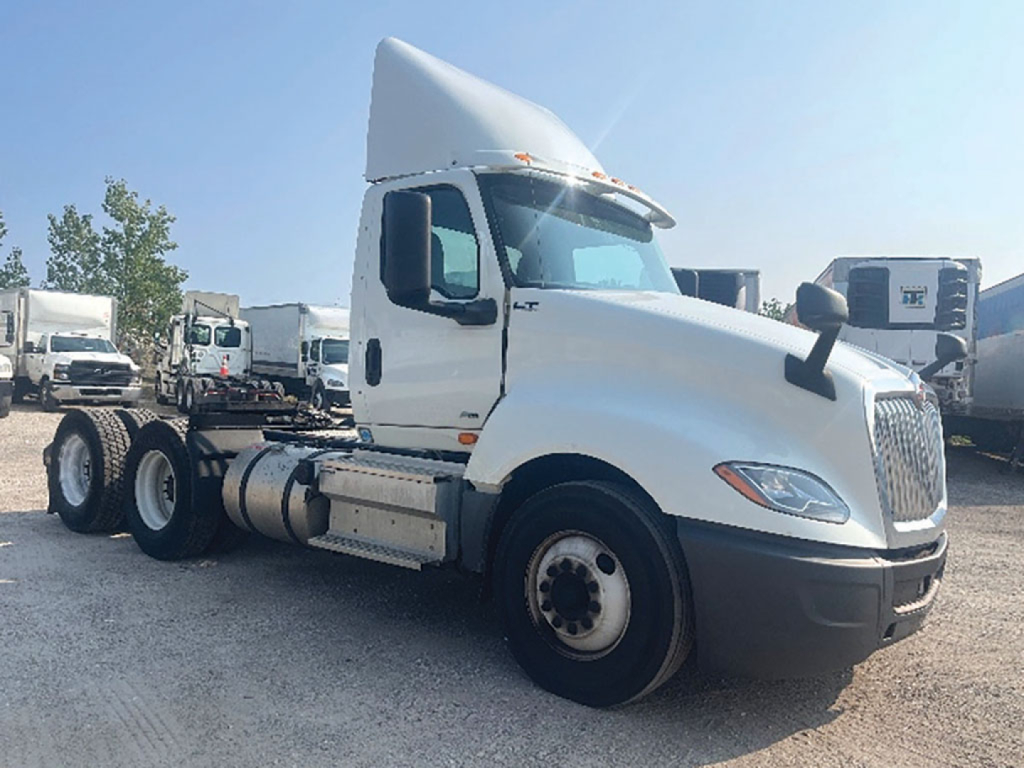
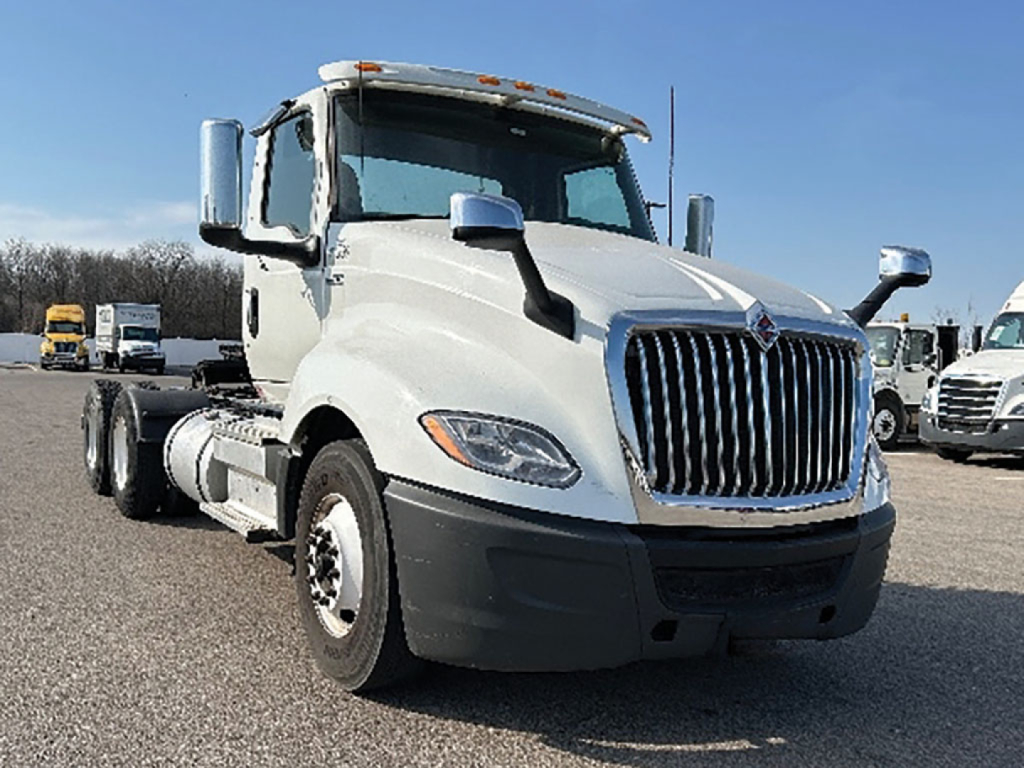
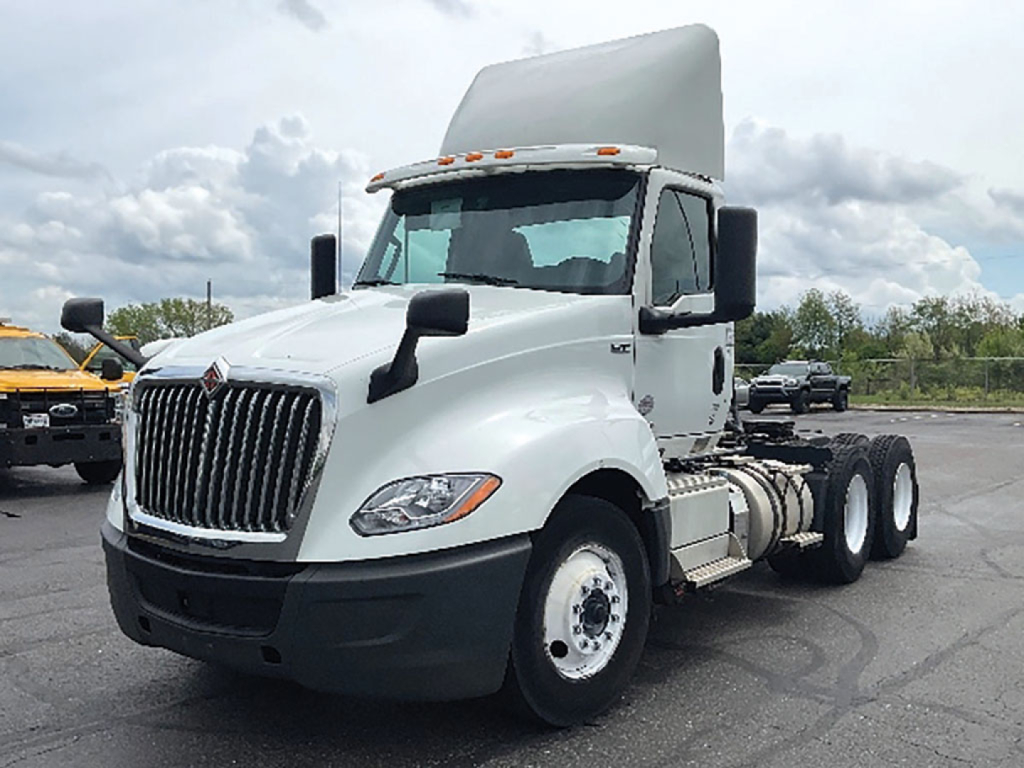
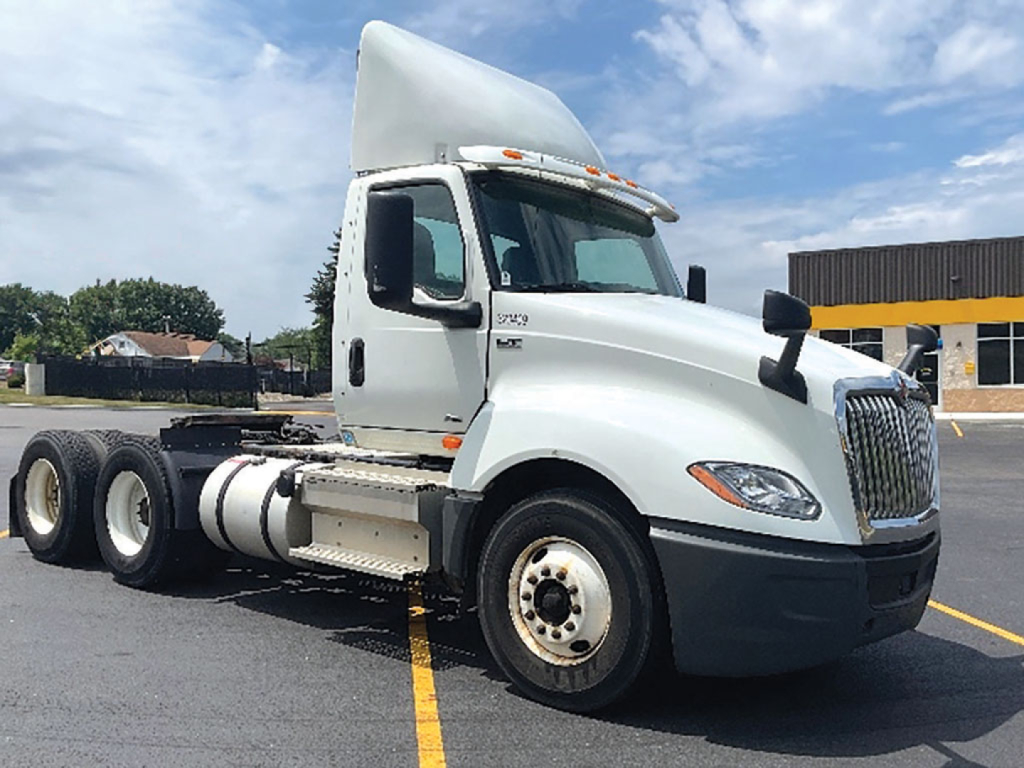
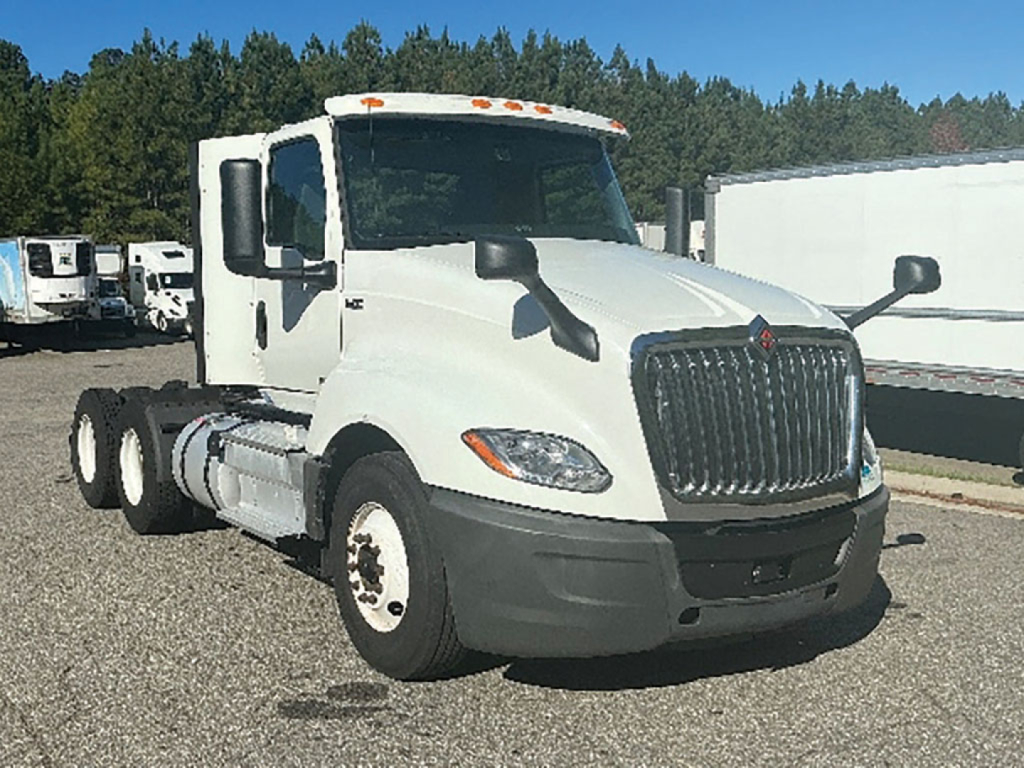
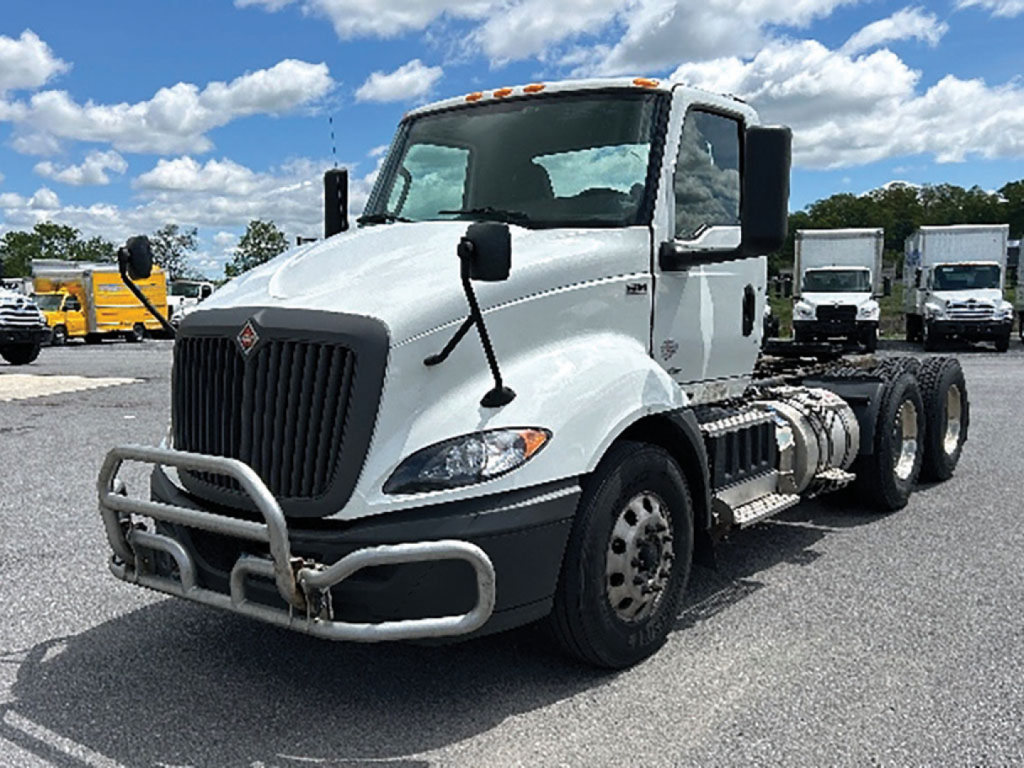
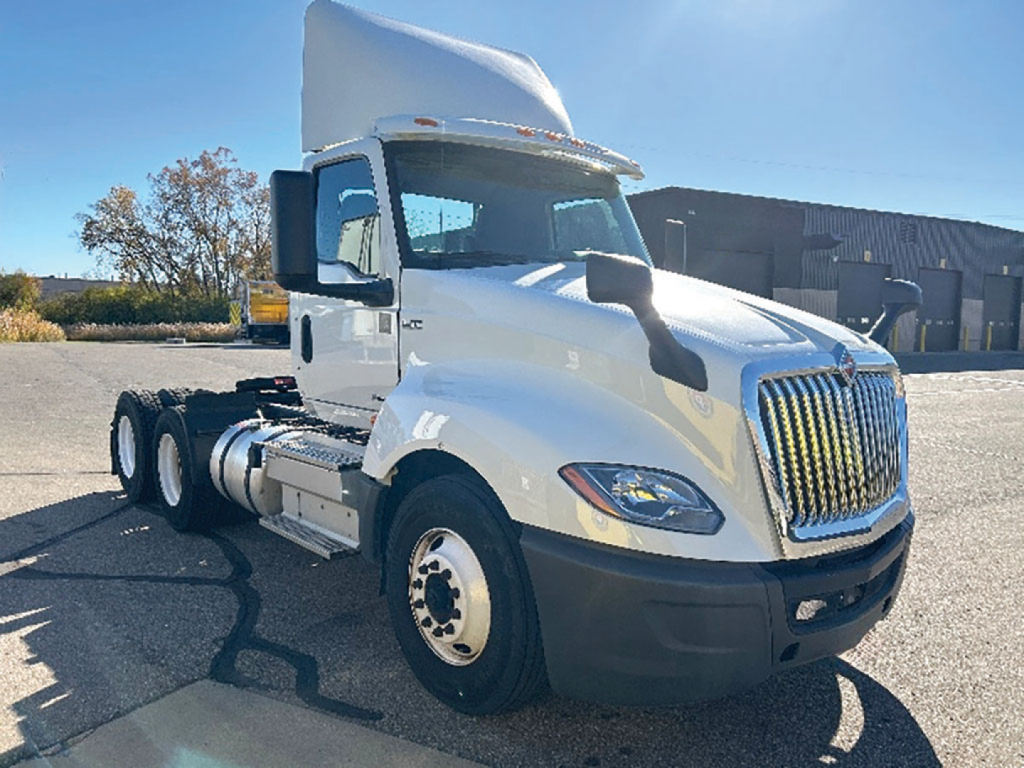
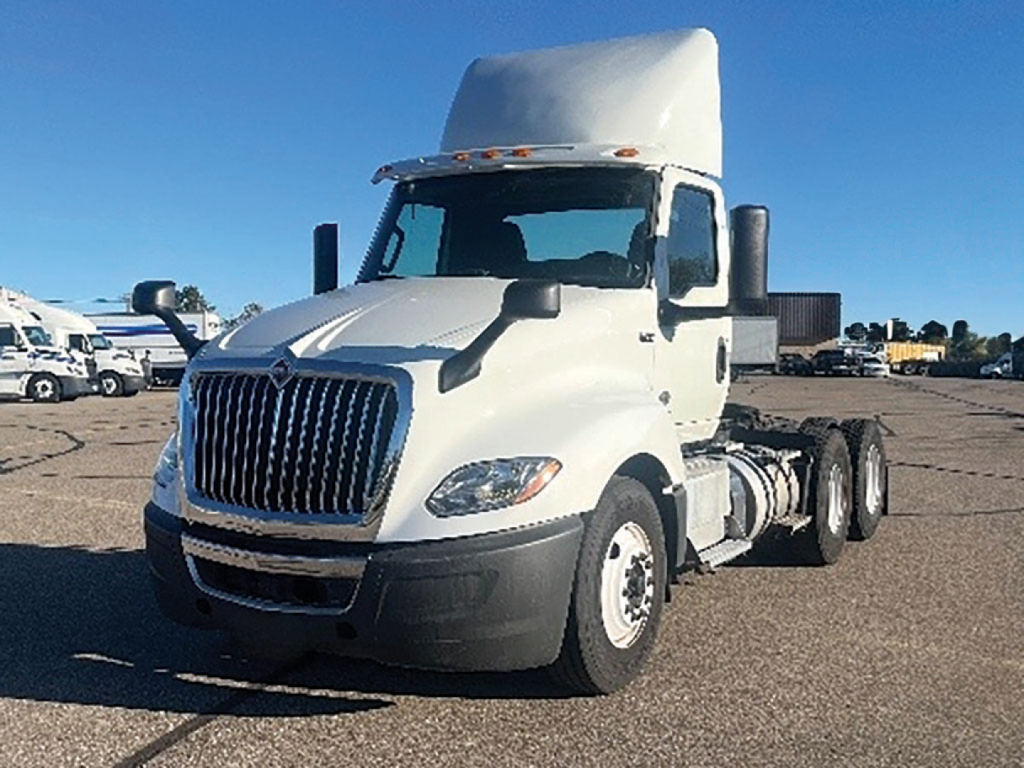
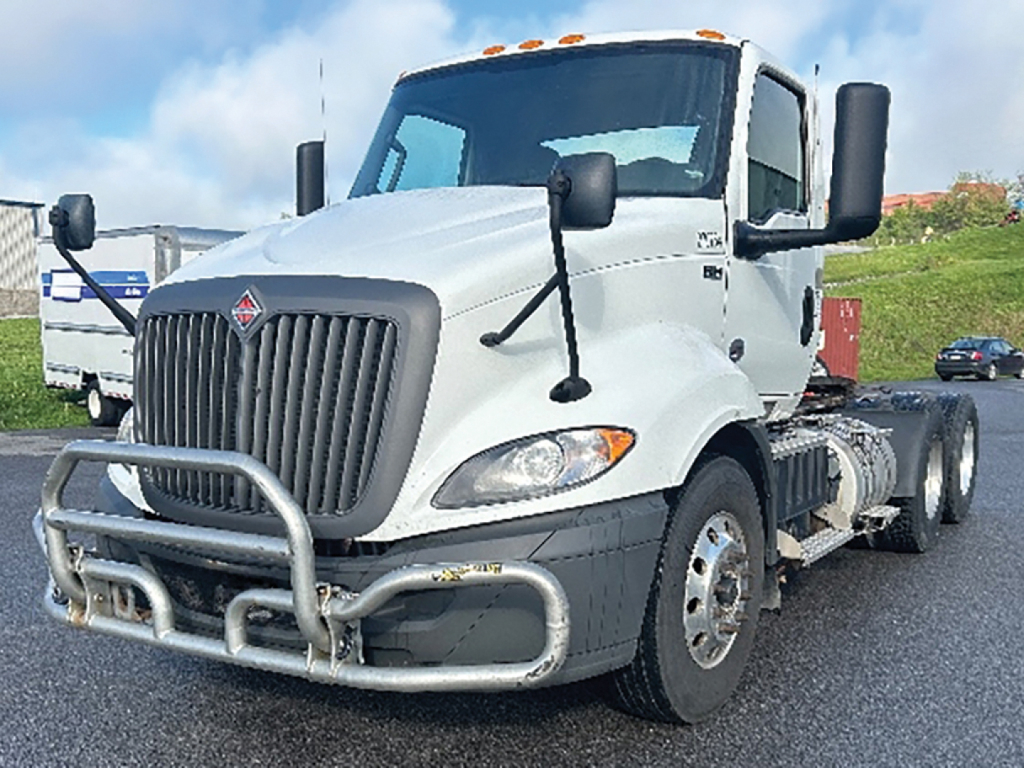

Have used 2019 international conventional daycab truck to sell? List it here to reach thousands of buyers.
Used 2019 International Conventional Daycab Trucks in Pennsylvania
Powertrain choice is one of the biggest buying decisions in this category. Many 2019 International daycabs are spec'd with either the Navistar A26 or Cummins X15, usually in the 400 to 430 horsepower range, paired with automated manual or manual transmissions. Rear axle ratings can vary from single-axle setups around 23,000 pounds to tandem rears at 40,000 pounds, and axle ratios such as 2.79, 3.25, and 3.42 tell you a lot about the truck's intended job. A 2.79 ratio generally favors fuel economy and higher-speed regional lanes, while a 3.42 ratio can be better suited for heavier starts, hill work, or vocational pull. Buyers in Pennsylvania often pay close attention to engine brake performance, gearing, and brake type because rolling terrain, winter weather, and mixed highway-secondary road operation put extra value on control and durability.
Cab spec matters more than many buyers expect on a used daycab. Common features in this class include air conditioning, tilt and telescoping steering, cruise, power windows, horizontal exhaust, aluminum fuel tanks, quarter fenders, roof fairings, and air slide or adjustable fifth wheels. Disc brakes are a strong plus for fleets focused on stopping performance and service consistency. Aluminum wheels, low-profile 22.5 tires or 11R22.5 rubber, and aerodynamic fairings can also affect operating cost and resale. If the truck will stay on van or reefer work, look closely at fairing package, wheelbase, and fifth wheel travel. If it will move between different trailer lengths or kingpin settings, frame layout and slider range deserve extra scrutiny.
Condition on a used 2019 International daycab should be judged by application history as much as mileage. A fleet-maintained highway tractor may show higher miles but less chassis abuse than a truck that spent its life in tight yard work or severe-stop regional service. Buyers should inspect aftertreatment service records, clutch and transmission operation on manual or AMT units, suspension wear, steer tire pattern, brake life, and signs of frame or fifth wheel stress. On LT and RH models, it is also smart to confirm software updates, emissions maintenance history, and any driver-assistance equipment such as collision mitigation. A well-matched 2019 International daycab can still be a very cost-effective tractor for Pennsylvania fleets that need dependable short-haul productivity without the extra weight and cost of a sleeper.
Frequently Asked Questions about Used 2019 International Conventional Daycab Trucks in Pennsylvania
What is the difference between a 2019 International LT625 daycab and a 2019 International RH613 daycab?
The LT625 is typically the more aerodynamic highway-focused platform, making it a strong fit for regional tractor work where fuel economy and driver comfort matter. The RH613 is often chosen for regional, urban, and heavier-duty applications that may involve tighter routes, mixed road conditions, or more vocational-style use. Actual suitability depends on the axle rating, engine, transmission, wheelbase, and fifth wheel setup, so buyers should compare the full spec rather than the model badge alone.
Is the Navistar A26 or Cummins X15 better in a used 2019 International daycab?
Both engines can be good choices, but they serve slightly different buyer priorities. The Navistar A26 is commonly selected for fuel-efficient regional haul and fleet standardization, while the Cummins X15 is widely recognized for broad service support and strong performance in heavier or more demanding applications. The better choice depends on your shop familiarity, route profile, gross combination weight, and local dealer support. On a used truck, maintenance records and emissions system history matter as much as the engine name.
What rear axle ratio should I look for in a conventional daycab?
A lower numerical ratio such as 2.79 is usually aimed at fuel-efficient highway or regional operation with lighter launch demand and more cruising time. Mid-range or deeper ratios such as 3.25 or 3.42 can improve startability, hill-climbing, and performance with heavier loads or frequent stop-and-go work. The right ratio should match your trailer weight, terrain, transmission calibration, and target road speed. A mismatch in gearing can hurt both fuel economy and drivability.
Are single-axle and tandem-axle 2019 International daycabs used for different jobs?
Yes. A single-axle daycab is often used for lighter regional work, straight trailer service, or operations where lower empty weight and tighter maneuverability are priorities. A tandem-axle daycab with 40,000-pound rears is better suited for heavier gross combinations, broader trailer compatibility, and applications that require more traction and legal axle capacity. Buyers should confirm bridge law requirements, typical payload, and trailer type before choosing between the two.
What should I inspect first on a used 2019 International daycab in Pennsylvania?
Start with the powertrain and chassis items that affect uptime and cost: engine and aftertreatment service records, fault codes, transmission behavior, clutch wear if equipped, brake condition, suspension wear, tire wear pattern, and fifth wheel or frame integrity. In Pennsylvania, corrosion exposure from winter road treatment also deserves close attention, especially on frame rails, crossmembers, air tanks, wiring, and brake components. A truck with a clean maintenance history and application-appropriate specs is usually the safer buy than one chosen on mileage alone.