
Used 2016 Conventional Daycab Trucks For Sale
Shop used 2016 conventional daycab trucks with common specs, engine options, wheelbases, axle ratings, and buyer tips for regional hauling.
Learn more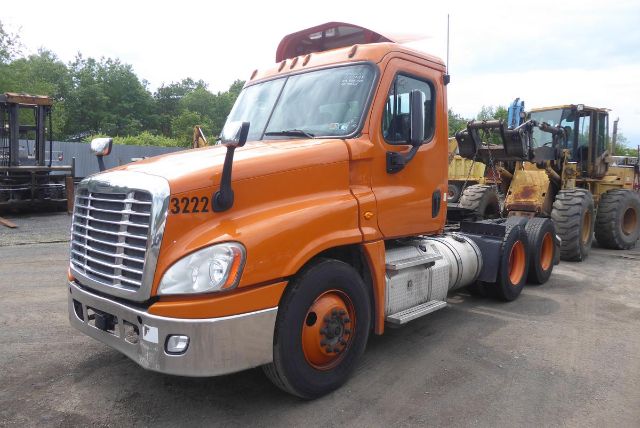
Showing 25 to 25 of 25 results
Have used 2016 conventional daycab truck to sell? List it here to reach thousands of buyers.
About Used 2016 Conventional Daycab Trucks
The biggest buying decisions usually come down to wheelbase, axle specs, and drivetrain match. Many 2016 daycabs were spec'd with 12,000 lb front axles, 40,000 lb rears, and air ride suspension, with common ratios such as 3.08, 3.25, 3.42, or 3.55 depending on the intended duty cycle. Shorter wheelbases in the 150 to 180 inch range are common for city and regional maneuverability, while longer layouts may better suit specialized trailer setups or PTO applications. Adjustable fifth wheels, single-frame layouts, and air slide systems are worth noting if the truck will switch trailer lengths or operate across mixed lanes. Buyers should also pay attention to cab-to-axle and cab-to-end dimensions when matching the tractor to existing trailers and bridge law requirements.
Power in this segment often falls in the 385 to 500 horsepower range, with engines such as the Detroit DD13, Mack MP series, Volvo D11 or D13, Cummins ISX, Paccar MX, and some Navistar platforms depending on make. A 2016 daycab may be equipped with a 10-speed manual, a 12-speed automated manual like Detroit DT12 or Volvo I-Shift, or other fleet-oriented transmission packages. Automated manuals became common in this era because they help standardize driver performance and reduce clutch wear, but service history matters more than brand preference alone. On used units, buyers should closely review engine hours versus odometer, aftertreatment maintenance, clutch or actuator history, brake type, and signs of repeated idle-heavy operation. Air disc brakes, engine brakes, aluminum fuel tanks, fairings, and suspension spec can all affect operating cost and route suitability.
For most fleets, the value of a 2016 conventional daycab comes from balancing acquisition cost with remaining service life. A well-spec'd used truck can still be a strong fit for dry van, reefer, flatbed, tanker, container, and vocational tractor work if the rear ratio, suspension, and fifth wheel setup match the job. The best candidates usually show consistent maintenance records, no unresolved emissions faults, and a drivetrain spec that makes sense for the load and terrain. A lower purchase price is not always the better deal if the truck has poor gearing for highway speed, a worn fifth wheel, deferred DPF service, or mismatched tire and brake conditions across the axle set.
Frequently Asked Questions
What is a conventional daycab truck used for?
A conventional daycab truck is used for freight operations that return the driver home daily or do not require sleeper space. Common applications include regional hauling, local pickup and delivery, drayage, dedicated fleet routes, shuttle work, and short-haul trailer moves between terminals, plants, ports, and distribution centers. The shorter cab reduces overall length and weight, which helps with maneuverability and can improve payload flexibility.
What wheelbase is common on a 2016 conventional daycab?
Many 2016 conventional daycab tractors fall in the 150 to 180 inch wheelbase range, although exact dimensions vary by axle placement, fifth wheel position, and intended trailer use. Shorter wheelbases are typically preferred for tight turning and city work, while slightly longer setups can provide better ride quality, component spacing, or trailer clearance. Cab-to-axle and fifth wheel travel should be checked along with wheelbase because those measurements affect real-world trailer compatibility.
Are automated manual transmissions a good choice in a used 2016 daycab?
An automated manual can be a very good choice if the truck has been maintained correctly and the calibration matches the application. In 2016, systems like Detroit DT12 and Volvo I-Shift were widely used in fleet daycabs because they improved shift consistency and reduced driver-induced wear. The key is to verify clutch life where applicable, software and actuator service history, fault codes, and how the truck performs under load rather than judging the transmission by type alone.
What should buyers inspect first on a used 2016 daycab truck?
Start with maintenance records, engine hours, odometer consistency, emissions system history, and any active diagnostic codes. Then inspect the fifth wheel, frame condition, suspension bushings, brake wear, tire condition, driveline play, and signs of leaks around the engine, transmission, and wheel ends. A used daycab may look clean but still have expensive deferred repairs in the DPF, DEF system, clutch components, or rear suspension, so a full pre-purchase inspection is money well spent.
How do rear axle ratio and horsepower affect daycab performance?
Rear axle ratio and horsepower need to be matched to the route and the weight being pulled. A faster ratio such as 3.08 may favor fuel economy on highway runs, while a deeper ratio such as 3.42 or 3.55 can improve startability and grade performance in heavier or stop-and-go service. Horsepower alone does not tell the whole story because torque curve, transmission gearing, tire size, and gross combination weight all influence how the truck will perform in actual fleet use.