
Used 2016 Volvo Conventional Daycab Trucks For Sale
Shop used 2016 Volvo conventional daycab trucks with specs on D11 and D13 engines, I-Shift transmissions, axle ratings, wheelbases, and local-haul use.
Learn more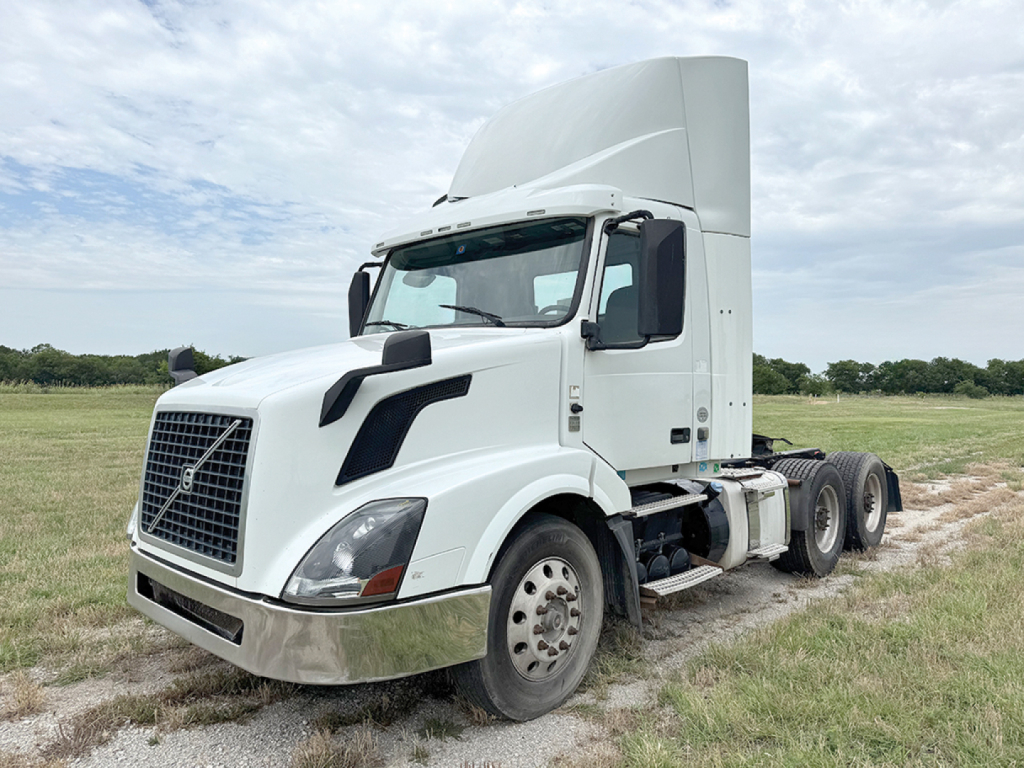
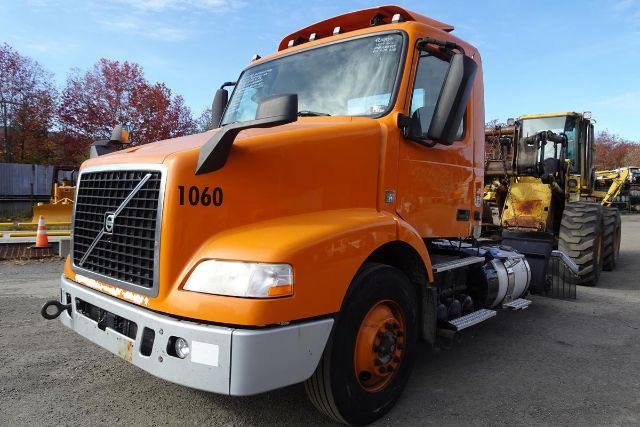
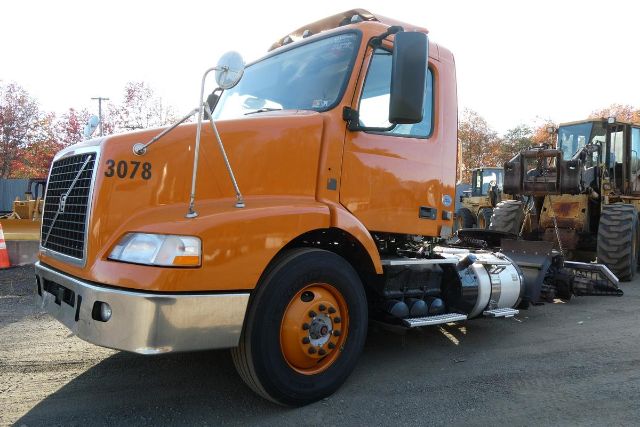
Have used 2016 volvo conventional daycab truck to sell? List it here to reach thousands of buyers.
About Used 2016 Volvo Conventional Daycab Trucks
The biggest buying decision is usually engine and transmission spec. Many 2016 Volvo daycabs are equipped with the Volvo D11, often in the 325 to 405 horsepower range, while heavier or higher-speed applications may carry a D13. The D11 is a common fit for weight-conscious regional work and typically pairs well with a Volvo I-Shift automated manual. Buyers who prioritize fuel economy and driver consistency often prefer the I-Shift, while others may still seek a traditional manual depending on fleet maintenance practices and driver preference. Rear axle ratings often land in the 20,000 to 23,000 lb range on single-axle tractors, with tandem daycabs stepping up significantly for heavier trailer sets and higher GCWR requirements. Ratios such as 3.21, 3.42, or 3.58 are common and should match the truck’s intended speed, startability, and payload profile.
Wheelbase, fifth wheel setup, and suspension matter just as much as horsepower. A shorter wheelbase daycab is easier to place at docks and in urban lanes, while a longer wheelbase can improve ride quality and accommodate specialized body or trailer spacing requirements. Air slide fifth wheels add flexibility for changing kingpin settings and balancing axle weights. Volvo air ride suspensions are common in this class and are generally favored for ride comfort and cargo protection. Air disc brakes appear on some trucks from this period and can be a major plus for stopping performance and serviceability. Buyers should also look closely at front axle capacity, frame configuration, tire size, fuel tank layout, and fairing package, especially if the truck will spend meaningful time at highway speeds.
Condition is critical on any used 2016 model, so service history and spec verification should carry more weight than odometer alone. Check emissions system maintenance, transmission calibration history, clutch data on automated units, and signs of excessive idle hours. Review DPF, DEF, and EGR service records, inspect for oil or coolant seepage around the engine, and confirm that the suspension, steering, and brake components match the job the truck will perform. Inside the cab, Volvo daycabs from this era generally offer a practical layout with good seat support, straightforward controls, and features like cruise, tilt-telescoping steering, and air conditioning. A properly spec'd 2016 Volvo conventional daycab can be a durable, efficient truck for fleets that need maneuverability, driver comfort, and low-cost regional productivity.
Frequently Asked Questions
What engine is most common in a 2016 Volvo conventional daycab?
The Volvo D11 is one of the most common engines in a 2016 Volvo conventional daycab, especially in VNM regional and local-haul specs. It is often found in horsepower ratings suited for fuel-efficient tractor work, while some trucks step up to a D13 for heavier loads or more sustained highway operation. The right choice depends on gross combination weight, terrain, average trip length, and how often the truck starts and stops under load.
Is the Volvo I-Shift a good transmission for a used 2016 daycab?
The Volvo I-Shift is a strong fit for many used 2016 daycab applications because it improves shift consistency, can reduce driver fatigue, and often supports better fuel economy than a manual in mixed-route service. It is especially popular in fleet environments with multiple drivers. On a used truck, the key is confirming software updates, clutch wear data, calibration history, and overall driveline condition rather than judging the transmission by type alone.
What wheelbase should I look for in a used Volvo daycab?
The best wheelbase depends on where the truck works and what it pulls. Shorter wheelbases are typically better for tight city turns, terminal work, and crowded docks. Longer wheelbases can improve ride quality and may be necessary for certain trailer clearances, PTO setups, or axle spread requirements. Buyers should compare wheelbase with cab-to-axle measurement, fifth wheel travel, and the trailer kingpin setting they expect to use.
Are single-axle 2016 Volvo daycabs practical for commercial use?
Yes, a single-axle 2016 Volvo daycab can be very practical when the freight profile and legal weight requirements match the truck. Single-axle tractors are often lighter, easier to maneuver, and less expensive to maintain than tandem-axle units. They are commonly used in local freight, beverage, tanker, and dedicated regional routes where payload, bridge law, and traction demands do not require a tandem setup.
What should I inspect first on a used 2016 Volvo conventional daycab?
Start with the powertrain and emissions system, then move to axle ratings, suspension, brakes, and frame condition. Verify engine model, horsepower, transmission type, rear ratio, and wheelbase against the work the truck needs to do. After that, review maintenance records for DPF cleaning, DEF system repairs, injector work, coolant service, brake replacement, and any history involving the I-Shift or clutch actuator. A truck with the right spec and documented upkeep is usually a better buy than one chosen only by price or mileage.