
Used 2015 Conventional Daycab Trucks For Sale in New York
Shop used 2015 conventional daycab trucks in New York. Compare wheelbase, axle ratings, engine options, transmissions, and local-route specs.
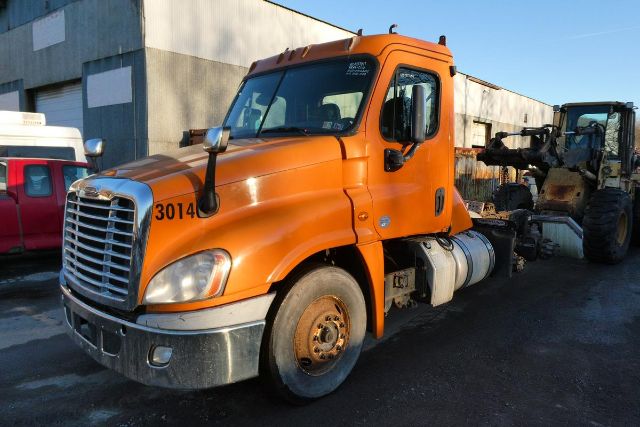
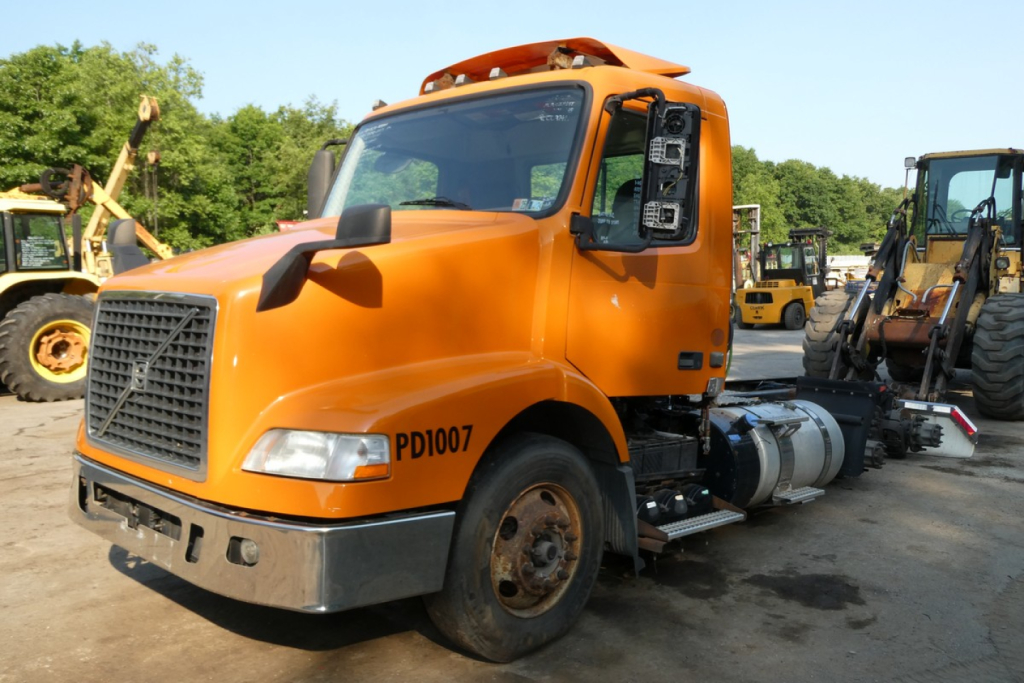
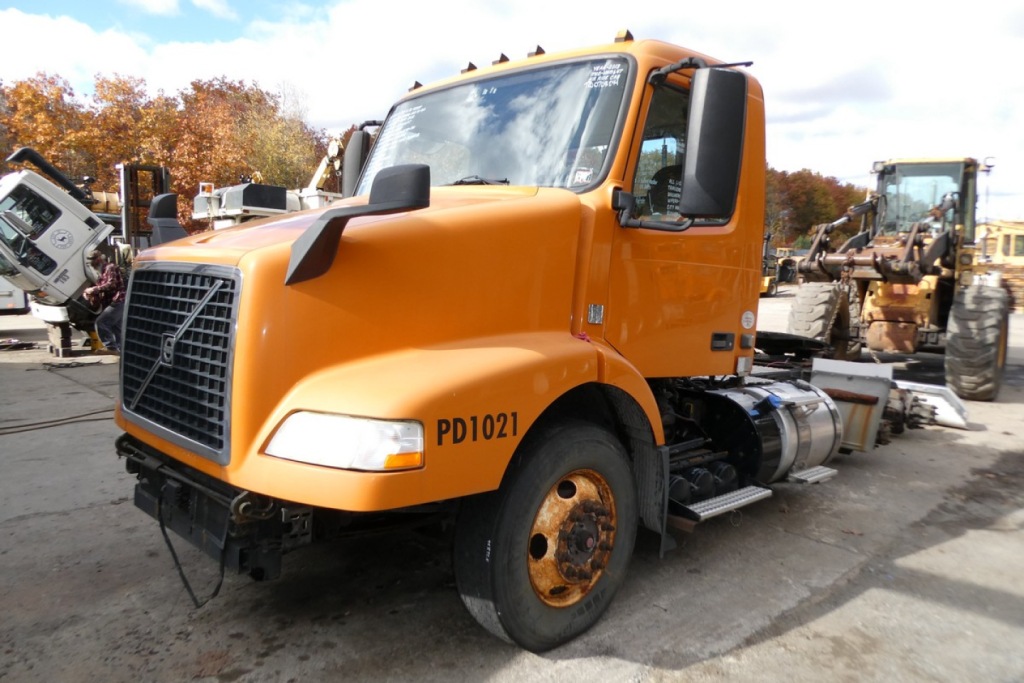
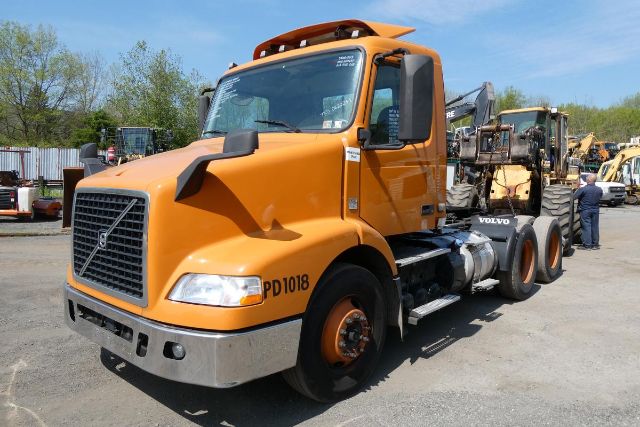
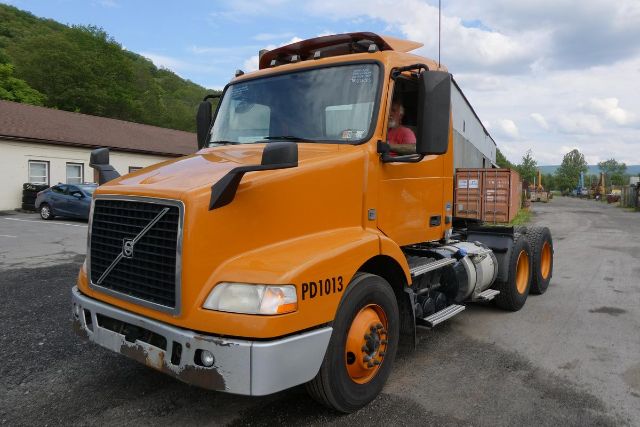
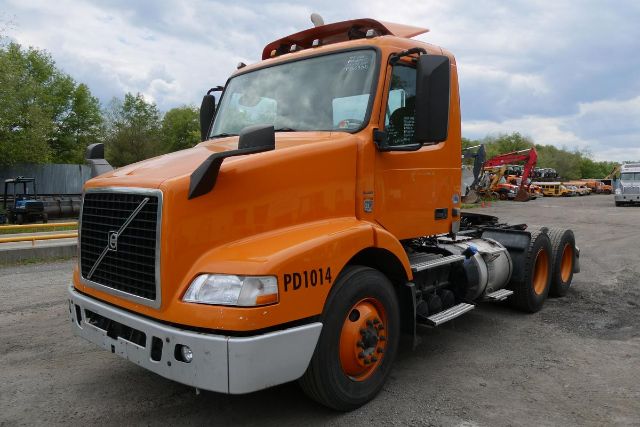
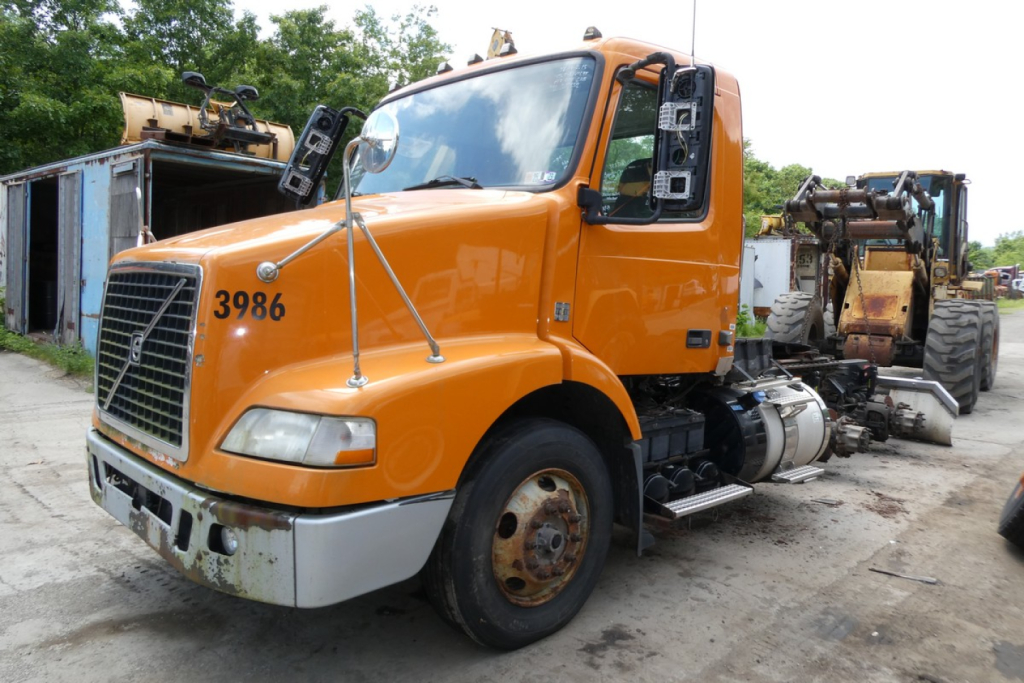

Have used 2015 conventional daycab truck to sell? List it here to reach thousands of buyers.
Used 2015 Conventional Daycab Trucks in New York
For a 2015 daycab, pay close attention to axle and suspension specs before comparing price. Common front axles run around 12,000 lb, while rear axle ratings often range from 21,000 to 23,000 lb on lighter single-purpose units and up to 40,000 lb on tandem road tractors. Wheelbase, cab-to-axle, and cab-to-end measurements matter if the truck will carry a wet kit, headache rack, lift axle equipment, or need tight maneuverability in New York yards and urban docks. Rear axle ratio is another key filter. Lower numerical ratios like 2.64 to 3.08 favor fuel economy and highway lanes, while 3.42, 3.55, or 3.90 setups are more suited to heavier starts, vocational work, and stop-and-go operations.
Emissions and drivetrain condition are especially important on used 2015 trucks because this year sits firmly in the SCR and DPF era. Buyers should verify the health of the aftertreatment system, look for fault history, and compare engine hours against odometer readings to judge idle time and duty cycle. Transmissions in this category can include 10-speed and 13-speed manuals as well as automated manuals like Detroit DT12 variants. Automated transmissions can be a strong fit for fleet standardization and urban driving, but they should be evaluated for clutch, actuator, and software history. Brake configuration also deserves a close look, with drum brakes still common and air disc brakes appearing on some higher-spec tractors.
On a used conventional daycab, frame condition, fifth wheel type, and suspension setup often tell you more than paint or trim. Single-frame tractors may be ideal for standard on-road service, while heavier applications may call for double-frame or vocational reinforcements. A stationary fifth wheel can be fine for a dedicated trailer length, but an air slide fifth wheel adds flexibility for kingpin settings and axle balance across mixed trailer fleets. In New York service, corrosion, cab mount wear, steering play, and suspension bushing condition should be checked carefully due to winter exposure and dense urban use. A well-matched 2015 daycab still offers strong value when the specs line up with the route, trailer, and weight it is expected to handle every day.
Frequently Asked Questions about Used 2015 Conventional Daycab Trucks in New York
What is a conventional daycab truck used for?
A conventional daycab truck is a tractor without a sleeper, designed for routes where the driver returns the same day or does not need overnight accommodations. Common uses include regional hauling, container drayage, LTL work, local fuel or bulk service, dump and vocational applications, and dedicated lane operations. The daycab layout reduces weight and overall length compared with a sleeper tractor, which can improve maneuverability and payload flexibility in urban and regional service.
What should I check first on a used 2015 conventional daycab?
Start with the truck's intended job, then match that job to axle ratings, wheelbase, suspension, rear ratio, and fifth wheel setup. After that, focus on engine health, transmission operation, aftertreatment condition, brake type, and frame integrity. On a 2015 model, emissions system service history is critical because DPF, DEF, and SCR components can become expensive if neglected. Maintenance records, engine hours, fault codes, and signs of corrosion or hard vocational use should all be part of the evaluation.
Is a 2015 daycab good for highway freight or mostly local work?
A 2015 daycab can be configured for either, depending on its spec. Aerodynamic tractors with ratios like 2.64 to 3.08, tandem rears, and automated manuals are commonly suited for regional and highway freight. Shorter-wheelbase units with higher rear ratios and lighter axle capacities are often better for city, yard, or vocational use. The truck's usefulness comes less from the model year alone and more from how the drivetrain, chassis, and wheelbase were originally ordered.
What wheelbase is best for a conventional daycab in New York?
The best wheelbase depends on where and how the truck will run. Shorter wheelbases generally help in tight city streets, older industrial areas, transfer stations, ports, and crowded dock approaches. Longer wheelbases provide more room for equipment such as wet kits, larger fuel capacity, and better ride stability on regional or highway routes. Buyers in New York often balance maneuverability against trailer swing clearance, bridge law considerations, and the need to fit specific body or equipment layouts.
Are automated manual transmissions a good choice in a used daycab?
Automated manuals are a practical choice for many fleets because they can reduce driver fatigue, improve consistency, and simplify training in stop-and-go or mixed-route service. On a used truck, the key is not simply whether it is automated, but whether it has been maintained correctly and updated as needed. Buyers should look at clutch wear data if available, review software and calibration history, and confirm smooth shifting under load. A properly maintained automated manual can be a strong asset in regional and urban daycab operations.