
Used 2015 Volvo Conventional Daycab Trucks For Sale in New York
Browse used 2015 Volvo conventional daycab trucks for sale in New York. Compare specs, D11 and D13 power, wheelbase, axle ratings, and setup.
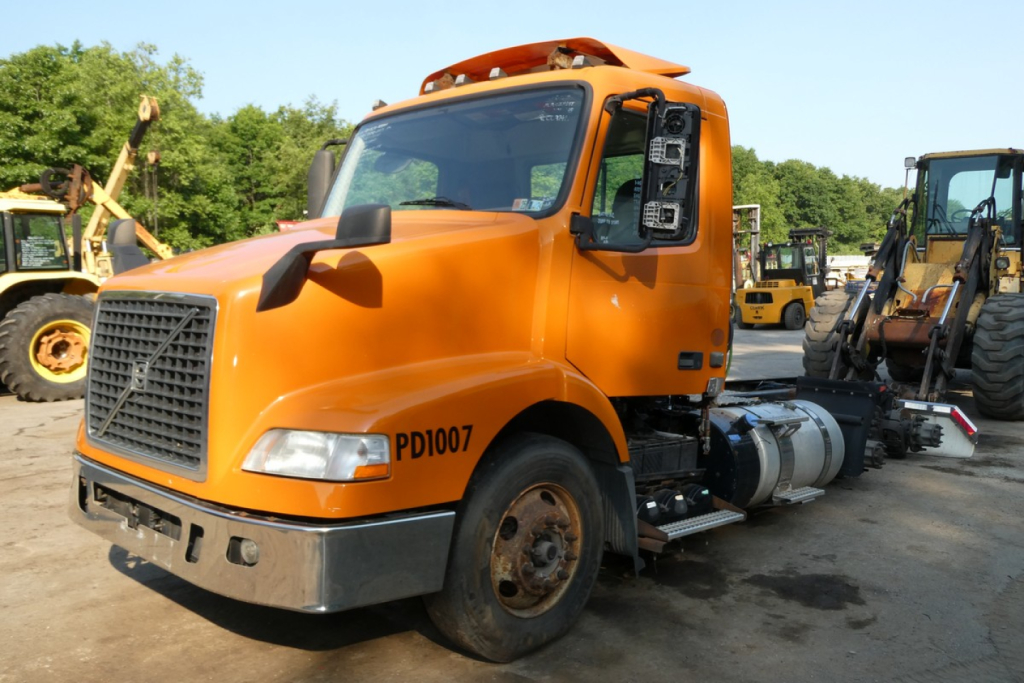
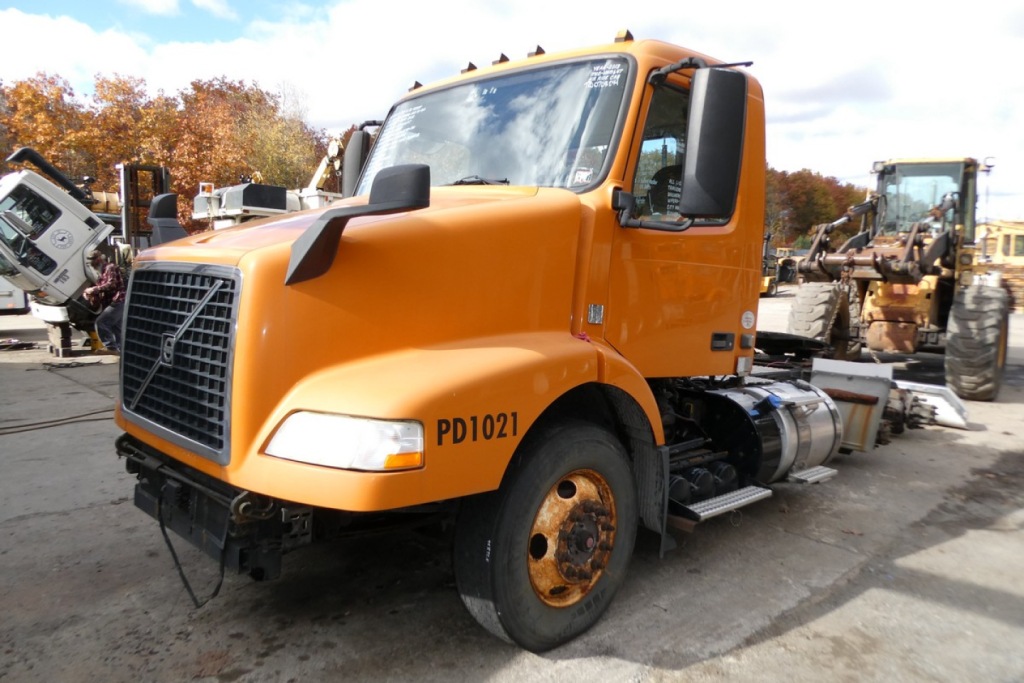
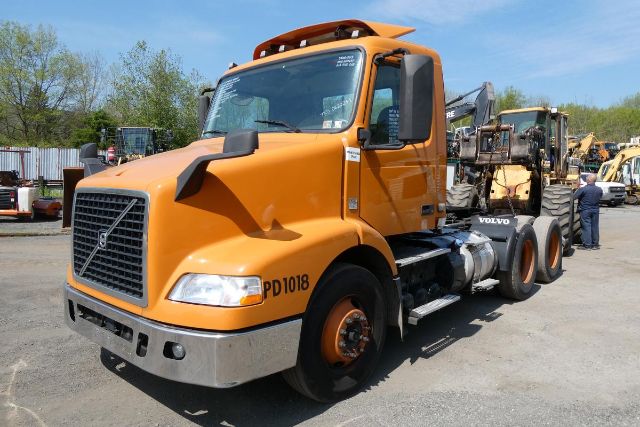
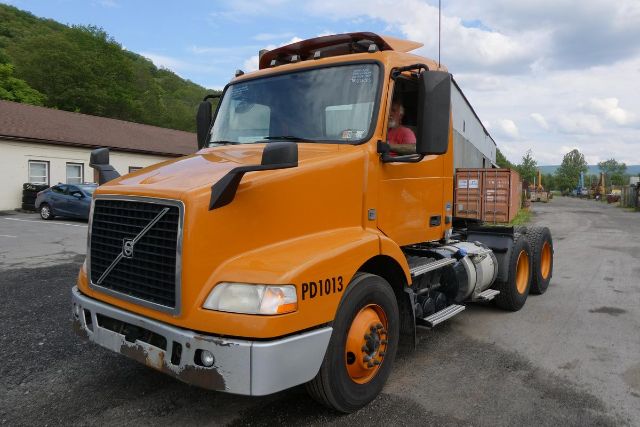
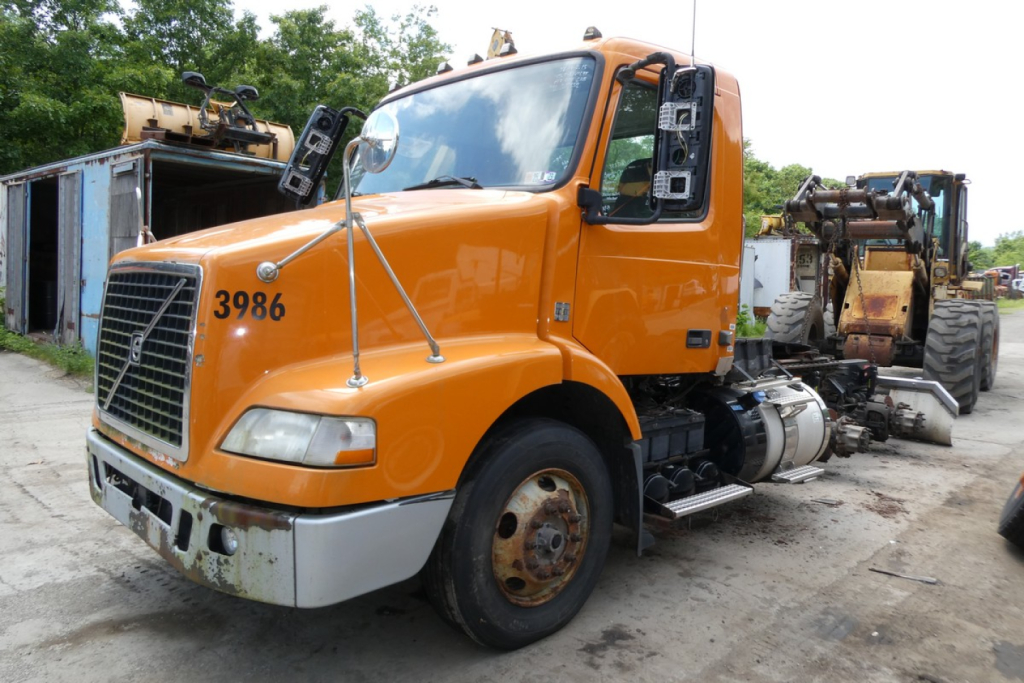
Selling a used 2015 volvo conventional daycab truck? List your used 2015 volvo conventional daycab truck for sale and reach thousands of commercial buyers.
Used 2015 Volvo Conventional Daycab Trucks in New York
The main buying decisions usually start with engine, transmission, and axle configuration. Many Volvo daycabs in this class are equipped with Volvo D11 or D13 diesel engines, commonly paired with a manual transmission or Volvo I-Shift automated manual depending on the original application. A D11 spec is often a solid fit for lighter regional and city work, while a D13 is better suited for heavier gross weights, more frequent highway pulls, or demanding stop-and-go duty. Rear axle ratings, suspension type, and gear ratio deserve close attention because they determine launch performance, cruising rpm, and fuel economy. Common specs in this category include front axles around 12,000 pounds, single rear axles for lighter local service, and wheelbases in the mid-150 inch range on shorter daycab setups.
On a used 2015 Volvo conventional daycab, condition matters as much as spec. Buyers should review engine hours against odometer mileage, confirm emissions system service history, and inspect for known wear points such as clutch condition on manual trucks, automated transmission calibration on I-Shift units, suspension bushings, air system leaks, brake condition, and fifth wheel wear. Air disc brakes are a strong feature when present because they can improve stopping consistency and reduce maintenance time in high-cycle operations. It is also worth checking whether the truck has a stationary or air-slide fifth wheel, a single-frame or double-frame rail setup, and whether the cab configuration fits the trailer swing clearance needed for your operation.
A conventional daycab is also known simply as a day cab tractor, and the right one depends on freight profile more than brand loyalty alone. Buyers in New York often prioritize durability in traffic, corrosion condition from road salt exposure, and a spec that balances low-speed drivability with acceptable highway fuel economy. A shorter wheelbase helps in tighter terminals and city docks, while a heavier rear axle and deeper ratio may be the better choice for bulk, refuse transfer, or vocational-style tractor work. Volvo remains a popular option in this segment because the cab ergonomics, safety systems, and powertrain integration tend to suit fleets that want a practical regional tractor with strong driver acceptance.
Frequently Asked Questions about Used 2015 Volvo Conventional Daycab Trucks in New York
What is a Volvo conventional daycab best used for?
A Volvo conventional daycab is best suited for regional haul, local pickup and delivery, drayage, tanker work, and dedicated short-route freight. The lack of a sleeper reduces overall length and weight, which helps with maneuverability, payload efficiency, and access to tighter yards or city locations. For many operations, a daycab is the practical choice when drivers return home daily and the truck spends more time in repeated stops, terminal moves, or short highway segments than in over-the-road service.
What should I look for when buying a used 2015 Volvo daycab?
Focus first on the truck's original spec and how closely it matches your application. Engine model, horsepower, transmission type, rear axle rating, suspension, wheelbase, and axle ratio all affect how the truck will perform under your loads. After that, inspect maintenance records, engine hours, emissions system history, brake wear, tire condition, and driveline components. On a used truck, signs of deferred repairs such as warning lights, shifting issues, oil leaks, or inoperative air conditioning can change the real cost of ownership more than the purchase price alone.
Is a Volvo D11 or D13 better in a daycab tractor?
The better engine depends on the work. A Volvo D11 is commonly chosen for lighter regional service, urban freight, and applications where lower weight and fuel efficiency are priorities. A Volvo D13 is generally the stronger choice for heavier loads, more highway time, or routes with frequent grades because it offers more torque and broader vocational flexibility. Buyers should match engine size to average gross combination weight, terrain, and duty cycle instead of assuming the larger engine is always the better value.
Why does wheelbase matter on a conventional daycab?
Wheelbase affects maneuverability, trailer clearance, ride quality, and component layout. A shorter wheelbase usually works better in urban service, docks, and tight terminals because the truck turns more easily and takes up less space. A longer wheelbase can improve ride stability and may be necessary for certain frame-mounted equipment or trailer setups. Buyers should compare wheelbase with cab-to-axle and cab-to-end dimensions to make sure the truck will handle the trailers and loading environment used in their operation.
Are air disc brakes a good feature on a used Volvo daycab?
Yes, air disc brakes are a desirable feature for many fleets because they typically provide more consistent braking, shorter stopping performance in repeated-use conditions, and simpler pad service compared with traditional drum setups. They can be especially valuable in regional and urban duty cycles where the truck sees frequent stops. On a used truck, the system should still be inspected carefully for rotor condition, caliper function, and overall maintenance history, but air disc brakes are generally considered a premium spec in this category.