
Used 2021 Peterbilt Conventional Daycab Trucks For Sale
Shop used 2021 Peterbilt conventional daycab trucks with specs on engines, wheelbase, axle ratings, transmissions, and regional haul fit.
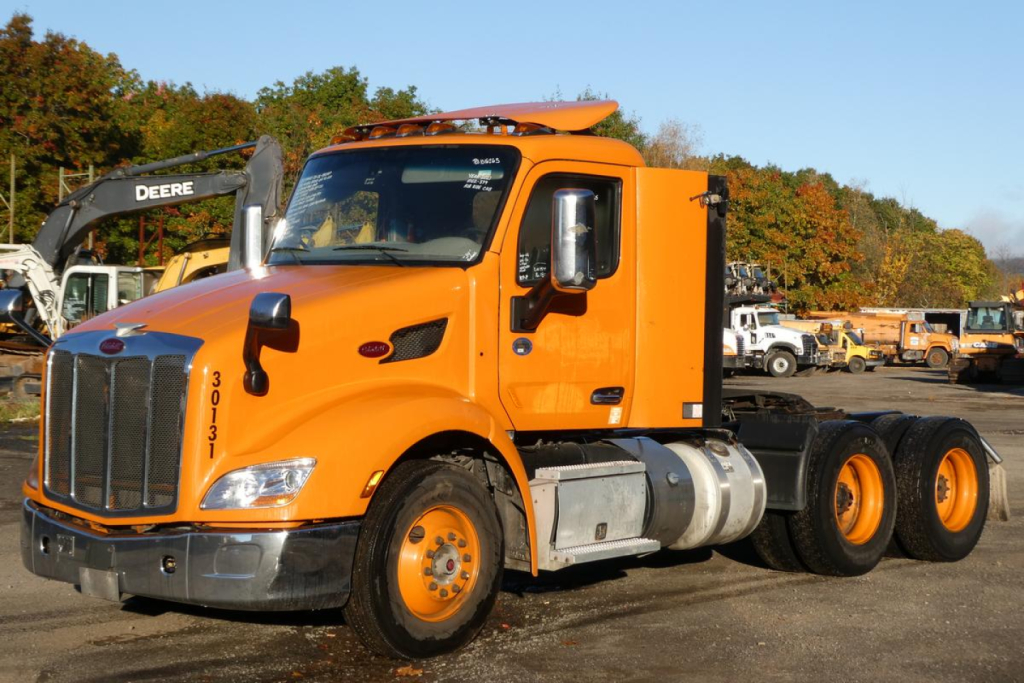
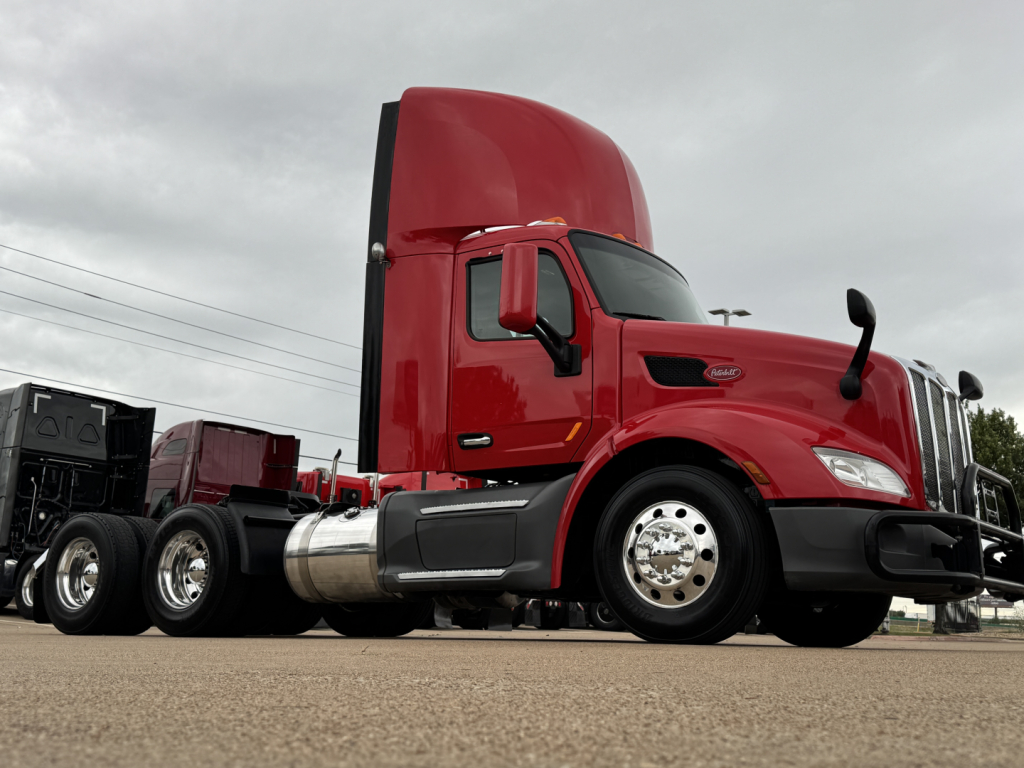
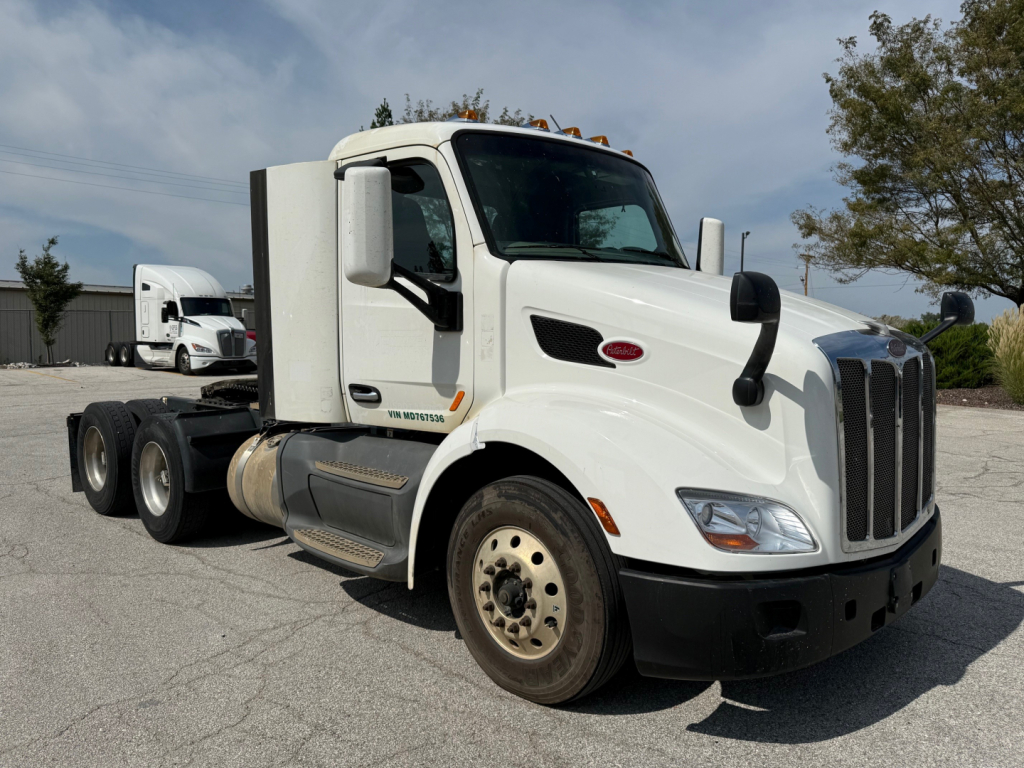
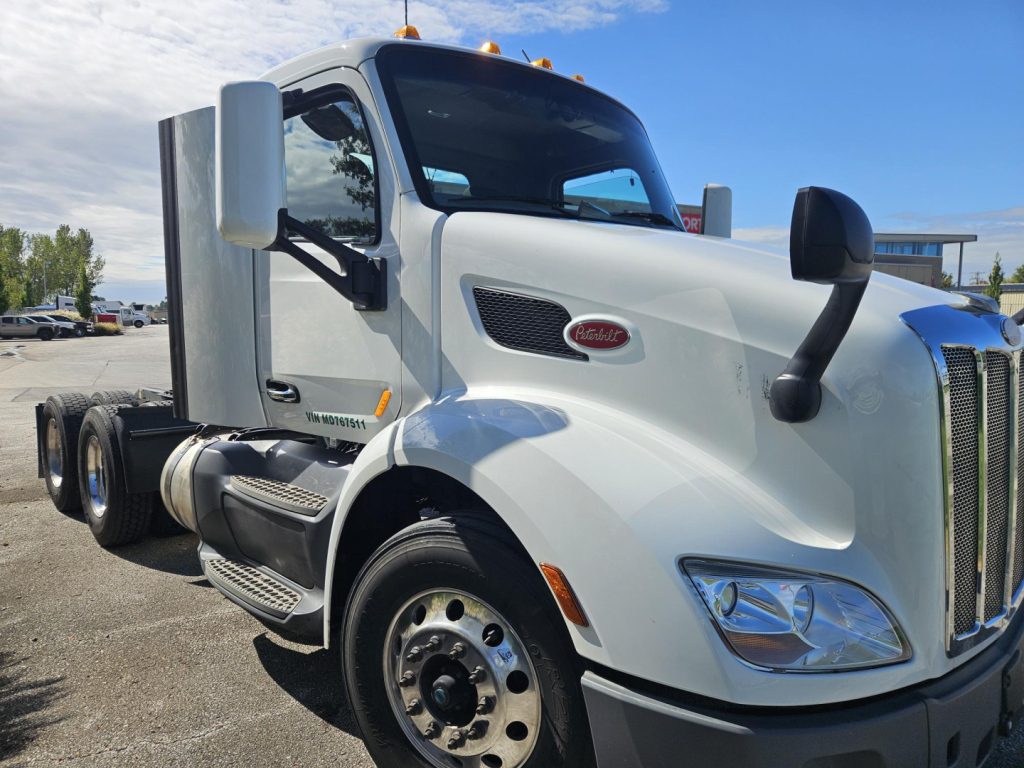

Selling a used 2021 peterbilt conventional daycab truck? List your used 2021 peterbilt conventional daycab truck for sale and reach thousands of commercial buyers.
Used 2021 Peterbilt Conventional Daycab Trucks
The most common engine choices in this class are the PACCAR MX-13 and Cummins X15, generally in the 430 to 500 horsepower range depending on the original order. A 10-speed manual is still attractive to some fleets for simplicity and service familiarity, while automated manual transmissions appeal to buyers trying to widen the driver pool and improve consistency in stop-and-go or regional operations. Rear axle ratings around 40,000 pounds are common, often paired with 3.36 or 3.55 ratios depending on the balance between fuel economy and startability. Air ride suspension, air disc brakes on some specs, and sliding or adjustable fifth wheels are also regular features in this category. Wheelbase matters more than many buyers expect. A shorter wheelbase improves maneuverability in city docks and tight yards, while a longer wheelbase can ride better and leave more room for fuel capacity, headache racks, or PTO-driven equipment.
For a used 2021 model, it is worth looking closely at how the truck was worked. A fleet-spec highway daycab that spent most of its life on van or reefer lanes may show different wear patterns than a truck used in heavy stop-start regional service or bulk hauling. Check ECM and aftertreatment history, idle hours, clutch wear on manual units, suspension bushing condition, and brake type. Peterbilt cabs are known for driver-friendly layouts and resale appeal, but buyer value still comes down to maintenance records, tire condition, alignment history, and signs of frame or fifth wheel abuse. If the truck has collision mitigation, lane departure, navigation, or other driver-assist features, confirm they are functioning and that replacement sensors or camera components are not pending repair.
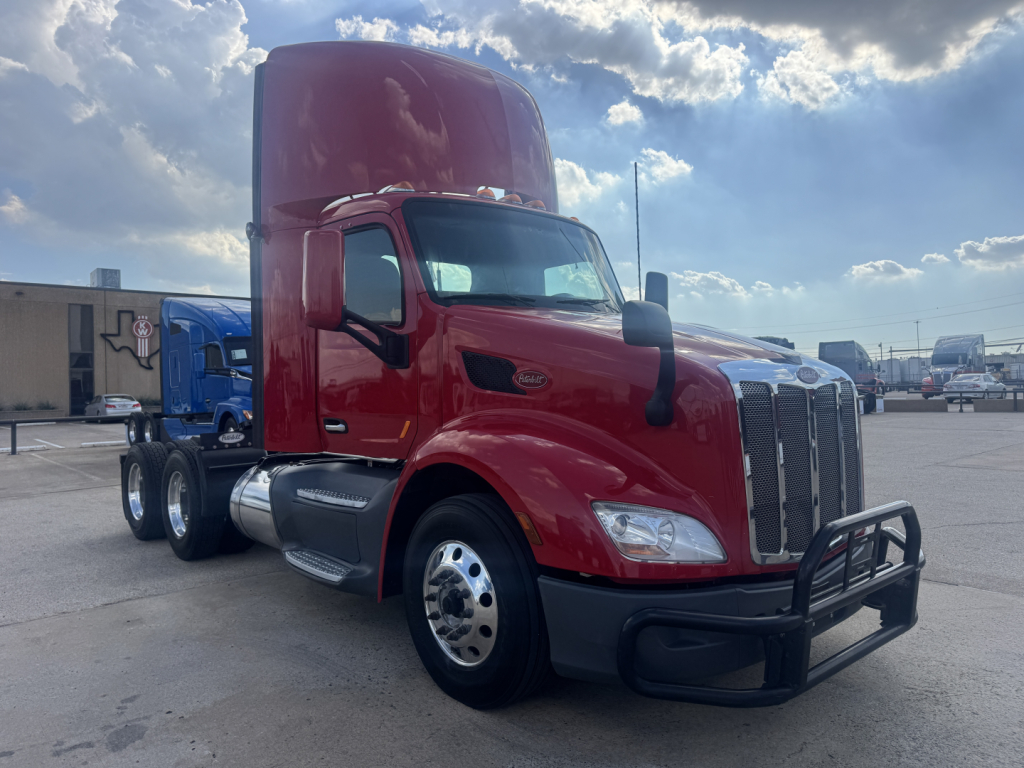
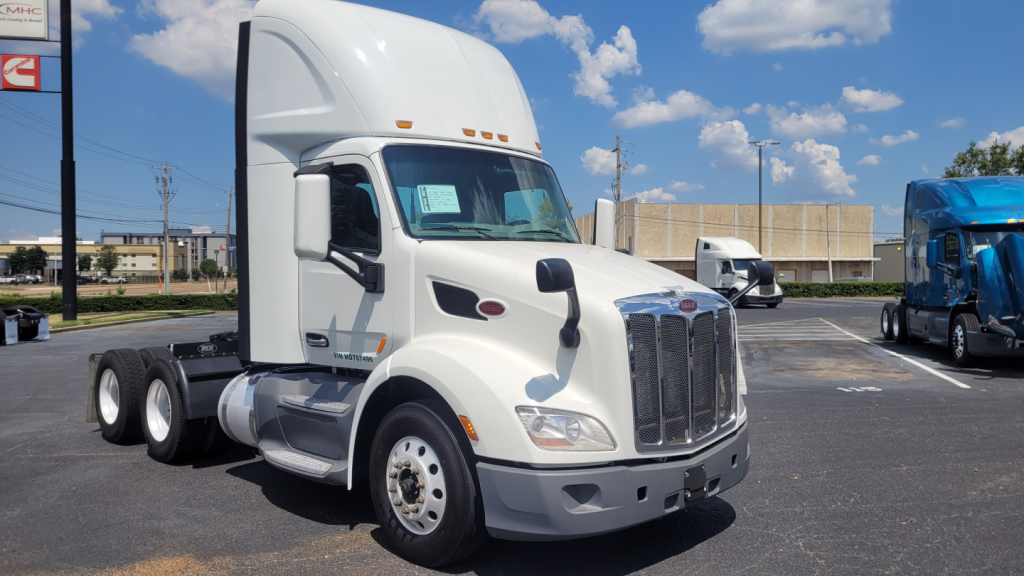
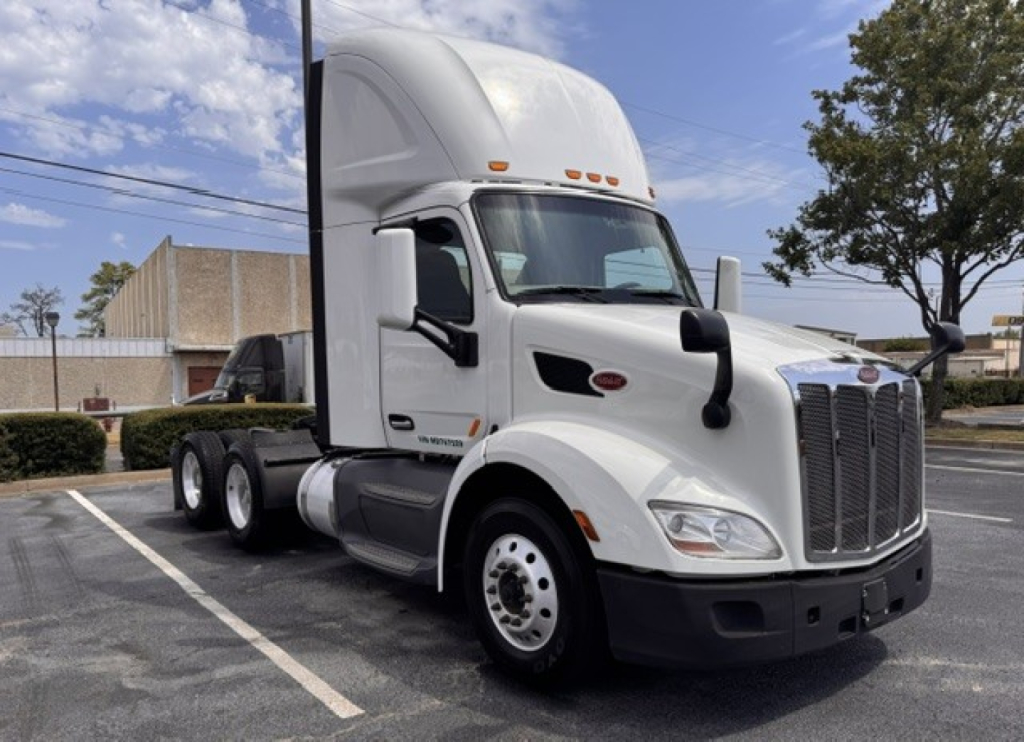
A conventional daycab, also known as a non-sleeper road tractor, is a strong fit for regional haul, port work, dedicated lanes, tanker, dump, intermodal, and many private fleet applications. The right 2021 Peterbilt setup depends on gross combination weight, terrain, average trip length, and trailer mix. Buyers running mostly interstate freight often prefer aerodynamic 579 specifications with fuel-minded gearing, while operations with hydraulic systems, higher steer axle needs, or severe-service conditions may lean toward heavier chassis components. The best listings in this category usually separate themselves with complete service documentation, a clean fault-code story, and a drivetrain spec matched to the work instead of a truck that simply looks clean in photos.
Frequently Asked Questions about Used 2021 Peterbilt Conventional Daycab Trucks
What engines are common in a used 2021 Peterbilt conventional daycab?
The most common engines are the PACCAR MX-13 and Cummins X15. In this category, horsepower often falls in the 430 to 500 HP range. The MX-13 is popular in fleet highway service, while the X15 is often favored by buyers who want broad service support and strong performance under heavier regional loads. The best choice depends on your maintenance network, load profile, and preference for fuel economy versus power reserve.
Is a 10-speed manual or automated manual better in a 2021 Peterbilt daycab?
A 10-speed manual can still be a good fit for fleets with experienced drivers and in-house familiarity with clutch service and manual driveline operation. An automated manual usually makes more sense for fleets focused on driver availability, consistent shifting, and reduced fatigue in traffic. In used-truck evaluation, condition matters more than transmission type alone. Service records, calibration status, clutch life, and fault history should carry more weight than personal preference.
What axle ratio works best for a Peterbilt daycab?
Common ratios such as 3.36 and 3.55 are often seen in this class. A 3.36 ratio generally supports lower engine rpm and better fuel economy on highway-oriented regional lanes. A 3.55 ratio usually gives better launch feel and flexibility for heavier loads or routes with more grades and stop-start operation. The right ratio should match your trailer weights, cruising speed, and terrain, not just the engine rating.
What should I inspect first on a used 2021 Peterbilt conventional daycab?
Start with the emissions and engine history. Pull ECM data if available, review aftertreatment repairs, and check for recurring fault codes, excessive idle time, and derate history. After that, inspect tire wear, suspension components, brakes, fifth wheel operation, and frame condition. A clean-looking truck can still hide expensive issues in the DPF, SCR system, clutch, or driveline, so mechanical records are usually more valuable than appearance.
What is a 2021 Peterbilt daycab best suited for?
A conventional daycab is best suited for regional and local work where the driver returns regularly and sleeper space is unnecessary. Common applications include dry van, reefer, tanker, port drayage, intermodal, dump, and dedicated contract freight. A highway-spec 579 daycab is typically the better fit for fuel-conscious road use, while heavier vocational-style specifications may be better for PTO work, severe service, or specialized bodies and trailers.