
New 2027 Conventional Daycab Trucks For Sale in Texas

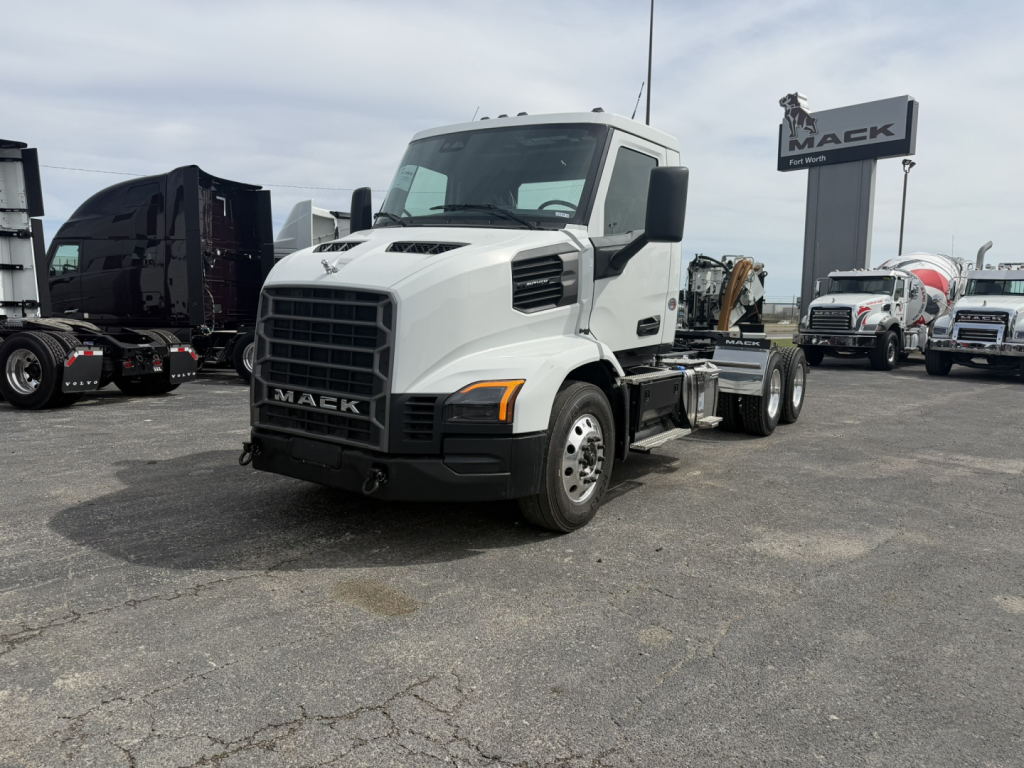
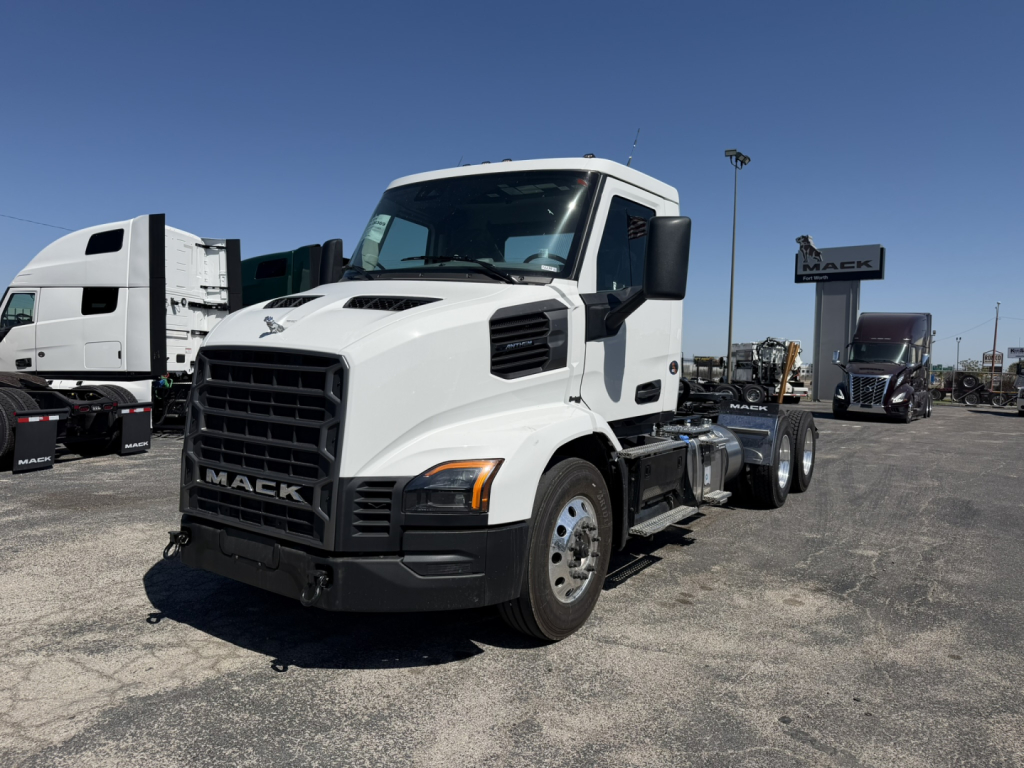
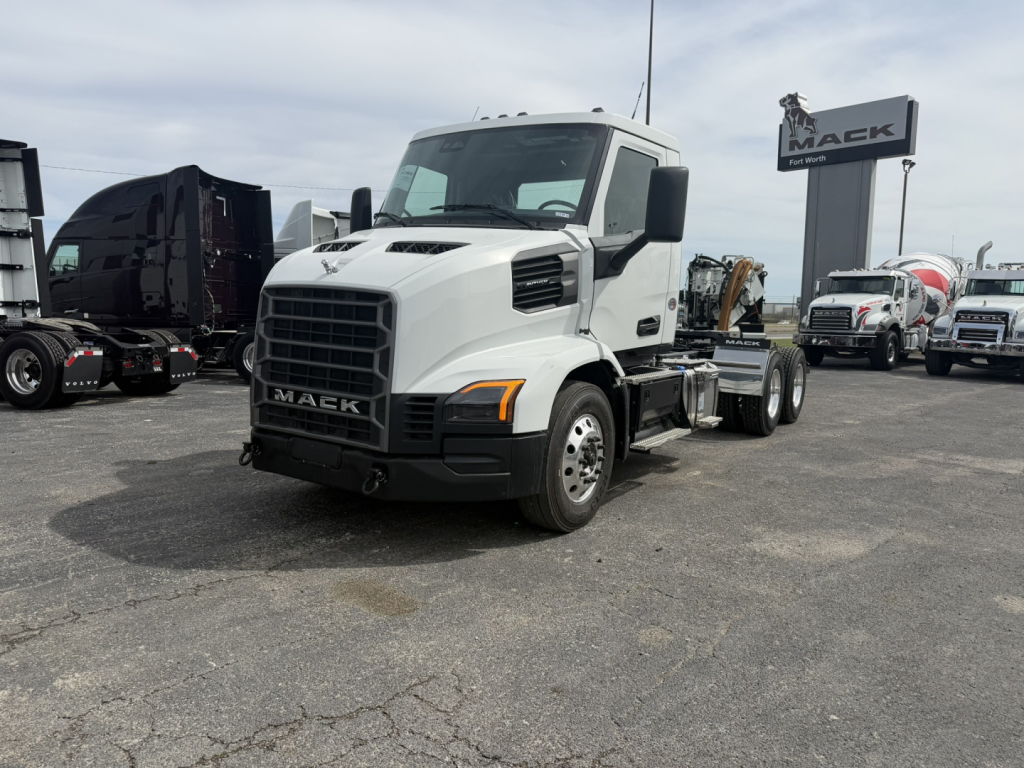
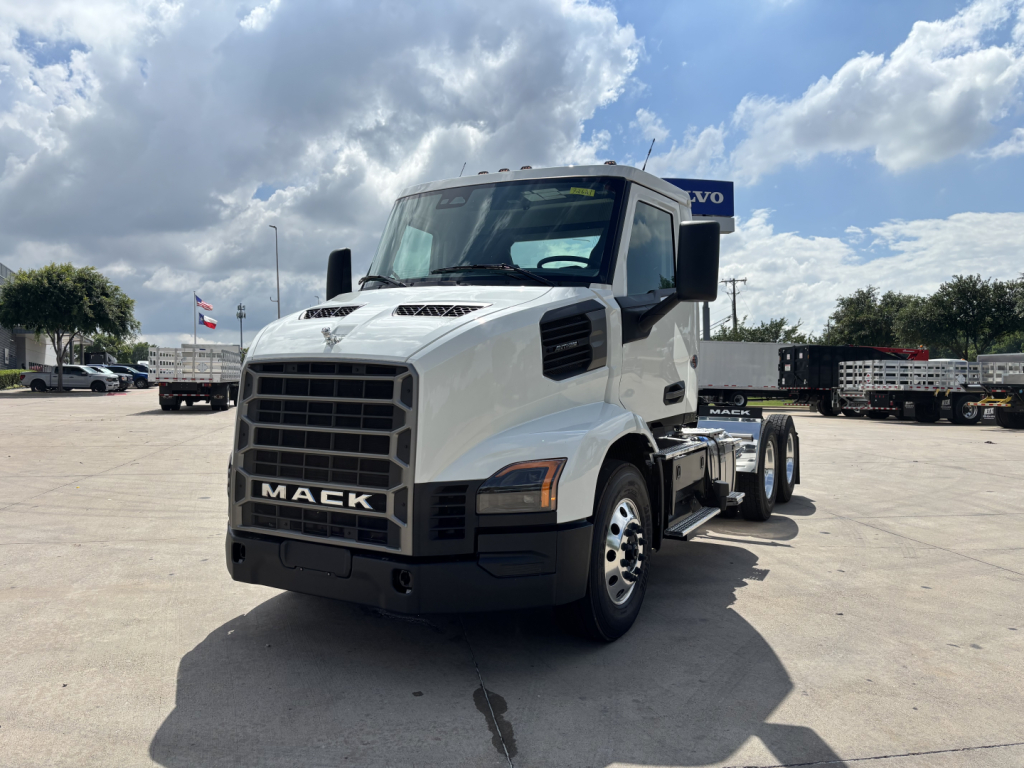
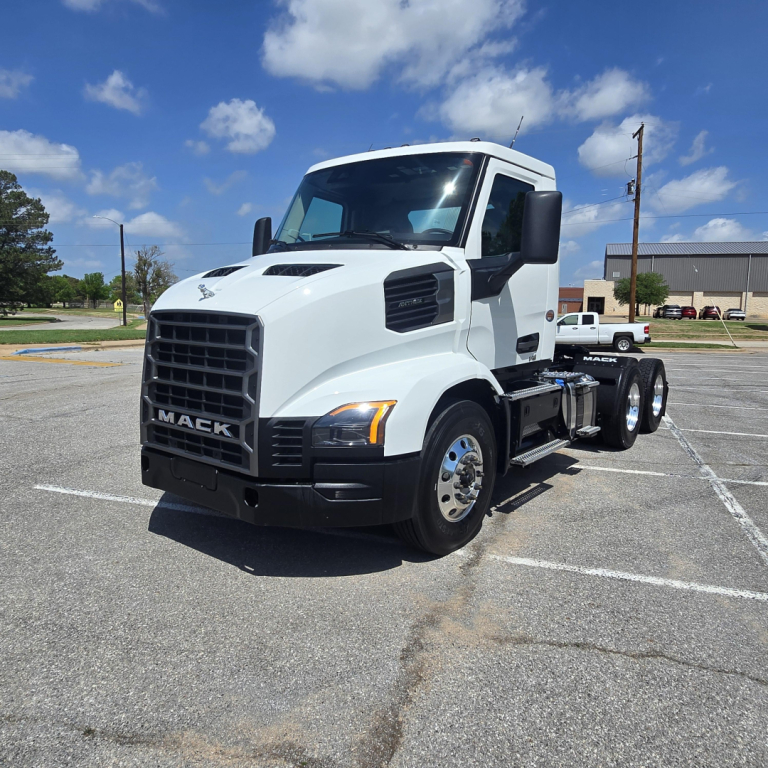
Showing 73 to 82 of 82 results
Have new 2027 conventional daycab truck to sell? List it here to reach thousands of buyers.
New 2027 Conventional Daycab Trucks in Texas
Current conventional daycab specs commonly center around 415 to 455 horsepower with automated manual transmissions such as a 12-speed direct drive or overdrive unit. That combination fits general freight, dry van, reefer, flatbed, tanker, and bulk applications without overbuilding the truck. For Texas fleets running mixed interstate and urban miles, gear ratios in the low 3s are popular because they help keep cruise rpm down while still providing acceptable launch performance at legal weights. Wheelbase matters more than many first-time buyers expect. A shorter daycab tractor around the mid-170 inch range can improve turning radius and dock access, while a 185 to 191 inch setup can provide better tank packaging, PTO options, and trailer clearance depending on fairings and frame layout.
Buyers should also pay close attention to brake package, traction equipment, and fuel capacity. Full disc brakes are increasingly common on newer daycabs because they improve stopping consistency, serviceability, and driver confidence in stop-and-go operations. Interaxle and interwheel differential locks are valuable for construction entrances, wet lease roads, and yard conditions that can challenge a highway tractor. Dual fuel tanks in the 75 to 100 gallon range are common on this class and can make a major difference for route planning in West Texas or other long-span operating areas. If the truck will run PTO-driven equipment, verify the transmission PTO provision, shaft standard, and frame space before buying.
Cab environment and aerodynamic equipment also deserve attention because they directly affect retention, uptime, and operating cost. Modern conventional daycab trucks typically offer air ride seats, heated and powered mirrors, collision mitigation systems, adaptive cruise, roof and chassis fairings, and integrated telematics for service planning. Those features matter on a truck that may cycle through heavy traffic, run multiple stops, and still cover serious highway miles in a single shift. On a new 2027 model, emissions compliance, warranty structure, and factory support network are just as important as the drivetrain. A properly spec'd conventional daycab should match the trailer fleet, average payload, duty cycle, and terrain so the truck performs efficiently instead of simply carrying the highest available horsepower badge.
Frequently Asked Questions about New 2027 Conventional Daycab Trucks in Texas
What is a conventional daycab truck used for?
A conventional daycab truck is a highway tractor without a sleeper compartment, designed for operations where the driver returns the same day or does not need overnight accommodations. Common uses include regional freight, local and dedicated delivery, drayage, terminal-to-terminal work, tanker service, flatbed hauling, and some vocational tractor applications. The conventional hood layout allows access to larger diesel engines and cooling packages, making this class suitable for heavier and more demanding duty cycles than many medium-duty cab configurations.
What horsepower is typical for a new conventional daycab?
Most new conventional daycab trucks are spec'd in roughly the 415 to 455 horsepower range, although exact needs depend on gross combination weight, terrain, average trip length, and trailer type. A fleet pulling standard van or reefer loads on mixed Texas routes can often operate efficiently in that band when the transmission and axle ratio are matched correctly. Higher horsepower can improve grade performance and acceleration, but it may add cost and fuel burn if the duty cycle does not require it.
How do I choose the right wheelbase for a daycab tractor?
Wheelbase should be selected based on trailer swing clearance, fuel tank capacity, PTO packaging, bridge laws, and the amount of tight maneuvering in the route. Shorter wheelbases generally improve turning radius and can be a better fit for city docks, yards, and dense terminals. Longer wheelbases can support larger tanks, certain fairing packages, and added frame-mounted equipment, but they may reduce maneuverability. The right choice depends on the trailer fleet and how the truck is expected to work every day.
Are automated manual transmissions common in new daycab trucks?
Yes. Automated manual transmissions are now very common in new conventional daycab trucks because they improve shift consistency, reduce driver fatigue, and help fleets manage fuel economy across mixed driver experience levels. They are especially useful in stop-and-go regional work and heavy traffic conditions. Buyers should still confirm the transmission's ratio set, direct drive or overdrive configuration, PTO compatibility, and service support in their operating area.
What specifications matter most on a Texas daycab truck?
For Texas operations, the most important specs usually include engine rating, axle capacity, rear axle ratio, wheelbase, fuel capacity, brake type, differential locks, and fifth wheel style. Long intrastate routes make fuel range and cruise rpm important, while metro and industrial work make maneuverability and traction features more valuable. Heat, distance, and mixed road conditions also increase the importance of cooling capacity, telematics, warranty coverage, and a strong dealer service network.