
Used Mack Conventional Daycab Trucks For Sale
Browse used Mack conventional daycab trucks with MP8 power, tandem axles, and vocational or regional haul specs built for heavy-duty work.
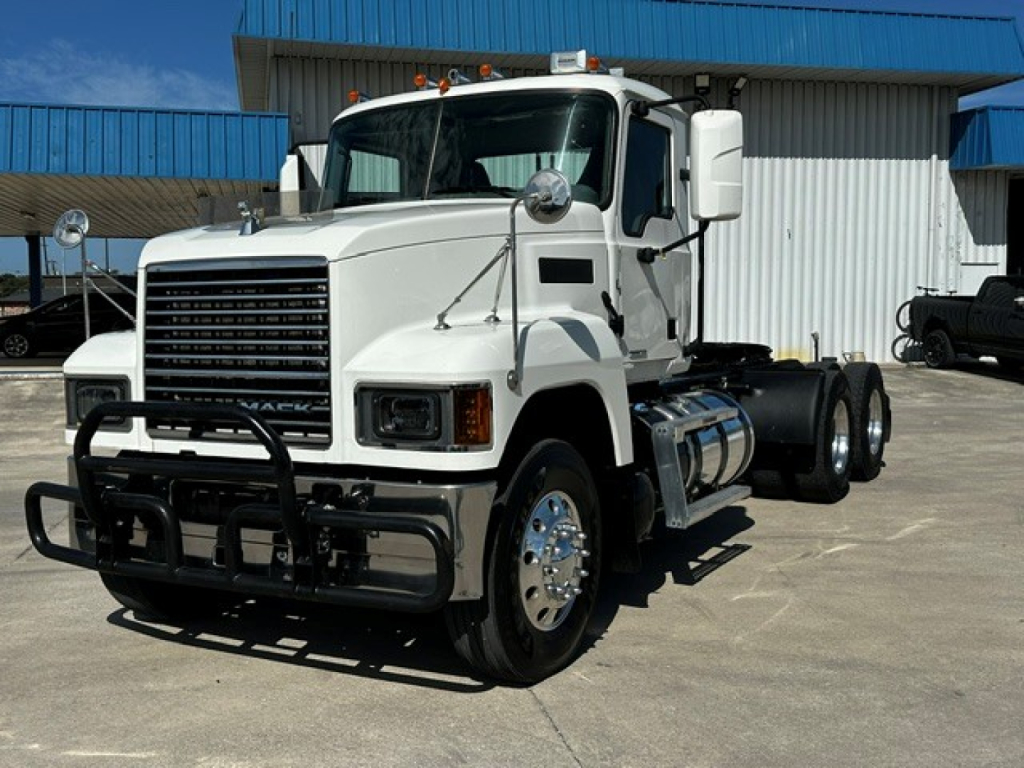
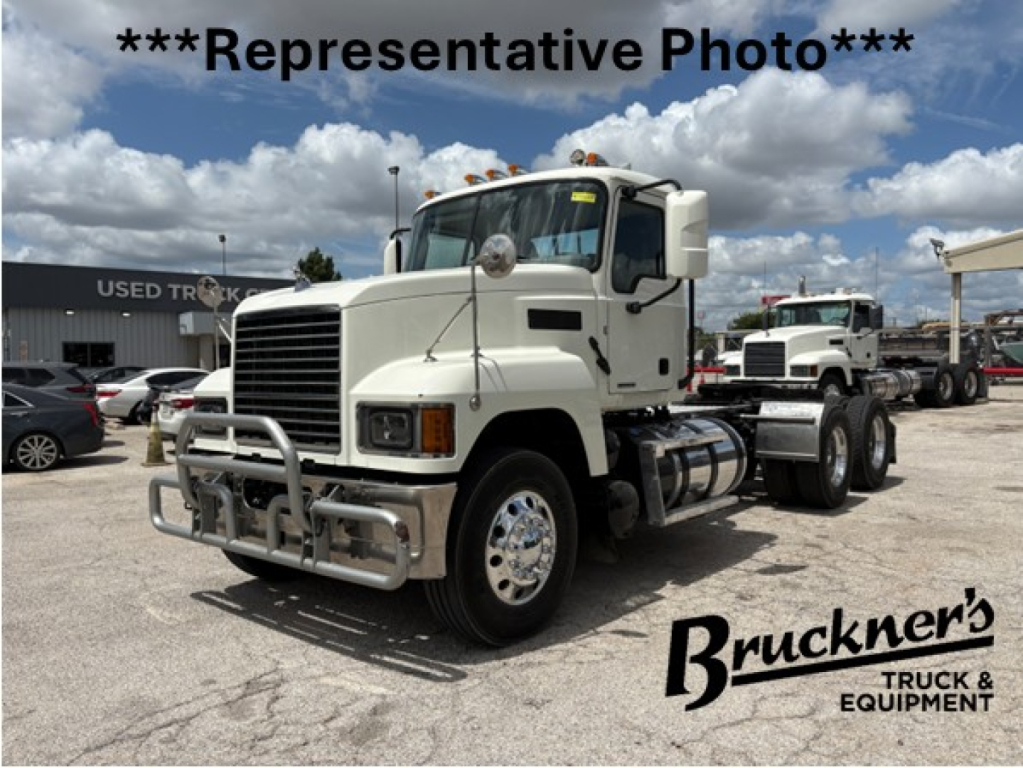
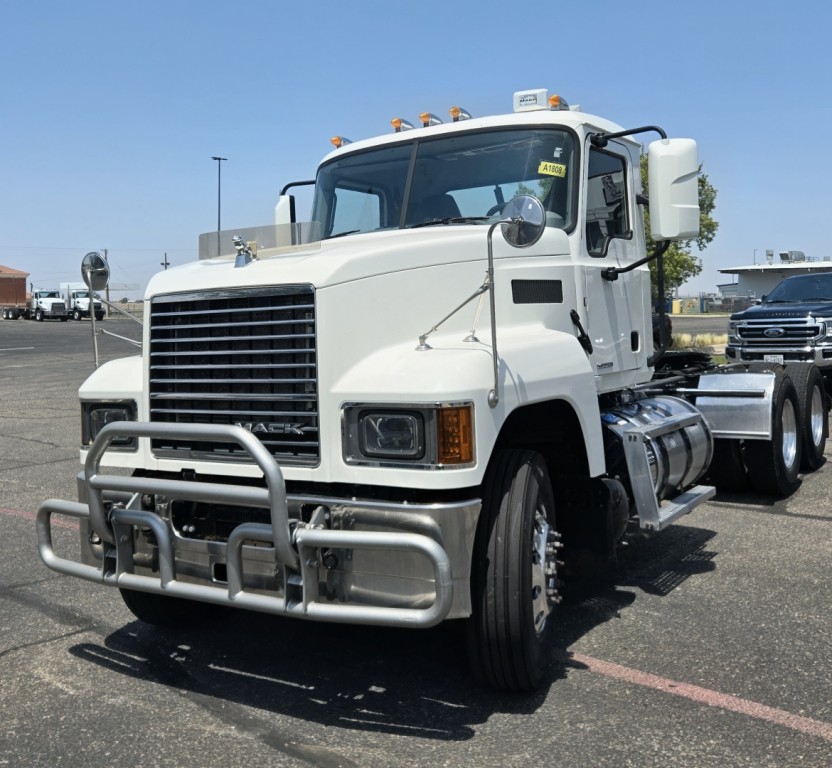
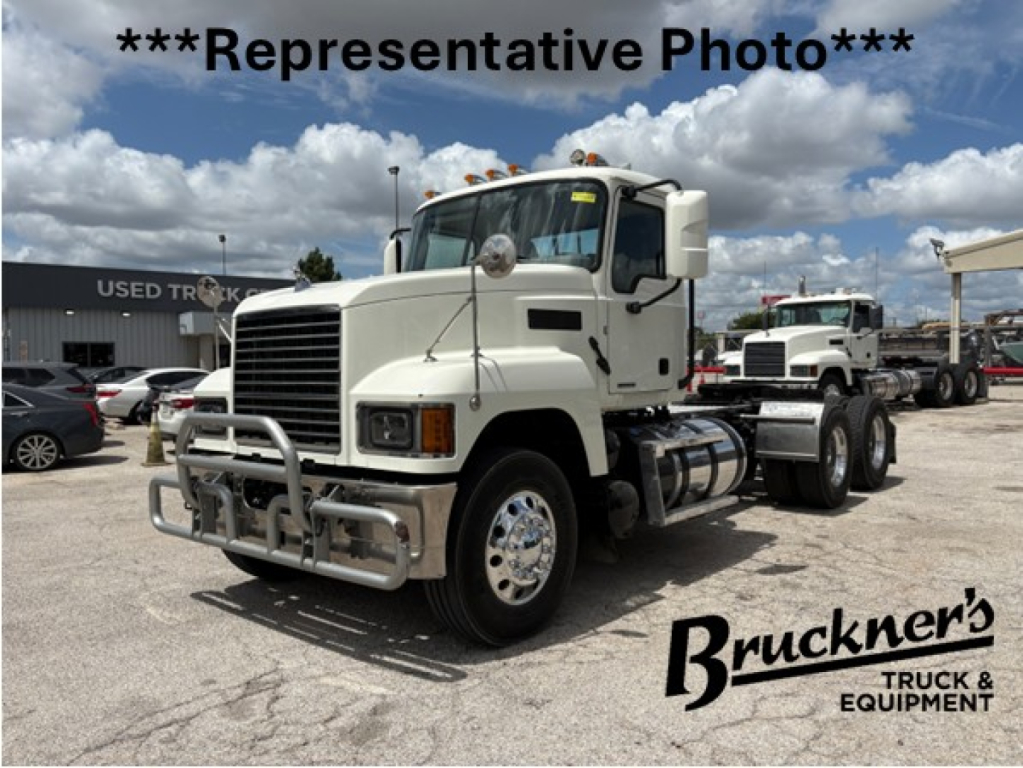
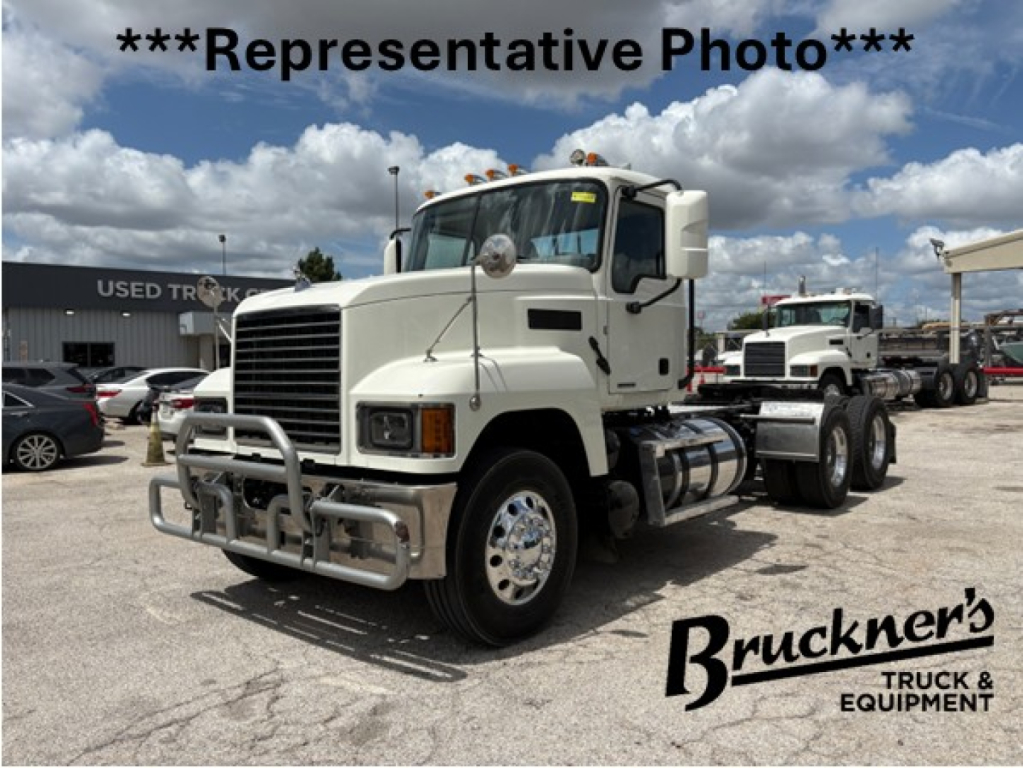
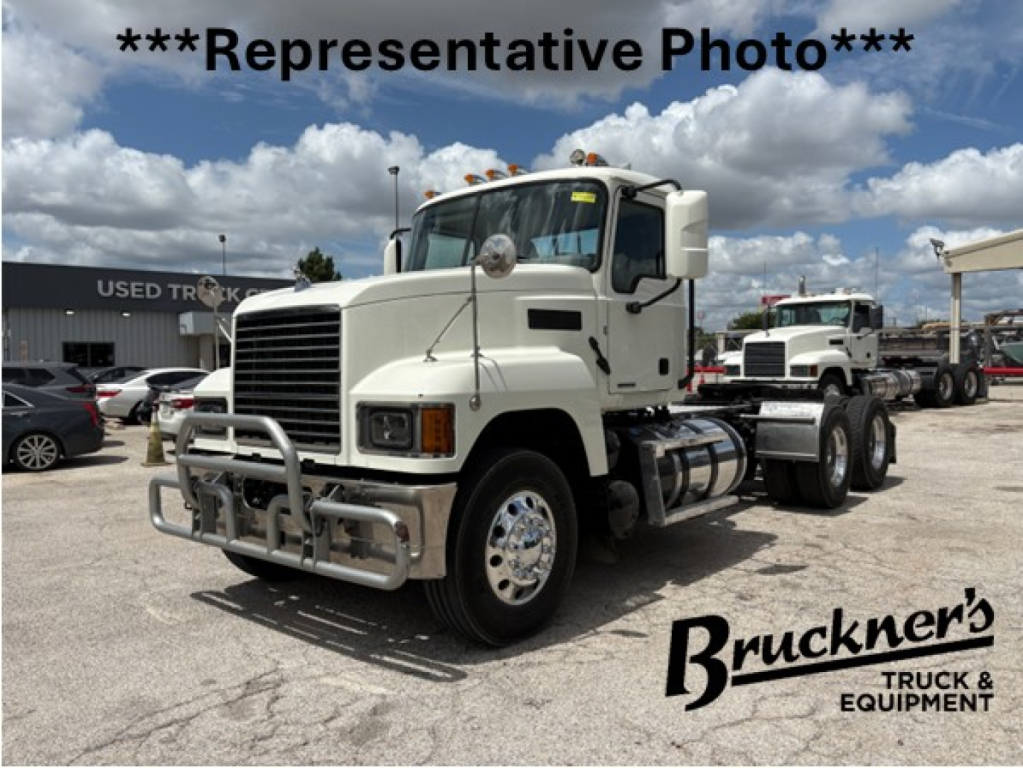
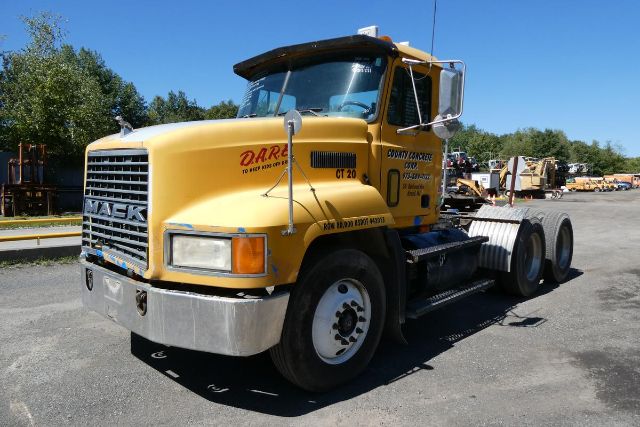
2020 Mack PI64T
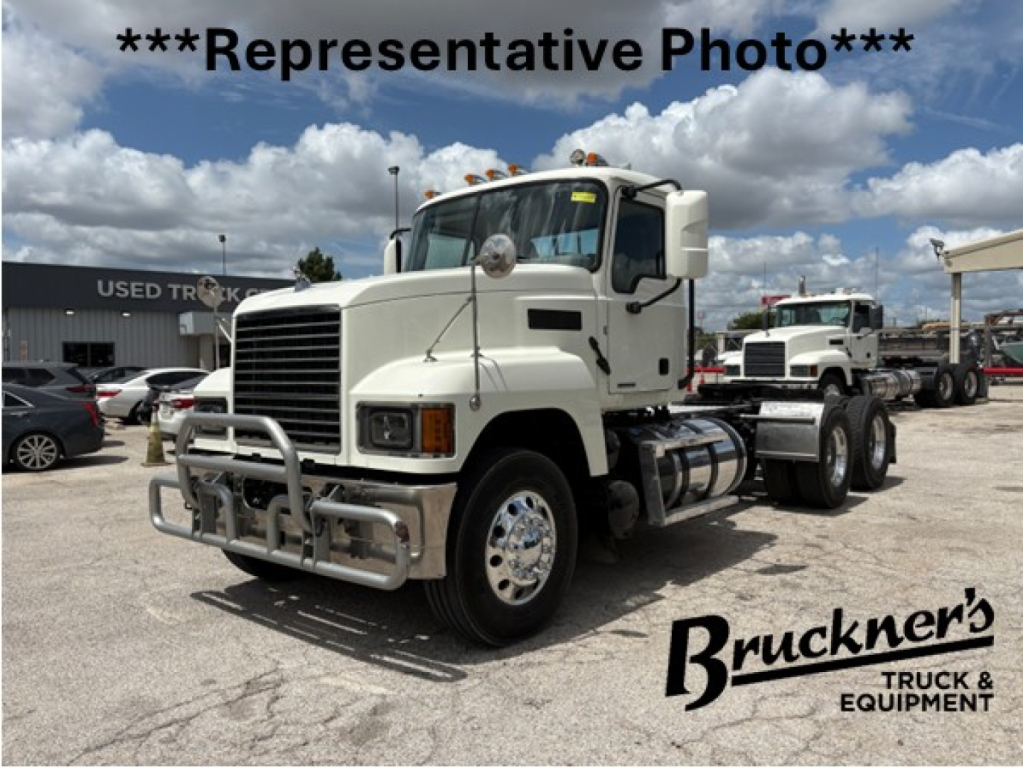
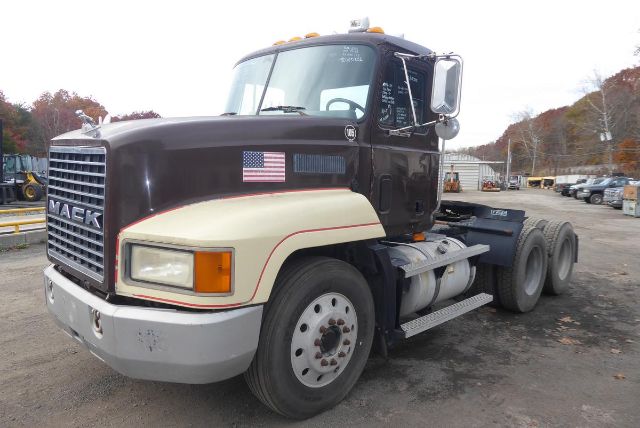
2020 Mack PI64T
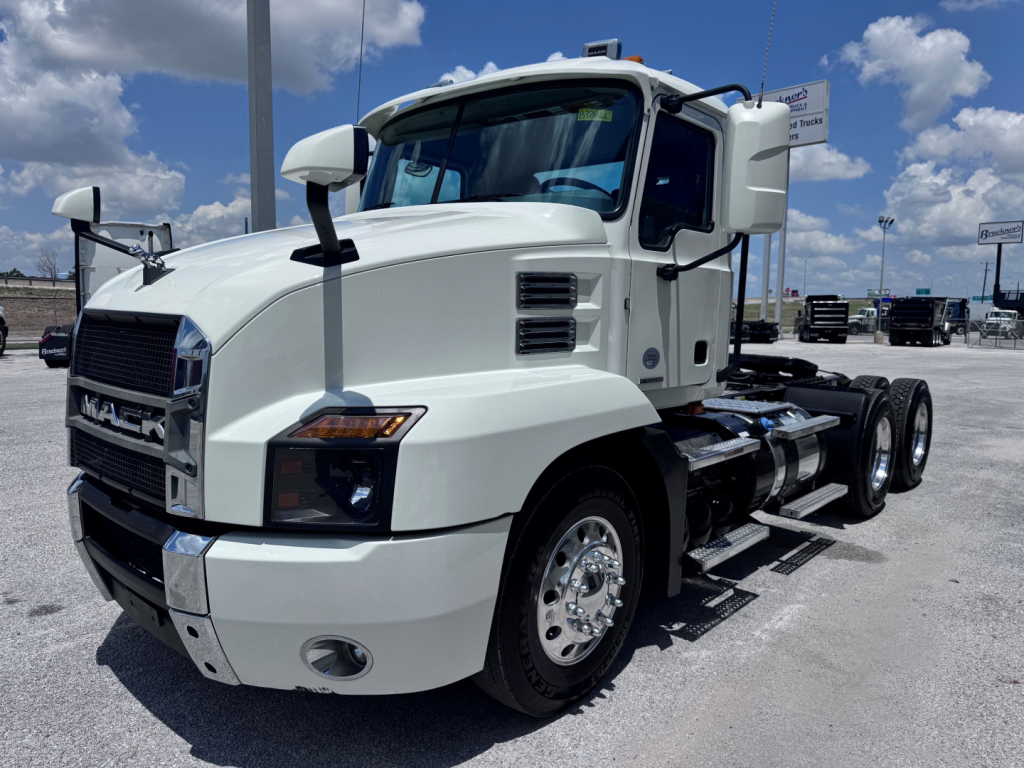
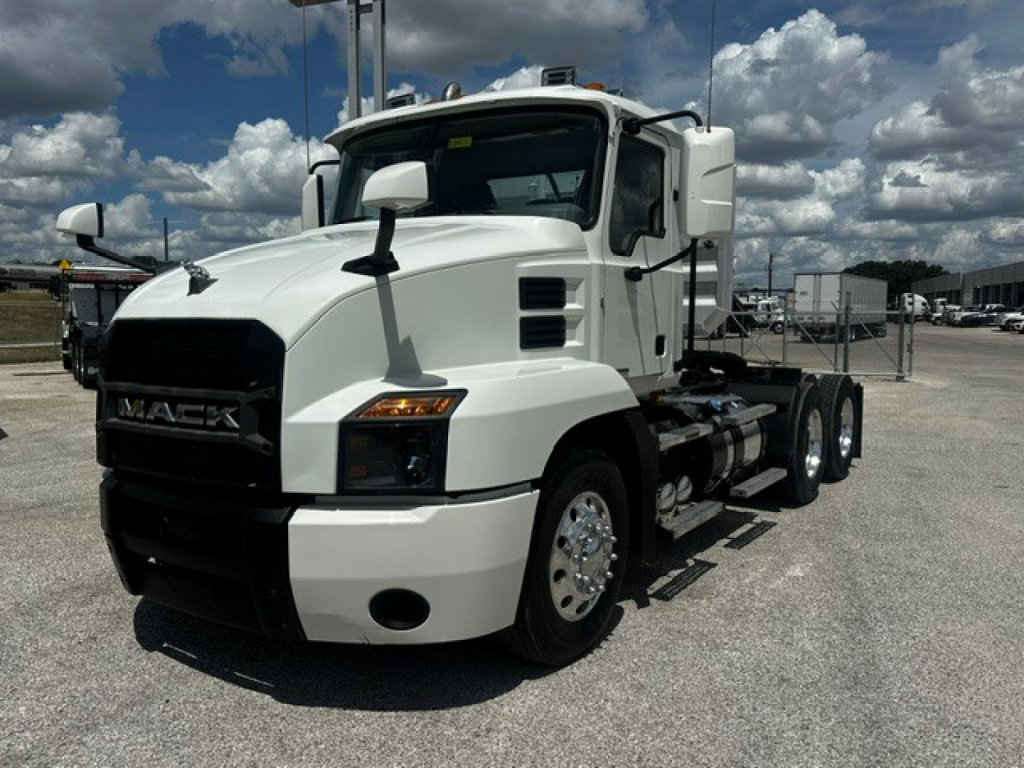
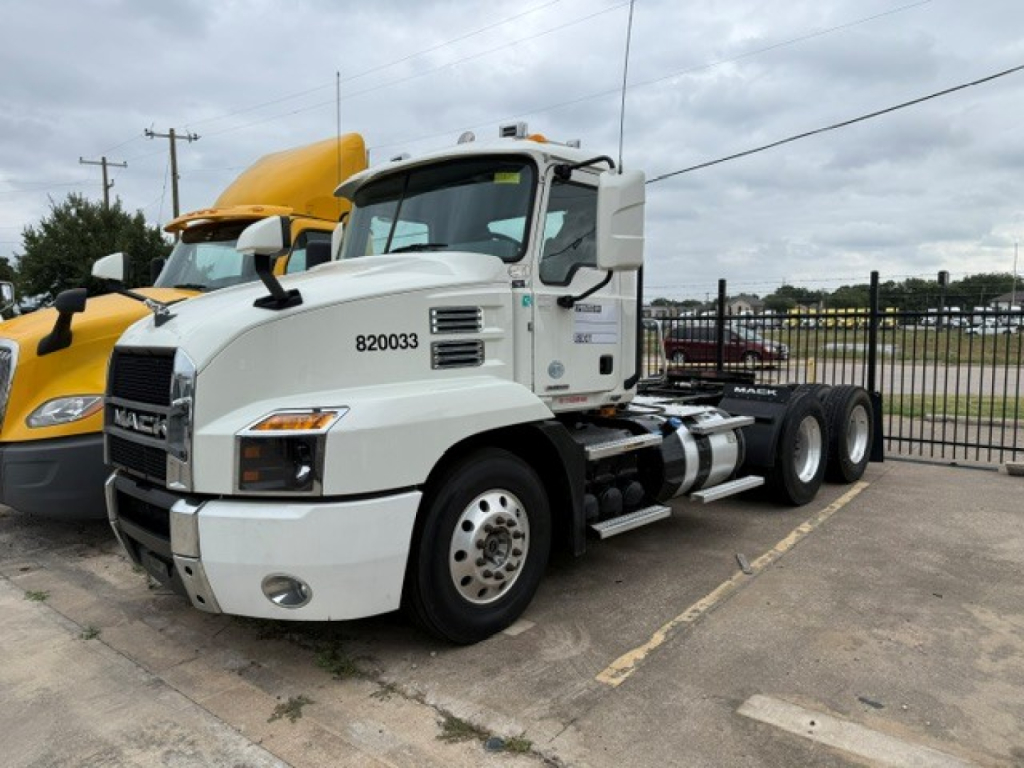
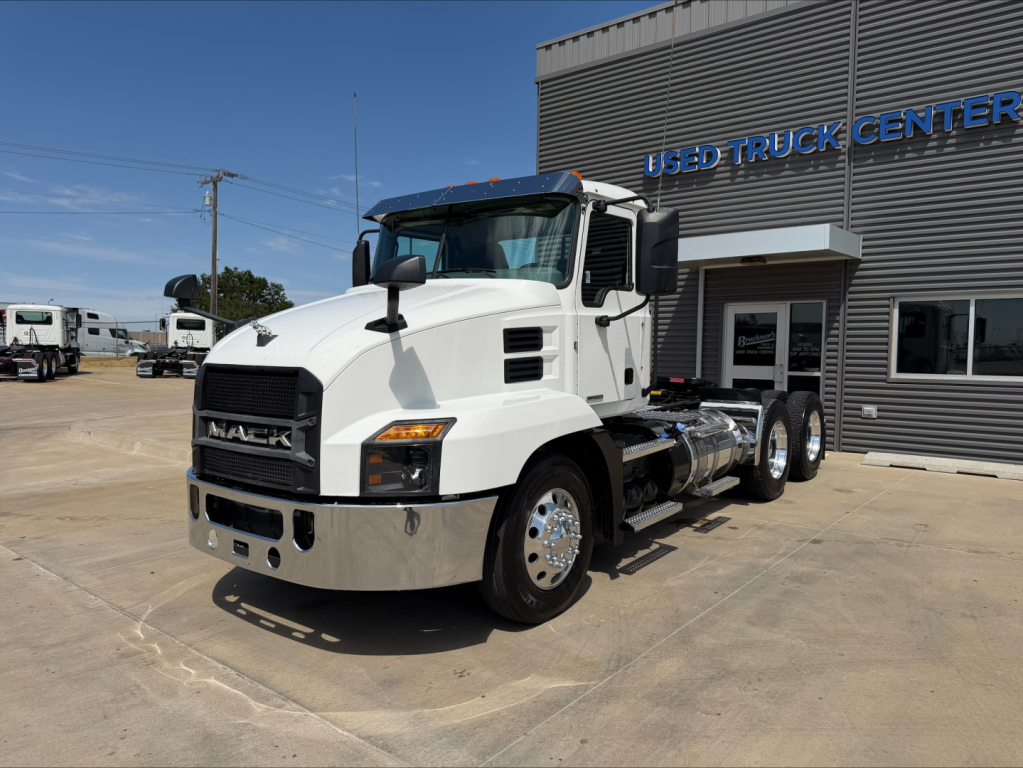
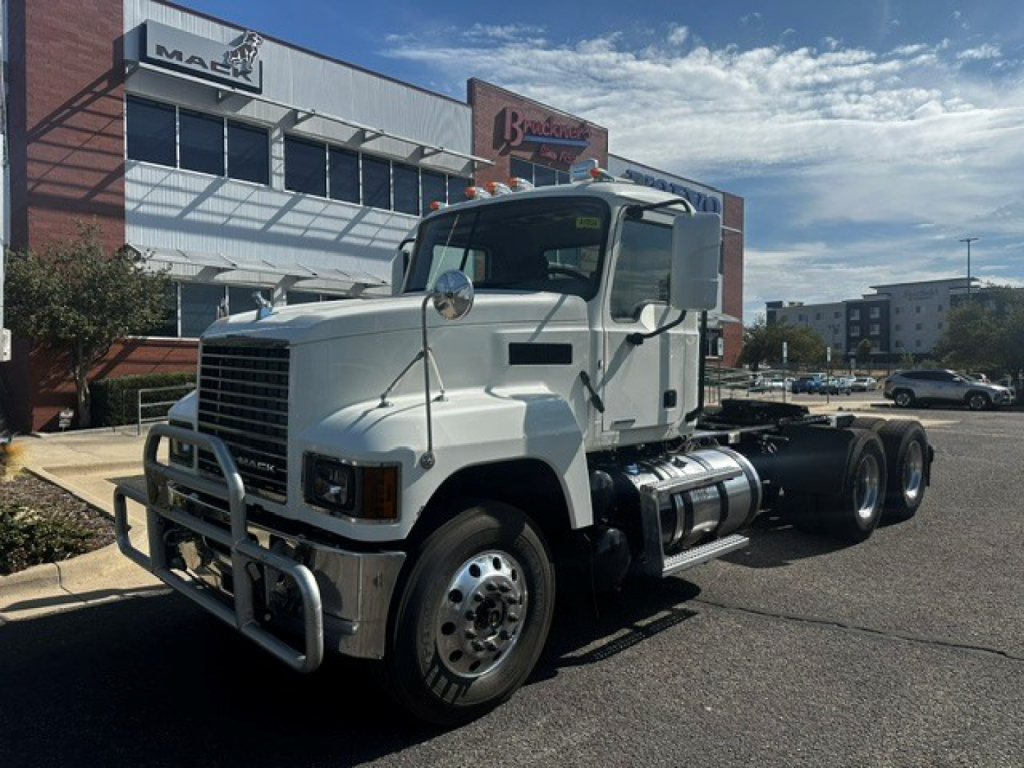
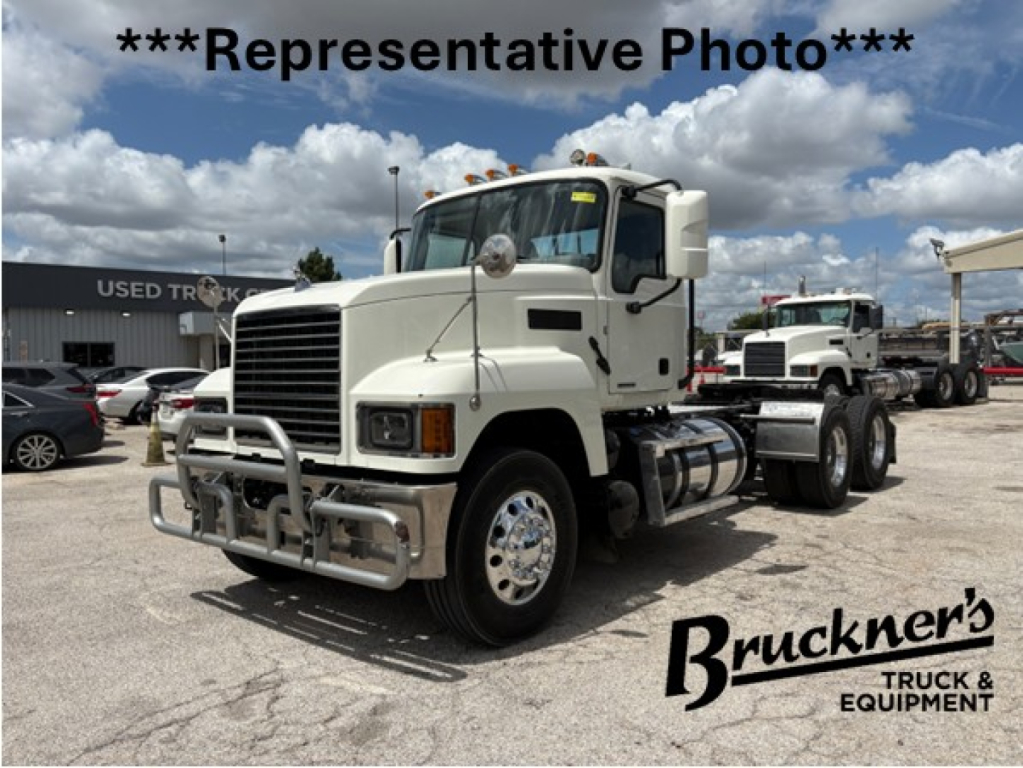
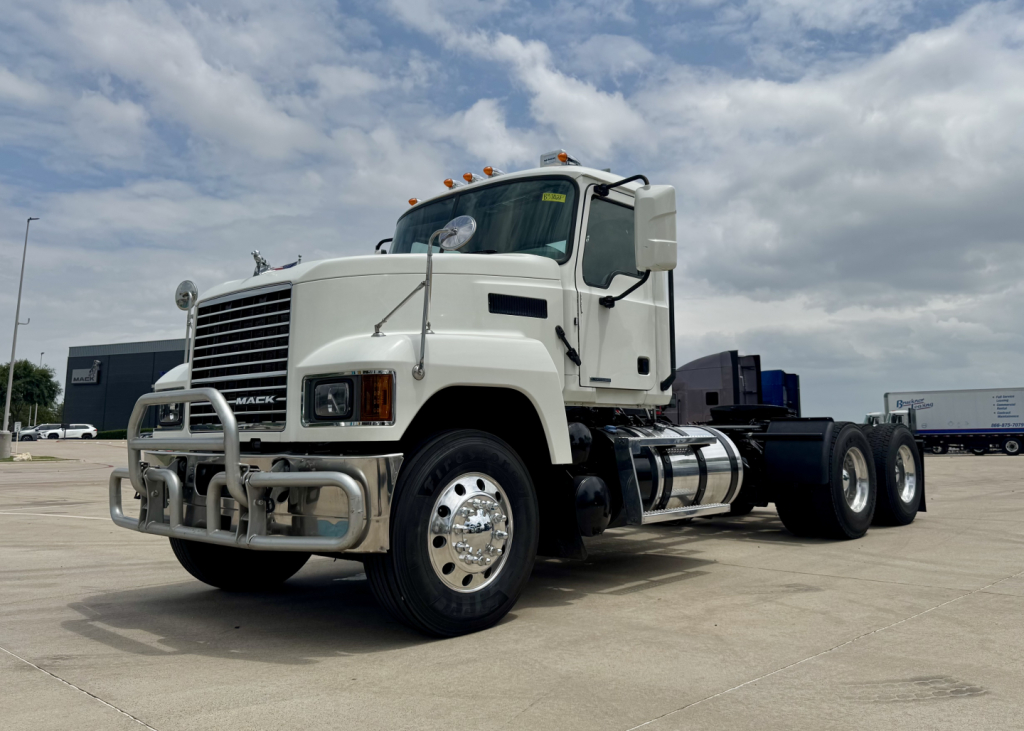
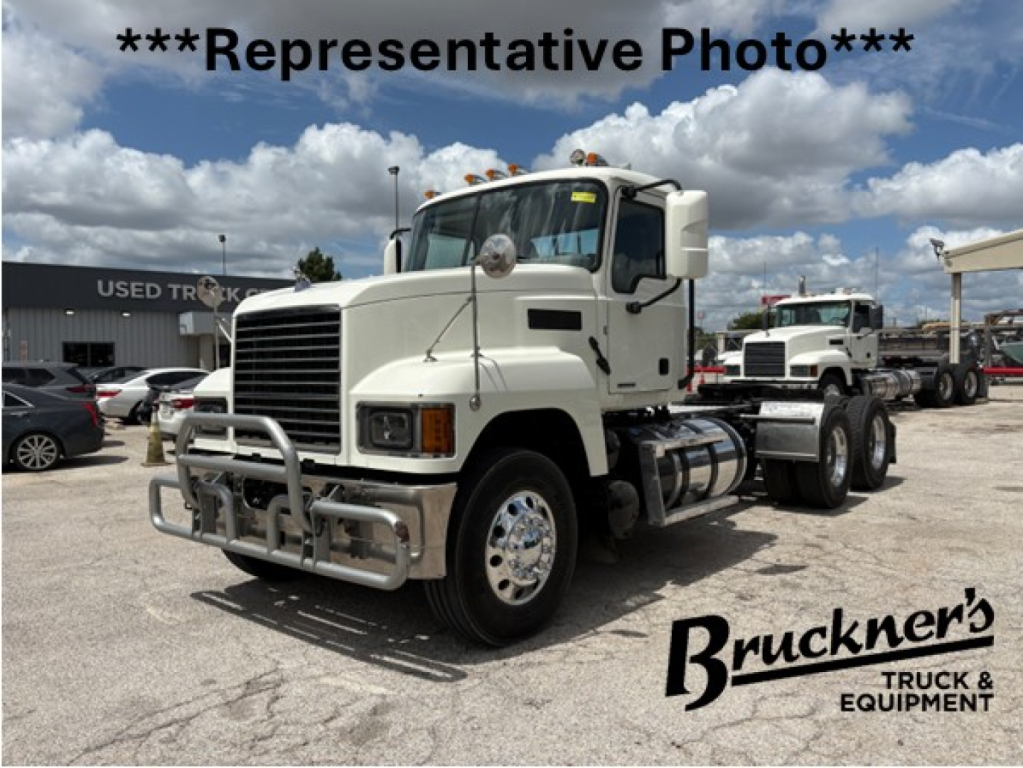
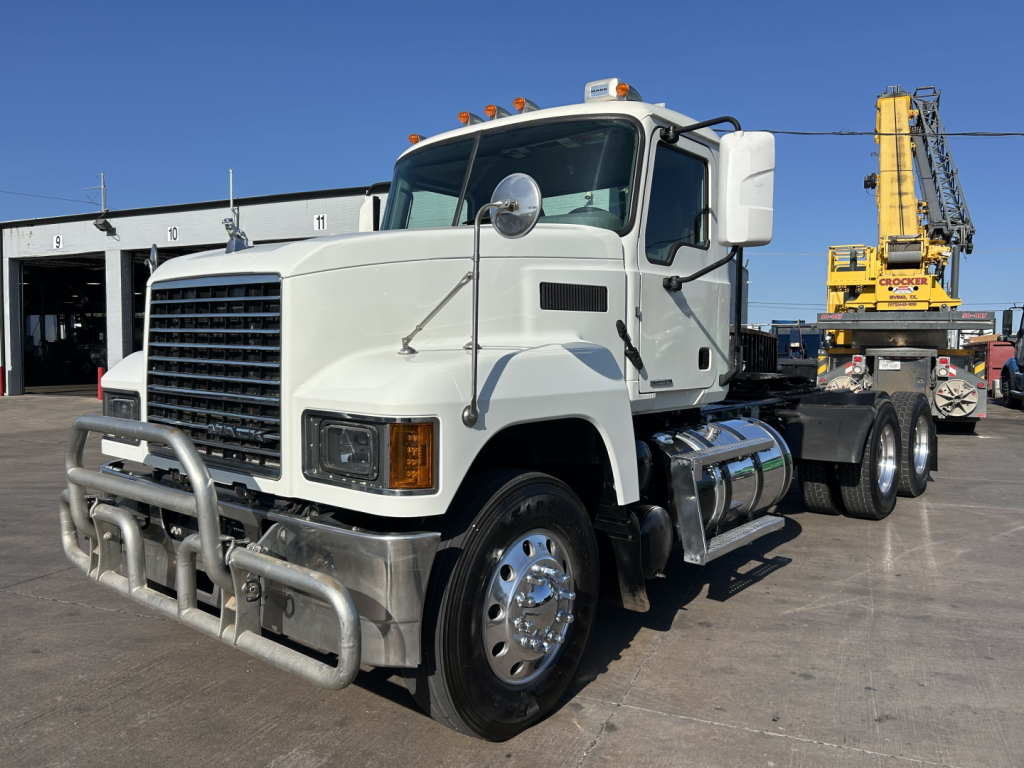
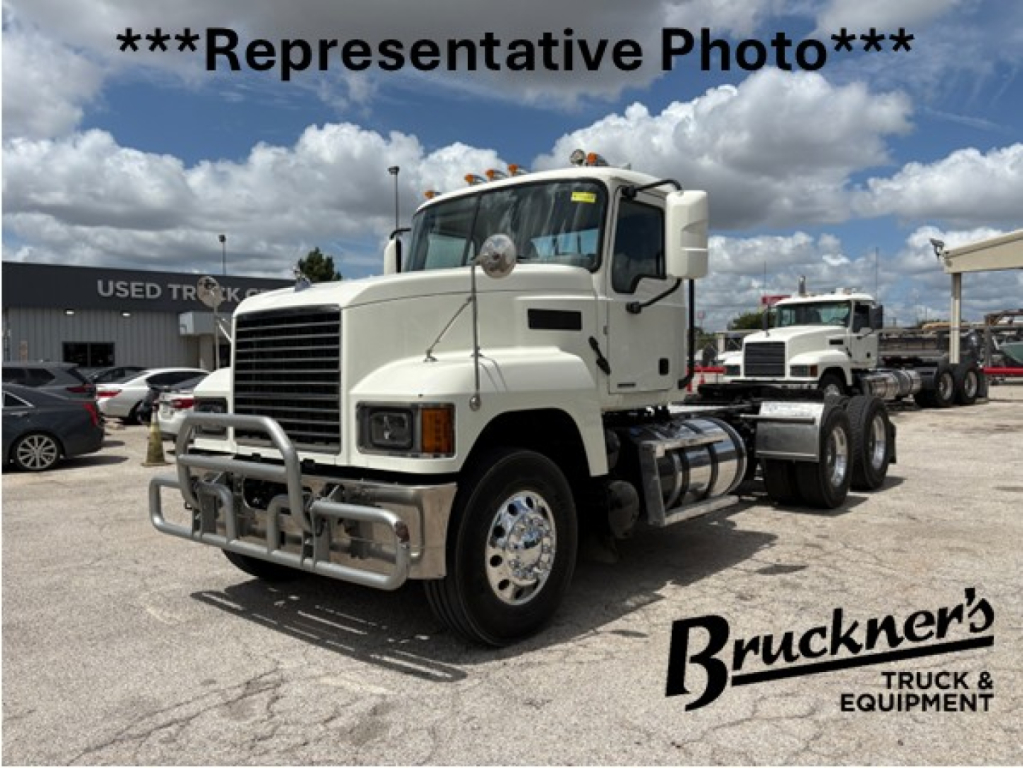
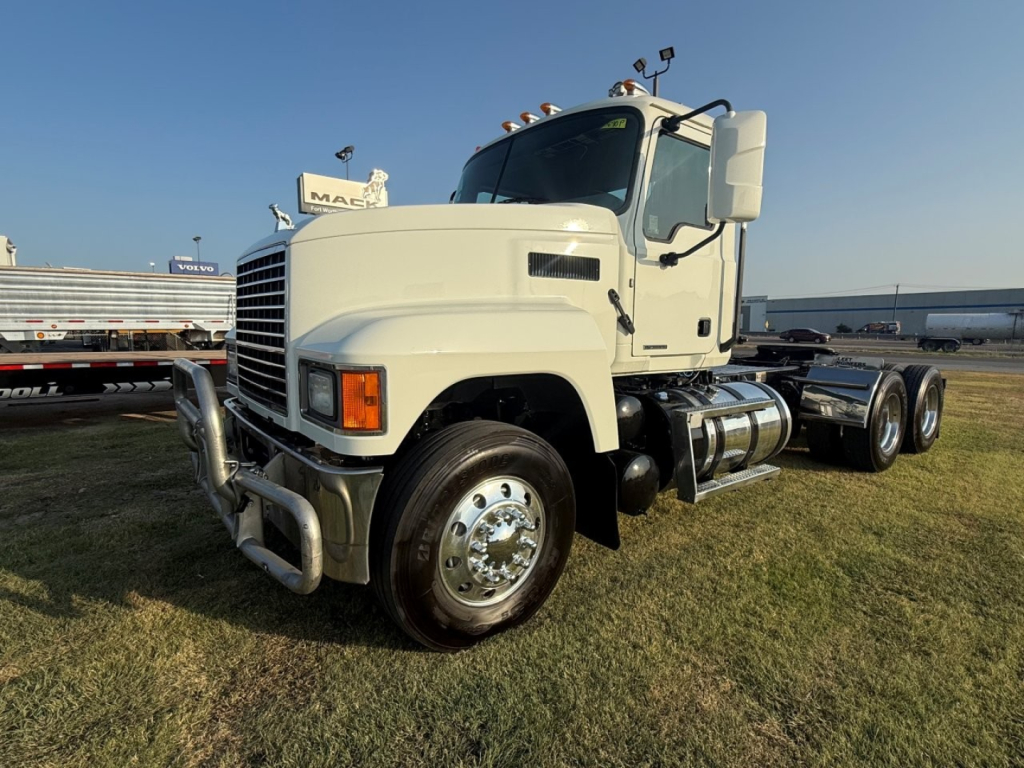
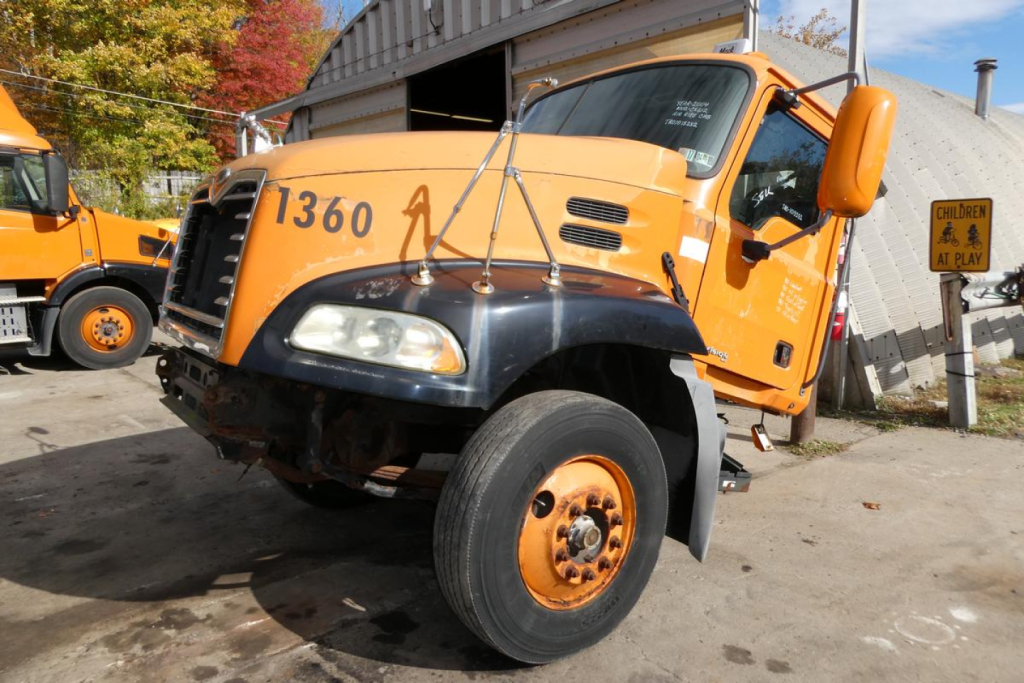
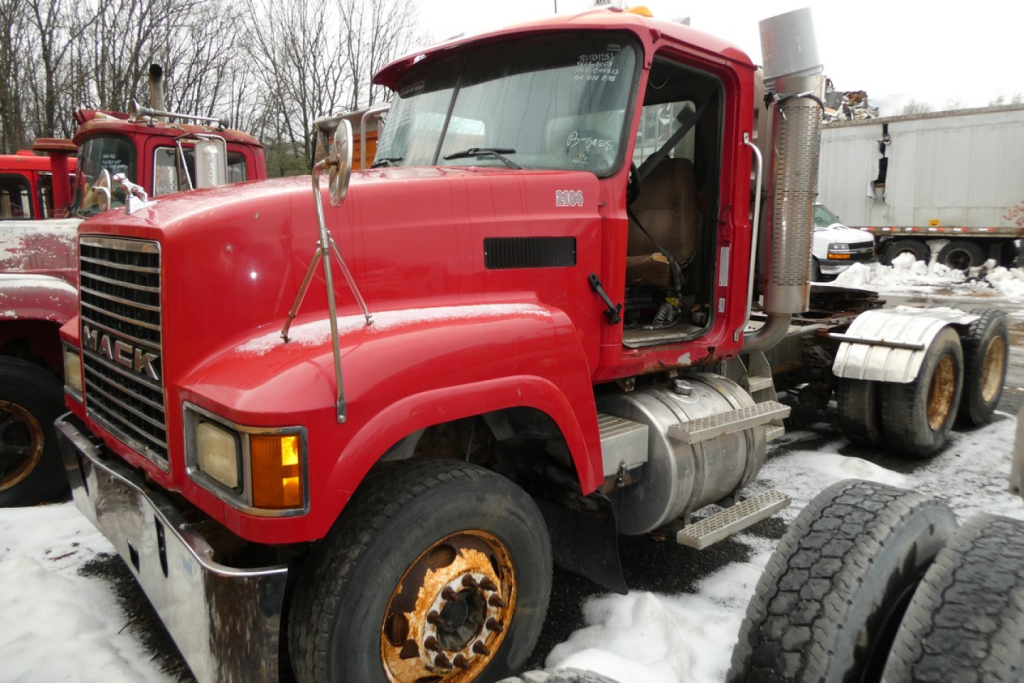
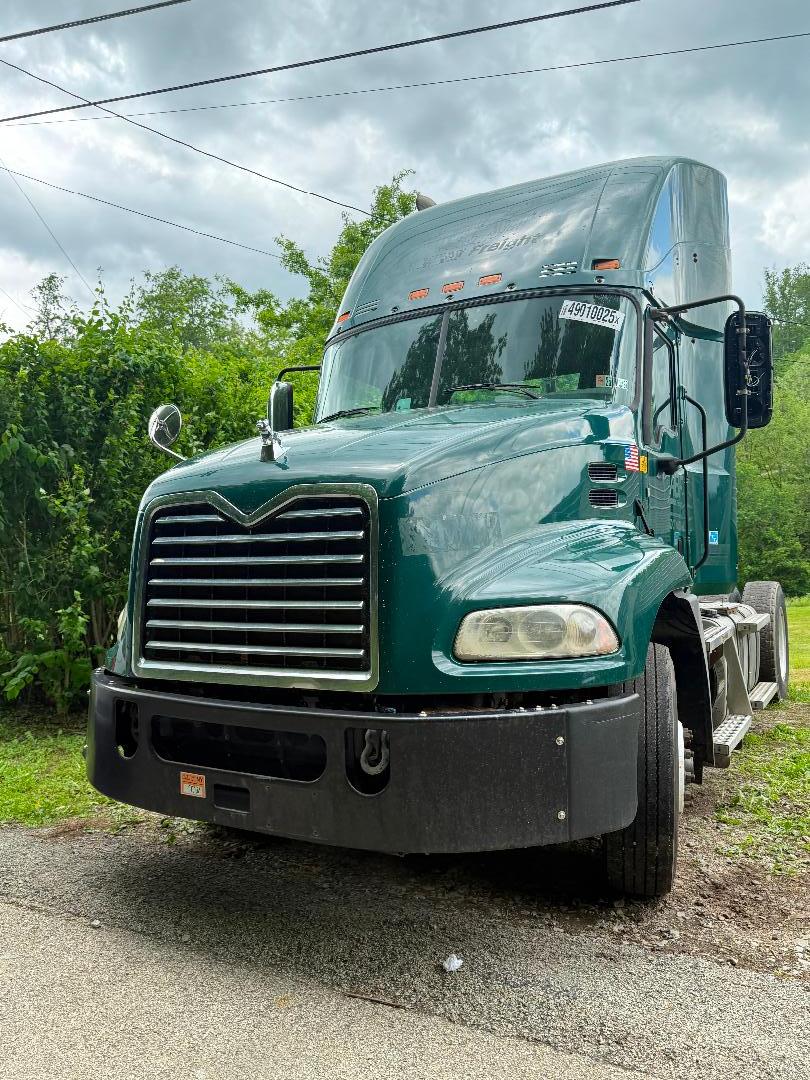
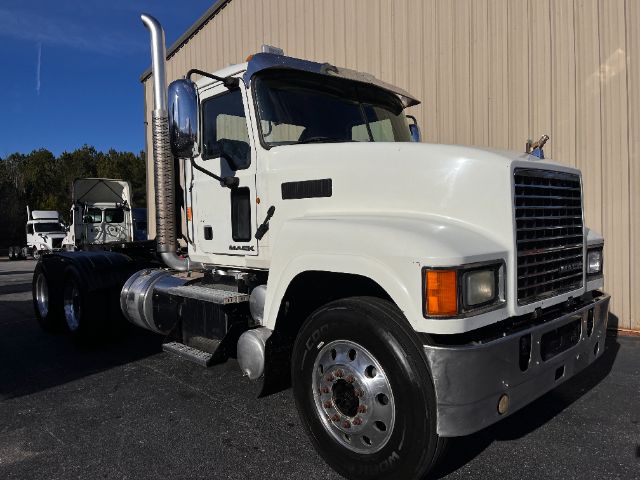

Showing 29 to 56 of 72 results
Selling a used mack conventional daycab truck? List your used mack conventional daycab truck for sale and reach thousands of commercial buyers.
Used Mack Conventional Daycab Trucks
The first buying decision is usually the spec package, not the badge on the hood. Many used Mack daycabs are equipped with the Mack MP8 engine in ratings around 415 to 445 horsepower, though older trucks may carry AC engines or different emissions generations. Transmissions often include Mack mDRIVE automated manuals or Fuller and other manual gearboxes in 10, 12, 13, or 18-speed configurations depending on the truck’s original assignment. Tandem axle setups with 38,000 to 40,000 lb rear ratings are common, along with 12,000 lb front axles, air ride suspensions, and rear ratios such as 2.67, 3.25, or 3.94. Lower numerical ratios usually favor fuel economy and highway speed, while deeper ratios better support low-speed pulling, dump work, and heavy vocational service.
Wheelbase, fifth wheel arrangement, and frame setup matter as much as horsepower. A shorter wheelbase, often around 180 to 186 inches, is a better fit for city turns, terminals, and regional van or reefer service. Longer wheelbases in the 200-inch range can make more sense for wet kits, PTO-driven hydraulics, lowboy pulling, or other body and equipment needs. Buyers should also check for air slide fifth wheels, frame rail condition, crossmember corrosion, suspension bushing wear, and signs of prior heavy-haul or off-road use. On later-model Anthem and Pinnacle daycabs, aerodynamics, cab extenders, roof fairings, and integrated powertrain controls can make a real difference in fuel burn and driver comfort.
On used Mack daycabs, the right inspection goes beyond mileage. Pay close attention to emissions system history, mDRIVE calibration and clutch behavior, engine brake operation, axle ratio versus intended trailer weight, and service records for injectors, turbocharger, DPF, and suspension components. A clean regional tractor can be a very different machine from a similar-looking truck that spent years on dumps, lowboys, or severe-duty routes. Mack daycabs remain a popular choice because they can cover both highway and vocational roles when properly spec'd, and the best value usually comes from matching the truck’s axle, ratio, wheelbase, and transmission to the work instead of buying only on model year or horsepower.
Frequently Asked Questions about Used Mack Conventional Daycab Trucks
What are the most common Mack conventional daycab models on the used market?
The most common used Mack conventional daycab models are the Anthem, Pinnacle, and older CH-series trucks. Anthem daycabs are typically seen in more modern regional and highway fleet service, while Pinnacle models are common in both fleet and mixed vocational use. Older CH and CHN models still appear in heavier applications because many were spec'd with robust drivetrains, manual transmissions, and vocational-friendly frame setups.
Is a Mack mDRIVE daycab a good choice for regional hauling?
A Mack mDRIVE-equipped daycab can be a strong choice for regional hauling when the truck has the right axle ratio and maintenance history. The automated manual helps with driver consistency, fuel economy, and reduced clutch wear in stop-and-go operation. Buyers should verify shift quality, software updates, clutch life, and any prior transmission fault history, especially on higher-mileage units.
What axle ratio should I look for in a used Mack daycab?
The right axle ratio depends on speed, terrain, trailer weight, and start-stop frequency. Ratios like 2.67 are more highway-oriented and can support lower engine rpm at cruise, while 3.25 is a common all-around spec for regional work. Ratios such as 3.94 are better suited to heavier vocational service, lower-speed routes, and applications that need stronger launch performance.
Are Mack daycab trucks only for highway use?
No. Mack conventional daycab trucks are used in highway, regional, local, and vocational service. Depending on spec, they can pull dry vans, reefers, flatbeds, dumps, lowboys, and other specialized trailers. The same basic daycab platform may be configured very differently based on wheelbase, suspension, PTO equipment, frame reinforcement, and axle gearing.
What should I inspect first on a used Mack conventional daycab?
Start with the engine and transmission spec, emissions system condition, axle ratings, and wheelbase because those determine whether the truck actually fits the job. After that, inspect service records, fault codes, suspension wear, fifth wheel condition, frame integrity, and signs of hard vocational use. On Mack models with MP8 engines and mDRIVE transmissions, a diagnostic scan and maintenance history review are especially important before purchase.