
Used Mack Conventional Daycab Trucks For Sale in Arkansas
No exact matches found for your search
Showing Used Mack Conventional Daycab Trucks instead.

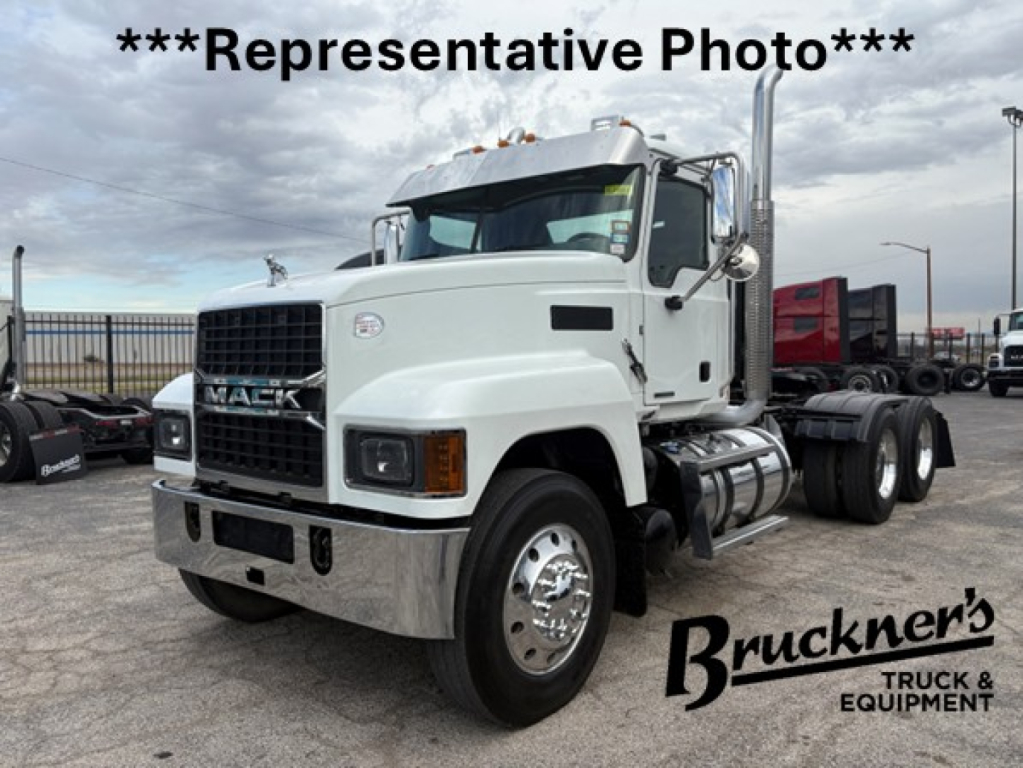
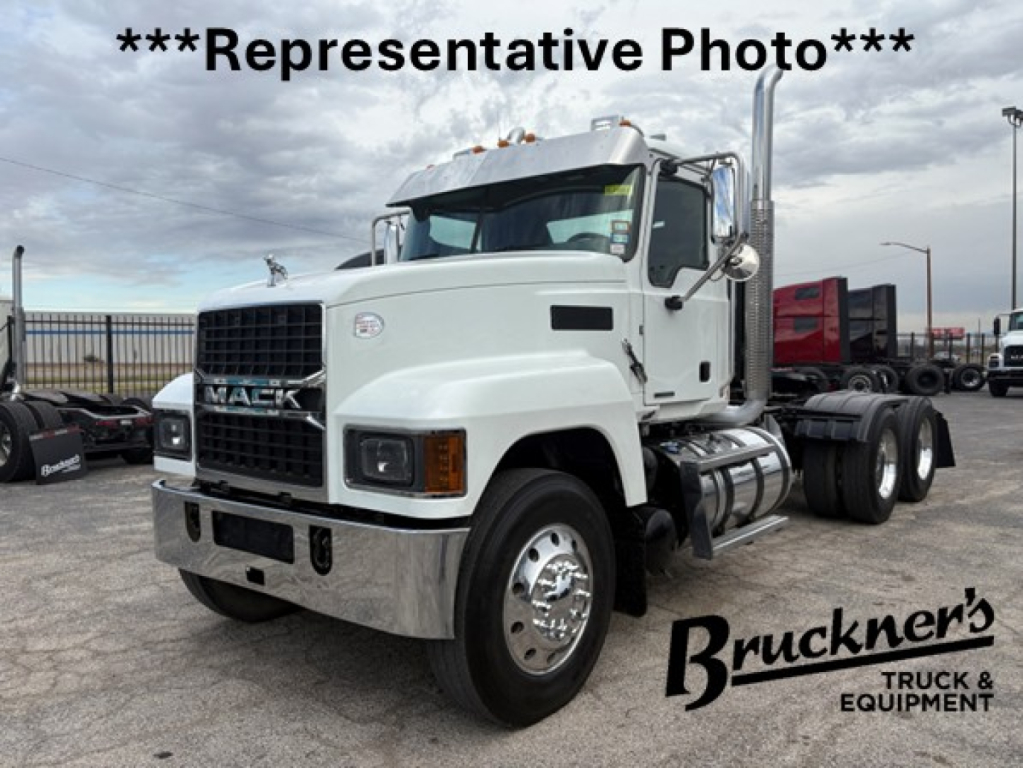
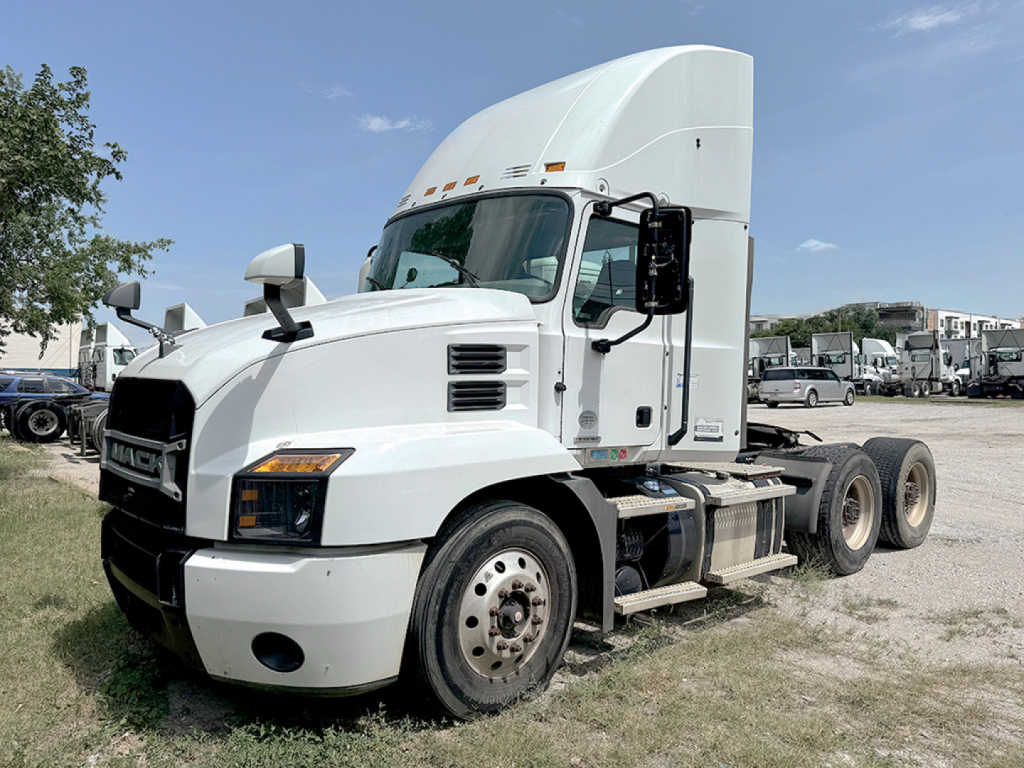
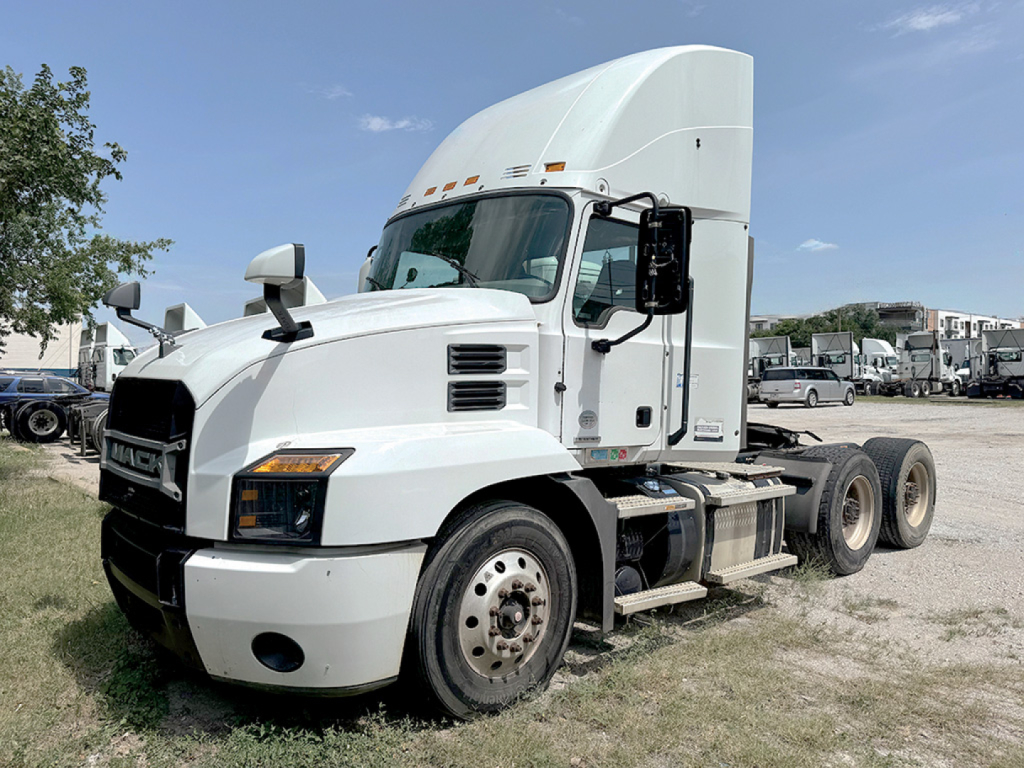
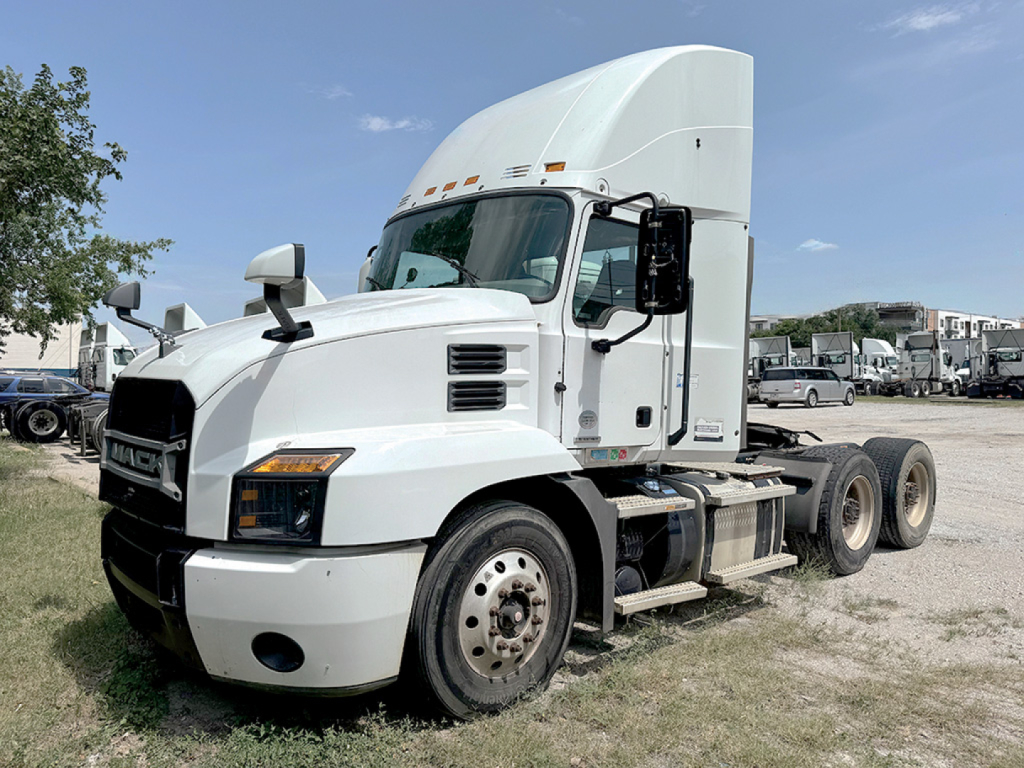
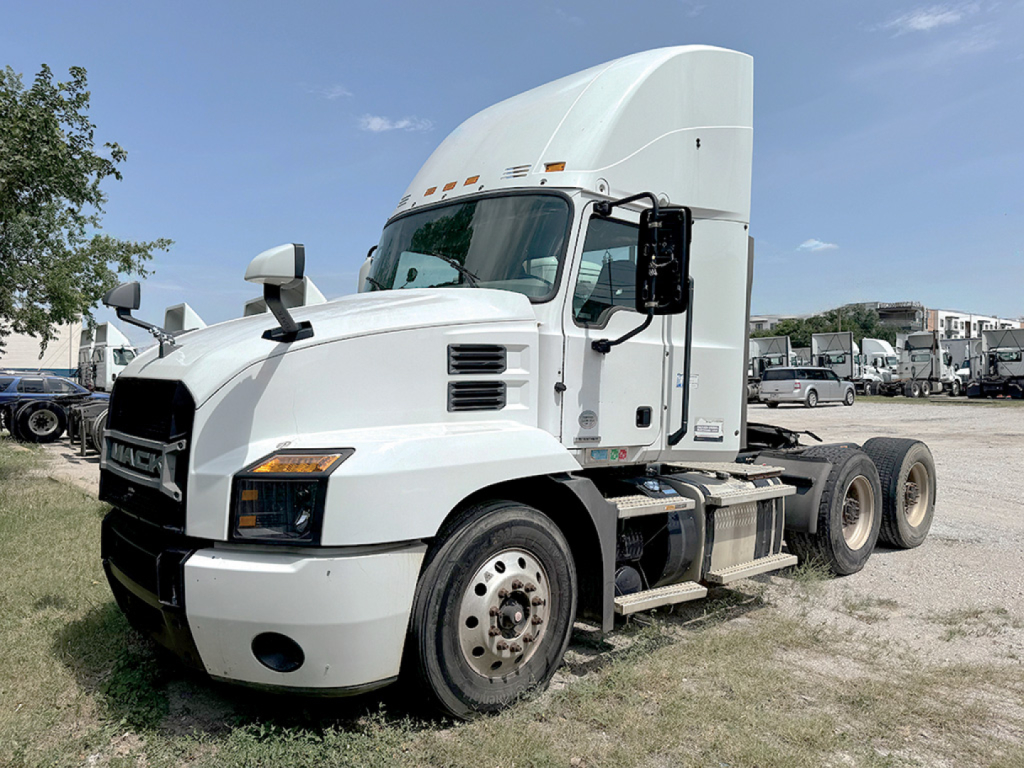
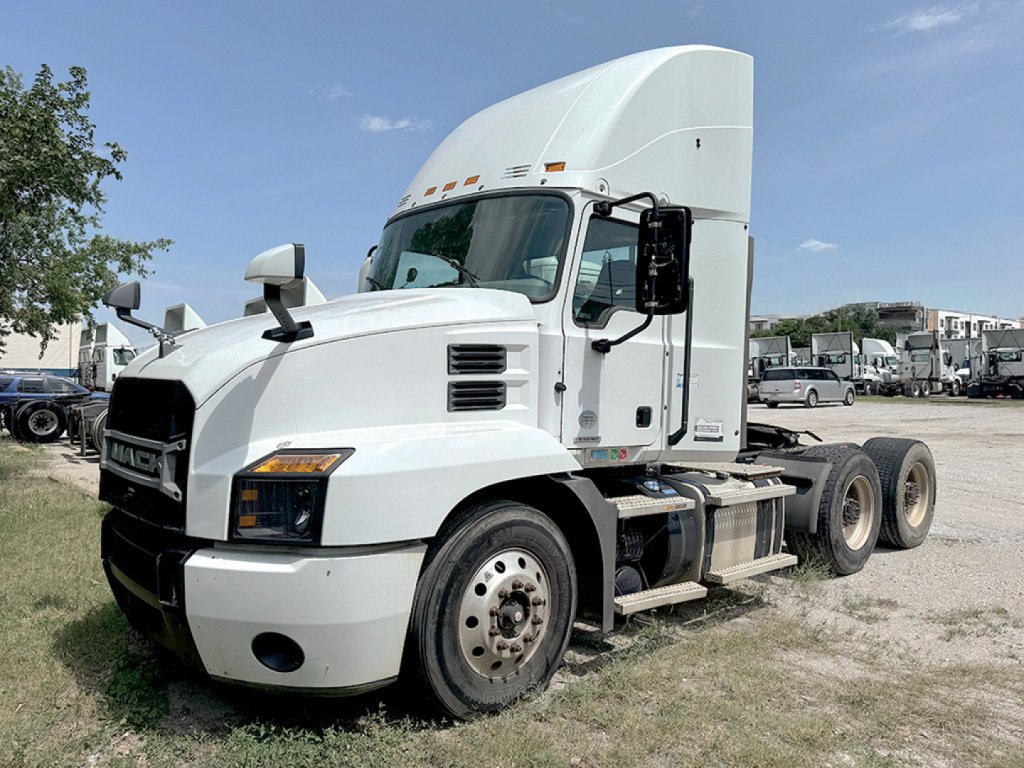
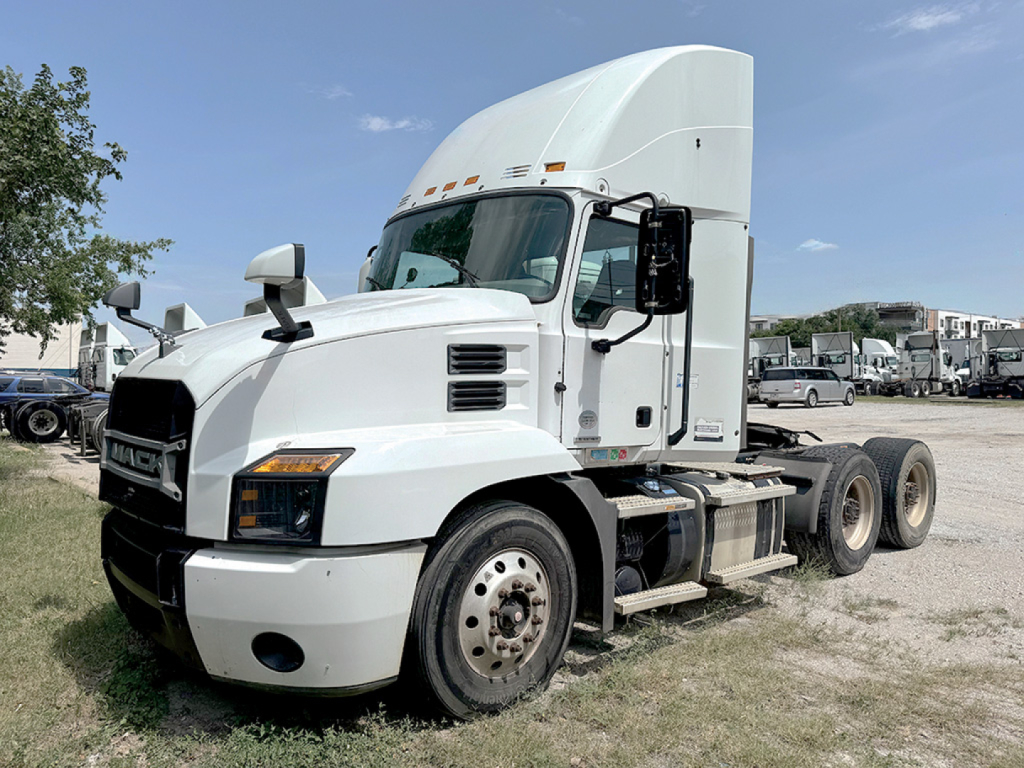
Showing 25 to 36 of 81 results
Have used mack conventional daycab truck to sell? List it here to reach thousands of buyers.
Used Mack Conventional Daycab Trucks in Arkansas
For buyers comparing used Mack daycab trucks, the first decision is usually application. A highway-oriented daycab will typically have a lighter spec, more aerodynamic hood, and gearing suited for fuel economy and regional lanes. A vocational Mack daycab may have heavier front axles, double frame sections, higher PTO capability, full lockers, camelback or air ride suspension, and a wheelbase set up for a dump body, wet kit, mixer, or severe-service fifth wheel use. Common Mack power includes MP-series diesel engines paired with Mack manual, automated manual, or mDRIVE transmissions. On used units, it pays to verify horsepower and torque ratings, rear axle ratio, suspension type, bridge law fit, and whether the truck is set up for a specific body or trailer operation.
Condition matters as much as spec on a used daycab. Buyers should look closely at frame integrity, crossmembers, suspension wear, driveline condition, steering components, brake life, and evidence of PTO or hydraulic use. Engine hours can be just as important as miles on a vocational Mack, especially if the truck spent time idling on jobsites or powering auxiliary equipment. In Arkansas, it is also smart to inspect for corrosion, prior body installation work, and tire wear patterns that may point to alignment or suspension issues. Cab condition, visibility, dash layout, and entry height matter too, because daycab trucks are often worked hard with frequent driver in-and-out cycles.
Mack conventional daycabs appeal to fleets and owner-operators who want a truck that can handle demanding local work without unnecessary sleeper weight. The right used truck comes down to matching the chassis to the job: GCWR for tractor work, axle ratings for payload, wheelbase for body length or trailer swing, and drivetrain specs for terrain and duty cycle. A buyer looking at Mack in this category should focus on service history, current emissions system condition, and how the truck was previously equipped, because those details usually tell you more than the badge alone.
Frequently Asked Questions about Used Mack Conventional Daycab Trucks in Arkansas
What is a Mack conventional daycab truck best used for?
A Mack conventional daycab is best suited for local and regional work where a sleeper is not needed. Common uses include dump service, tanker work, municipal operations, refuse, flatbed spotting, construction hauling, and short-haul tractor applications. The conventional hood layout provides easier engine access, and Mack daycab chassis are often spec'd for heavier vocational duty than a typical over-the-road fleet tractor.
What should I check first on a used Mack daycab?
Start with the truck's intended application and confirm the chassis matches it. Check engine model and rating, transmission type, rear axle ratio, front and rear axle capacities, suspension, wheelbase, PTO setup, and fifth wheel or body-mount configuration. After that, review maintenance records and inspect the frame, suspension, brakes, tires, steering, driveline, and emissions components. On vocational trucks, engine hours and idle time are especially important.
Are Mack daycabs good for vocational work?
Yes. Mack conventional daycabs are widely used in vocational service because they are commonly built with heavier frames, robust suspension options, and drivetrain choices designed for severe duty. Many are configured for dump bodies, mixers, heavy tractor work, and hydraulic applications. Buyers should still verify the exact spec, because not every Mack daycab is built the same and some are configured more for regional highway use than off-road or jobsite service.
Which specs matter most when comparing used Mack conventional daycabs?
The most important specs are axle ratings, wheelbase, engine horsepower and torque, transmission, suspension type, rear axle ratio, and PTO or hydraulic capability. Those factors determine payload suitability, startability, road speed, body fitment, and how well the truck performs in stop-and-go or off-road conditions. If the truck will pull a trailer, GCWR, fifth wheel placement, and kingpin setting compatibility should also be part of the evaluation.
Is mileage the most important factor on a used Mack daycab?
Not always. Mileage matters, but duty cycle often tells a better story on a daycab. A truck with moderate miles but high engine hours, extensive idling, or heavy PTO use may show more wear than a higher-mile truck that ran consistent regional routes. Service records, fault history, emissions system condition, and the overall state of the chassis are usually better indicators of value than odometer reading alone.