
Used 2020 Mack Conventional Daycab Trucks For Sale
Shop used 2020 Mack conventional daycab trucks, including Pinnacle specs, MP8 power, mDRIVE options, axle ratios, and vocational-ready setups.
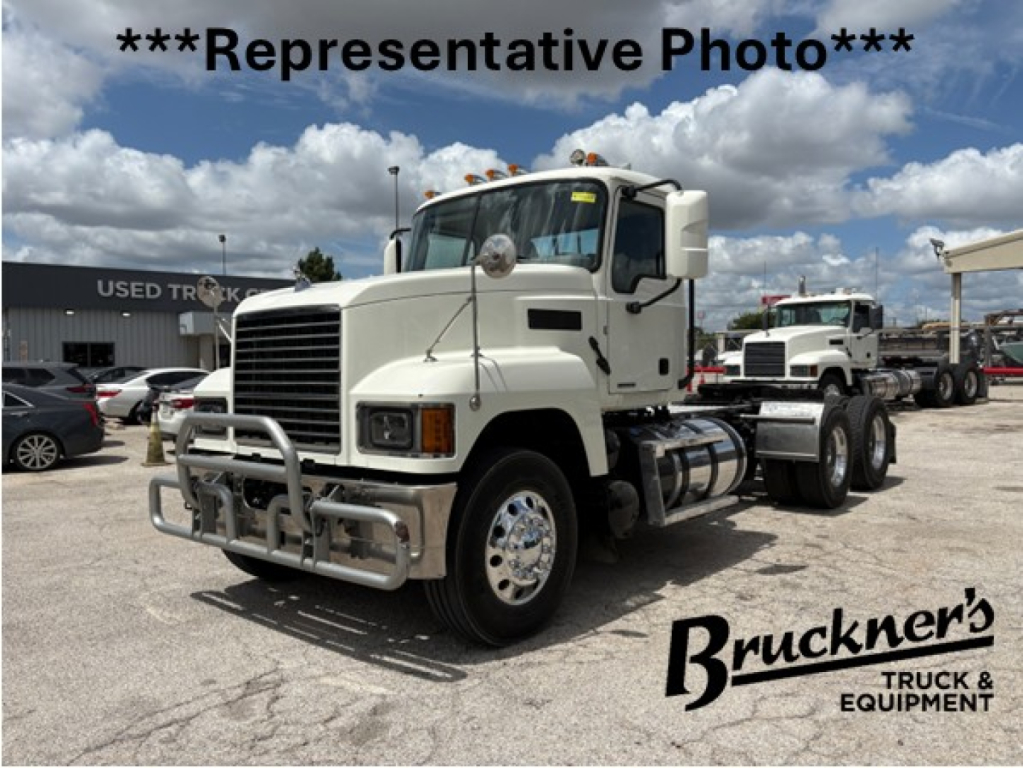
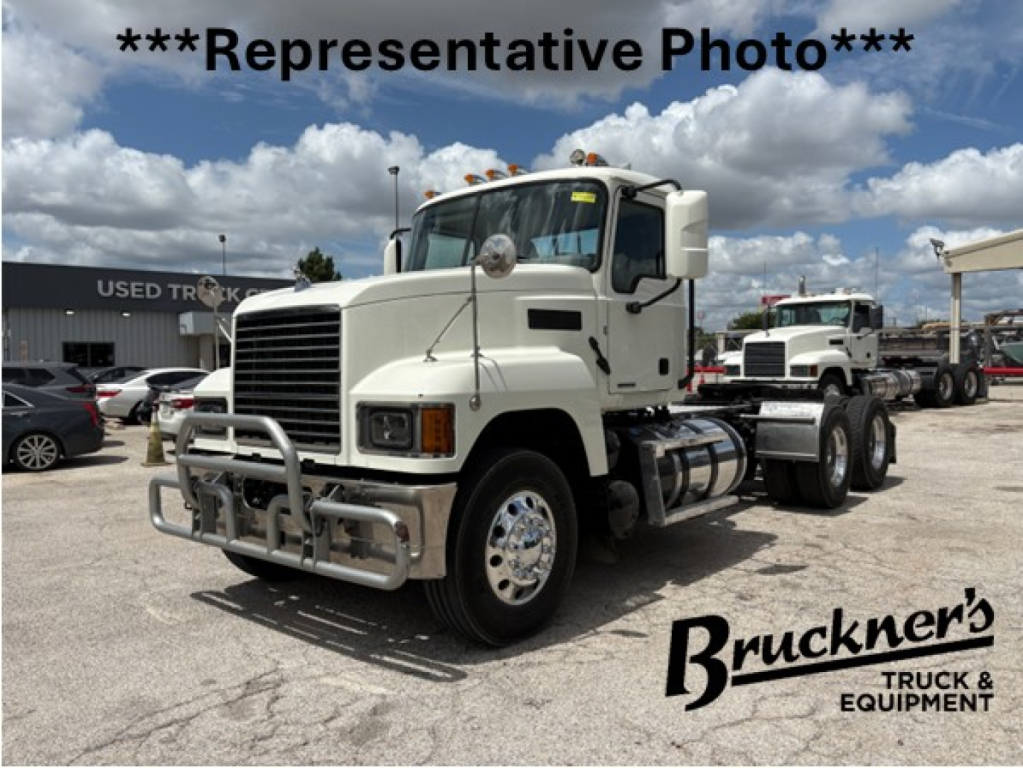
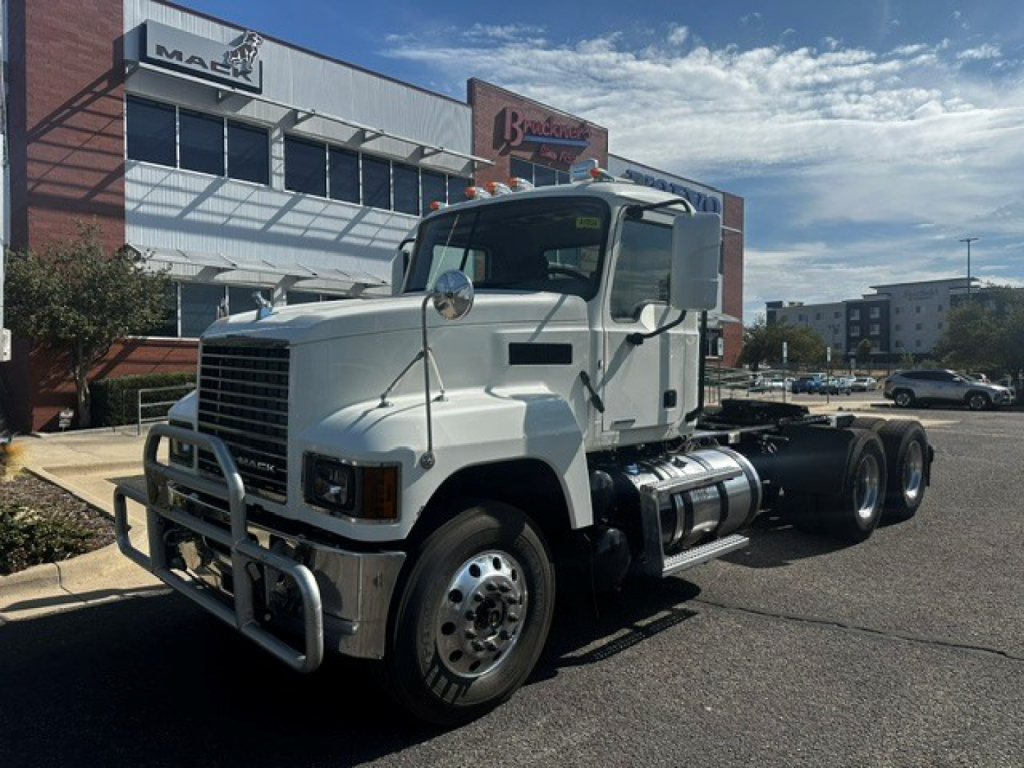
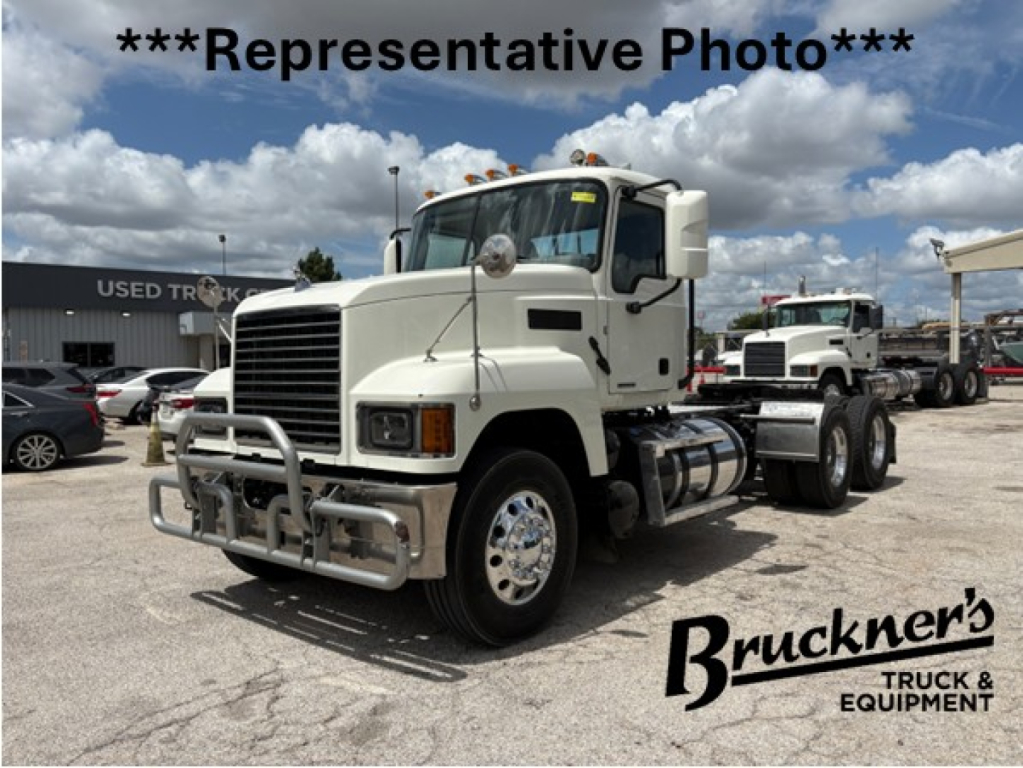
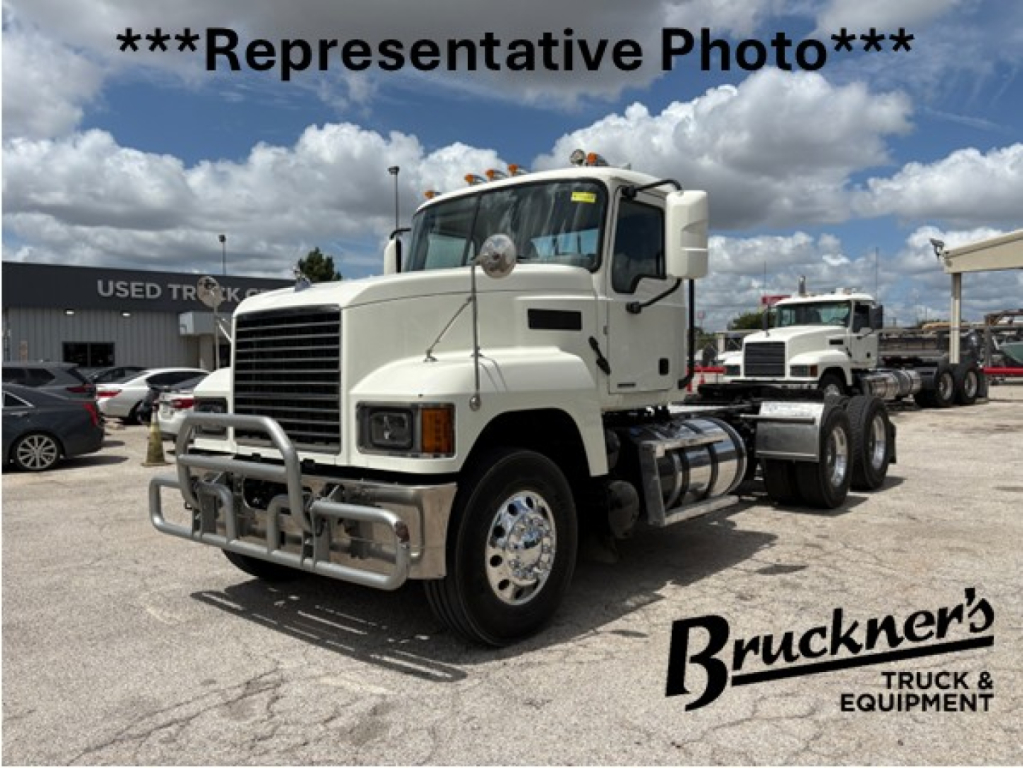
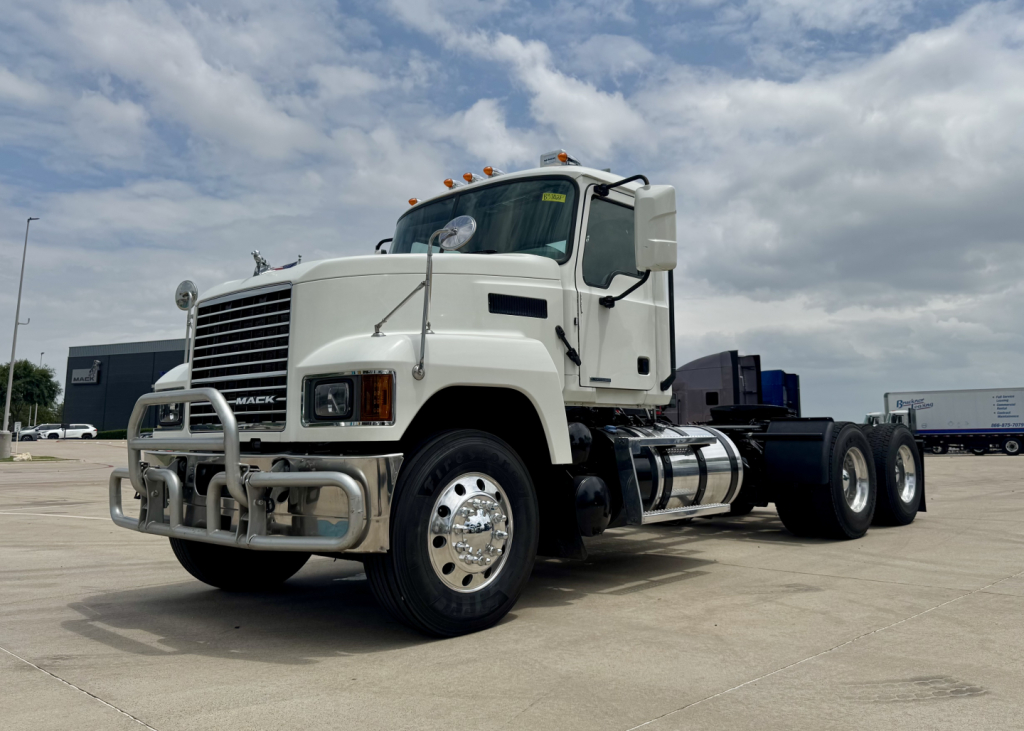
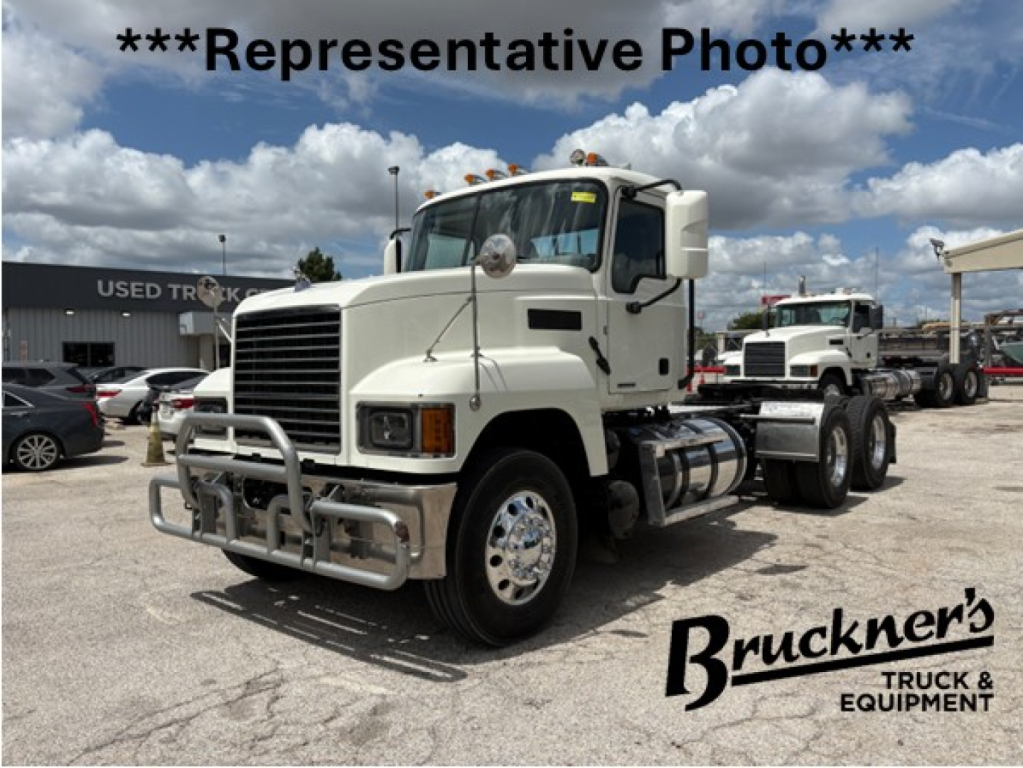
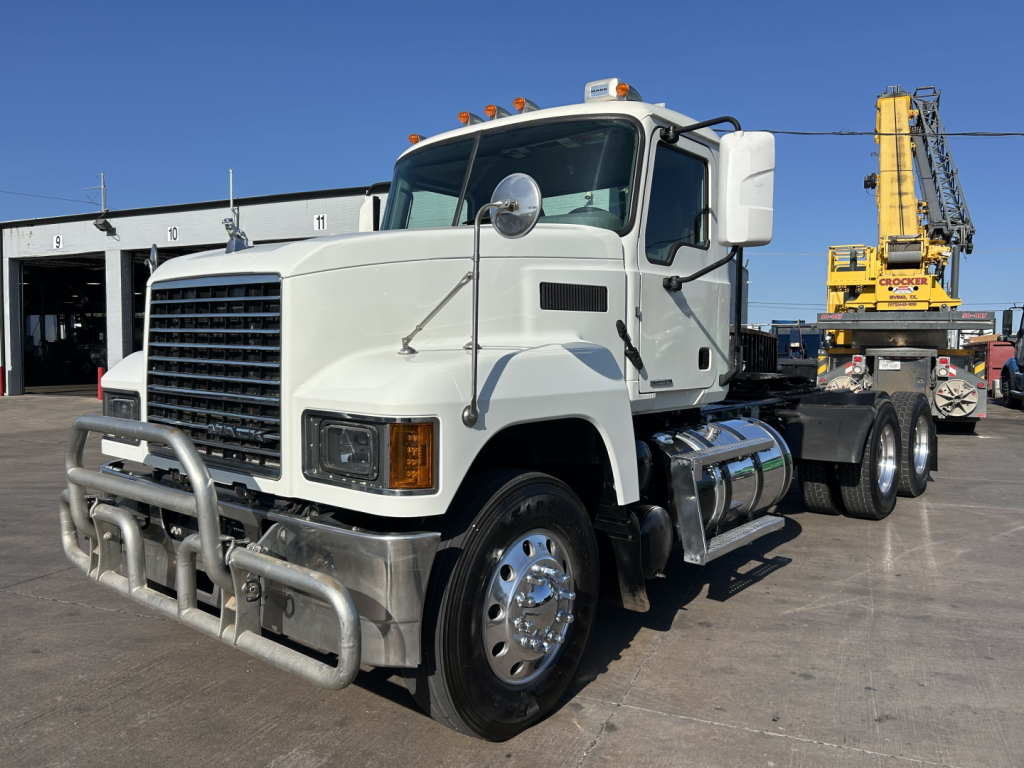

Showing 29 to 39 of 39 results
Selling a used 2020 mack conventional daycab truck? List your used 2020 mack conventional daycab truck for sale and reach thousands of commercial buyers.
Used 2020 Mack Conventional Daycab Trucks
For most buyers, the key decision starts with the powertrain. Many 2020 Mack conventional daycab trucks are equipped with the Mack MP8 engine and the Mack mDRIVE automated manual transmission. That combination is popular because it delivers strong torque, simple driver operation, and solid compatibility with stop-and-go regional work or consistent highway lanes. Pay close attention to horsepower and torque ratings, rear axle ratio, and wheelbase because those three items heavily influence launch performance, cruise RPM, fuel economy, and trailer compatibility. Listings in this class often show axle ratios in the low-to-mid 3s and wheelbases around the low 200-inch range, which can be a good fit for van, reefer, tanker, or flatbed service depending on fifth wheel setup and bridge law requirements.
Chassis spec matters just as much as the engine badge. Buyers should look at front axle rating, rear axle capacity, suspension type, tire size, and whether the truck has air ride, a sliding fifth wheel, wet kit provisions, headache rack, or frame layout that supports a specific body or trailer assignment. Mack daycabs are often chosen because they can be spec'd for both highway tractor duty and heavier vocational crossover work. If the truck will stay in regional freight, a lighter spec with an aerodynamic setup may make more sense. If it will pull heavy commodities or operate in construction-related service, heavier axles, stronger suspension, and the right ratio can matter more than top-end road speed.
A used 2020 Mack conventional daycab should also be evaluated for maintenance history, aftertreatment performance, transmission calibration, and signs of hard vocational use. Check idle hours against mileage, look for consistent service records, inspect the DPF and DEF system history, and confirm the condition of the clutch actuator and shift logic on mDRIVE-equipped units. Cab condition, driver seat wear, steering play, frame rust, and brake and tire remaining life all affect true operating cost after purchase. For buyers comparing multiple listings, the best truck is usually the one with the right axle and wheelbase combination for the intended lane, not just the lowest miles or highest horsepower.
Frequently Asked Questions about Used 2020 Mack Conventional Daycab Trucks
What engine and transmission are common in used 2020 Mack conventional daycab trucks?
Many used 2020 Mack conventional daycab trucks are equipped with the Mack MP8 engine and the Mack mDRIVE automated manual transmission. This setup is common in Pinnacle daycab tractors because it offers strong torque output, easy operation in regional service, and integrated Mack powertrain controls. Buyers should still verify the exact horsepower, torque rating, transmission model, and software service history on each truck.
What is a Mack conventional daycab best suited for?
A Mack conventional daycab is best suited for operations where the driver returns daily and sleeper space is not needed. Common applications include regional freight, local and dedicated lanes, tanker work, port drayage, flatbed, bulk haul, and some vocational tractor assignments. The best application depends on axle ratings, wheelbase, fifth wheel position, suspension, and gearing, not just the cab style.
Why do axle ratio and wheelbase matter on a 2020 Mack daycab?
Axle ratio and wheelbase directly affect how the truck performs and what trailers it can handle efficiently. A lower numerical ratio can help reduce engine RPM at highway speed, while a higher numerical ratio can improve launch and grade performance under heavier loads. Wheelbase influences turning radius, bridge compliance, ride quality, and the available spacing for frame-mounted equipment. These specs should match the truck's route profile and trailer type.
What should I inspect first on a used 2020 Mack daycab?
Start with service records, engine hours, aftertreatment history, transmission operation, and rear suspension condition. On a 2020 truck, emissions system performance is especially important, so review any DPF cleaning, DEF-related repairs, sensor replacements, or derate events. Also inspect brakes, tires, steering components, frame condition, and signs of uneven wear that may indicate alignment or suspension issues.
Is a 2020 Mack daycab a good fit for fleet replacement?
A 2020 Mack daycab can be a strong fleet replacement choice when the spec matches the lane and maintenance history is well documented. It offers a newer platform than older legacy tractors, modern emissions and powertrain controls, and a cab designed for daily-use comfort. Fleets often value these trucks for regional standardization, driver familiarity with automated transmissions, and the ability to support both highway and heavier-duty applications with the right chassis spec.