
New Mack Conventional Daycab Trucks For Sale in Texas
Shop new Mack conventional daycab trucks for sale in Texas. Built for regional haul, vocational work, durability, and driver-focused spec options.
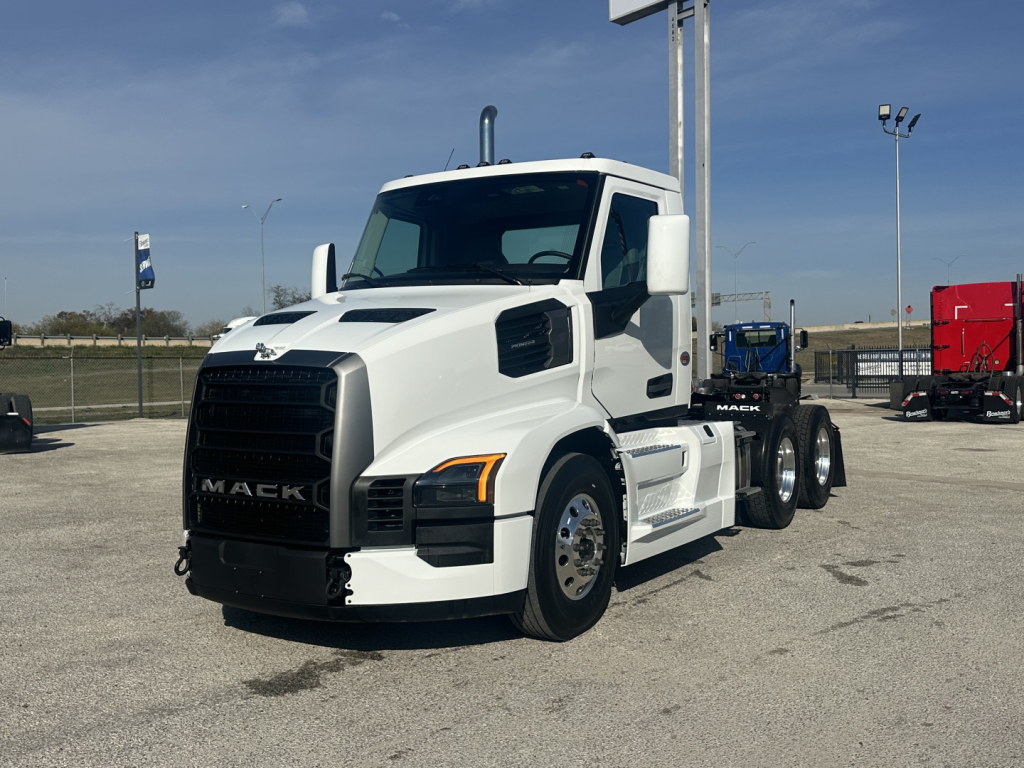
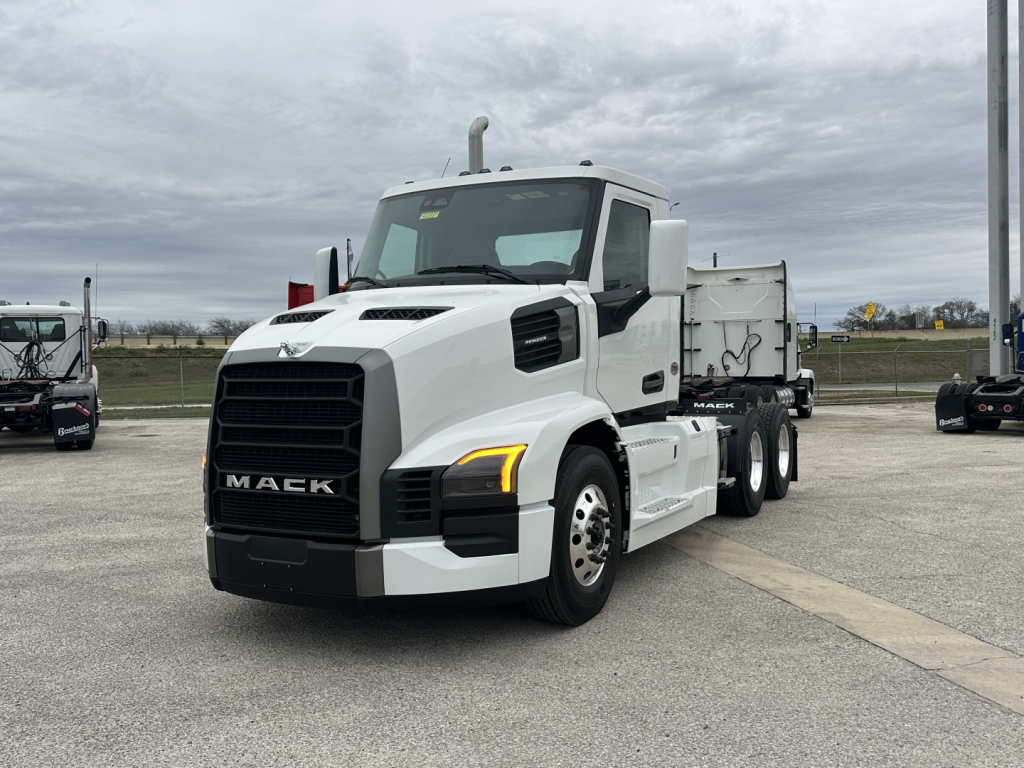

Showing 25 to 37 of 37 results
Have new mack conventional daycab truck to sell? List it here to reach thousands of buyers.
New Mack Conventional Daycab Trucks in Texas
The right buying decision usually starts with axle and cab configuration. Most conventional Mack daycabs in this class are spec'd as 6x4 tractors, often with tandem rear axles for higher GCWR and better traction under load. Buyers should look closely at wheelbase, front axle rating, suspension type, and fifth wheel position because those details affect bridge compliance, trailer gap, turning radius, and weight distribution. Engine and transmission specs matter just as much. Mack daycabs are commonly paired with diesel power suitable for regional and vocational duty cycles, with horsepower and torque selected around average payload, terrain, PTO needs, and cruise speed. An automated manual transmission is common in modern fleet specs, but application-specific setups may still prioritize gearing, low-speed control, or vocational durability depending on the route profile.
Cab environment and chassis equipment deserve equal attention. A daycab spends its life in repeated entry-exit cycles, short turns, and dense traffic, so driver visibility, seat support, dash layout, and switch placement matter more than many buyers expect. New Mack conventional daycabs may be equipped with safety and productivity features such as collision mitigation, lane departure warning, adaptive cruise, camera systems, and telematics integration. On the chassis side, it is worth reviewing fuel capacity, DEF tank placement, frame rail clearance, PTO provisions, trailer connection layout, and suspension ride characteristics. For fleets running in heat, dust, and long idle intervals common in parts of Texas, cooling performance, air conditioning output, and service access can have a direct impact on uptime and driver acceptance.
A conventional daycab is often the most efficient spec when the truck is expected to pull hard, turn quickly, and stay productive over a full workday without sleeper requirements. Mack buyers tend to prioritize rugged chassis design, vocational readiness, and a powertrain package that can handle both stop-and-go work and sustained highway operation. Comparing listings in this category means looking beyond model year and make to the actual build intent of the tractor. A well-matched Mack daycab should fit the trailer type, legal payload target, route density, and maintenance strategy from day one.
Frequently Asked Questions about New Mack Conventional Daycab Trucks in Texas
What is a Mack conventional daycab truck best suited for?
A Mack conventional daycab truck is best suited for regional hauling and local heavy-duty work where a sleeper is not needed. Common applications include dry van and reefer shuttles, tanker service, port drayage, bulk commodity hauling, flatbed work, and vocational tractor duty. The daycab layout reduces overall length and weight, which helps in tighter operating environments and can improve payload efficiency.
What should I look at first when comparing new Mack daycab specs?
Start with the axle configuration, wheelbase, engine rating, transmission, and rear axle ratio. Those five items determine how the truck will pull, turn, scale, and perform in its intended duty cycle. After that, review front and rear axle ratings, suspension, fifth wheel setup, fuel capacity, PTO readiness, and cab safety technology. A truck that looks similar on paper can behave very differently once trailer type, terrain, and average gross combination weight are factored in.
Are Mack daycab trucks good for Texas operations?
Mack daycab trucks are a strong fit for many Texas operations because they can be spec'd for both highway and vocational work across long regional lanes, hot weather, and demanding jobsite conditions. In Texas, buyers often need a tractor that balances durability, cooling performance, maneuverability, and legal weight management. A properly spec'd Mack daycab can cover port routes, metro distribution, oilfield-related support work, construction hauling, and regional freight with the same core platform.
Is a daycab better than a sleeper for local or regional freight?
A daycab is often the better choice when the route keeps the driver close enough to return home each day. It generally weighs less than a sleeper tractor, takes up less space in tight yards, and can lower acquisition and maintenance costs. A sleeper still makes sense for over-the-road operations or lanes with frequent overnight stays, but for dedicated local and regional service, the daycab is usually the more efficient configuration.
Why do buyers choose a conventional daycab instead of a cabover or another tractor style?
Buyers choose a conventional daycab because it offers a familiar hooded layout, strong service access, stable highway manners, and broad spec flexibility. Compared with a cabover, a conventional truck typically provides a smoother ride, more engine cooling capacity, and easier drivetrain access for maintenance. For many fleets, it is the standard tractor format for balancing maneuverability, driver comfort, and heavy-duty performance.