
Used Kenworth Conventional Daycab Trucks For Sale in Nebraska
Shop used Kenworth daycab trucks in Nebraska. Compare T680, T880, W900 specs, engines, axles, gearing and options for regional and vocational work.
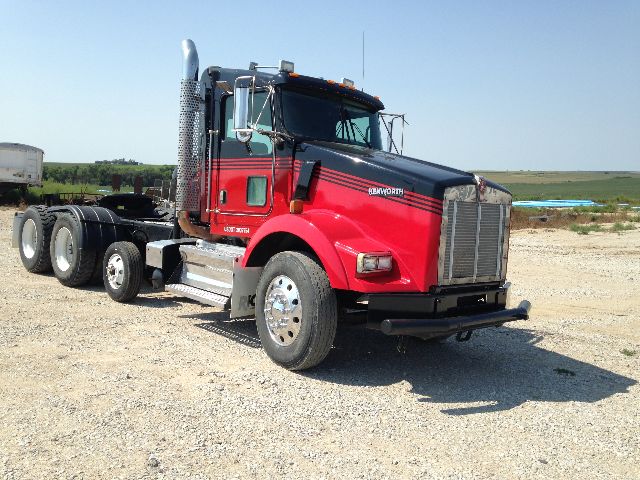
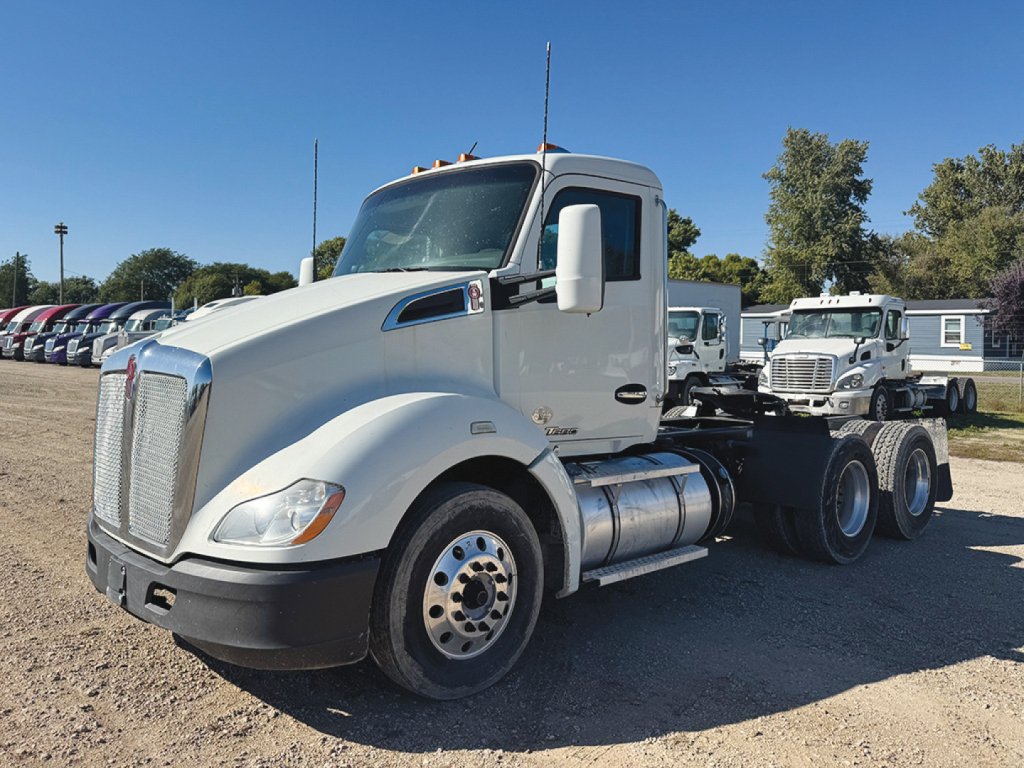
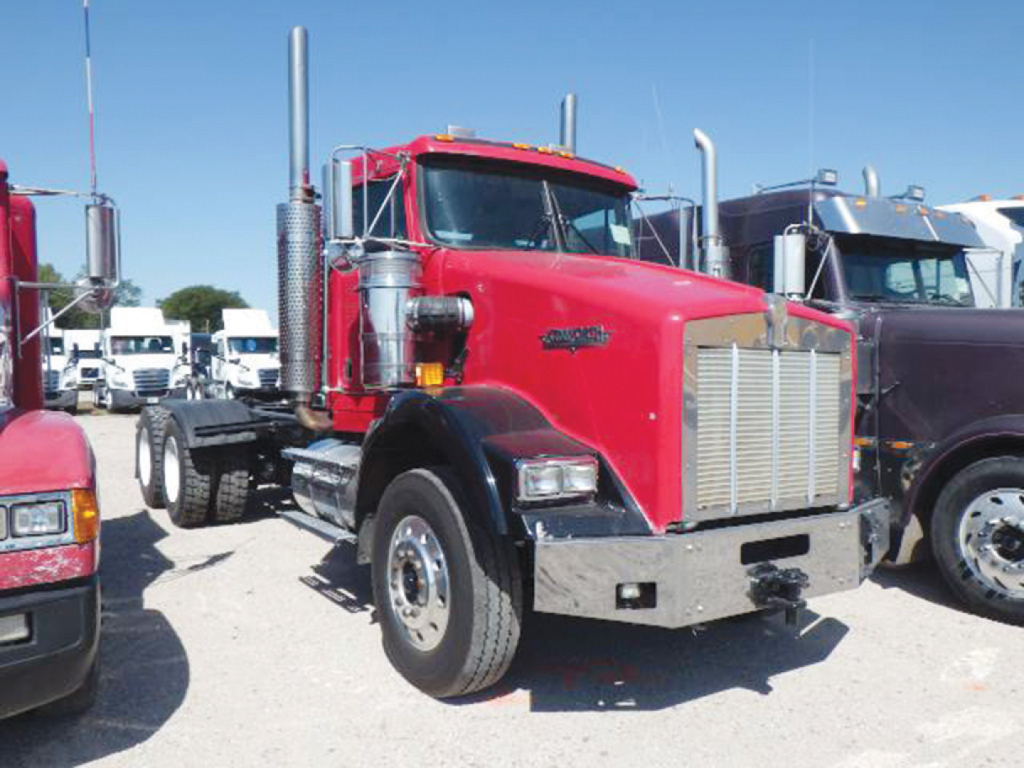
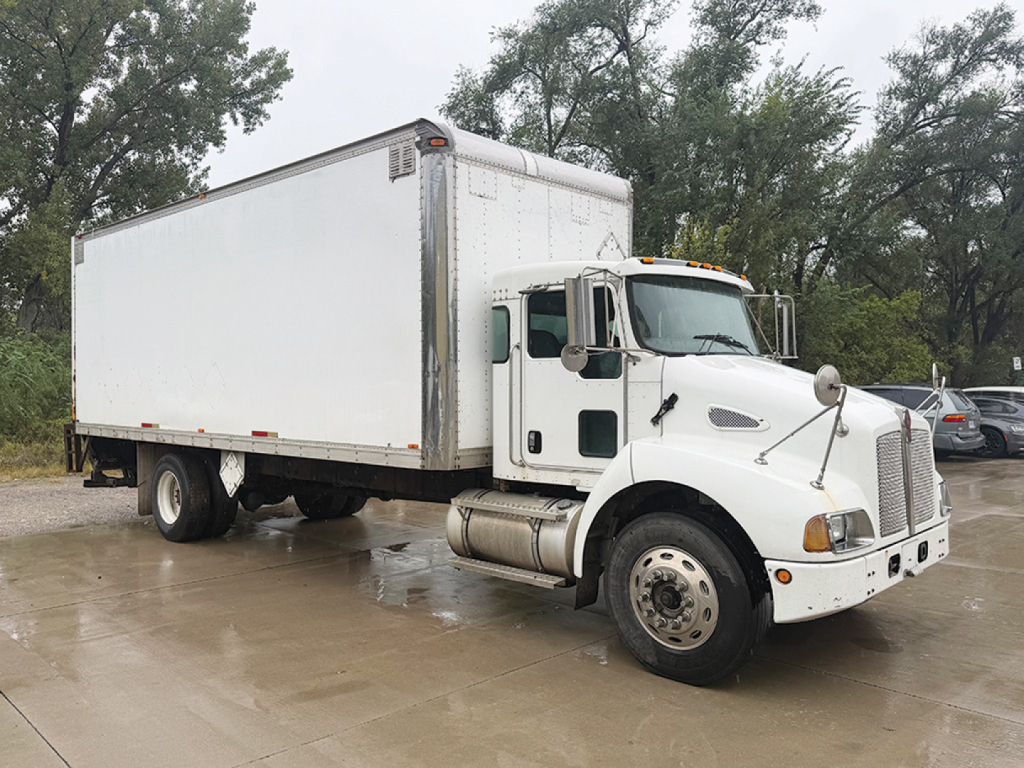
Selling a used kenworth conventional daycab truck? List your used kenworth conventional daycab truck for sale and reach thousands of commercial buyers.
Used Kenworth Conventional Daycab Trucks in Nebraska
Powertrains commonly pair the PACCAR MX-13 or MX-11 with 10, 12, 13, or 18-speed gearboxes, or the Cummins X15 for higher horsepower. Expect 400 to 510 hp and 1,450 to 1,850 lb-ft torque in most Class 8 daycabs. Automated manuals like Eaton UltraShift Plus and PACCAR 12-speed simplify stop-and-go grain terminal work and improve shift consistency in winter. Gear selection matters on Nebraska’s long, flat pulls and steady crosswinds: downsped direct-drive 12-speeds with 2.47 to 2.64 rears maximize efficiency at 60 to 70 mph, while overdrive setups with 3.08 to 3.55 rears suit mixed routes and heavier starts. Look for dual-stage engine brakes on MX-13 or X15 for better control on rolling terrain and when hauling livestock or tankers.
Axle and suspension choices should reflect traction needs off pavement. A 6x4 tandem with 40k rears is standard for regional freight, while 46k rears, full locking diffs, and inter-axle locks are smart for field approaches and winter. Kenworth AG400L or AG380 air-ride balances ride and tire life; vocational builds may use Hendrickson PRIMAAX EX or Haulmaax for durability. Disc brakes shorten stopping distances and resist fade, though many units run S-cam drums for lower acquisition cost. Common wheelbases range from 170 to 220 inches; confirm fifth wheel slide travel and height, typically 47 to 50 inches, to match hopper bottoms, livestock pots, flats, and tanks. A 6x2 can save weight and fuel but is traction-limited on snow and gravel, so 6x4 is usually preferred across the Plains.
Cab and chassis details affect daily uptime in Nebraska’s climate. Prioritize heated, motorized mirrors, block heaters, high CCA batteries, and fuel heating or winter-spec filters to cut gel risk. Look for Bendix Wingman, collision mitigation, lane departure, and adaptive cruise on late-model T680s. Inspect for aluminum wheels and corrosion-resistant crossmembers to combat road salt. Emissions systems should show clean regen history, intact DEF dosing, and no derate codes. Practical add-ons include PTO prep for dumps or tanks, external air lines at the back of cab, and LED work lighting. Verify documentation for service intervals, rear axle ratios, suspension bushing condition, and fifth wheel jaw wear so the tractor pairs cleanly with Midwest trailers and runs reliably through harvest and winter.
Frequently Asked Questions about Used Kenworth Conventional Daycab Trucks in Nebraska
Which Kenworth daycab model fits my work in Nebraska best?
For high-mile regional or shuttle work on I-80, the T680 day cab offers the best aerodynamics and driver comfort features. For agricultural, construction, or bulk haul that sees gravel approaches or field entries, the T880 or legacy T800 provides heavier frame options, higher ride height, and stronger rear suspensions. A W900 day cab is favored for classic serviceability and ruggedness but carries more weight and drag. Match the model to your trailer type and job site access first, then optimize powertrain and gearing.
What engine and transmission specs should I target for regional haul versus ag loads?
Regional linehaul typically performs well with 430 to 480 hp and 1,650 lb-ft, paired to a 12-speed automated manual in direct drive with 2.47 to 2.64 rears for fuel efficiency at highway speeds. Mixed or heavier starts, like grain, livestock, or tanks, benefit from 455 to 510 hp and 1,750 to 1,850 lb-ft with an overdrive transmission and 3.08 to 3.55 rears to maintain launch torque. PACCAR MX-13 and Cummins X15 are both proven; the X15 offers broader high-hp options, while MX-13 is lighter and efficient. Add a strong engine brake and spec adequate cooling for slow site work.
What wheelbase and axle setup works with Nebraska bridge laws and common trailers?
Most daycabs in regional service run 170 to 220 inch wheelbases. A sliding fifth wheel lets you fine-tune axle weights with hopper bottoms, livestock pots, flats, and tanks. A 6x4 tandem with 40k rears covers most 80,000 lb interstate loads, while 46k rears and full diff locks help in soft fields and winter. Verify fifth wheel height, typically 47 to 50 inches, to keep trailer nose height and driveline angles correct. While 6x2 saves weight, traction on snow, ice, and farm approaches usually makes 6x4 the better choice in Nebraska.
What should I inspect on a used Kenworth daycab before purchase?
Pull ECM mileage and idle hours, check aftertreatment history, and scan for active fault codes. Inspect the DPF/DEF system for leaks or crystal build-up, evaluate turbo and charge-air piping for boost leaks, and review oil and coolant sample results if available. Check clutch wear or AMT calibration, suspension bushings, spring pins, and shocks. Look for frame and crossmember corrosion, fifth wheel jaw wear and slide function, air system leaks, and steering components for play. Confirm tire match and brake life, and verify PTO prep, power steering coolers, and electrical harness integrity.
What cold-weather features matter for Nebraska operations?
Block heaters, high-CCA batteries, heated mirrors, heated fuel-water separators, and winter fronts reduce no-starts and gelling. Automated manuals with good low-speed control help on slick docks. Consider traction aids like full-locking differentials and automatic traction control. Disc brakes maintain consistent stopping in slush, and LED lighting improves visibility. Ensure the HVAC performs strongly in a day cab, since there is no sleeper volume to buffer temperature swings, and verify that the truck’s regen strategy suits cold idle and short-haul duty cycles.