
Used Freightliner Conventional Daycab Trucks For Sale in Nevada
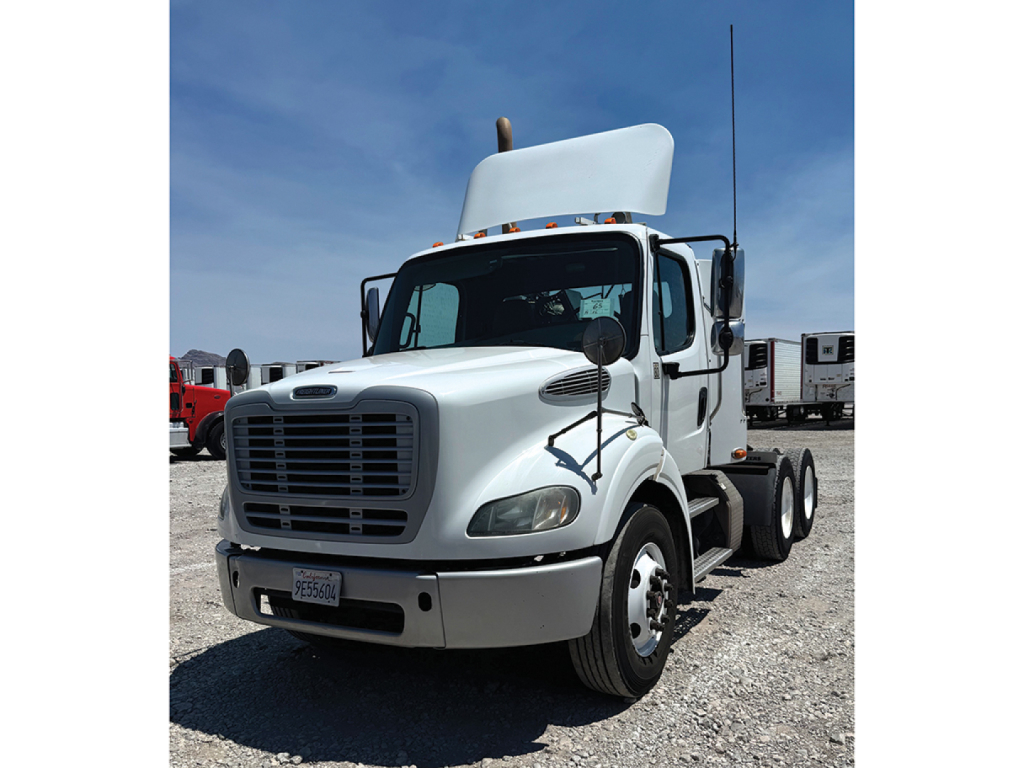
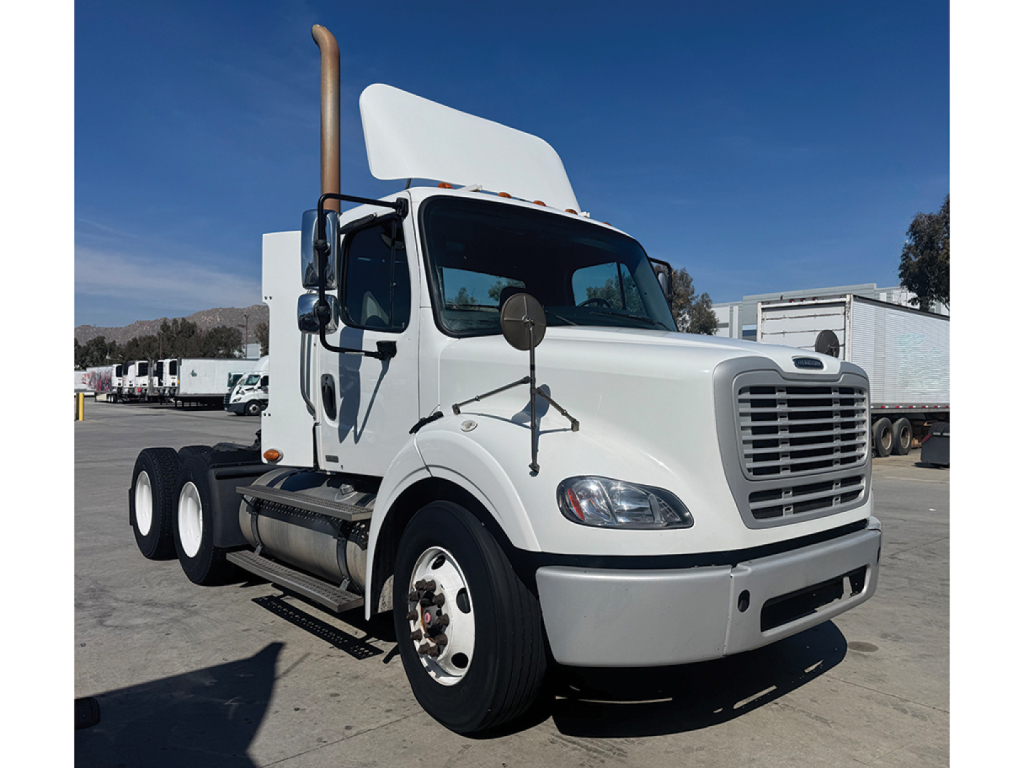
2013 Freightliner M2 112
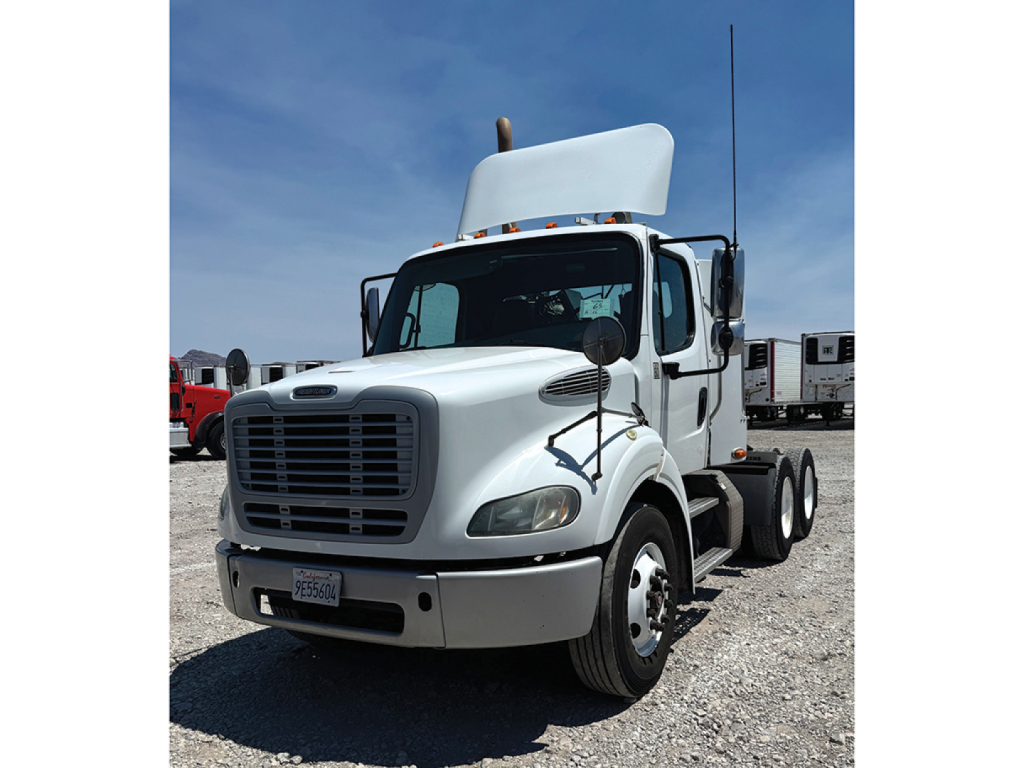
2013 Freightliner M2 112
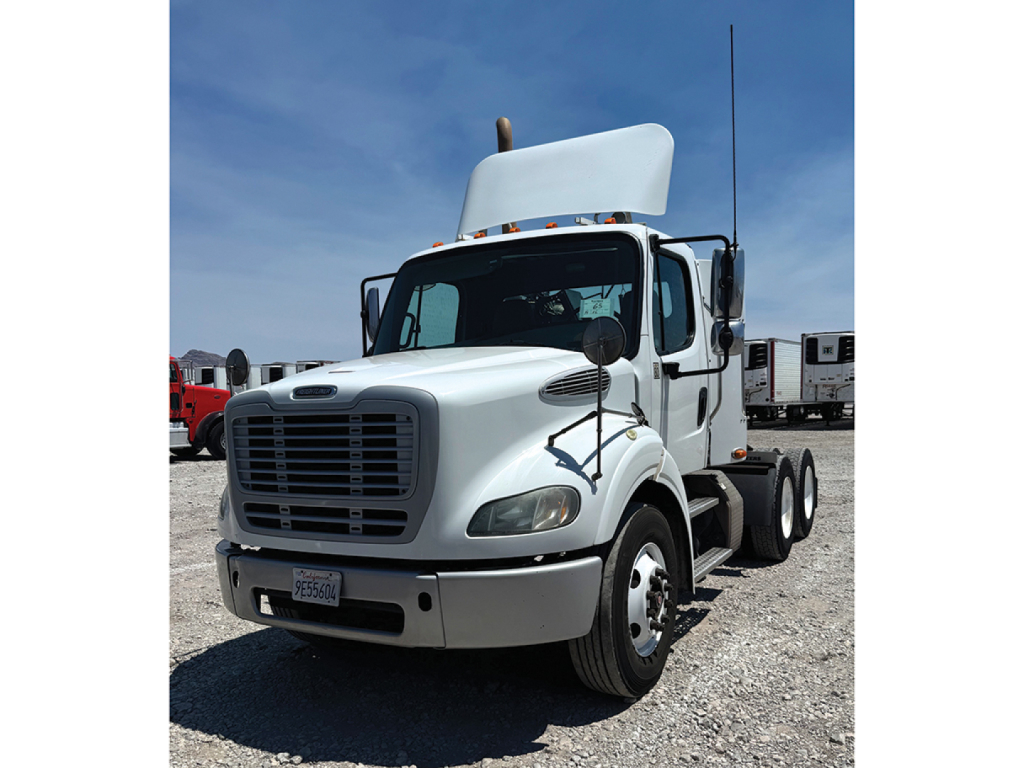
2013 Freightliner M2 112
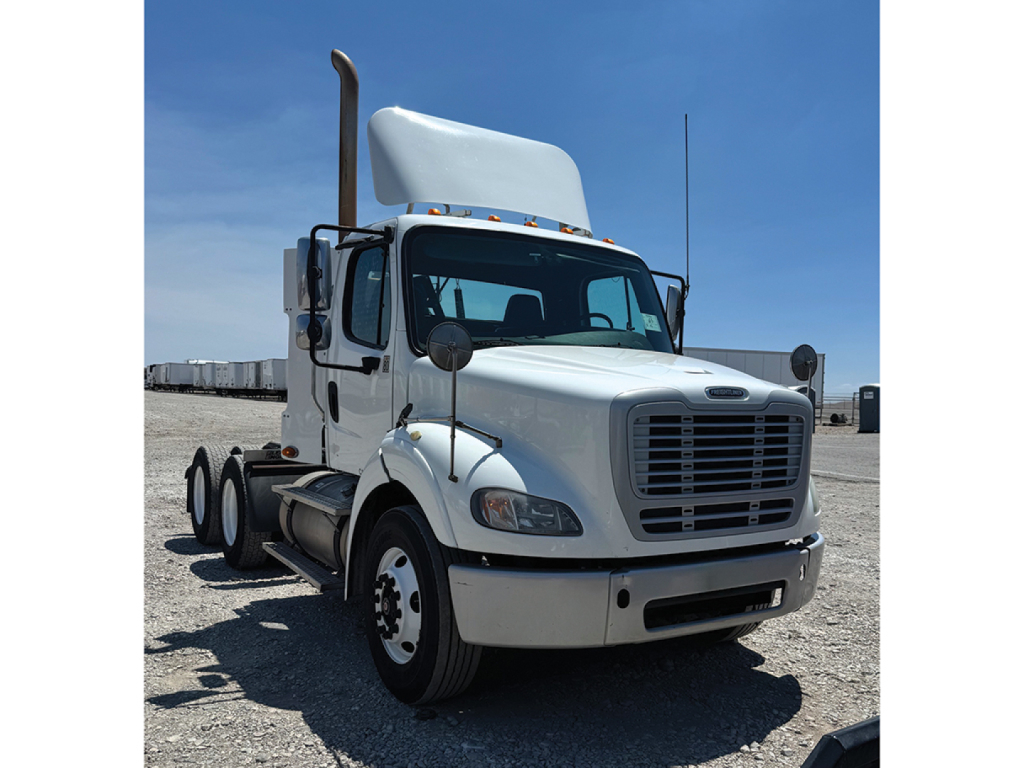
2012 Freightliner M2 112
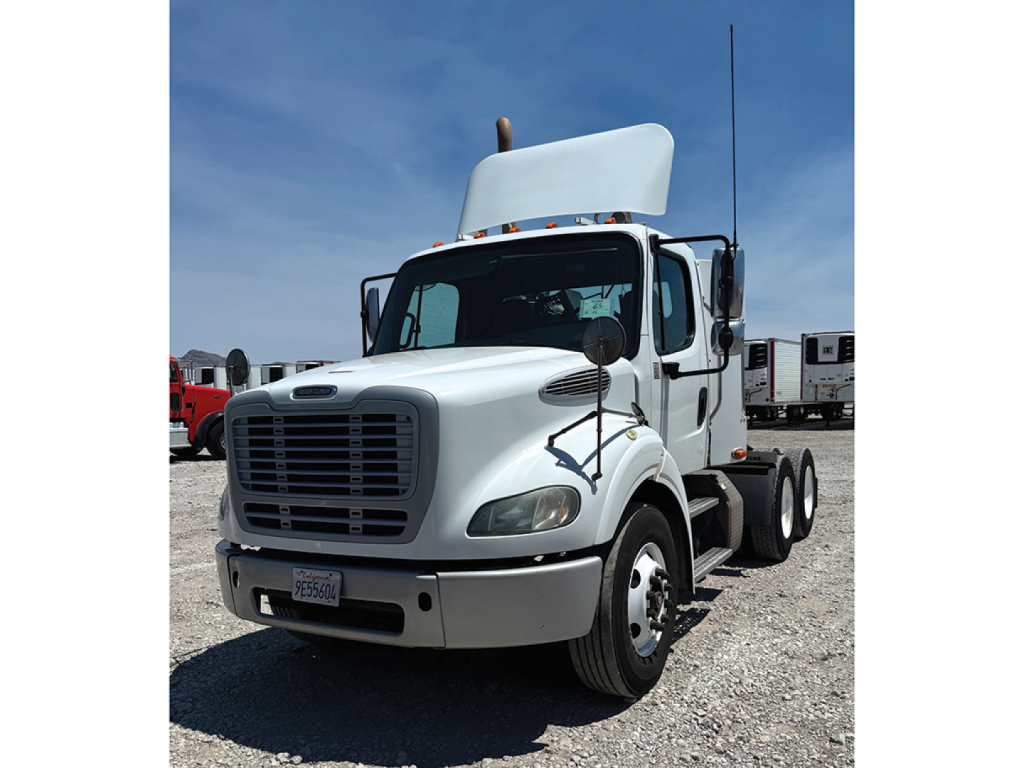
2013 Freightliner M2 112
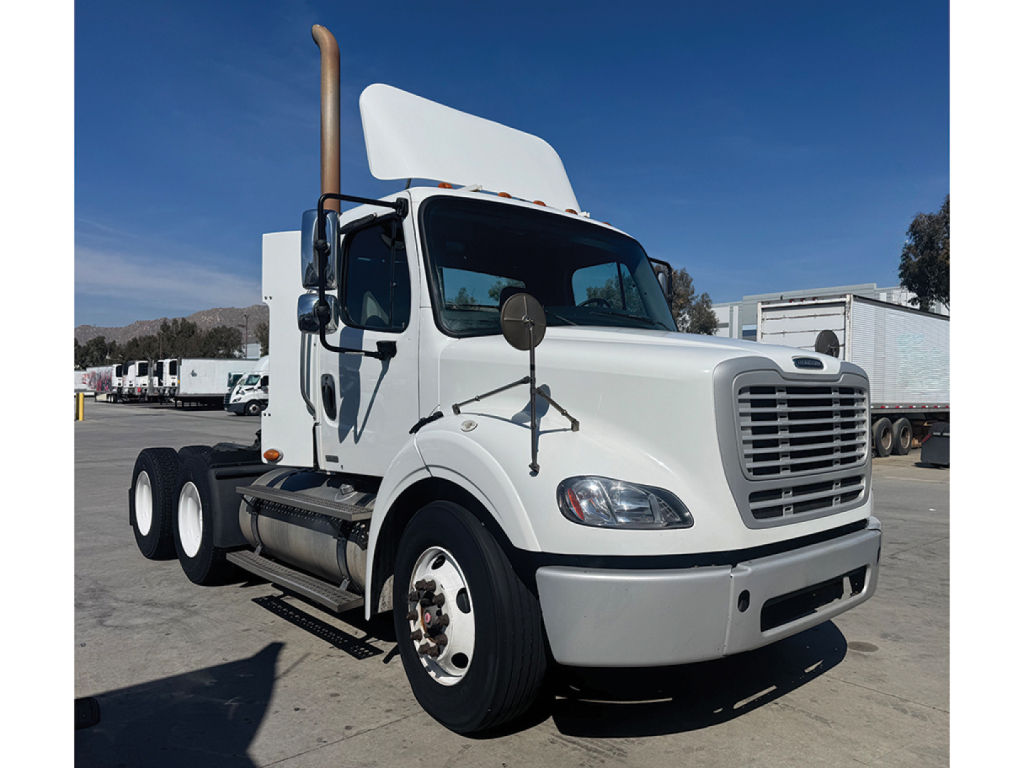
2014 Freightliner M2 112
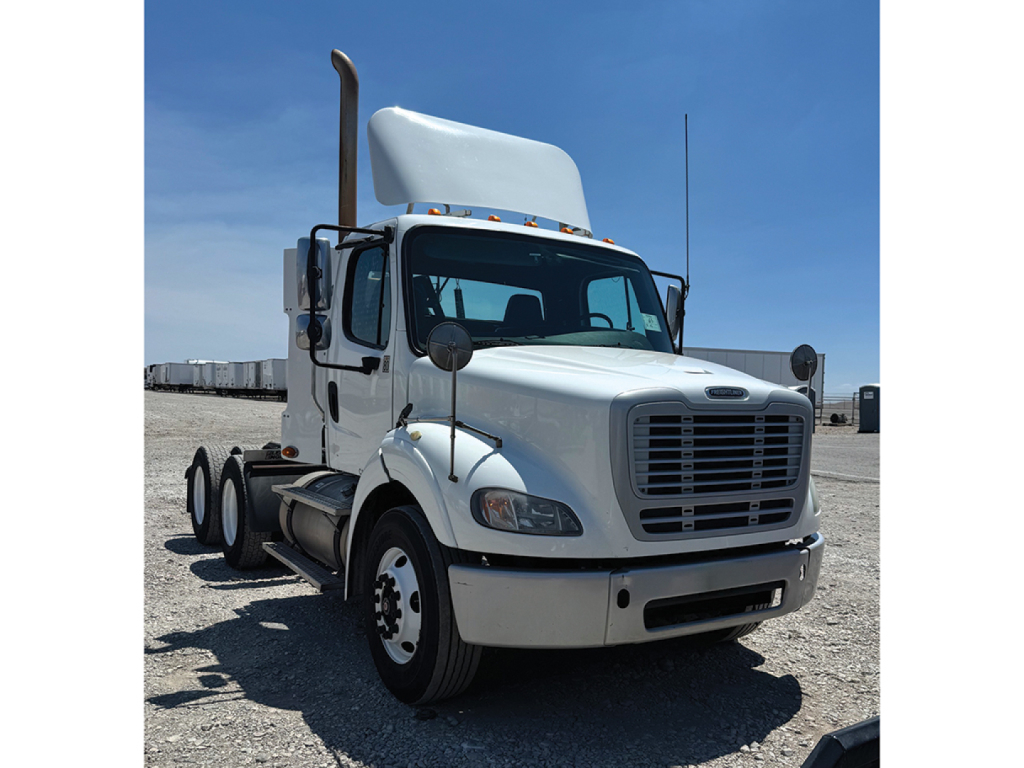
2012 Freightliner M2 112
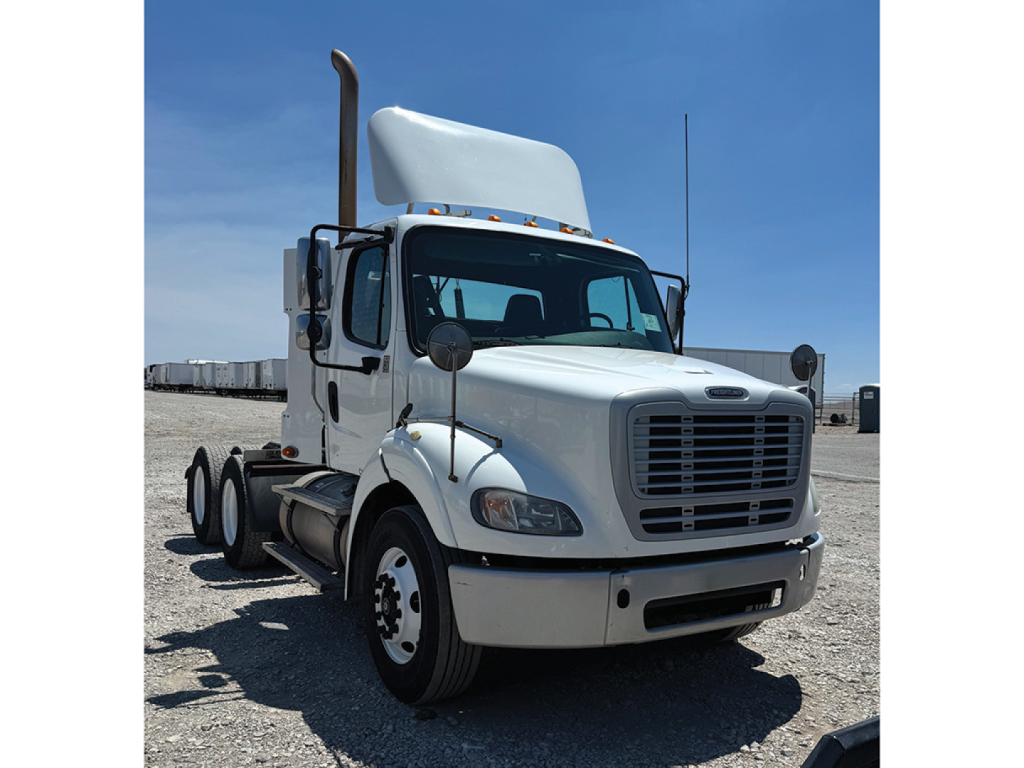
2012 Freightliner M2 112
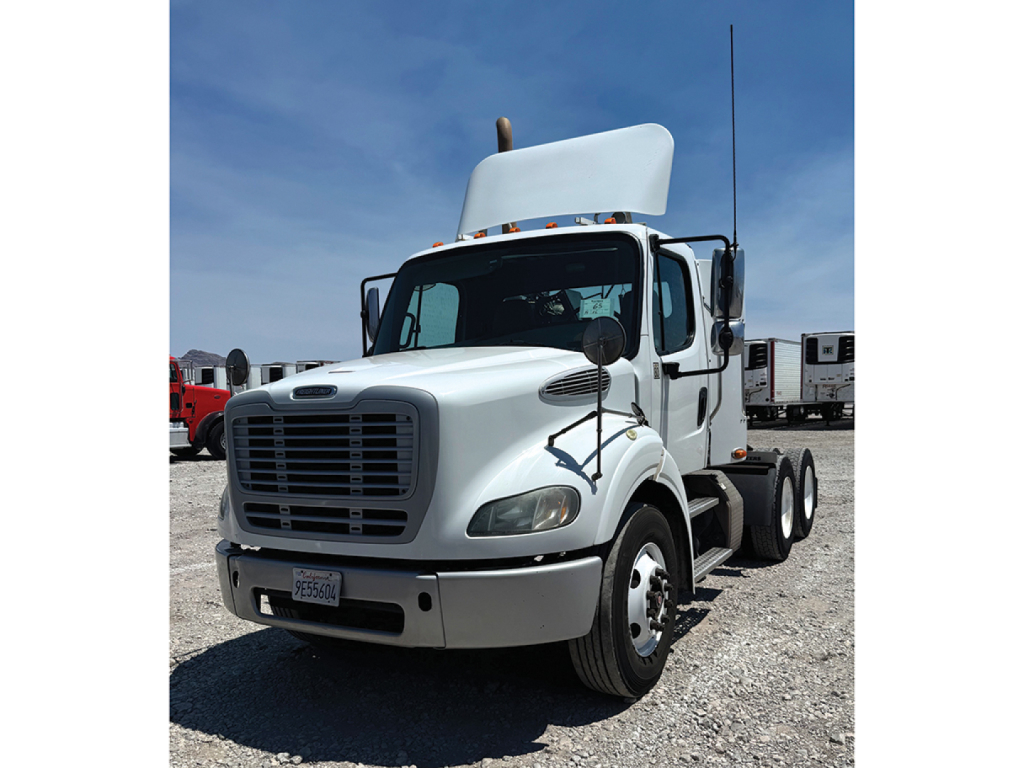
2013 Freightliner M2 112
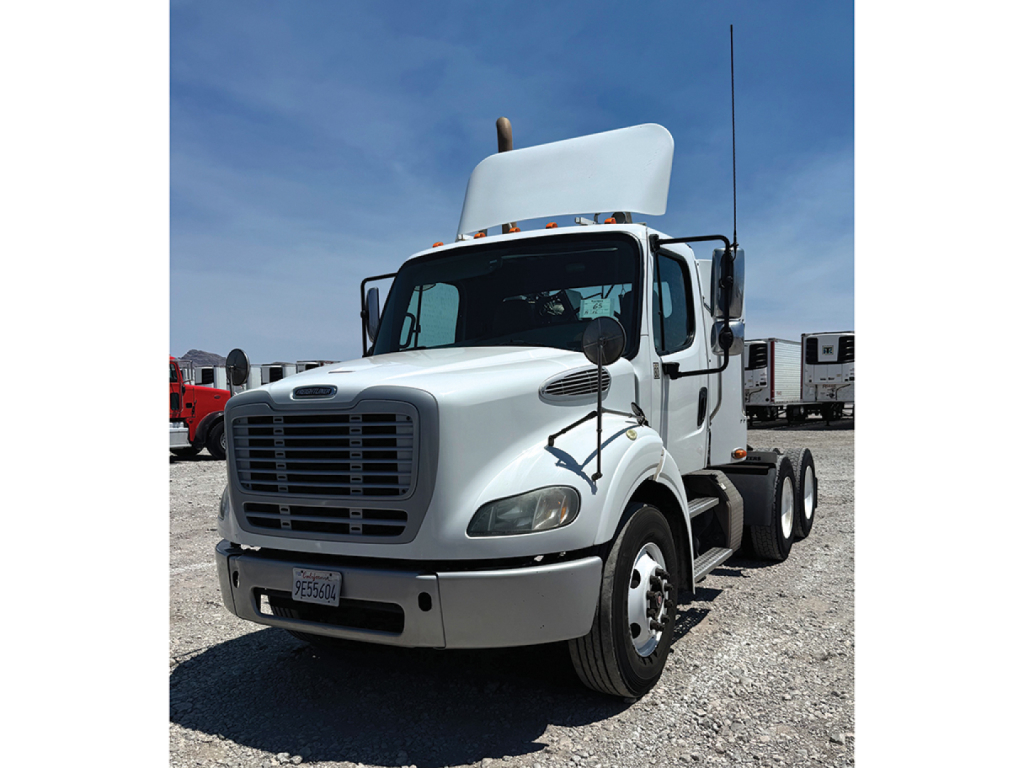
2013 Freightliner M2 112
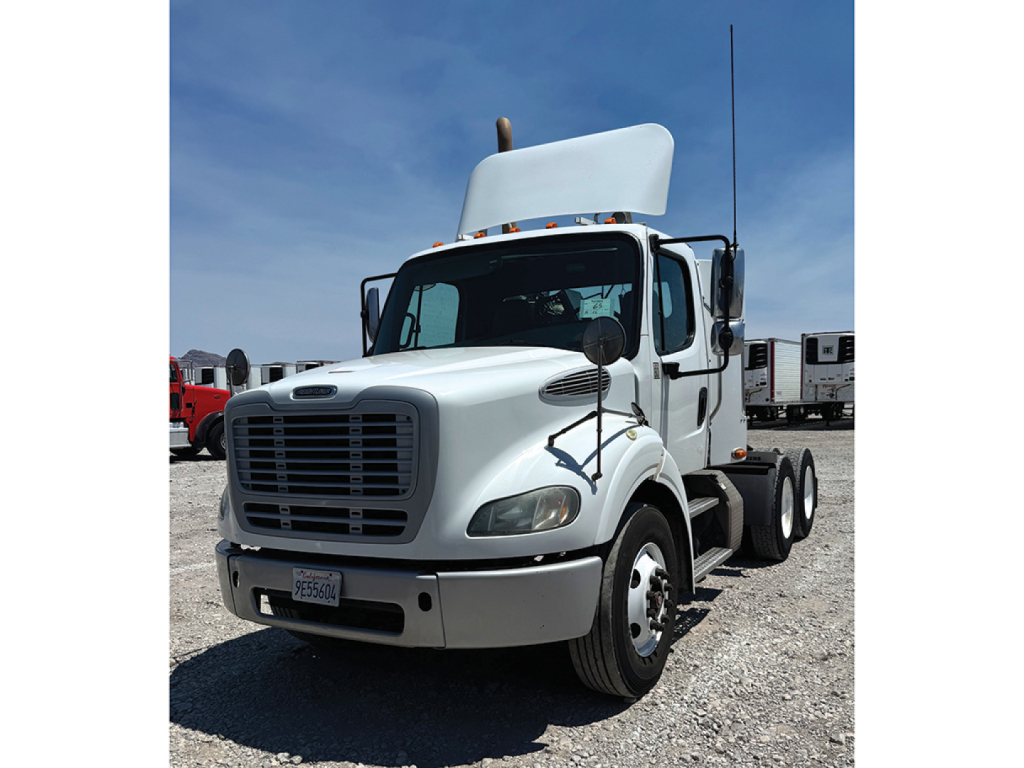
2013 Freightliner M2 112
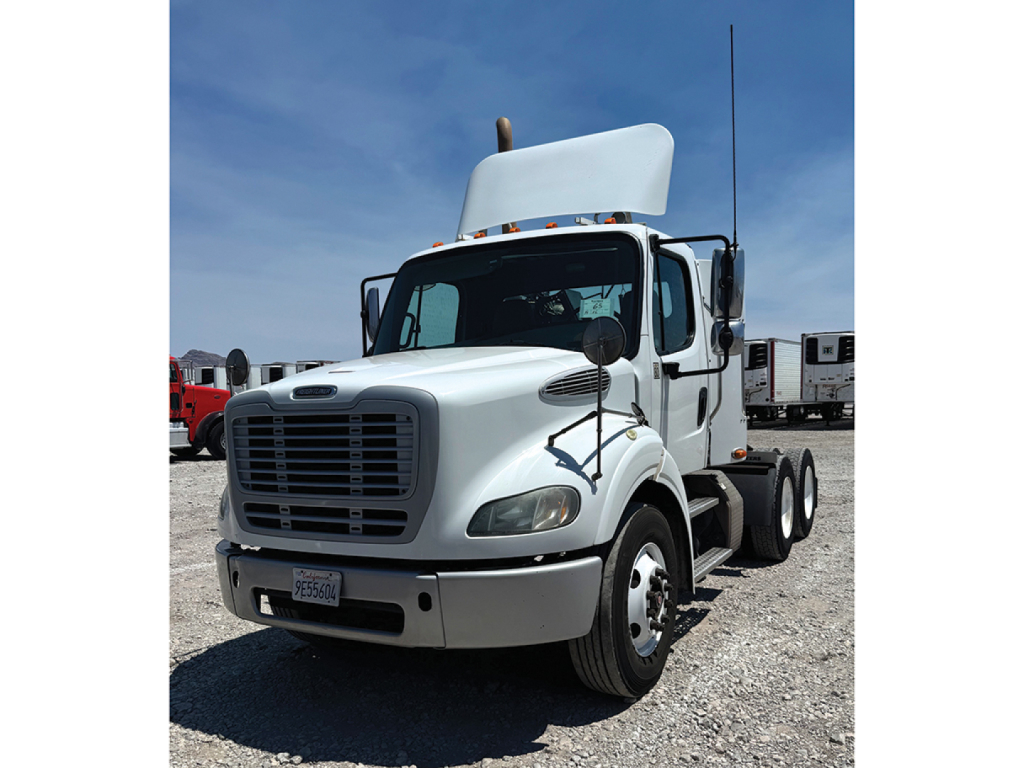
2013 Freightliner M2 112
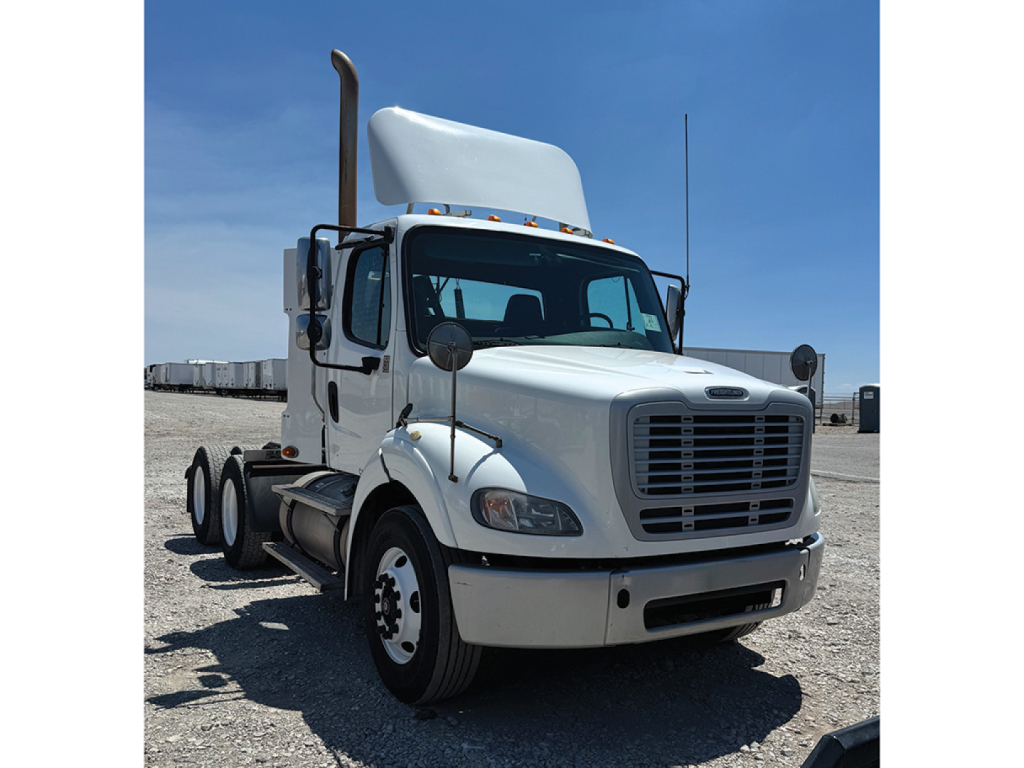
2012 Freightliner M2 112
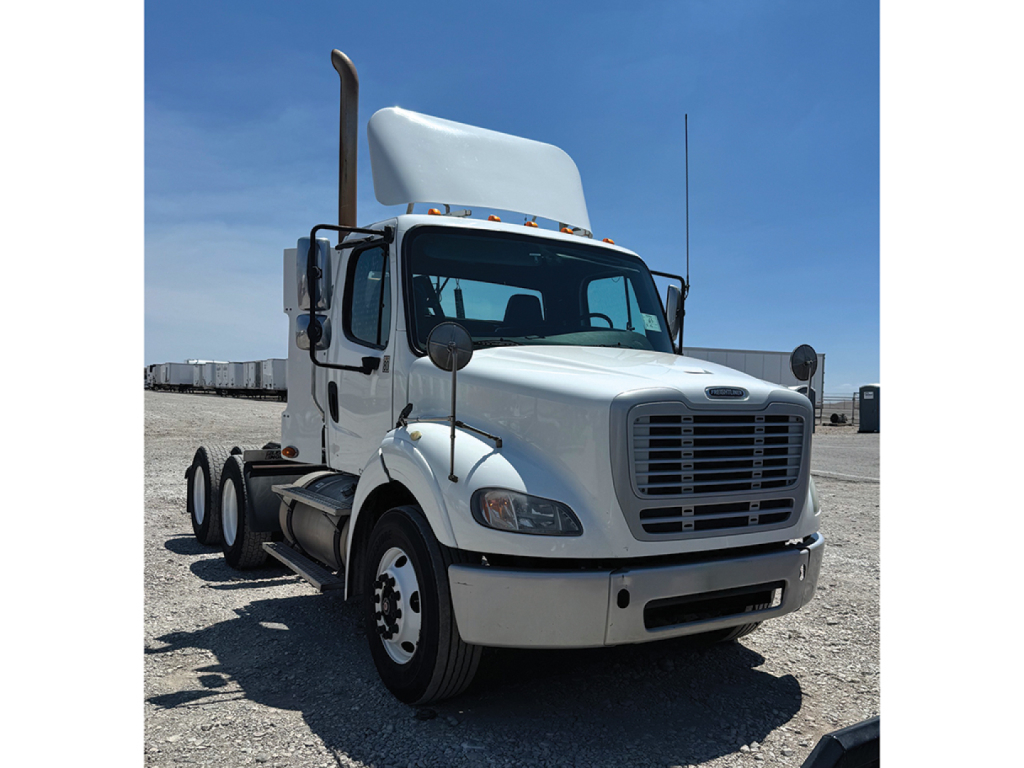
2012 Freightliner M2 112
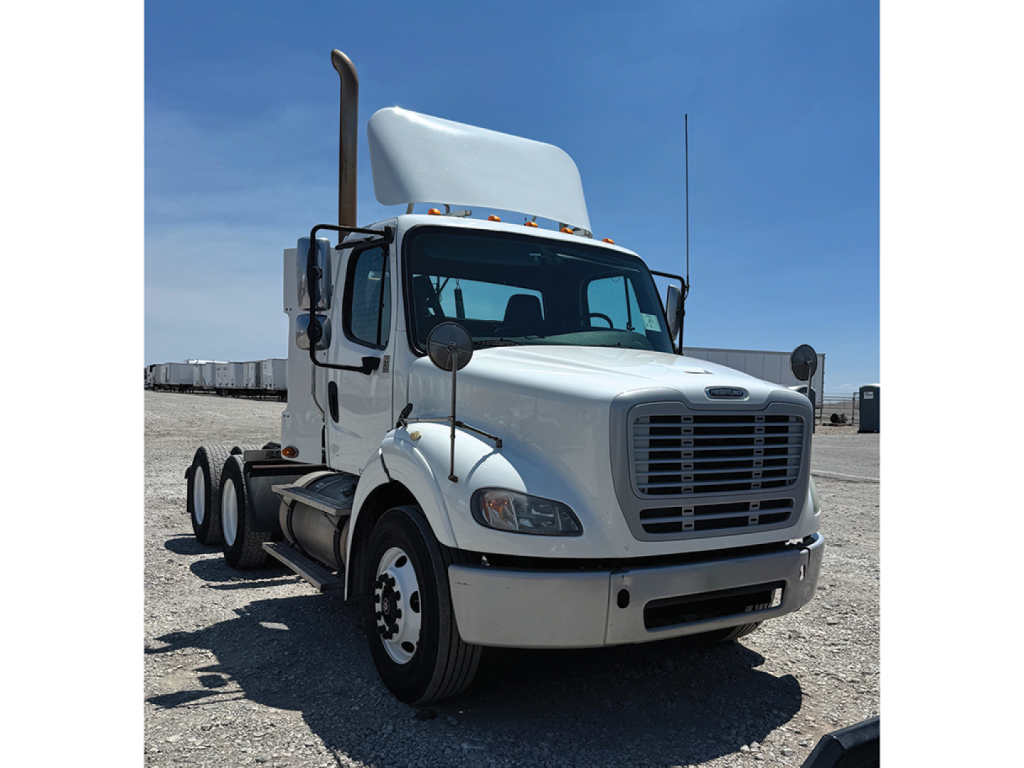
2012 Freightliner M2 112
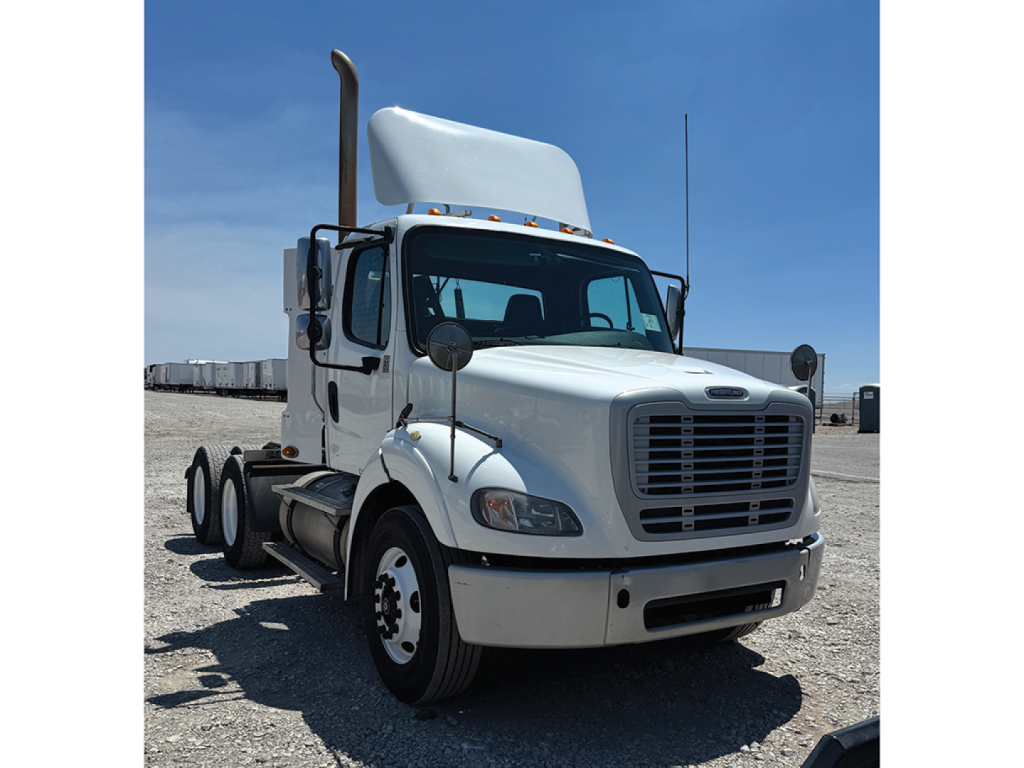
2012 Freightliner M2 112
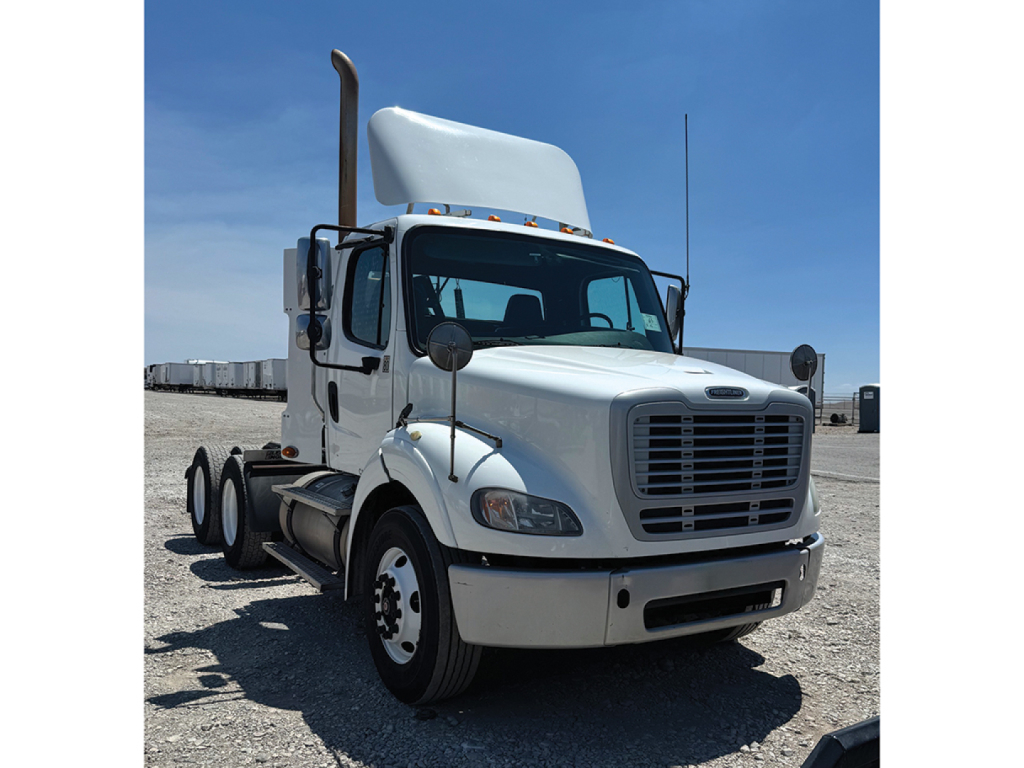
2012 Freightliner M2 112
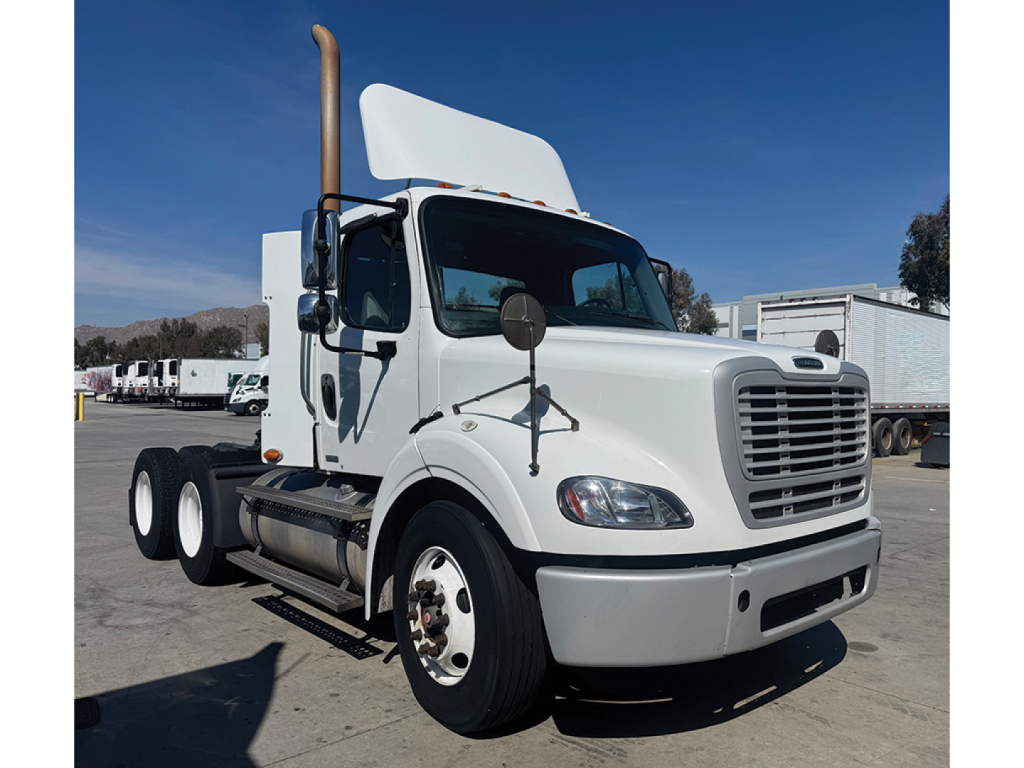
2014 Freightliner M2 112
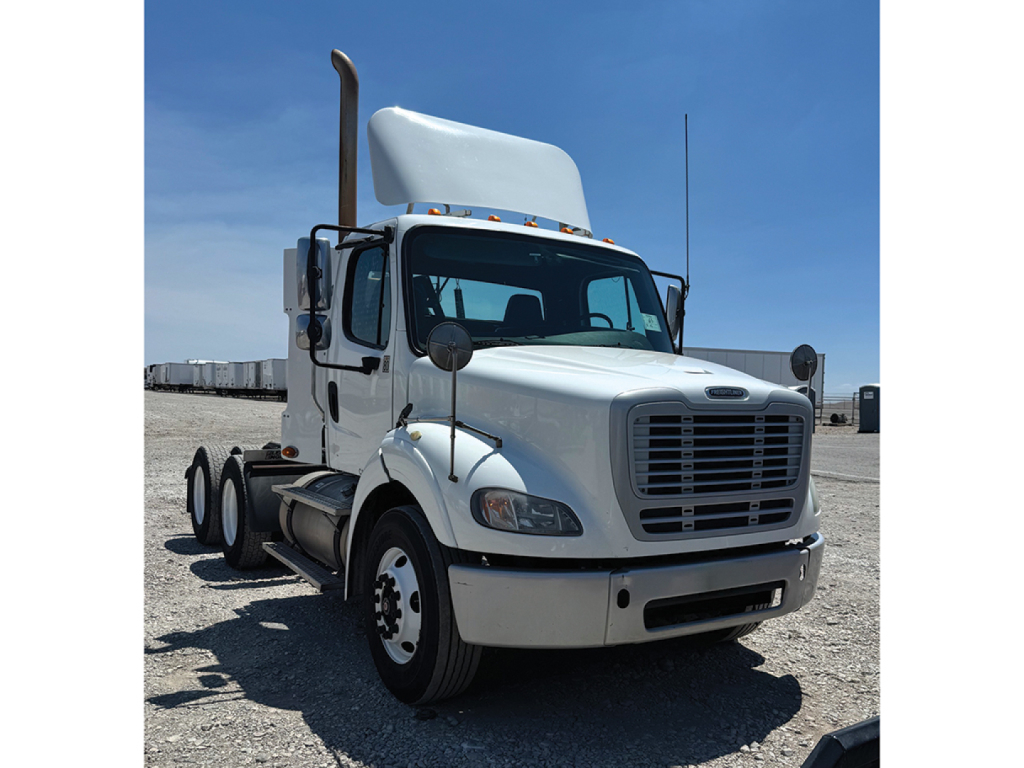
2012 Freightliner M2 112
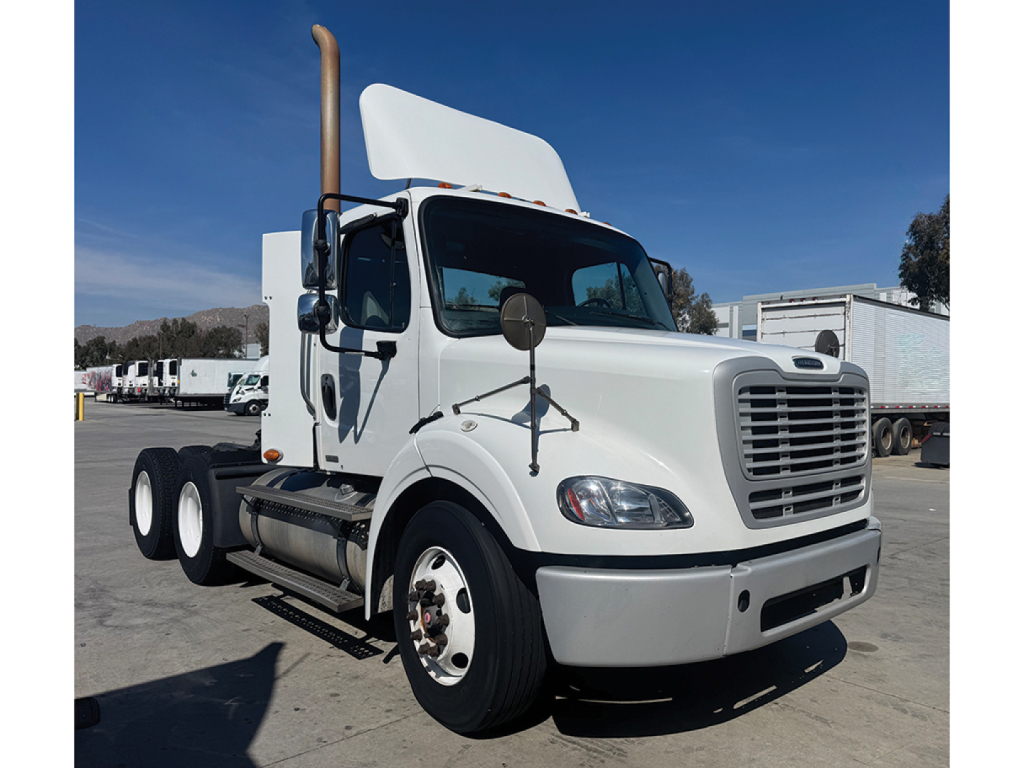
Showing 25 to 45 of 45 results
Have used freightliner conventional daycab truck to sell? List it here to reach thousands of buyers.
Used Freightliner Conventional Daycab Trucks in Nevada
Two of the most common used Freightliner daycab platforms are the Cascadia and M2 112, and they serve different needs. A Cascadia daycab is typically spec'd for on-road efficiency, driver comfort, and fleet-friendly maintenance, often with Detroit DD13 or DD15 power, automated manual transmissions like the DT12, air ride suspension, and aerodynamic fairings. The M2 112 sits closer to the vocational side and is often seen with heavier front axles, manual or automatic transmissions, set-back or set-forward axle configurations, and options that support dump, mixer, equipment hauling, or severe-service tractor work. In used inventory, engine ratings in the 350 to 450 horsepower range are common, along with rear axle ratios selected for either fuel economy or low-speed pulling. Wheelbase, fifth wheel type, suspension rating, and axle capacity usually matter more than trim level.
A buyer should pay close attention to the spec details that affect daily use. Rear axle ratio and transmission choice determine how the truck will behave in city traffic, on grades, and at highway speed. Single-axle daycabs can be cost-effective for regional van or reefer work, but tandem-axle units offer more flexibility for heavier trailers and uneven jobsite conditions. Adjustable or air slide fifth wheels help when trailer lengths and kingpin settings vary. Air ride suspension improves ride quality for highway service, while heavier vocational suspensions may trade comfort for durability. In Nevada's heat and long-distance operating patterns, cooling system condition, A/C performance, tire type, brake configuration, and signs of engine derate history are worth close review. Buyers should also look at maintenance records for emissions components, clutch or automated transmission service, and front-end wear, especially on trucks that have spent time in urban stop-and-go service.
Freightliner daycabs also hold value because they are easy to integrate into mixed fleets. Cab layouts are familiar to drivers, Detroit powertrain combinations are widely understood by technicians, and replacement body, chassis, and interior parts are generally easy to source. For a used truck, the right spec is the one that matches trailer type, route length, gross weight, and loading environment. A short wheelbase daycab built for city turns is a different tool than a 162- to 170-inch wheelbase tractor set up for regional lanes. Buyers who compare axle ratings, horsepower, transmission, suspension, brake type, fuel capacity, and fifth wheel travel will make better decisions than those who shop by year alone.
Frequently Asked Questions about Used Freightliner Conventional Daycab Trucks in Nevada
What is the difference between a Freightliner Cascadia daycab and a Freightliner M2 112 daycab?
A Freightliner Cascadia daycab is generally designed for highway and regional tractor work, with a stronger focus on aerodynamics, fuel economy, and driver comfort. A Freightliner M2 112 daycab is typically more vocational in character and is often used for construction, municipal, heavy hauling, or PTO-driven applications. The Cascadia is commonly paired with automated manual transmissions and fleet road specs, while the M2 112 is often chosen when buyers need heavier axle options, more vocational chassis configurations, or a truck that can handle mixed on-road and jobsite duty.
Is a single-axle or tandem-axle Freightliner daycab better for Nevada operations?
It depends on the weight and trailer type. A single-axle Freightliner daycab is usually a better fit for lighter regional freight, city delivery, and operations where maneuverability and lower operating cost matter most. A tandem-axle daycab is the better choice for heavier gross combination weights, more demanding terrain, bulk or equipment trailers, and jobs that involve rougher surfaces or stricter axle load requirements. In Nevada, buyers often favor tandem-axle specs when routes include long grades, higher sustained speeds, or heavier commodity loads.
What engine and transmission combinations are common in used Freightliner daycab trucks?
Detroit engines are among the most common in used Freightliner daycabs, especially the DD13 and DD15 in highway applications. Horsepower ratings often fall between 350 and 450 HP depending on the truck's intended use. Transmission choices typically include manual gearboxes such as 10-speeds and automated manuals like the Detroit DT12. A manual transmission can appeal to buyers who want simpler control and lower upfront cost, while an automated manual is often preferred for driver consistency, reduced clutch wear, and easier operation in stop-and-go traffic.
What specs matter most when buying a used Freightliner conventional daycab?
The most important specs are axle configuration, horsepower, transmission, rear axle ratio, wheelbase, suspension type, and fifth wheel setup. These determine how well the truck matches the trailer, route, and payload. Buyers should also review front axle and rear axle ratings, brake type, tire size, fuel capacity, and emissions system service history. For used equipment, maintenance records and evidence of proper cooling system, brake, and suspension upkeep are often more important than cosmetic appearance.
Are Freightliner daycab trucks good for local and regional fleet use?
Yes. Freightliner daycab trucks are widely used in local and regional fleets because they offer broad parts availability, familiar controls, and a large service network. They are also available in a wide range of specs, from lightweight single-axle tractors to heavier tandem vocational units. That flexibility makes them suitable for dry van, reefer, flatbed, bulk, yard spotting, and vocational tractor applications, as long as the axle ratings and powertrain are matched to the work.