
Used Freightliner Conventional Daycab Trucks For Sale in Massachusetts
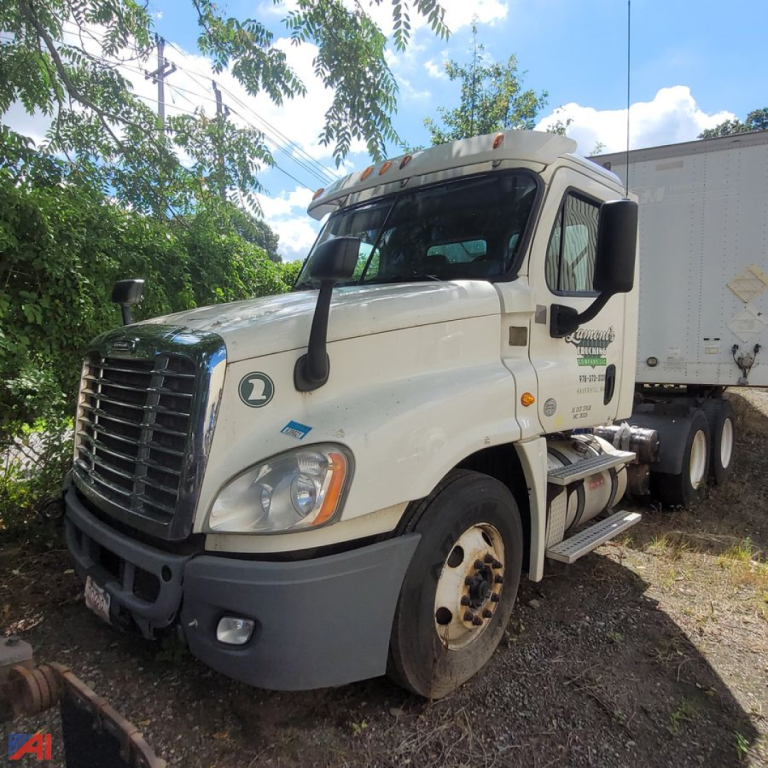
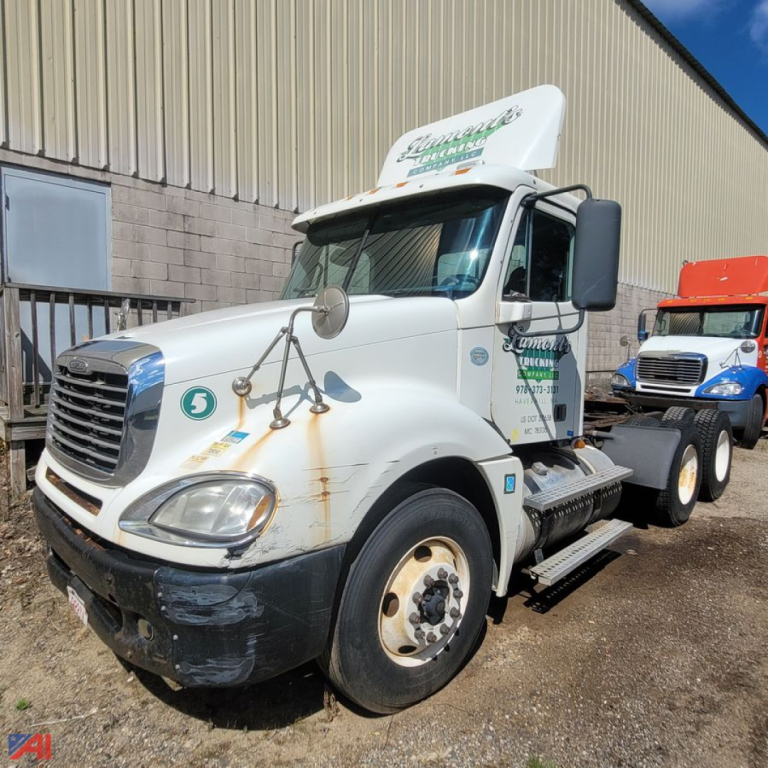
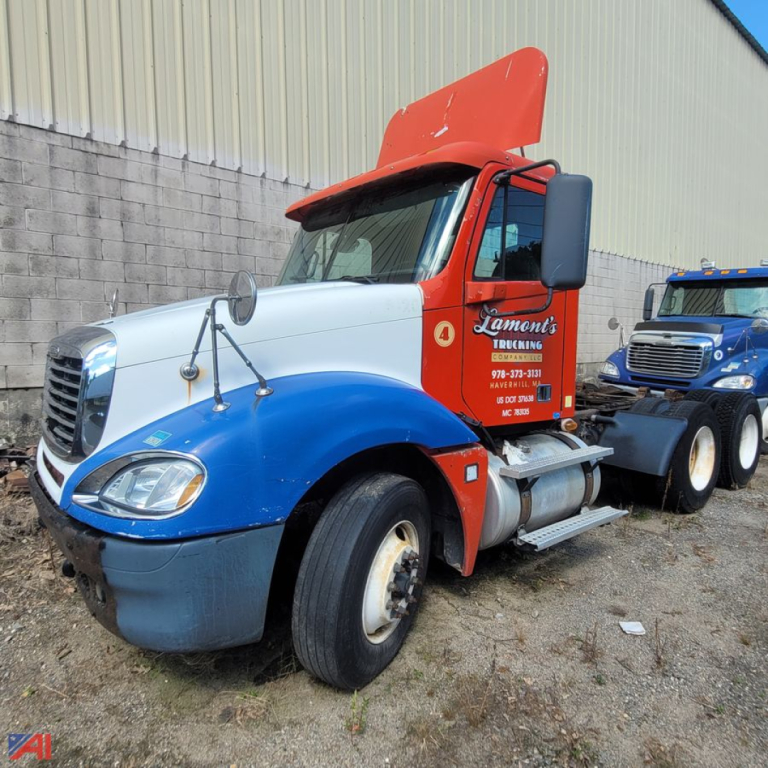
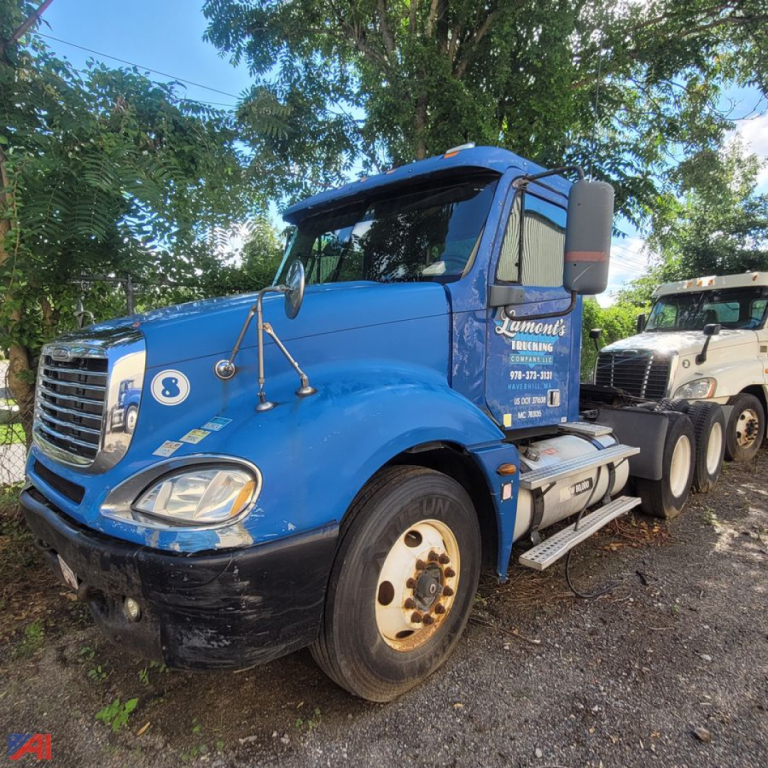
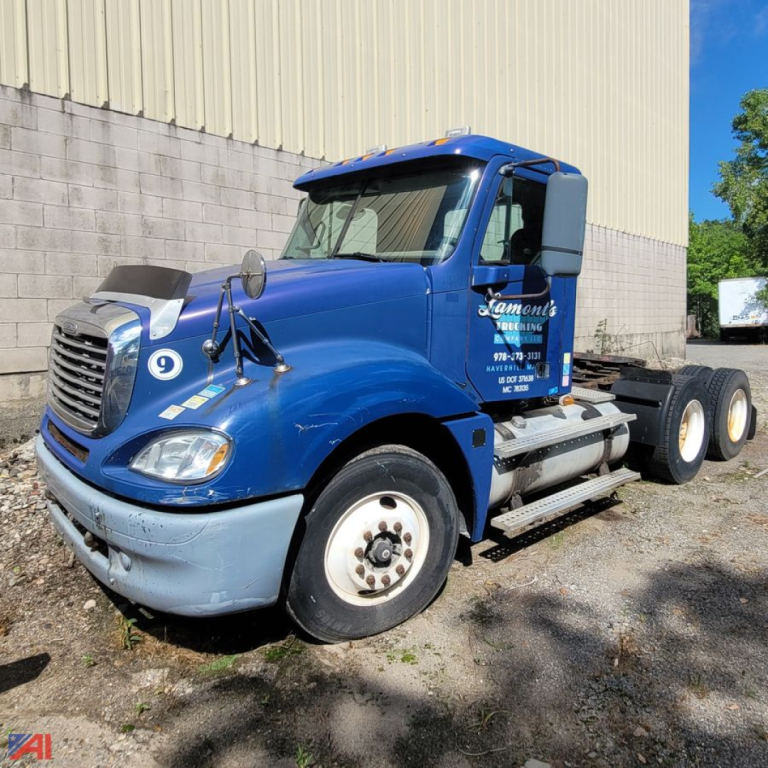
Have used freightliner conventional daycab truck to sell? List it here to reach thousands of buyers.
Used Freightliner Conventional Daycab Trucks in Massachusetts
The first decision is usually application and axle setup. Most conventional daycabs are spec'd as 4x2 or 6x4 tractors, with tandem axle 6x4 trucks remaining the standard for heavier trailer work and mixed-route use. Buyers should look closely at wheelbase, fifth wheel placement, front axle rating, rear axle ratio, and suspension type, because those details determine how well the truck matches urban delivery, container hauling, bulk moves, or vocational trailer service. On used Freightliner units, common engine families may include Detroit Diesel platforms and, in older trucks, Mercedes-Benz or Caterpillar depending on year and original spec. Transmission choices often range from 10-speed manuals to automated manuals, and that decision affects driver acceptance, maintenance planning, and start-stop efficiency in dense traffic.
Condition matters more than badge on a used daycab. In Massachusetts, corrosion exposure from winter road treatment is a real inspection point, especially on frame rails, crossmembers, cab mounts, battery boxes, fuel tank straps, brake components, and wiring. Pay attention to steer axle tire wear, suspension bushing condition, air system health, aftertreatment service history on newer emissions trucks, and evidence of prior fifth wheel or frame modification. A daycab used for yard spotting or severe stop-and-go work can show a different wear pattern than a highway tractor with similar miles, so engine hours, clutch life, regen history, and PTO provision can be just as important as odometer reading.
Freightliner daycabs appeal to buyers who want a conventional tractor with familiar ergonomics, good visibility, and a wide range of parts interchange across model years. Columbia models are known for straightforward fleet spec configurations, while Cascadia models generally bring more aerodynamic refinement, updated cab design, and better fuel economy potential when spec'd for regional work. The right used conventional daycab comes down to matching GCWR, axle ratio, cab layout, and maintenance history to the route. For buyers comparing multiple listings, a clean chassis, documented service records, correct fifth wheel setup, and a spec that fits Massachusetts weight and operating conditions usually matter more than cosmetic appearance alone.
Frequently Asked Questions about Used Freightliner Conventional Daycab Trucks in Massachusetts
What is a Freightliner conventional daycab truck used for?
A Freightliner conventional daycab truck is typically used for local and regional hauling where a sleeper berth is not necessary. Common applications include container drayage, LTL terminal work, municipal hauling, dump trailer service, tanker work, and short-haul freight moves. The daycab layout reduces weight and overall length, which helps with maneuverability in tight urban areas and frequent dock access.
What should I inspect on a used Freightliner daycab in Massachusetts?
Focus on rust, chassis condition, and maintenance history first. Massachusetts trucks often see winter salt exposure, so frame rails, crossmembers, brake hardware, cab mounts, and electrical connections deserve close inspection. Buyers should also check engine fault history, aftertreatment components, air leaks, suspension wear, steer tire wear patterns, fifth wheel condition, and signs of prior frame drilling or axle repositioning.
What is the difference between a Freightliner Columbia and a Freightliner Cascadia daycab?
The Freightliner Columbia is an older conventional platform that is often valued for its simpler fleet-friendly design and broad parts familiarity. The Cascadia is a newer-generation truck with improved aerodynamics, updated driver controls, and typically better fuel economy potential in regional service. The exact difference between two used trucks still depends heavily on engine spec, transmission, axle ratio, and maintenance history, not just model name.
Is a 4x2 or 6x4 Freightliner daycab better for local work?
It depends on payload, trailer type, and road conditions. A 4x2 daycab can offer lower tare weight, tighter turning, and potentially better fuel economy for lighter local freight. A 6x4 daycab is usually the better choice for heavier gross combination weights, mixed terrain, year-round Northeast operation, and applications where traction and durability matter more than minimizing empty weight.
Why do buyers choose a daycab instead of a sleeper tractor?
A daycab is usually chosen when routes do not require overnight rest in the truck. Removing the sleeper shortens the tractor, reduces empty weight, and can improve visibility and access around loading docks, city streets, and terminals. For many local and regional operations, a daycab provides the necessary towing capability without carrying the extra cost and bulk of a sleeper configuration.