
Used 2019 Freightliner Conventional Daycab Trucks For Sale
Shop used 2019 Freightliner conventional daycab trucks. Compare Cascadia specs, DD13 engines, axle ratings, wheelbases, and 5th wheel setups.
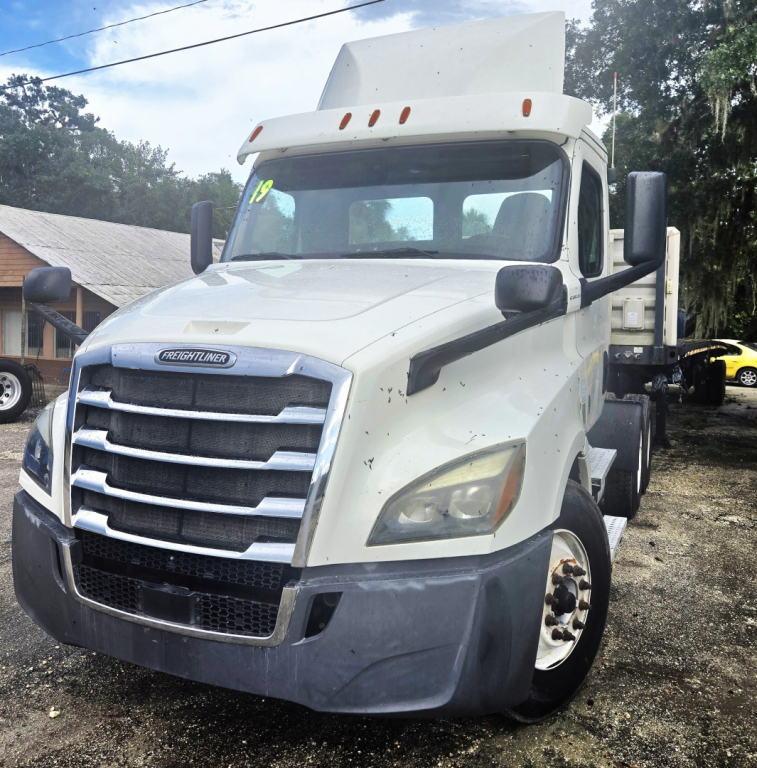
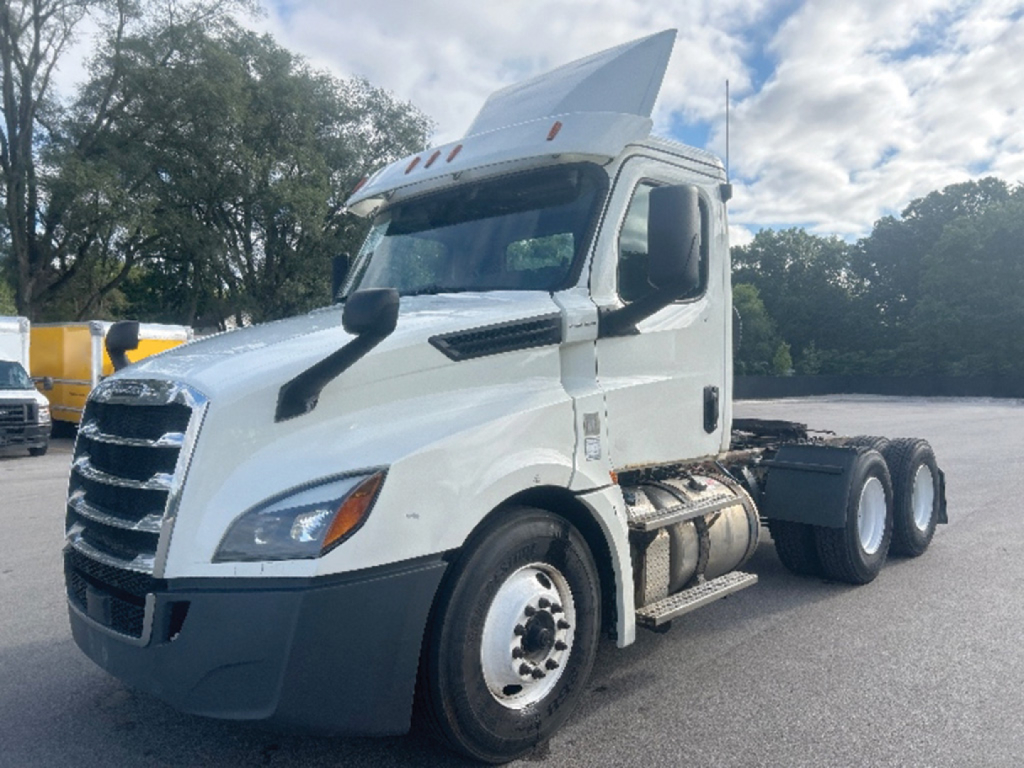
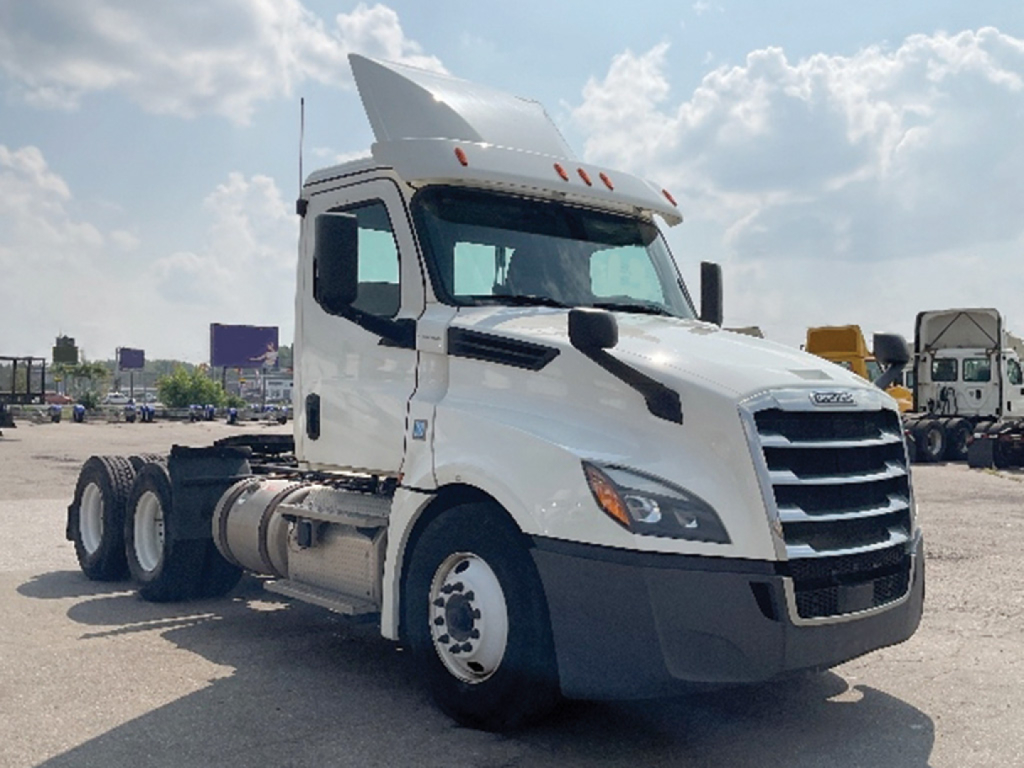
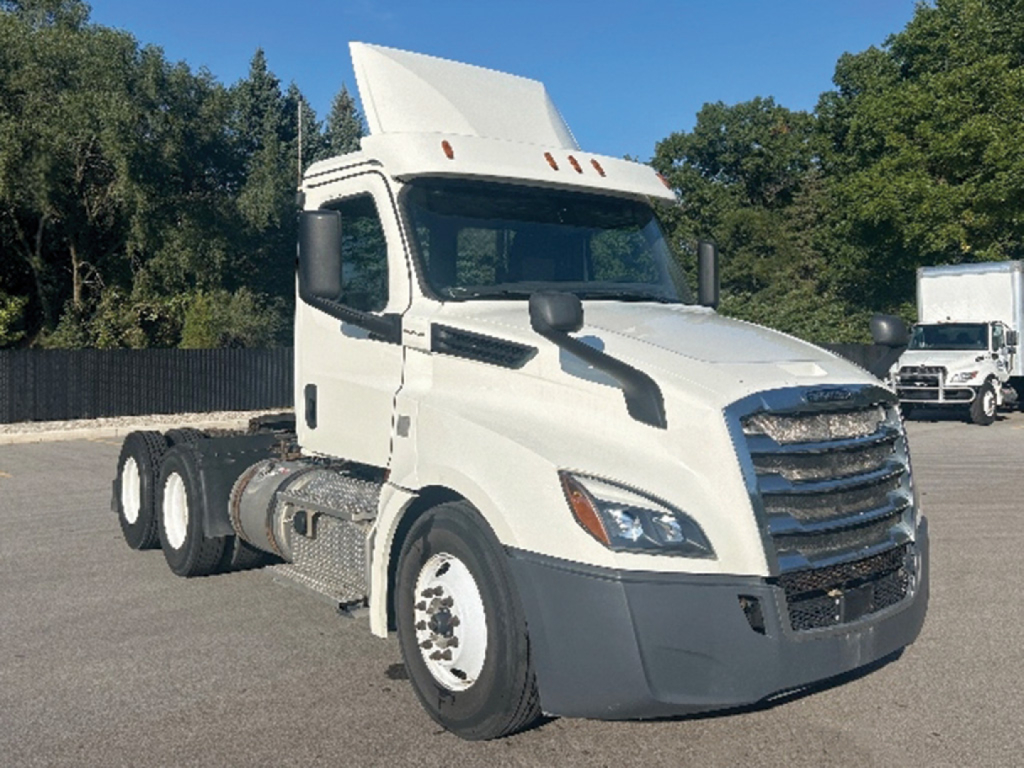
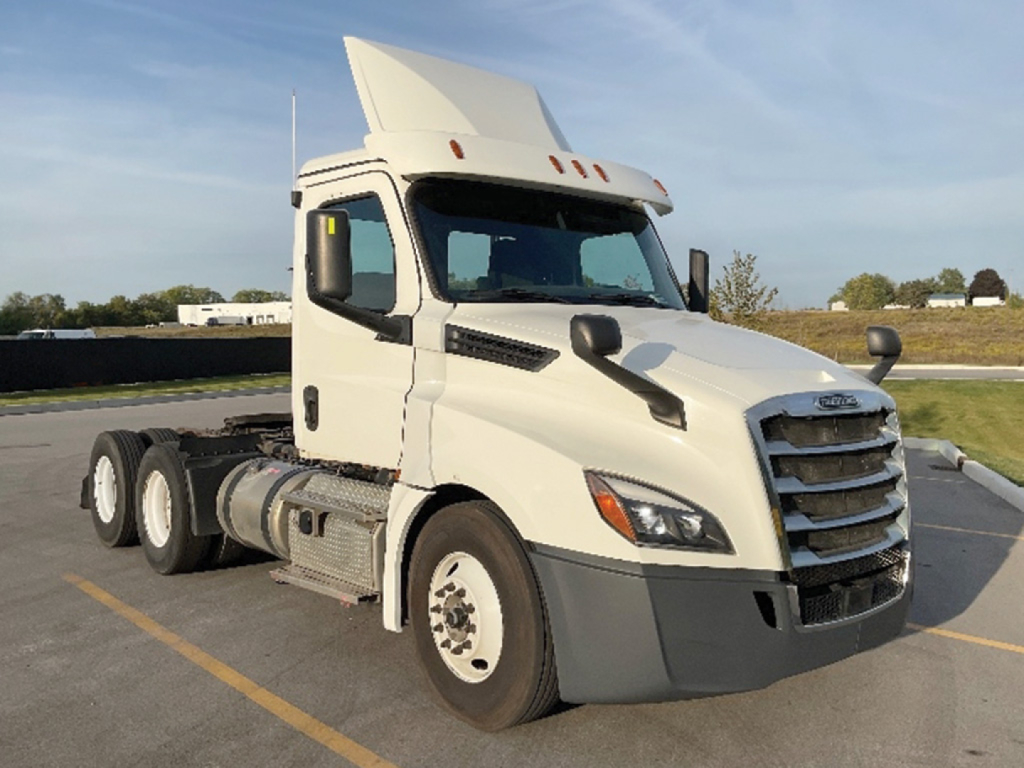
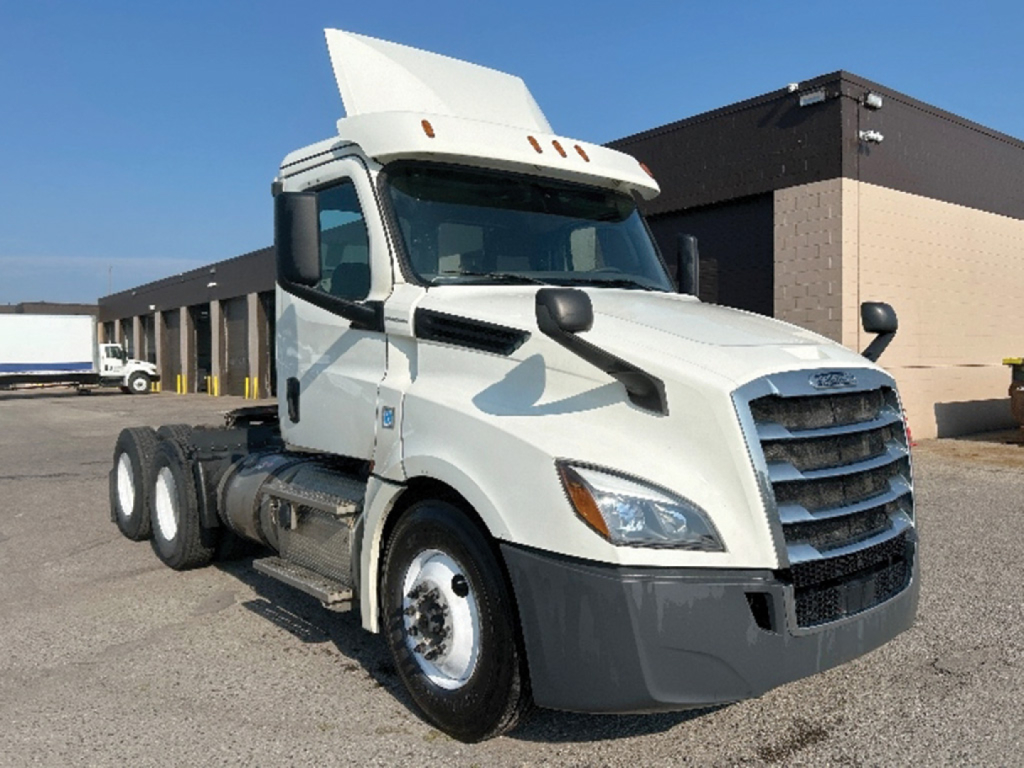
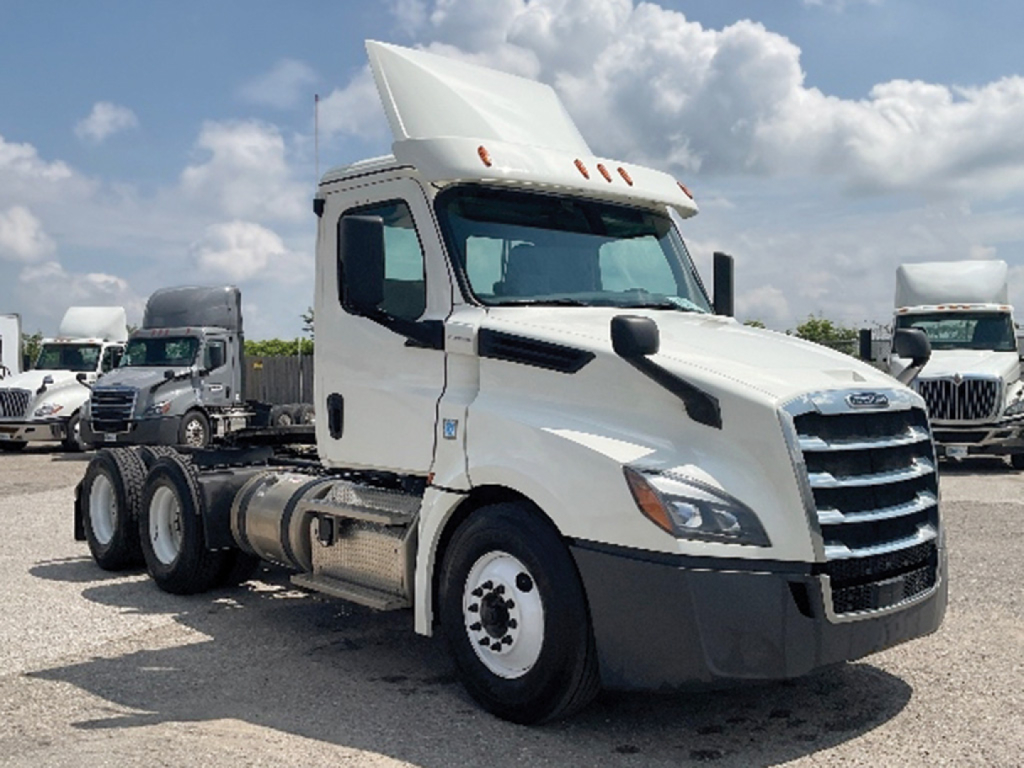
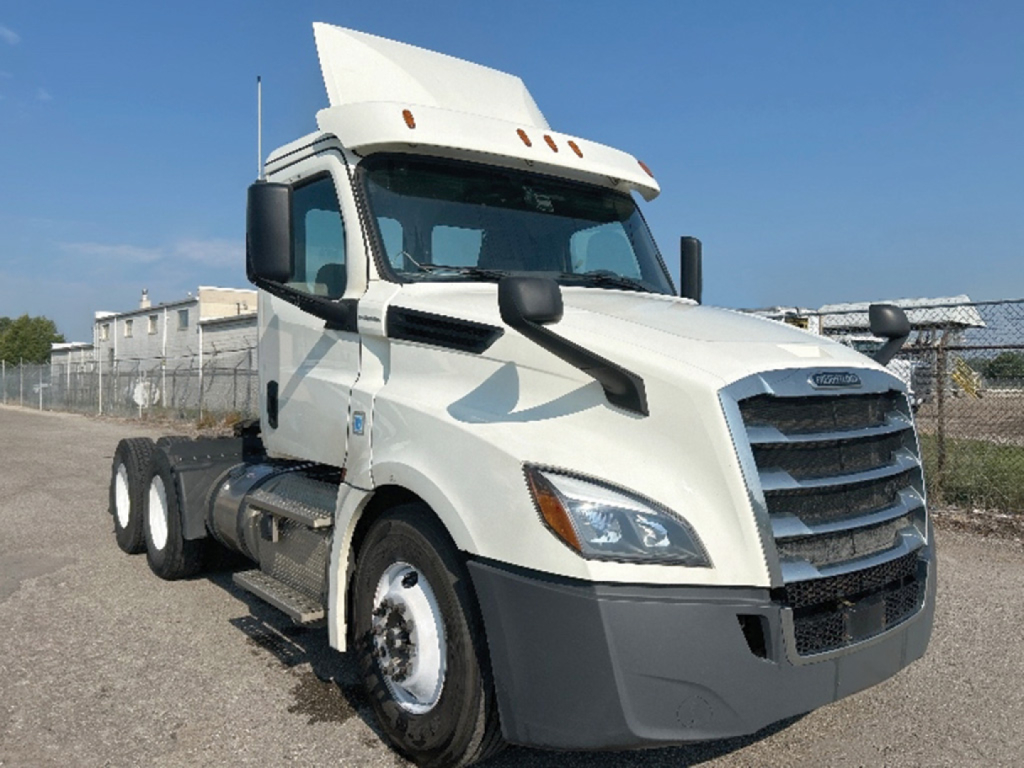
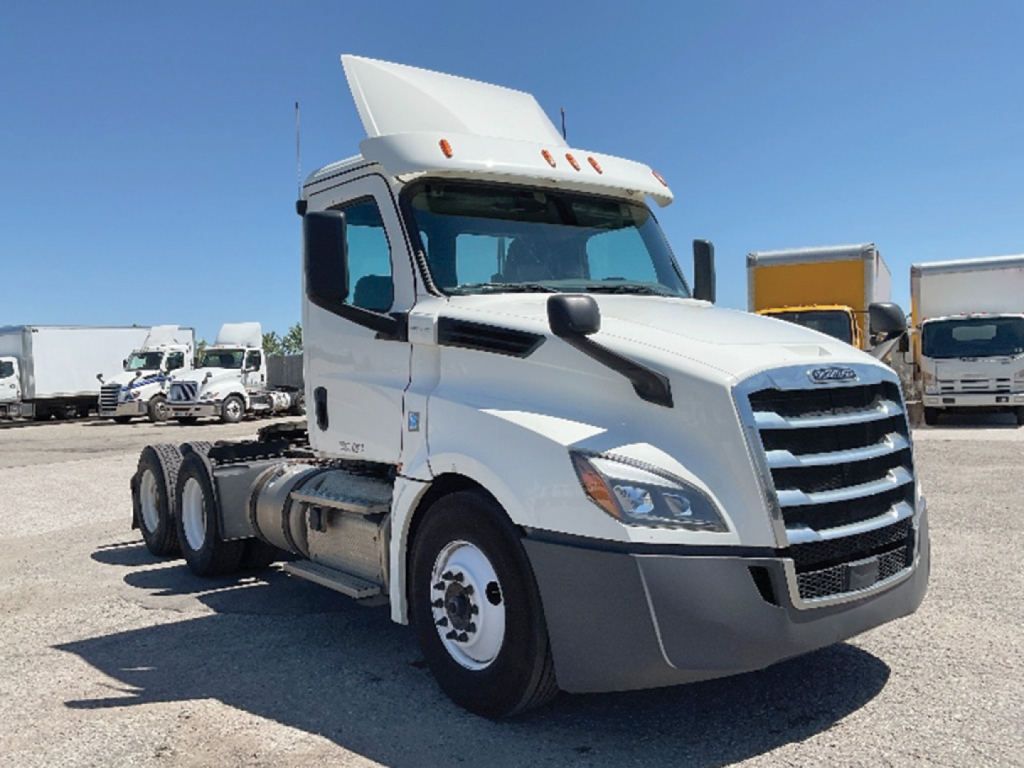
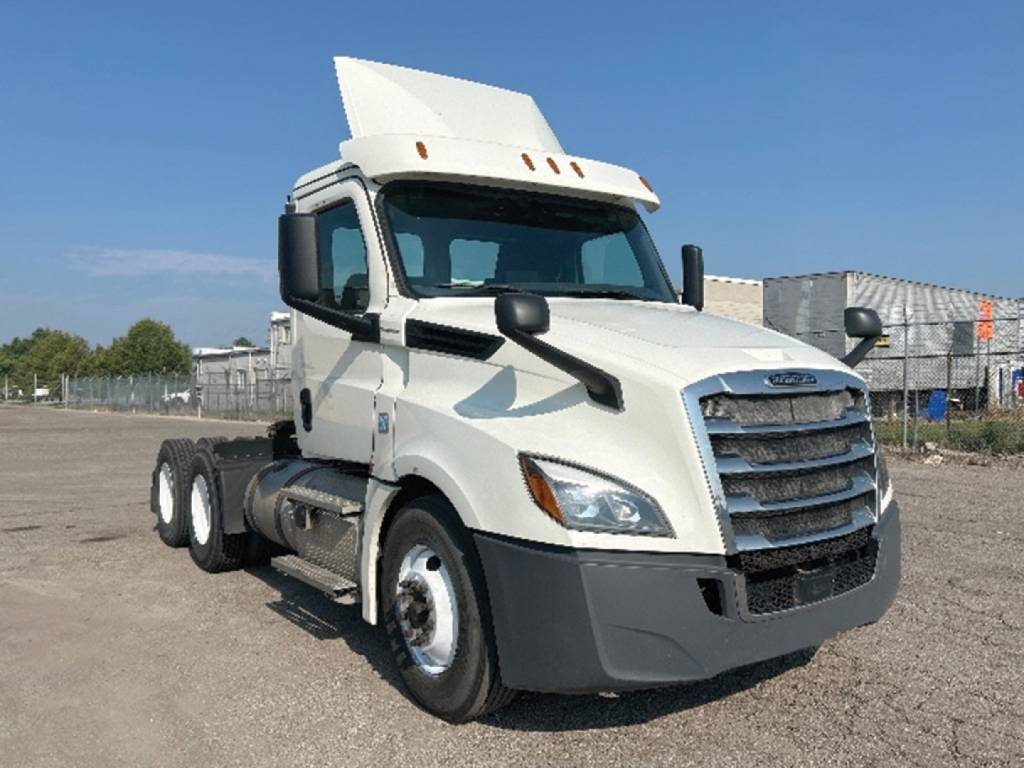
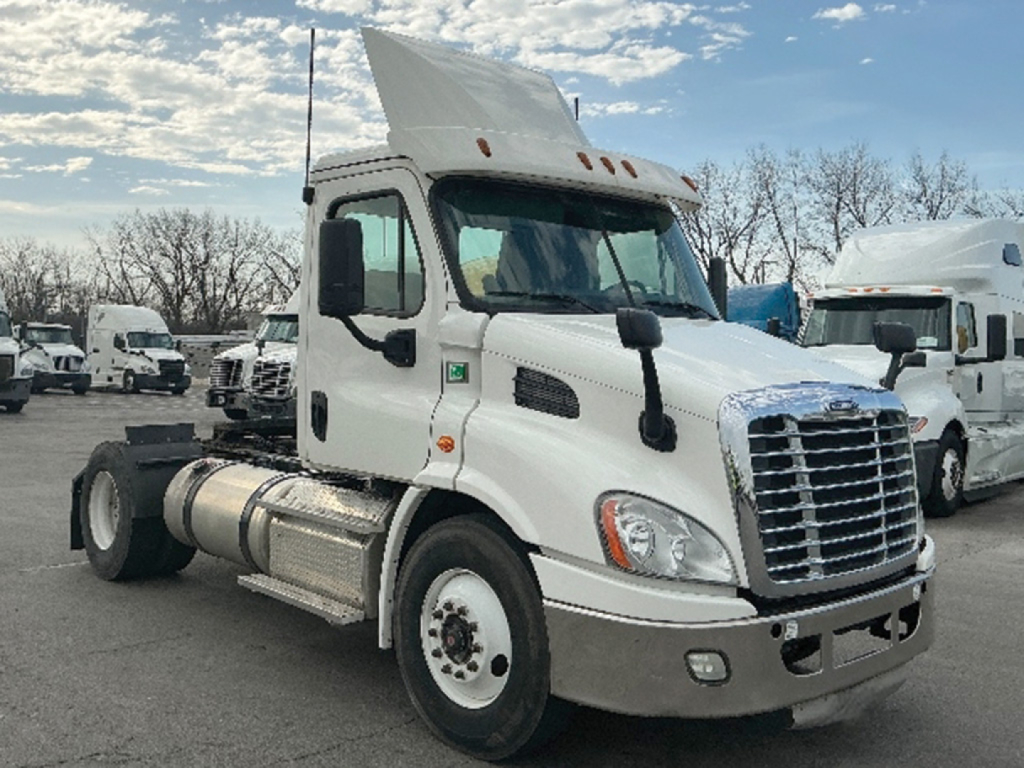
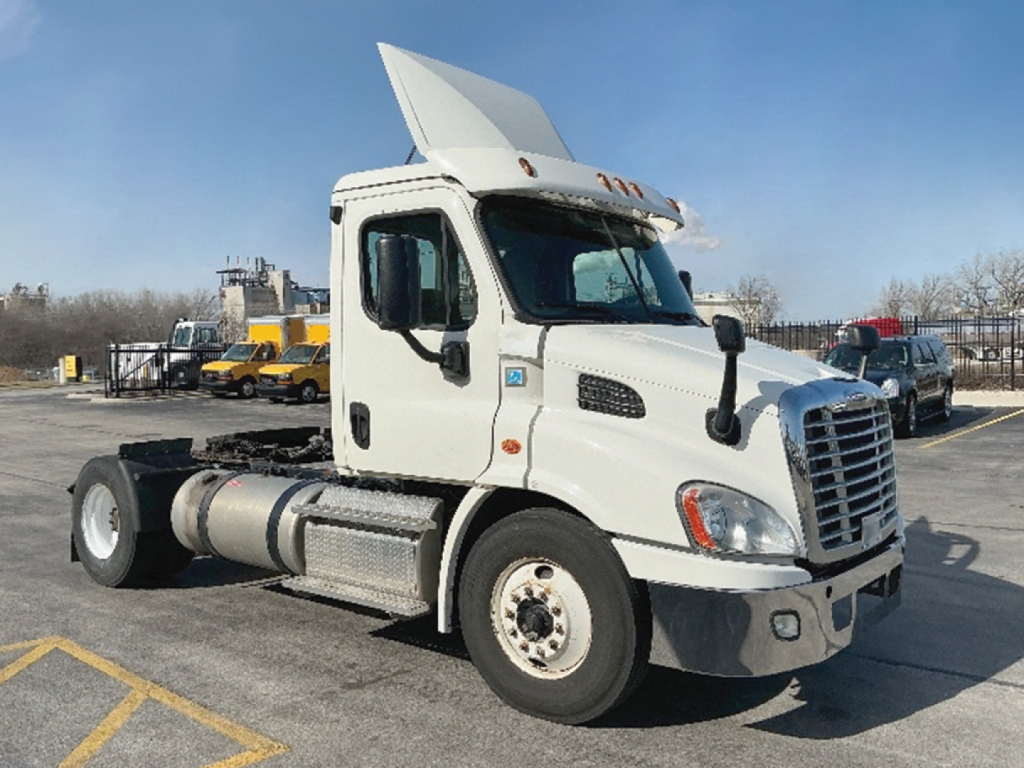
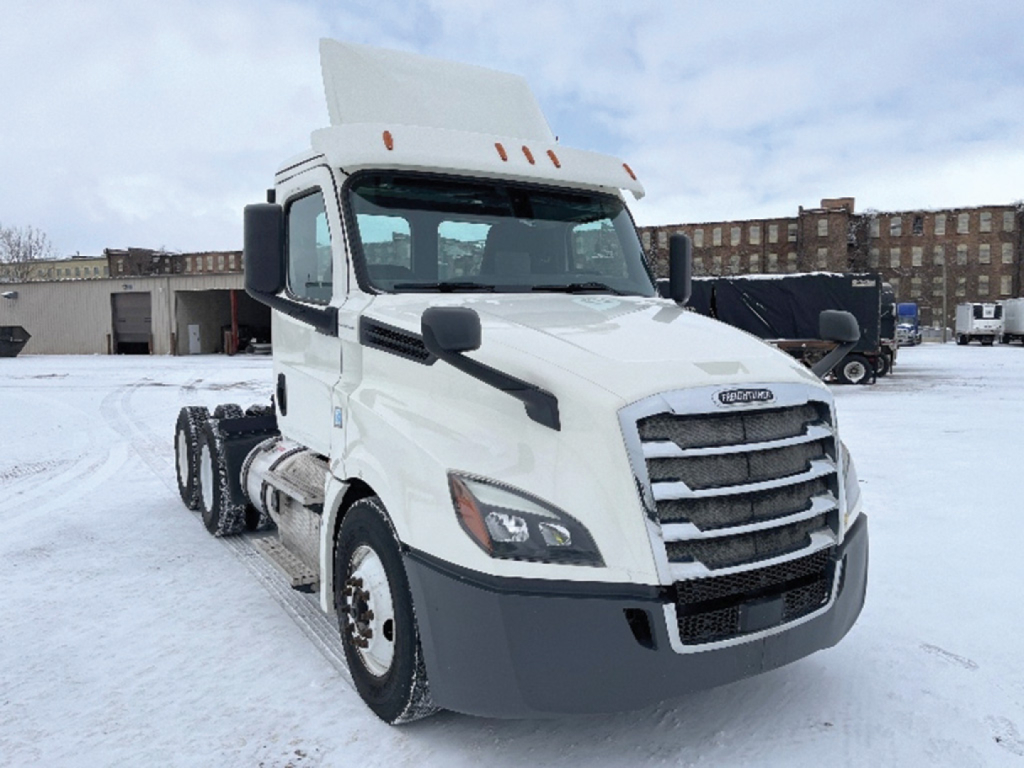
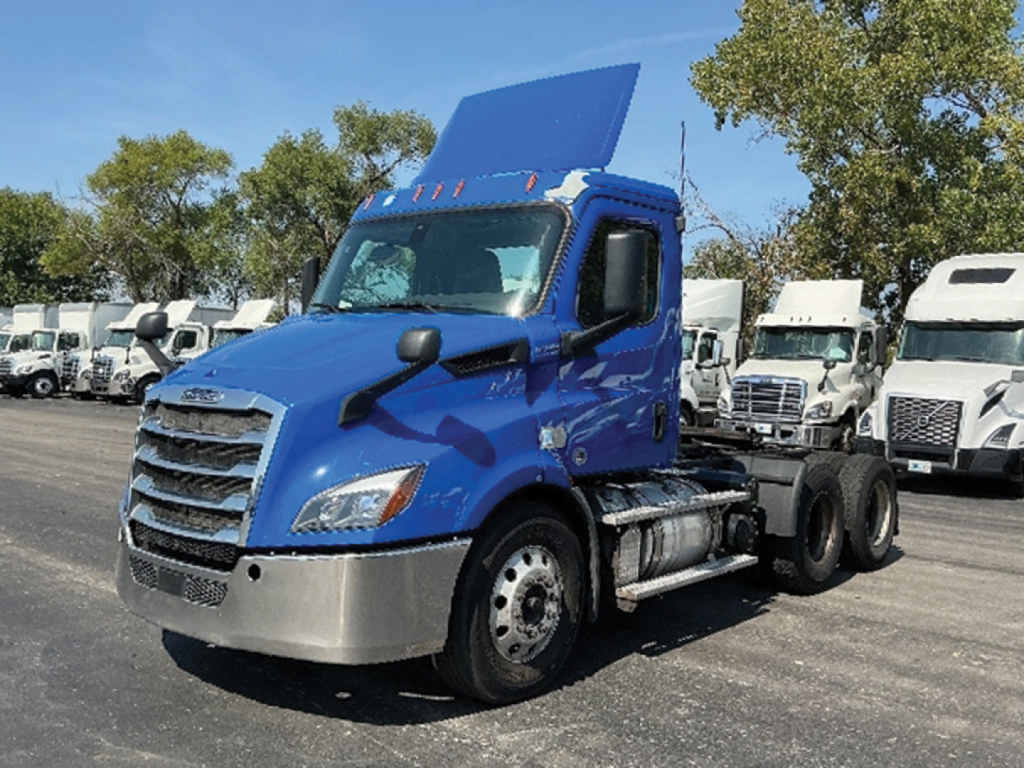
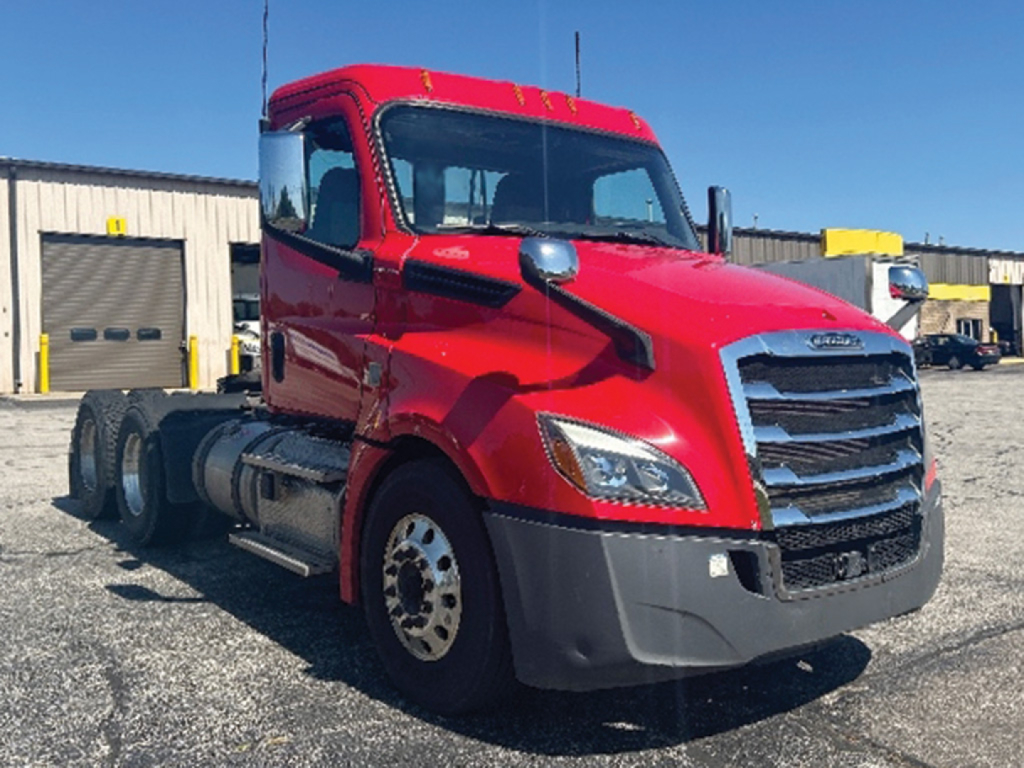
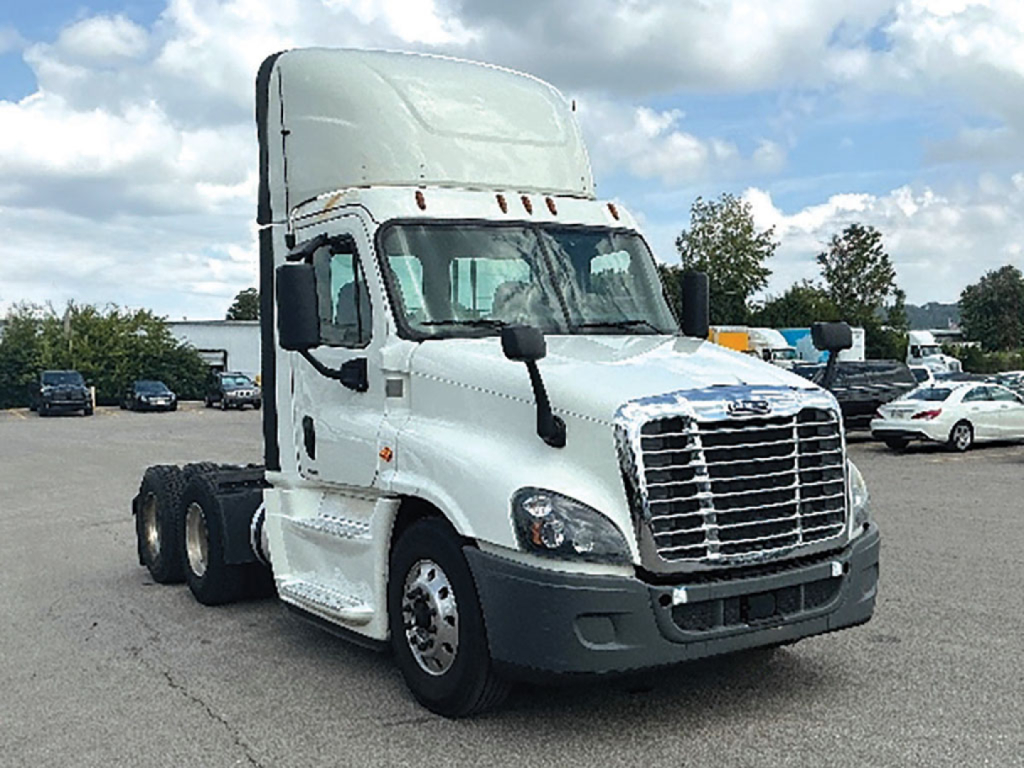
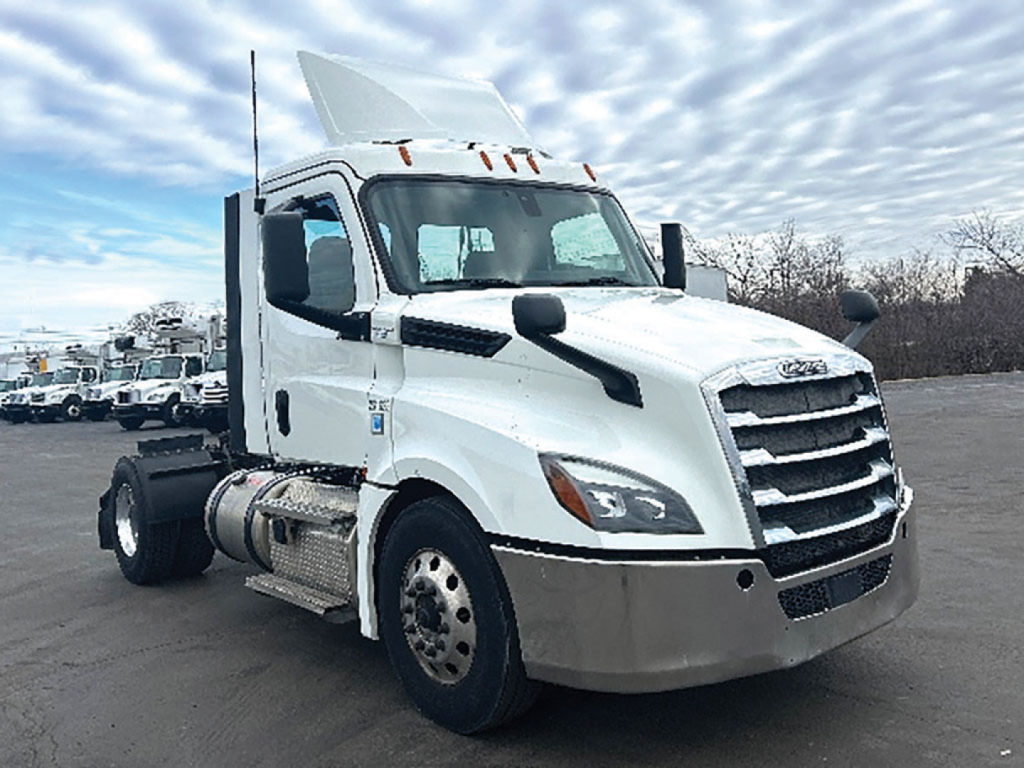
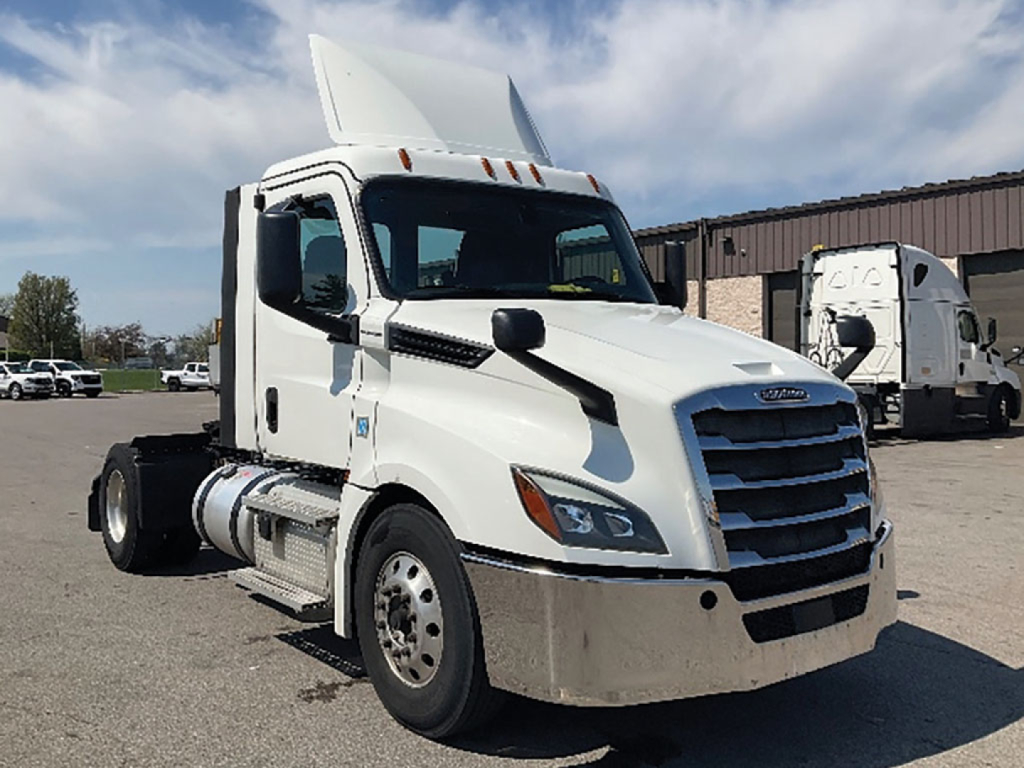
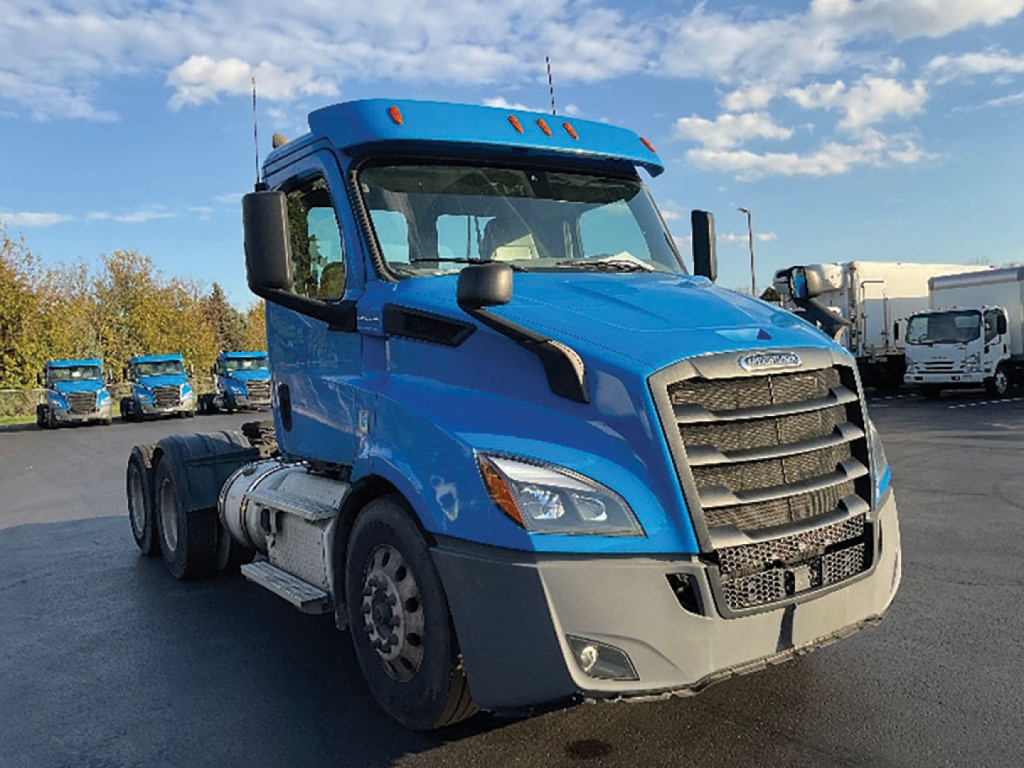
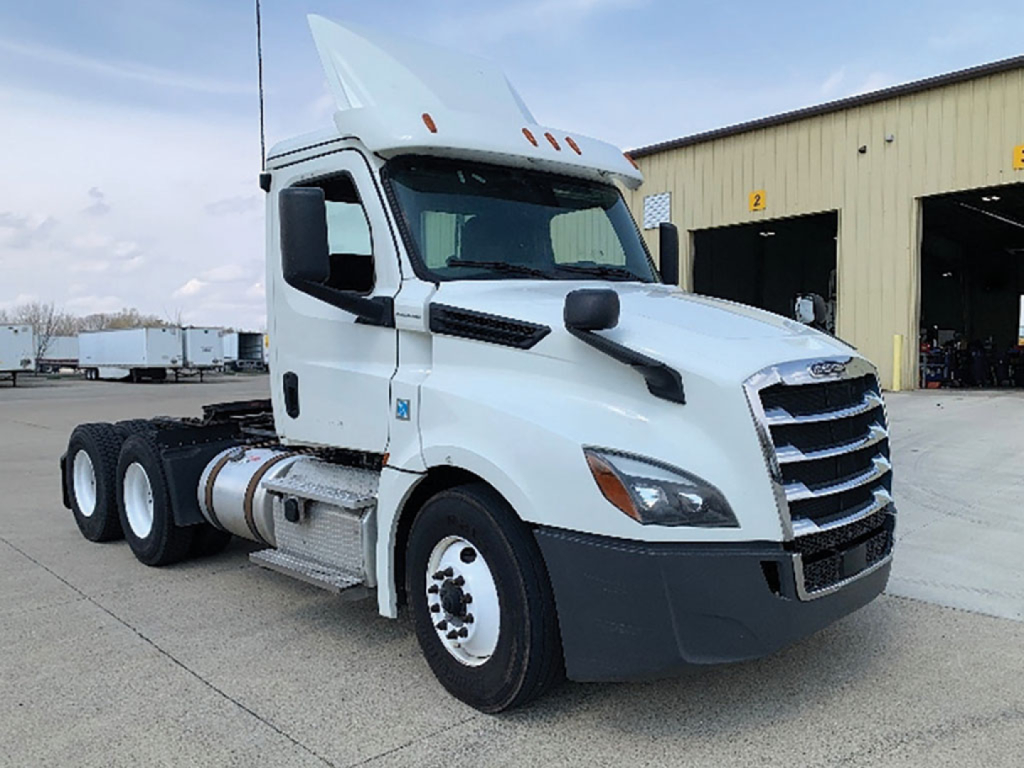
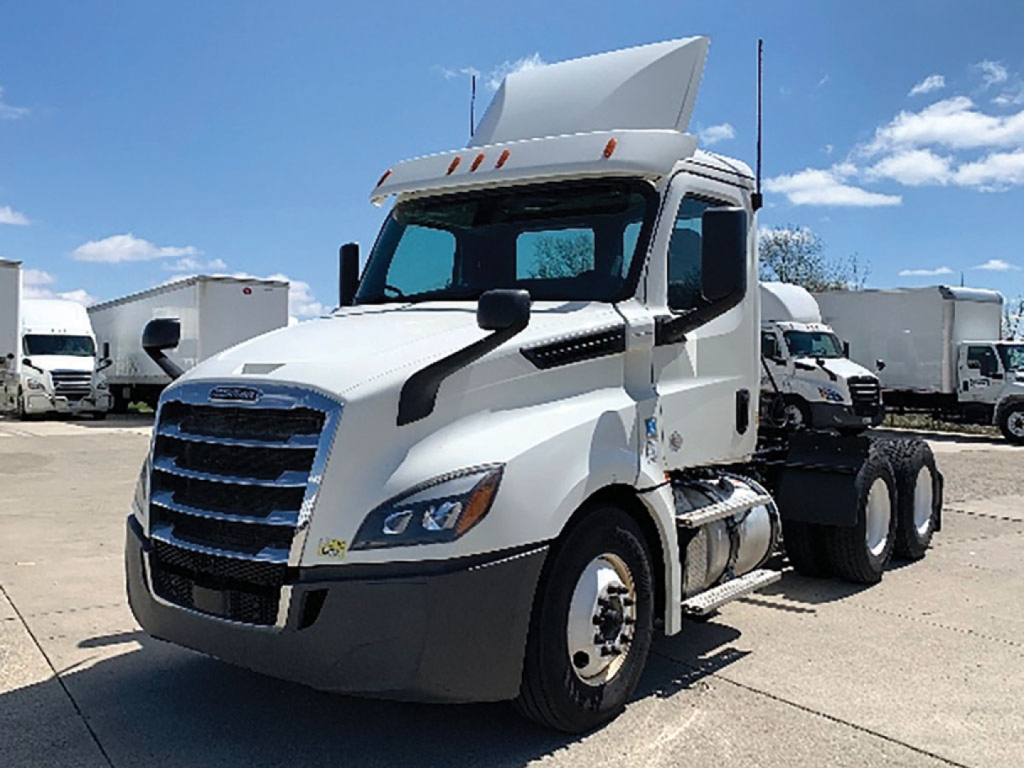
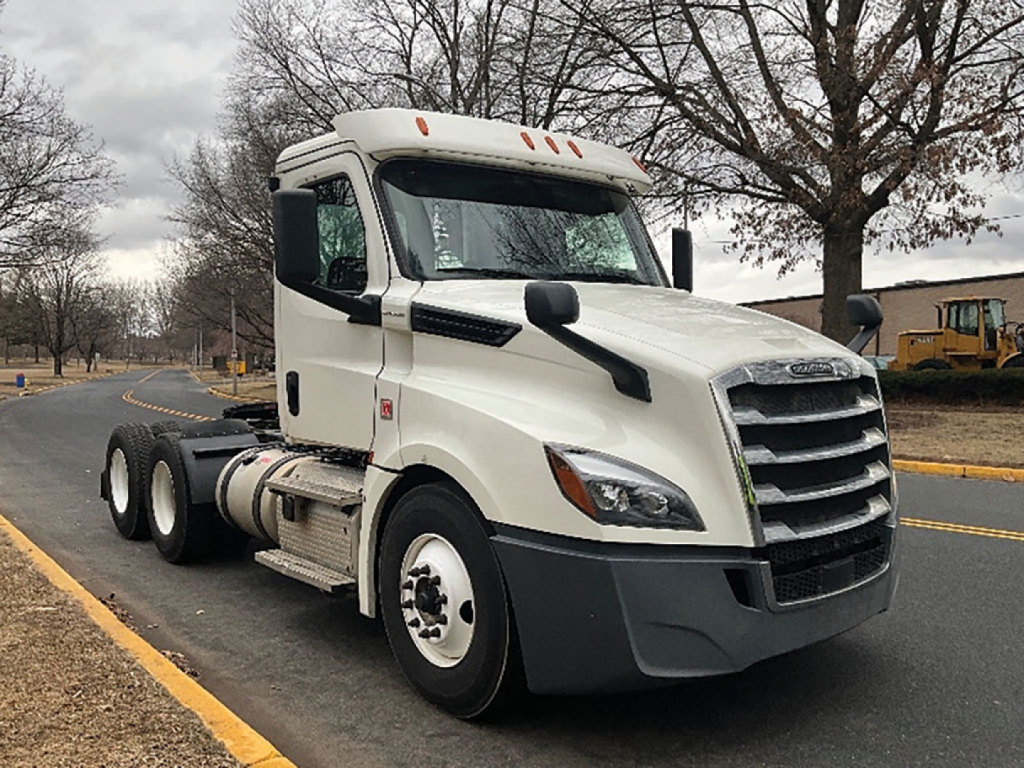
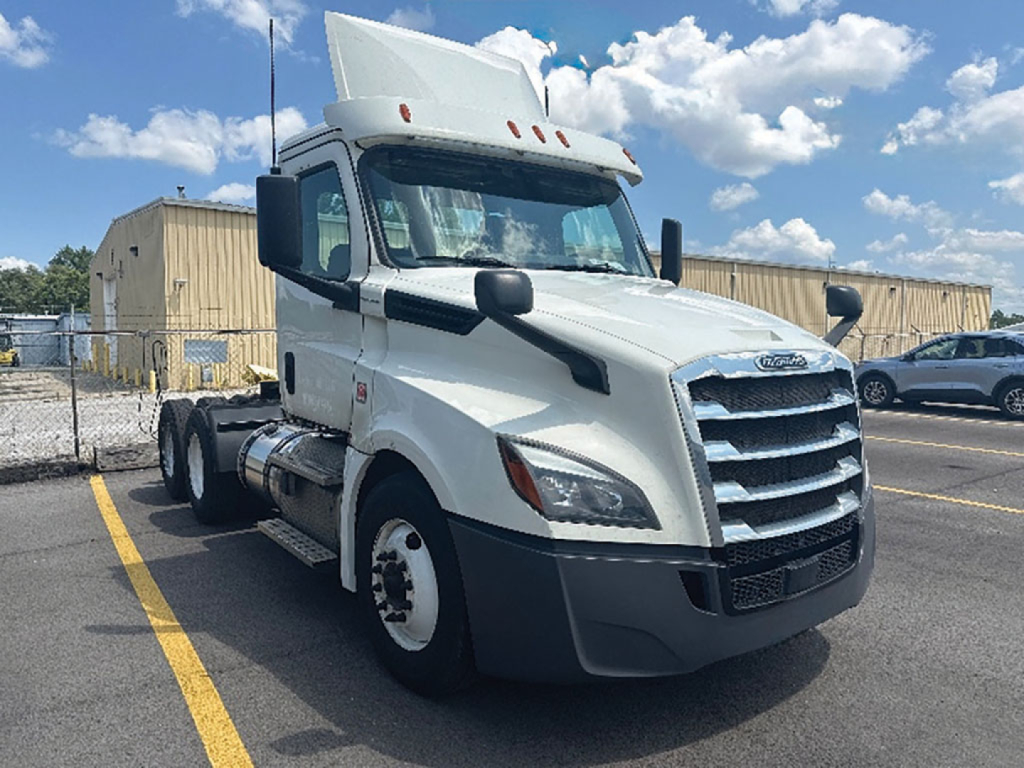
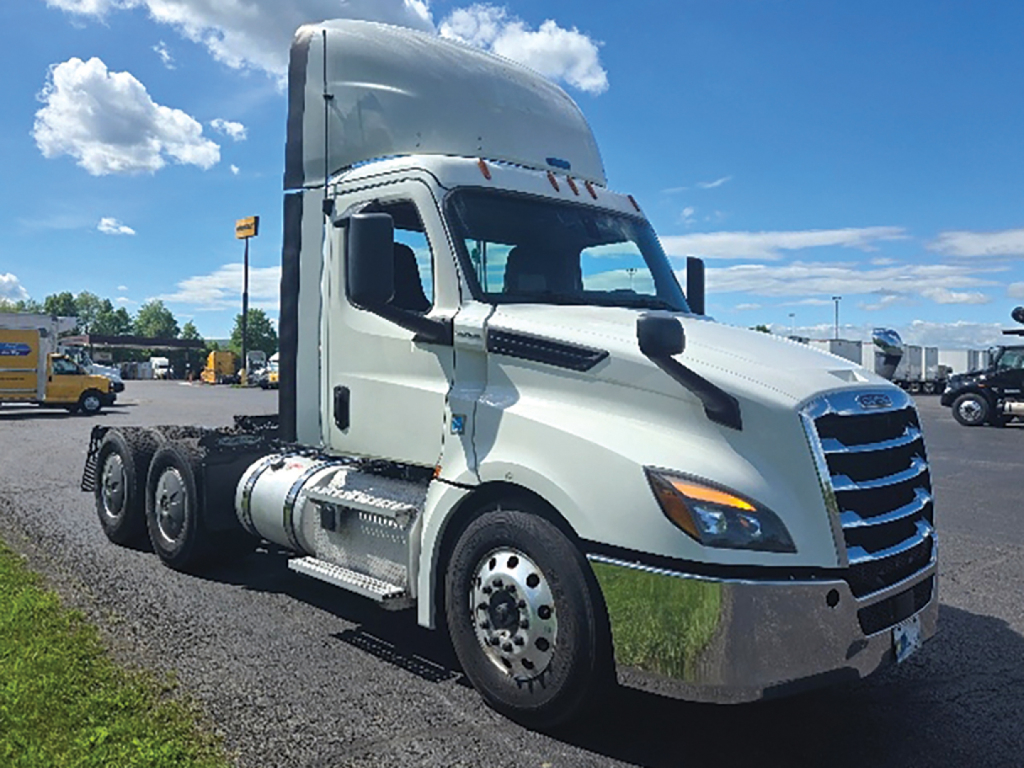
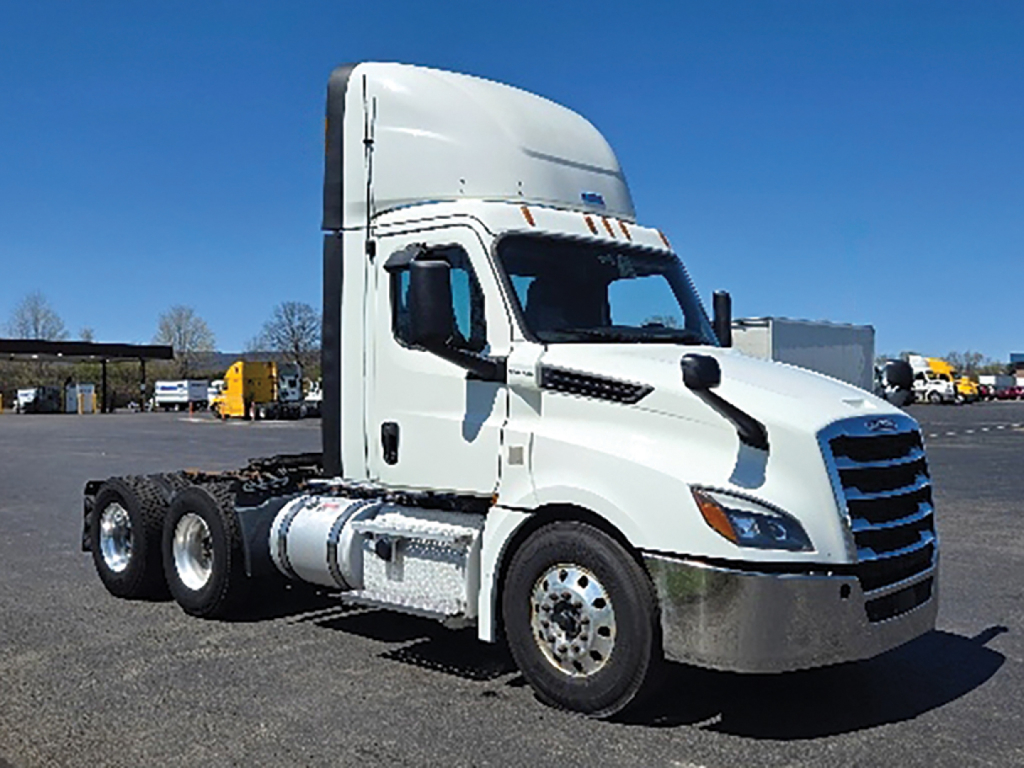
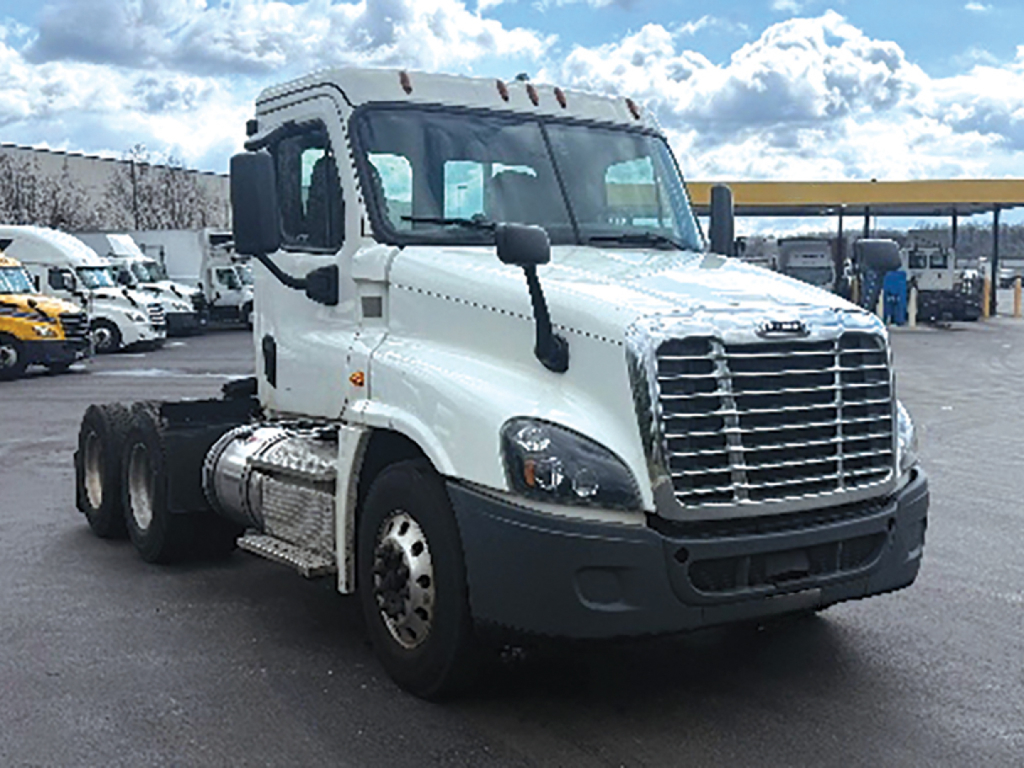
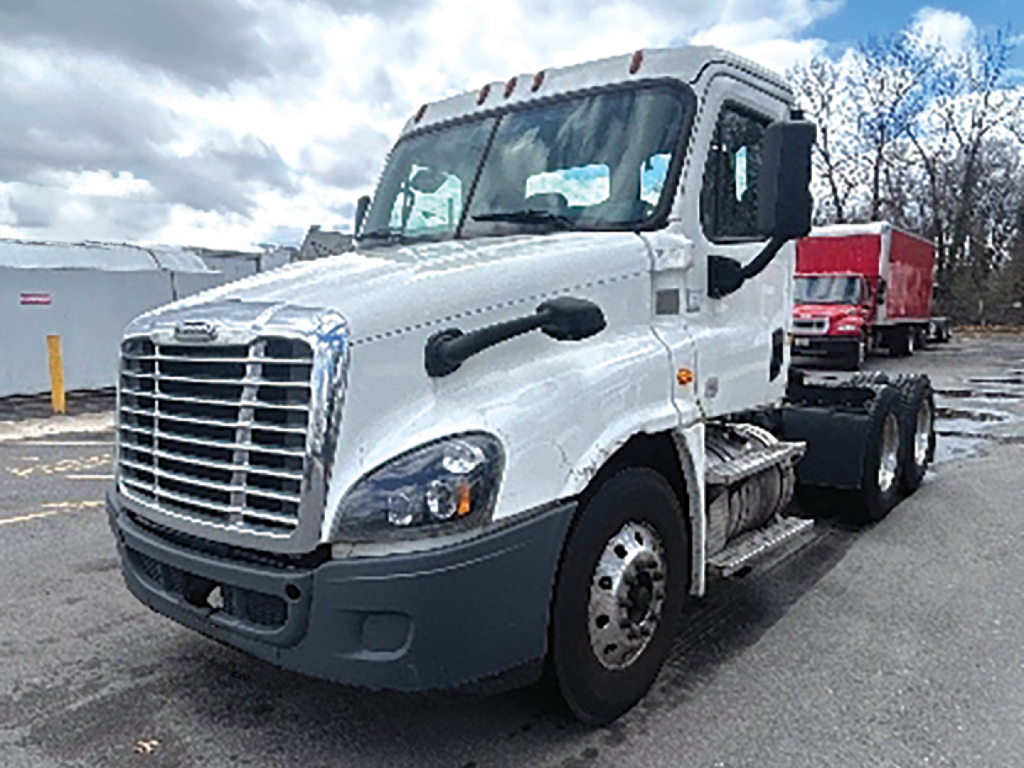

Showing 1 to 28 of 29 results
Looking for the easiest place to sell your used 2019 freightliner conventional daycab truck? List it here to reach thousands of buyers.
Used 2019 Freightliner Conventional Daycab Trucks
The main buying decisions usually come down to powertrain, axle package, and wheelbase. Many 2019 Freightliner daycabs are spec'd with Detroit DD13 power, often in the 410 to 450 horsepower range, paired with either a Detroit DT12 automated manual or a manual Fuller transmission. Rear axle ratings commonly land around 23,000 to 40,000 pounds depending on intended use, with ratios such as 3.08 or 3.42 showing up frequently. A lighter single-axle setup can make sense for city and short regional work, while tandem-axle daycabs are better suited for heavier freight, higher GCW applications, and more demanding trailer combinations. Wheelbase, cab-to-axle, and fifth wheel style also deserve close attention because they affect trailer swing clearance, bridge law compliance, and how the truck fits your lanes and docks.
Suspension and brake spec can tell you a lot about the truck's intended job. Freightliner Airliner air ride suspensions are common on these trucks and are generally favored for ride quality and freight protection. Air disc brakes are also found on many late-model Cascadias and can be a real advantage in stop-and-go service due to braking consistency and easier inspection. Buyers should also look at tire size, wheel material, frame type, and fuel tank capacity, especially if the truck will move between urban duty cycles and longer regional runs. A sliding fifth wheel offers more flexibility across trailer lengths and kingpin settings, while a stationary fifth wheel may be fine for a dedicated operation.
On a used 2019 Freightliner conventional daycab, condition should be judged by more than odometer miles alone. Engine hours, idle time, maintenance records, aftertreatment history, and evidence of fleet preventive maintenance are often better indicators of remaining life. Pay attention to DEF system performance, transmission calibration, suspension wear, and signs of frame or crossmember repairs. If the truck has a Detroit powertrain package, buyers often value the integrated diagnostics and familiarity many shops have with the platform. A properly spec'd 2019 Freightliner daycab can still be a cost-effective choice for fleets and owner-operators that need a modern aerodynamic tractor without the weight and expense of a sleeper.
Frequently Asked Questions about Used 2019 Freightliner Conventional Daycab Trucks
What engine and transmission are common in a 2019 Freightliner conventional daycab?
A 2019 Freightliner conventional daycab is commonly equipped with a Detroit DD13 diesel engine and either a Detroit DT12 automated manual transmission or a manual Fuller transmission, depending on original fleet spec. DD13 ratings in the low-to-mid 400 horsepower range are typical for regional and local hauling because they balance fuel economy, drivability, and maintenance cost well.
Is a single-axle or tandem-axle Freightliner daycab better?
The right axle setup depends on the work. A single-axle daycab is usually lighter, easier to maneuver, and often better for city delivery, short regional routes, or operations with lower gross combination weights. A tandem-axle daycab is the better fit for heavier trailers, more demanding freight, and applications where a 40,000-pound rear suspension and power divider are needed.
Why does wheelbase matter on a used Freightliner daycab?
Wheelbase affects turning radius, trailer clearance, bridge compliance, and overall fit for your operation. A shorter wheelbase is usually better in tight yards, urban routes, and frequent docking. A longer wheelbase can improve ride quality and may be necessary for certain fifth wheel placements, axle spreads, or body and equipment combinations.
Are air disc brakes worth looking for on a used 2019 Freightliner daycab?
Yes. Air disc brakes are a valuable feature on many used daycabs because they typically provide more consistent braking performance, strong stopping in repeated stop-and-go service, and simpler visual brake inspection. They can be especially attractive for regional haul, vocational pull applications, and operations that prioritize safety and reduced brake fade.
What should buyers inspect first on a used 2019 Freightliner daycab?
Start with engine hours, maintenance records, aftertreatment condition, transmission operation, suspension wear, brake type and lining condition, and any fault code history. Then verify axle ratings, rear ratio, wheelbase, fifth wheel setup, and frame condition against the job the truck will actually do. On a used fleet tractor, the best value usually comes from matching the original spec to the intended application rather than buying on price alone.