
Conventional Daycab Trucks For Sale in Florida
Browse conventional daycab trucks built for regional haul, port, local delivery, and vocational work with practical spec choices for Florida fleets.
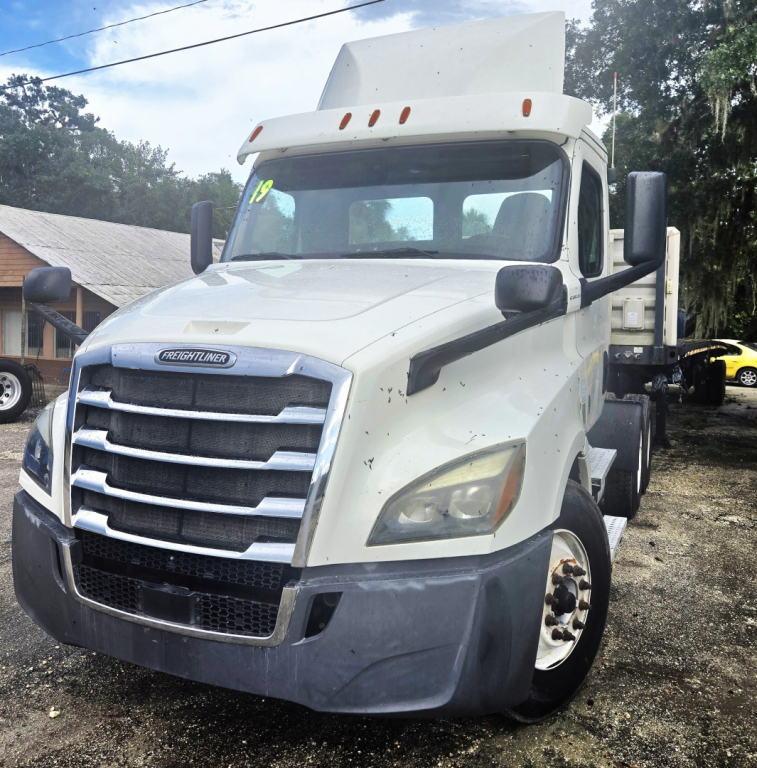
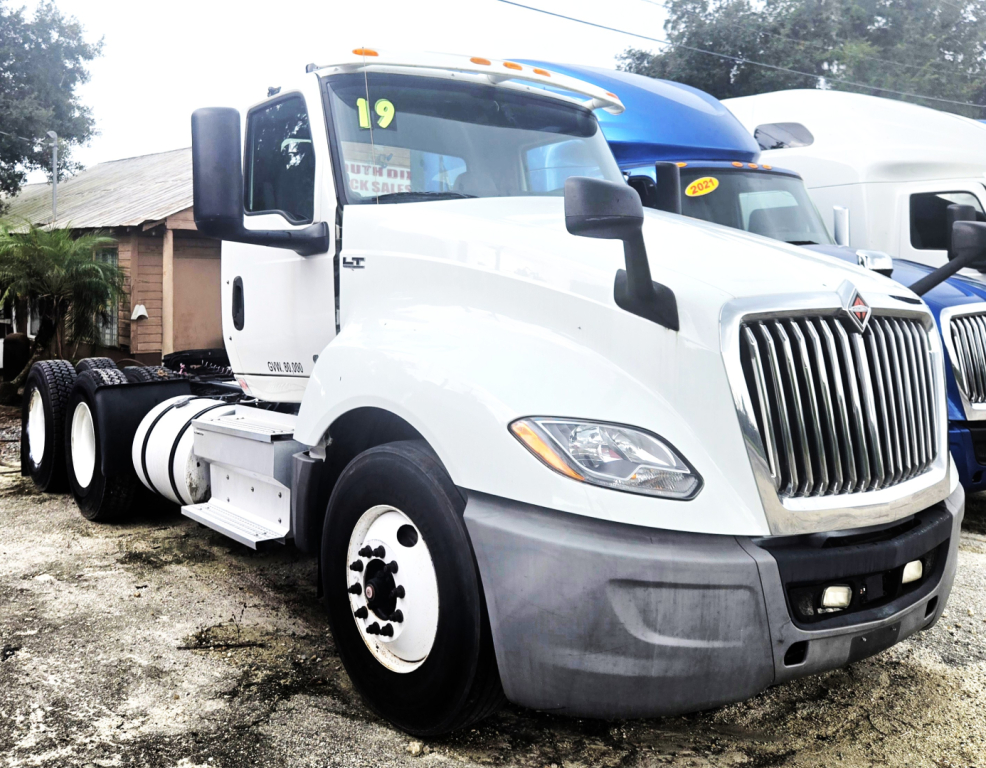
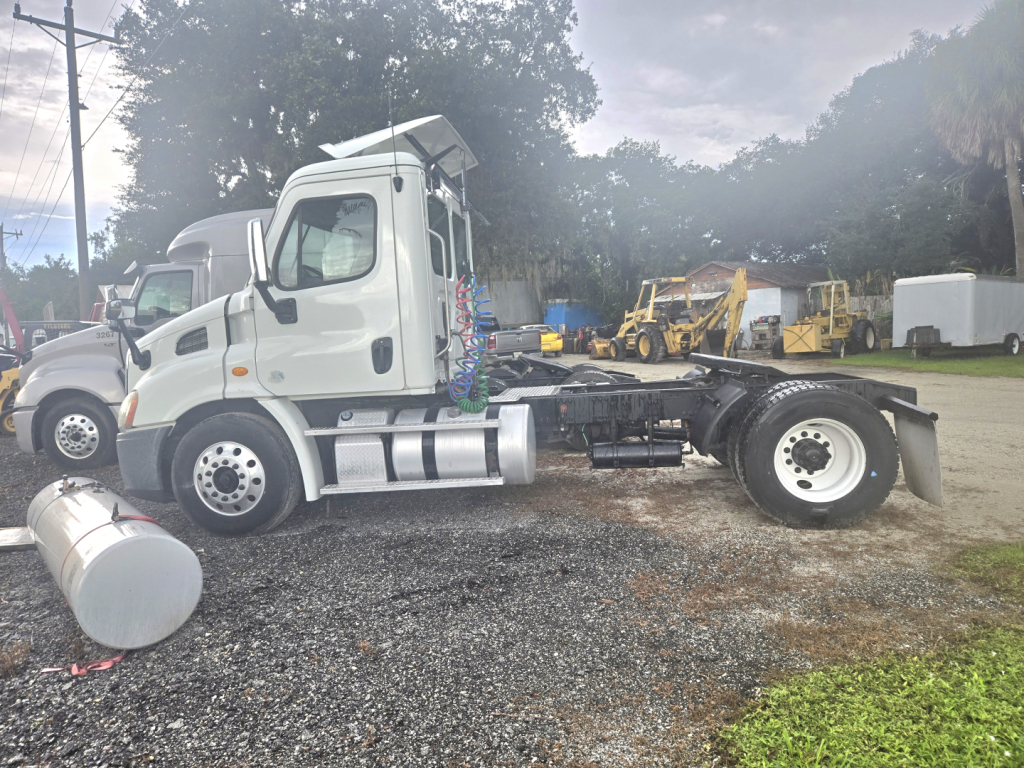
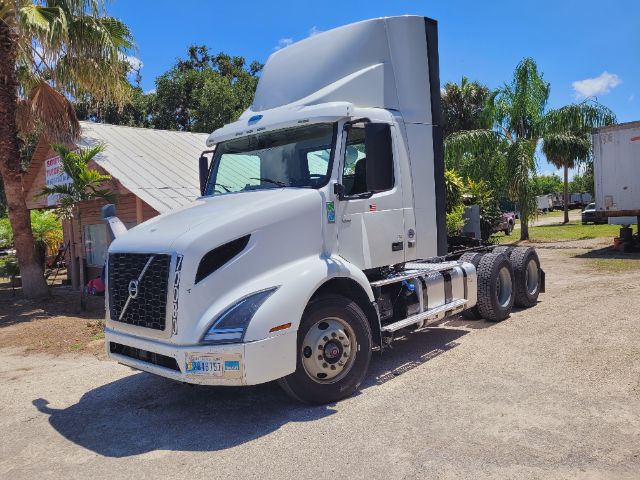
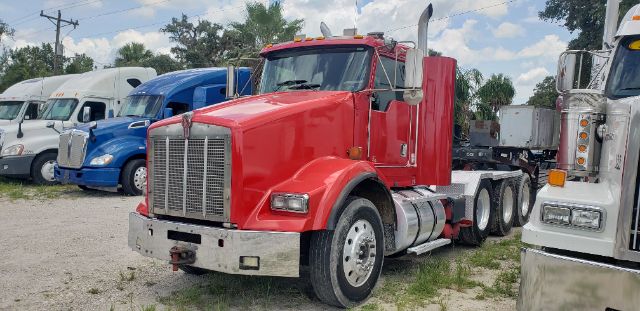
Selling a conventional daycab truck? List your conventional daycab truck for sale and reach thousands of commercial buyers.
Conventional Daycab Trucks in Florida
A typical road-spec conventional daycab will carry a 12 to 15 liter diesel engine in the 400 to 500 horsepower range, paired with either an automated manual or a traditional manual transmission. Common tandem axle ratings are around 40,000 pounds, while heavier vocational and tri-axle configurations push into specialized applications like lowboy, construction, and severe-duty hauling. For linehaul and regional van or reefer work, faster rear axle ratios such as 2.47 help fuel economy at highway speed. For heavy haul, dump, or stop-and-go work, deeper ratios and multi-speed manual boxes still matter. Wheelbase is another key decision. A shorter wheelbase improves turning in tight yards and port terminals, while a longer wheelbase can help ride quality, frame space, and trailer gap management.
Florida buyers should pay close attention to cooling system condition, A/C performance, and corrosion points. Heat, humidity, and coastal exposure can be harder on radiators, charge air coolers, electrical connectors, frame components, and cab hardware than inland service. Aerodynamic packages like roof fairings, cab extenders, quarter fenders, and side fairings are worth having on trucks that spend real time on I-4, I-75, or longer regional lanes. Driver-assist features such as collision mitigation, engine brakes, cruise control, and air slide fifth wheels are now common on newer fleet daycabs and can improve both safety and trailer compatibility. Interior comfort still matters in a daycab because drivers may spend a full shift in the seat, so suspension type, steering adjustment, visibility, and cab noise deserve attention.
The best conventional daycab is the one spec'd for the freight, not just the badge on the hood. A port or local P&D tractor may benefit from a shorter wheelbase, automatic transmission, and durable interior. A regional highway unit may justify a high-efficiency powertrain, low rolling resistance tires, and aerodynamic trim. A heavy vocational daycab may need a PTO, double frame, high horsepower, locking rears, and a set-forward or severe-duty chassis. Review maintenance records, emissions system history, tire and brake wear, fifth wheel condition, and any signs of hard service before making a final decision. On used daycabs, the right combination of power, gearing, axle rating, and application history matters more than model year alone.
Frequently Asked Questions about Conventional Daycab Trucks in Florida
What is a conventional daycab truck used for?
A conventional daycab truck is used for hauling freight on routes that do not require the driver to sleep in the truck. Common applications include regional dry van and reefer work, drayage, tanker service, dedicated store delivery, LTL relay, dump service, and heavy haul. The conventional hood design allows easier engine access than a cabover, and the daycab layout reduces weight and length compared with a sleeper tractor.
What specs matter most when buying a used conventional daycab?
The most important specs are engine displacement and horsepower, transmission type, rear axle ratio, wheelbase, suspension, axle ratings, and fifth wheel configuration. Those items determine fuel economy, turning radius, trailer compatibility, legal payload, and how well the truck matches the intended work. Buyers should also look at emissions system service history, brake and tire condition, frame integrity, and whether the truck has features like an engine brake, PTO, collision mitigation, or air slide fifth wheel.
Is an automated transmission a good choice in a daycab tractor?
An automated manual transmission is a strong fit for many daycab applications, especially regional haul, local delivery, and fleets with multiple drivers. It can reduce driver fatigue, improve consistency, and help protect the driveline from abuse. Manual transmissions still make sense in some heavy haul, off-road, or highly specialized applications where gear control and ratio selection are more critical.
What wheelbase is best for a conventional daycab?
The best wheelbase depends on the trailer, the loading environment, and how the truck is dispatched. Shorter wheelbases are easier to maneuver in tight yards, terminals, and urban delivery areas. Longer wheelbases can improve ride quality, provide more room for fuel capacity or frame-mounted equipment, and sometimes work better with certain trailer swing clearances and kingpin settings. Matching wheelbase to application is more important than choosing the shortest or longest option available.
Are conventional daycabs a good fit for Florida operations?
Conventional daycabs are a very good fit for Florida because much of the work is regional, port-related, agricultural, construction-focused, or based on repeat daytime lanes. Buyers in Florida should pay extra attention to cooling performance, air conditioning, tire condition, and corrosion exposure from heat, humidity, and coastal environments. A truck with strong A/C, a healthy cooling package, and the right gearing for highway and stop-and-go use is usually a better long-term choice in this market.