
2016 Conventional Daycab Trucks For Sale in Florida
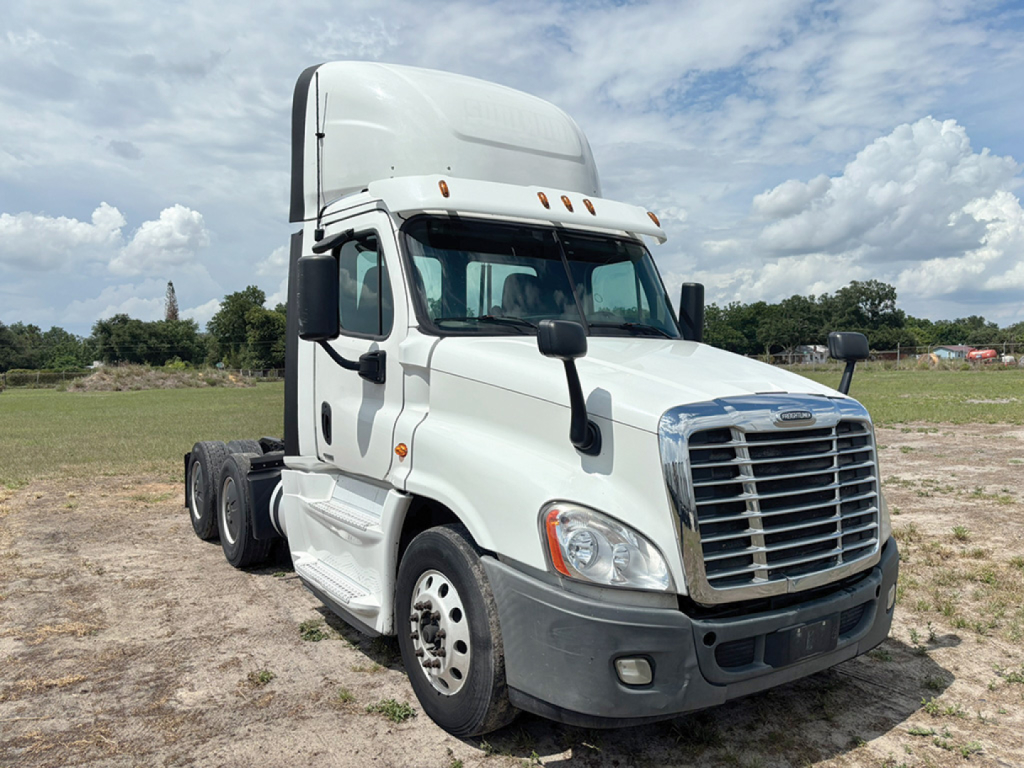
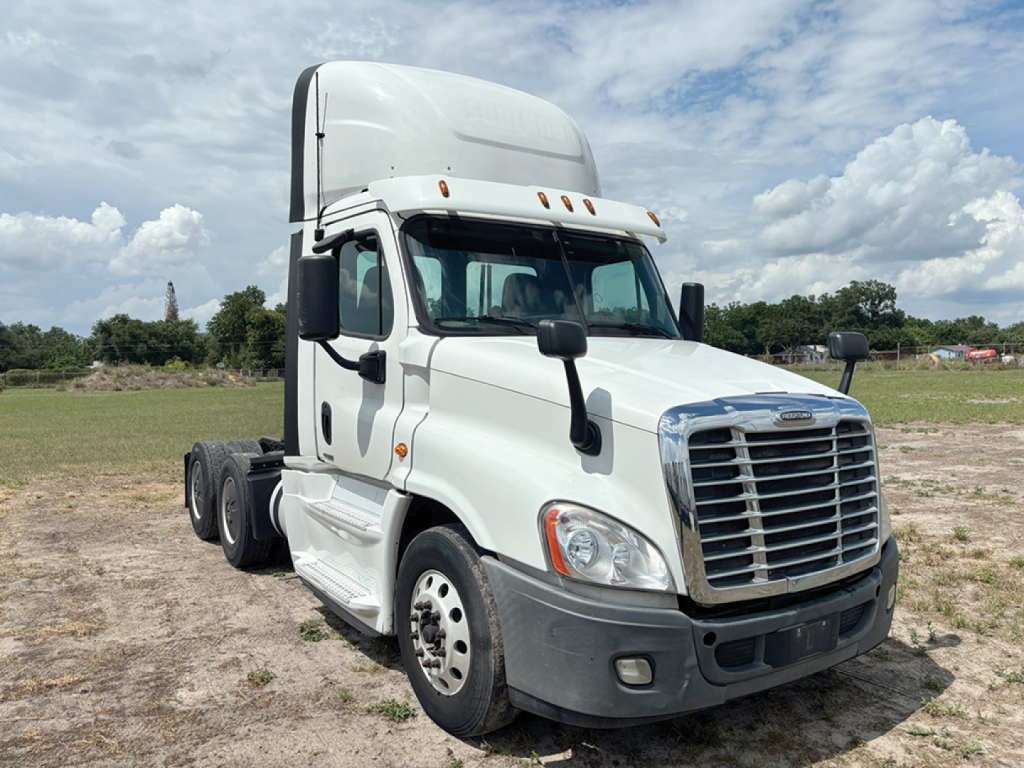
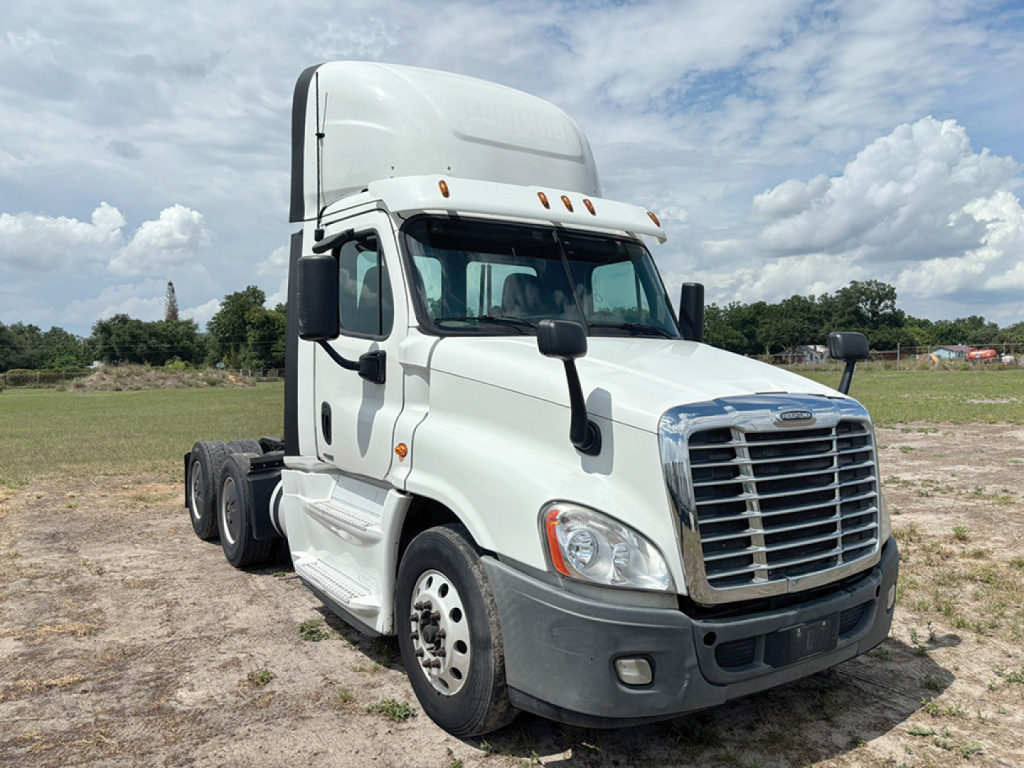
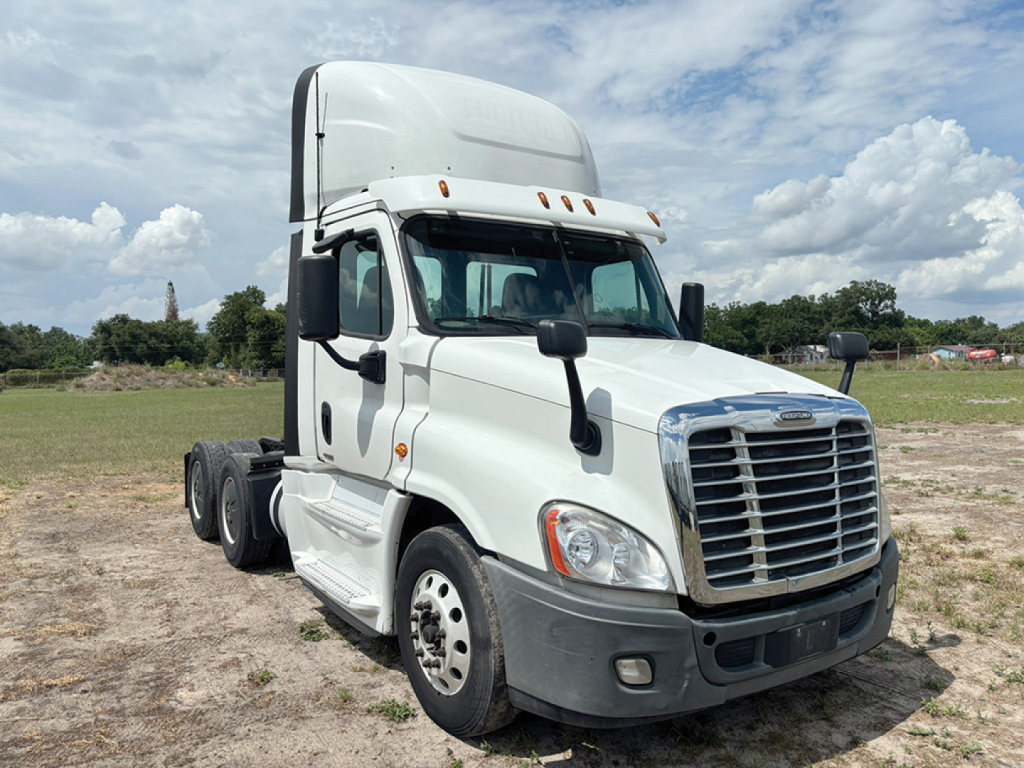
Have 2016 conventional daycab truck to sell? List it here to reach thousands of buyers.
2016 Conventional Daycab Trucks in Florida
For 2016 model year trucks, common specs include 12.8L to 15L diesel engines, automated manual or manual transmissions, tandem rear axles, and air ride suspension. Many are spec'd in the 400 to 455 horsepower range with engine brakes, making them well suited for van, reefer, container, and flatbed work. Wheelbases often fall around the mid-170-inch to low-180-inch range, which is a practical sweet spot for balancing trailer clearance, weight distribution, and turning radius. Pay close attention to rear axle ratings, axle ratio, and whether the truck has an air slide fifth wheel, especially if the truck will handle mixed trailer lengths or needs kingpin setting flexibility.
Condition matters more than headline mileage on a 2016 daycab. Review engine family, emissions history, transmission service records, suspension wear, and brake type. Trucks from this era may be equipped with aerodynamic packages such as roof fairings, cab extenders, and quarter fenders, which can help on higher-speed regional lanes. Interior and driver-assist features also vary. Air conditioning, tilt-telescoping steering, cruise control, power windows, and collision mitigation systems can make a real difference in driver acceptance and safety. In Florida, corrosion exposure is usually lower than in heavy road-salt markets, but buyers should still inspect frame rails, crossmembers, air tanks, wiring, and any signs of coastal exposure.
The best 2016 conventional daycab is the one matched to the trailer, route, and payload. A lighter spec may suit high-cube van freight and frequent stops, while a heavier tandem setup with a strong engine brake and durable suspension may be better for dense loads or port-related work. Look closely at tire size, fuel capacity, PTO needs, and suspension type if the truck will be assigned to a specialized application. A well-matched 2016 daycab can still be a cost-effective tractor for fleets and owner-operators that need dependable regional performance without the added weight and cost of a sleeper.
Frequently Asked Questions about 2016 Conventional Daycab Trucks in Florida
What is a 2016 conventional daycab truck best used for?
A 2016 conventional daycab truck is best suited for regional hauling, local delivery, dedicated routes, port drayage, and yard-to-yard trailer moves. The non-sleeper cab reduces weight and overall length compared to a sleeper tractor, which improves maneuverability and can help payload and operating efficiency in short-haul applications.
What specs matter most when buying a 2016 daycab?
The most important specs are engine rating, transmission type, rear axle ratio, wheelbase, suspension, and fifth wheel configuration. These determine how the truck pulls, how it turns, where the engine runs at cruise speed, and how well it matches your trailers and payload. Buyers should also verify axle ratings, brake setup, tire size, fuel tank capacity, and any PTO or vocational requirements.
Are 2016 conventional daycabs good for Florida operations?
Yes, 2016 conventional daycabs are a strong fit for many Florida applications because they work well in regional freight, urban traffic, warehouse distribution, and port-related service. Buyers should still inspect for heat-related wear, air conditioning performance, cooling system condition, and any corrosion from coastal exposure, especially on frame components, wiring, and air system hardware.
Is an automated manual transmission a good choice in a 2016 daycab?
An automated manual transmission can be a very good choice for a 2016 daycab, especially in stop-and-go regional service. It can reduce driver fatigue, improve shift consistency, and help fleets with driver recruitment. The key is confirming proper calibration, clutch life where applicable, and complete transmission service history before purchase.
How do I choose the right wheelbase on a 2016 conventional daycab?
Choose wheelbase based on trailer type, axle spacing needs, turning radius requirements, and weight distribution. Shorter wheelbases usually maneuver better in tight yards and city work, while slightly longer wheelbases can improve ride quality and trailer clearance with certain body or fifth wheel positions. The correct setup should also leave enough adjustment for kingpin settings and legal axle weights.