
2018 Conventional Daycab Trucks For Sale in Florida

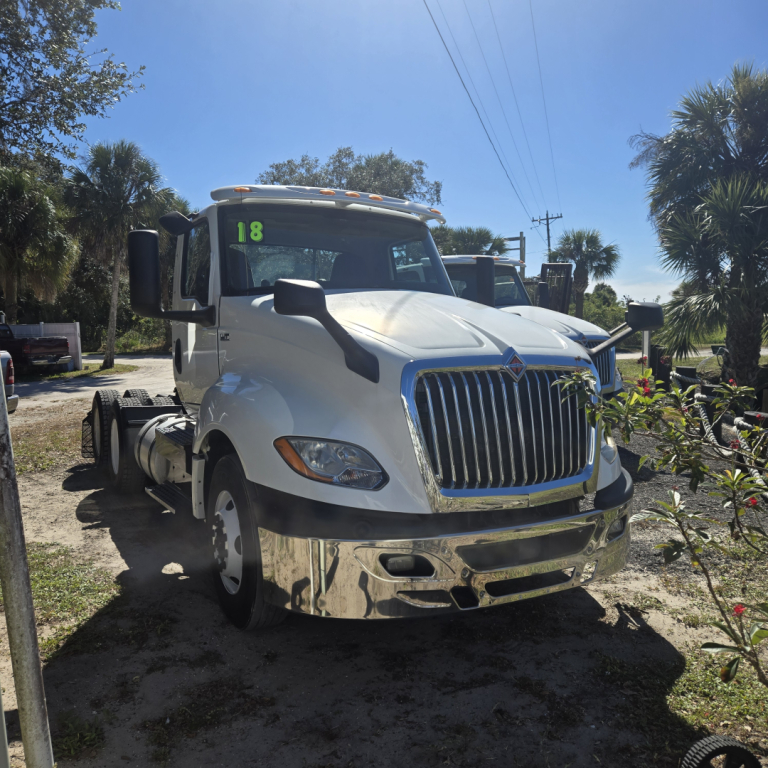
Have 2018 conventional daycab truck to sell? List it here to reach thousands of buyers.
2018 Conventional Daycab Trucks in Florida
The main buying decisions on a 2018 daycab are powertrain, wheelbase, and rear axle spec. Many trucks in this class carry 12.8L to 15L diesel engines, often in the 400 to 455 horsepower range, paired with automated manual or manual transmissions. A common tandem-axle setup is a 40,000 lb rear with air ride suspension, and axle ratios in the low to mid-2s are typical for fuel-efficient highway and regional applications. If the truck will spend more time in heavy starts, container work, or dense city routing, pay attention to ratio selection, clutch history on manual units, and how the fifth wheel position matches the trailers being pulled. Wheelbase also matters more than many buyers expect because it affects bridge law flexibility, trailer swing clearance, and backing behavior.
2018 model year conventional daycabs often include equipment that improved driver acceptance and fleet uptime, including collision mitigation systems, engine brakes, cruise control, air slide fifth wheels, and aerodynamic packages with fairings and cab extenders. Buyers should look closely at brake type, tire size, steering configuration, and fuel tank capacity because these details determine how well the truck fits a regional linehaul lane versus a short-haul yard-to-warehouse cycle. In Florida, air conditioning performance, cooling system condition, and corrosion exposure deserve extra attention, especially on trucks that have worked near ports or coastal areas.
A good 2018 conventional daycab should be matched to the job before it is judged on mileage alone. Low-speed drayage, regional dry van, beverage hauling, and private fleet distribution can all require different specs even when the trucks look similar on paper. Service records, idle hours, emissions system history, and signs of prior fleet maintenance discipline usually tell more than the badge on the hood. Buyers comparing several 2018 daycab trucks should focus on engine family, transmission type, axle ratio, suspension, wheelbase, and safety equipment first, then verify that the cab condition and spec level support the work the truck will do every day.
Frequently Asked Questions about 2018 Conventional Daycab Trucks in Florida
What is a conventional daycab truck used for?
A conventional daycab truck is a non-sleeper road tractor designed for local, regional, and dedicated hauling. It is commonly used for dry van, reefer, flatbed, port drayage, and private fleet distribution where the driver returns home daily or does not require overnight sleeper space. The shorter cab helps reduce weight and improves maneuverability compared with a sleeper tractor.
What should I check first on a 2018 conventional daycab?
Start with the powertrain and application match. Confirm engine rating, transmission type, rear axle ratio, suspension, and wheelbase before looking at cosmetic items. After that, review maintenance records, fault codes, emissions system repairs, brake and tire condition, and fifth wheel wear. On a used 2018 truck, service history and spec alignment usually matter more than appearance.
Is a 2018 daycab a good choice for Florida operations?
A 2018 daycab can be a strong fit for Florida freight because many routes are regional, port-related, or distribution-focused rather than long-haul sleeper work. Buyers in Florida should pay close attention to air conditioning performance, cooling system health, and any corrosion from coastal or port exposure. Maneuverability and driver comfort are especially important for high-frequency stop-and-go operations.
What axle ratio is best in a conventional daycab?
The best axle ratio depends on the load profile, terrain, cruising speed, and trailer type. Lower numerical ratios such as 2.41 or 2.47 are commonly used for fuel-efficient highway and regional service, especially with automated manual transmissions. Higher numerical ratios may be better for heavier starts, slower average speeds, or more demanding vocational-style use where launch performance matters more than top-end fuel economy.
How important is wheelbase on a daycab tractor?
Wheelbase is one of the most important spec choices because it affects turning radius, bridge compliance, trailer gap, and how the truck handles in docks and crowded yards. A shorter wheelbase generally improves maneuverability, while a longer wheelbase may help with ride quality or trailer compatibility depending on the setup. Buyers should compare wheelbase with fifth wheel travel, kingpin settings, and the trailers the truck will actually pull.