
2026 Conventional Daycab Trucks For Sale in Alaska
Shop 2026 conventional daycab trucks in Alaska. Compare wheelbases, axle ratings, transmissions, and specs for regional and vocational hauling.
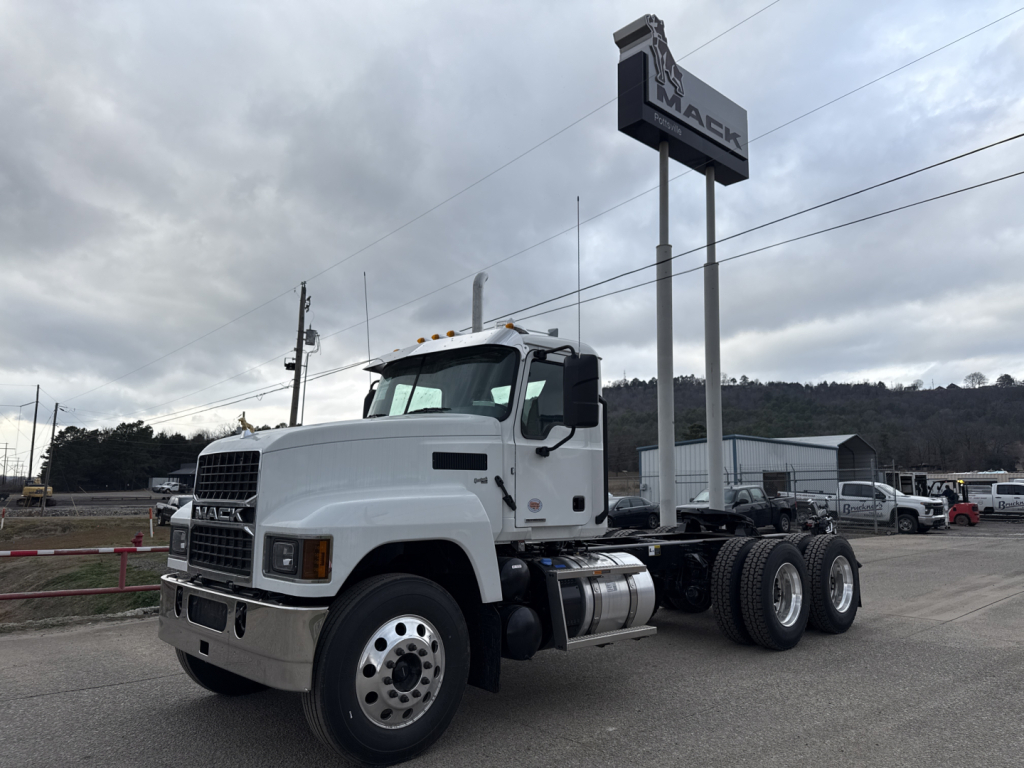
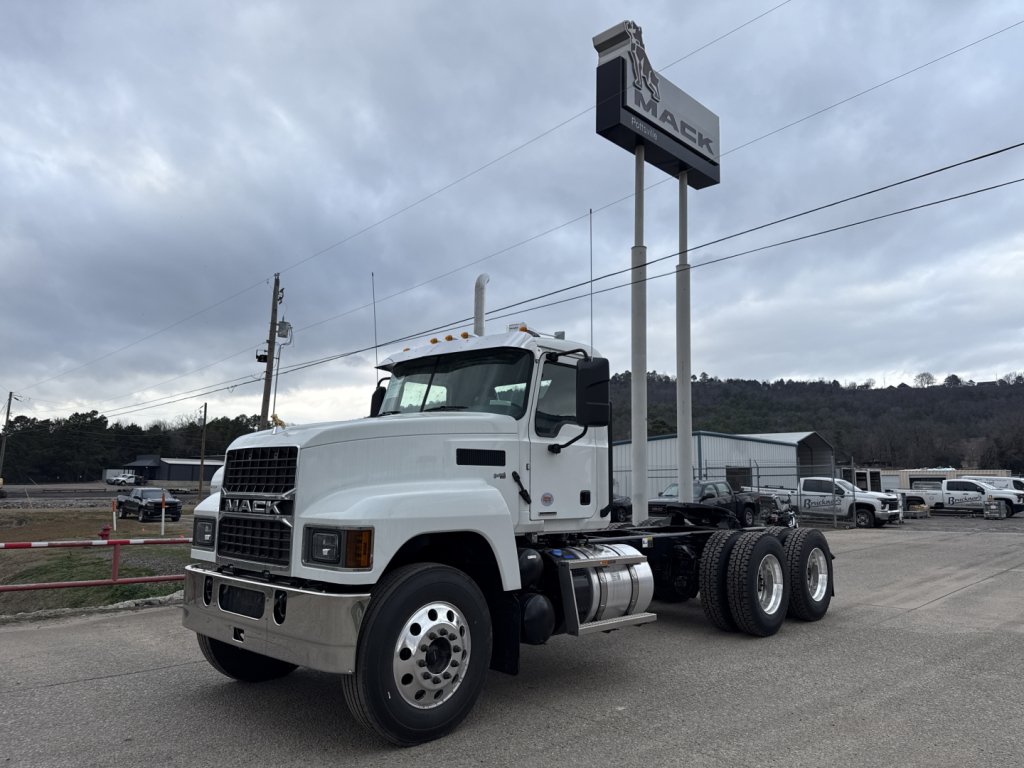
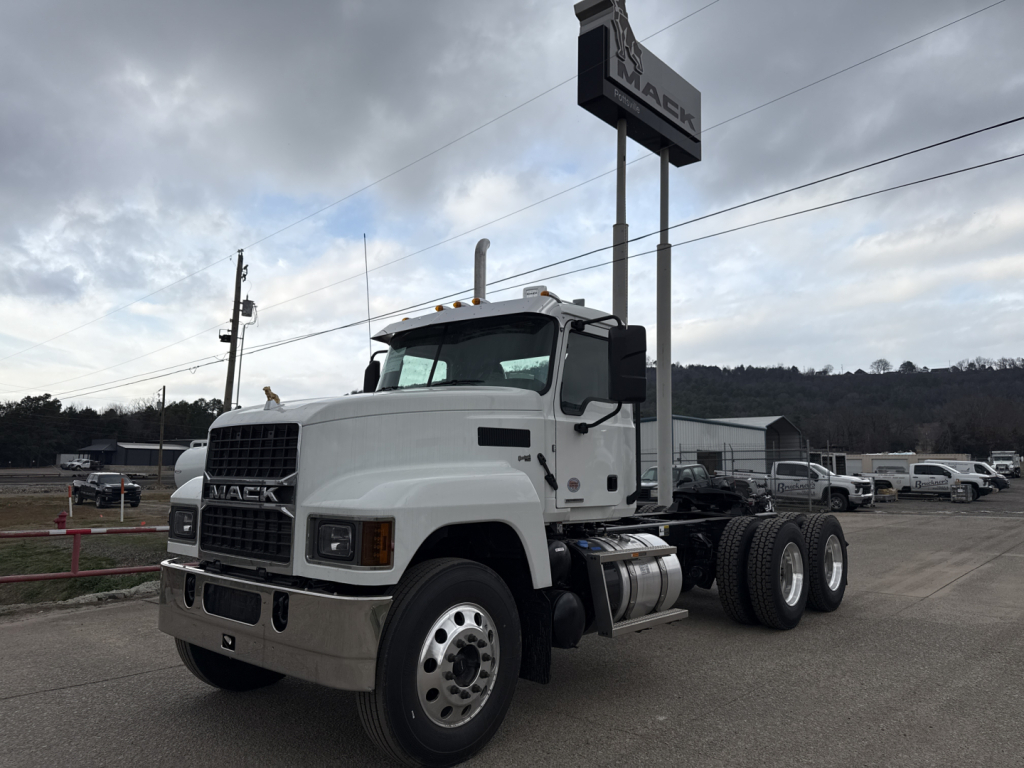
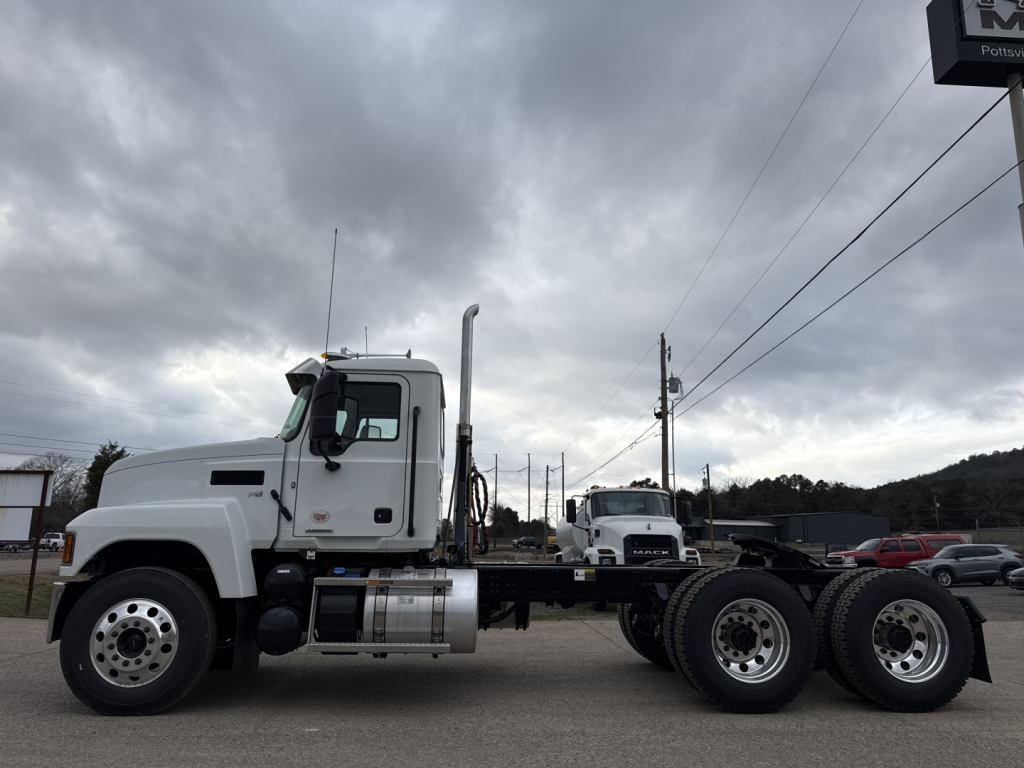
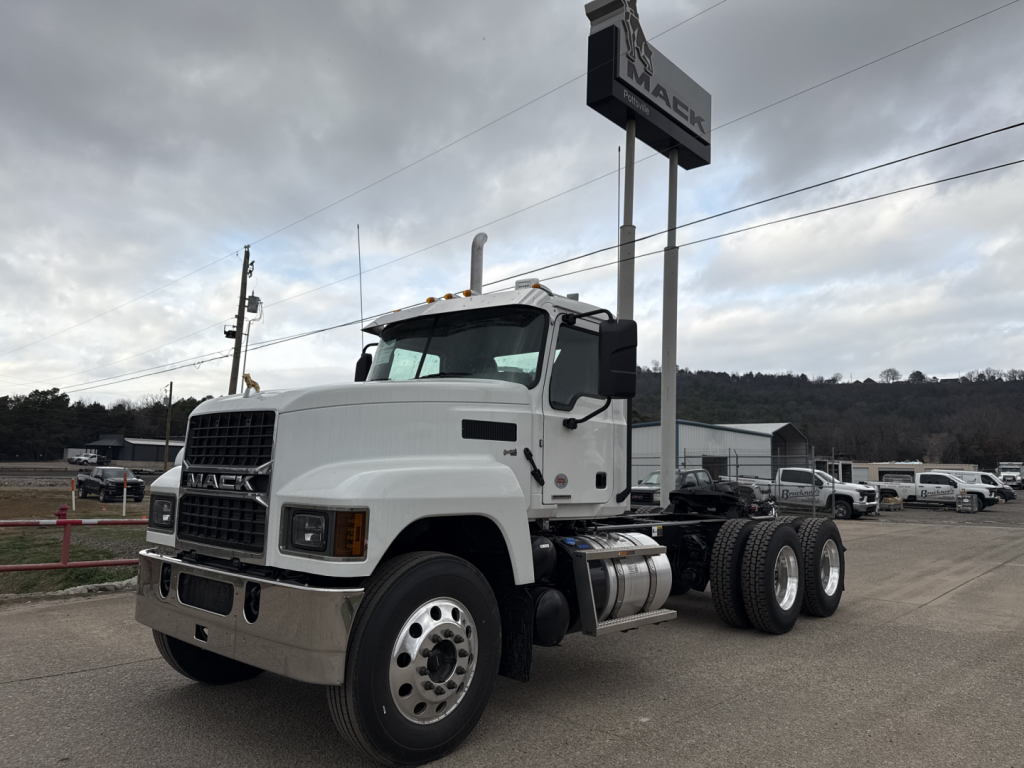
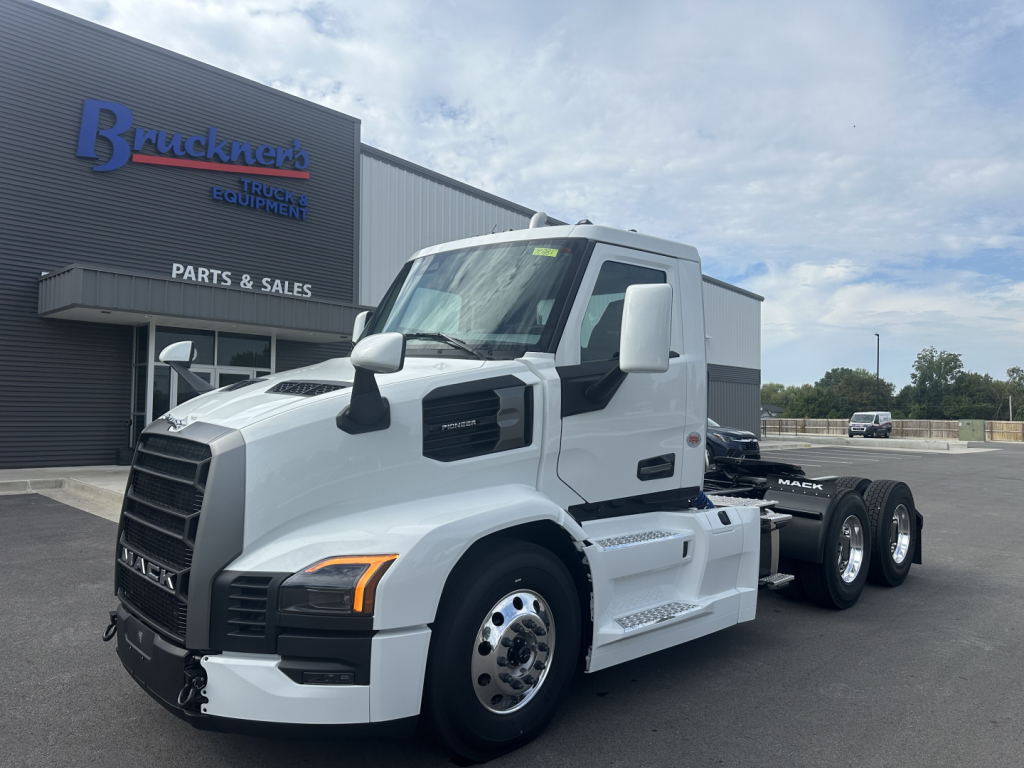
Selling a 2026 conventional daycab truck? List your 2026 conventional daycab truck for sale and reach thousands of commercial buyers.
2026 Conventional Daycab Trucks in Alaska
The spec sheet deserves close attention because small differences change how a truck performs in real work. Common configurations in this class include tandem rear axles, 12,000-pound front axles, 40,000-pound rears, air ride suspensions, locking differentials, and ratios in the mid-3s for a balance of startability and road speed. Automated manual transmissions such as a 12-speed overdrive are common in newer conventional daycabs because they help with driver consistency and fuel economy while still handling heavy gross weights. Wheelbase, fifth wheel position, and kingpin setting all affect bridge law compliance, trailer swing clearance, and weight distribution, so buyers should match the tractor to the trailer types and routes they actually run.
For Alaska operations, cold-weather details can be as important as engine horsepower. Battery capacity, block heaters, fuel heating strategy, air dryer performance, and insulation around critical lines all matter when temperatures drop. Traction equipment, power divider, differential locks, tire selection, and axle loading become especially important on snow, ice, and mixed-surface job sites. Many buyers in this category also look for PTO provisions, dual steering gear options on heavier specs, corrosion resistance, and straightforward access to daily service points. A conventional hood design remains popular because it simplifies engine access and can reduce downtime for routine maintenance compared with more compact cab-forward layouts.
Most 2026 conventional daycab trucks are powered for Class 8 work and can be set up for dry van, reefer, flatbed, tanker, lowboy, dump transfer, or equipment hauling duties depending on the rear suspension, frame, and hitch equipment. Buyers comparing listings should focus on engine torque, transmission calibration, rear axle ratio, frame rating, wheelbase, and whether the truck has the vocational hardware needed for the job. A stationary or sliding fifth wheel, PTO opening, frame-mounted components, and tire size all influence how flexible the tractor will be across different trailers and applications. When the truck is correctly spec'd, a conventional daycab delivers strong visibility, easier urban maneuvering than a sleeper tractor, and lower empty weight for operations that do not need a bunk.
Frequently Asked Questions about 2026 Conventional Daycab Trucks in Alaska
What is a conventional daycab truck used for?
A conventional daycab truck is a highway-style tractor without a sleeper compartment, designed for local, regional, and vocational hauling. It is commonly used for dry van, reefer, flatbed, tanker, container, and construction support work where the driver returns the same day. The shorter cab length can improve maneuverability, reduce tare weight, and simplify maintenance access compared with a sleeper tractor.
What specs matter most when buying a 2026 conventional daycab in Alaska?
In Alaska, buyers should pay close attention to cold-weather reliability, traction equipment, and axle ratings. Key items include engine and transmission suitability for the planned gross combination weight, power divider and differential locks, battery and starting system capacity, block heater setup, air system performance in freezing conditions, tire selection, and wheelbase. Service access and parts support also matter because downtime can be more costly in remote operating areas.
Is an automated manual transmission a good fit for a daycab tractor?
For many fleets, yes. Automated manual transmissions are widely used in 2026 daycab tractors because they improve shift consistency, reduce clutch wear, and can help fuel economy. They also reduce driver fatigue in stop-and-go or mixed-route service. The right calibration still matters, especially for heavy haul, off-road access, or frequent PTO work, so the transmission should be matched to the engine torque, rear axle ratio, and duty cycle.
How do wheelbase and fifth wheel position affect a conventional daycab?
Wheelbase and fifth wheel location directly affect turning radius, trailer clearance, axle weight distribution, and bridge compliance. A shorter wheelbase can help maneuverability in tight yards or urban routes, while a longer wheelbase may better support certain trailer lengths or axle loading requirements. The fifth wheel type and mounting position should match the trailer kingpin setting and intended use so the tractor handles correctly under load.
What is the advantage of a daycab over a sleeper tractor?
A daycab usually offers lower empty weight, a shorter overall tractor length, and less complexity than a sleeper truck. That can translate into better maneuverability, more payload potential, and easier access for maintenance. It is the better fit when overnight accommodations are not needed and the truck will spend most of its time on local or regional routes rather than long-haul runs.