
2022 Conventional Day Cab Trucks For Sale in Illinois
Compare 2022 conventional day cab trucks for sale in Illinois by axle ratio, emissions history, salt corrosion, and trailer fit for regional work.
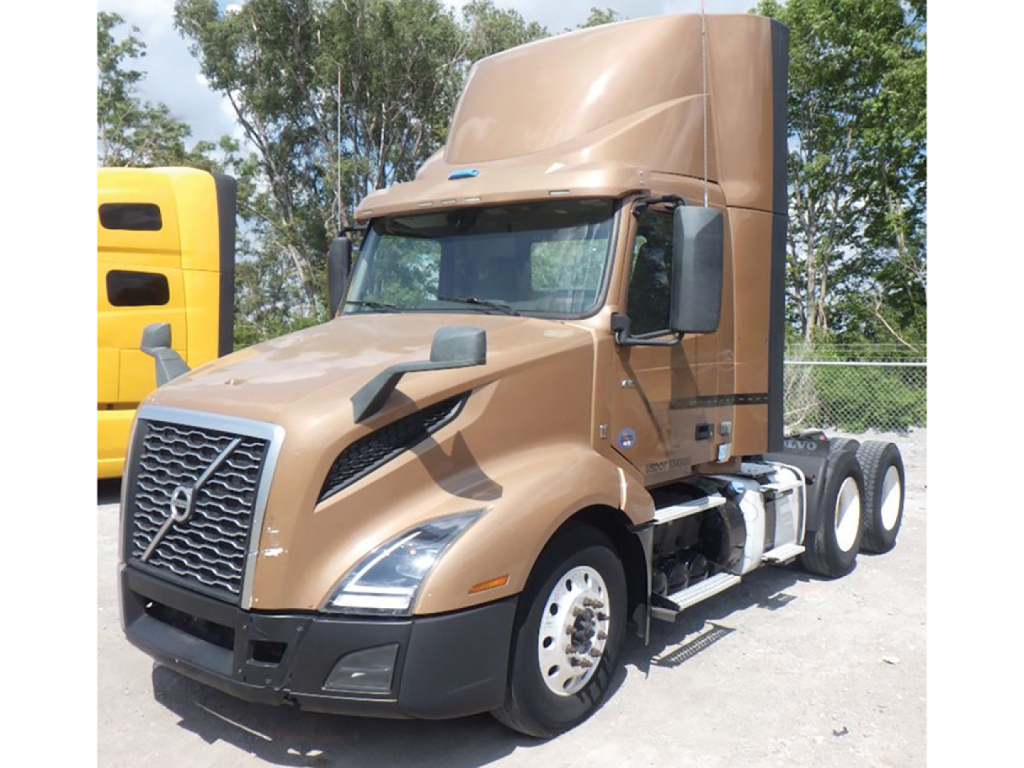
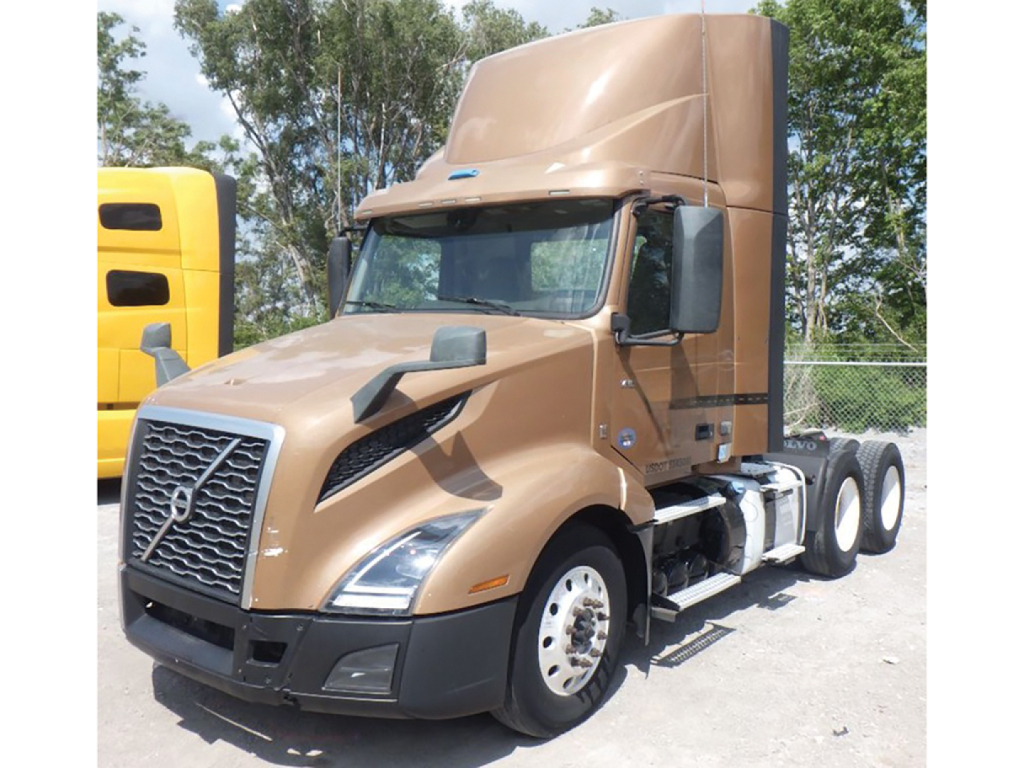
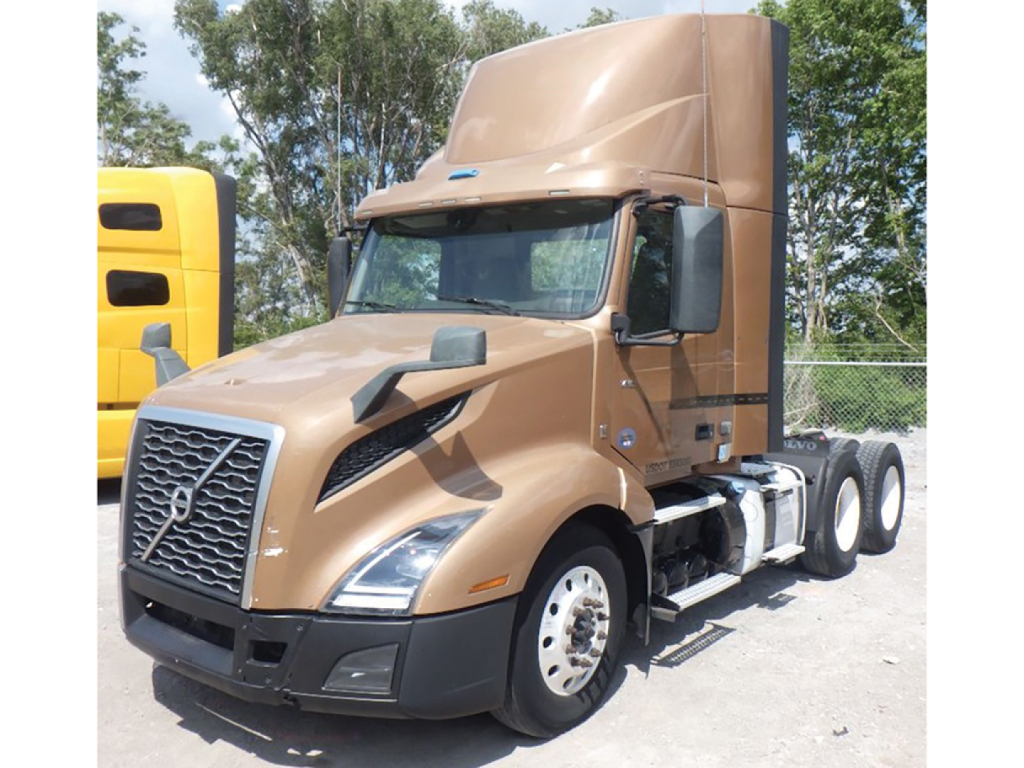
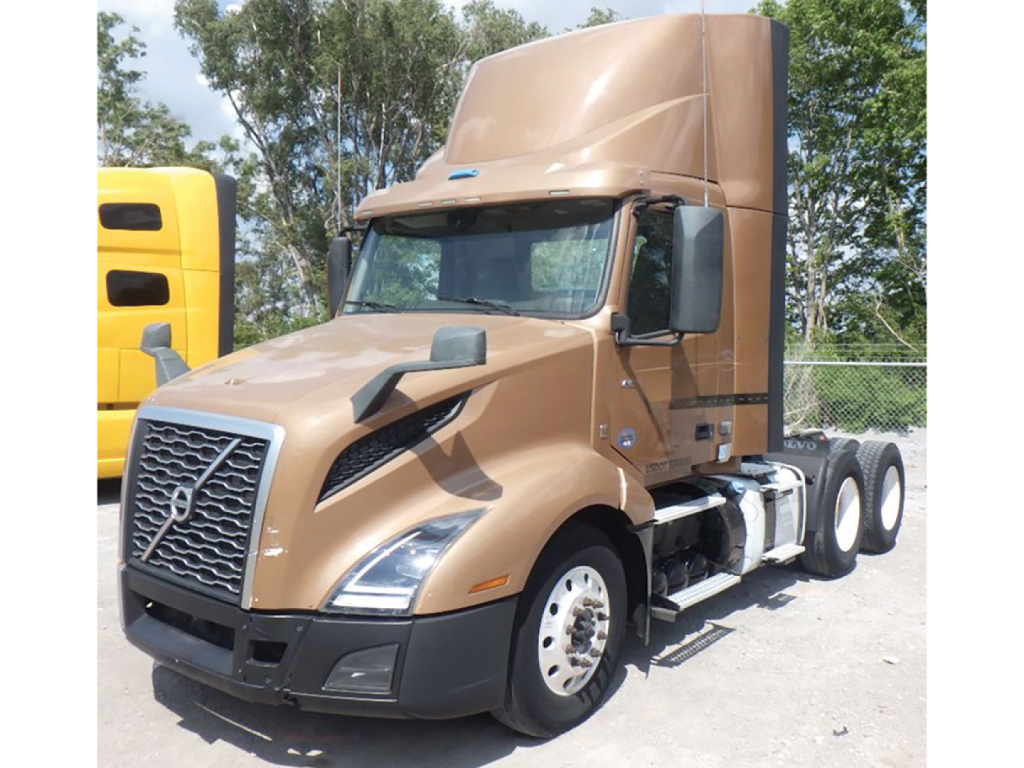
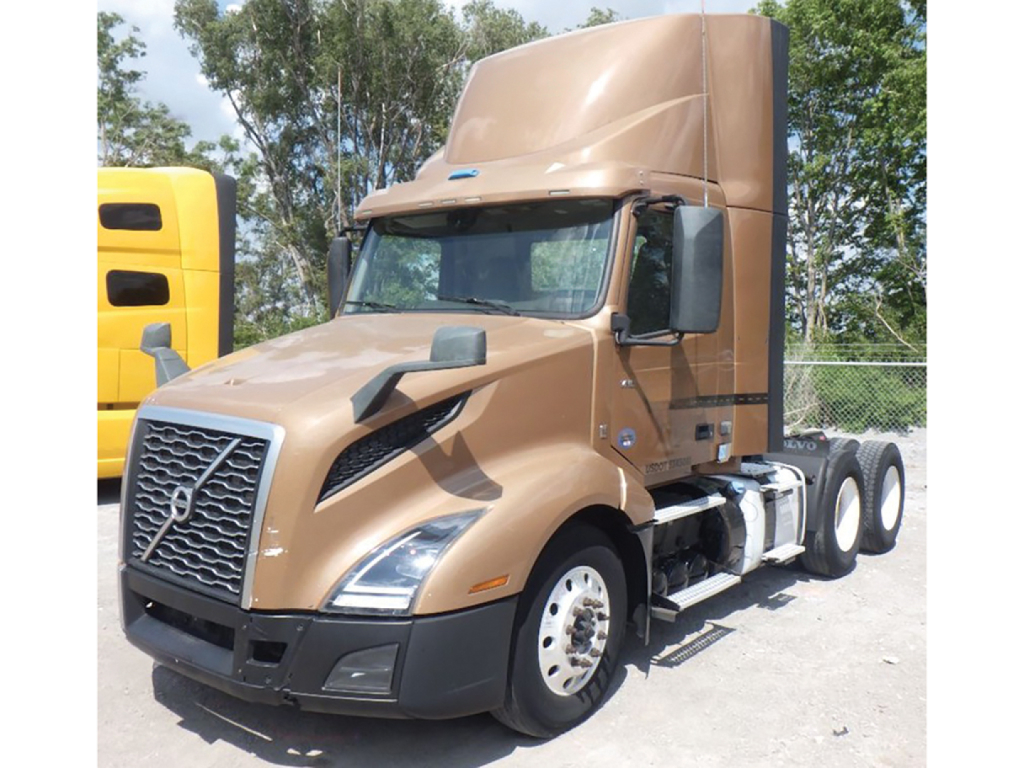
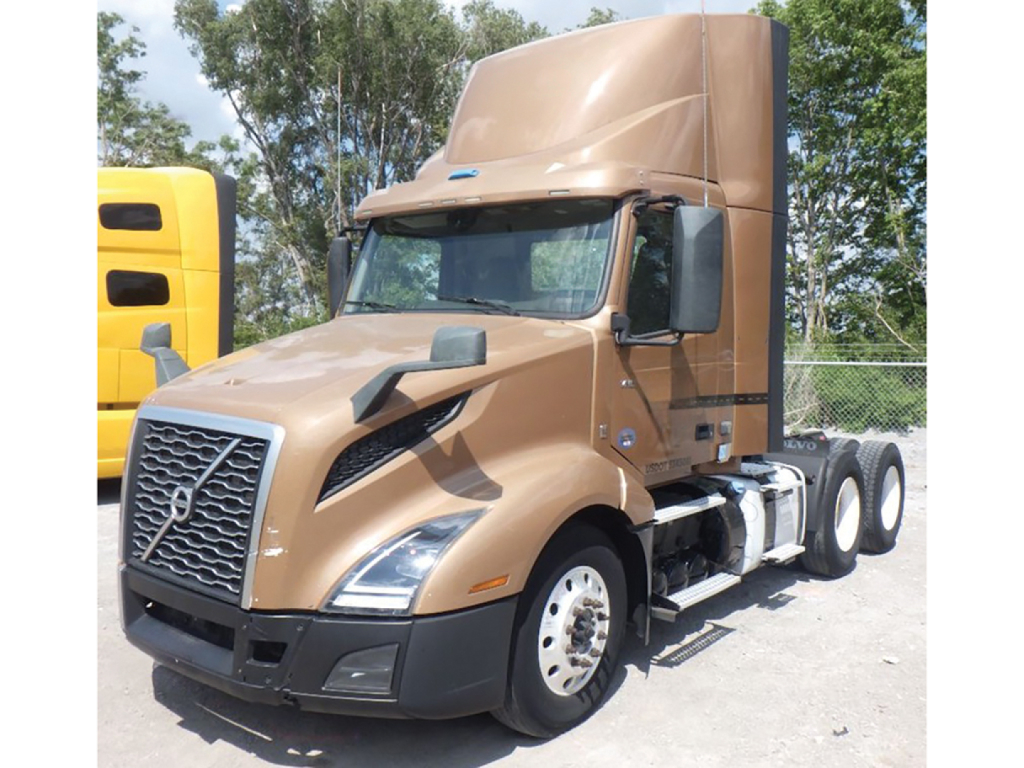
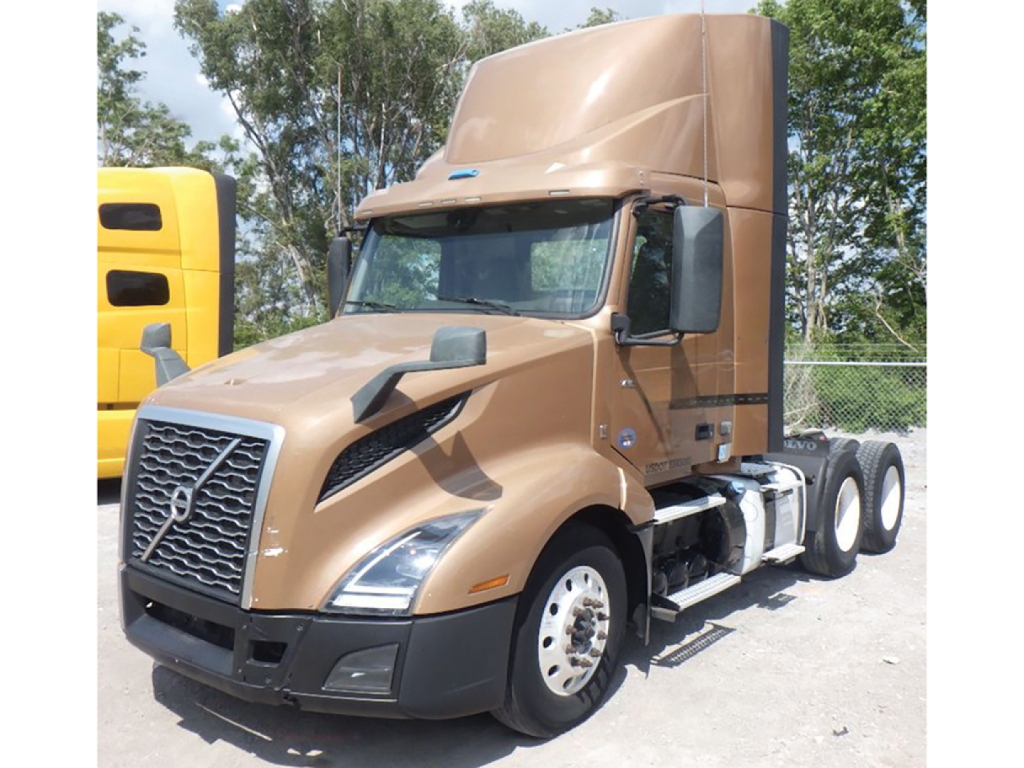
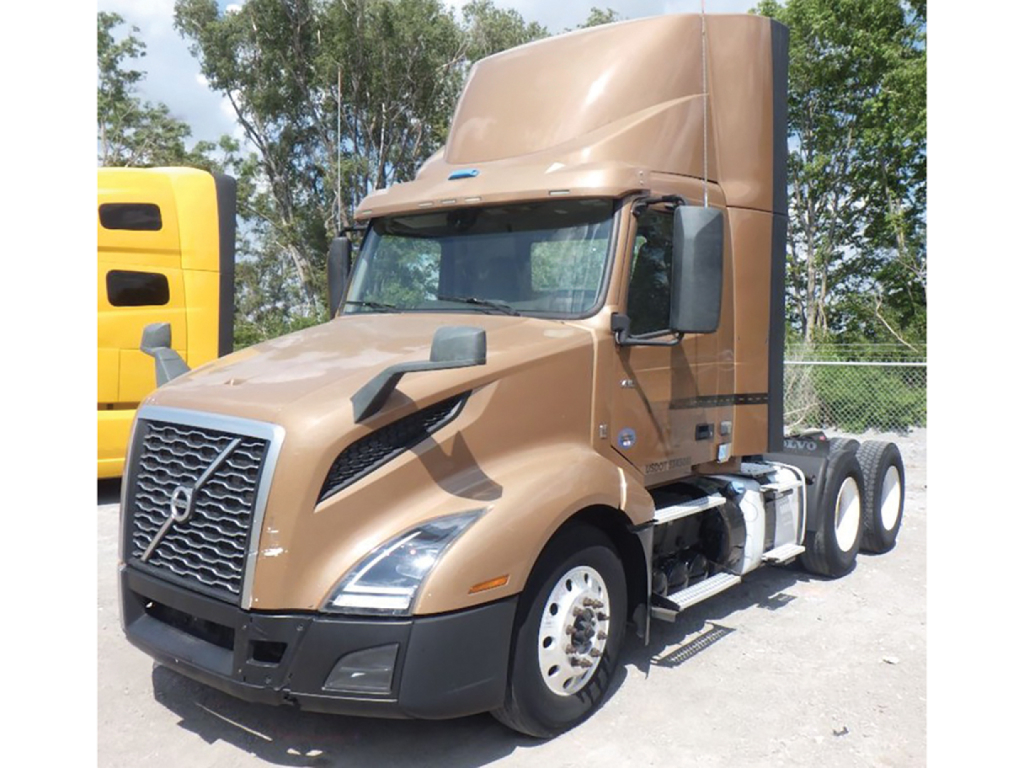
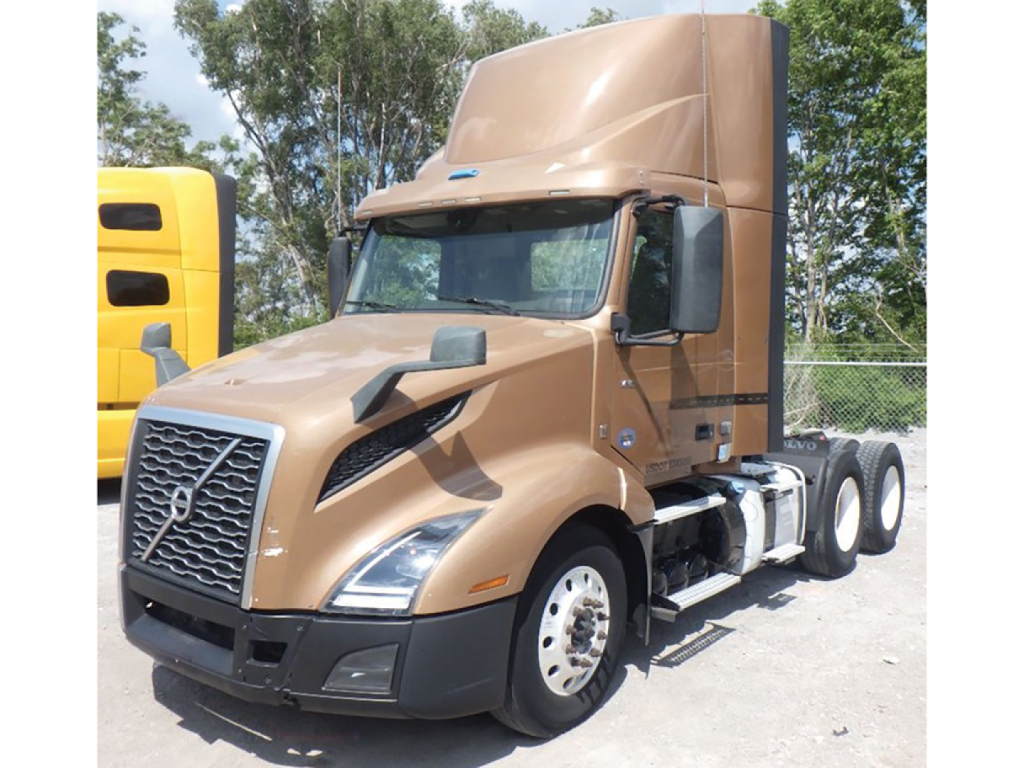
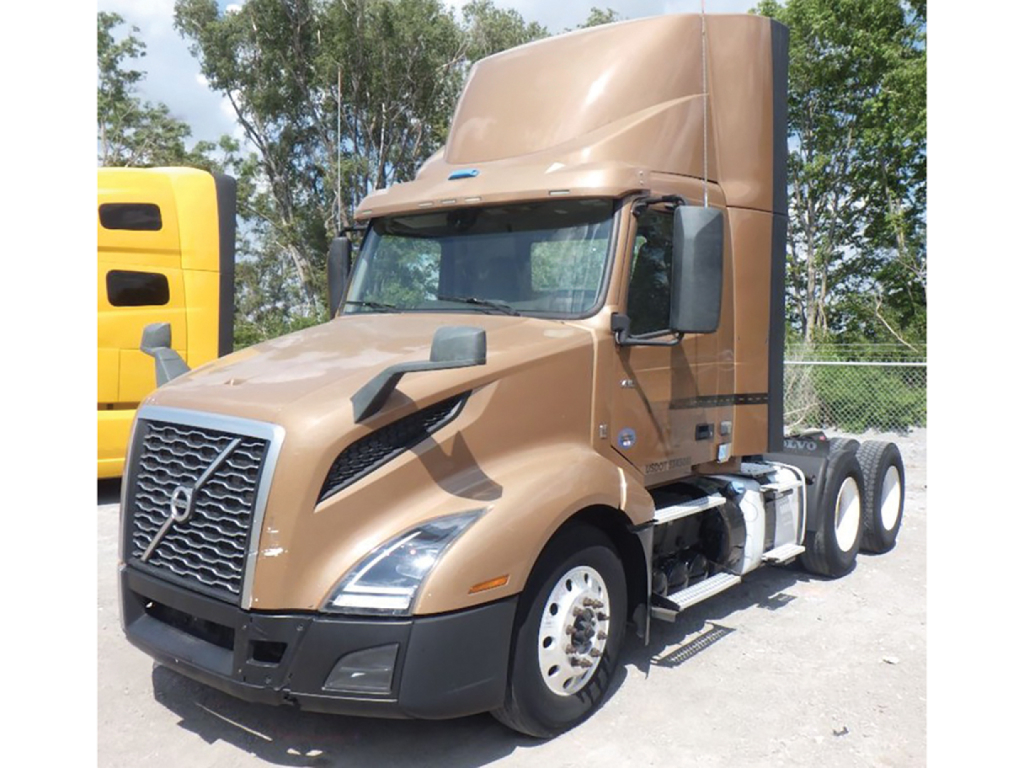
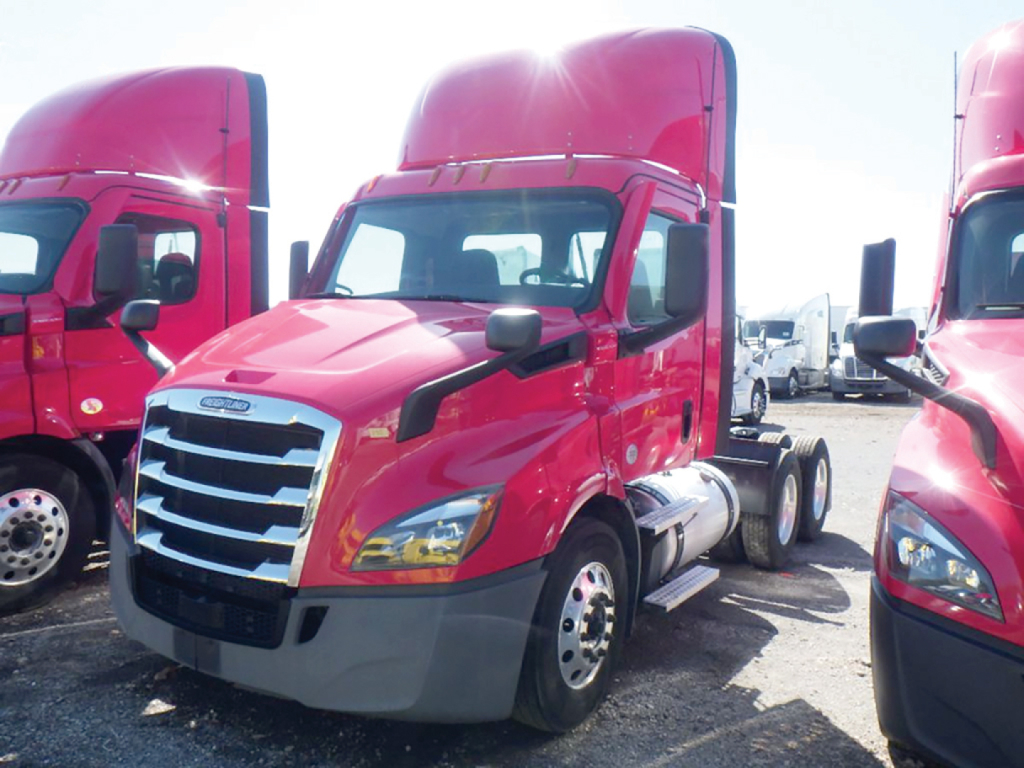
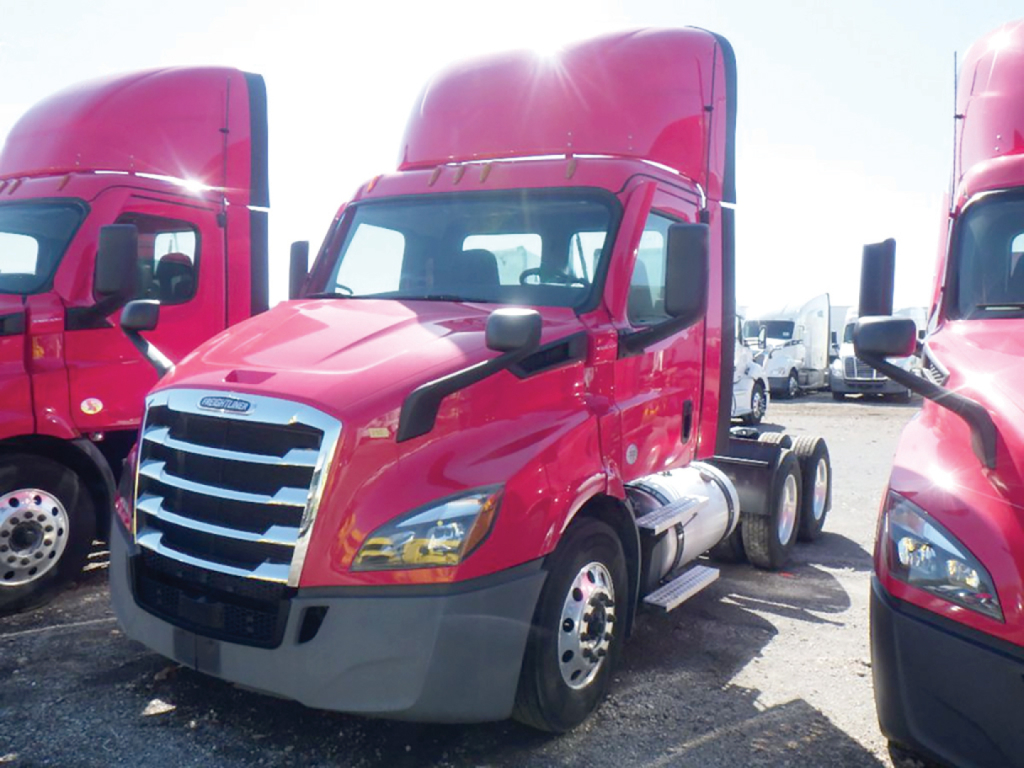
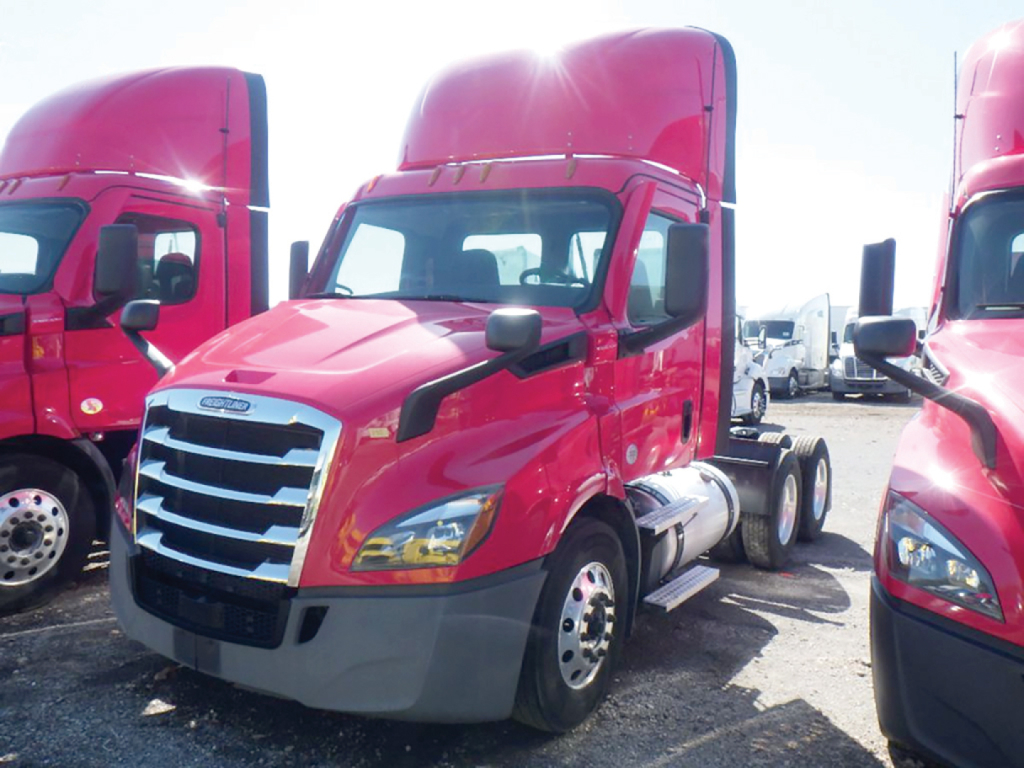
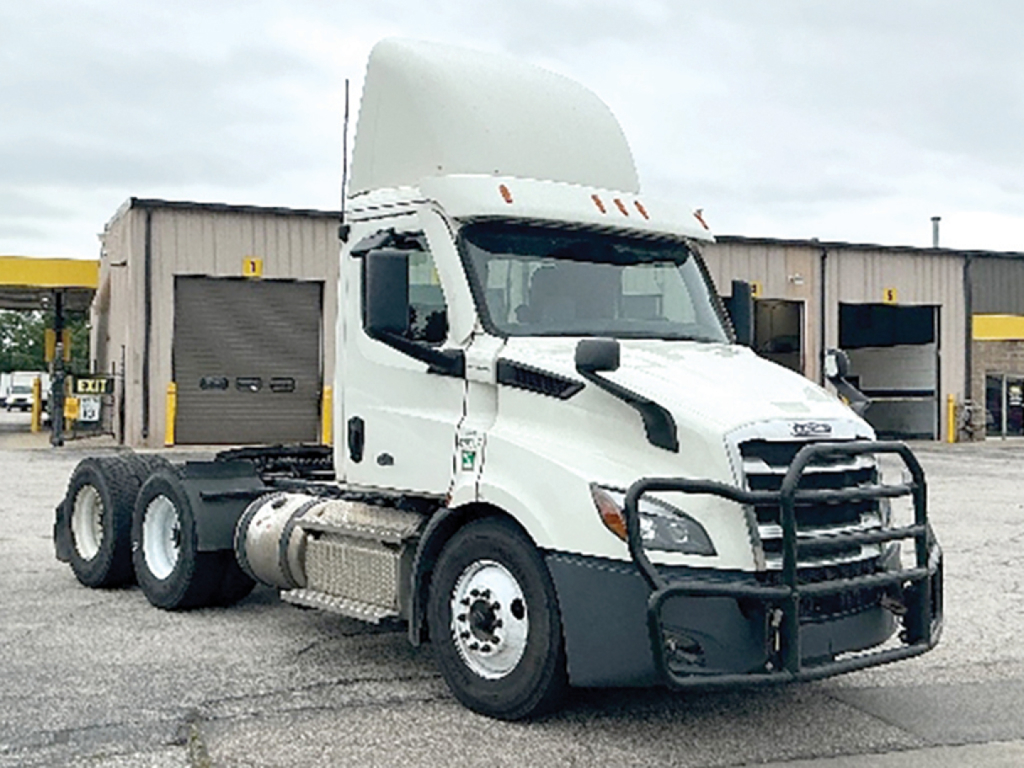
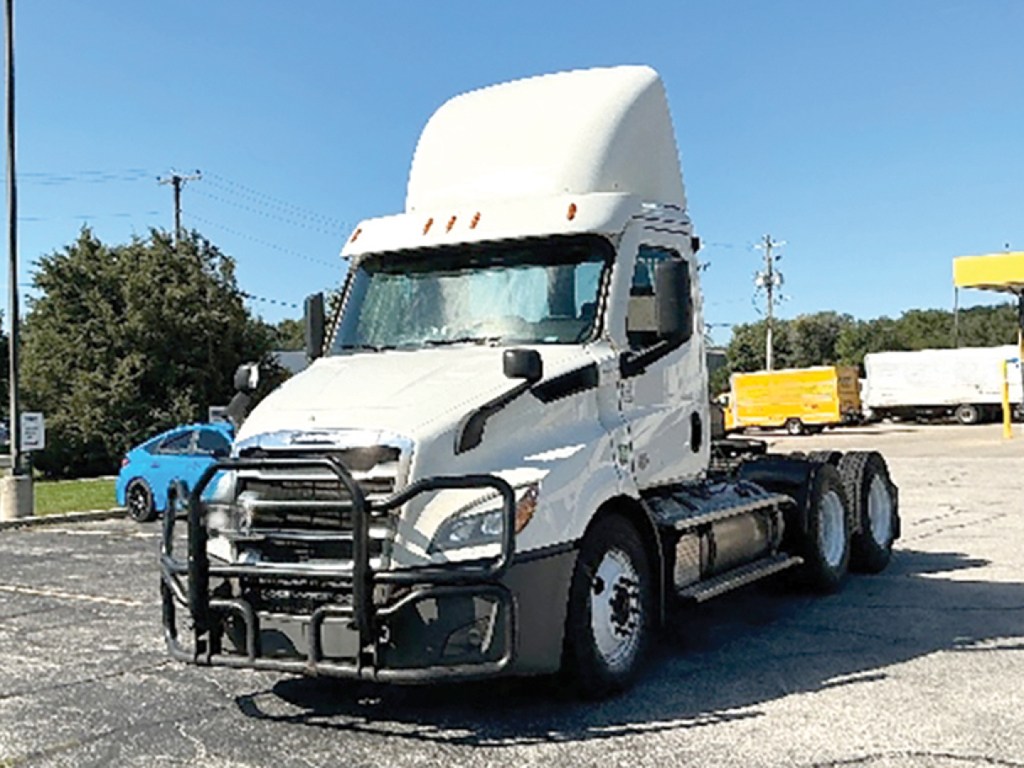

Selling a 2022 conventional day cab truck? List your 2022 conventional day cab truck for sale and reach thousands of commercial buyers.
2022 Conventional Day Cab Trucks in Illinois
Across makes, compare complete powertrains rather than engine badges. Examples from this model year include Freightliner Cascadia 116 tractors with Detroit DD13 power and Volvo VNR 300 or VNL 300 tractors with a D13 and I-Shift automated manual. A tall axle ratio such as 2.64 can suit highway operation with the right transmission and tire size, but launch capability and cruising rpm must match loaded weight and stop frequency. For grain, tanker, or dump-trailer assignments, verify GCWR, axle ratings, and required PTO provisions before choosing gearing. These nonsleeper tractors suit return-to-base schedules; overnight assignments require separate sleeping accommodations.
The 2022 model year falls within the DPF/SCR emissions era; diesel tractors normally require both particulate-filter regeneration and DEF. On used tractors, obtain ECM mileage and hours, fault histories, regeneration records, and maintenance documentation rather than judging condition by the odometer alone. Repeated short trips and idling make aftertreatment service history especially relevant. Illinois road salt warrants a close look at frame rails, crossmembers, air tanks, brake plumbing, electrical connectors, and fifth-wheel mounting hardware. Inspect air-disc caliper movement or drum-brake components as equipped, and road-test the tractor under load for driveline vibration and shift quality.
For a 2022 represented as new, verify storage history, the original build sheet, and the manufacturer's actual warranty start date and remaining coverage. Low mileage does not eliminate battery, tire-age, fluid, or seal concerns after extended storage. Qualifying first retail sales of new heavy tractors generally carry the 12% federal excise tax; confirm its treatment in the transaction.
Frequently Asked Questions about 2022 Conventional Day Cab Trucks in Illinois
How much weight can a 2022 day cab legally pull in Illinois?
An ordinary five-axle tractor-trailer combination is generally limited to 80,000 pounds gross on Illinois Interstate highways, subject to axle limits and the bridge formula. That is combined vehicle and cargo weight, not payload. A tractor's GCWR does not override road limits. Check axle spacing, registered weight, trailer ratings, and restrictions on local access roads before assigning a grain, container, or bulk-hauling route.
Can a 2022 day cab run a grain hopper or dump trailer?
A 2022 day cab can pull a compatible grain hopper or dump trailer, but a hydraulic dump trailer normally requires a properly matched wet kit. A conventional gravity-discharge hopper usually does not. Verify PTO compatibility with the transmission, pump flow and pressure, reservoir capacity, and trailer connections. Also check fifth-wheel height, swing clearance, and loaded axle distribution rather than assuming any road tractor will fit.
Is an automated manual transmission a good choice for Illinois local hauling?
Yes, a properly matched automated manual transmission can reduce clutch-pedal work in Illinois stop-and-go hauling. On a used 2022 day cab, check clutch wear data, transmission faults, and service records, then test loaded starts, slow backing, and hill-hold operation. Frequent yard maneuvering or heavy bulk work makes low-speed control and starting capability more important than the transmission's advertised number of gears.
How do I inspect collision mitigation on a used 2022 day cab?
A diagnostic scan of the safety-system modules and documented calibration are the key checks on a 2022 day cab equipped with collision mitigation. Confirm the factory equipment from the build record, inspect radar brackets and camera mounting areas, and investigate warning lights. Windshield, bumper, suspension, or alignment work can trigger manufacturer-specific calibration requirements. Have a qualified technician verify operation rather than deliberately provoking emergency braking.