
2019 Conventional Daycab Trucks For Sale in Nebraska
Browse 2019 conventional daycab trucks in Nebraska. Compare wheelbase, engine, transmission, axle ratios, and spec choices for regional hauling.
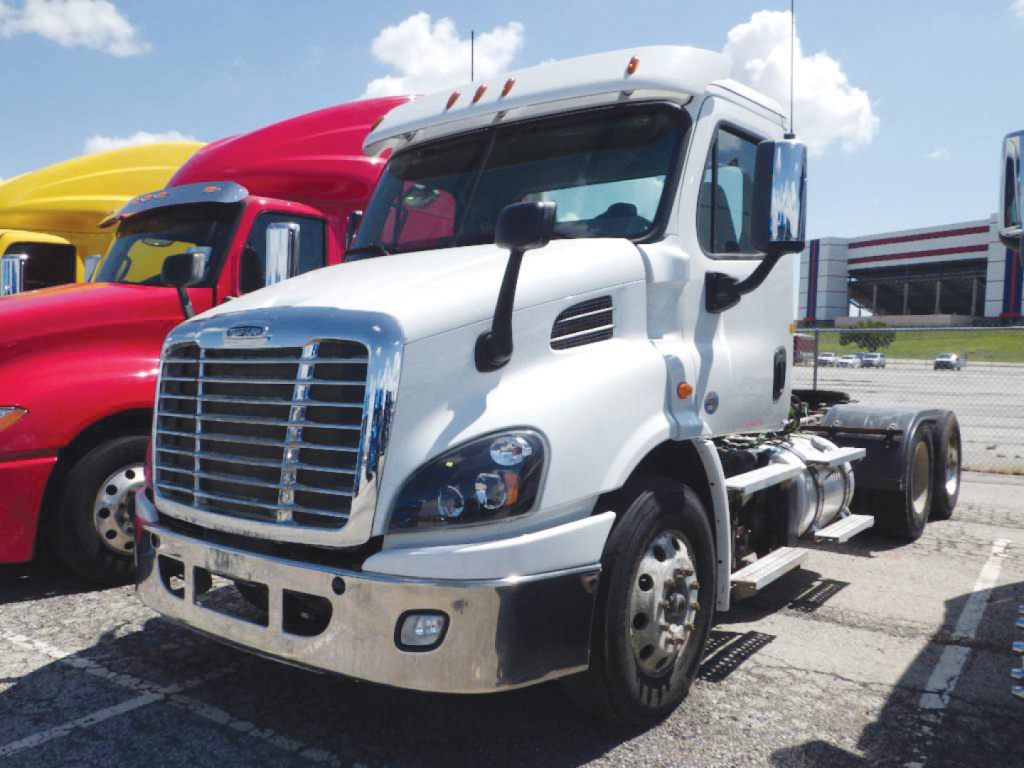
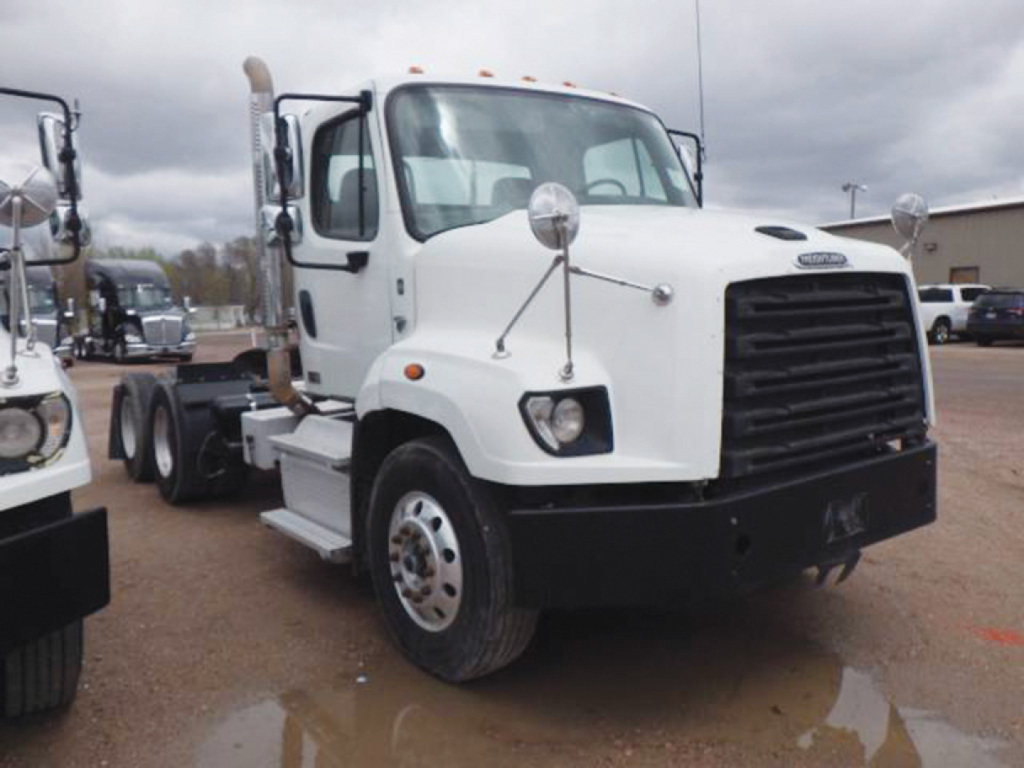
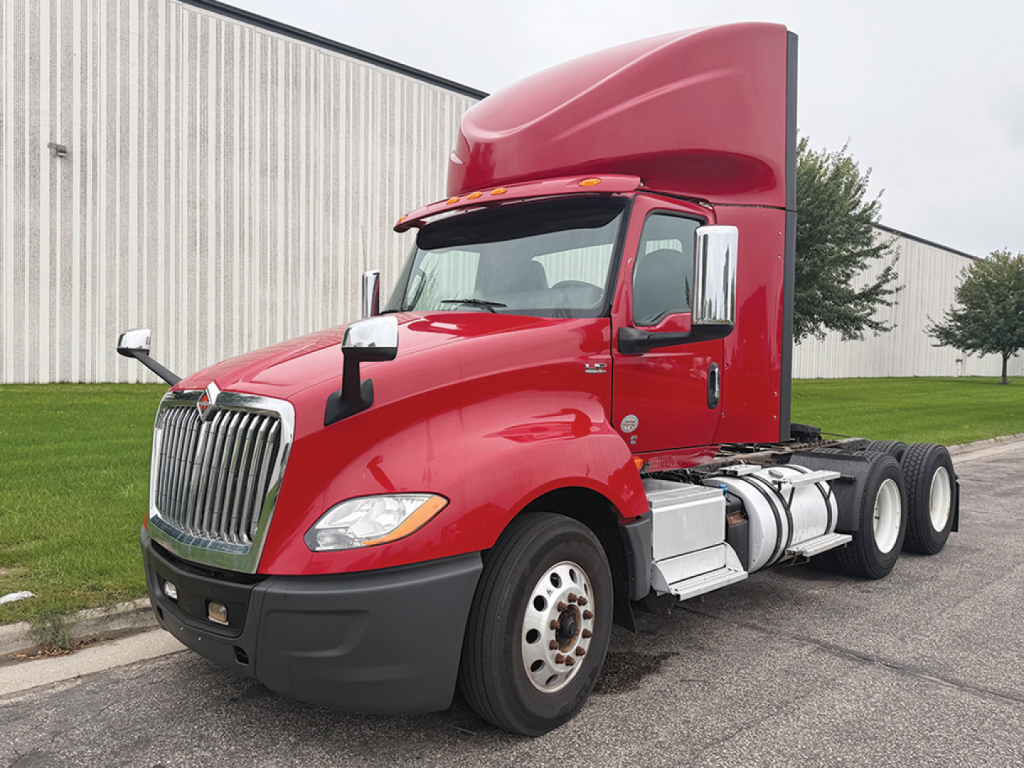
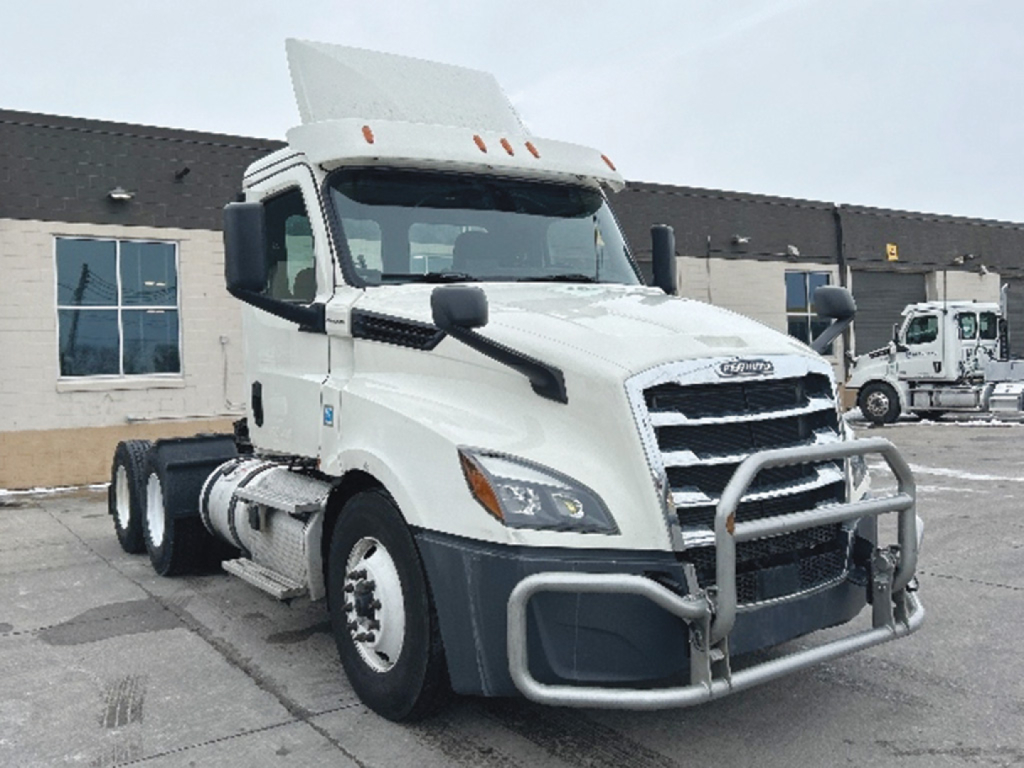
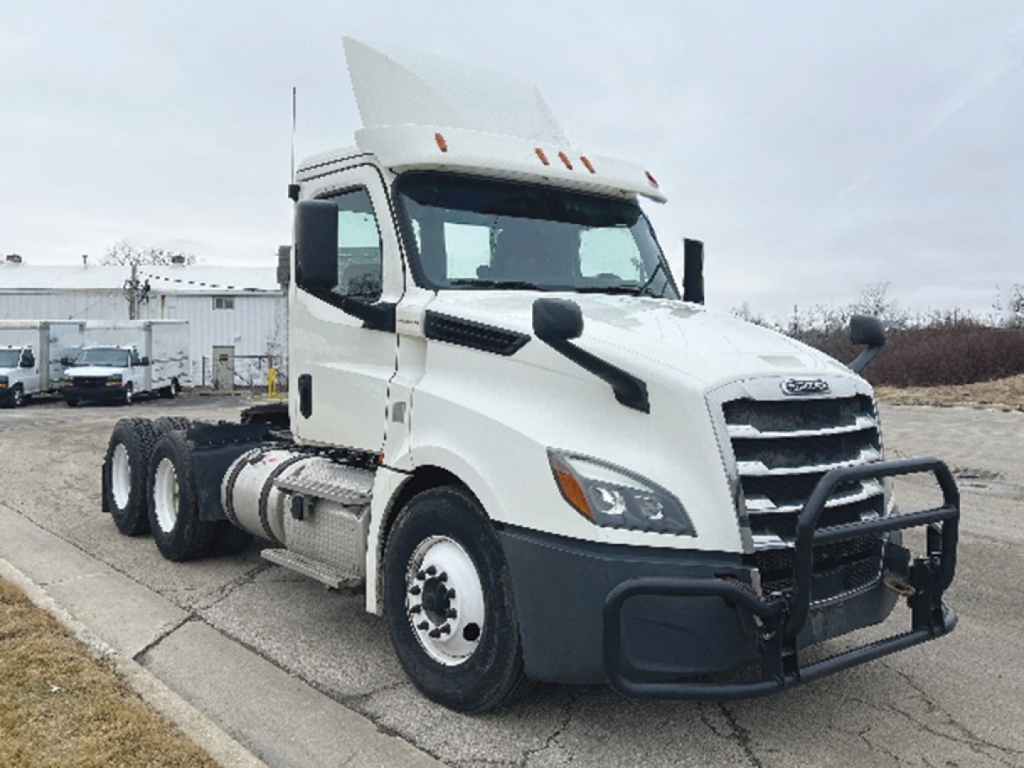
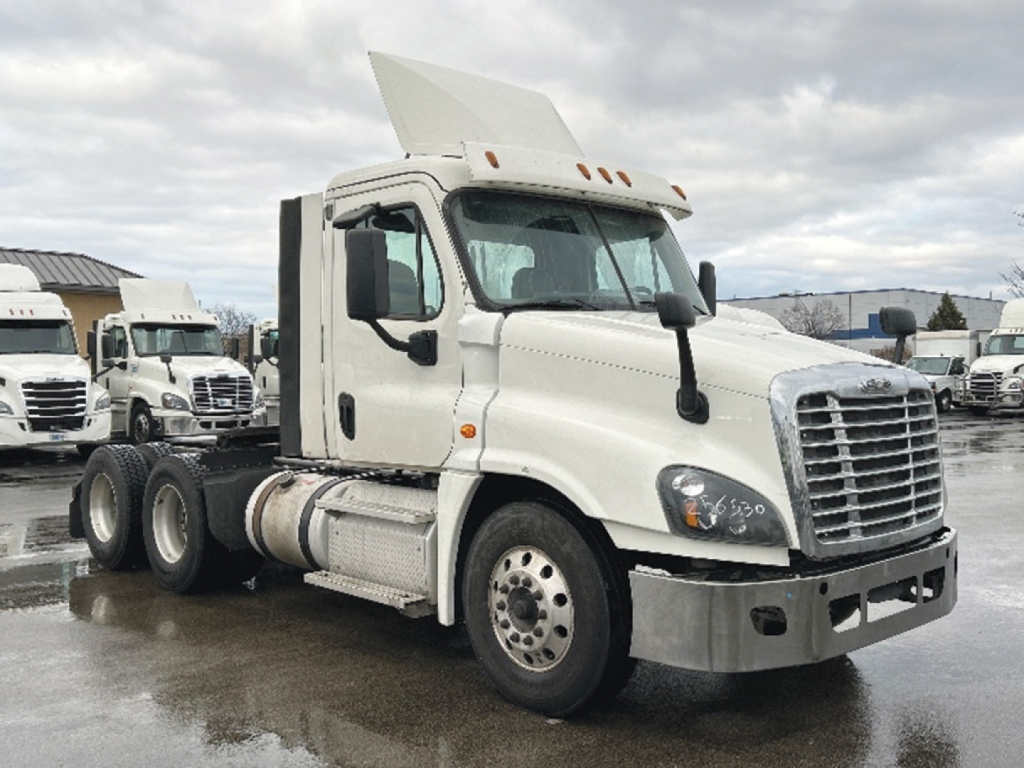
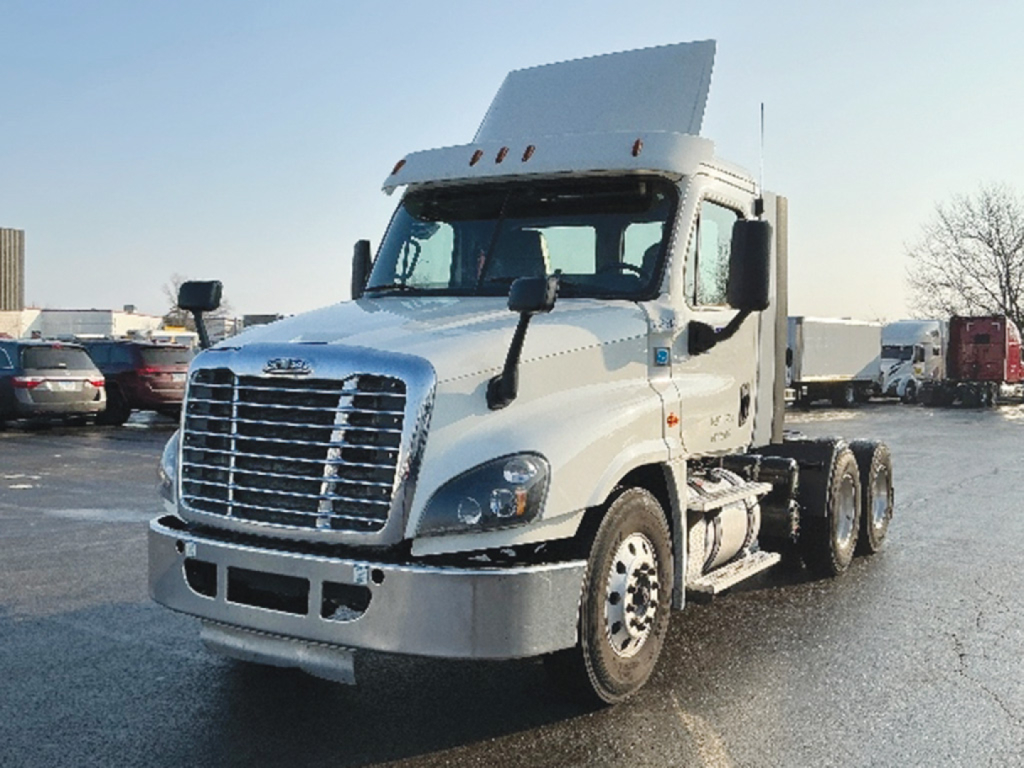
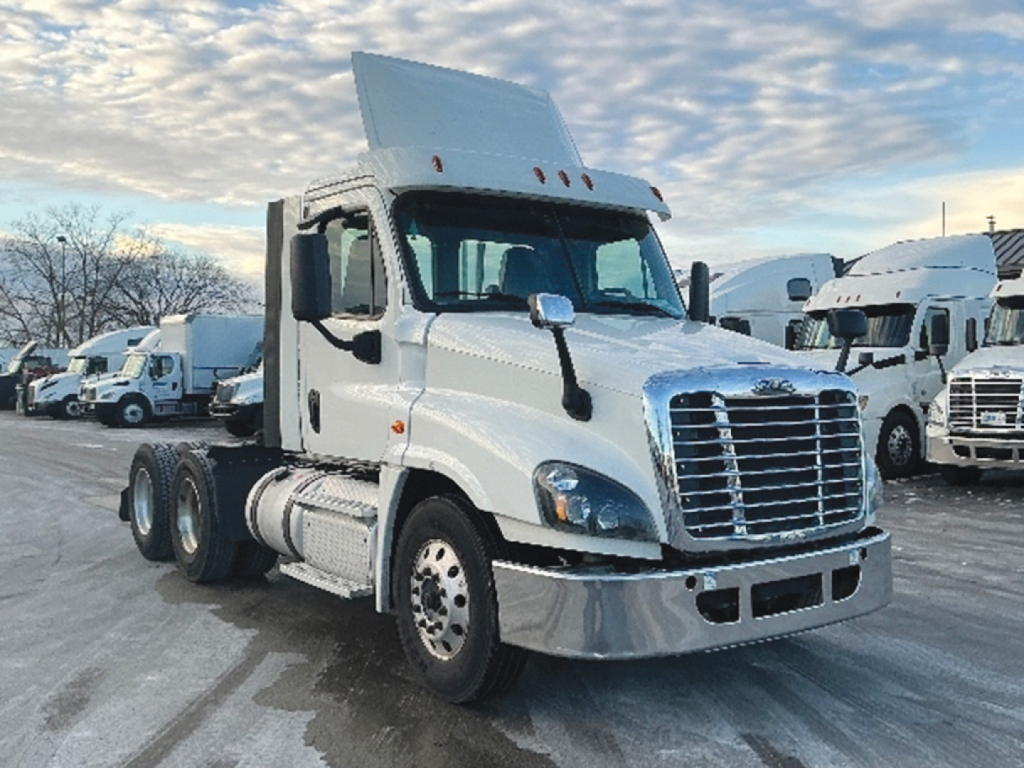
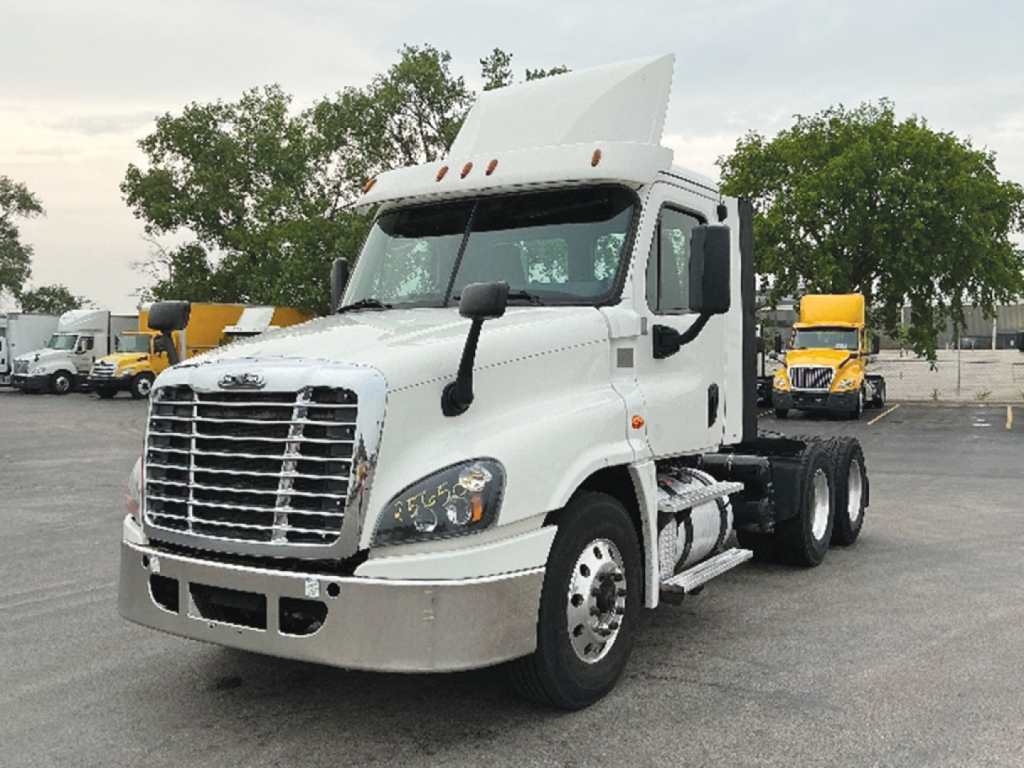
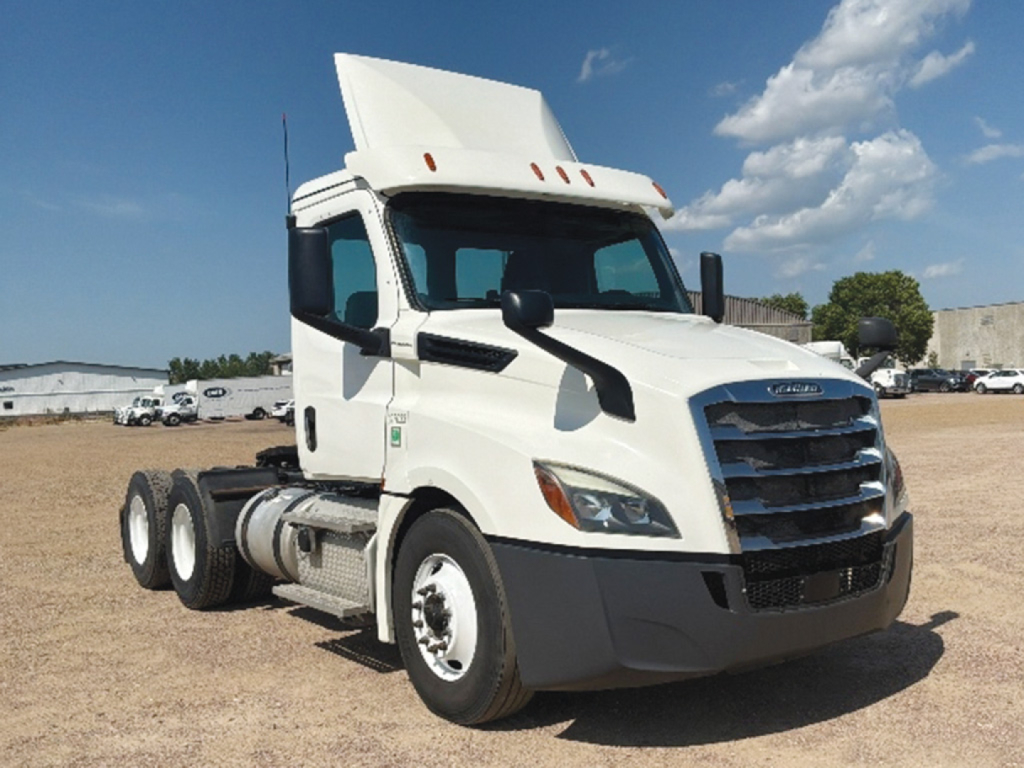
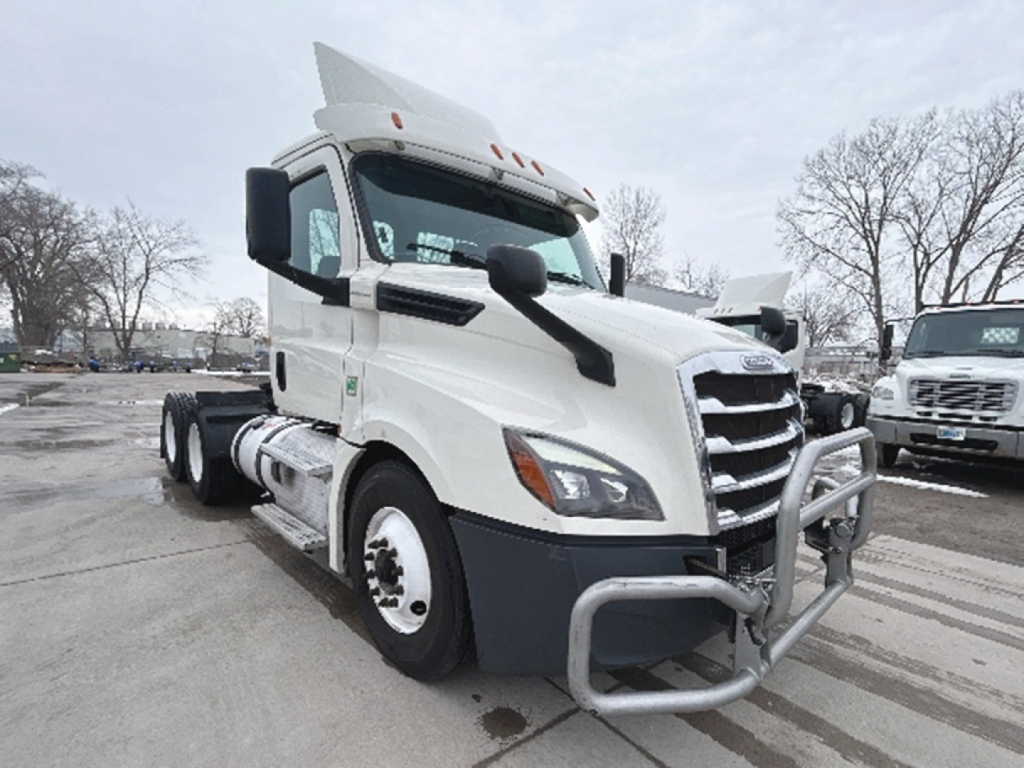
Selling a 2019 conventional daycab truck? List your 2019 conventional daycab truck for sale and reach thousands of commercial buyers.
2019 Conventional Daycab Trucks in Nebraska
The spec decisions on a 2019 daycab usually come down to engine rating, transmission type, rear axle ratio, and wheelbase. Many trucks in this class are set up with 400 to 450 horsepower, tandem 40,000 lb rear axles, air ride suspension, and either a 10-speed manual or automated transmission. A shorter wheelbase in the mid-170 inch range can be easier around docks and tighter job sites, while a longer wheelbase may help with ride quality, fuel capacity, or heavier vocational add-ons. Rear axle ratios such as 3.25, 3.42, or 3.90 change how the truck launches, cruises, and handles weight. Lower numerical ratios generally favor fuel economy and highway speed, while higher ratios can be better for heavier starts and more demanding stop-and-go service.
Buyers comparing 2019 conventional daycab trucks should pay close attention to the fifth wheel setup, brake type, tire profile, and suspension condition. An air slide fifth wheel adds flexibility if trailer lengths and kingpin settings vary. Disc brakes are increasingly common in newer fleet specs and can improve stopping consistency and service access, while drum brake trucks may still be preferred by some fleets for parts familiarity. Dual aluminum tanks, quarter fenders, roof fairings, and cab extenders are common on aerodynamic regional tractors because they support fuel efficiency and cleaner trailer tracking. Interior details also matter more than many buyers expect on a daycab, especially if the truck runs multiple shifts. Seat condition, steering wheel adjustment, HVAC performance, and driver control layout all affect productivity.
A 2019 model year can be a practical middle ground for buyers who want newer emissions and cab technology without moving into late-model pricing. It is smart to review engine brake performance, aftertreatment service history, transmission calibration, suspension wear, and frame condition before making a final decision. In Nebraska, buyers often look for a truck that can handle open highway crosswinds, winter cold starts, and regional trailer interchange without being overspec'd for the job. The best conventional daycab is the one whose axle ratio, wheelbase, horsepower, and fifth wheel position match the freight it will pull every day.
Frequently Asked Questions about 2019 Conventional Daycab Trucks in Nebraska
What is a conventional daycab truck used for?
A conventional daycab truck is used for regional hauling, local freight movement, drayage, dedicated route work, and any operation where the driver returns home or to a terminal instead of sleeping in the truck. Because it does not have a sleeper, it is typically lighter and more maneuverable than a comparable sleeper tractor. That makes it a strong fit for city-to-city runs, warehouse shuttles, agricultural support, and frequent drop-and-hook operations.
What specs matter most when buying a 2019 conventional daycab?
The most important specs are engine horsepower and torque, transmission type, rear axle ratio, wheelbase, suspension, and fifth wheel configuration. Those choices determine how the truck starts under load, cruises at highway speed, turns in tight areas, and matches with the trailers in your fleet. Buyers should also review brake type, tire size, fuel tank capacity, and whether the truck has aerodynamic equipment such as cab extenders and roof fairings.
Is an automatic or manual transmission better in a daycab truck?
That depends on the route and driver pool. Automated and fully automatic transmissions can reduce driver fatigue, improve consistency in stop-and-go work, and simplify hiring in fleets that want easier onboarding. Manual transmissions still appeal to buyers who want direct control, familiar service procedures, or a lower-tech spec for certain applications. The right choice usually comes down to duty cycle, maintenance preference, and who will be driving the truck every day.
What wheelbase is best for a conventional daycab?
A shorter wheelbase generally improves maneuverability at docks, terminals, and urban delivery points, while a longer wheelbase can improve ride quality, help with fuel tank placement, or support specific body and axle configurations. Many regional daycabs fall into a mid-range wheelbase that balances turning radius with stable highway manners. The best wheelbase is the one that fits your trailer swing clearance, bridge law needs, and loading environment.
Are 2019 daycab trucks a good value for regional fleets?
A 2019 daycab can be a strong value because it is modern enough to offer updated aerodynamics, emissions systems, and driver comfort features, but often avoids the premium attached to very new model years. For many buyers, that means a better cost balance between purchase price and usable service life. The key is verifying maintenance records, aftertreatment health, drivetrain condition, and how closely the truck's spec matches the freight it will actually haul.