
2019 Conventional Daycab Trucks For Sale in Illinois
Shop 2019 conventional daycab trucks in Illinois. Compare wheelbases, engine ratings, axle ratios, transmissions, and regional haul specs.
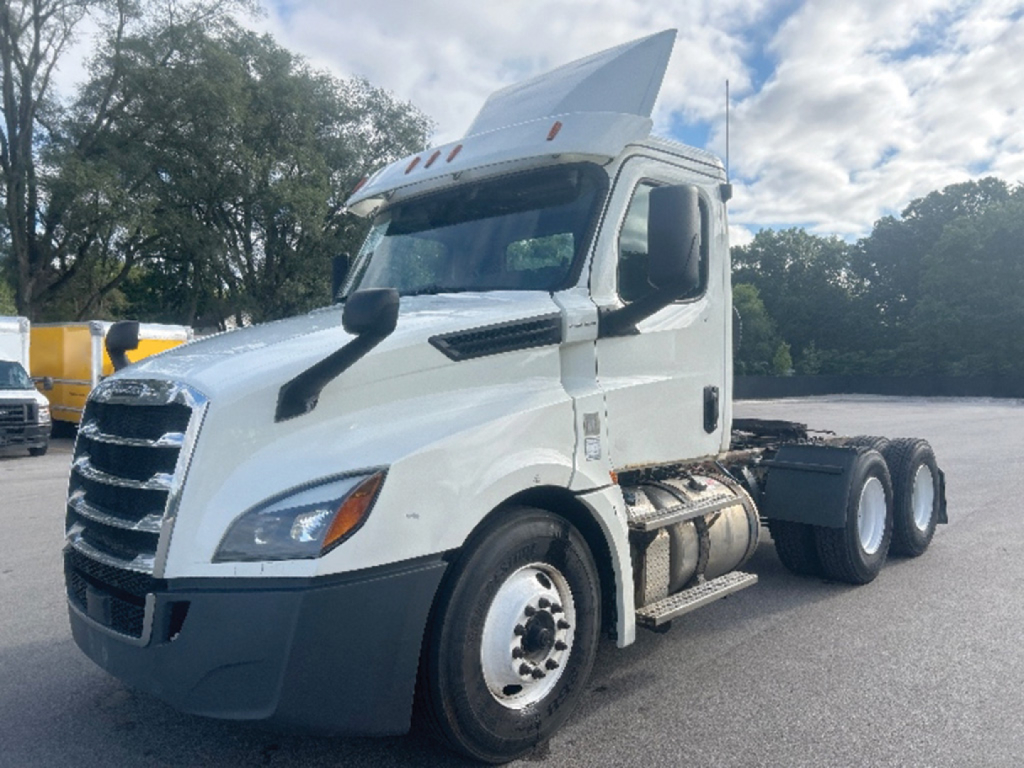
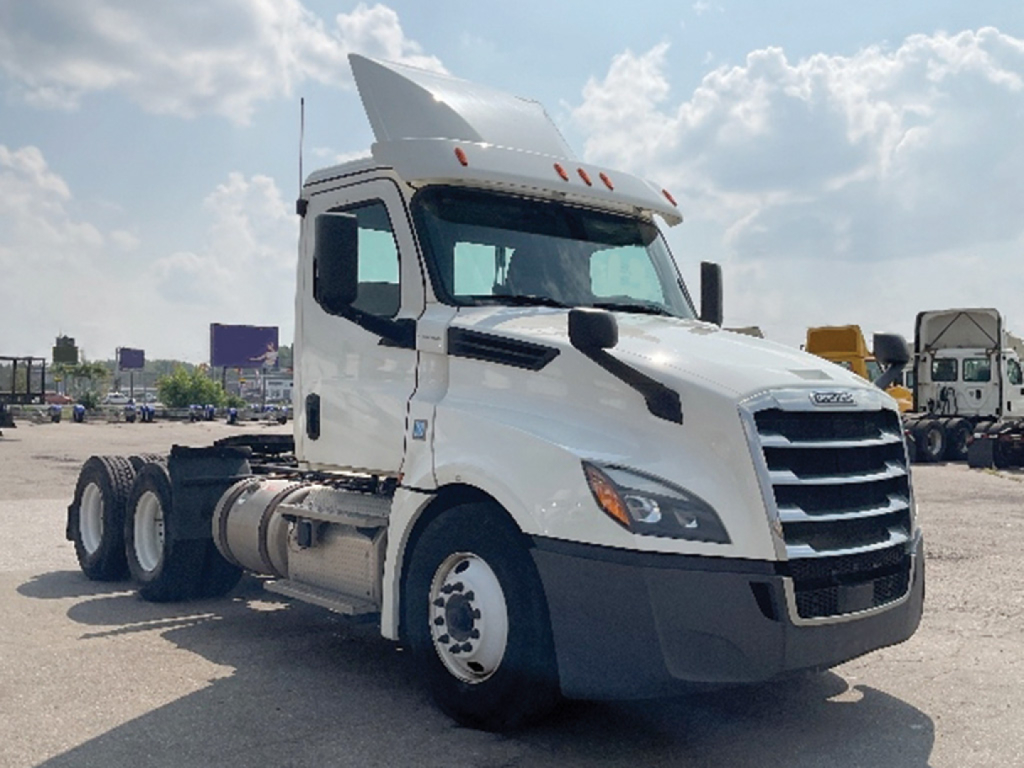
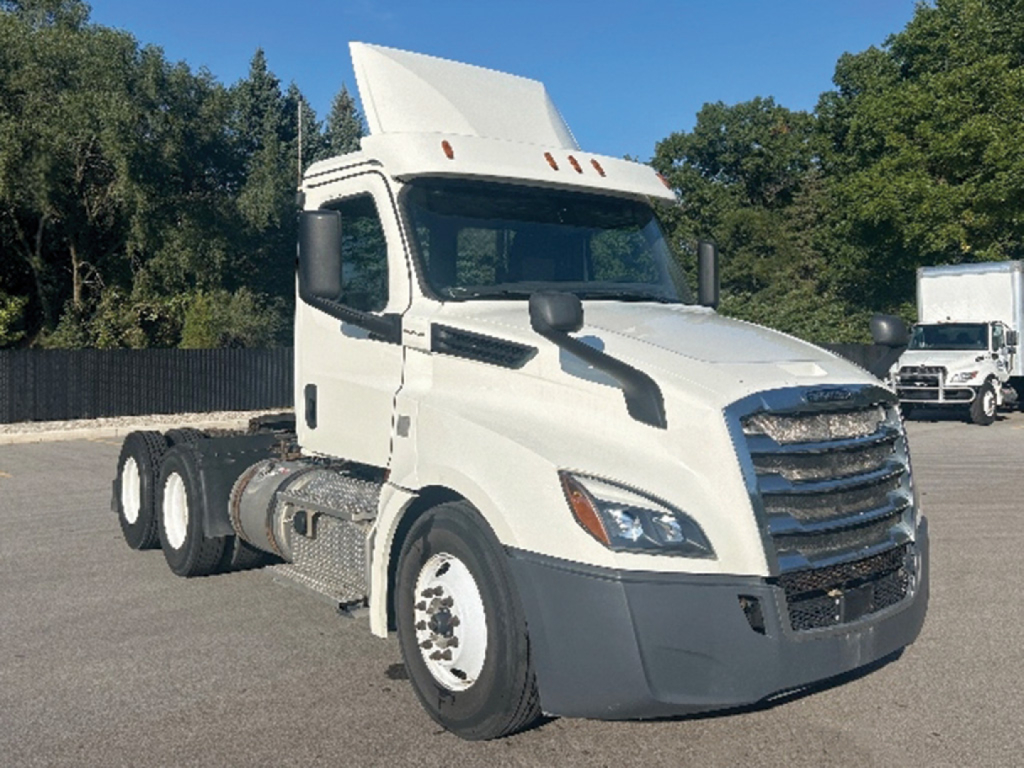
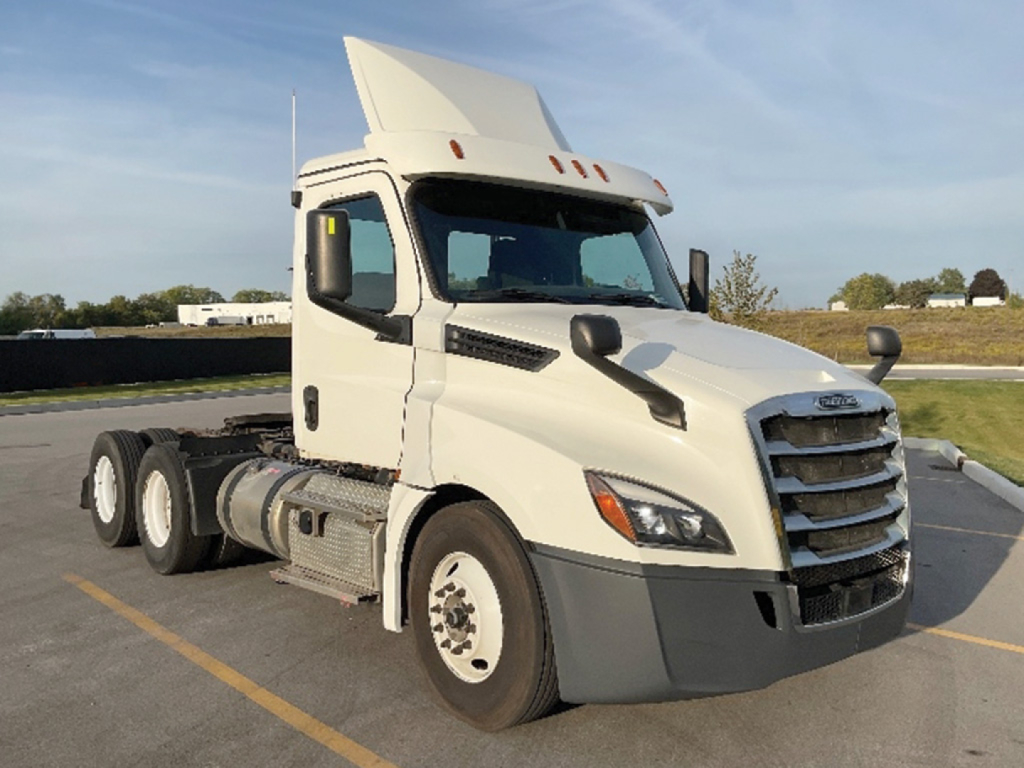
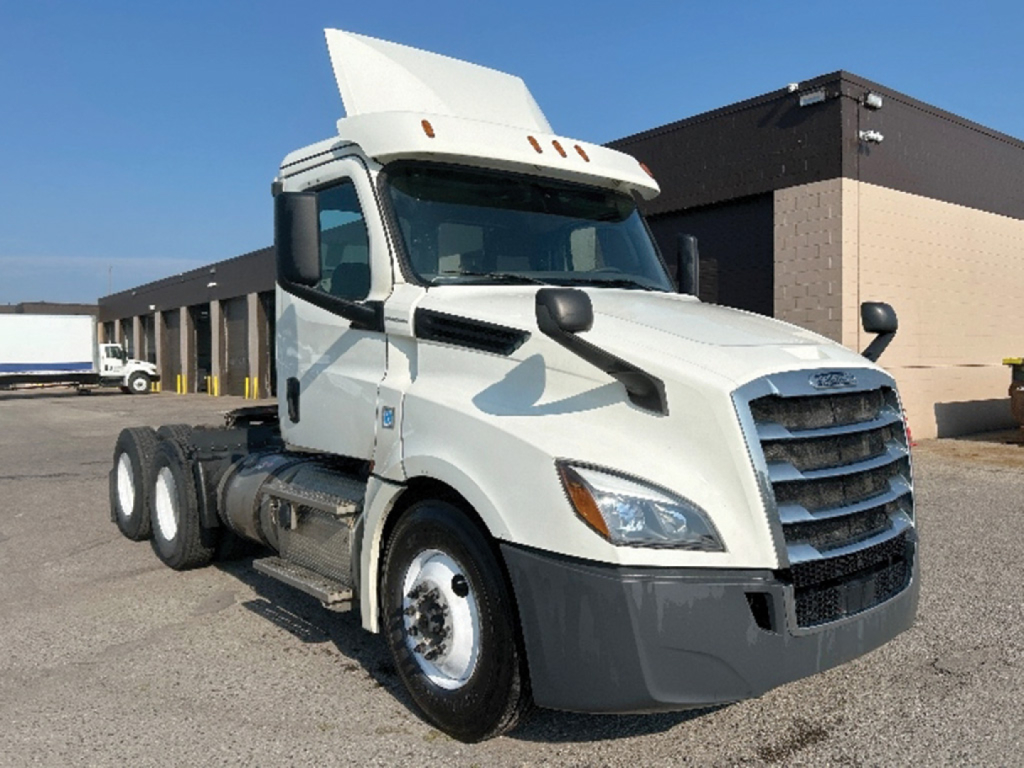
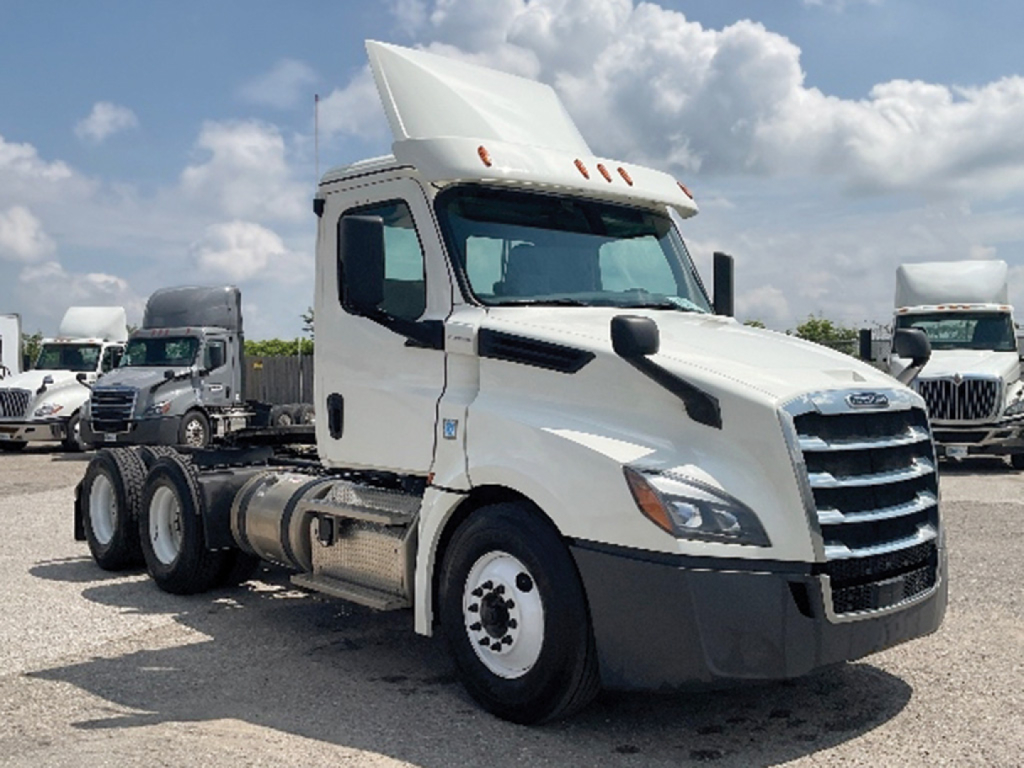
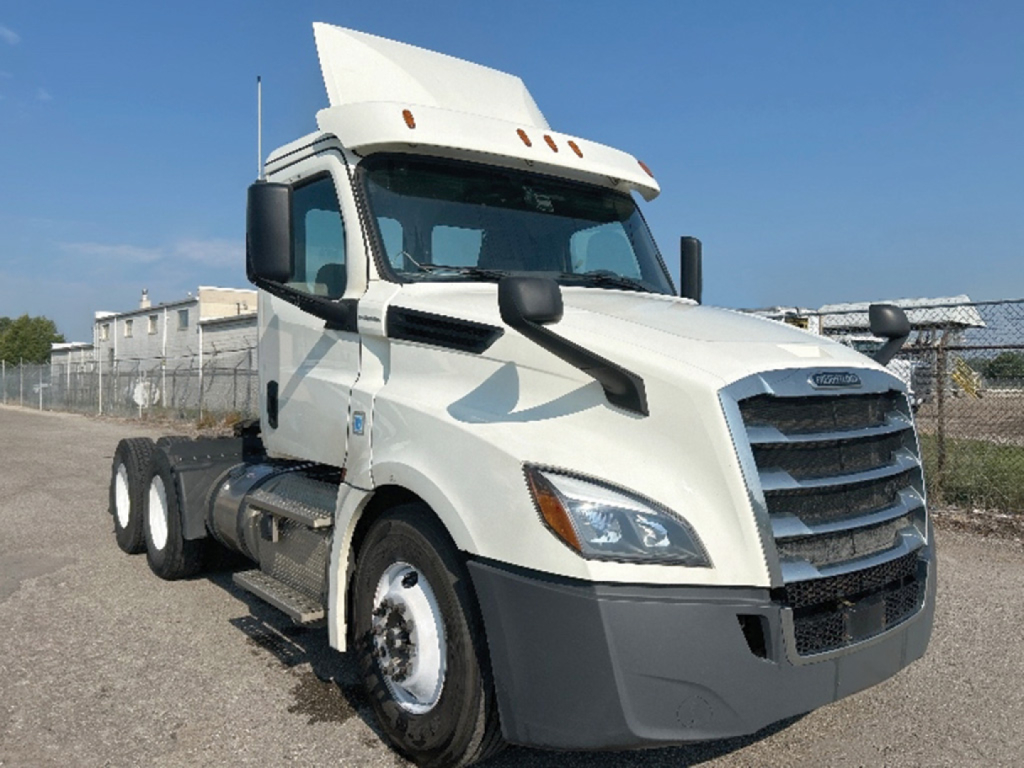
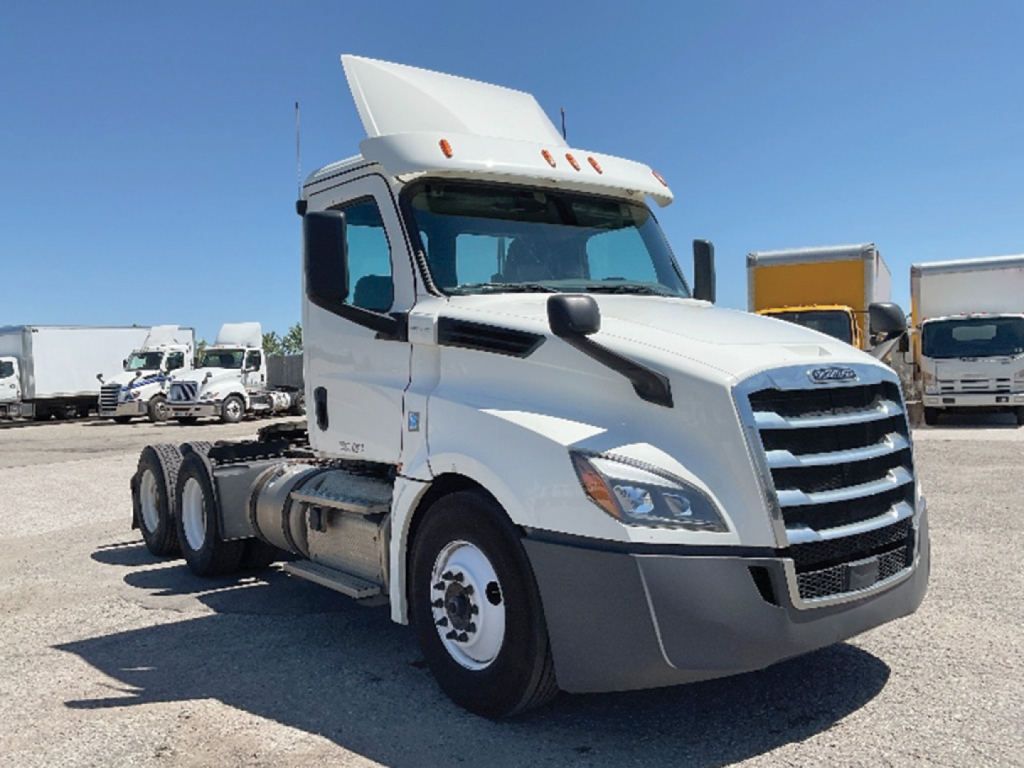
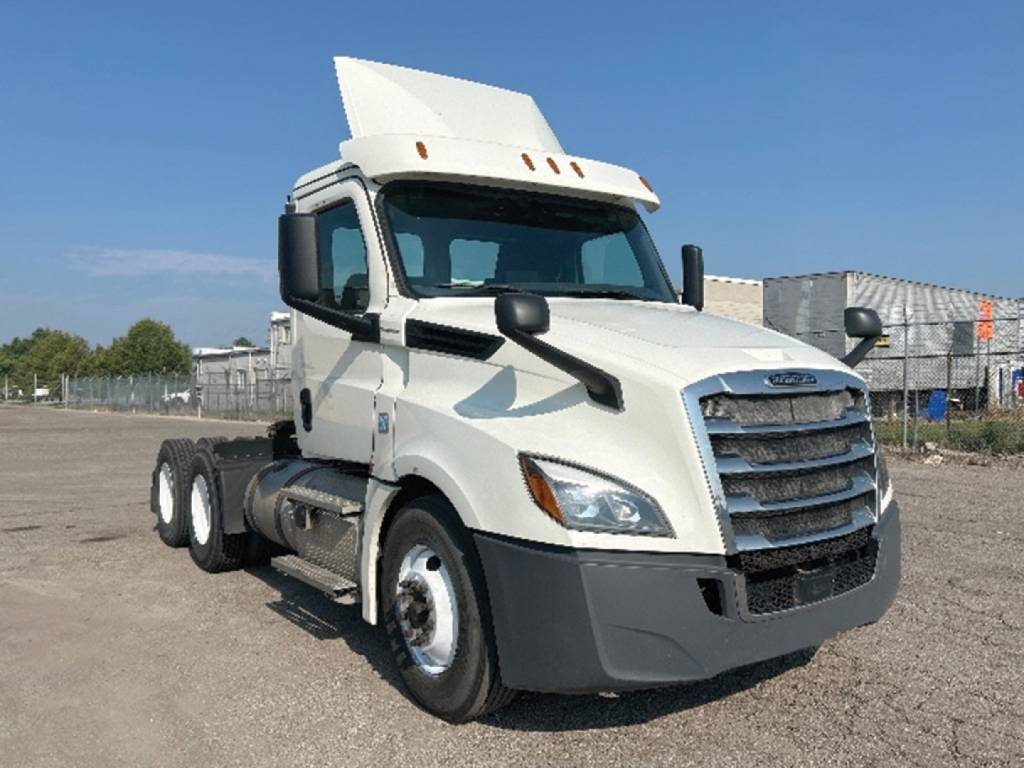
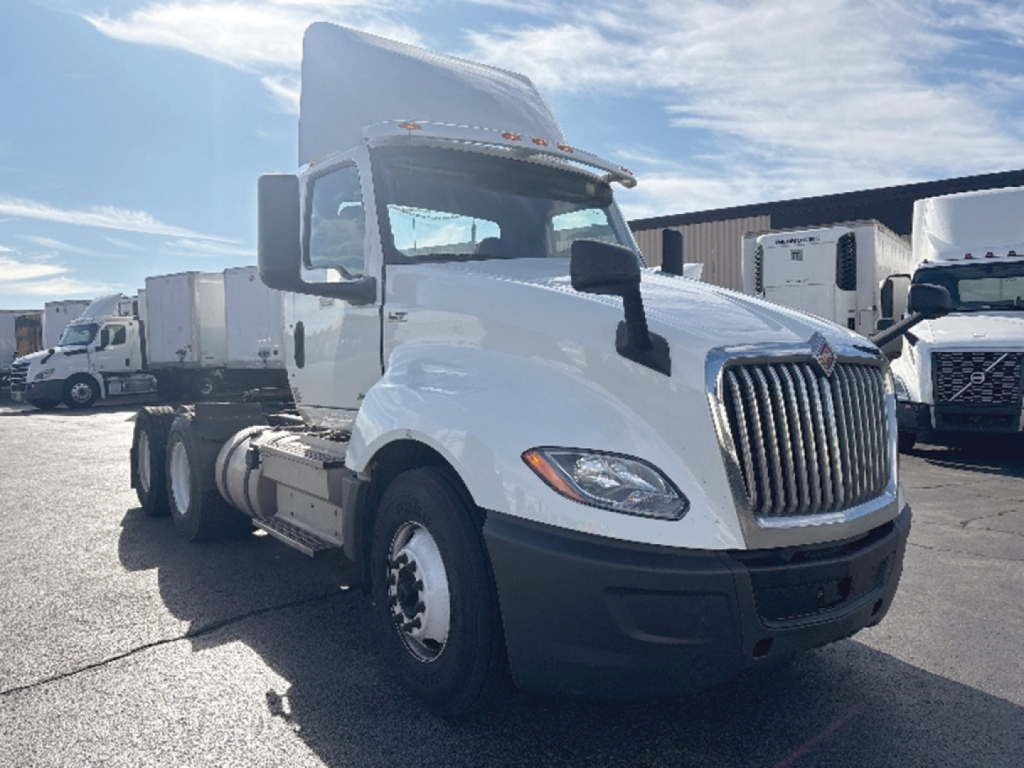
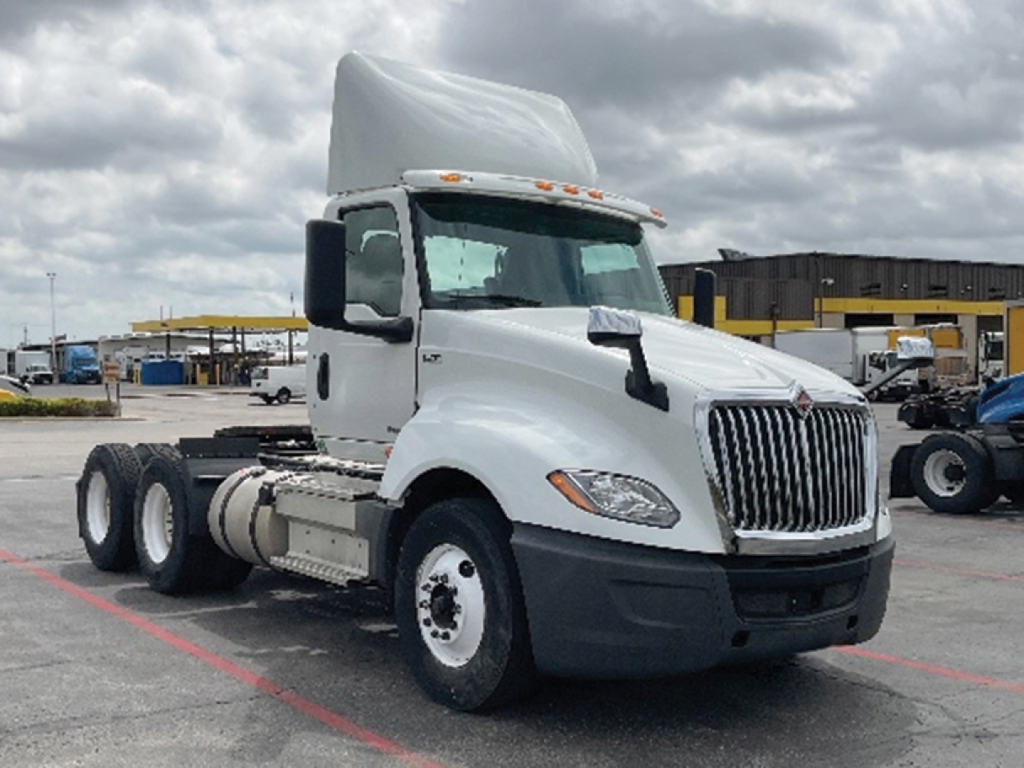
2019 International LT625
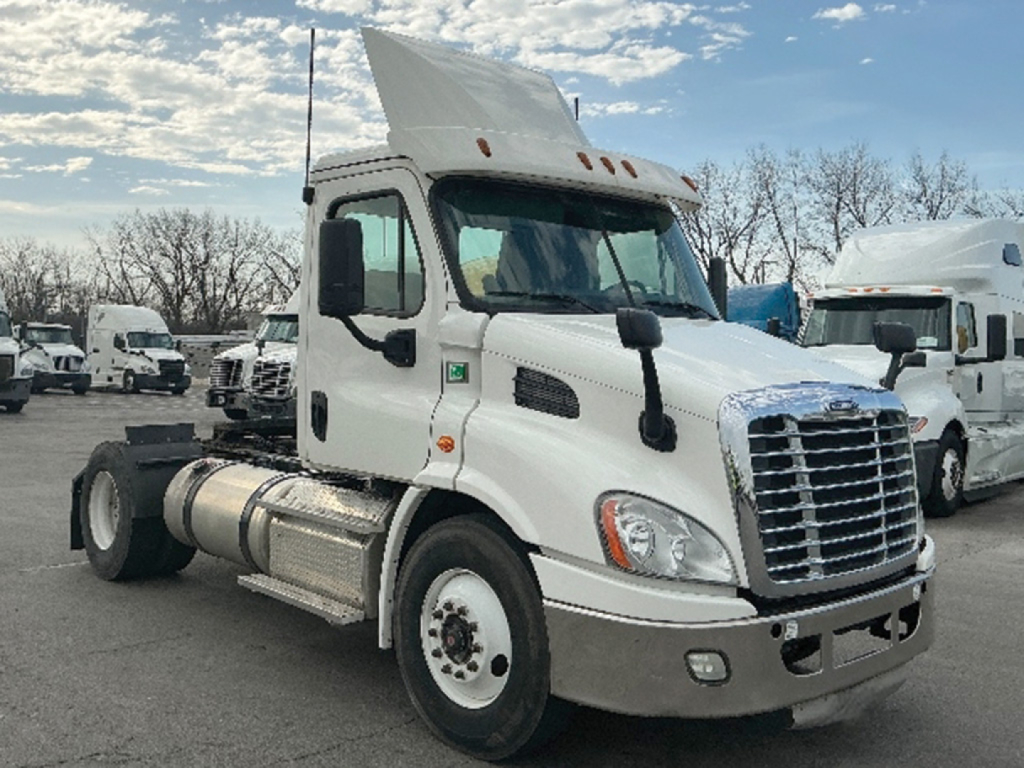
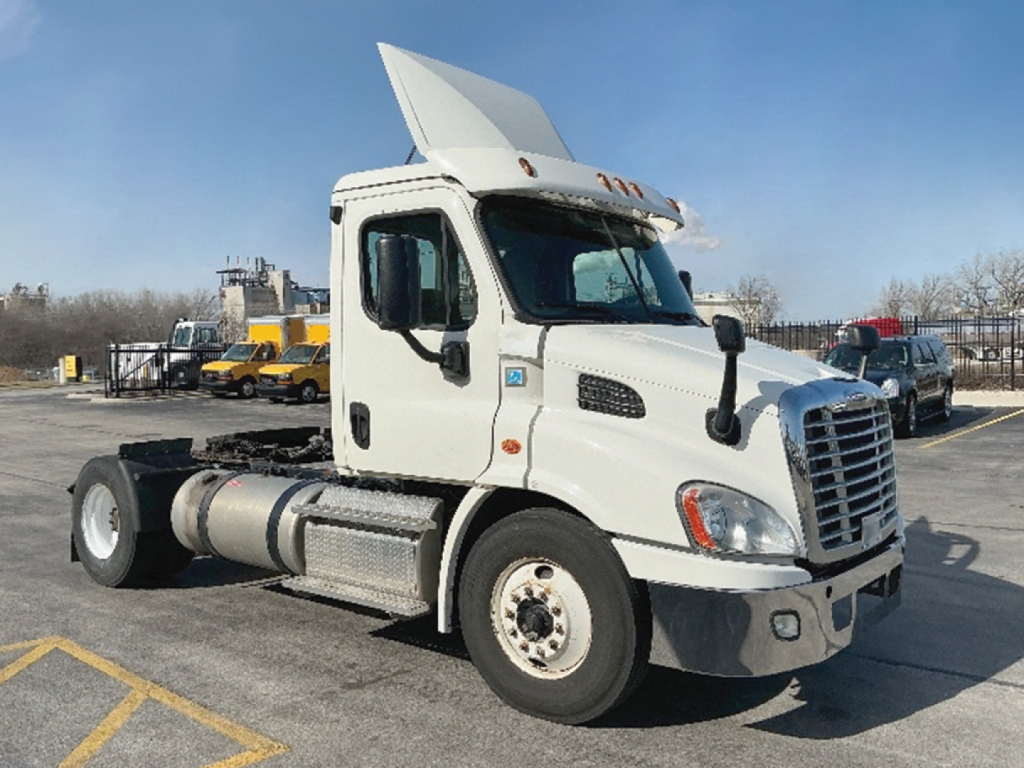
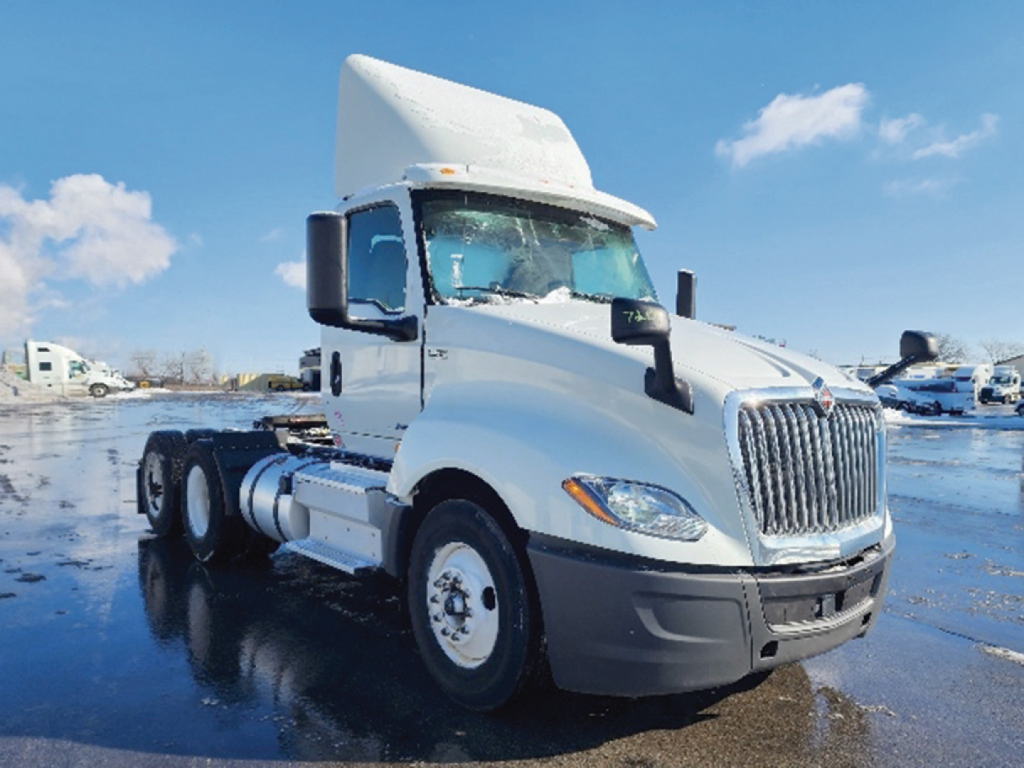
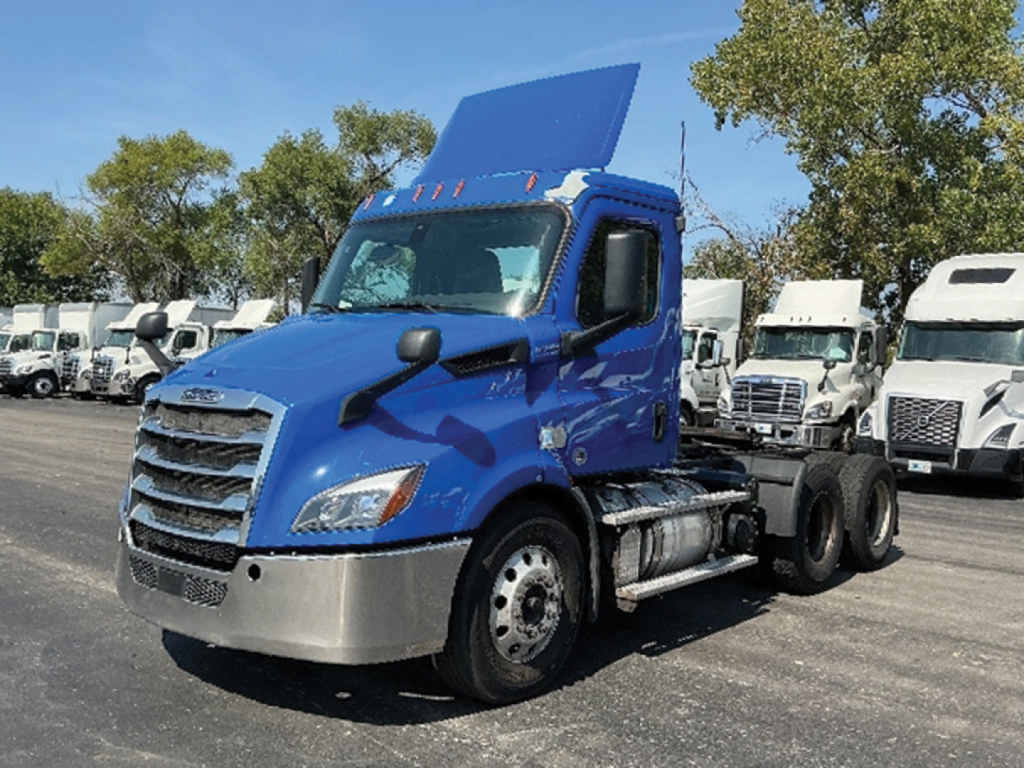
2019 International LT625
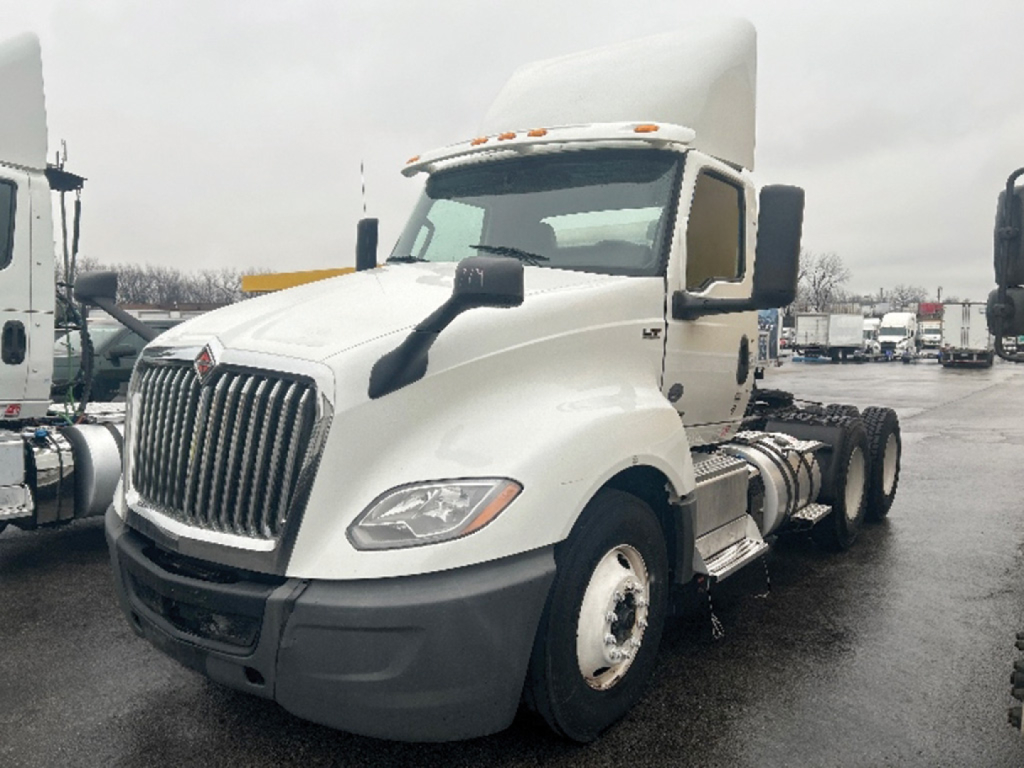
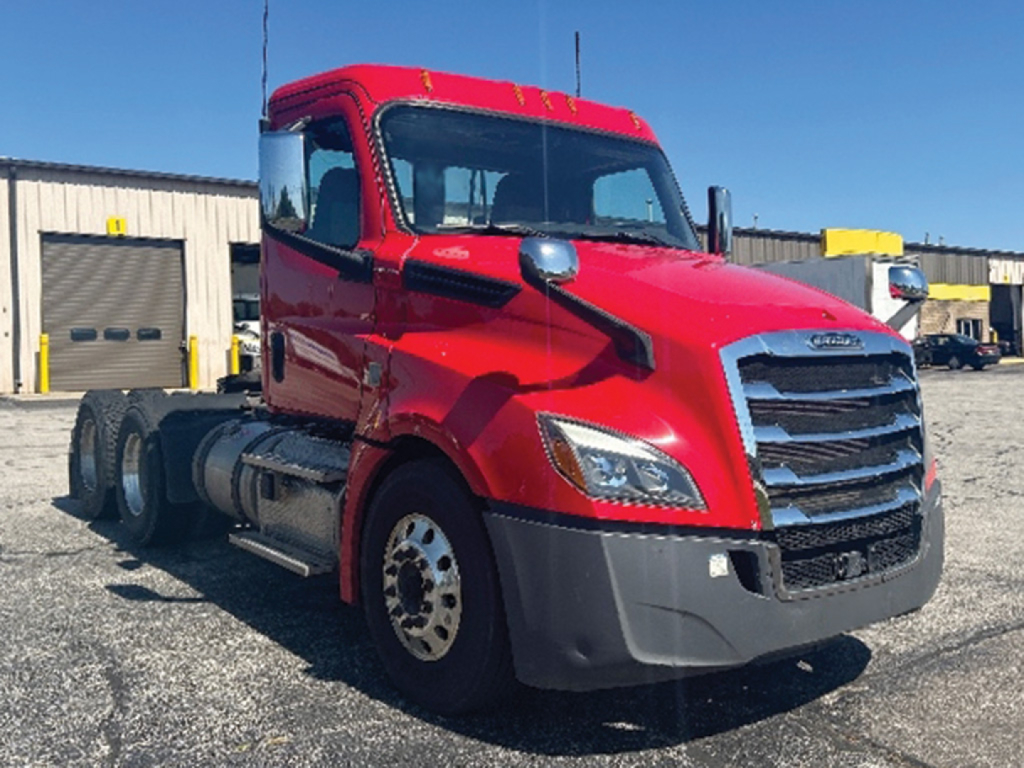
2019 International LT625
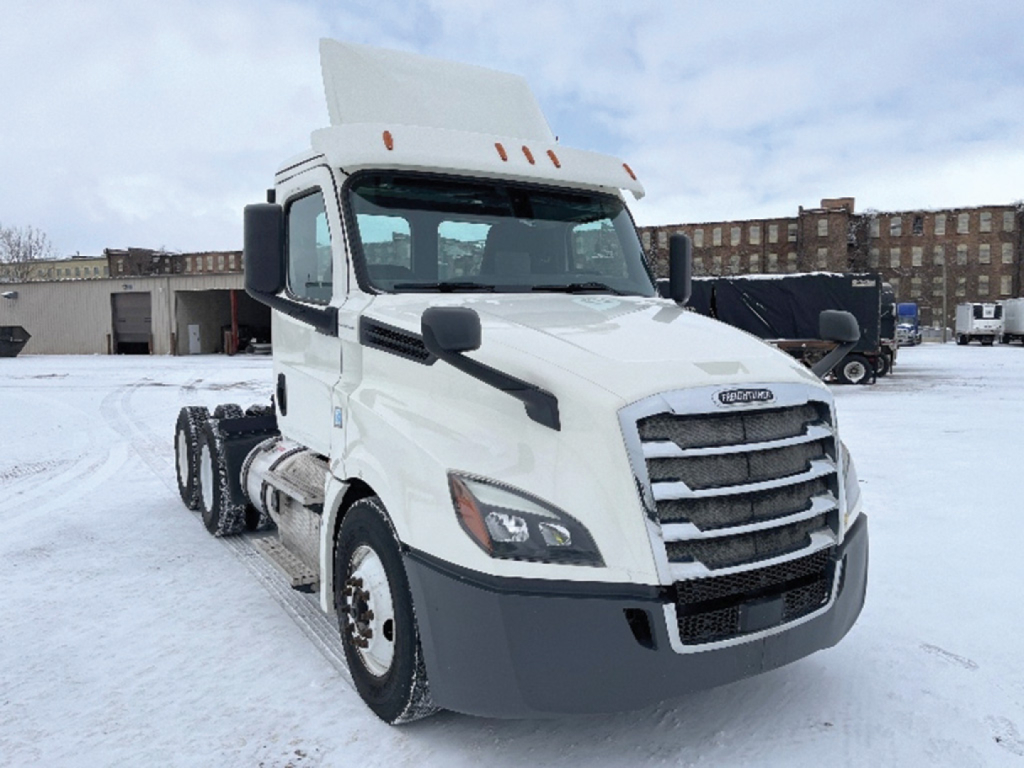
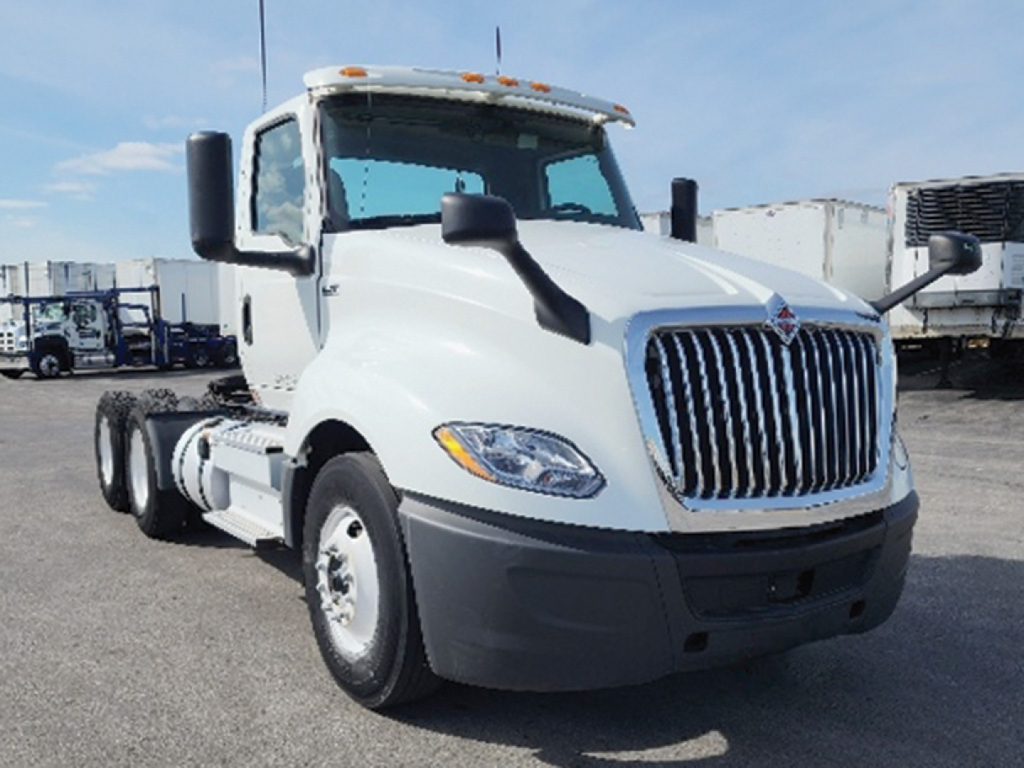
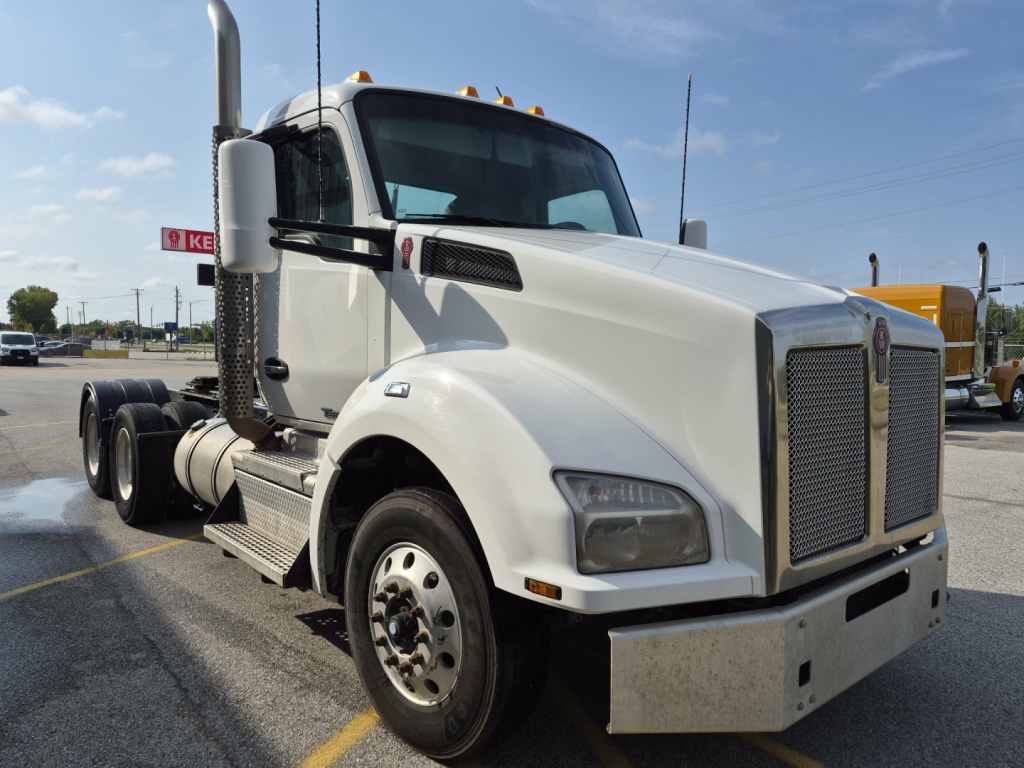
2019 International LT625

Selling a 2019 conventional daycab truck? List your 2019 conventional daycab truck for sale and reach thousands of commercial buyers.
2019 Conventional Daycab Trucks in Illinois
The first buying decision is usually drivetrain. Many 2019 daycabs are spec'd in the 400 to 455 horsepower range with torque suited for van, reefer, tanker, and general freight work. Common engines in this class include the Mack MP7, Detroit DD15, and Volvo D13, often paired with automated manuals such as Mack mDRIVE, Detroit DT12, or Volvo I-Shift. Rear axle ratings of 40,000 pounds are common, and axle ratios in the mid-2s to low-3s are typical for fuel-conscious linehaul or regional service. A lower numerical ratio can help cruise economy on flat interstate runs, while a higher ratio may be better for heavier starts, tighter route work, or more stop-and-go operation.
Wheelbase, fifth wheel setup, and suspension matter just as much as engine brand. Many conventional daycabs in this year range fall around a 175 to 180 inch wheelbase, which is a practical middle ground for trailer swing clearance and yard maneuverability. An air slide or adjustable fifth wheel adds flexibility if the truck will pull different trailer lengths or needs kingpin setting changes across multiple accounts. Air ride suspension remains a preferred spec for ride quality and freight protection, and buyers should pay attention to tire configuration as well, including low-profile rubber, super singles versus duals, and brake type such as drum or disc. Aerodynamic equipment like roof fairings, cab extenders, quarter fenders, and horizontal or single-stack exhaust can also affect fuel burn and maintenance access.
For a 2019 conventional daycab, condition review should focus on emissions history, transmission calibration, axle ratio match to the intended route, and visible wear points from urban or regional duty cycles. Check for service records on DPF cleaning intervals, DEF system repairs, clutch and actuator performance on AMTs, and suspension or steering wear from city mileage. Interior condition also matters more in daycab service than some buyers expect, since these trucks often see multiple drivers and frequent entry-exit cycles. A well-spec'd 2019 daycab can still be a very productive truck if the wheelbase, gearing, fifth wheel travel, and engine-transmission combination are aligned with the freight and terrain.
Frequently Asked Questions about 2019 Conventional Daycab Trucks in Illinois
What is a conventional daycab truck best used for?
A conventional daycab truck is best suited for regional hauling, local P&D, drayage, dedicated contract freight, and terminal-to-terminal runs that do not require overnight accommodations. The shorter overall length compared with a sleeper tractor improves maneuverability in yards, docks, and urban traffic, while still providing the hooded conventional layout preferred for service access and highway stability.
What engine and transmission specs are common on a 2019 conventional daycab?
Many 2019 conventional daycabs are equipped with engines in the 400 to 455 horsepower range and automated manual transmissions. Common combinations include Detroit DD15 with DT12, Volvo D13 with I-Shift, and Mack MP7 with mDRIVE. These specs are popular because they provide a good balance of torque, fuel economy, driver acceptance, and ease of operation in mixed highway and stop-and-go service.
What wheelbase is typical for a 2019 daycab tractor?
A typical 2019 daycab tractor often falls in the 175 to 180 inch wheelbase range, although exact dimensions vary by suspension, cab configuration, and intended trailer application. This range works well for general freight because it offers a practical compromise between turning radius, bridge law flexibility, and adequate clearance for different trailer and kingpin settings.
Should I choose super singles or dual rear tires on a daycab?
Super singles can reduce weight and rolling resistance, which may help payload and fuel economy, but they also change roadside service considerations and replacement cost planning. Dual rear tires remain familiar to many fleets and owner-operators, and some buyers prefer them for redundancy and broader service availability. The right choice depends on route density, maintenance support, and how standardized the rest of the fleet is.
What should I inspect closely on a used 2019 conventional daycab in Illinois?
Focus on emissions system service history, AMT operation, suspension wear, steering components, brake condition, and fifth wheel adjustment. Illinois daycabs often see a mix of interstate and urban duty, so look for signs of frequent docking damage, excessive idle hours, uneven tire wear, and corrosion exposure from winter road treatment. A truck with the right axle ratio, wheelbase, and maintenance records is usually more valuable than one with a higher horsepower rating alone.