
Cabover Trucks For Sale in New York
Browse cabover trucks for sale in New York. Compare maneuverability, GVWR, body lengths, diesel specs, and urban delivery features.
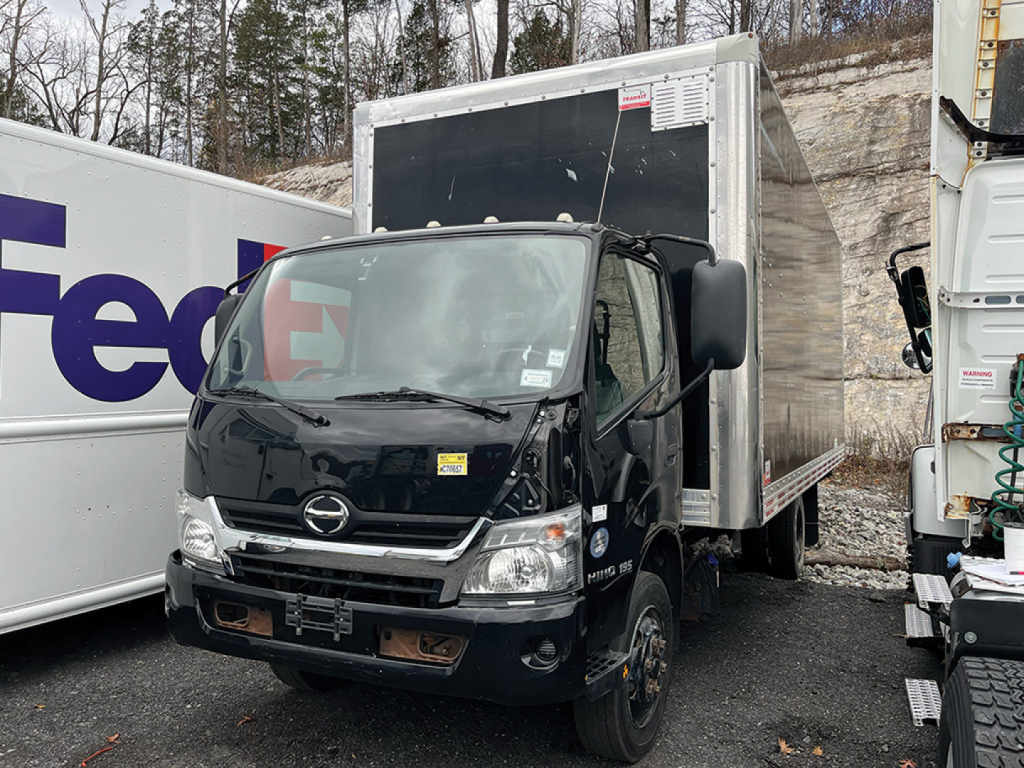
Selling a cabover truck? List your cabover truck for sale and reach thousands of commercial buyers.
Cabover Trucks in New York
For most buyers, the first decision is matching chassis size and GVWR to the job. Light and medium duty cabover trucks are often spec'd with diesel engines, automatic transmissions, and wheelbases suited for van bodies, box trucks, reefer bodies, stake bodies, or flatbeds. Common considerations include horsepower, rear axle ratio, suspension type, and front axle capacity, but body compatibility matters just as much. A 16-foot to 26-foot body is common in this segment, and features like liftgates, roll-up doors, side doors, E-track, translucent roofs, and low-profile 22.5-inch tires can have a real impact on route productivity.
Visibility and maneuverability are the selling points, but service access and driver fit should be evaluated closely. Cabovers typically offer a sharper wheel cut than many conventional trucks, which helps in alleys, docks, and crowded industrial zones. The driving position also gives the operator a better view down the front corners of the truck. On the practical side, buyers should check cab tilt operation, step height, interior space, steering wheel adjustment, HVAC performance, and how easy routine engine access is for their maintenance program. In stop-and-go urban service, transmission calibration, brake feel, and turning radius often matter more than peak horsepower.
In New York, body height, bridge clearance, traffic density, and frequent curbside loading all push buyers toward efficient, easy-to-place equipment. A good cabover spec balances payload, body length, and axle ratings without making the truck cumbersome in city traffic. Look closely at rust, frame condition, liftgate operation, door seals, suspension wear, and tire size consistency, especially on used units that have spent years in metro delivery service. The best cabover truck is usually the one that fits the route, dock conditions, and cargo handling method with the least compromise.
Frequently Asked Questions about Cabover Trucks in New York
What is the main advantage of a cabover truck?
The main advantage of a cabover truck is that it maximizes usable body length while keeping the overall vehicle length compact. Because the cab sits over the engine, the chassis can carry a longer van body or cargo area on a shorter wheelbase than a conventional truck. That makes cabovers especially effective in city delivery, tight loading docks, alley access, and routes with frequent turns and curbside stops.
Are cabover trucks good for New York delivery work?
Yes, cabover trucks are well suited for New York delivery work because they are easier to maneuver in traffic, narrow streets, and congested commercial areas. Their tighter turning radius and forward visibility help with backing, dock approaches, and street-side parking. Buyers still need to match the truck to local clearance limits, body height, payload requirements, and the number of stops per day.
What should I check on a used cabover truck before buying?
Start with the basics of chassis condition, including frame rust, suspension wear, steering play, brake condition, tire wear, and signs of overloading. On a cabover, it is also important to inspect cab tilt function, engine access points, cooling system condition, and cab mounts. If the truck has a van or reefer body, check the floor, roof, roll-up door, side door, liftgate, seals, and cargo securement equipment such as E-track or scuff liner condition.
What bodies are commonly installed on cabover truck chassis?
Cabover chassis are commonly used for dry van bodies, refrigerated bodies, stake bodies, flatbeds, landscape bodies, and specialized municipal or utility upfits. Box truck and reefer applications are especially common because the compact chassis leaves more room for cargo length without making the truck harder to place in urban areas. The right body depends on cargo type, dock height, weight distribution, and whether the route requires hand unloading or liftgate service.
Do cabover trucks ride differently than conventional trucks?
Yes, most cabover trucks have a different feel from conventional trucks because the driver sits directly over or near the front axle. That position can make road inputs feel more immediate, especially on rough city pavement. In return, the driver usually gets better forward visibility and a more precise sense of where the front of the truck is placed, which is valuable in stop-and-go route work and tight urban maneuvers.