
Cabover Sleeper Trucks For Sale in Utah
Compare cabover sleeper trucks for sale, including sleeper sizes, axle setups, powertrain options, maneuverability, and regional hauling fit.
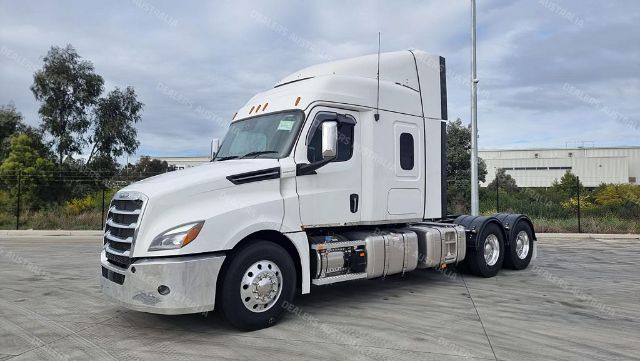
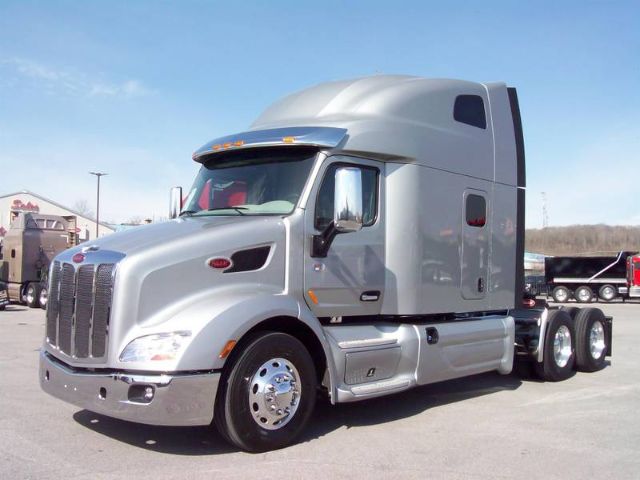
Selling a cabover sleeper truck? List your cabover sleeper truck for sale and reach thousands of commercial buyers.
Cabover Sleeper Trucks in Utah
A cabover sleeper is often chosen for regional freight, port work, city-to-city lanes, and specialized operations that still need overnight capability. Common configurations include tandem axle tractors, raised-roof sleepers, and power ratings suited for van, reefer, flatbed, and lighter bulk applications. Key spec decisions include transmission type, rear axle ratio, suspension setup, and gross vehicle weight rating. If the truck will spend time in mountain states like Utah, engine brake performance, cooling system condition, gearing, and driveline spec deserve close attention. A truck that is agile in town still needs the right horsepower and torque curve to pull grades efficiently with a loaded trailer.
Driver ergonomics are a major part of the buying decision because cabover designs ride and feel different from conventional sleepers. Cab entry height, interior storage, bunk width, HVAC performance, noise insulation, and dash layout all affect day-to-day use. On the maintenance side, buyers should pay attention to cab tilt operation, front suspension wear, steering components, and access to major service points. It is also smart to check for emissions system history, idle hours, and signs of hard city use, since stop-and-go applications can accelerate wear in brakes, clutches, and aftertreatment components.
When comparing cabover sleeper trucks for sale, the best value usually comes from matching the chassis to the route instead of buying strictly on model year or appearance. A well-spec'd cabover sleeper can deliver strong visibility, efficient use of overall length, and easier positioning at docks or job sites where space is limited. Look closely at sleeper practicality, service records, tire and brake condition, frame integrity, and the truck's intended trailer pairing. Those details tell you far more about long-term operating cost than the badge on the grille.
Frequently Asked Questions about Cabover Sleeper Trucks in Utah
What is the main advantage of a cabover sleeper truck?
The main advantage of a cabover sleeper truck is shorter overall length for the same basic tractor and sleeper function. That shorter footprint improves maneuverability in tight loading areas, urban streets, older distribution centers, and crowded yards. A cabover sleeper can still provide overnight accommodations while making it easier to position the tractor and trailer where space is limited.
Are cabover sleeper trucks good for long-haul work?
Cabover sleeper trucks can be used for long-haul work, but the fit depends on the sleeper size, ride quality, interior layout, and axle and powertrain spec. Many buyers prefer them for regional operations, port work, and routes that prioritize maneuverability over maximum cab space. For longer runs, pay close attention to bunk dimensions, storage, HVAC performance, noise levels, and how the truck is geared for highway speed and terrain.
What should I inspect first on a used cabover sleeper?
Start with the cab tilt system, steering and suspension components, frame condition, sleeper condition, and complete engine and emissions service history. Cabover trucks often see demanding stop-and-go service, so brake wear, clutch life, idle hours, and aftertreatment maintenance are important checkpoints. Tire condition, alignment wear, and any signs of front-end impact or cab mount problems should also be reviewed before purchase.
How do cabover sleeper trucks compare to conventional sleeper trucks?
Cabover sleeper trucks generally offer better maneuverability and more efficient use of total vehicle length, while conventional sleepers often provide a smoother ride and easier driver access without tilting the cab. The best choice depends on route density, loading environment, trailer type, and driver preference. If your operation regularly works in confined areas, a cabover sleeper may offer a real operational advantage.
What specs matter most when buying a cabover sleeper in Utah?
In Utah, buyers should focus on horsepower, torque, rear axle ratio, cooling system condition, engine brake performance, and overall driveline match for mountain grades and temperature swings. A truck that works well on flatter regional lanes may feel underpowered or poorly geared in higher elevations and steep terrain. Suspension condition, tire selection, and brake condition also matter because they directly affect stability, control, and operating cost in varied road conditions.