
Cab and Chassis Trucks For Sale in Texas
Shop cab and chassis trucks in Texas for dump, service, tanker, crane, utility, and specialty body upfits across medium and heavy-duty applications.
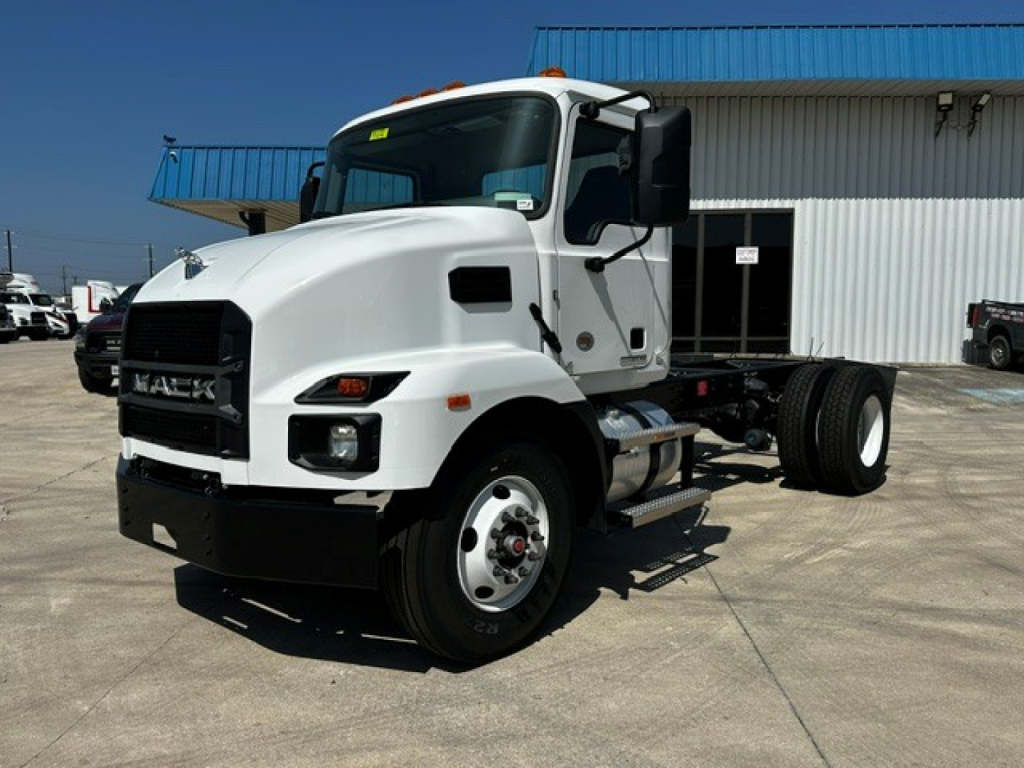
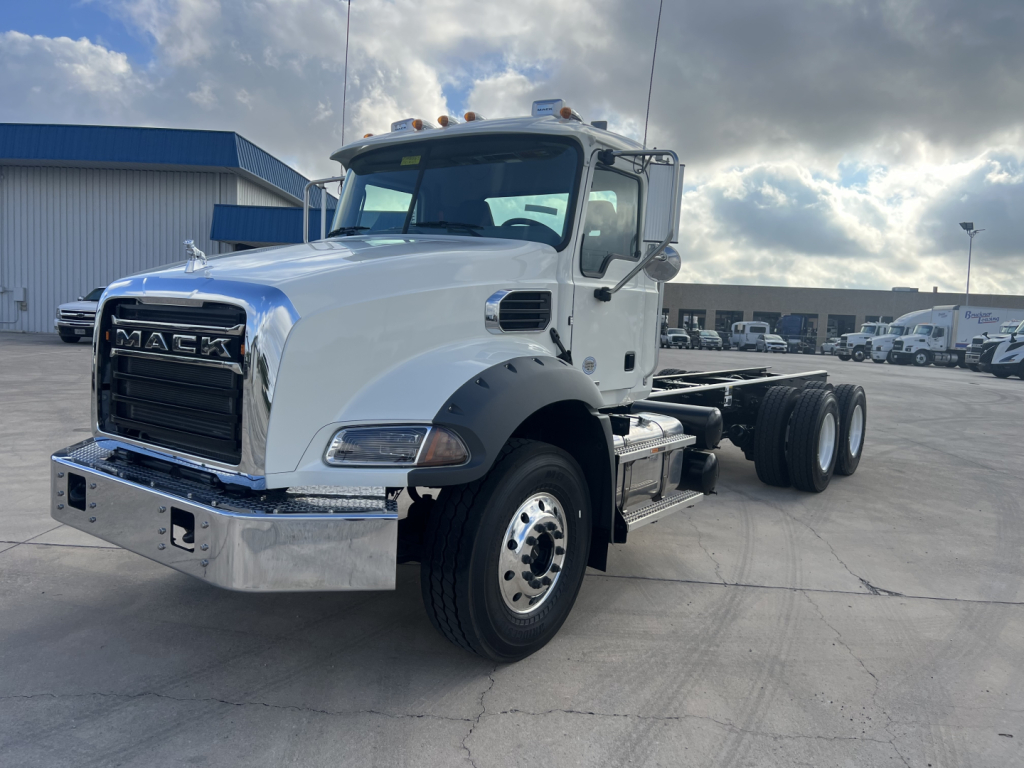
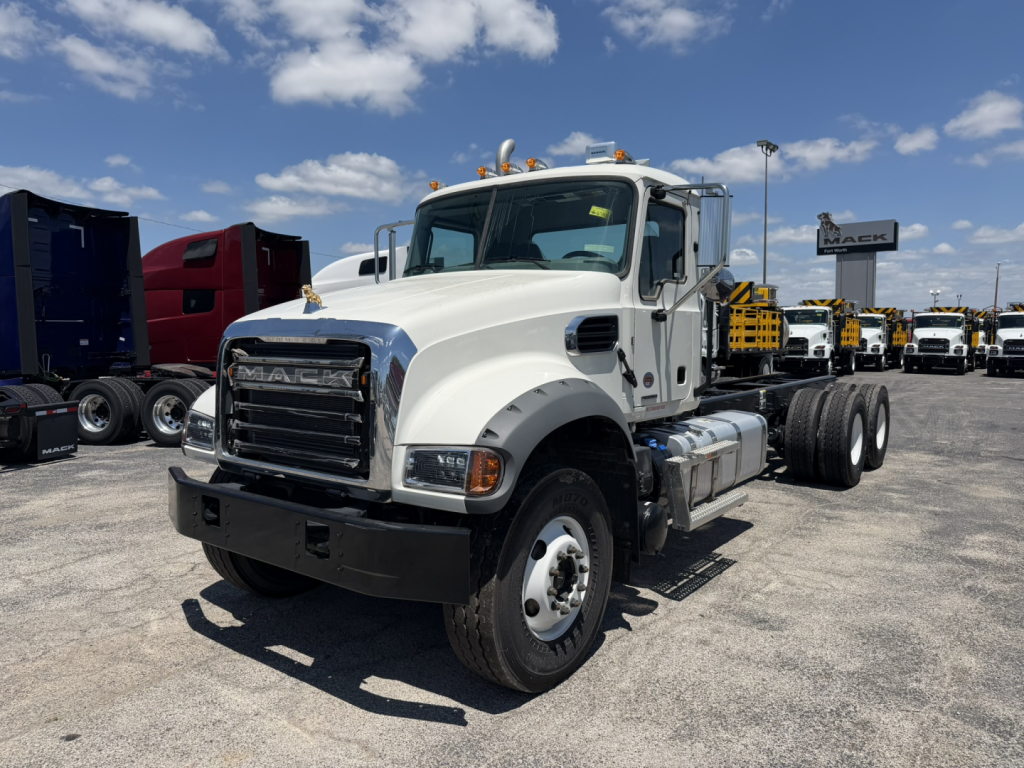
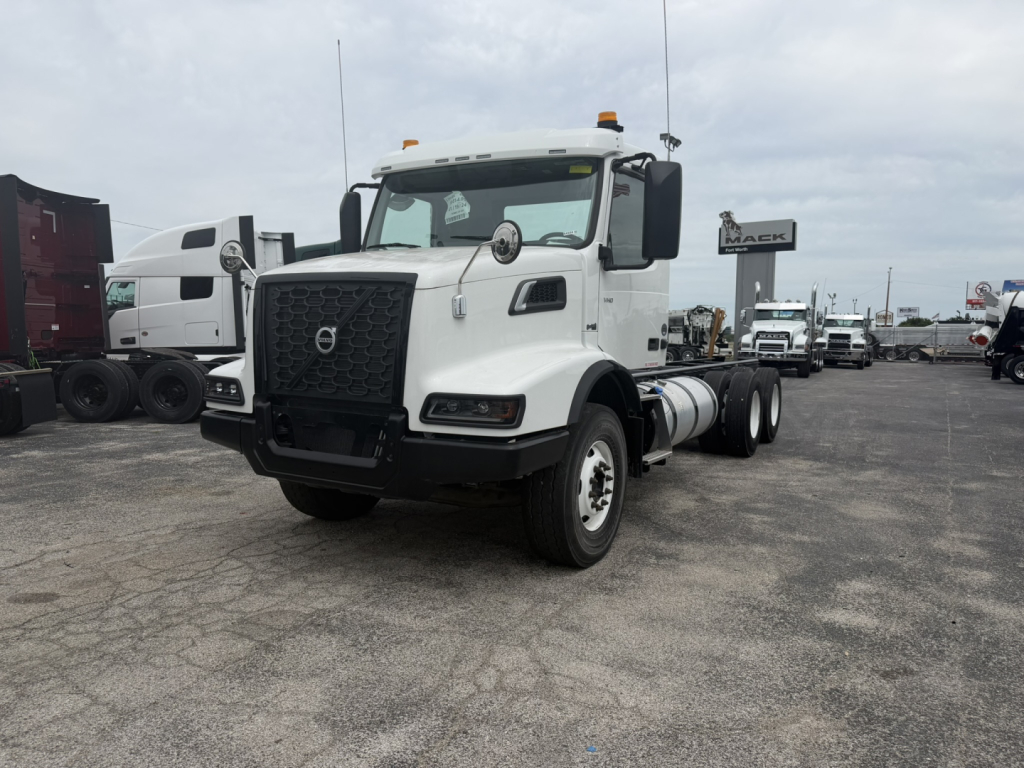
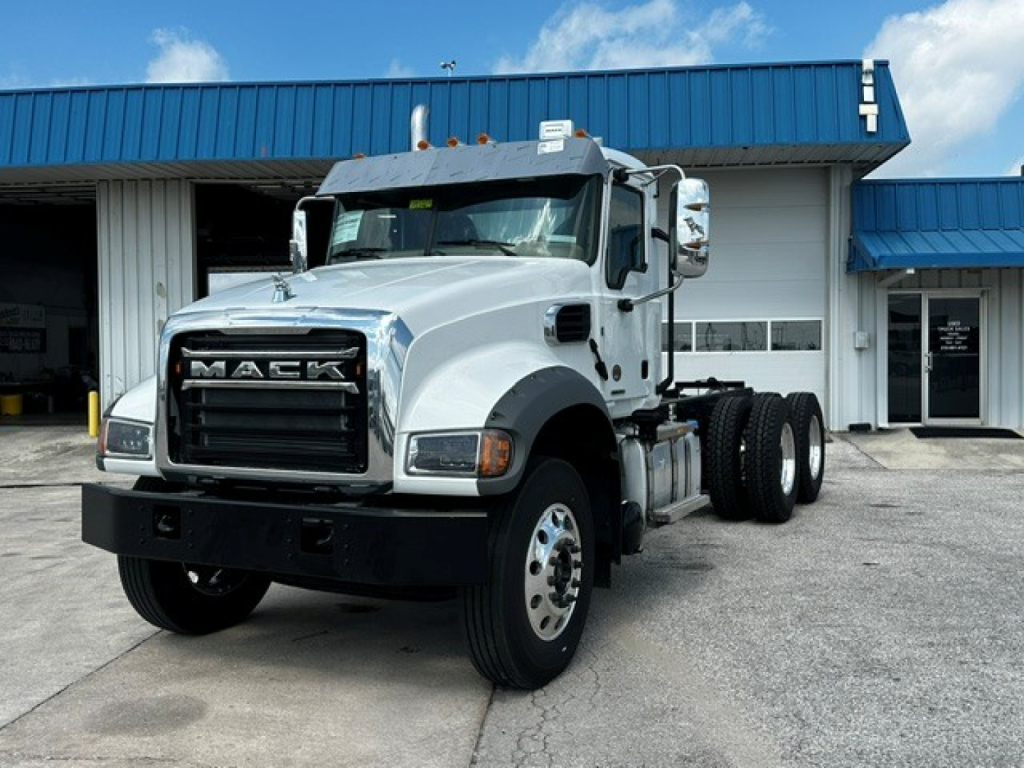
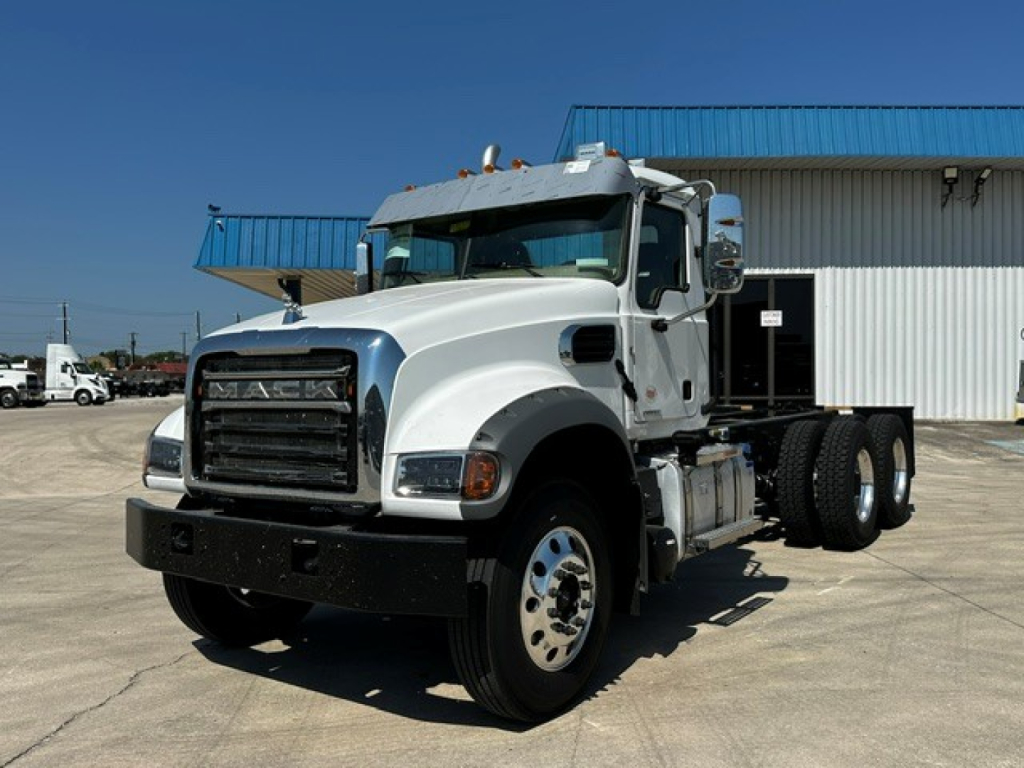
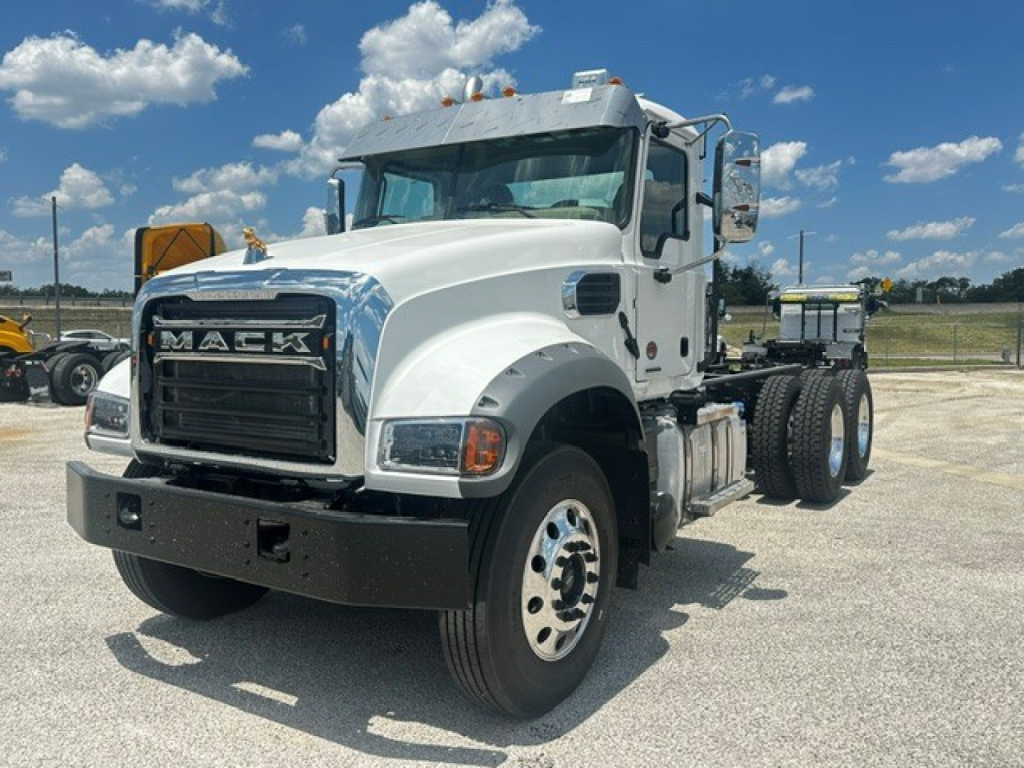
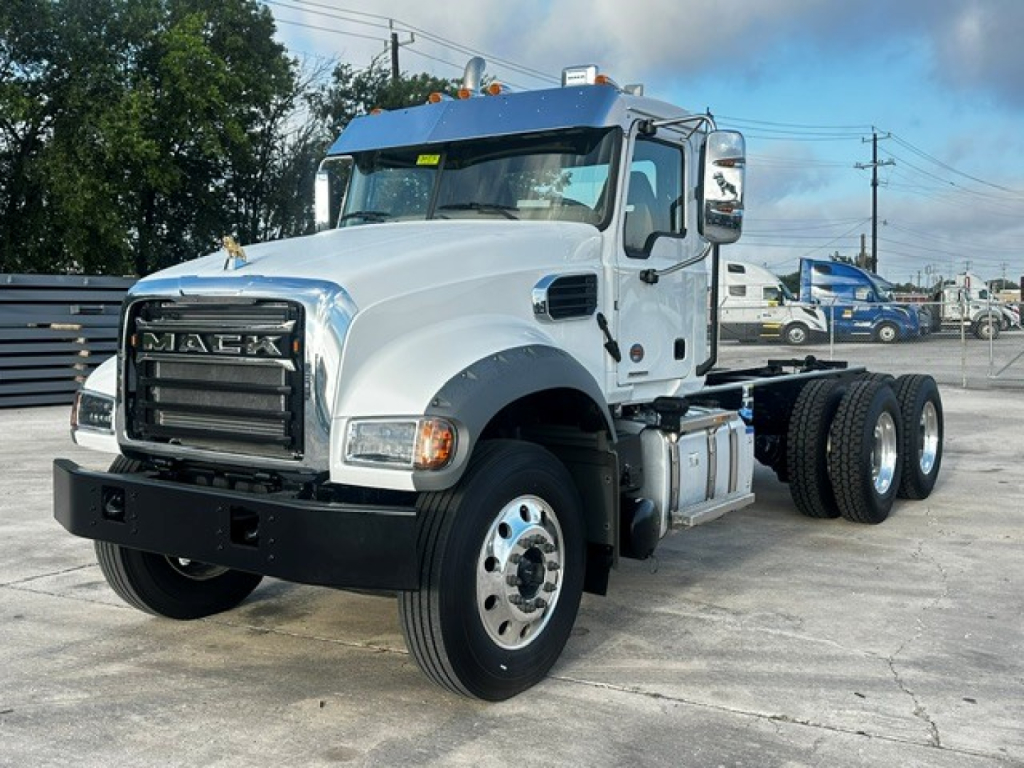
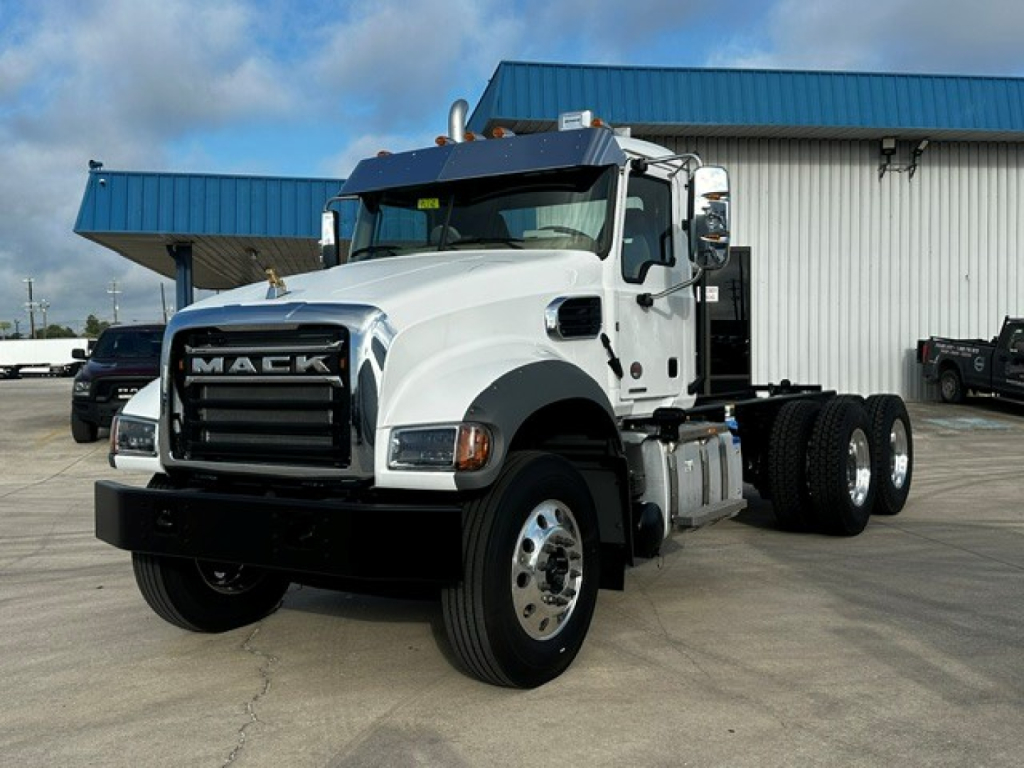
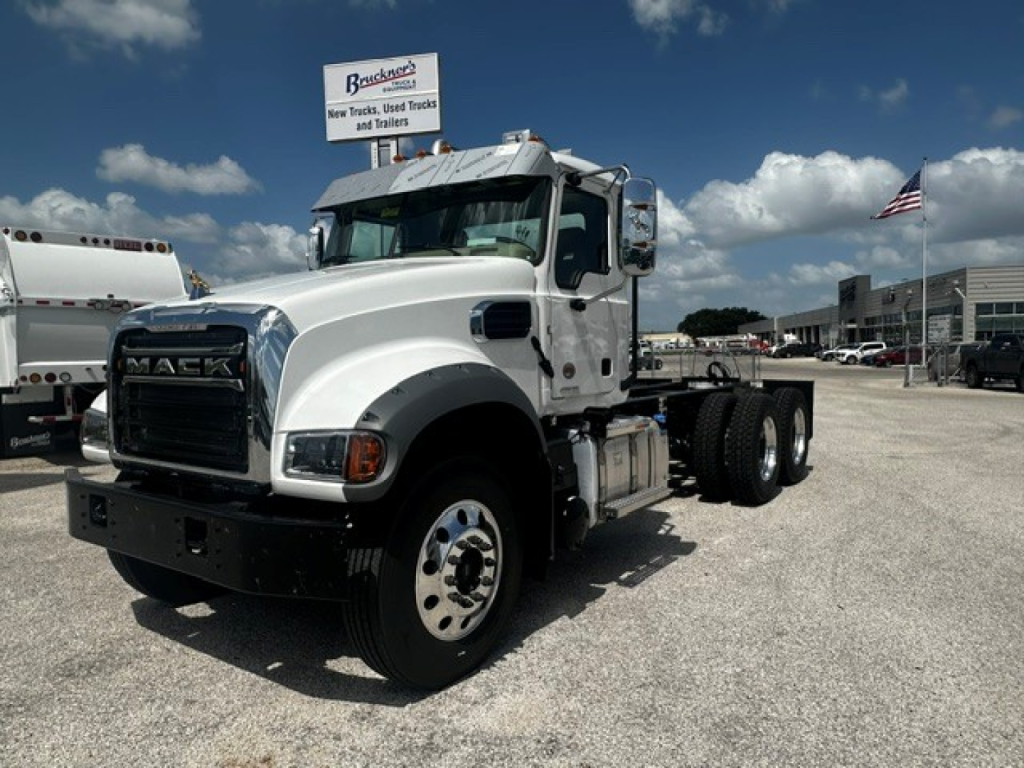
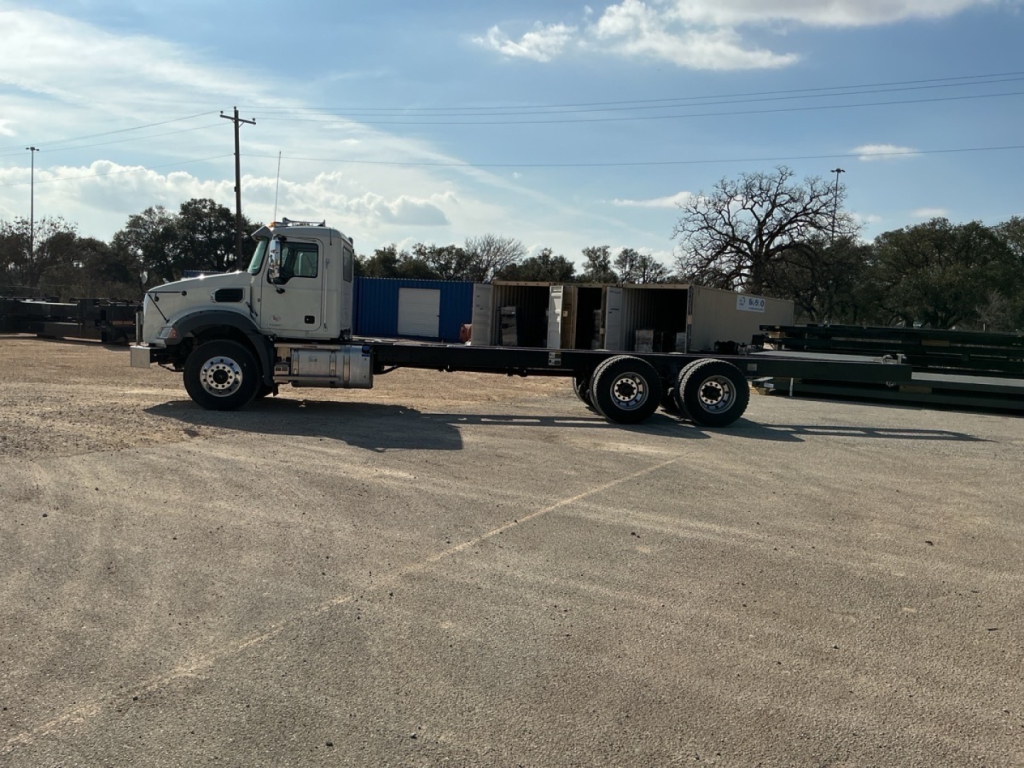
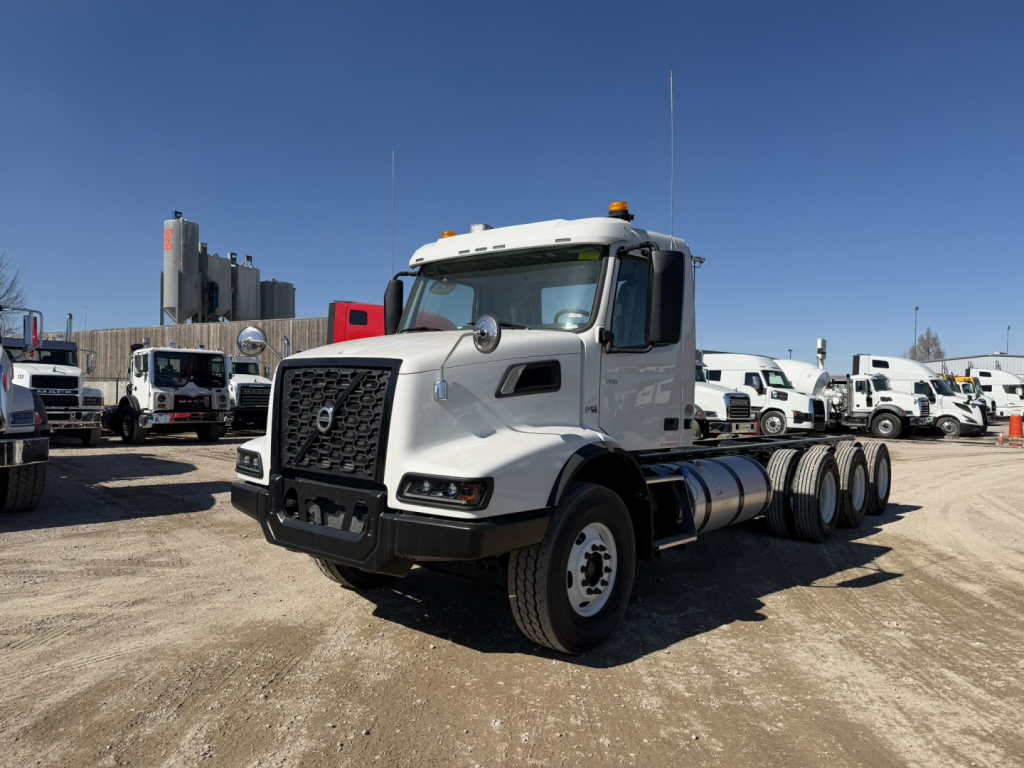
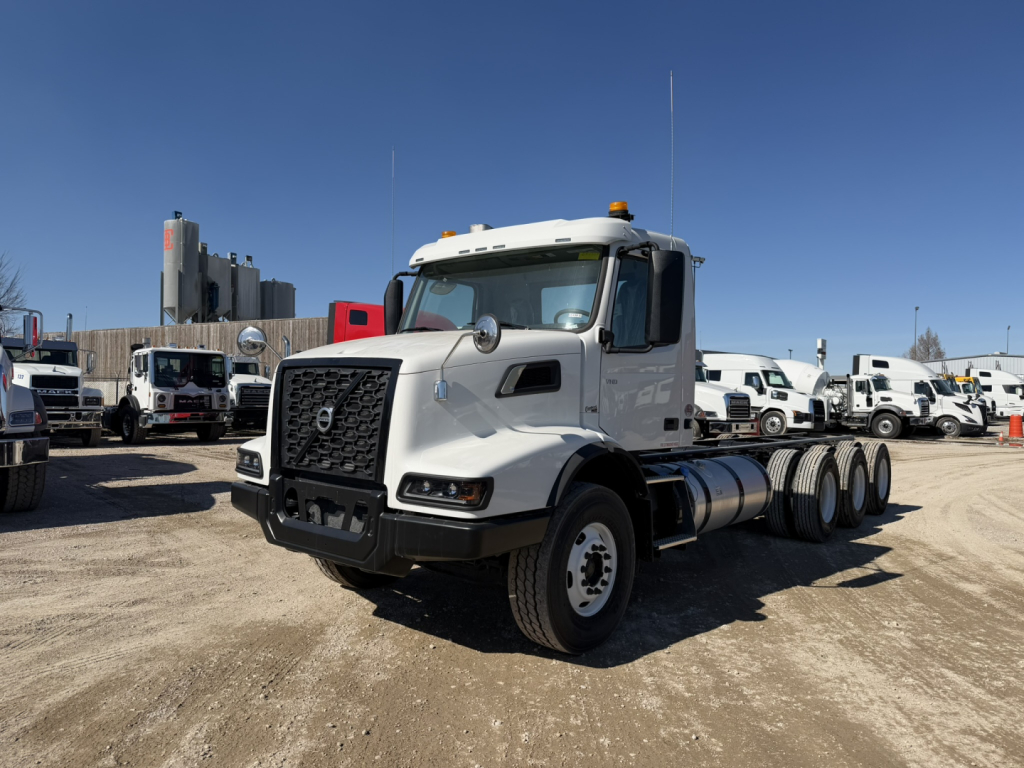
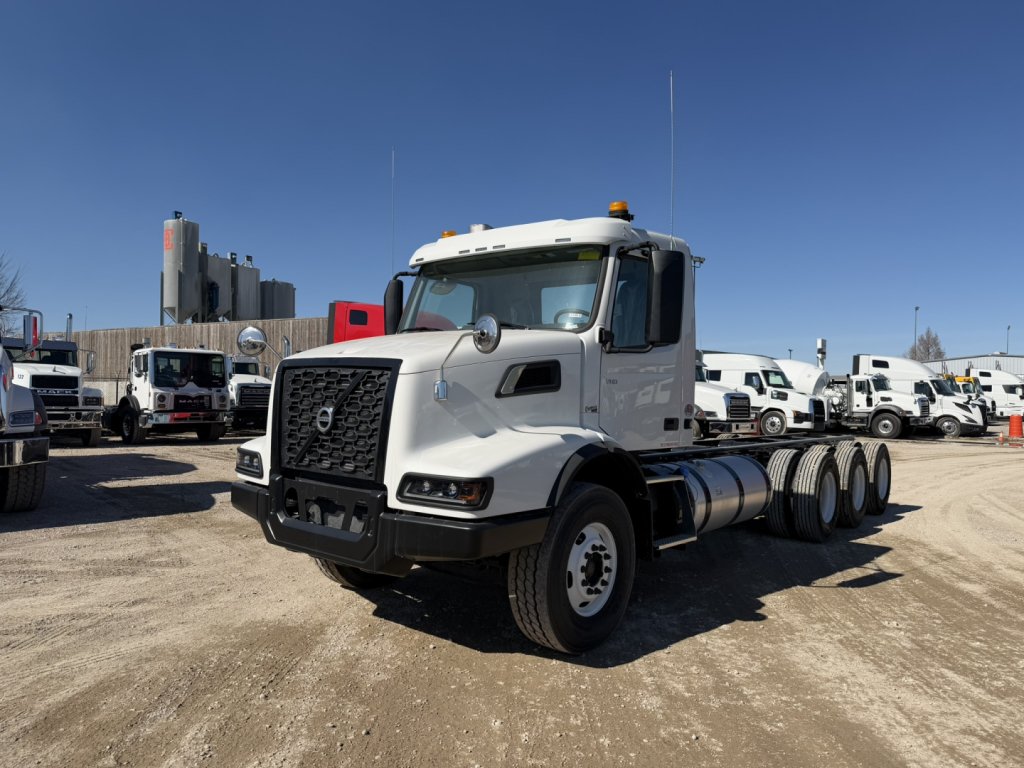
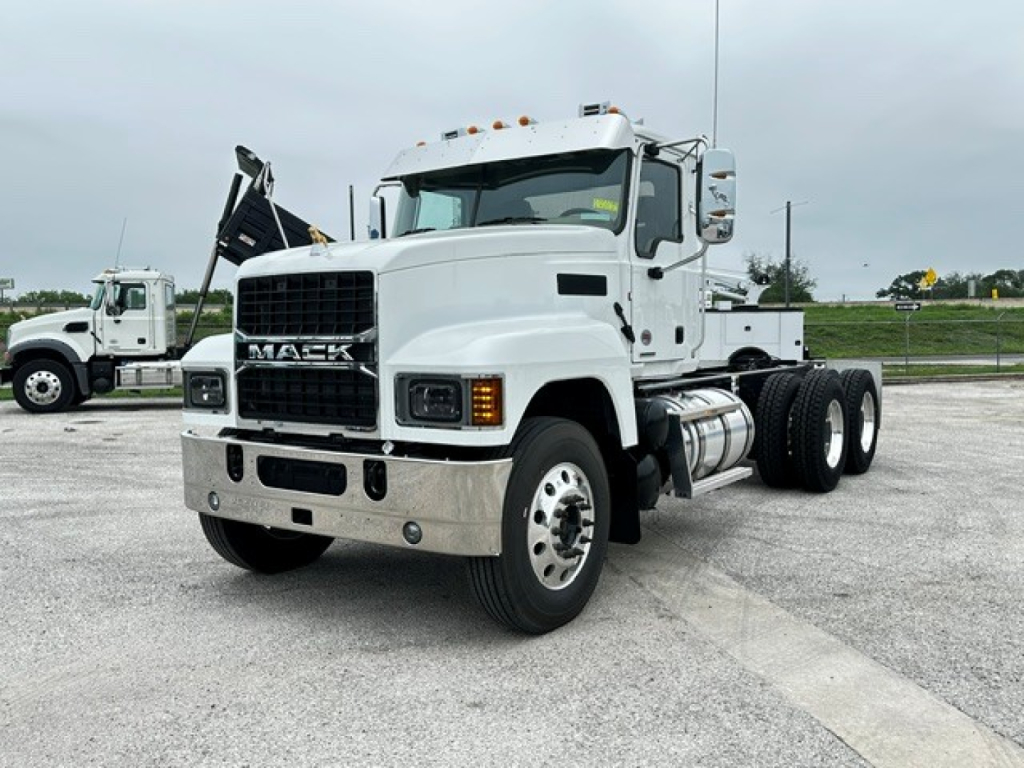
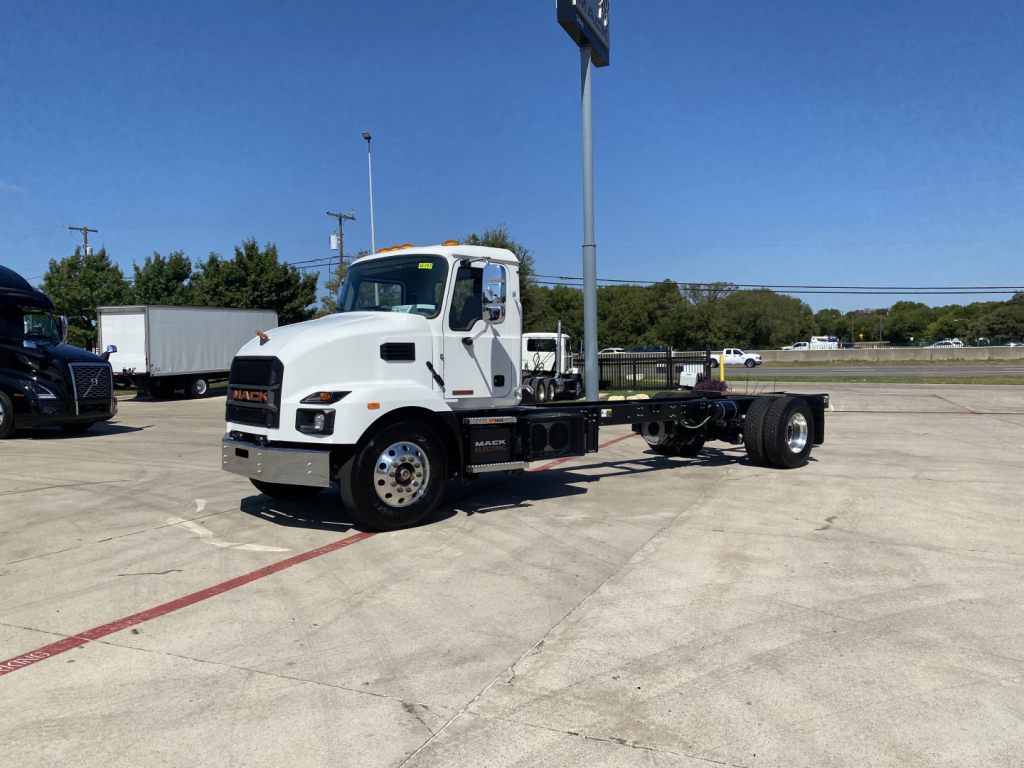
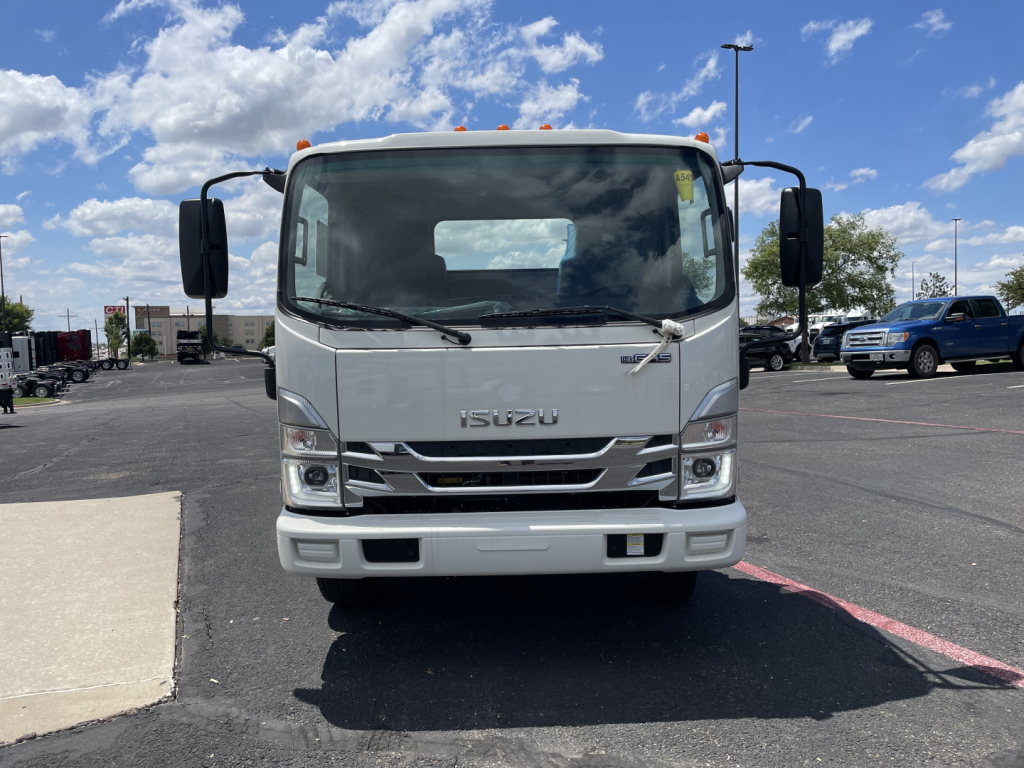

Selling a cab and chassis truck? List your cab and chassis truck for sale and reach thousands of commercial buyers.
Cab and Chassis Trucks in Texas
The biggest buying decision is matching the chassis to the body and duty cycle. Wheelbase and usable cab-to-axle dimension determine what body length will fit and how weight will distribute across the axles. Medium-duty cab and chassis trucks often use engines in the 200 to 300 horsepower range with automatic transmissions for box, reefer, or service applications, while heavier vocational units commonly run 400-plus horsepower diesel engines, tandem or tri-drive axles, deep rear ratios, and heavy suspensions for dump, tank, mixer, crane, and off-road work. Front axle ratings, rear axle capacity, suspension type, and GVWR matter more than advertised horsepower if the truck will carry a constant payload or support a heavy mounted attachment.
Texas buyers also need to think about terrain, heat, and operating environment. Oilfield and pipeline work often call for high-clearance vocational chassis, locking differentials, severe-duty cooling packages, and low-speed gearing such as 8LL or automated manual transmissions with creeper gears. Municipal and on-road fleet applications may favor air ride suspensions, automatic transmissions, tighter turning specs, and easier body integration for utility or service use. PTO provision is a key checkpoint on any cab and chassis truck because hydraulic pumps, blowers, compressors, winches, and mixers all depend on the right transmission and engine setup. Frame rail strength, brake type, fuel tank placement, and exhaust routing should also be reviewed early because they affect upfit cost and body compatibility.
A good cab and chassis spec is one that leaves enough capacity after the body is installed. Buyers should look closely at wheelbase, axle spread, frame height, rear ratio, and suspension design, then confirm body weight, intended payload, and local bridge or registration limits. A single-axle chassis may be the right answer for urban maneuverability and lower empty weight, while tandem and tri-axle configurations are better suited for high-GVWR vocational service and rough jobsite conditions. The best value usually comes from choosing a chassis that fits the body correctly the first time, with the correct PTO, axle ratings, and suspension package for the work instead of paying later to correct an under-specced truck.
Frequently Asked Questions about Cab and Chassis Trucks in Texas
What is a cab and chassis truck used for?
A cab and chassis truck is used as a platform for installing a vocational or commercial body. Common upfits include dump bodies, utility bodies, service trucks, flatbeds, box trucks, tank trucks, cranes, wreckers, hooklifts, and landscape bodies. The open frame allows the buyer to match the truck to a specific application instead of buying a factory-finished body style.
How do I choose the right wheelbase on a cab and chassis truck?
Wheelbase should be selected based on the body length, axle weight distribution, and turning requirements of the finished truck. A longer wheelbase can support larger bodies and improve load balance, but it also increases overall length and turning radius. The key measurement for most upfitters is cab-to-axle or cab-to-trunnion dimension, because that determines how the body will sit on the frame and whether the truck will carry the load correctly.
What matters more on a cab and chassis truck: horsepower or axle ratings?
Axle ratings, GVWR, suspension capacity, and frame specification usually matter more than horsepower for vocational buying decisions. Horsepower affects drivability and performance, but the truck must first be able to legally and safely carry the installed body and payload. A truck with strong power but insufficient front axle, rear axle, or suspension capacity can become an expensive upfit problem.
Are automatic transmissions common in cab and chassis trucks?
Yes. Automatic and automated manual transmissions are common, especially in medium-duty delivery, utility, and municipal applications where ease of operation and driver consistency are important. Manual and deep-reduction vocational transmissions are still popular in severe-duty work such as oilfield, off-road construction, heavy dump, and specialty equipment applications where PTO capability, low-speed control, and traction are priorities.
What should Texas buyers check before ordering or buying a body-ready chassis?
Texas buyers should confirm GVWR, front and rear axle ratings, PTO setup, frame dimensions, exhaust routing, fuel tank placement, and cooling capacity before committing to an upfit. Hot weather, heavy loads, off-road conditions, and long idle times can all influence the right engine, transmission, and cooling spec. It is also important to verify the finished truck will meet state registration, bridge, and jobsite requirements once the body, equipment, and payload are added.