
Cab and Chassis Trucks For Sale in Nebraska
Browse cab and chassis trucks for sale in Nebraska. Compare wheelbase, axle ratings, engine specs, and upfit readiness for your application.
No exact matches found for your search
Showing Cab and Chassis Trucks instead.
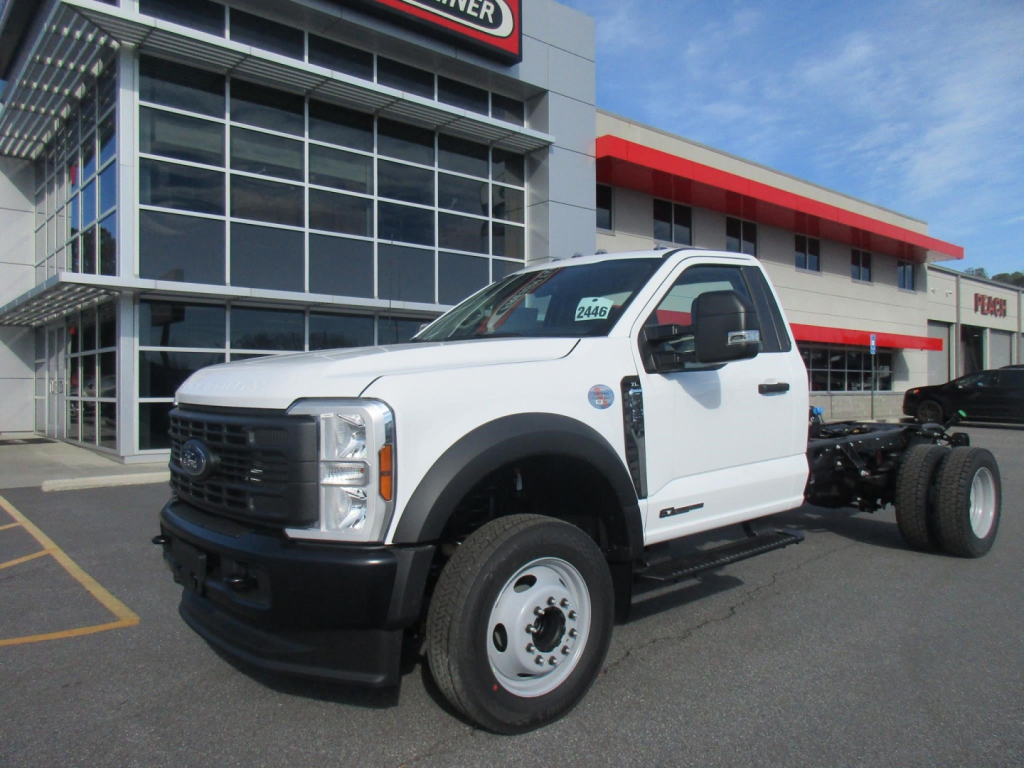
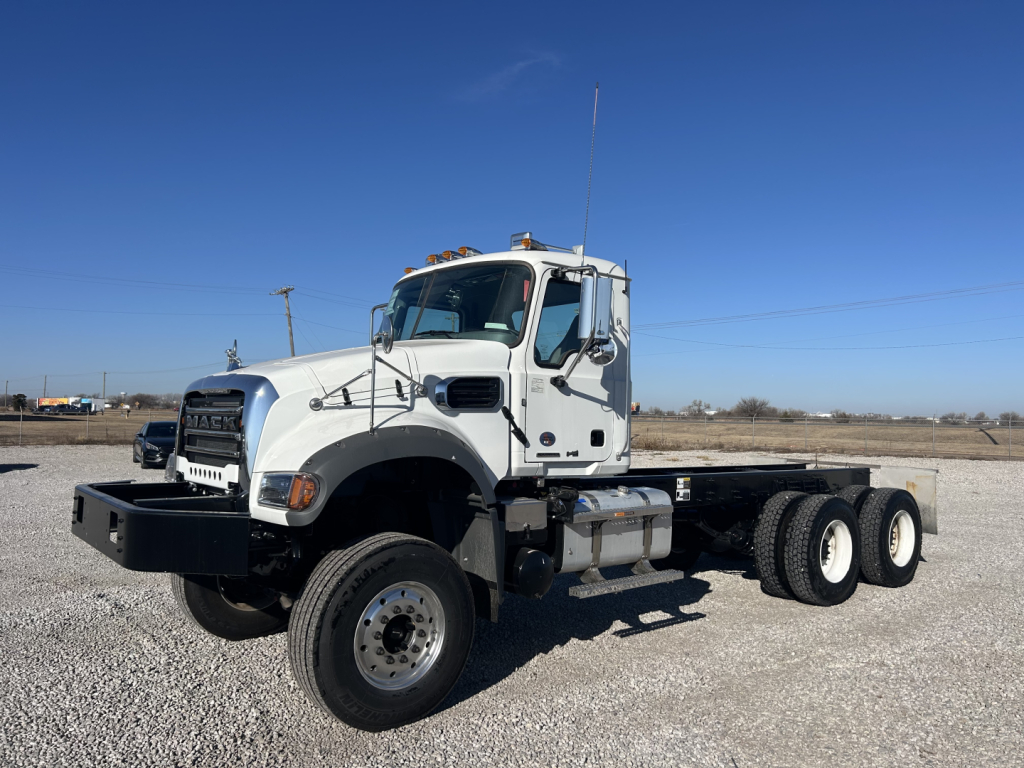
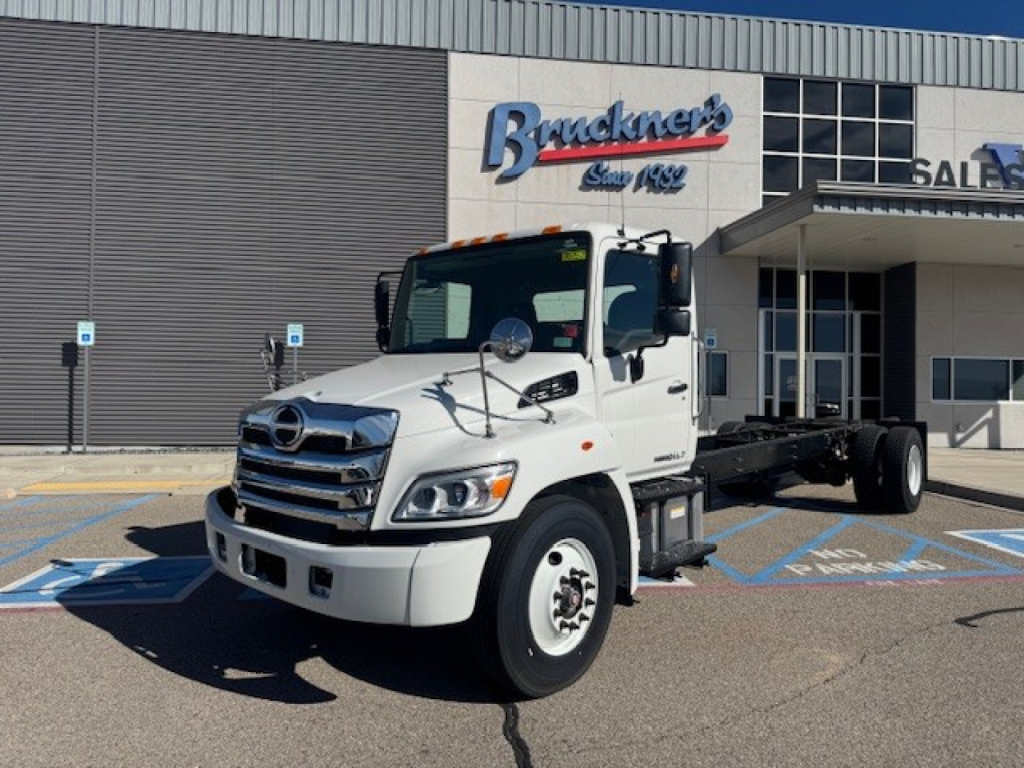
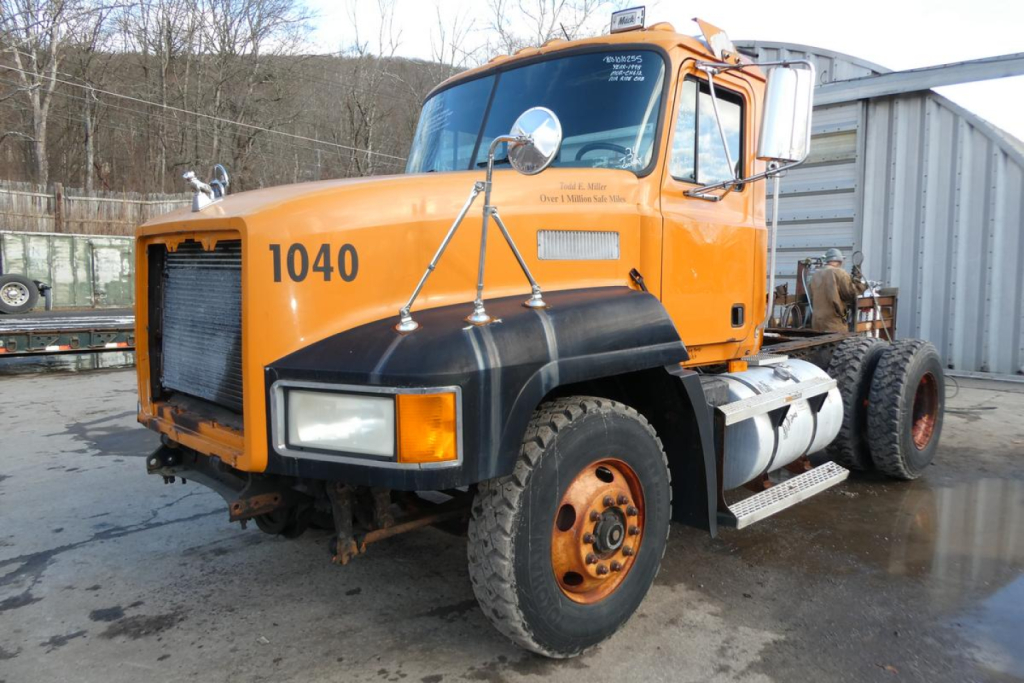
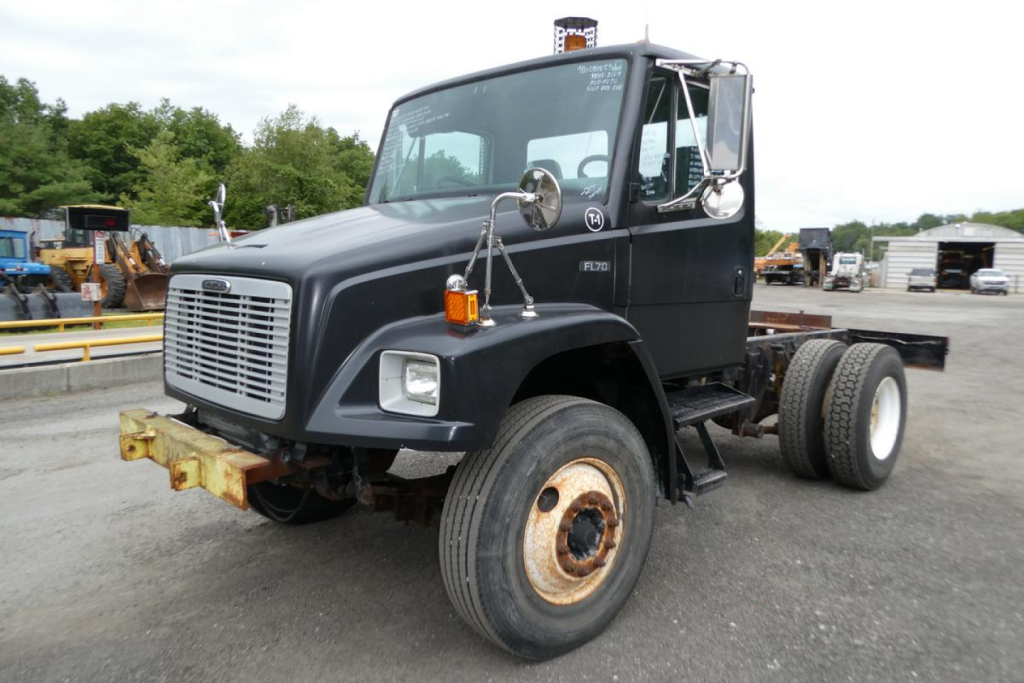
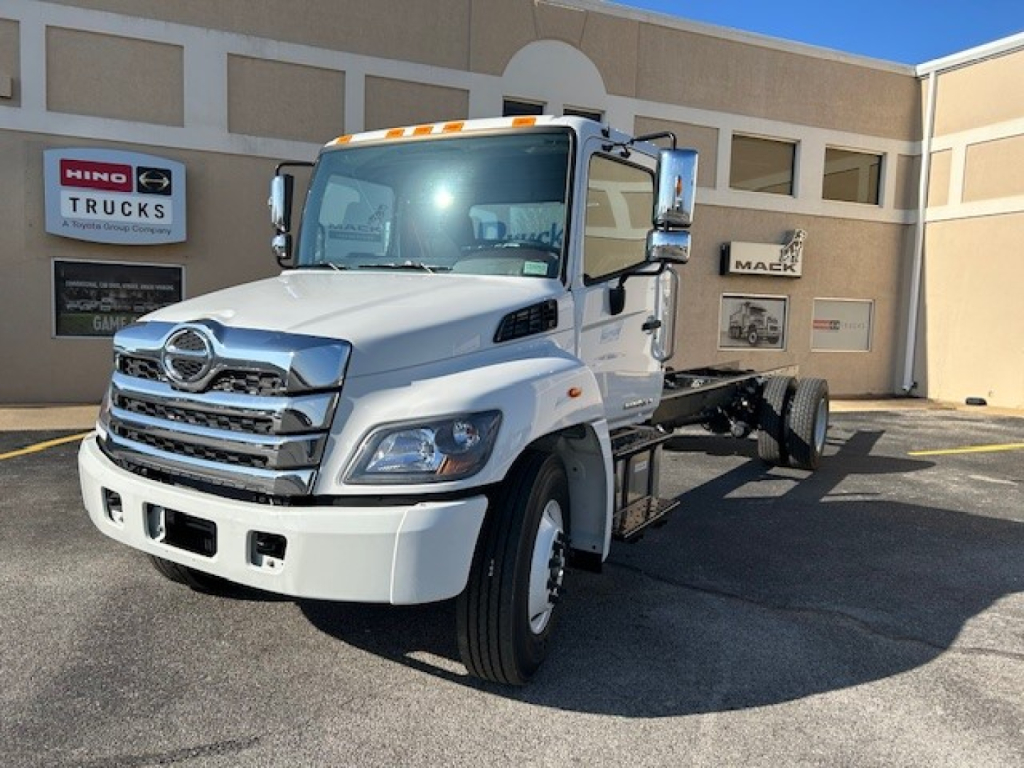
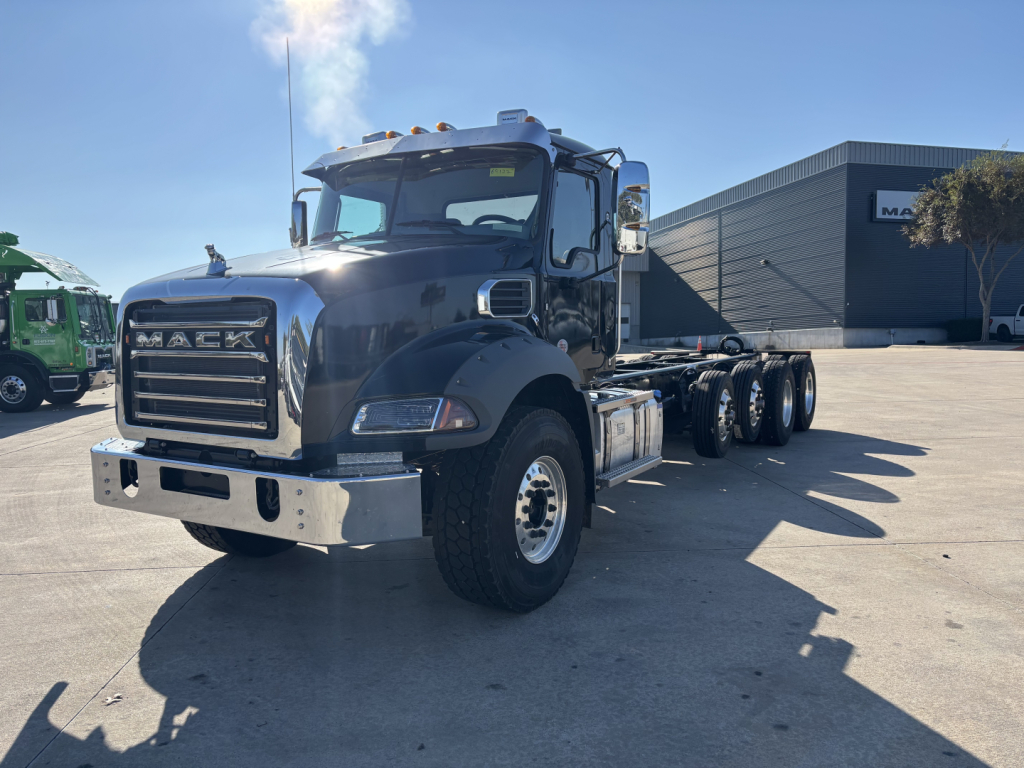
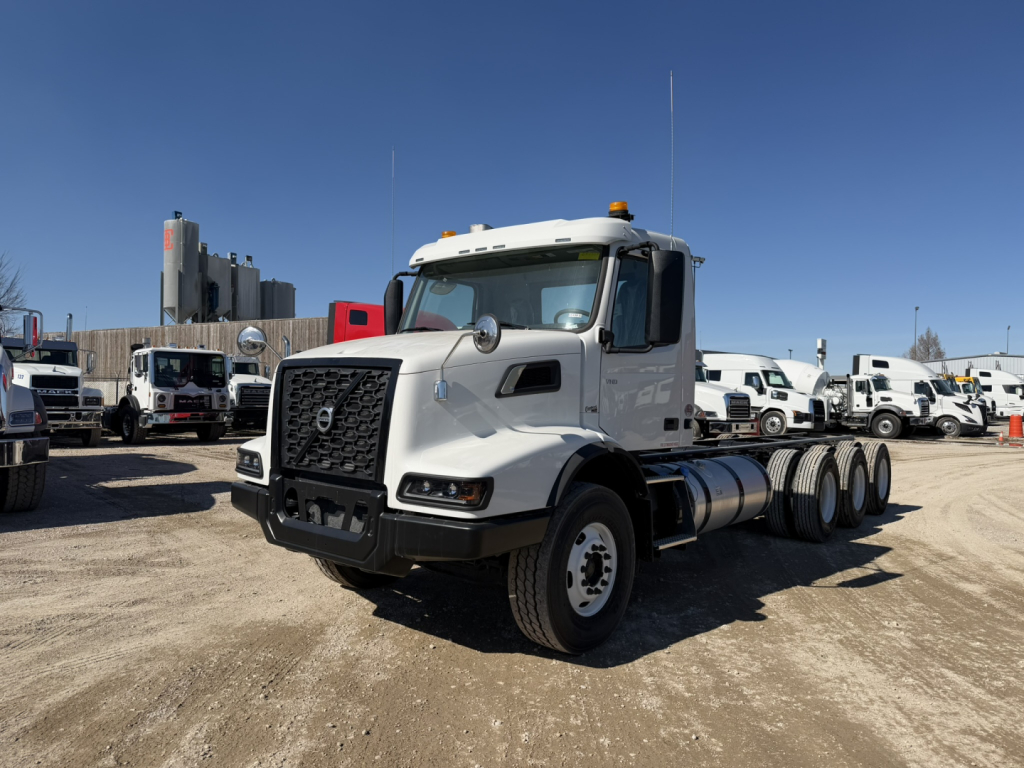
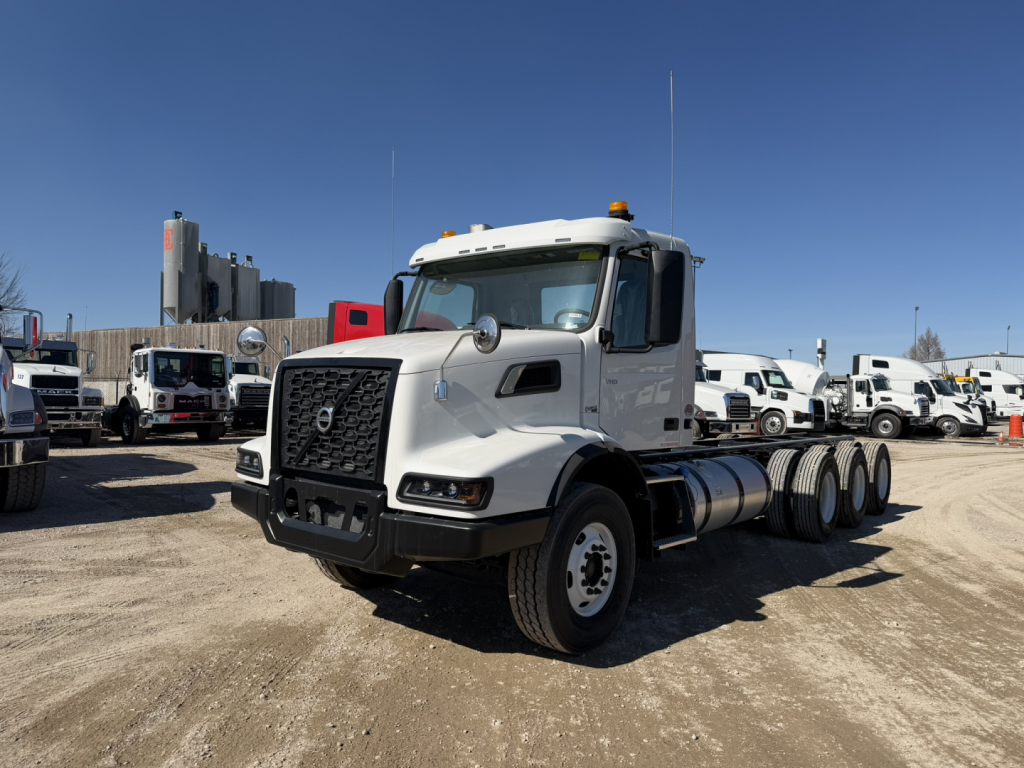
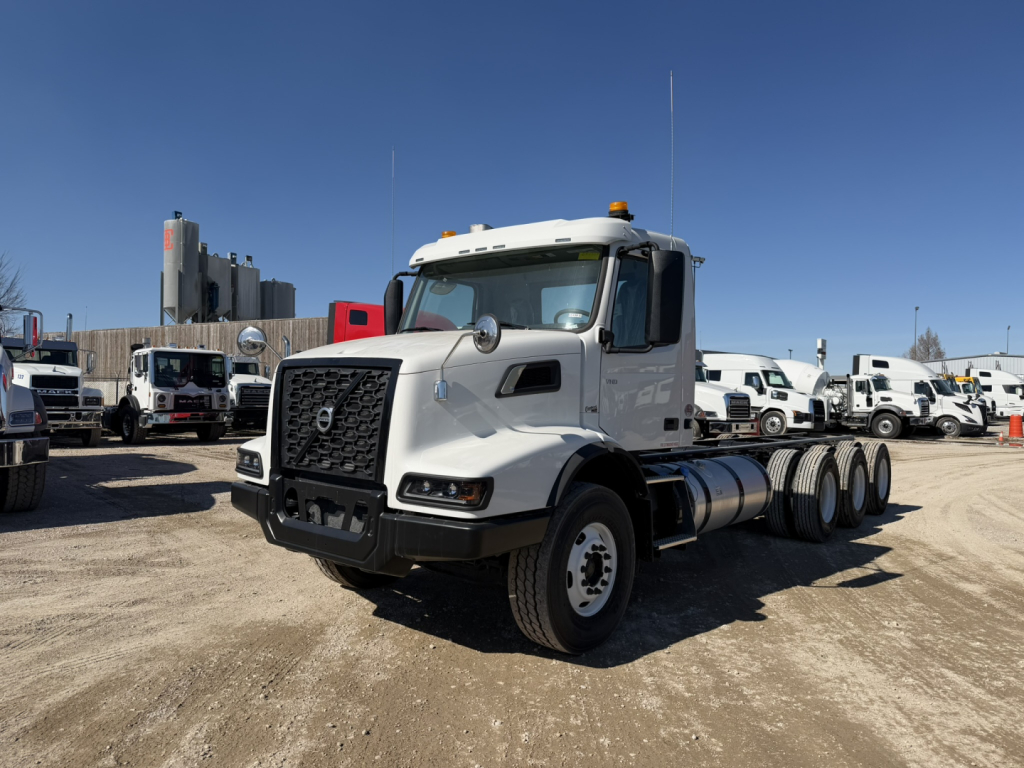
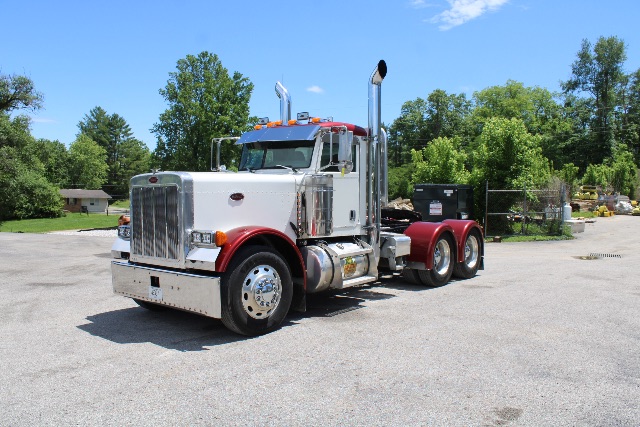
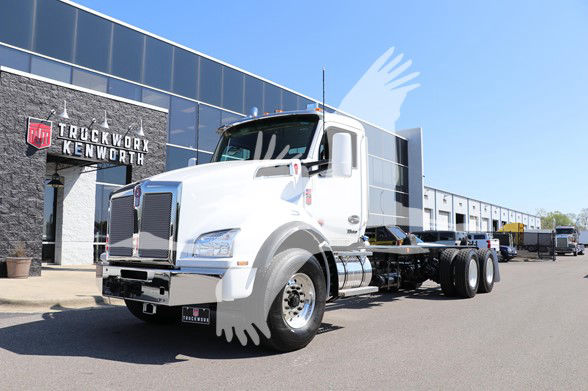
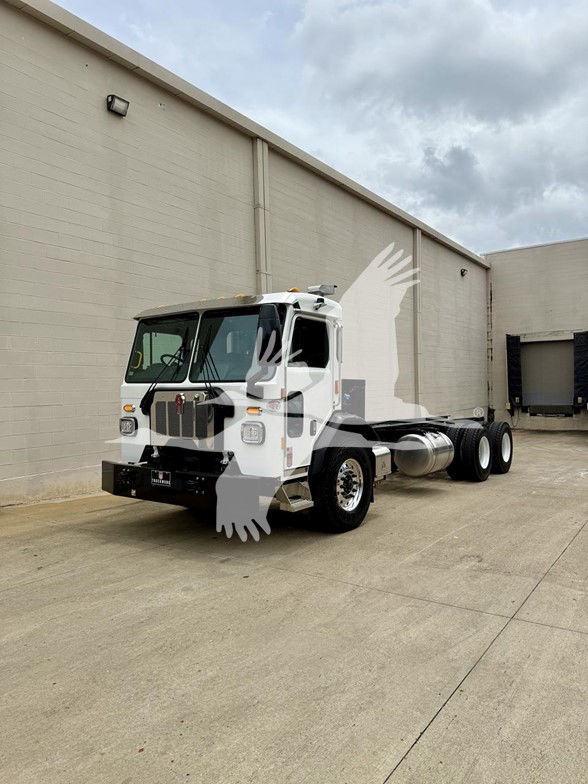
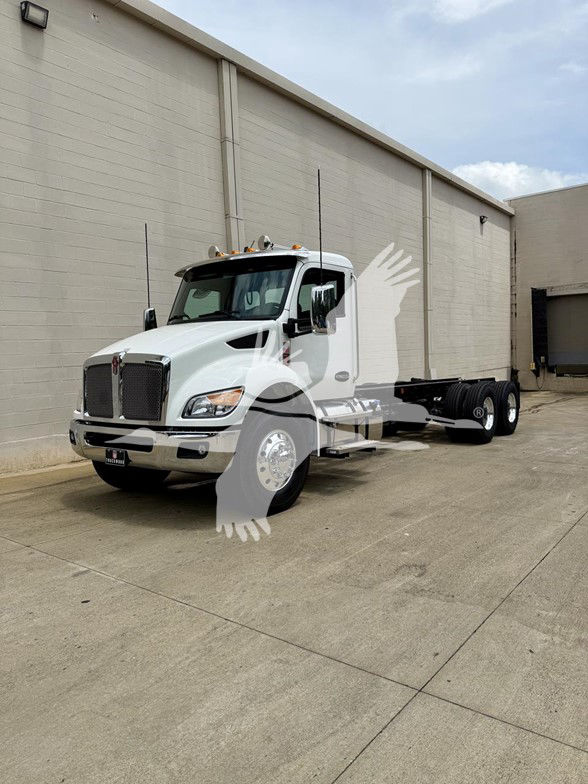
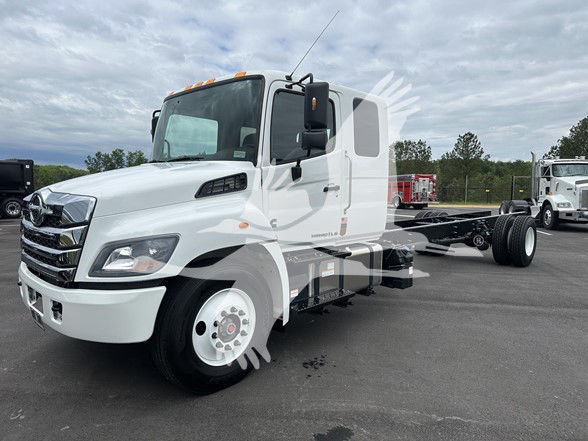
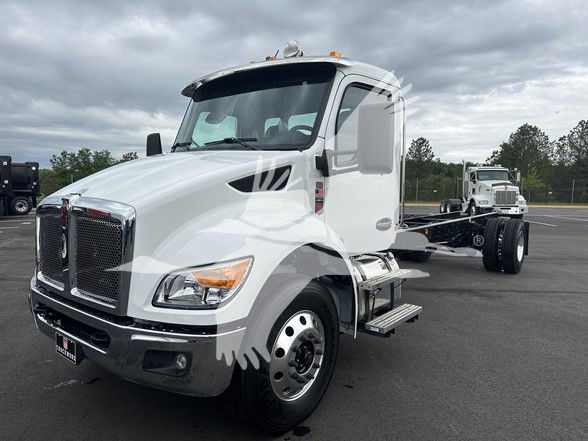
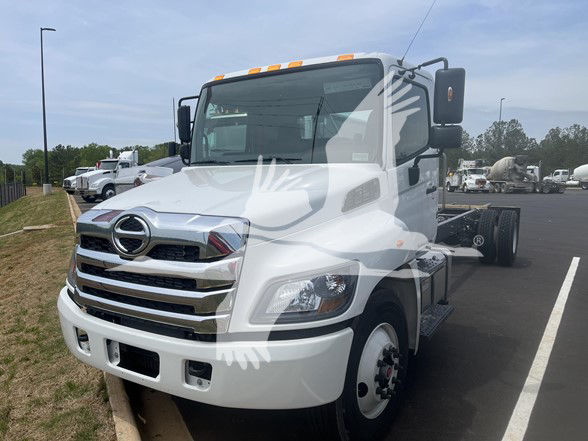
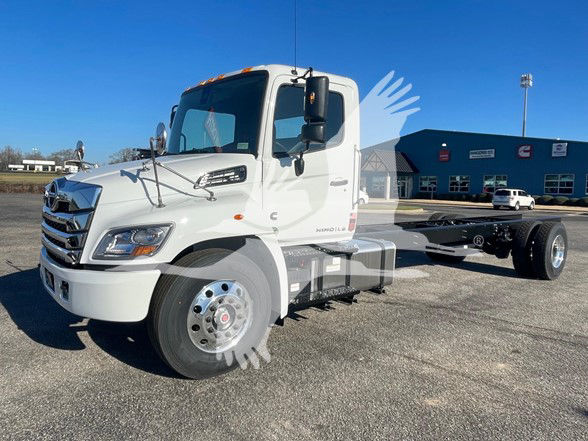
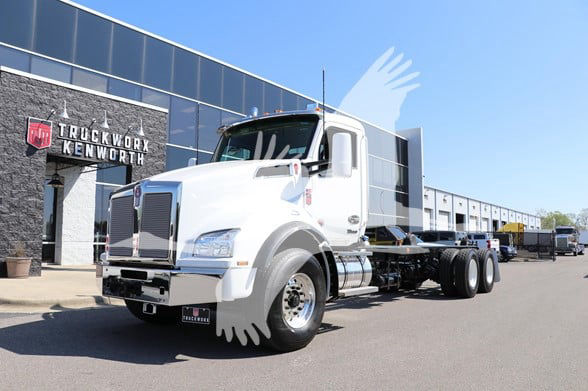
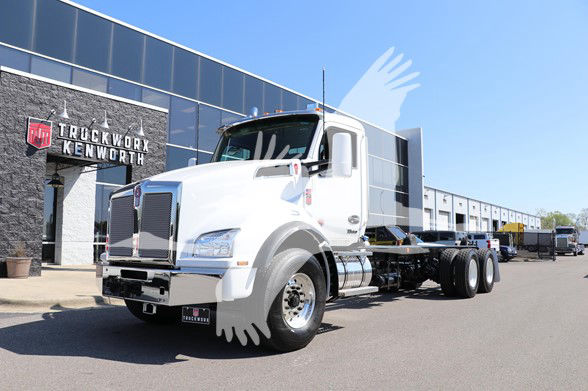
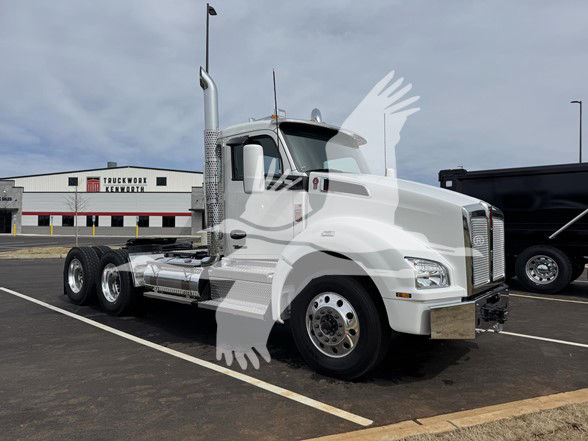
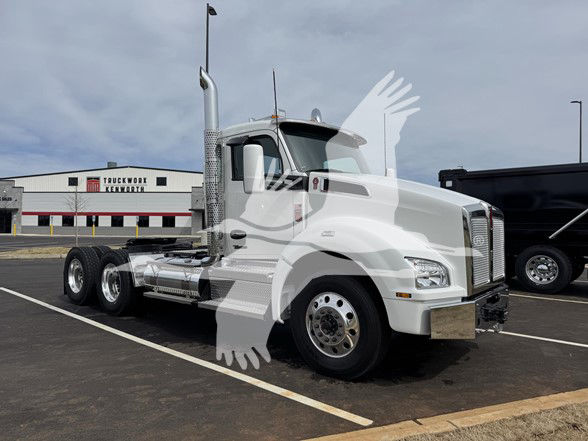
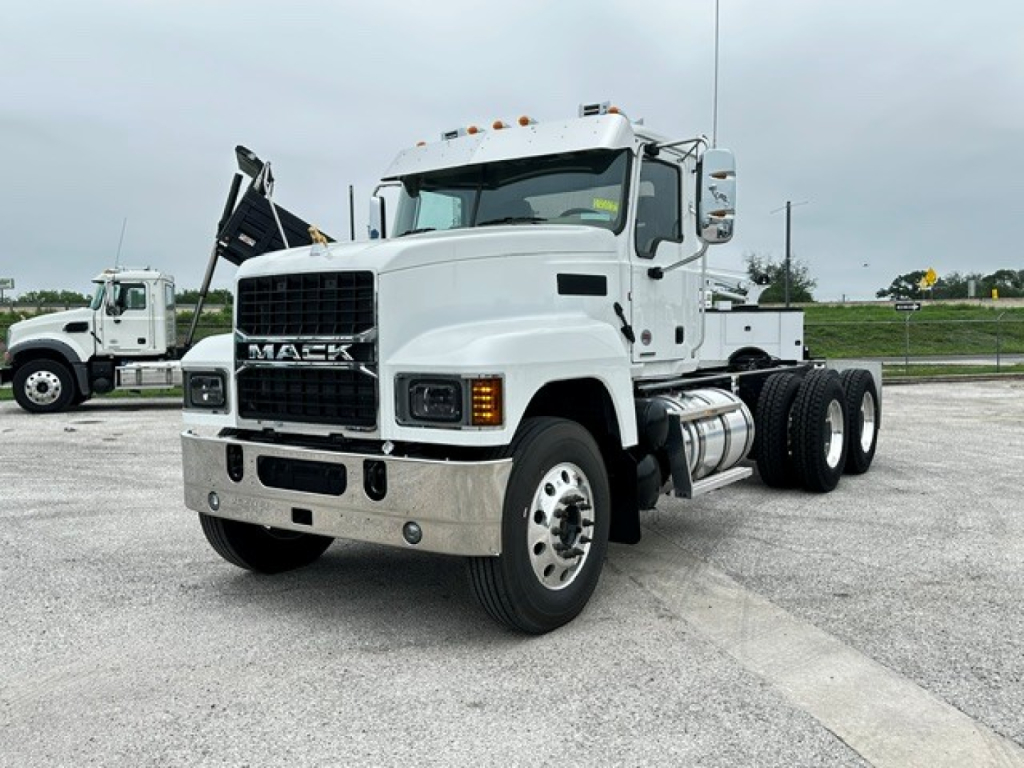
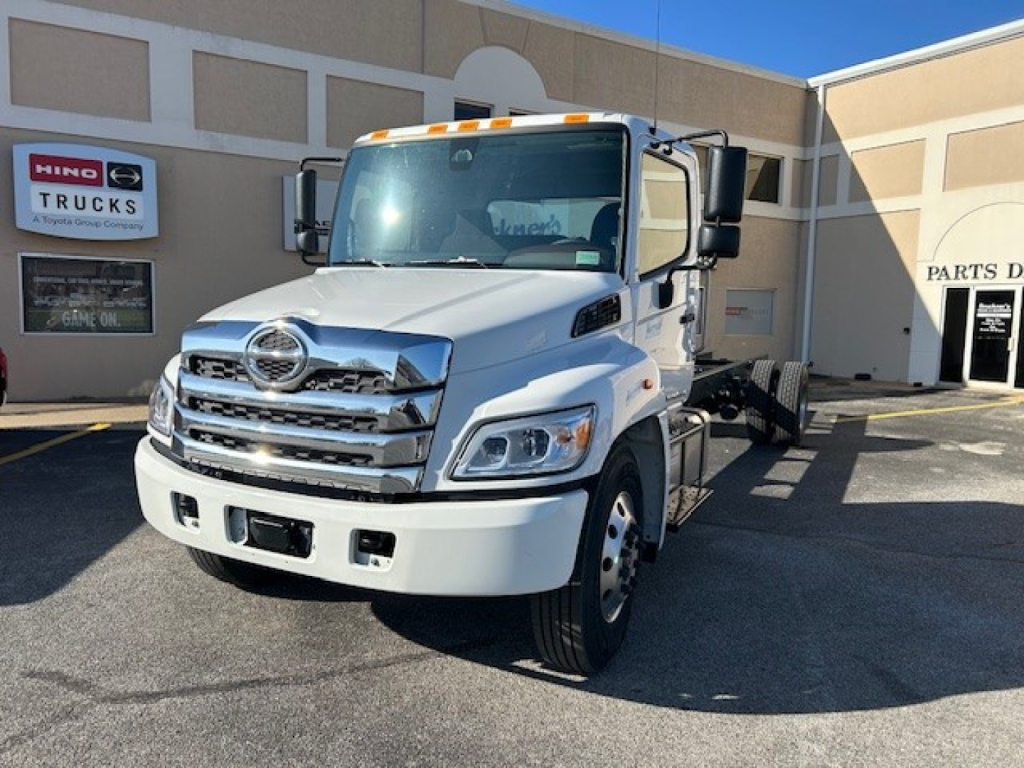
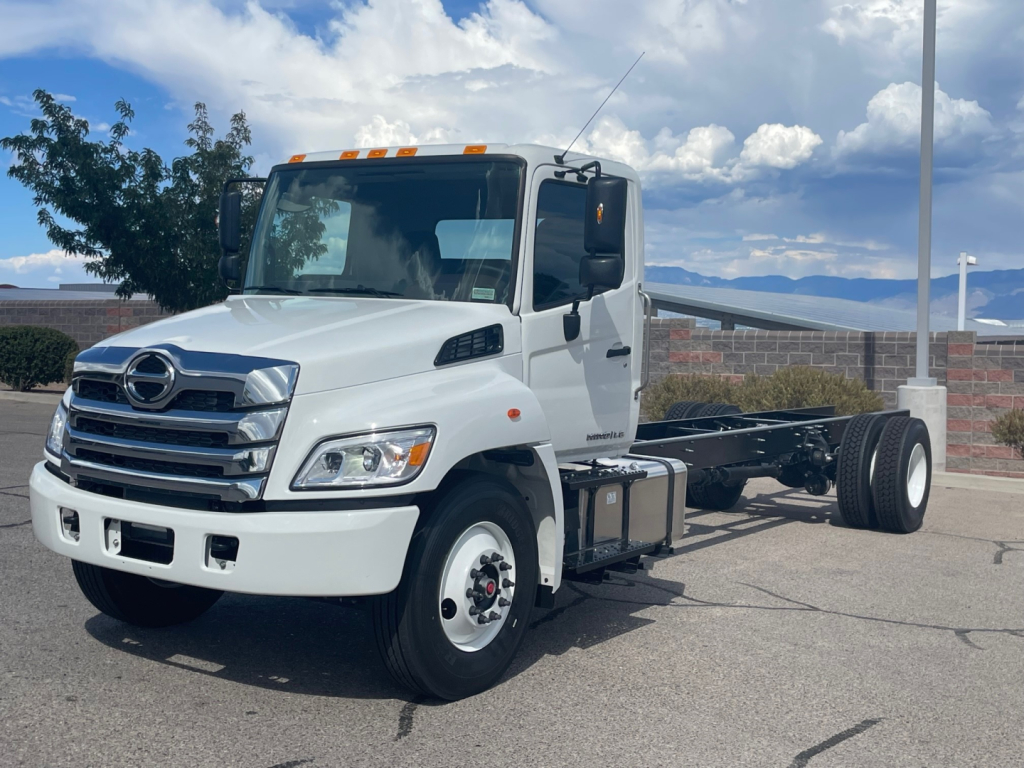
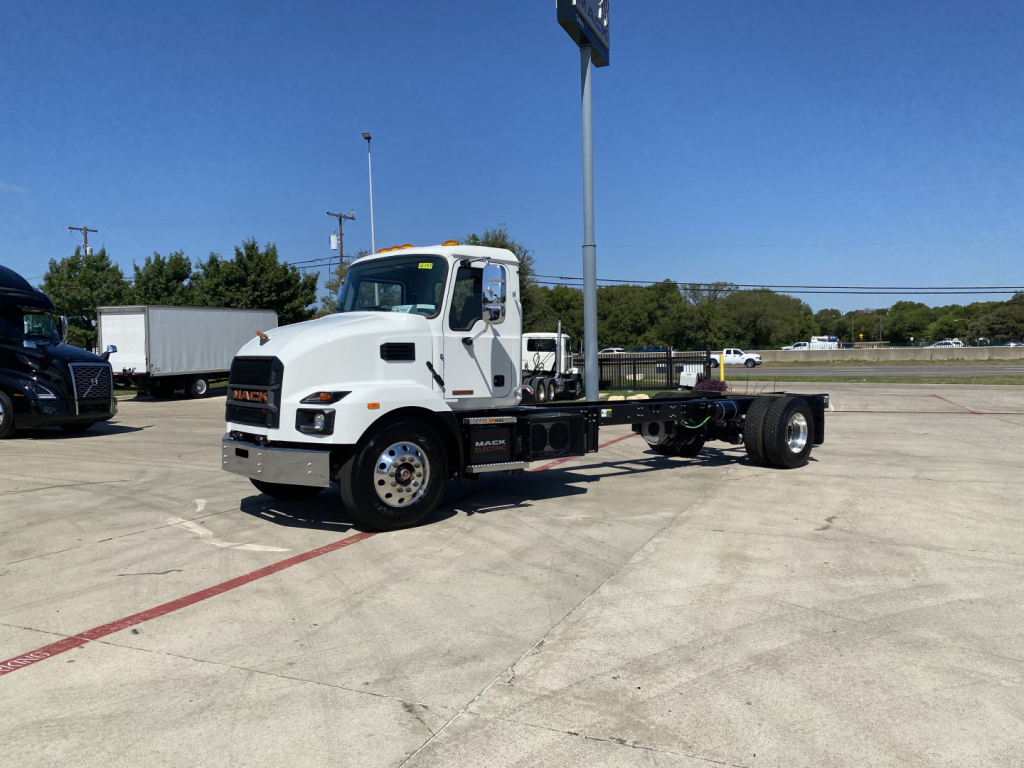
Showing 85 to 112 of 154 results
Selling a cab and chassis truck? List your cab and chassis truck for sale and reach thousands of commercial buyers.
Cab and Chassis Trucks in Nebraska
The most important spec is body-fit compatibility. Wheelbase and cab-to-axle measurement need to match the body length you plan to install, and axle ratings need to support both payload and equipment weight. Common configurations include single-axle and tandem-axle setups, with heavier applications often using lift axles or full locking rears. Rear axle ratings can range from around 23,000 pounds on lighter single-axle trucks to 40,000 pounds or more on tandem units. Suspension choice matters too. Air ride can improve ride quality and protect sensitive equipment, while spring suspension is often preferred for severe-duty work and simpler maintenance.
Powertrain selection should follow the route and duty cycle. Many cab and chassis trucks in this class use diesel engines in the 400 to 500 horsepower range, paired with manual or automatic transmissions and rear axle ratios such as 3.36 or 3.55. Lower numerical ratios generally favor highway speed, while the overall gearing, transmission setup, and tire size determine launch, gradeability, and fuel economy. For PTO-driven equipment, confirm the transmission and engine support the PTO requirements. Engine brake, cooling capacity, and driveline specs also matter on trucks that will carry heavy bodies, operate in stop-and-go municipal work, or spend time on job sites and rural roads.
Nebraska buyers often need a truck that can handle a mix of highway miles, gravel roads, seasonal field work, and cold-weather starts. That makes overall chassis condition as important as make or model. Check tire size, frame height, fuel tank placement, exhaust routing, and back-of-cab clearance before choosing an upfit. If the truck will carry a hoist, crane, packer, or tanker body, verify clear frame space and any existing hydraulic or electrical provisions. A well-matched cab and chassis can be one of the most flexible platforms in the commercial truck market, but the wrong wheelbase or axle spec can turn a body installation into an expensive rework.
Frequently Asked Questions about Cab and Chassis Trucks in Nebraska
What is a cab and chassis truck used for?
A cab and chassis truck is a stripped commercial truck platform designed to accept a vocational body. Common uses include dump bodies, flatbeds, service bodies, grain beds, rollback carriers, utility bodies, refuse packers, and water or fuel tanks. The value of this platform is flexibility, because the same basic truck can be configured for construction, agriculture, municipal service, towing, or field repair depending on the wheelbase, axle ratings, and PTO capability.
How do I know if a cab and chassis will fit the body I need?
Start with cab-to-axle measurement, overall wheelbase, frame rail spacing, and rear overhang requirements. The body manufacturer or installer will usually specify the required CA dimension and recommended axle placement for load balance. You also need to confirm rear axle capacity, front axle capacity, and available frame space for hoists, outriggers, toolboxes, tanks, or hydraulic components. A mismatch in wheelbase or CA can require major frame modifications, which adds cost and can delay the build.
Is a single-axle or tandem-axle cab and chassis better?
The better choice depends on body weight, payload, and operating terrain. Single-axle cab and chassis trucks are lighter, simpler, and often easier to maneuver, which makes them a strong fit for local delivery, service bodies, and lighter dump or flatbed work. Tandem-axle trucks carry heavier bodies and payloads more effectively and are better suited for construction, aggregate, refuse, and other severe-duty applications. If your operation includes off-road use or soft ground, locking differentials, lift axles, and suspension type also become important.
What should I inspect on a used cab and chassis truck?
Inspect the frame rails for cracks, corrosion, extra drill holes, weld repairs, and signs of prior body removal or frame alteration. Check suspension mounts, crossmembers, steering components, driveline angles, and rear axle housings. Verify the truck's wheelbase and cab-to-axle dimensions against your intended body. It is also important to review PTO provisions, electrical connections, brake condition, tire size, and any interference points around fuel tanks or exhaust. On higher-mile units, service history and evidence of vocational use can tell you as much as the odometer.
Do cab and chassis trucks need special gearing or transmission specs for vocational work?
Many do. Vocational applications often need a transmission that supports PTO operation, a rear axle ratio that balances startability with road speed, and cooling capacity suited for low-speed, high-load operation. A truck that spends most of its time hauling on pavement may be fine with faster highway gearing, while a dump, mixer, or heavy service body may need gearing that improves launch and gradeability. The right setup depends on body weight, terrain, stop frequency, and whether auxiliary equipment will draw power from the drivetrain.