
New 2026 Mack Cab and Chassis Trucks For Sale
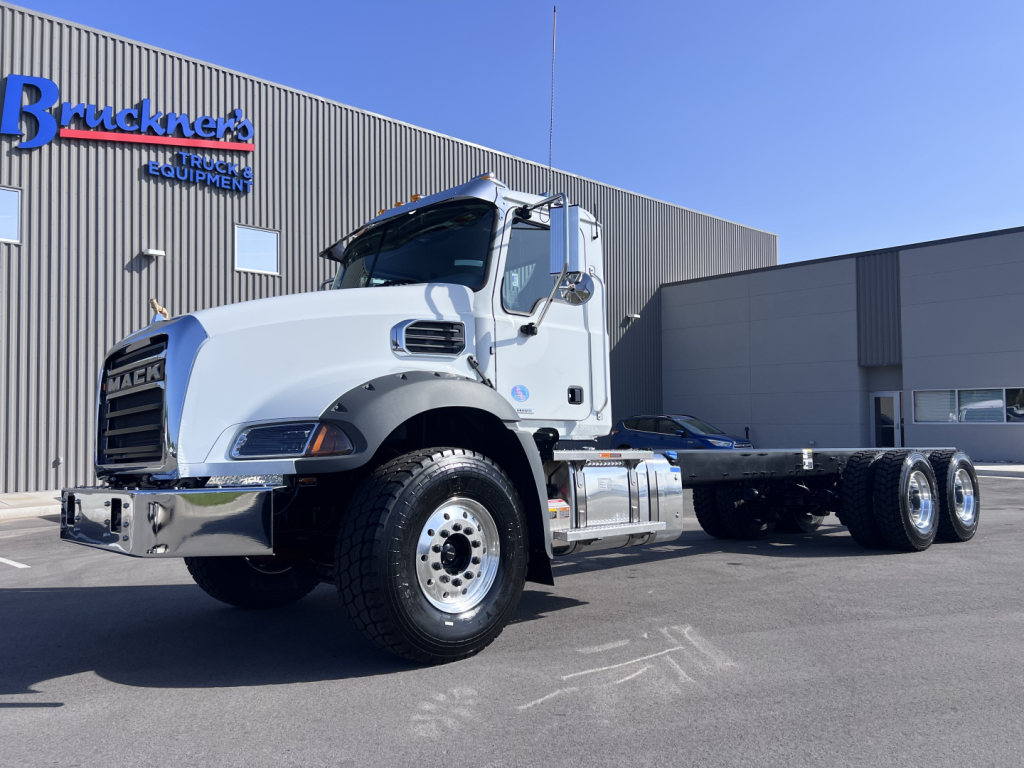
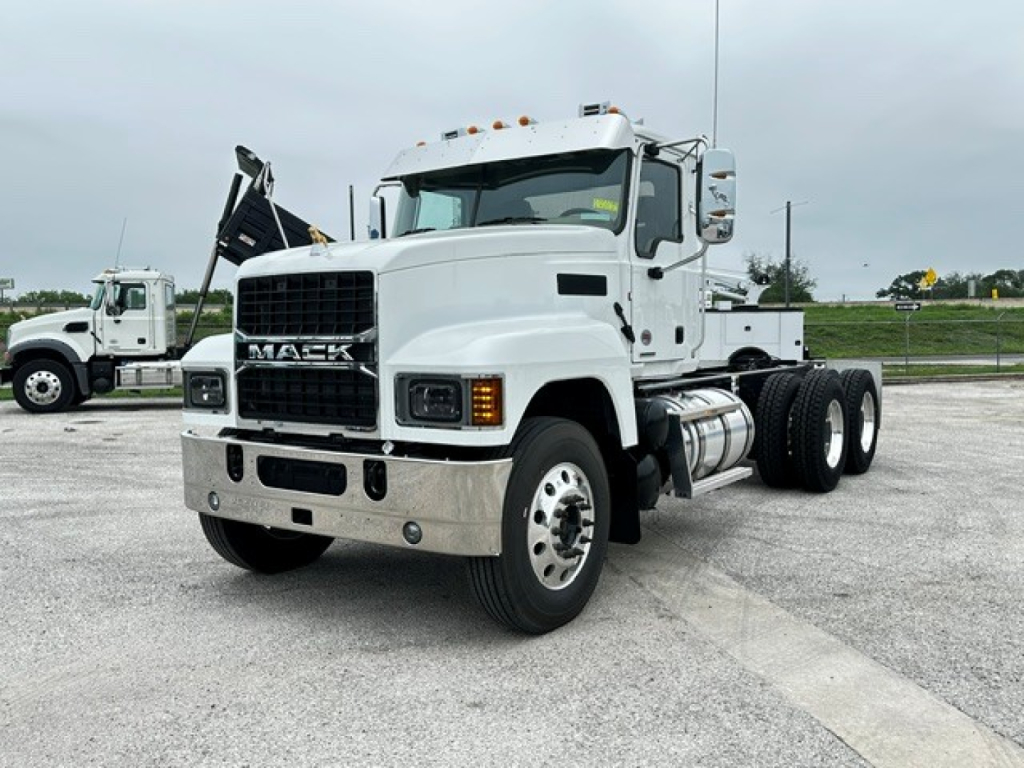
Shop new 2026 Mack cab and chassis trucks built for dump, rollback, box, utility, and vocational body upfit applications.
Learn more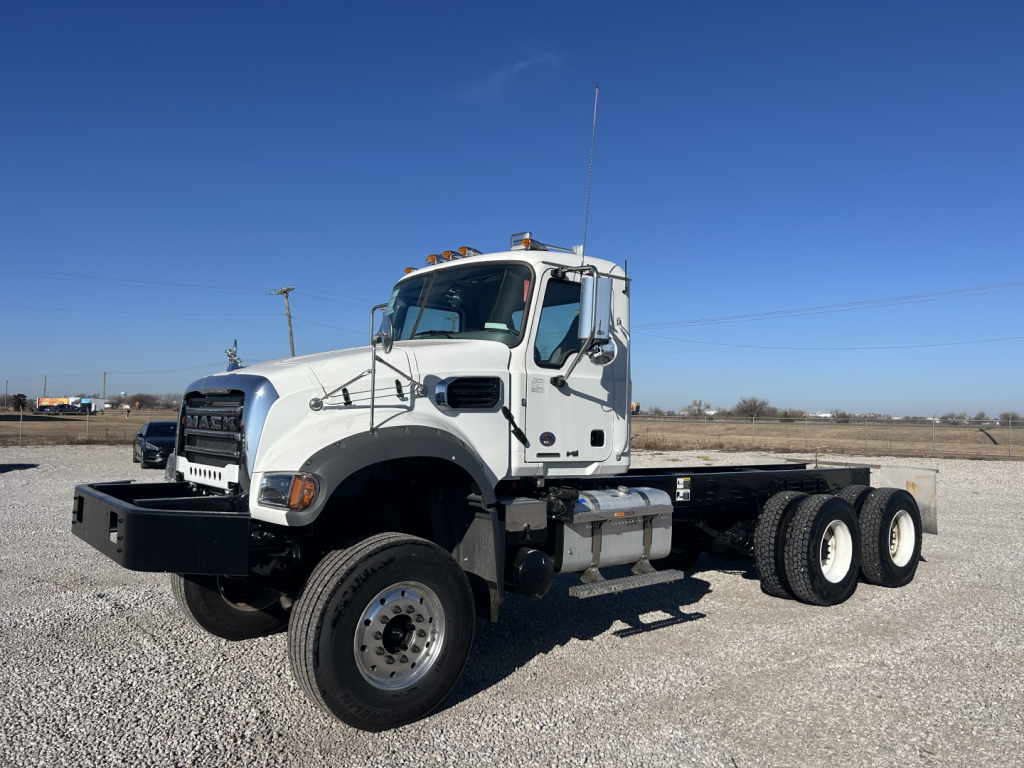
Showing 13 to 16 of 16 results
Have new 2026 mack cab and chassis truck to sell? List it here to reach thousands of buyers.
About New 2026 Mack Cab and Chassis Trucks
Mack is well known in vocational service for durable chassis design and strong drivetrain options, and that matters on trucks expected to spend their lives in stop-and-go duty, jobsite access roads, and PTO-driven applications. Sample specs in this category show the kind of heavy-duty setup many buyers want, including Mack MP7 power around the 425 HP range, an mDRIVE automated transmission, 20,000-pound front axles, 46,000-pound rears, and ratios such as 3.98 depending on intended road speed and startability. Granite models like the GR64B and GR64F are especially common in severe-duty work because they can be configured for bridge law compliance, body builder flexibility, and high-GCWR vocational service. For lighter urban fleet needs, Mack's medium-duty and electric chassis options can also fit delivery, utility, and municipal applications where emissions, route density, and operating cost are part of the buying equation.
For a buyer, the smartest comparison is not model name alone but upfit readiness. Check the wheelbase against the body length you plan to install. Confirm rear suspension type, PTO compatibility, frame height, and any factory body builder provisions. If the truck will carry a crane, hoist, tanker, or compressor package, verify available payload after body weight is added and make sure the axle spread and tire spec support the final build. If the truck will see off-road or mixed service, look at ground clearance, suspension capacity, and cooling package. New Mack cab and chassis trucks are often chosen because they can be ordered close to the final job requirement instead of forcing a compromise after delivery.
A well-spec'd cab and chassis can stay productive for years because the chassis, body, and route profile are matched from the start. That is why buyers in this category usually focus on body application first, then engine, transmission, axle ratio, and wheelbase. A 2026 Mack cab and chassis is typically aimed at fleets and owner-operators who need a truck that can be bodied quickly, handle vocational stress, and support straightforward serviceability over the long haul. The best listing for a given buyer is the one with the right backbone for the body, not simply the highest horsepower on paper.
Frequently Asked Questions
What is the most important spec to check on a Mack cab and chassis before adding a body?
The most important starting point is the relationship between wheelbase, cab-to-axle measurement, and axle ratings. Those specs determine whether the truck can accept the body length and weight you intend to install. A dump, rollback, service body, or box body all require different frame space and weight distribution, so a truck that looks similar on paper may not fit the upfit correctly. Buyers should also confirm frame section strength and PTO compatibility early in the process.
What are Mack Granite cab and chassis trucks typically used for?
Mack Granite cab and chassis trucks are commonly used in severe-duty and vocational applications such as dump trucks, roll-off trucks, hooklift trucks, crane or mechanics trucks, and other contractor or municipal builds. Granite models are popular because they are designed around high axle capacities, durable frame construction, and drivetrain options that handle stop-and-go work, uneven terrain, and PTO-driven equipment. They are often selected when uptime and structural durability matter more than highway-oriented spec choices.
How do axle ratings affect a cab and chassis purchase?
Axle ratings directly affect legal payload, body compatibility, and overall durability in service. A 20,000-pound front axle and 46,000-pound rear setup, for example, points to a chassis intended for heavier vocational bodies and demanding work cycles. If axle capacity is too light for the finished truck, the body may overload the chassis or limit usable payload. Buyers should always evaluate the expected finished weight of the truck with the installed body, equipment, fluids, and cargo rather than looking only at the bare chassis rating.
Is an automated transmission a good choice in a vocational Mack chassis?
An automated transmission such as Mack mDRIVE is a strong fit for many vocational applications because it can improve driver consistency, reduce clutch wear, and make stop-and-go operation easier. It is especially useful in fleets with multiple drivers or routes that involve traffic, jobsite maneuvering, and frequent starts. The right choice still depends on duty cycle, PTO needs, and terrain, but many buyers now view an automated transmission as a practical spec for productivity and reduced driver fatigue.
Can a new Mack cab and chassis be used for both heavy-duty and medium-duty applications?
Yes, but the correct chassis depends on the job. Heavy-duty Mack cab and chassis trucks, including Granite-based configurations, are typically used for demanding commercial and construction work with high GVWR and body weight requirements. Medium-duty or electric Mack chassis are better suited to city delivery, utility work, and municipal routes where maneuverability, lower emissions, and operating cost are more important than maximum payload. The intended body and route profile should drive the choice between heavy-duty and medium-duty platforms.