
Cab and Chassis Trucks For Sale in Arkansas
Shop cab and chassis trucks in Arkansas. Compare GVWR, wheelbase, axle ratings, PTO setup, and body-ready specs for vocational use.
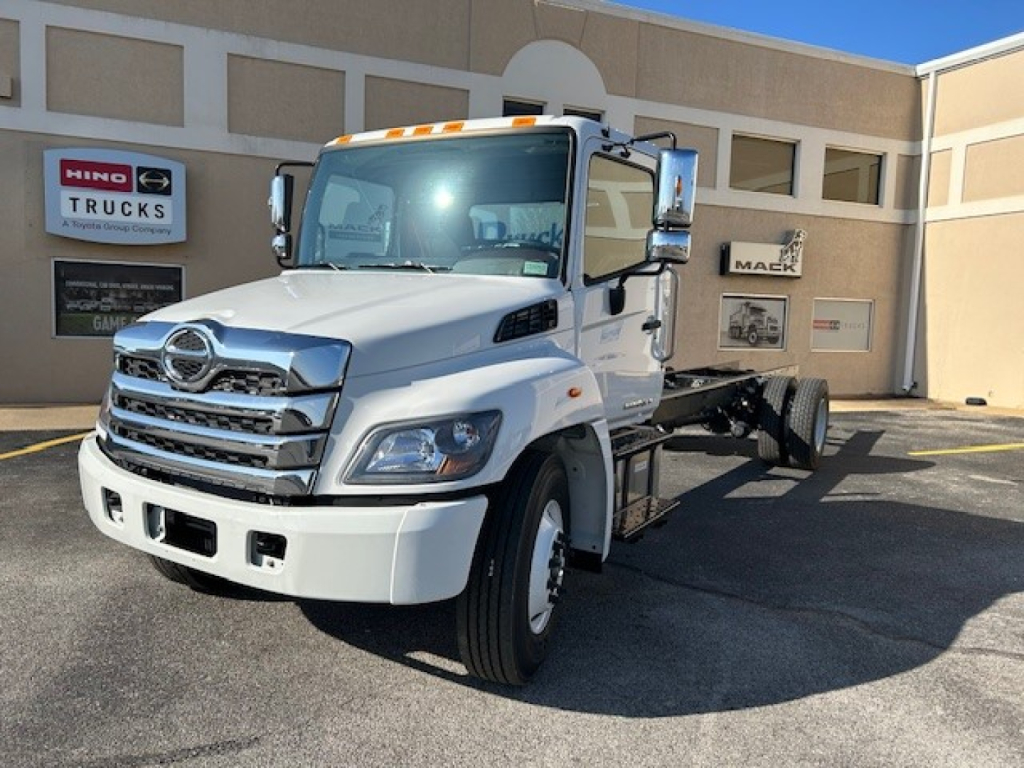
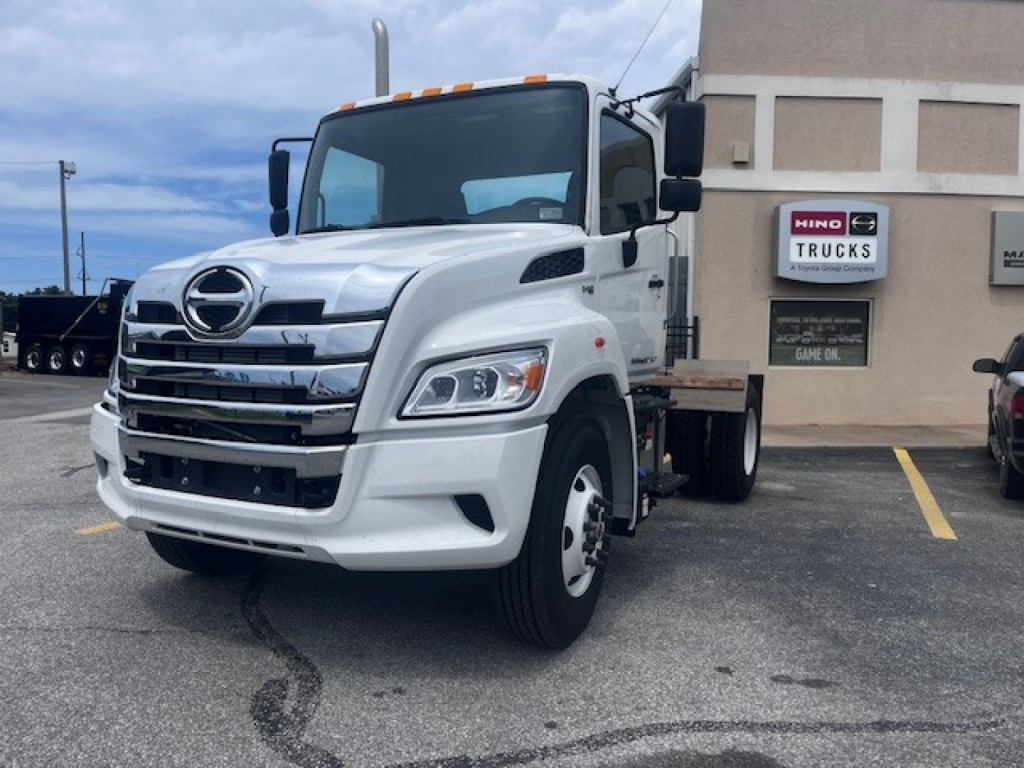
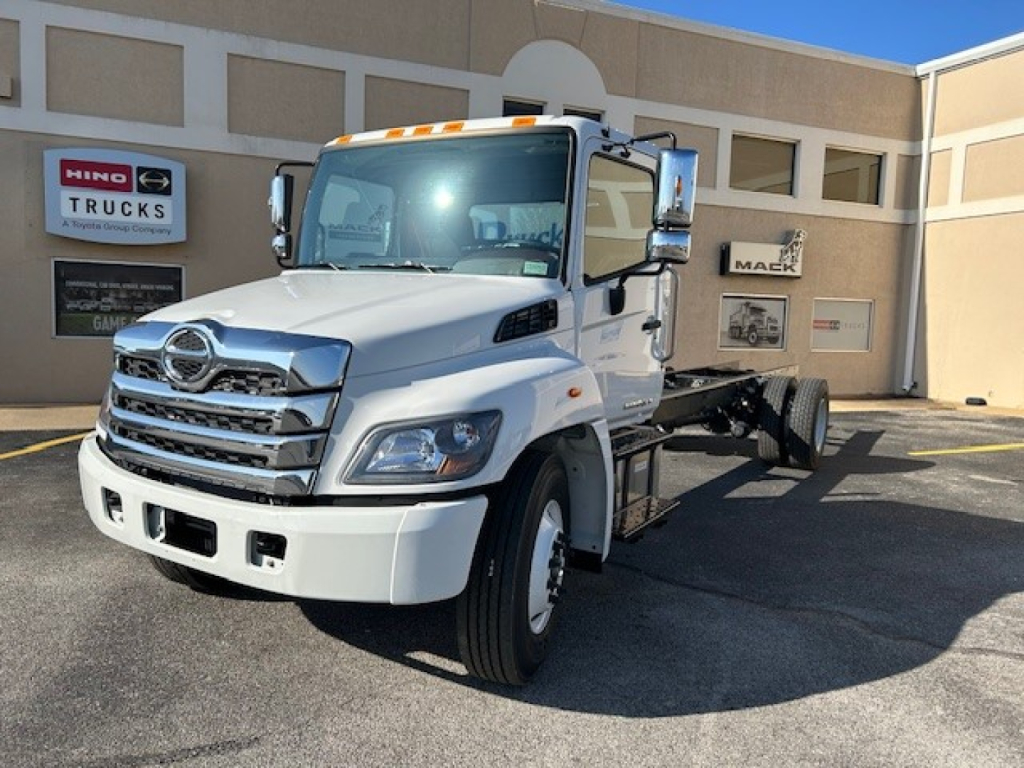
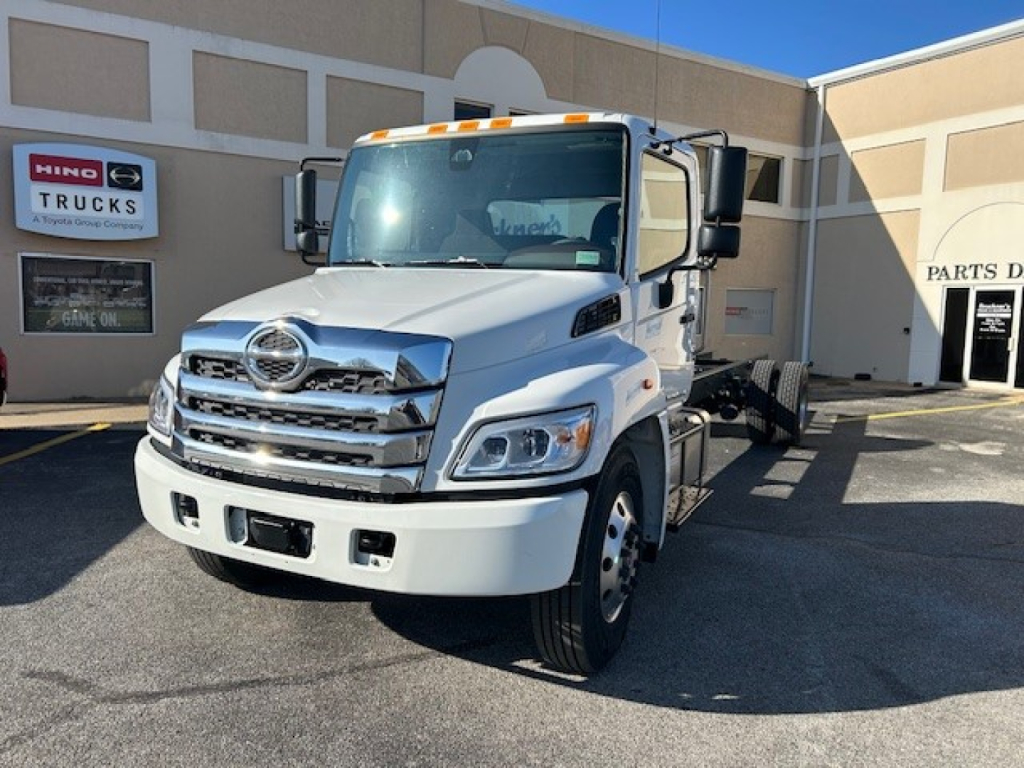
Selling a cab and chassis truck? List your cab and chassis truck for sale and reach thousands of commercial buyers.
Cab and Chassis Trucks in Arkansas
Wheelbase, cab-to-axle, and rear axle capacity usually matter more than advertised horsepower. A short wheelbase chassis can be the right fit for tight urban delivery or compact utility bodies, while longer wheelbases support larger van bodies, rollback decks, and spread-axle weight distribution. Buyers should confirm clear frame length, axle placement, and back-of-cab dimensions before committing to a body order. On many medium-duty models, GVWR can range from under 26,000 pounds for CDL-sensitive applications to Class 7 configurations well above that, with single-axle and tandem-axle layouts available depending on payload and body type.
Powertrains in this category commonly include Cummins 6.7-liter diesel engines paired with Allison automatic transmissions such as the 2500 RDS, 3000 RDS, or 3500 RDS. That combination is popular because it is easy to service, well understood by fleets, and compatible with many PTO-driven applications. Rear axle ratios, suspension type, and front axle ratings should be matched to the job. Spring suspension is common on straightforward payload work, while air ride can improve ride quality, cargo protection, and body compatibility for certain applications. If the truck will run a dump body, hydraulic system, compressor, crane, or reefer accessory, PTO provision and transmission compatibility should be verified up front.
A good cab and chassis truck should be judged by upfit readiness, not just base spec. Check frame height, exhaust routing, fuel tank placement, electrical access, and any factory body-builder interface. In Arkansas, buyers also tend to pay close attention to cooling capacity, brake configuration, and gearing for mixed rural and interstate use. A well-matched chassis reduces body installation cost, avoids axle overload issues, and gives the finished truck better balance, turning radius, and service life.
Frequently Asked Questions about Cab and Chassis Trucks in Arkansas
What is the difference between a cab and chassis truck and a box truck?
A cab and chassis truck is an incomplete vehicle designed to accept a body after purchase. It includes the cab, frame, drivetrain, axles, and suspension, but leaves the rear of the frame open for an upfit such as a van body, flatbed, dump body, service body, or rollback. A box truck is typically a completed cab and chassis with a cargo box already installed. Buyers who need a specific body length, tool layout, liftgate, PTO equipment, or vocational configuration usually start with a cab and chassis.
How do I choose the right wheelbase and cab-to-axle for a cab and chassis truck?
Wheelbase and cab-to-axle dimensions determine what body can be mounted and how the finished truck will carry weight. The body manufacturer should confirm the required cab-to-axle, frame space, and center-of-gravity placement before the chassis is selected. If the wheelbase is too short or too long for the body, axle loading, handling, and turning radius can all suffer. This is one of the most important measurements on a cab and chassis purchase because it affects both installation cost and legal payload.
Do I need a CDL for a cab and chassis truck?
That depends on the truck's GVWR and how it will be registered and used. Many cab and chassis trucks are spec'd below 26,001 pounds GVWR to avoid CDL requirements in certain applications, while heavier Class 6 and Class 7 units may require a CDL depending on the final rating and operation. Buyers should also remember that adding a body, equipment, fluids, and payload affects the completed truck's working weight. Registration class, state rules, and federal operating requirements should all be reviewed before choosing a derated or full-rated chassis.
Why does PTO provision matter on a cab and chassis truck?
PTO provision matters because many vocational bodies rely on engine or transmission power to run equipment. Dump bodies, cranes, air compressors, wreckers, pumps, and some refrigeration or hydraulic systems may require a PTO-capable transmission and the correct controls from the factory. Adding PTO capability later can be more expensive and more complicated than ordering it correctly from the start. Even if the truck will not use a PTO immediately, many buyers prefer the option for future flexibility.
What suspension and axle setup is best for a cab and chassis truck?
The best setup depends on payload, body type, and operating conditions. Spring suspension is durable and common for general vocational work, especially where simplicity and cost control matter. Air ride rear suspension can improve ride quality and may be preferred for sensitive cargo, certain utility bodies, or applications where chassis height and body stability are important. Front axle rating, rear axle rating, and rear ratio should all be chosen as a package so the truck can carry the installed body and expected payload without compromising durability or drivability.