
Used 2009 Bus Trucks For Sale

Have used 2009 bus truck to sell? List it here to reach thousands of buyers.
Used 2009 Bus Trucks
The most important buying decisions usually start with configuration. Capacity, door layout, wheelchair lift provisions, luggage space, and overall body length will determine how useful the bus is in daily service. Many 2009 bus trucks were built with diesel engines from Cummins, Mercedes-Benz, MaxxForce, or Caterpillar depending on chassis and application, while smaller shuttle-style units may use gas V8 or V10 power. Automatic transmissions, especially Allison units, are common. Buyers should also confirm GVWR, wheelbase, brake type, suspension type, and tire size, since those specs affect ride quality, turning radius, maintenance cost, and licensing requirements.
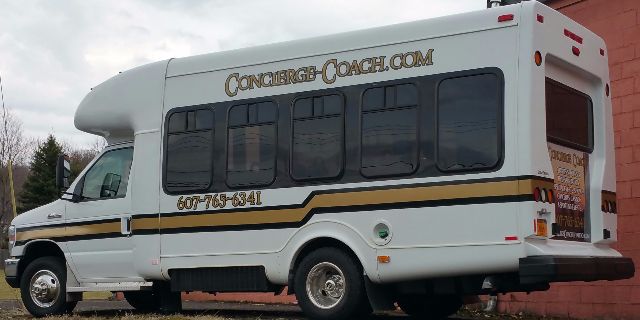
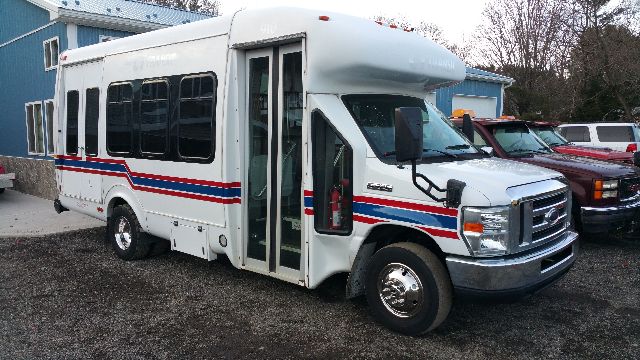
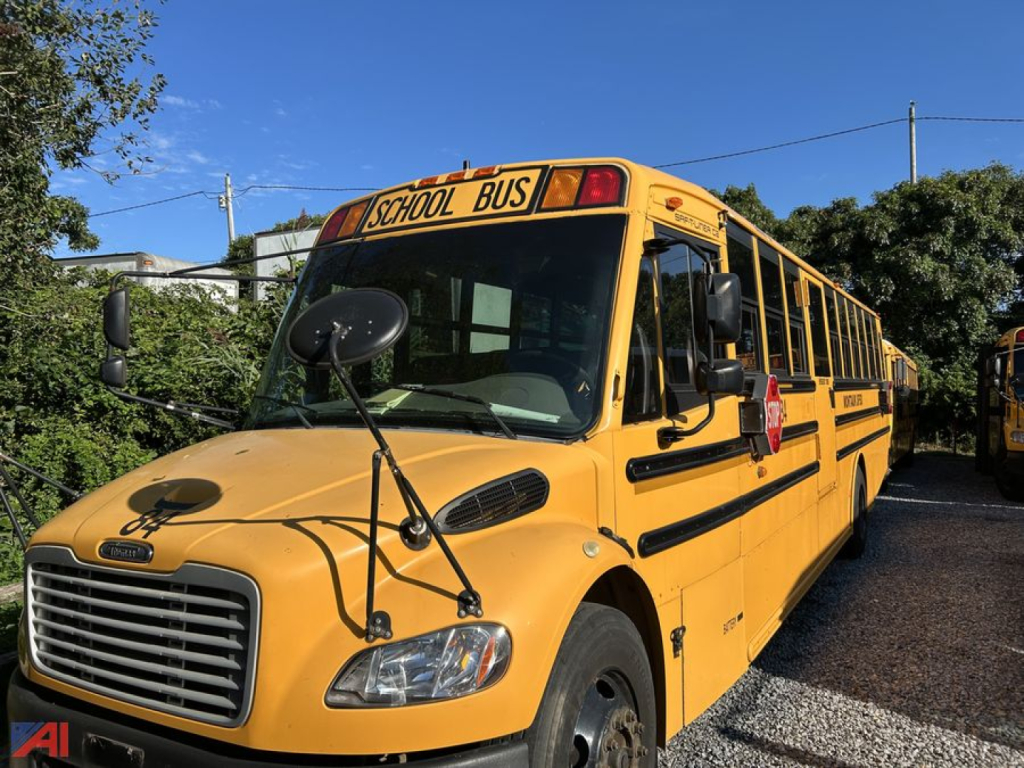
For school bus applications, a 2009 model often comes with high passenger counts, crossover mirrors, stop-arm equipment, and durable vinyl seating. Shuttle and paratransit buses from this era are more likely to include air conditioning, rear HVAC, wheelchair lifts, lower step-in height, and perimeter or track-mounted seating. If the bus will be repurposed, check state and local rules on title status, school bus color, warning light removal, passenger restraint requirements, and CDL thresholds. Body condition matters as much as drivetrain condition on older buses, so buyers should inspect floor integrity, stepwell rust, rub rails, roof seams, window seals, and underbody corrosion, especially on units from snow-belt states.
A well-chosen 2009 used bus truck can still deliver solid service if the maintenance history is clear and the chassis matches the route. Shorter buses are easier to maneuver in urban and campus settings, while full-size units make more sense when seat count is the priority. Pay close attention to engine emissions equipment for this era, parts support for the body and lift systems, and the condition of electrical accessories such as heaters, flashers, interlocks, and door controls. The best value usually comes from a bus with a straightforward spec, documented service work, and a layout that fits the passenger mix from day one.
Frequently Asked Questions about Used 2009 Bus Trucks
What should I check first on a used 2009 bus truck?
Start with service records, mileage or hours, chassis rust, and body condition. On a 2009 bus, corrosion in the stepwell, floor, frame, and body mounts can be more expensive than routine engine work. Confirm the condition of the transmission, brakes, suspension, tires, HVAC system, door controls, and any wheelchair lift. If it is a former school bus, verify that all warning light equipment and safety systems function properly or can be legally removed if the bus will be repurposed.
Are 2009 bus trucks typically diesel or gas?
Most full-size 2009 bus trucks are diesel, especially school bus models built on medium-duty chassis. Smaller shuttle buses and cutaway buses may have gas engines, commonly from Chevrolet or Ford platforms. Diesel units usually offer better torque and durability for heavier passenger loads, while gas buses can be simpler to maintain in light-duty service. The right choice depends on route length, load, terrain, idle time, and the service capability of your shop.
Do I need a CDL to operate a 2009 bus truck?
In many cases, yes, but it depends on seating capacity, vehicle weight, and whether passengers are being transported commercially or under specific exemptions. A bus designed to carry 16 or more passengers including the driver often triggers CDL requirements, and air brakes or passenger endorsements may also apply. State rules vary, so buyers should confirm licensing, registration, and inspection requirements before putting a bus into service.
Is a 2009 school bus a good candidate for shuttle or private fleet use?
It can be, provided the layout, condition, and legal status fit the intended job. Many buyers convert former school buses for church transport, employee shuttles, nonprofit use, or specialty mobile applications. Before purchase, confirm rules on repainting, removal of stop arms and warning lights, seat spacing, emergency exits, and insurance eligibility. A bus that already matches the intended passenger count and access needs is usually more cost-effective than a heavily modified unit.
What features matter most on a used shuttle or wheelchair bus from 2009?
Wheelchair lift operation, door reliability, interior headroom, HVAC performance, and seating flexibility are the main priorities. Buyers should inspect the lift cycle count if available, check for hydraulic or electrical faults, and confirm that tie-down points and restraint systems are complete. In shuttle service, passenger comfort also matters, so roof AC, rear heat, suspension condition, and noise levels should be evaluated along with the core drivetrain.