
Used 2009 Bus Trucks For Sale in New York
Have used 2009 bus truck to sell? List it here to reach thousands of buyers.
Used 2009 Bus Trucks in New York
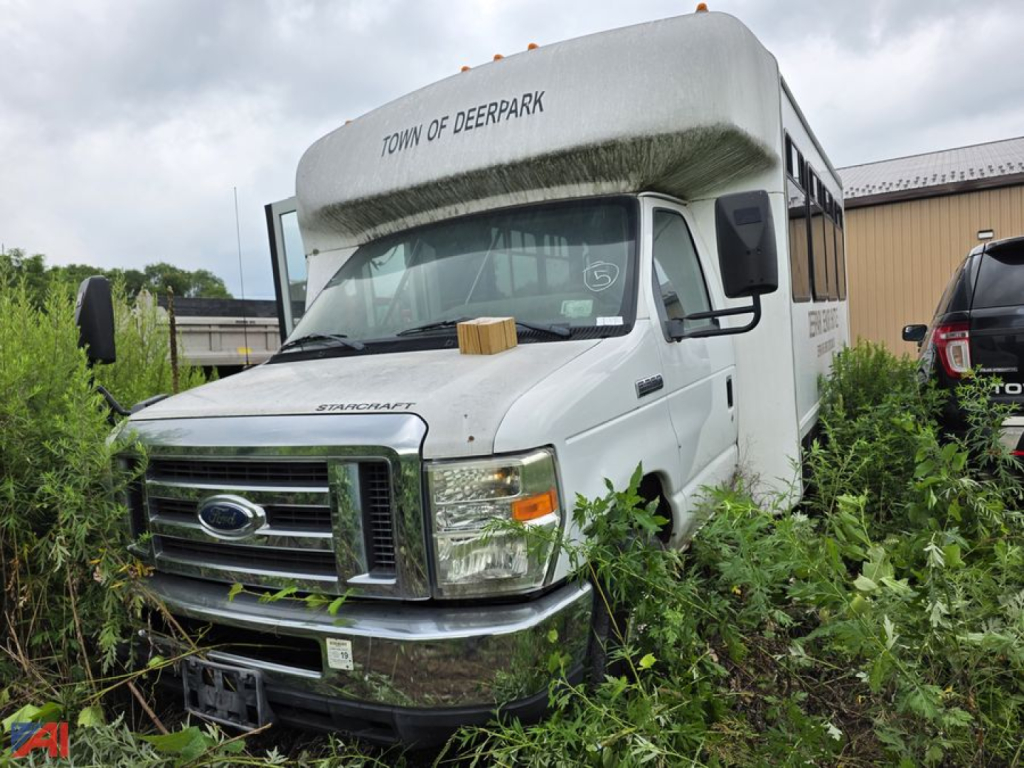
For New York operation, corrosion and underbody condition deserve close attention on any 2009 bus. Road salt, stop-and-go duty cycles, and long idle time can accelerate wear on brake lines, body mounts, step wells, flooring, and electrical connections. School bus and shuttle bus units from this age range may also show wear in suspension components, steering linkage, wheelchair lift systems, heaters, and warning light circuits. On diesel models, it is smart to verify engine hours along with odometer miles because buses often accumulate substantial idle time. Service records for injectors, cooling systems, transmission maintenance, brake work, and front-end repairs can tell you more than mileage alone.
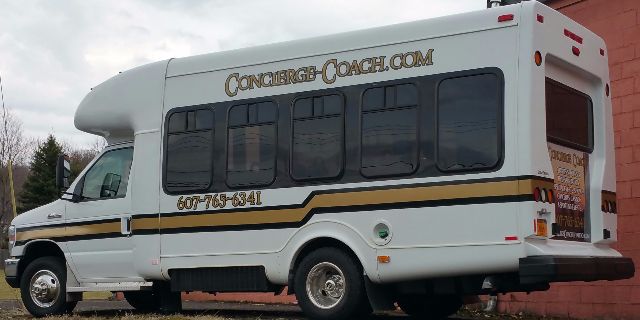
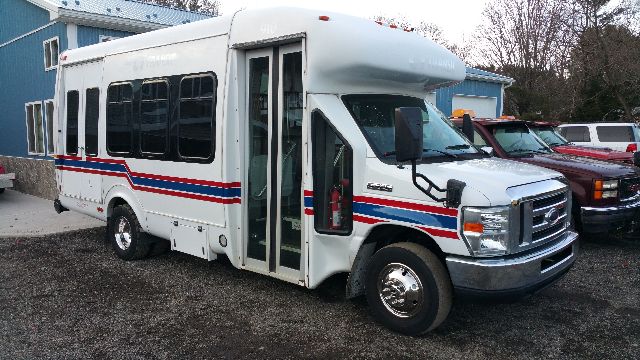
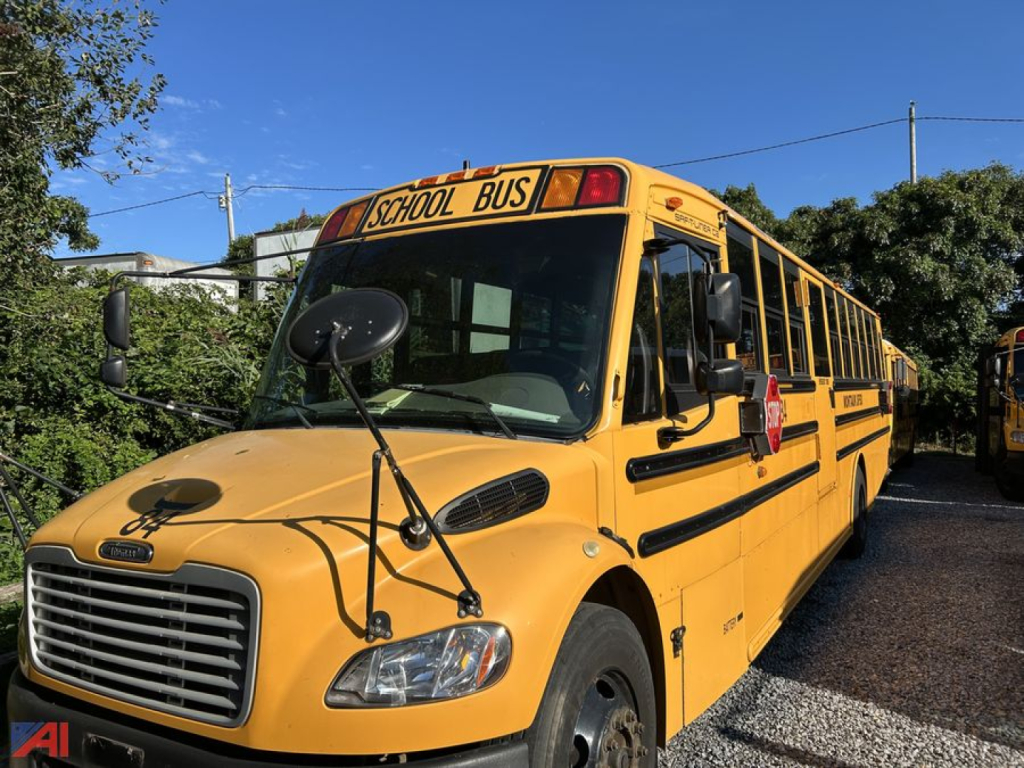
A 2009 bus truck can still fit a range of applications if the spec matches the job. Full-size school buses are commonly repurposed for private student transportation, church groups, camp routes, staff movement, and non-emergency passenger service where legal equipment and seating compliance have been addressed. Smaller shuttle-style buses are often a better fit for senior transport, hotel routes, airport parking operations, and mobility-focused service because they are easier to maneuver and may include ADA features such as wheelchair lifts, tiedowns, and wider entry doors. Buyers should confirm axle ratings, interior height, luggage or storage needs, heating capacity for winter service, and turning radius if the bus will be used on tighter urban routes.
The best 2009 used bus truck purchase is usually the one with the clearest maintenance history and the right body configuration, not simply the lowest price. Pay attention to frame condition, roof integrity, window seals, emergency exits, seat track condition, tire date codes, and the operation of all school bus or passenger safety equipment. If the bus is being converted to a different use, check local and state rules on decommissioning, lettering removal, lighting changes, and registration class. A well-kept 2009 bus can still offer dependable service, but buyers who inspect for rust, drivetrain health, and body-system functionality upfront usually avoid the most expensive surprises.
Frequently Asked Questions about Used 2009 Bus Trucks in New York
What should I inspect first on a used 2009 bus truck in New York?
Start with rust and structural condition. In New York, underbody corrosion can be more important than mileage, especially around frame rails, crossmembers, step wells, brake lines, suspension mounts, and body supports. After that, inspect the engine and transmission for service history, fluid condition, leaks, cooling system repairs, and signs of excessive idle wear. On passenger units, also test heaters, warning systems, door operation, emergency exits, and any wheelchair lift or tiedown equipment.
Are 2009 bus trucks usually diesel or gas?
Most full-size 2009 school buses are diesel, typically paired with an Allison automatic transmission. Smaller shuttle and cutaway buses from that year may be diesel or gasoline depending on chassis and application. Diesel is common where higher passenger loads and longer route cycles are expected, while gas-powered cutaway buses can be simpler for some lighter-duty operations. The right choice depends on route length, load, maintenance capability, and local service support.
How important are engine hours on a 2009 bus?
Engine hours are very important because buses spend a lot of time idling during loading, unloading, warm-up, and route stops. A bus with moderate mileage but very high engine hours may have more wear than the odometer suggests. Hours help buyers better judge engine life, cooling system wear, charging system use, and overall duty cycle. When available, compare hours, miles, and maintenance records together rather than relying on one number alone.
Can a used 2009 school bus be converted for private or commercial use?
Yes, but the conversion process must be handled carefully. School bus equipment such as stop arms, flashing warning lights, district markings, and certain color requirements may need to be removed or disabled based on state and local regulations. Registration class, seating compliance, insurance, and CDL requirements can also change depending on how the bus will be used. Buyers should confirm all legal requirements before purchase if the bus will be repurposed for shuttle, church, camp, or specialty transport.
What is the difference between a full-size bus and a cutaway shuttle bus?
A full-size bus is generally built on a dedicated medium-duty platform and is better suited for higher passenger counts, heavier route work, and longer service life in demanding operations. A cutaway shuttle bus uses a van-based chassis with a custom body and is usually easier to maneuver, easier to service through common chassis networks, and better for lighter passenger loads or ADA transport. The tradeoff is that cutaway buses typically offer less capacity and may wear faster in severe stop-and-go fleet use.