
Used 2009 Ford Bus Trucks For Sale


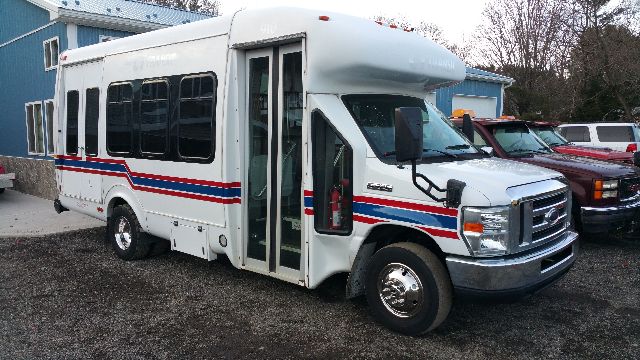
Have used 2009 ford bus truck to sell? List it here to reach thousands of buyers.
Used 2009 Ford Bus Trucks
Powertrain and chassis condition matter more than cosmetics on a bus in this age range. Many 2009 Ford bus trucks came with the 6.8L Triton V10 and automatic transmission, a common commercial combination known for broad service familiarity and decent parts availability. Suspension wear, brake condition, cooling system performance, steering play, and rear axle condition deserve close attention because shuttle buses spend a lot of time in stop-and-go service. Mileage only tells part of the story. Idle hours, route type, maintenance records, and body manufacturer quality often have a bigger impact on long-term operating cost than the odometer alone.
If the bus is configured for wheelchair service, inspect the lift operation, interlock system, securement tracks, tie-down points, and door seals carefully. ADA-oriented buses can be highly versatile, but the lift, electrical system, and floor structure need to be in solid working order. Interior HVAC is another major decision point. Many Ford shuttle buses use dual A/C and heat systems to keep the passenger compartment comfortable, and repairs to those systems can be expensive if neglected. Also check for rust around step wells, body mounts, rear corners, and undercarriage crossmembers, especially on buses that spent time in snow-belt or coastal regions.
Body length, roof height, luggage space, and door configuration should match the route. A narrow airport shuttle route, retirement community loop, or urban medical route may favor a compact bus with quick boarding and strong visibility. A church or hotel shuttle may prioritize passenger capacity, rear storage, and cleaner interior presentation. Common features in this category include wheelchair lifts, backup alarms, heated mirrors, auxiliary passenger climate systems, and upgraded audio or monitor packages. A well-matched 2009 Ford bus truck can still be a practical people-mover when the chassis, body, and accessibility equipment have been maintained as a complete commercial unit.
Frequently Asked Questions about Used 2009 Ford Bus Trucks
What is the difference between a 2009 Ford E-350 bus and a 2009 Ford E-450 bus?
The main difference is chassis capacity. A 2009 Ford E-450 bus generally has a higher GVWR and is better suited for larger shuttle bodies, heavier passenger counts, and wheelchair configurations with more equipment on board. A 2009 Ford E-350 bus is often used for lighter-duty shuttle work where total passenger and cargo weight are lower. Buyers should compare axle ratings, body size, seating layout, and intended route before deciding between the two.
What engine is commonly found in a 2009 Ford bus truck?
Many 2009 Ford bus trucks were equipped with the 6.8L Triton V10 gasoline engine. It is widely recognized in commercial shuttle applications and is generally straightforward to service because of broad parts and technician familiarity. The real buying question is less about the engine nameplate and more about maintenance history, cooling system condition, transmission performance, and how the bus was used in daily service.
What should I inspect on a used 2009 Ford wheelchair bus?
Start with the wheelchair lift, manual override, door interlocks, securement system, and flooring around the lift area. Then inspect the electrical system, warning buzzers, passenger step area, and body structure for corrosion or damage. A wheelchair bus can be very valuable in paratransit and medical transport service, but deferred repairs on lift components or floor reinforcement can become expensive quickly. It is also smart to confirm that the seating and tie-down layout still fits your intended passenger mix.
Are 2009 Ford shuttle buses still a good fit for commercial use?
They can be, if the bus has been maintained correctly and the application matches the unit. Many operators still use 2009 Ford shuttle buses for local routes, senior transportation, church service, and private group movement because the E-Series platform remains familiar and practical. The key is to evaluate the bus as a working commercial asset, with close attention to brakes, suspension, steering, HVAC, tires, accessibility equipment, and rust rather than judging it only by age or mileage.
What features matter most when buying a used Ford bus truck?
The most important features depend on the route, but buyers usually prioritize seating capacity, wheelchair accessibility, dual front and rear climate control, entry door configuration, mirror visibility, and body condition. On a used Ford bus truck, service records and the condition of the chassis are often more important than added convenience features. For passenger service, reliability, safe boarding, and functional HVAC usually matter more than cosmetic upgrades.