
Used 2016 Chevrolet Bus Trucks For Sale
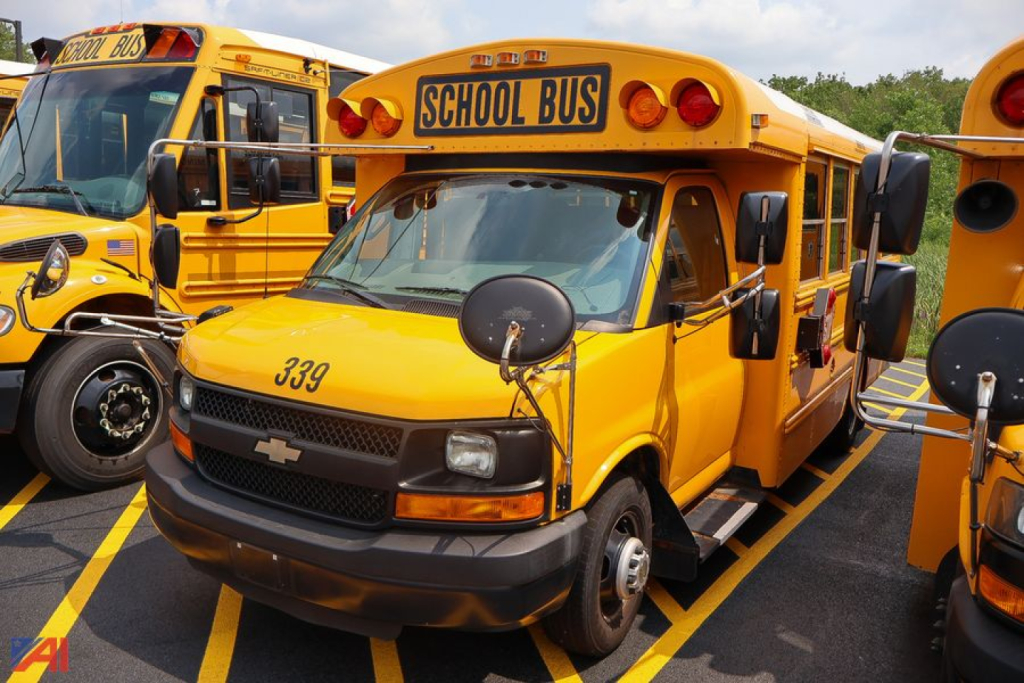
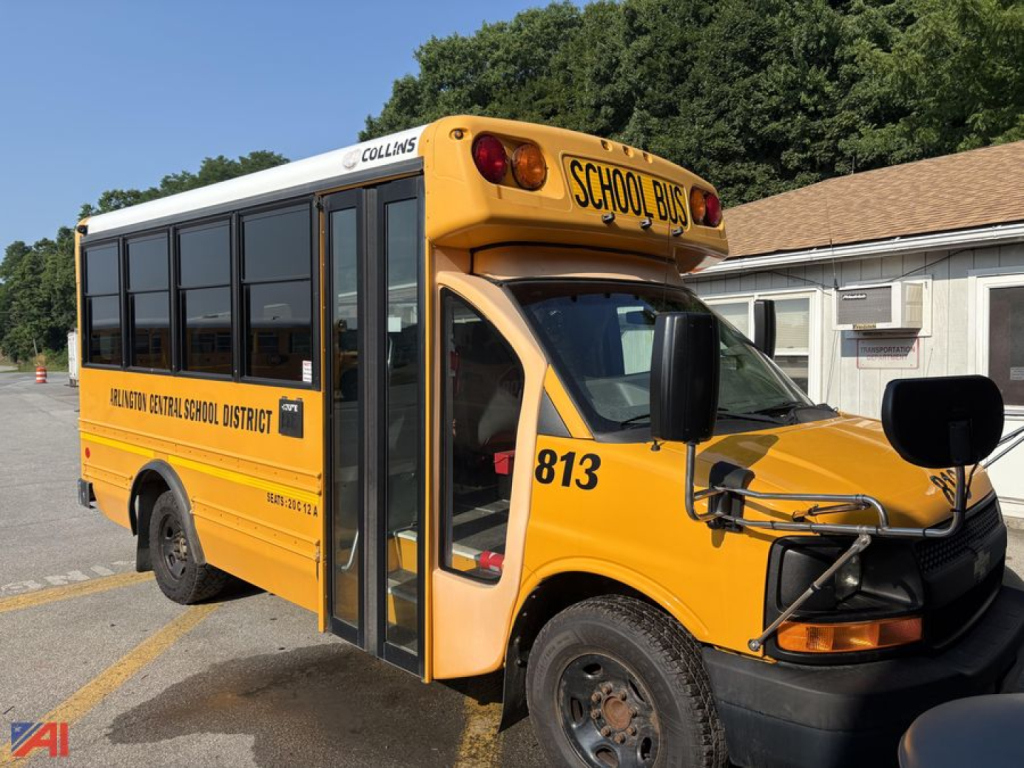
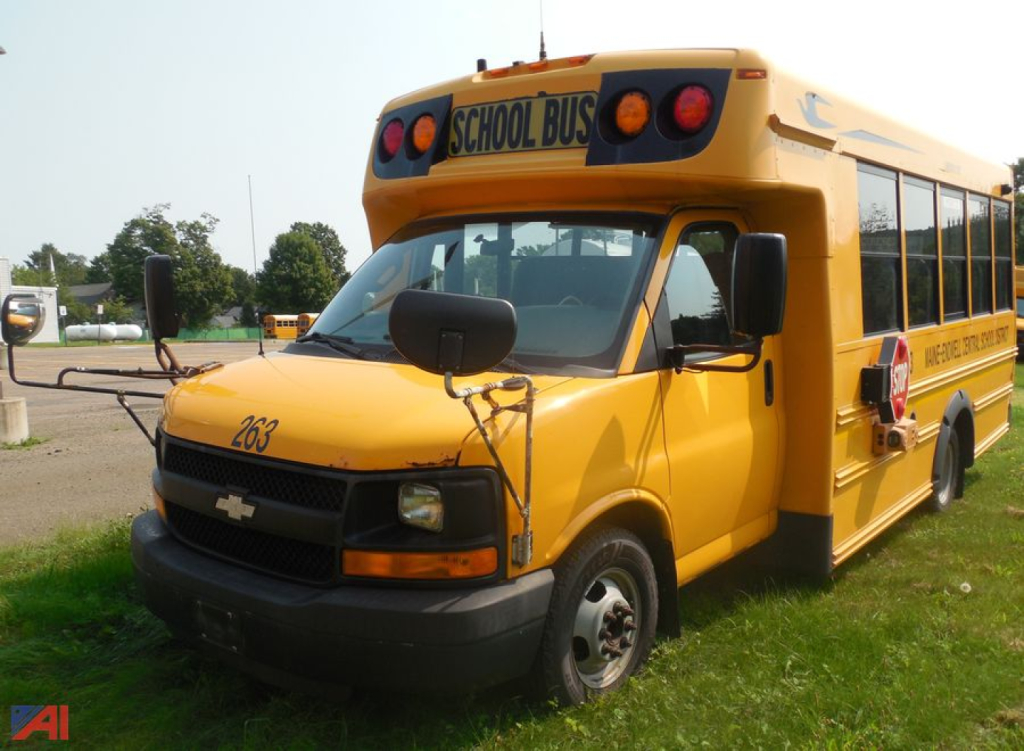
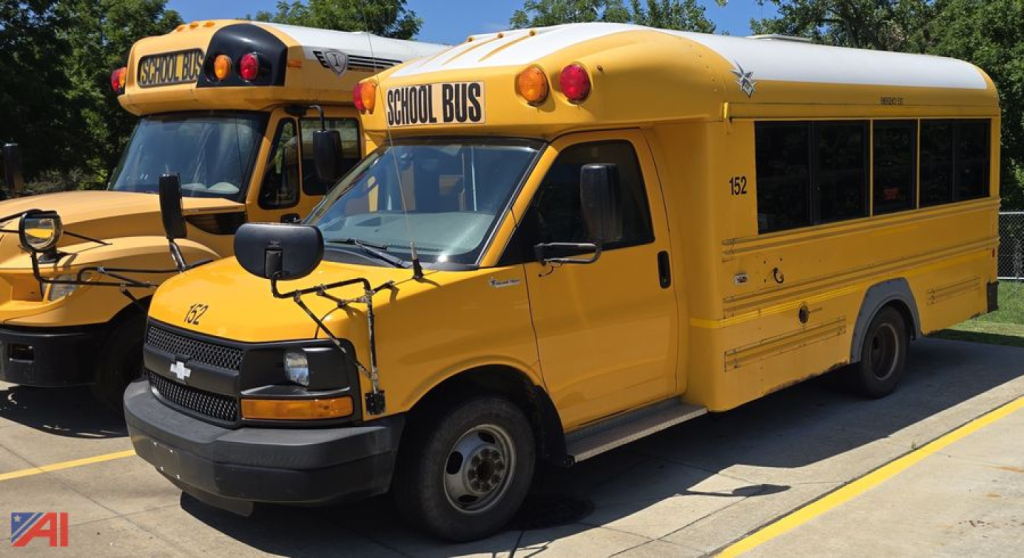
Have used 2016 chevrolet bus truck to sell? List it here to reach thousands of buyers.
Used 2016 Chevrolet Bus Trucks
Passenger capacity, body style, and entry configuration matter more than the badge on the hood. A 2016 Chevrolet bus may be set up with perimeter seating, forward-facing rows, wheelchair positions, or school bus bench seating depending on prior use. Buyers should confirm GVWR, seating count, lift or ramp equipment, rear luggage area if equipped, and door layout before comparing units. For shuttle and paratransit work, check ADA equipment operation, kneeling functions if fitted, and interior condition around tie-down tracks and stepwells. For school bus applications, look closely at warning light systems, stop arm equipment, seat spacing, and state-specific compliance needs if the bus will remain in pupil transportation service.
Condition on a used 2016 Chevrolet bus truck should be judged by duty cycle as much as mileage. A low-mile unit that spent years on short-stop school routes can show heavy wear in brakes, suspension components, door hardware, and idle hours. A shuttle bus with highway miles may present differently, with better brake life but more seat, HVAC, or wheelchair lift use. Rust is a major buying point on buses from snow-belt states, especially around rocker panels, stepwells, floor structure, body mounts, brake and fuel lines, and rear door frames. Service records are valuable because they help verify engine maintenance, transmission service, cooling system work, front-end repairs, and any body electrical issues tied to warning circuits, lift systems, or auxiliary HVAC.
For many operators, the appeal of a 2016 Chevrolet bus is the balance between commercial-grade utility and manageable operating cost. The Express platform is easier to maneuver than a larger Type C bus, and it can fit a wide range of private fleet, municipal, nonprofit, and institutional uses. Before purchase, it is smart to match axle ratings, tire size, suspension condition, and body length to the actual route demands. A bus used for campus loops, airport parking shuttles, adult day care transport, or small school routes needs dependable climate control, predictable ingress and egress, and a chassis that can be serviced without specialty support. That is where this Chevrolet platform usually earns its keep.
Frequently Asked Questions about Used 2016 Chevrolet Bus Trucks
What engine is commonly found in a used 2016 Chevrolet bus truck?
Many used 2016 Chevrolet bus trucks are built on the Chevrolet Express cutaway chassis with the 6.0L Vortec gasoline V8 and an automatic transmission. Exact driveline specs can vary by GVWR and body builder, so buyers should confirm engine code, transmission model, rear axle ratio, and service history on each unit rather than assuming every 2016 Chevrolet bus is equipped the same way.
What should I inspect first on a used 2016 Chevrolet school or shuttle bus?
Start with the body and understructure. Check for rust at the stepwell, rocker panels, floor supports, wheel openings, rear frame area, and body mounts. Then inspect brakes, front suspension, steering wear, tires, HVAC performance, warning light systems if it is a school bus, and wheelchair lift operation if it is an ADA-equipped shuttle. Interior wear can also tell you a lot about route intensity and maintenance standards.
Are 2016 Chevrolet bus trucks good for shuttle and paratransit service?
Yes, this platform is commonly used for shuttle, non-emergency passenger transport, church groups, senior mobility, and paratransit work because the Express cutaway chassis is compact, serviceable, and easy to drive in tighter areas. The right fit depends on body layout, passenger count, lift configuration, and how well the bus matches stop frequency, road conditions, and climate-control demands on the route.
How is a Chevrolet bus truck different from a full-size conventional school bus?
A Chevrolet bus truck in this class is usually a cutaway-based bus with a van front end rather than a larger hood-and-cowl conventional chassis. That generally means lower passenger capacity, easier maneuverability, and a better fit for smaller routes or specialized transport. A full-size conventional school bus is typically better suited to heavier daily route loads, larger seating requirements, and more demanding district fleet use.
Does mileage matter as much as usage history on a 2016 Chevrolet bus?
Usage history is just as important as mileage, and in many cases more important. A bus with modest miles may still have significant wear from constant stop-and-go operation, long idle time, frequent door cycles, and repeated loading activity. Maintenance records, brake and suspension condition, lift usage, corrosion level, and overall body integrity give a more complete picture of value than odometer reading alone.