
Used 2008 Chevrolet Bus Trucks For Sale in New York
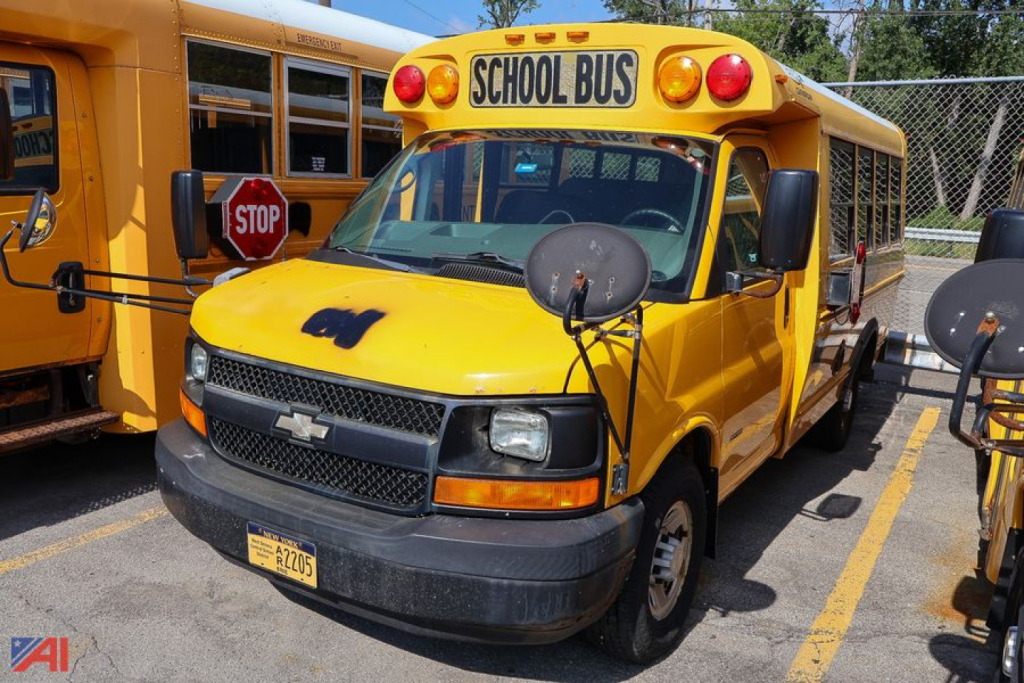
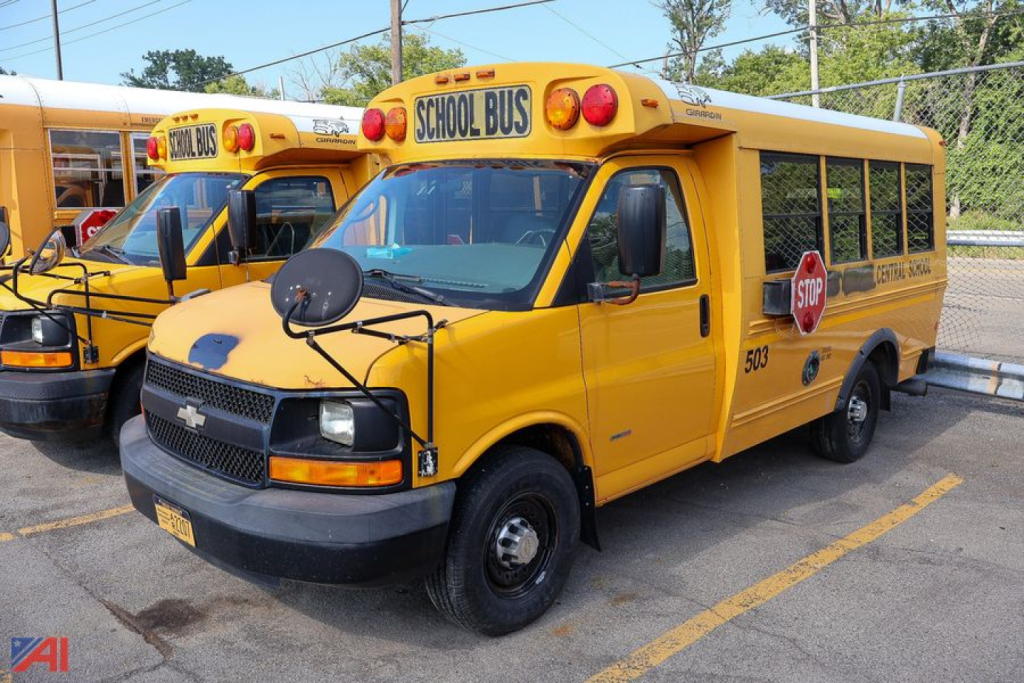
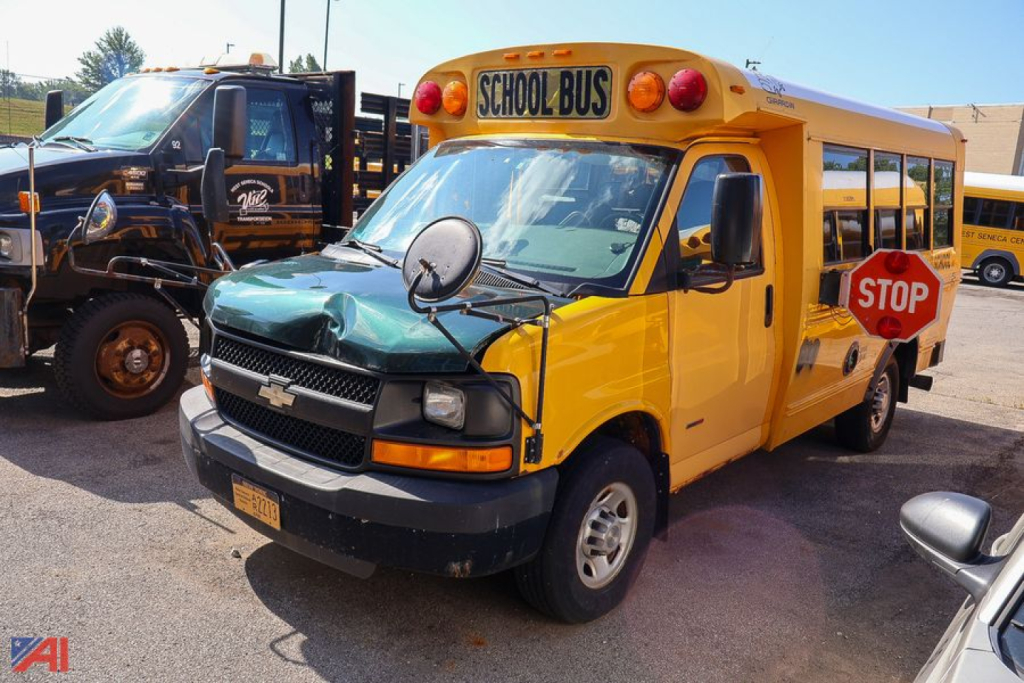
Have used 2008 chevrolet bus truck to sell? List it here to reach thousands of buyers.
Used 2008 Chevrolet Bus Trucks in New York
On 2008 Chevrolet bus models, buyers typically look closely at the powertrain, brake condition, and body integrity before anything else. Many of these buses were spec'd with the 6.0L Vortec gas engine and automatic transmission, a common combination known for straightforward serviceability and broad parts support. On school bus and shuttle applications, check for idle hours, transmission shift quality, cooling system condition, front-end wear, and rust at body mounts, step wells, wheel arches, and undercarriage components. In New York, corrosion matters as much as mileage due to winter road treatment and municipal use cycles.
Body style and interior layout have a big impact on value. A 2008 Chevrolet school bus may be configured with perimeter seating, standard school bus bench seating, lift-equipped ADA access, or a shuttle layout for senior transport, church use, hotel service, or private fleet movement. Buyers should confirm passenger capacity, GVWR, door configuration, luggage or rear storage if equipped, and whether the bus has a full HVAC setup for year-round service. If the unit is being repurposed, electrical condition, warning light removal requirements, and state inspection compliance are worth reviewing early.
For many fleets, a used 2008 Chevrolet bus is attractive because it sits in a practical middle ground between acquisition cost and service familiarity. The Express platform is widely understood by municipal, school, and light commercial maintenance teams, and replacement parts remain accessible. The best units tend to be the ones with clear maintenance history, clean frame rails, solid body structure, and a chassis that matches the intended passenger load instead of simply offering the lowest upfront price.
Frequently Asked Questions about Used 2008 Chevrolet Bus Trucks in New York
What chassis is most common on a 2008 Chevrolet bus truck?
Most 2008 Chevrolet bus trucks are built on the Chevrolet Express cutaway chassis, typically in 3500 or 4500 form. The 3500 is common on lighter shuttle and small school bus bodies, while the 4500 is usually the better fit for higher passenger counts, wheelchair lifts, and tougher stop-and-go service. Checking the GVWR on the door label is the fastest way to confirm how the bus was originally rated.
What engine is typically found in a used 2008 Chevrolet bus?
Many 2008 Chevrolet buses were equipped with the 6.0L Vortec gasoline engine paired with an automatic transmission. This setup is popular because it is familiar to many service departments and parts availability is generally strong. Buyers should still verify the exact engine, transmission model, and service records, especially on school or municipal units that may have high idle time and frequent low-speed operation.
What should I inspect first on a used 2008 Chevrolet bus in New York?
Rust, underbody condition, and body structure should be near the top of the inspection list for any New York unit. Pay close attention to frame rails, brake lines, fuel lines, spring mounts, body mounts, entry steps, floor edges, and wheel openings. After corrosion, the next priorities are transmission operation, brake performance, steering play, suspension wear, and the condition of safety equipment such as lifts, emergency exits, and warning systems if still installed.
Are 2008 Chevrolet bus trucks only used for school routes?
No. While many are school bus bodies, the same Chevrolet cutaway platform is also widely used for shuttle buses, church buses, senior transport, ADA service, non-emergency passenger movement, and private facility transport. The value of a given unit depends heavily on seating layout, access equipment, HVAC, and how easily the body configuration fits the intended use.
Is a Chevrolet Express 4500 better than a 3500 for bus applications?
The Express 4500 is generally the stronger choice when the bus body is larger, the passenger count is higher, or the route involves frequent loading, urban driving, and added equipment weight. The 3500 can still be a good fit for lighter-duty shuttle work or smaller bus bodies. The right choice comes down to passenger capacity, body length, payload needs, and how much reserve chassis capacity you want for long-term durability.