
2017 Bus Trucks For Sale in New York
Have 2017 bus truck to sell? List it here to reach thousands of buyers.
2017 Bus Trucks in New York
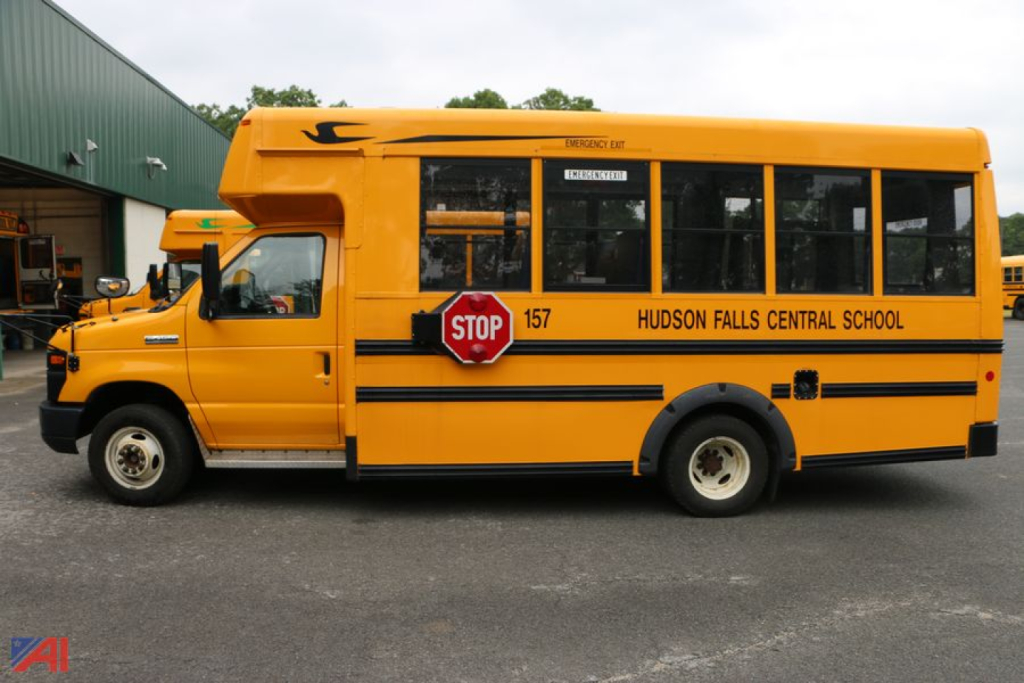
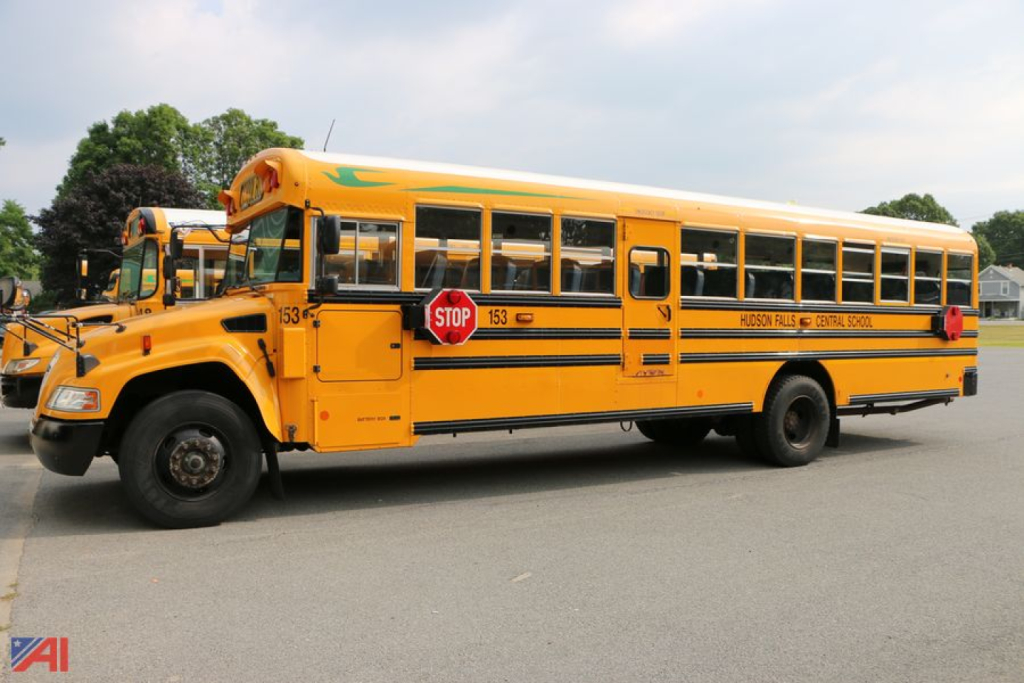
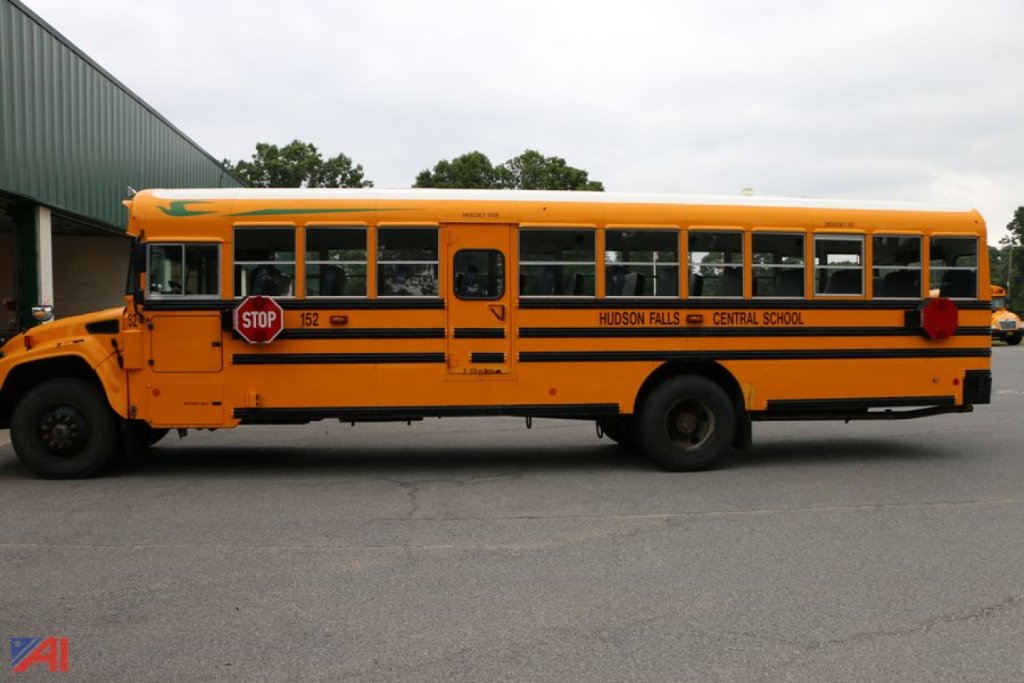
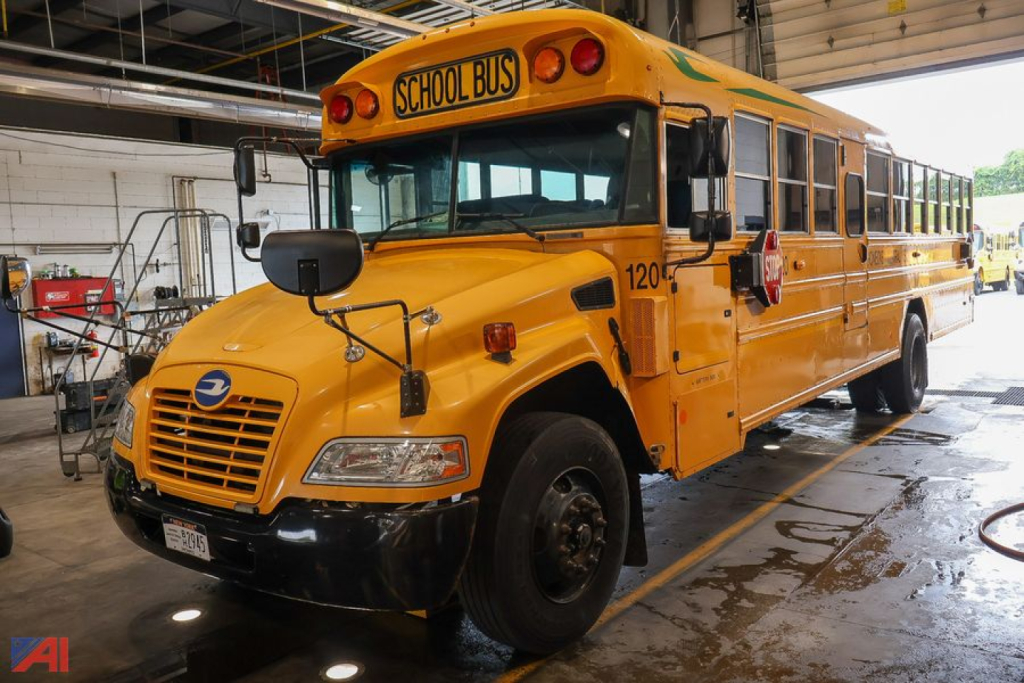
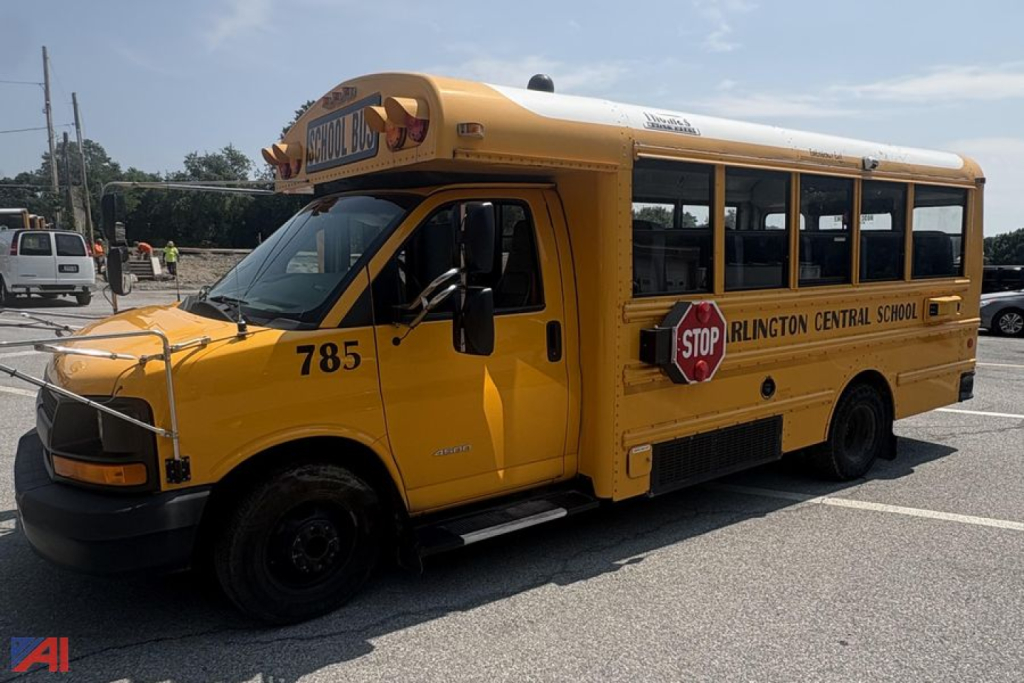
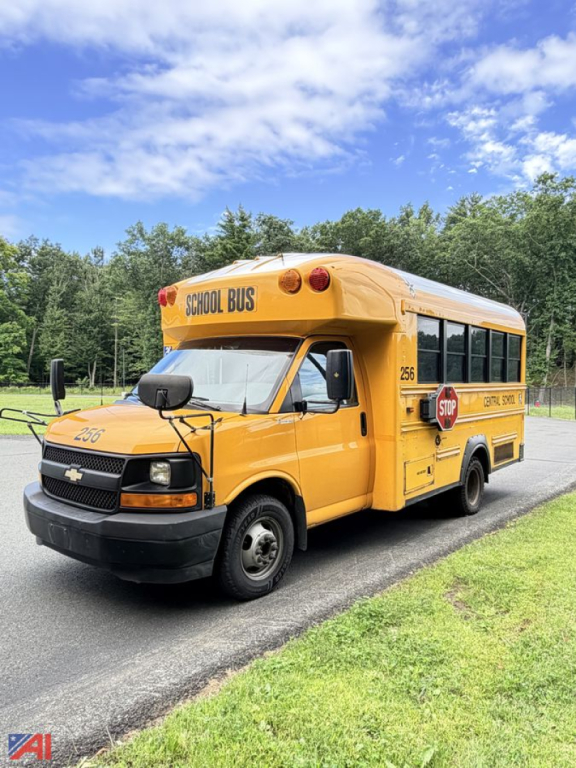
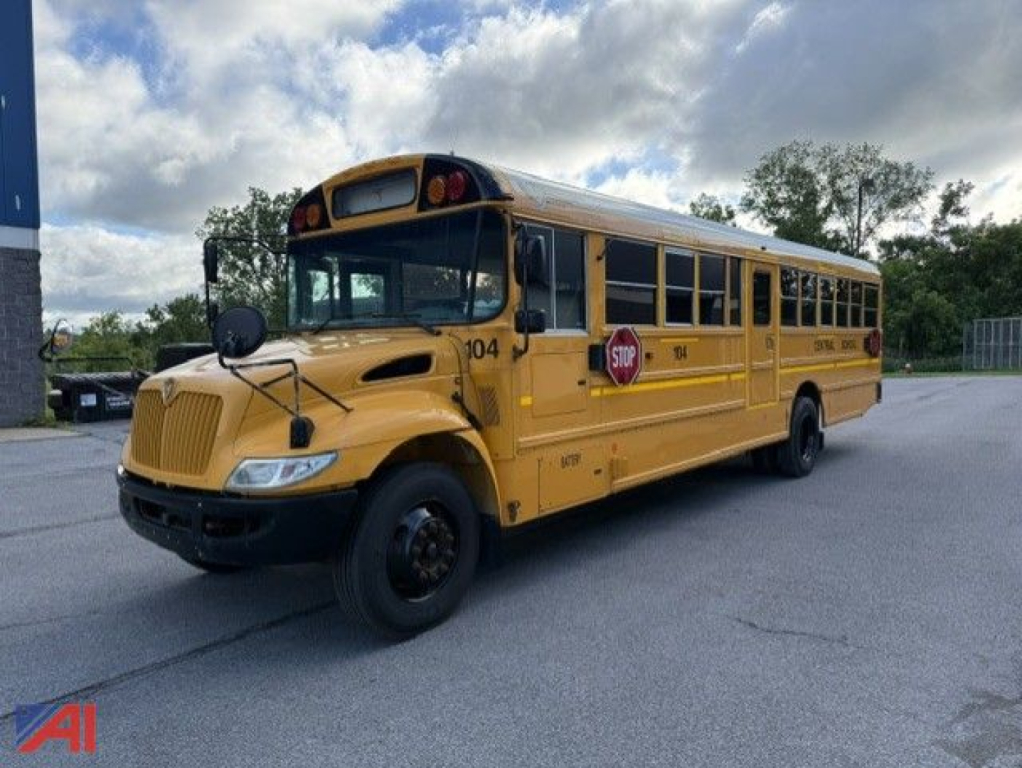
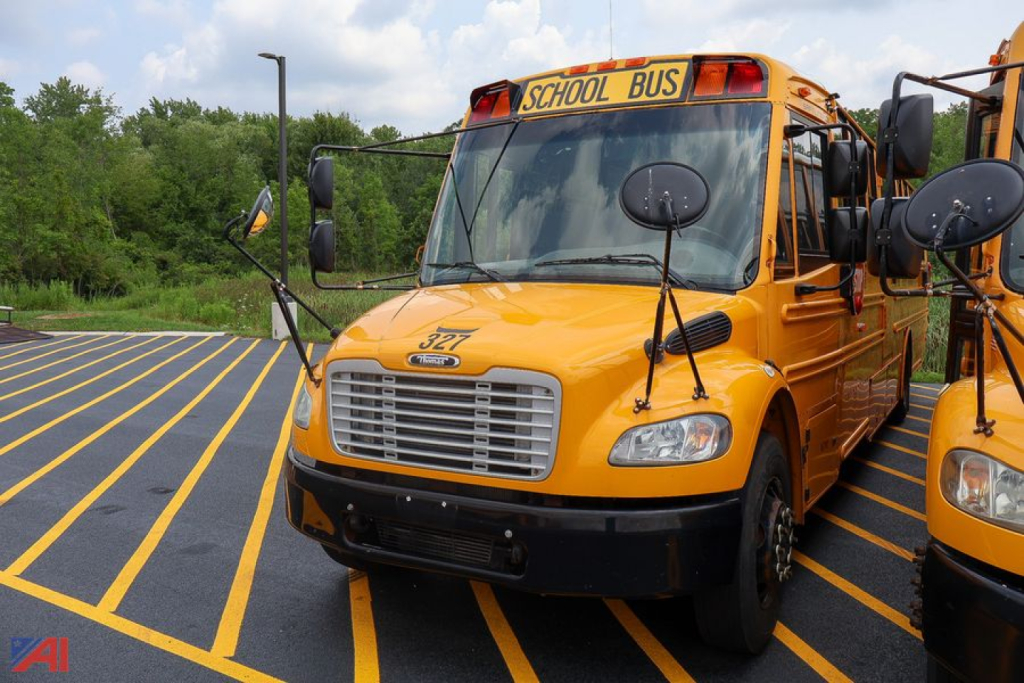
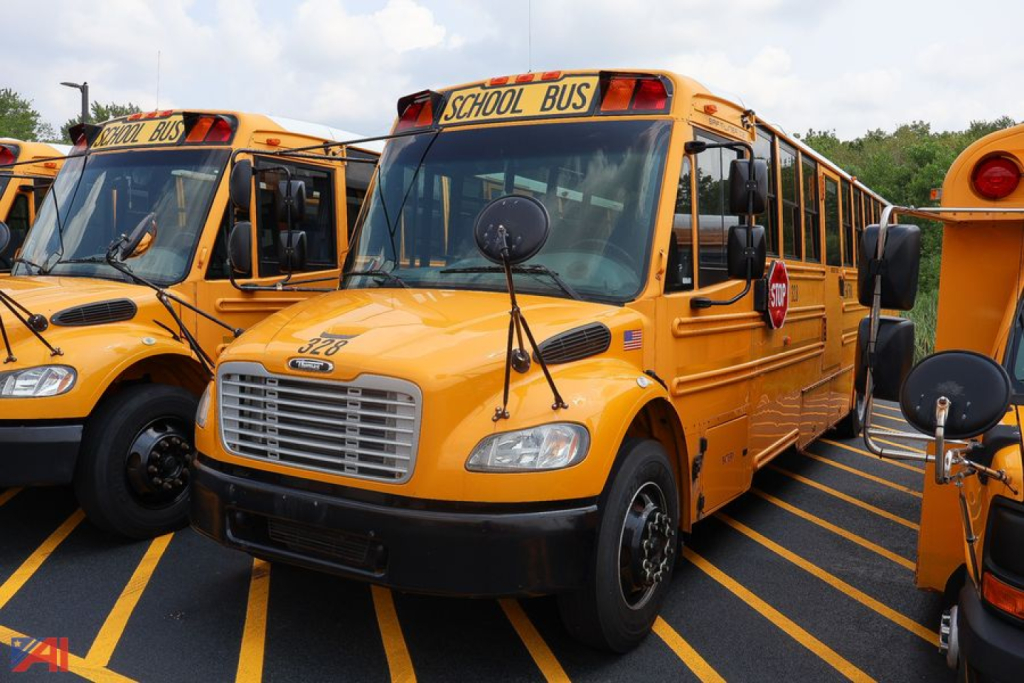
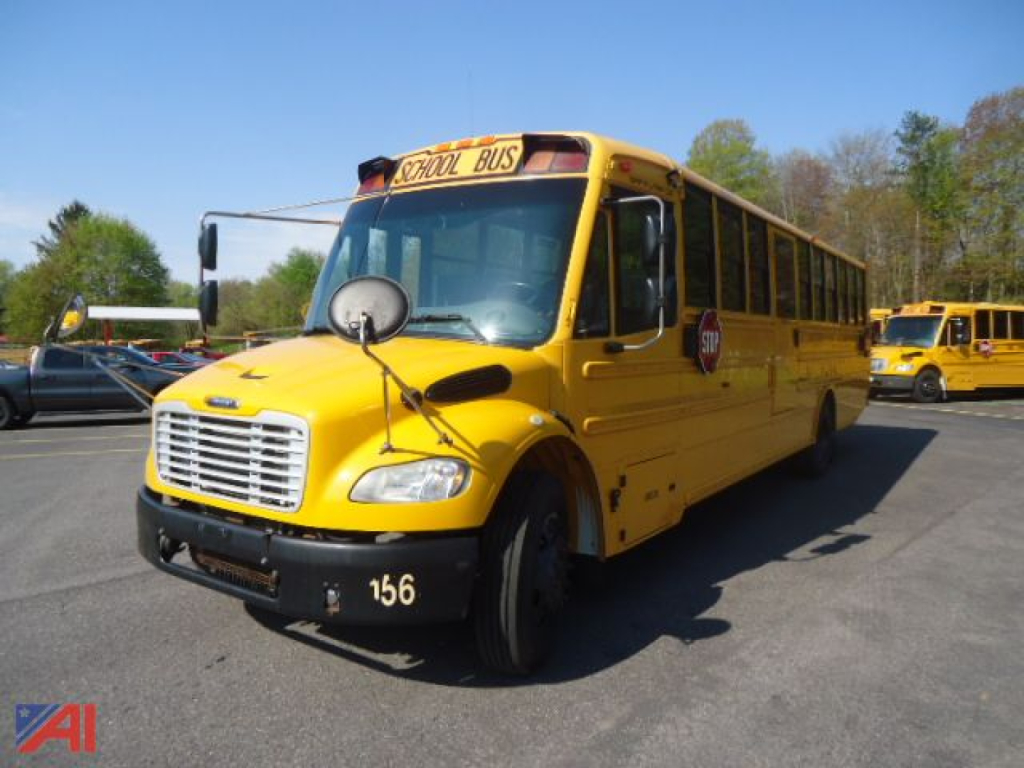
The first decision is usually body style and passenger layout. A full-size conventional school bus gives you higher seating capacity, better parts support, and heavier-duty running gear for route service or conversion work. A cutaway bus is easier to maneuver in tighter urban and suburban areas, usually costs less to maintain, and often fits shuttle, church, senior transport, or non-CDL applications depending on seating and GVWR. For buyers in New York, wheelchair-lift buses are especially common in municipal and school fleet turnover, so it is worth checking lift operation, tie-down locations, door function, and floor condition around the lift area.
On a 2017 bus, inspection priorities should center on emissions components, brake type, corrosion, and service history. Many units from this year use diesel exhaust fluid systems, diesel particulate filters, and EGR-equipped engines, so fault codes, regen history, and idle hours matter as much as odometer miles. In New York, underbody rust, stepwell corrosion, body mount condition, and condition of the frame rails deserve close attention, especially on buses that saw regular winter road salt. Suspension wear, steering play, tire date codes, warning light function, heater performance, and emergency exit compliance are also important if the bus will stay in passenger service.
Buyers also look at 2017 buses for specialty uses beyond pupil transportation. These buses are often repurposed for mobile medical units, church buses, contractor crew transport, RV and skoolie conversions, and support vehicles. For conversion work, check interior height, wheelbase, baggage storage, HVAC layout, and electrical system complexity before purchase. For commercial or institutional use, focus on seating capacity, ADA equipment, visibility, turning radius, and parts availability. A well-maintained 2017 bus truck can still offer strong value if the chassis, body structure, and emissions system have been cared for properly.
Frequently Asked Questions about 2017 Bus Trucks in New York
What should I inspect first on a 2017 bus truck?
Start with the drivetrain and emissions system, then move to the body and safety equipment. On a 2017 bus, engine fault codes, DPF and DEF system condition, transmission operation, brake performance, and idle hours are key indicators of future operating cost. In New York, rust on the frame, stepwell, floor, and body mounts can be just as important as mileage. If it is a passenger unit, verify lights, emergency exits, heaters, seats, and lift equipment if equipped.
Are 2017 buses good candidates for school, shuttle, or conversion use?
Yes, 2017 buses are commonly used for all three applications. Full-size school buses work well for route service, high-capacity transport, and larger conversions because they typically have stronger chassis components and more interior space. Cutaway buses are often better for shuttle work, senior transport, and lighter-duty service where maneuverability matters. The right choice depends on passenger count, route type, storage needs, and whether ADA access is required.
Which engines and transmissions are common in 2017 bus trucks?
Many 2017 bus trucks use diesel powertrains from manufacturers such as Cummins or Navistar, typically matched with Allison automatic transmissions. Conventional school bus chassis often carry medium-duty diesel engines designed for frequent stop-and-go service. Cutaway buses may use gasoline or diesel engines depending on the chassis. Buyers should confirm horsepower, torque, rear axle ratio, and maintenance records because those details affect drivability, fuel use, and long-term repair cost.
Does a 2017 bus require special attention to emissions equipment?
Yes. A 2017 bus is firmly in the modern emissions era, so DEF systems, DPF condition, EGR components, sensors, and regen history should all be checked. A bus that has been idled excessively or maintained inconsistently can develop expensive aftertreatment problems. A pre-purchase scan for active and inactive codes is one of the best ways to evaluate a used emissions-equipped bus.
What matters most when buying a wheelchair-accessible bus?
Lift condition, floor integrity, and securement hardware matter most. Test the wheelchair lift through a full cycle, inspect the platform and handrails, and check that tie-down points are complete and usable. Door seals, interlocks, and ramp or lift controls should operate properly. If the bus will remain in passenger service, confirm that the layout still meets your seating, ADA, and operational requirements.