
2017 Freightliner Bus Trucks For Sale in New York
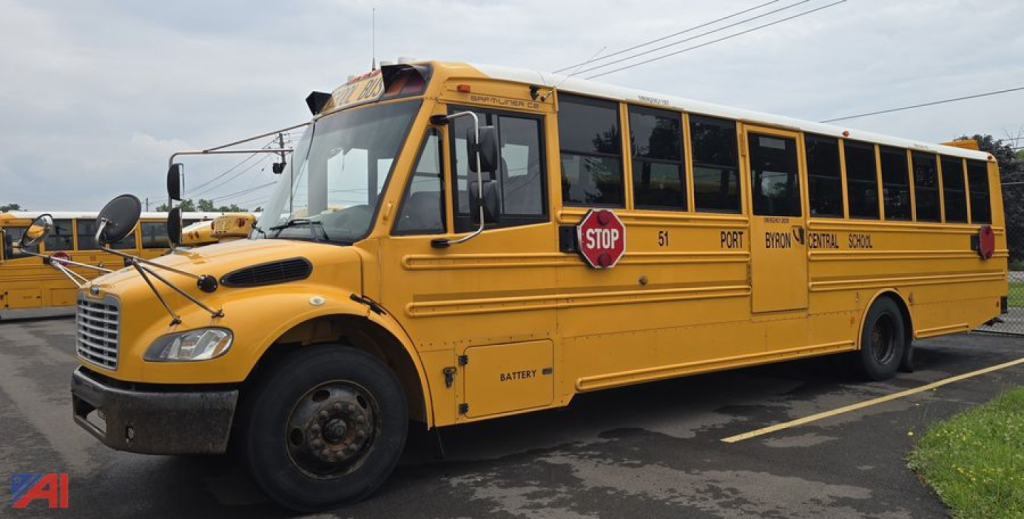
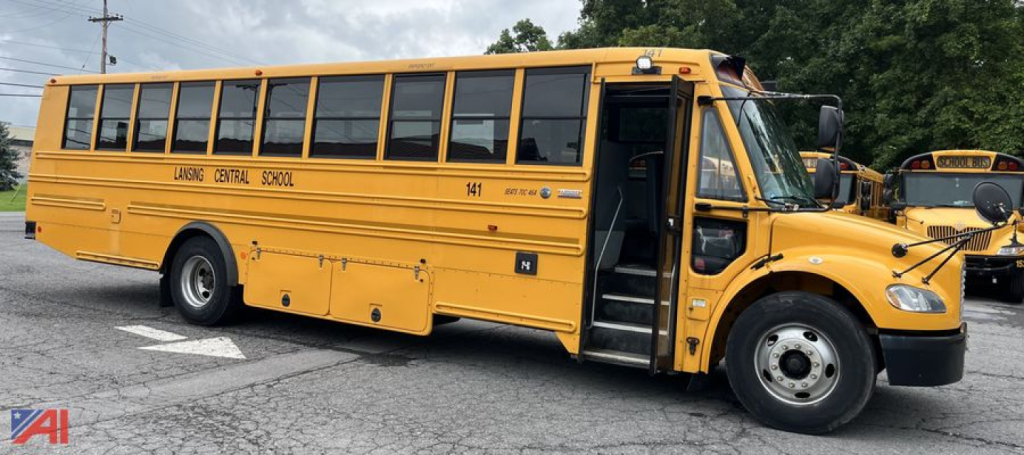
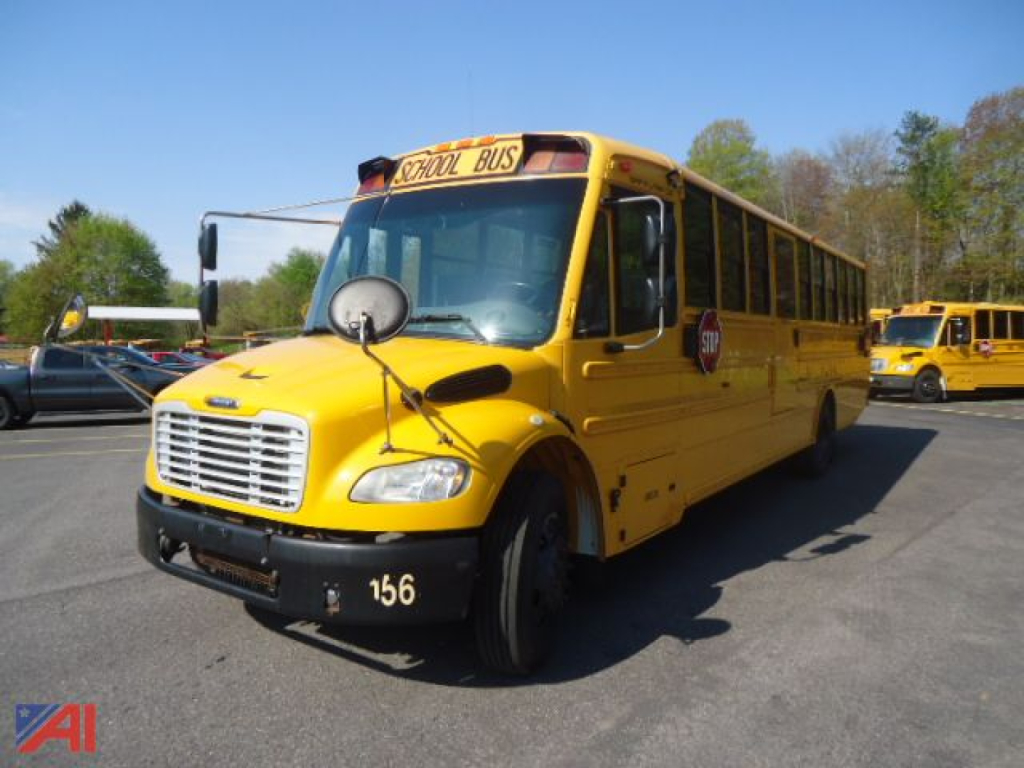
Have 2017 freightliner bus truck to sell? List it here to reach thousands of buyers.
2017 Freightliner Bus Trucks in New York
The first buying decision is usually configuration. Most 2017 Freightliner school buses in this class are equipped with a Cummins diesel engine, commonly the ISB family, backed by an Allison automatic transmission. Buyers should confirm horsepower rating, emissions system status, brake type, axle ratio, and passenger capacity because those details affect route performance and repurposing costs. Wheelbase, overall length, luggage or underbody storage, and headroom also matter if the bus is being converted for shuttle use, church transport, mobile office builds, or RV and skoolie projects. On ex-school units, check crossing gate operation, warning light removal requirements, seat layout, and state-specific compliance rules before putting the bus into non-school service.
A Freightliner C2 is known for a tight turning radius, wide parts availability, and service familiarity across municipal and contractor fleets. That matters if uptime and repair cost are part of the purchase decision. Common inspection points include DEF and DPF service records, front suspension wear, rust around step wells and body mounts, condition of the electrical panels, and operation of heaters and roof hatches. In Northeast service, underbody corrosion, brake line condition, and emergency door seals deserve close attention. Many retired school buses have relatively low miles for their age but high engine hours from stop-and-go routes and extended idling, so the hour meter can be as important as the odometer.
For buyers comparing multiple 2017 Freightliner bus listings, the best value often comes from matching the bus to the job instead of chasing the lowest price. A shorter route bus may be better for urban shuttle work, while a full-size transit-style school bus offers more seating and conversion space. If passenger hauling is the goal, verify CDL and seating requirements, HVAC performance, and accessibility equipment if needed. If the bus is headed for conversion, pay close attention to roof height, window layout, gross vehicle weight rating, and any signs of frame or floor deterioration. Freightliner bus trucks from this model year remain a practical choice for fleet use, private transport, and specialty builds when specs and service history line up with the intended application.
Frequently Asked Questions about 2017 Freightliner Bus Trucks in New York
What engine and transmission are common in a 2017 Freightliner bus?
Many 2017 Freightliner school buses, especially Saf-T-Liner C2 models, are equipped with a Cummins diesel engine and an Allison automatic transmission. Exact engine family, horsepower rating, and transmission series can vary by build spec, so buyers should verify the VIN-specific configuration. That information affects acceleration, gradeability, emissions service requirements, and long-term maintenance cost.
What should I inspect first on a used 2017 Freightliner school bus?
Start with service records, engine hours, emissions system history, and rust condition. On buses from New York and other Northeast states, underbody corrosion, step well rust, brake and fuel line condition, and body mount integrity are critical. After that, inspect the DPF and DEF system, suspension wear, tire date codes, heater operation, warning light circuits, and emergency exits. A low-mile bus can still have heavy wear if it spent years on short routes with frequent idling.
Is a 2017 Freightliner C2 a good platform for shuttle or conversion use?
Yes, many buyers choose the Freightliner C2 for shuttle service, church transport, mobile business builds, and skoolie conversions because the chassis is widely supported and the body offers usable interior space. The right fit depends on roof height, seating layout, wheelbase, and overall length. Buyers planning a conversion should also confirm title requirements, school bus equipment removal rules, and the condition of the floor, windows, and electrical system before purchase.
Do I need to remove school bus equipment before using it for private transport?
In most cases, yes. Ex-school buses generally must have stop arms, flashing warning lights, crossing control arms, and school district markings removed or disabled before being used for private or commercial non-school service. The exact rules vary by state, and New York buyers should confirm registration, inspection, and equipment compliance requirements before putting the bus on the road.
Why do engine hours matter on a bus more than mileage?
School buses often spend much of their life in stop-and-go service with frequent idling, door cycles, and PTO or accessory loads. That means a bus with modest mileage may still show significant engine wear and emissions system use. Engine hours give a better picture of total operating time, and they help explain the condition of the engine, cooling system, transmission, and aftertreatment components.