
Box Trucks For Sale in Wisconsin
Browse box trucks for sale in Wisconsin. Compare GVWR, body sizes, liftgates, diesel and gas options for delivery, moving, and service work.
No exact matches found for your search
Showing Box Trucks instead.
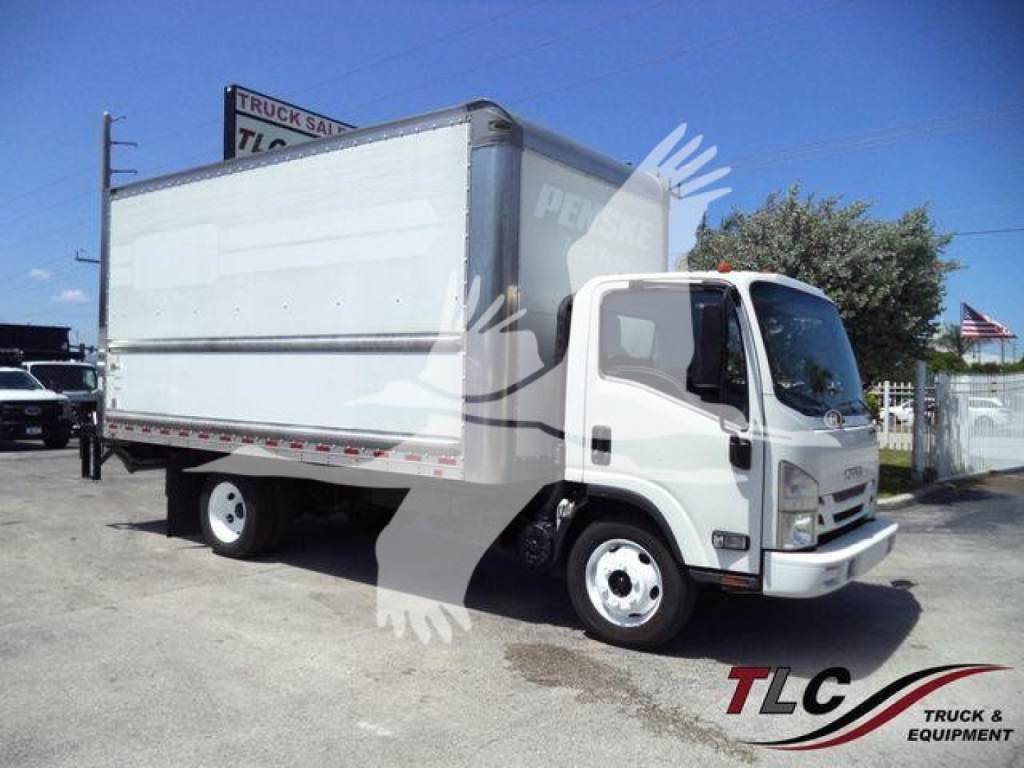
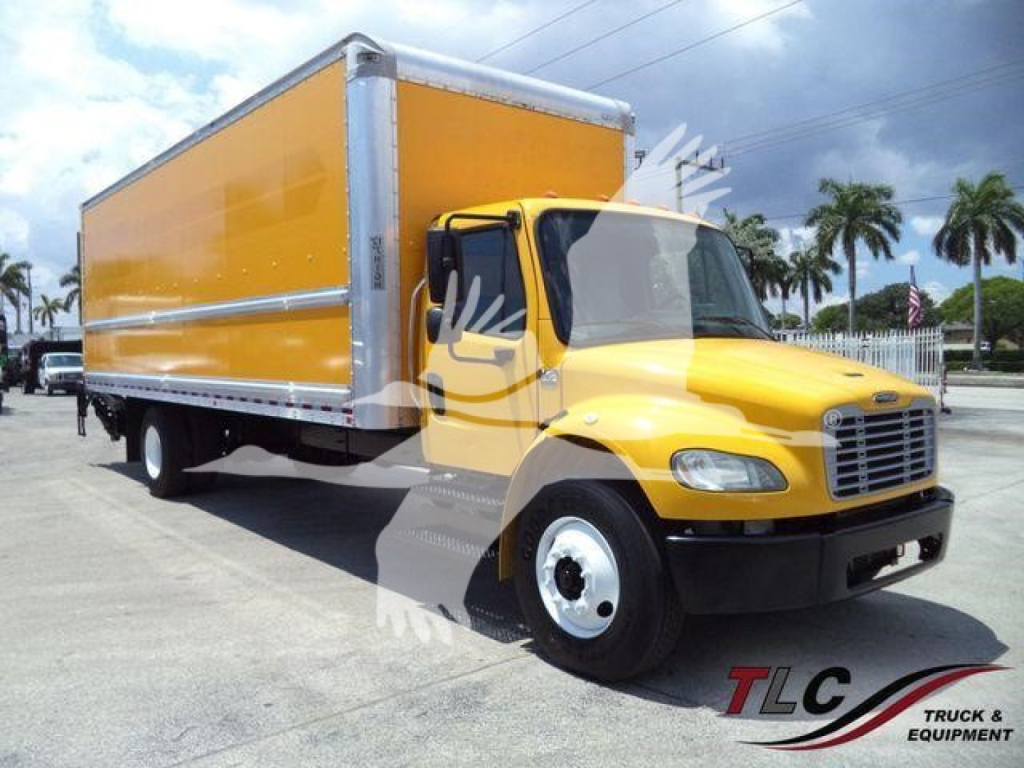
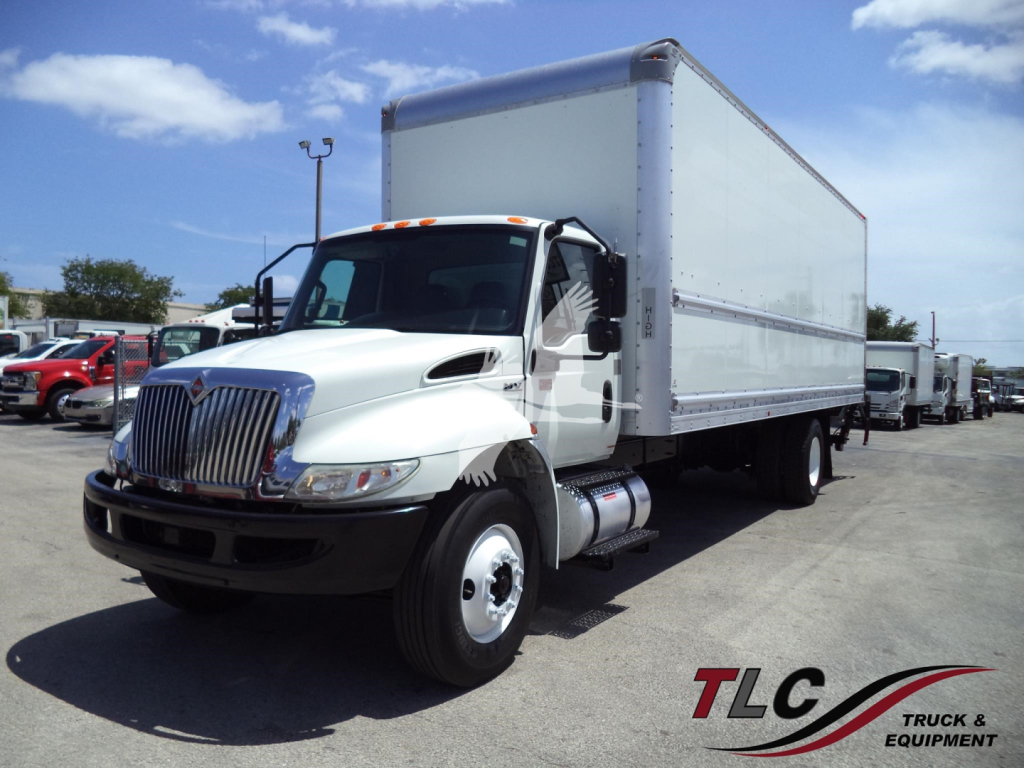
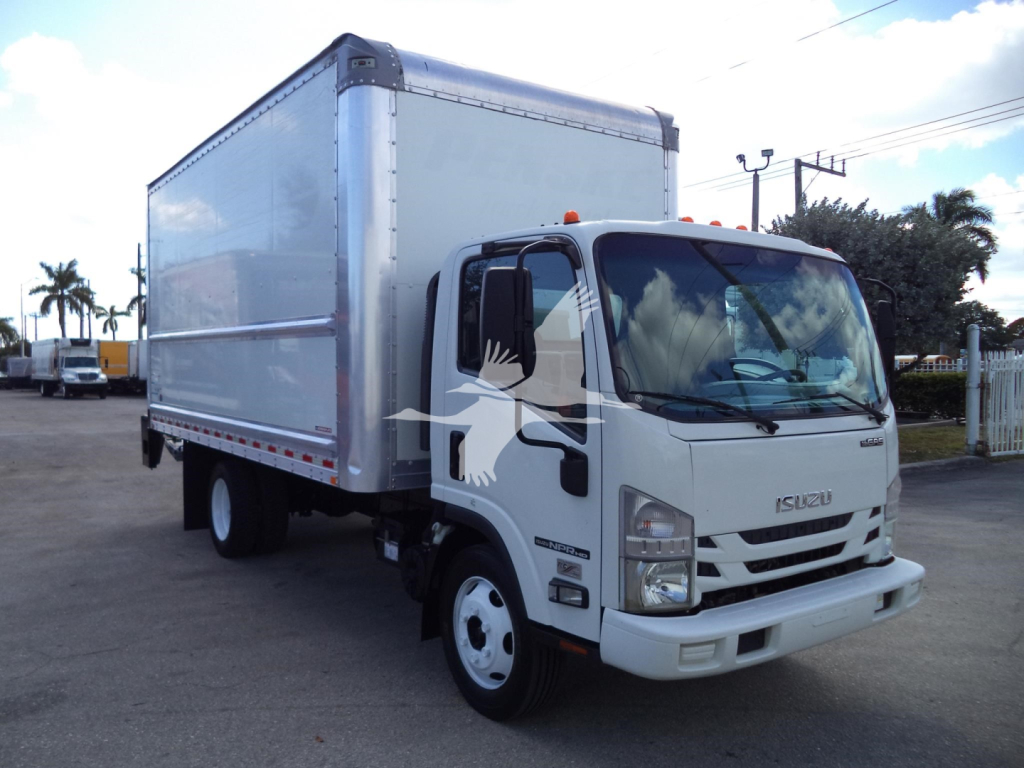
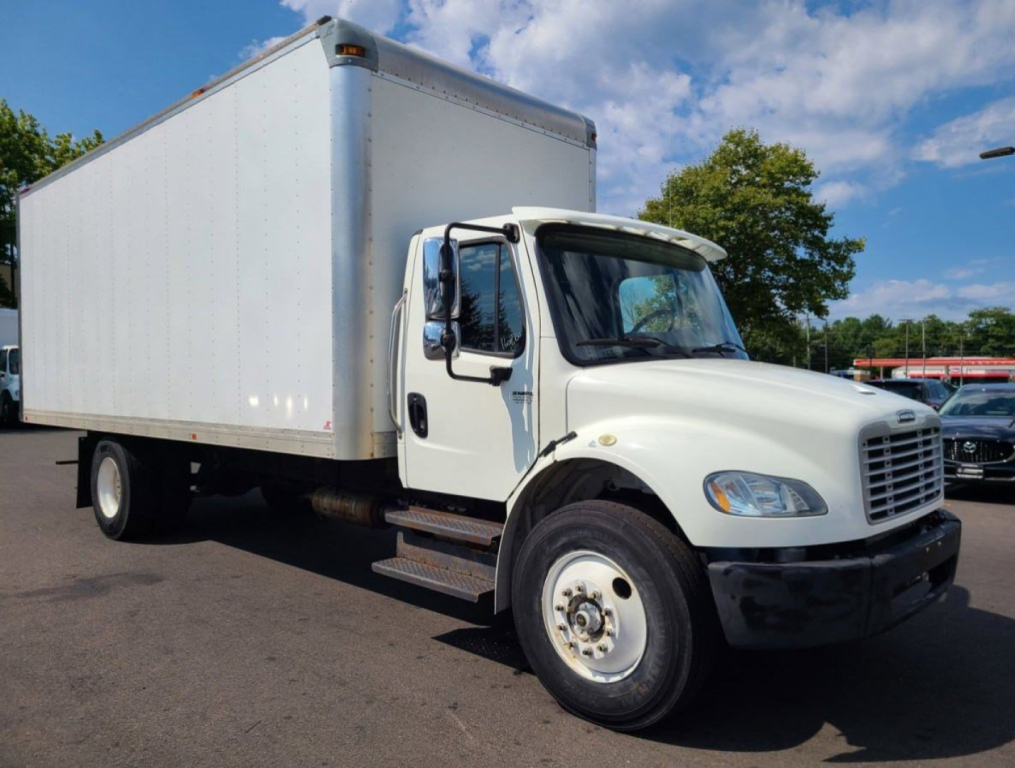
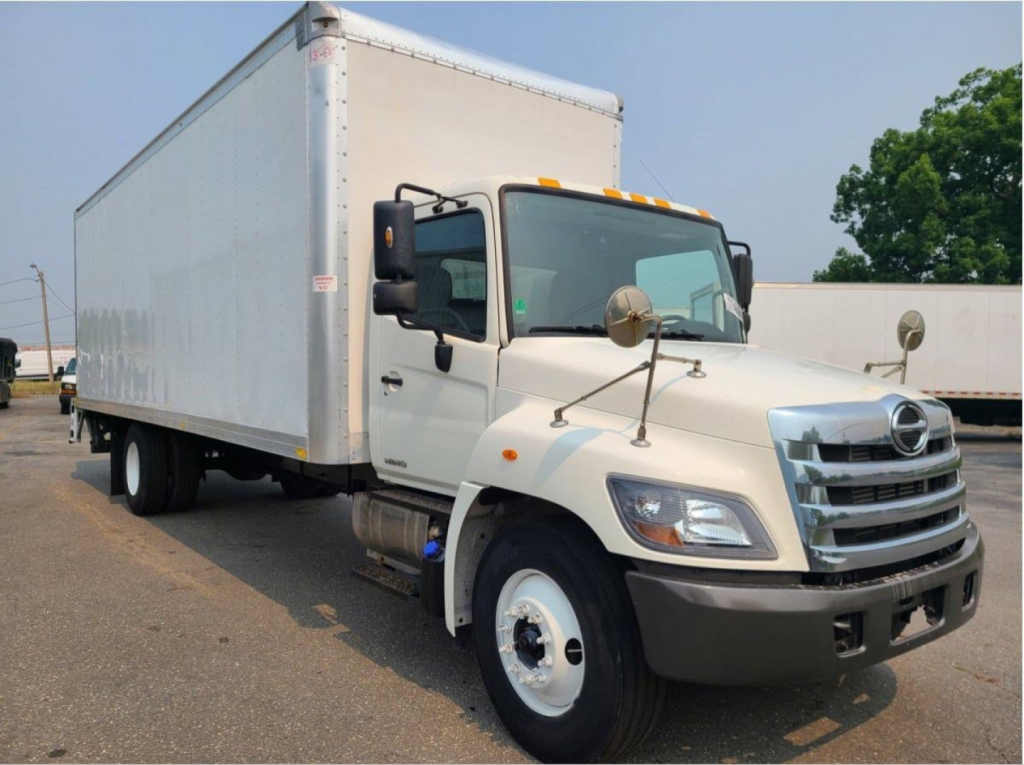
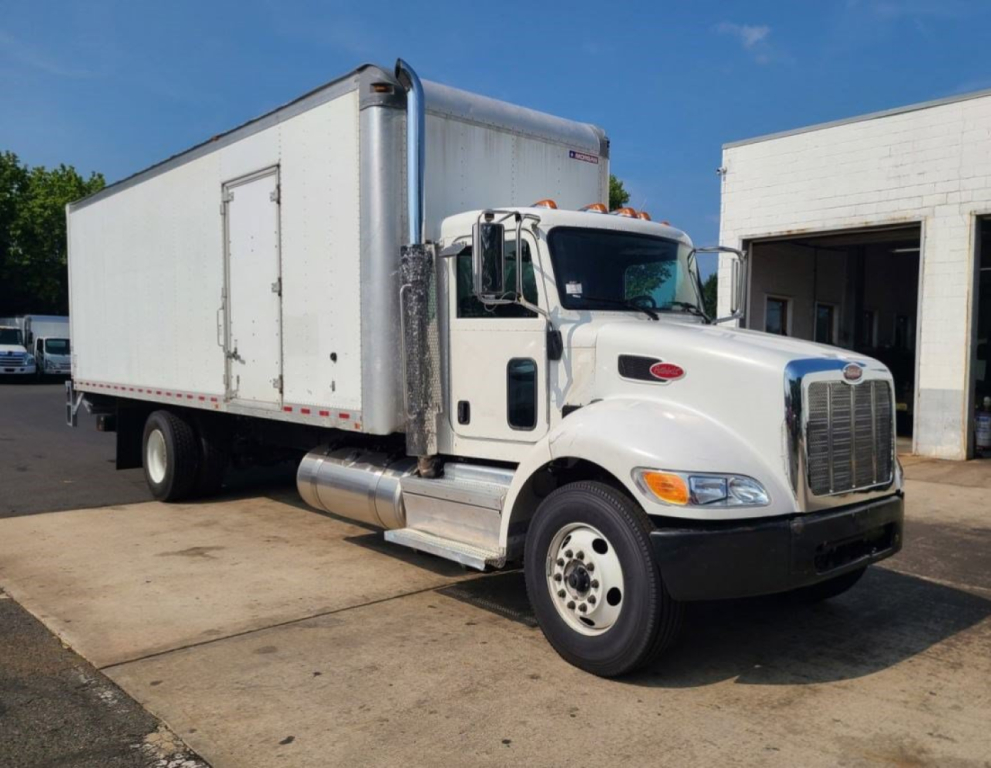
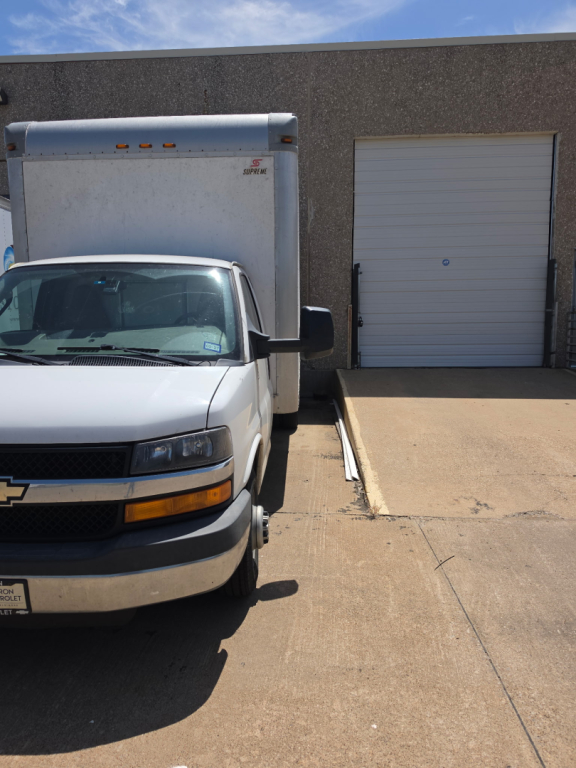
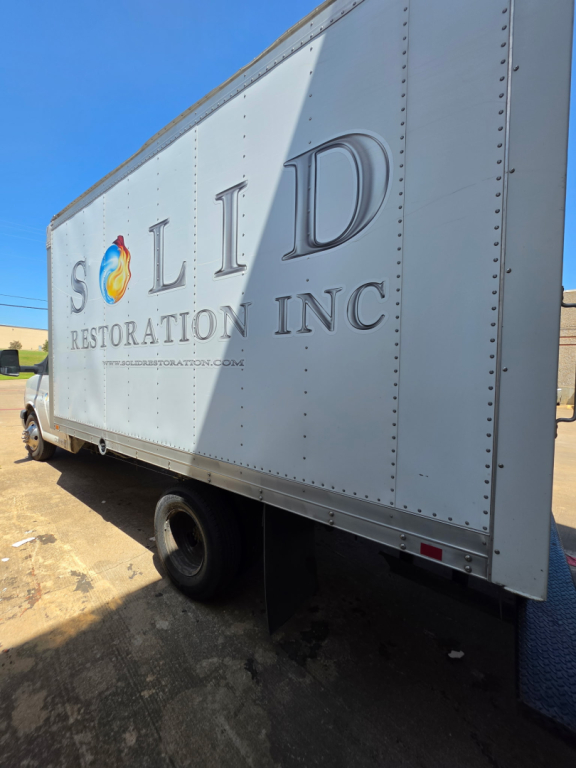
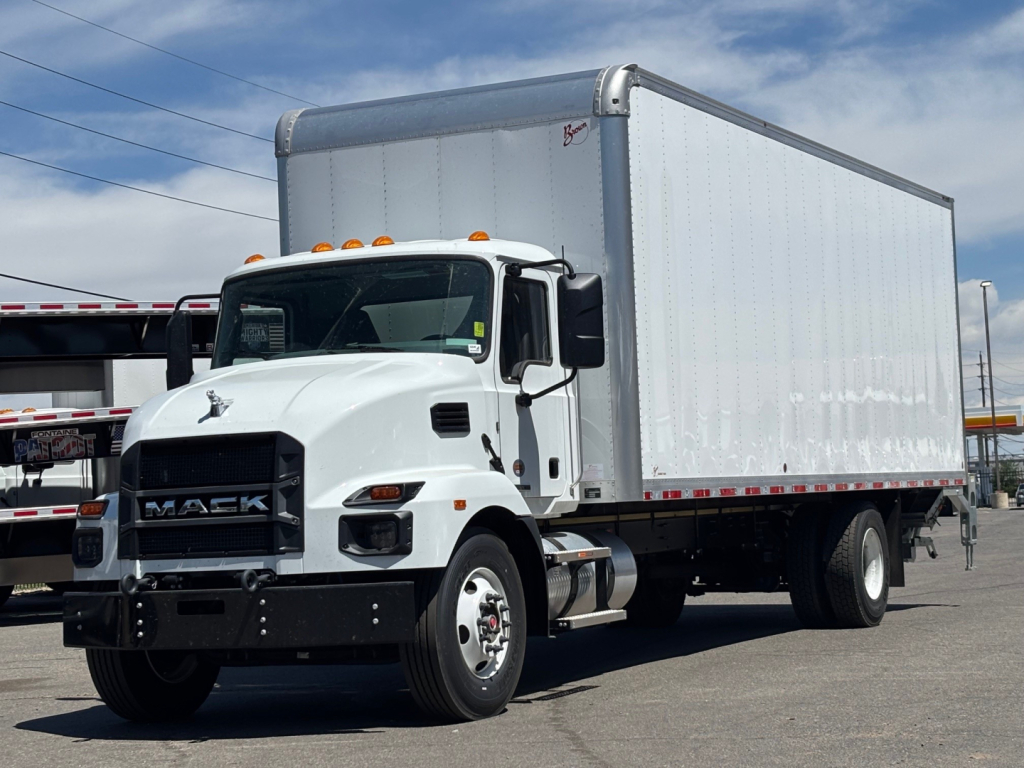
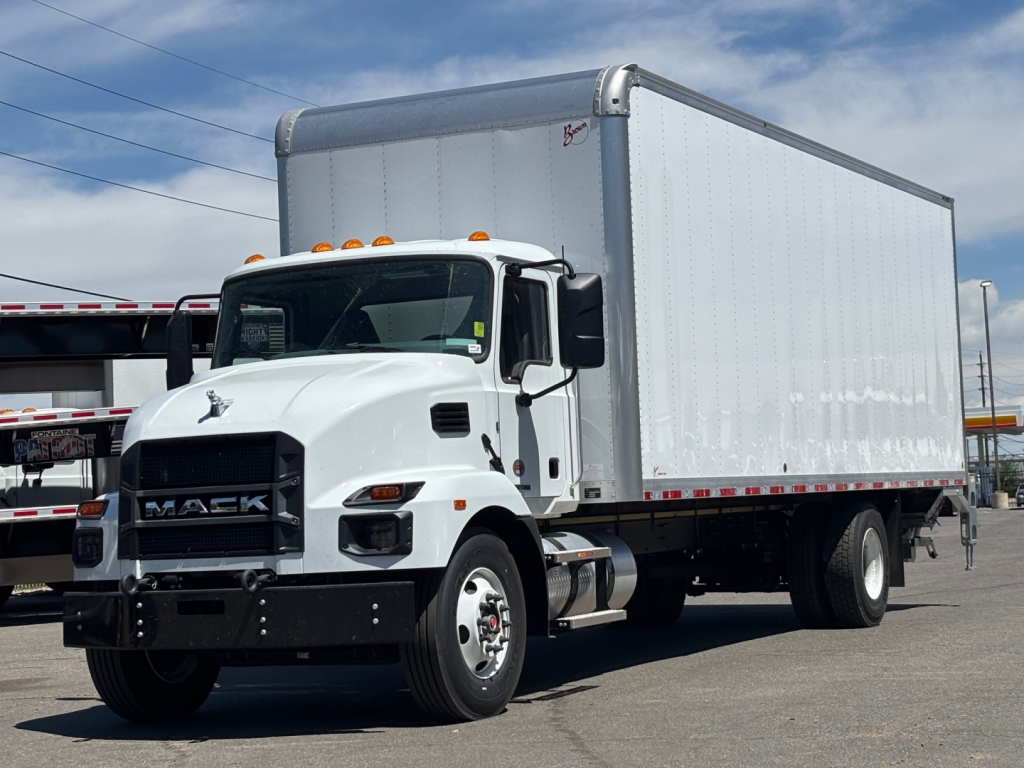
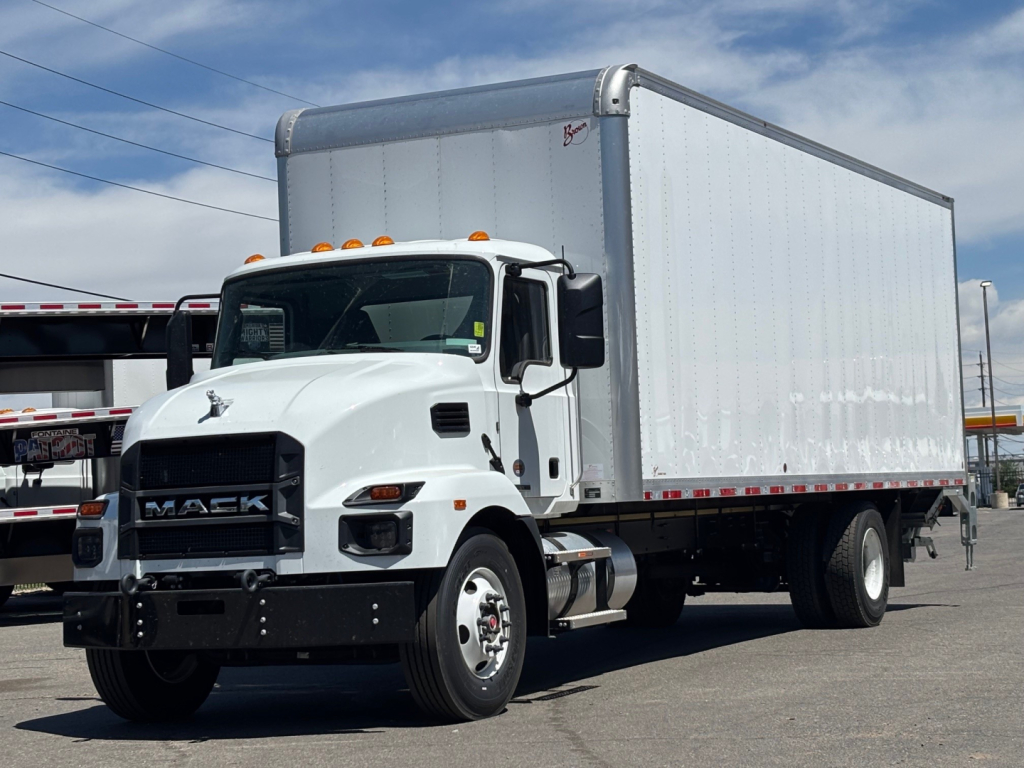
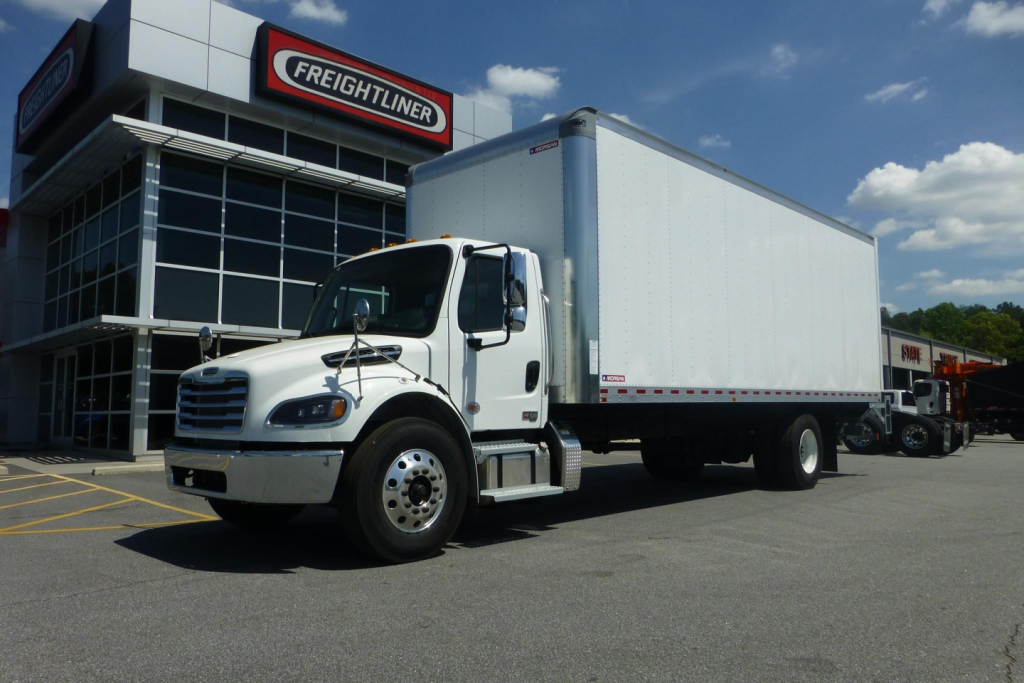
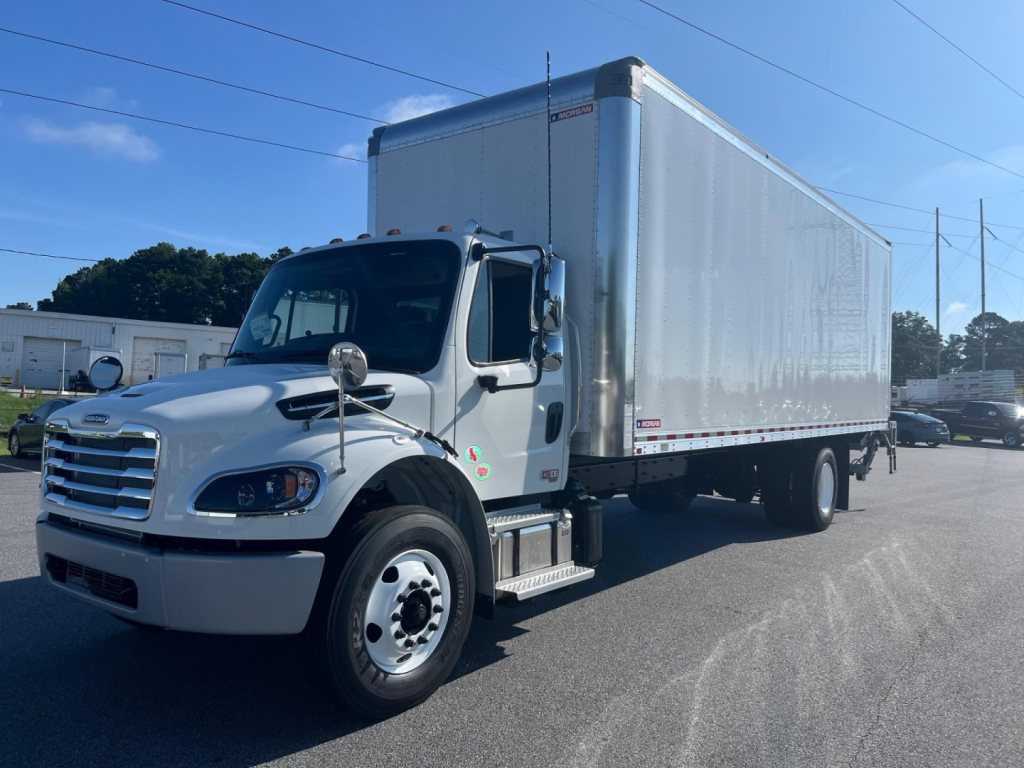
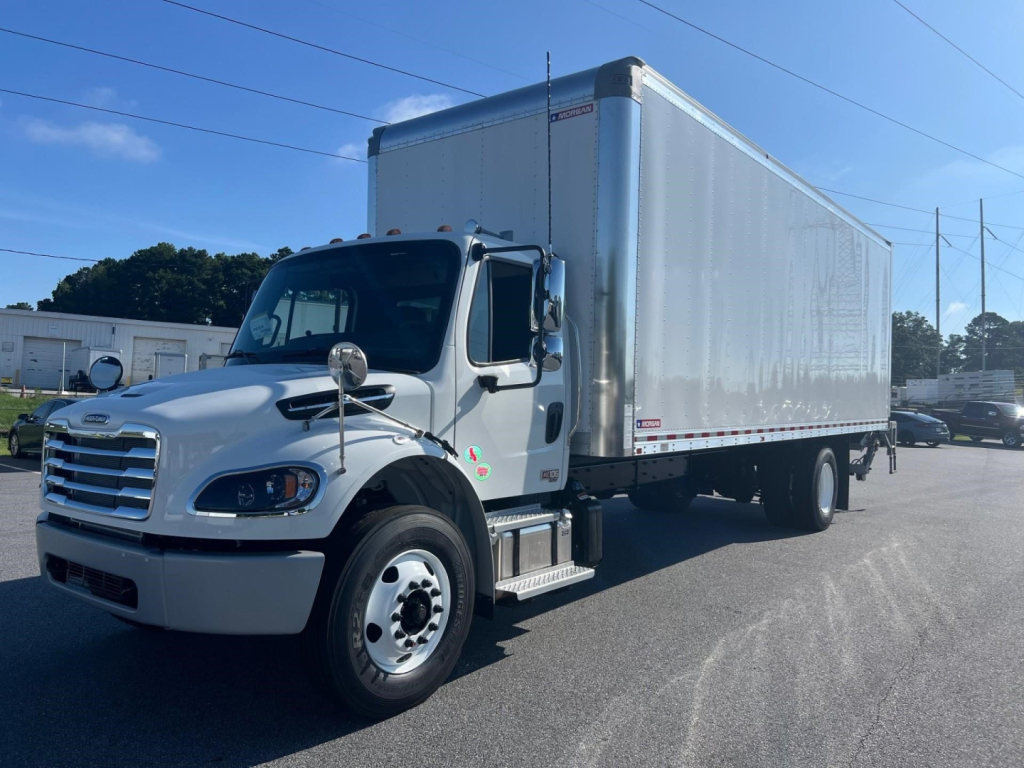
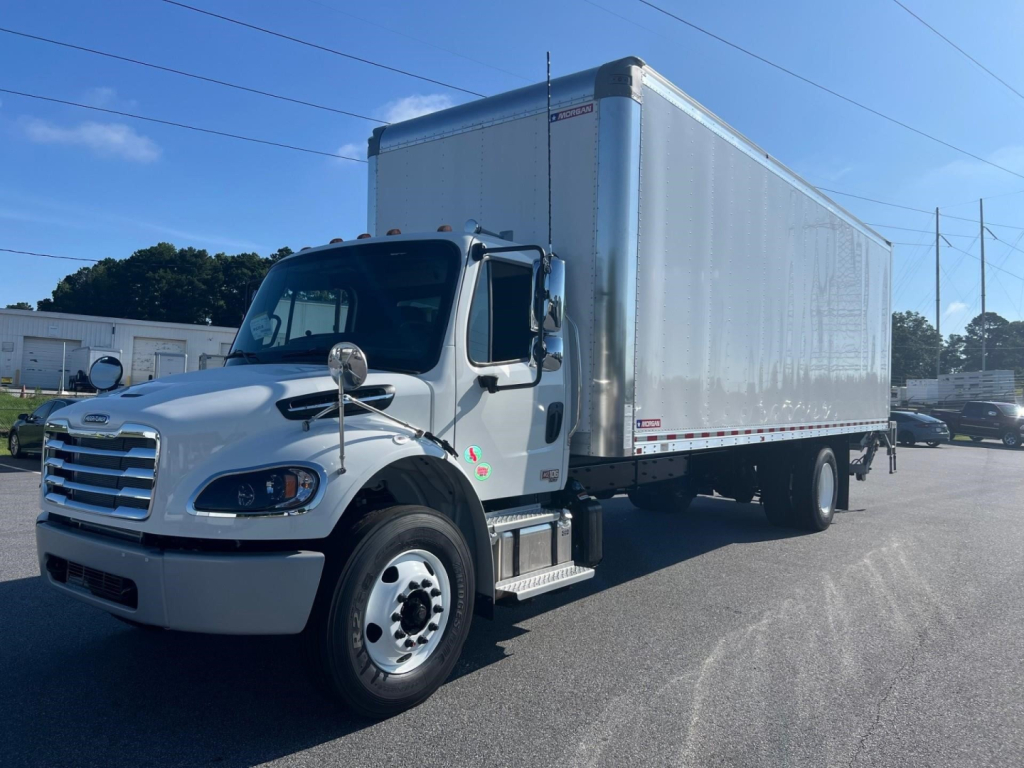
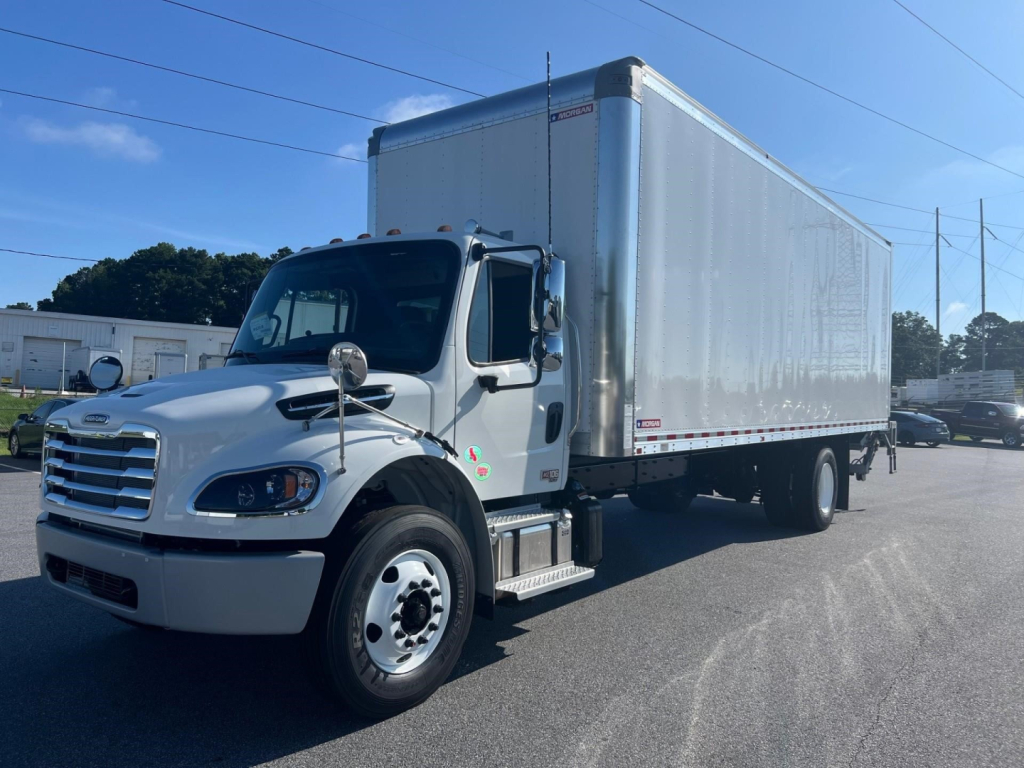
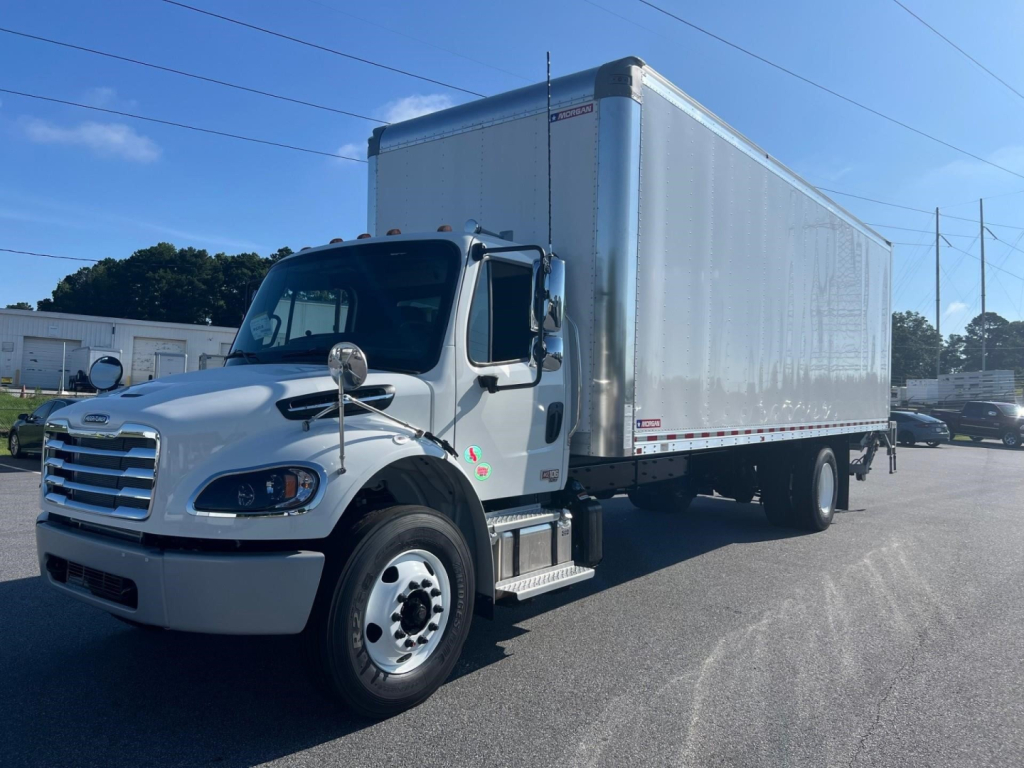
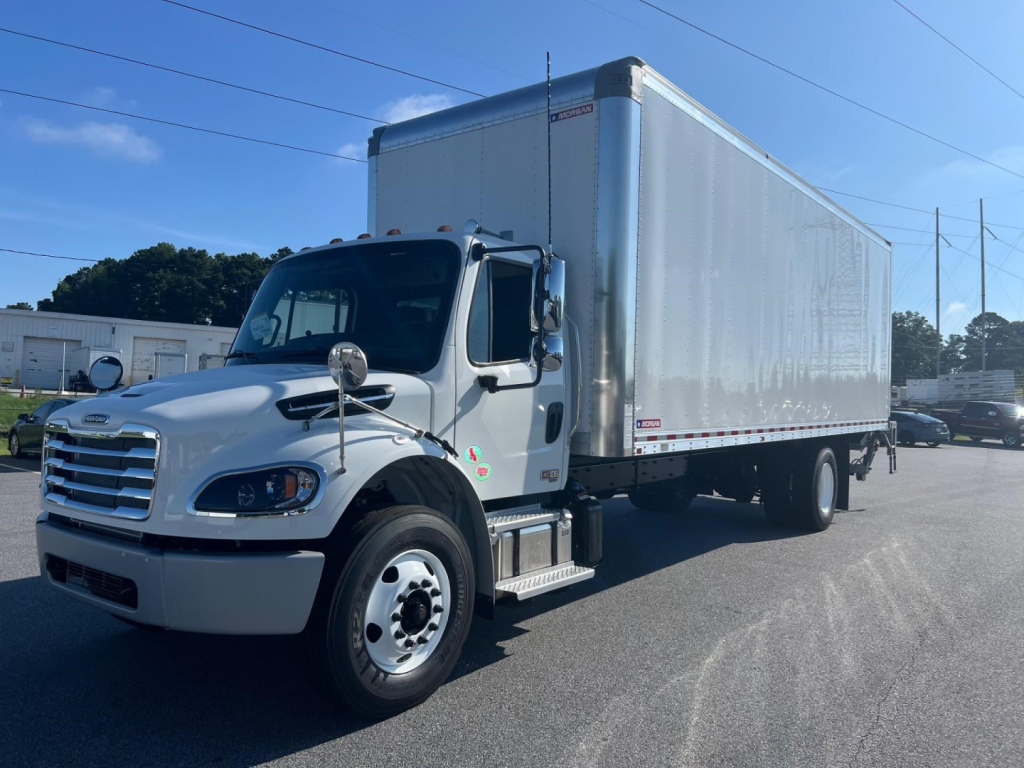
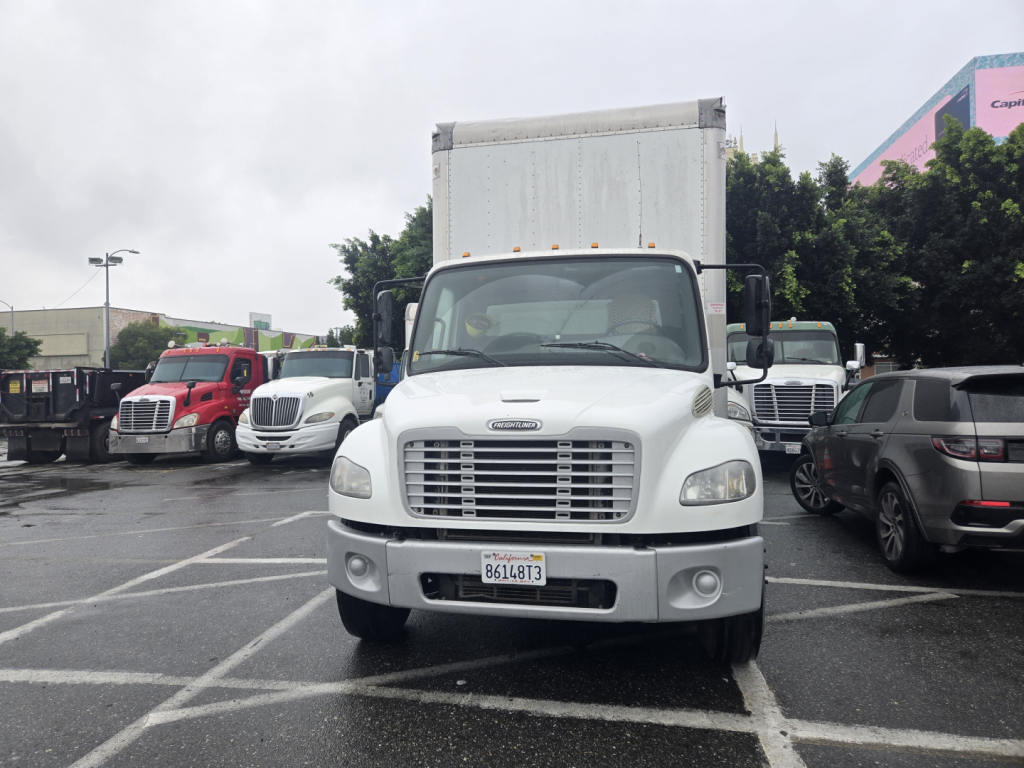
Showing 85 to 112 of 201 results
Selling a box truck? List your box truck for sale and reach thousands of commercial buyers.
Box Trucks in Wisconsin
Powertrain and chassis spec matter as much as the box itself. Buyers will see gas and diesel engines, automatic transmissions on most late-model units, and occasional older manual transmission trucks. Diesel box trucks are still popular for higher-mileage regional work and heavier payloads, while gas models can make sense for lower annual miles and simpler maintenance. Check axle ratings, wheelbase, suspension type, brake configuration, and cab-to-axle dimensions, since those specs affect body fit, turning radius, ride quality, and legal payload. In Wisconsin, cold-weather starting, heater performance, battery condition, and corrosion on frame rails, crossmembers, brake lines, and underbody hardware deserve close attention.
Body spec drives day-to-day usability. Common features include roll-up rear doors, side doors, E-track, wood slat lining, translucent roofs, scuff liners, liftgates, and walk ramps. A liftgate is a major value point if the truck handles pallets, appliances, or route freight without dock access. Interior height, door opening size, and floor condition should be evaluated against the cargo you move most often. Buyers comparing used box trucks should inspect roof seams, front wall integrity, floor wear, water intrusion, and any signs of impact damage around the rear frame, threshold, and body corners.
A good box truck purchase comes down to duty cycle, not just price. Short city routes favor maneuverability, lower step-in height, and frequent-stop durability. Longer regional runs put more emphasis on fuel economy, cab comfort, and stable highway handling. For CDL-sensitive operations, make sure the truck’s GVWR aligns with your licensing and compliance needs. If the body will support reefer service, parcel delivery, moving, or mobile workshop use, verify PTO compatibility, electrical capacity, cargo control setup, and available upfit space before buying.
Frequently Asked Questions about Box Trucks in Wisconsin
What size box truck is best for local delivery work?
For local delivery, the right size depends on cargo volume, pallet count, and route density. Many operators use 14 to 20 foot box trucks for city and suburban routes because they balance cargo space with easier parking and tighter turning. If the work involves heavier palletized freight or larger appliance and furniture loads, a 22 to 26 foot body on a higher GVWR chassis is often the better fit.
Do I need a CDL to operate a box truck?
Not every box truck requires a CDL. The key threshold is usually a gross vehicle weight rating over 26,000 pounds, along with certain cargo or passenger-use conditions. Many non-CDL box trucks are spec'd just under that limit, but buyers should always verify the exact GVWR on the door label and confirm state and federal operating requirements before putting the truck to work.
Is a diesel or gas box truck better?
Diesel box trucks generally make more sense for heavier payloads, longer routes, and higher annual mileage because they deliver strong torque and can hold up well in demanding service. Gas box trucks are often easier to maintain, have lower upfront cost, and fit lower-mileage delivery operations well. The better choice depends on payload, route length, idle time, maintenance capability, and total operating cost over the life of the truck.
What should I inspect on a used box truck body?
Focus on the floor, roof, rear door opening, body corners, front wall, and the mounting points where the body meets the chassis. Look for water leaks, soft flooring, rusted crossmembers, cracked seams, impact damage, and signs of past repairs. Liftgate function, cable or hydraulic condition, door track wear, and interior wall protection like scuff liners or slats should also be checked because those items affect daily usability and repair cost.
What features matter most on a Wisconsin box truck?
Cold-weather reliability and corrosion condition matter more in Wisconsin than they do in milder climates. Buyers should pay close attention to batteries, block heater setup, starting performance, cab heat and defrost, tire condition, and rust on the frame, brake lines, fuel system components, and body hardware. Traction on winter routes and the condition of door seals also matter when the truck is used year-round.