
Used UD Box Trucks For Sale in New York
Browse used UD box trucks in New York. Learn common specs, payload factors, body sizes, and what to inspect before buying.
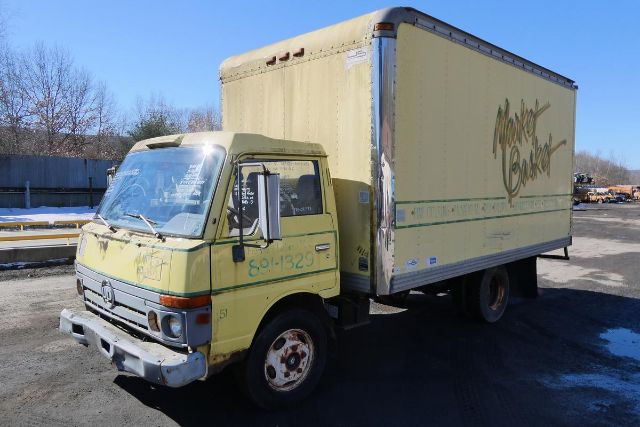
Selling a used ud box truck? List your used ud box truck for sale and reach thousands of commercial buyers.
Used UD Box Trucks in New York
For this category, body condition matters as much as the chassis. A box truck can look serviceable from the outside and still need expensive floor, roof, or door work. Check the box floor for soft spots, wall delamination, water intrusion around the front nose and roof seams, and rear frame corrosion near the door opening. Roll-up doors should track smoothly and seal properly. If the truck has a translucent roof, inspect for cracks and prior patching. Measure the interior length, width, and height against your actual freight profile, not just the listed body size. A shorter wheelbase UD can be easier to park in dense New York routes, but it may limit liftgate options or payload balance depending on body length and axle placement.
On older used UD box trucks, engine and brake system condition deserve close attention. Many units from this class used mechanical or simpler electronically managed diesel engines that can be durable, but age-related issues often show up in cooling systems, charging systems, exhaust, hydraulic brake components, and driveline seals. Verify cold-start behavior, blow-by, transmission shift quality, brake feel, and steering play. On cabover UD models, access for service is usually straightforward, but parts support and model-specific sourcing should be confirmed before purchase. Tire size, wheel type, axle ratings, and cab-to-axle dimension should all line up with your intended use, especially if you may repurpose the chassis for a different body.
New York buyers should also weigh registration class, emissions compliance where applicable, bridge and street restrictions, and how the truck will perform in tight city loading zones. A used UD box truck can be a cost-effective solution for lighter regional work if the frame is sound and the box has been maintained. The best candidates are not just low-mile examples. They are trucks with clear service history, a dry and straight body, usable brakes and tires, and dimensions that match the route and cargo they will handle every day.
Frequently Asked Questions about Used UD Box Trucks in New York
What should I inspect first on a used UD box truck?
Start with the box body, frame, brakes, and engine condition. On older UD box trucks, corrosion, neglected hydraulic brake systems, roof leaks, bad charging components, and worn roll-up doors can turn a low purchase price into a high repair bill. Check the frame rails for rust or previous repairs, inspect the box floor and roof seams for water damage, and confirm the truck starts cleanly, charges properly, and stops straight.
Are UD box trucks good for city delivery work?
Yes, many UD box trucks are well suited for city delivery because they are compact, maneuverable, and often built on cabover chassis with a tight turning radius. That makes them easier to place at docks, alleys, and curbside stops in dense urban areas. Buyers should still confirm wheelbase, body length, and mirror visibility because a truck that is easy to turn may still be difficult to load legally or safely on certain New York routes.
How important is cab-to-axle measurement on a used box truck?
Cab-to-axle measurement is critical because it determines what body size the chassis can properly carry and how the load is distributed across the axles. If the cab-to-axle dimension does not match the body, you can end up with poor weight balance, reduced payload utility, or fitment issues with liftgates and underbody equipment. On a used UD, always compare cab-to-axle, wheelbase, and actual box length before assuming the truck is configured correctly for your operation.
What are common problem areas on older used UD box trucks?
Common trouble spots include hydraulic brake lines and components, mufflers and exhaust piping, alternators, lighting circuits, aging suspension parts, and leaks in the box body. Depending on age and service history, you may also see steering wear, dry-rotted tires, and rust around body mounts or crossmembers. Older trucks can still be productive, but only if the core chassis and cargo body are structurally sound and parts availability is acceptable for your maintenance plan.
Is mileage the best way to judge a used UD box truck?
No. Mileage helps, but condition and service history matter more on this equipment class. A lower-mile truck that sat outside for years can have worse brakes, seals, electrical issues, and box deterioration than a higher-mile truck that stayed on a fleet maintenance schedule. Focus on overall mechanical condition, frame integrity, cargo body quality, and whether the dimensions and ratings fit the loads you plan to haul.