
UD Box Trucks For Sale
Browse UD box trucks for sale. Learn common specs, body sizes, diesel engine options, GVWR ranges, and delivery applications.
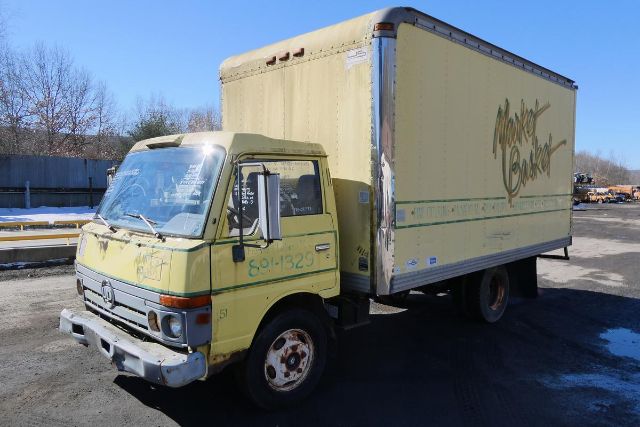
Selling a ud box truck? List your ud box truck for sale and reach thousands of commercial buyers.
UD Box Trucks
Frequently Asked Questions about UD Box Trucks
What are UD box trucks commonly used for?
UD box trucks are commonly used for local delivery, furniture moving, contractor materials, route sales, appliance hauling, and municipal or institutional fleet work. The enclosed body protects freight from weather and theft, which makes this category a practical choice for dry goods, packaged products, and equipment that does not require refrigeration. Buyers usually focus on matching body length, door style, and payload capacity to the route and product mix.
What should I check first on an older UD box truck?
Start with brake system condition, frame corrosion, cab rust, engine blow-by, transmission shift quality, and the condition of the box itself. On older medium-duty UD trucks, it is important to inspect hydraulic or air brake components, steering play, spring suspension wear, electrical condition, and parts of the body such as the roll-up door, roof, floor, and crossmembers. A sound drivetrain can still be offset by expensive repairs if the box floor is soft, the rear door is damaged, or the brake and charging systems need major work.
What body sizes are common on UD box trucks?
UD box trucks are often found with body lengths in the 12-foot to 24-foot range, with 14-foot to 20-foot bodies being common for city and regional delivery work. Exact dimensions depend on wheelbase, cab-to-axle measurement, and chassis rating. Buyers should confirm inside height, door opening dimensions, and whether the truck has features such as a translucent roof, wood or hardwood floor, E-track, scuff liners, and a liftgate.
Are UD box trucks good for city delivery routes?
Yes. UD box trucks are generally well suited for city and suburban delivery because they are compact compared with larger Class 7 or Class 8 straight trucks and are often configured with shorter wheelbases that help with alley access, dock approaches, and dense traffic. The right setup depends on route density and stop count, but many operators choose this category when they need an enclosed body with commercial-grade durability without stepping up to a much larger chassis.
How do I choose the right UD box truck configuration?
Choose the truck by starting with payload, cube requirements, and route conditions. A lighter single-axle 4x2 truck with a shorter wheelbase can be ideal for dense urban stops, while a longer wheelbase and larger box make more sense for bulkier but lighter freight. It also helps to verify engine horsepower, transmission type, axle rating, brake type, tire size, and whether the chassis has enough cab-to-axle length for the body and liftgate combination you need.